Newsletter

Join our mailing list for latest news and features

Build Hollywood

Build Hollywood

Build Hollywood

Build Hollywood

Partnerships

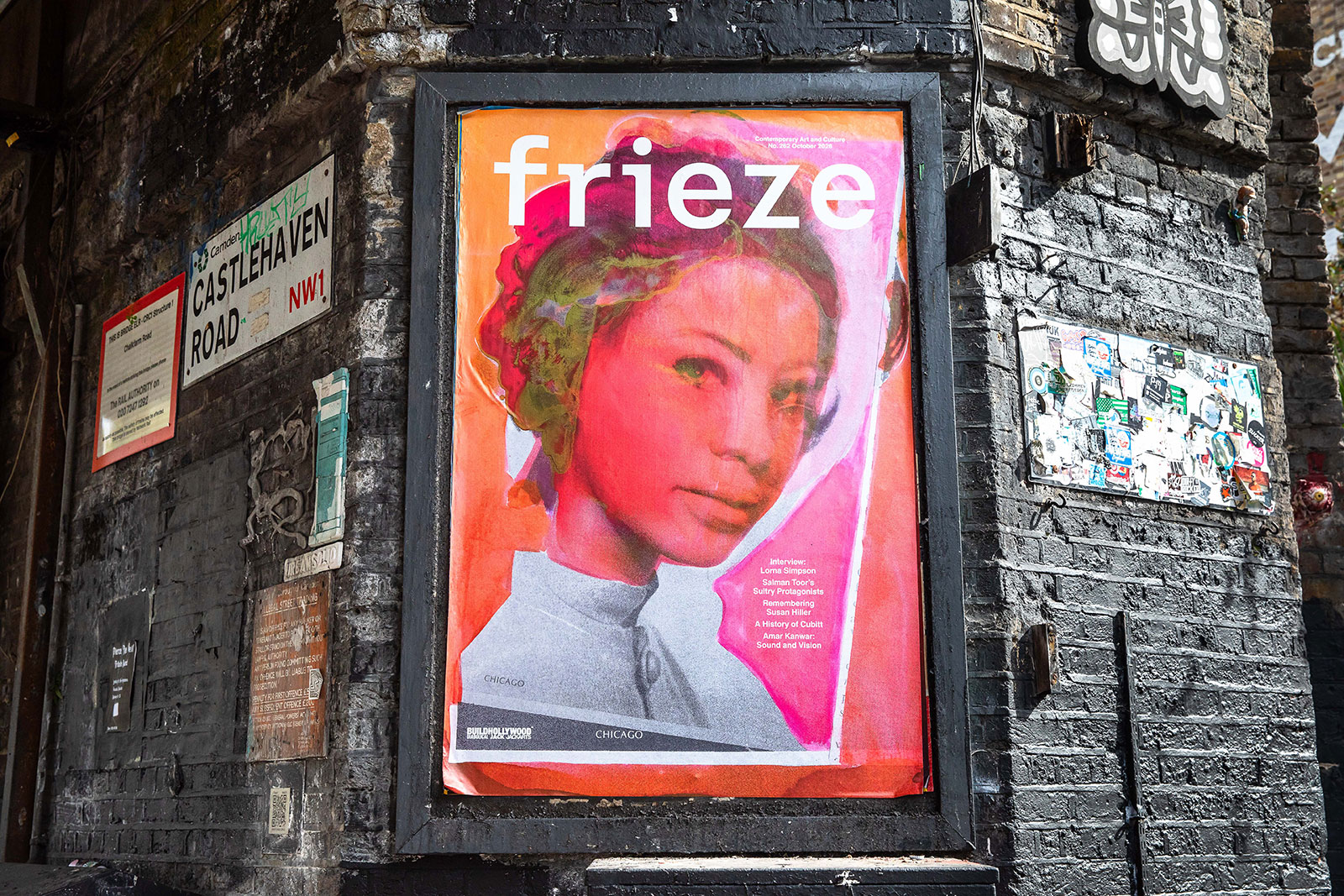
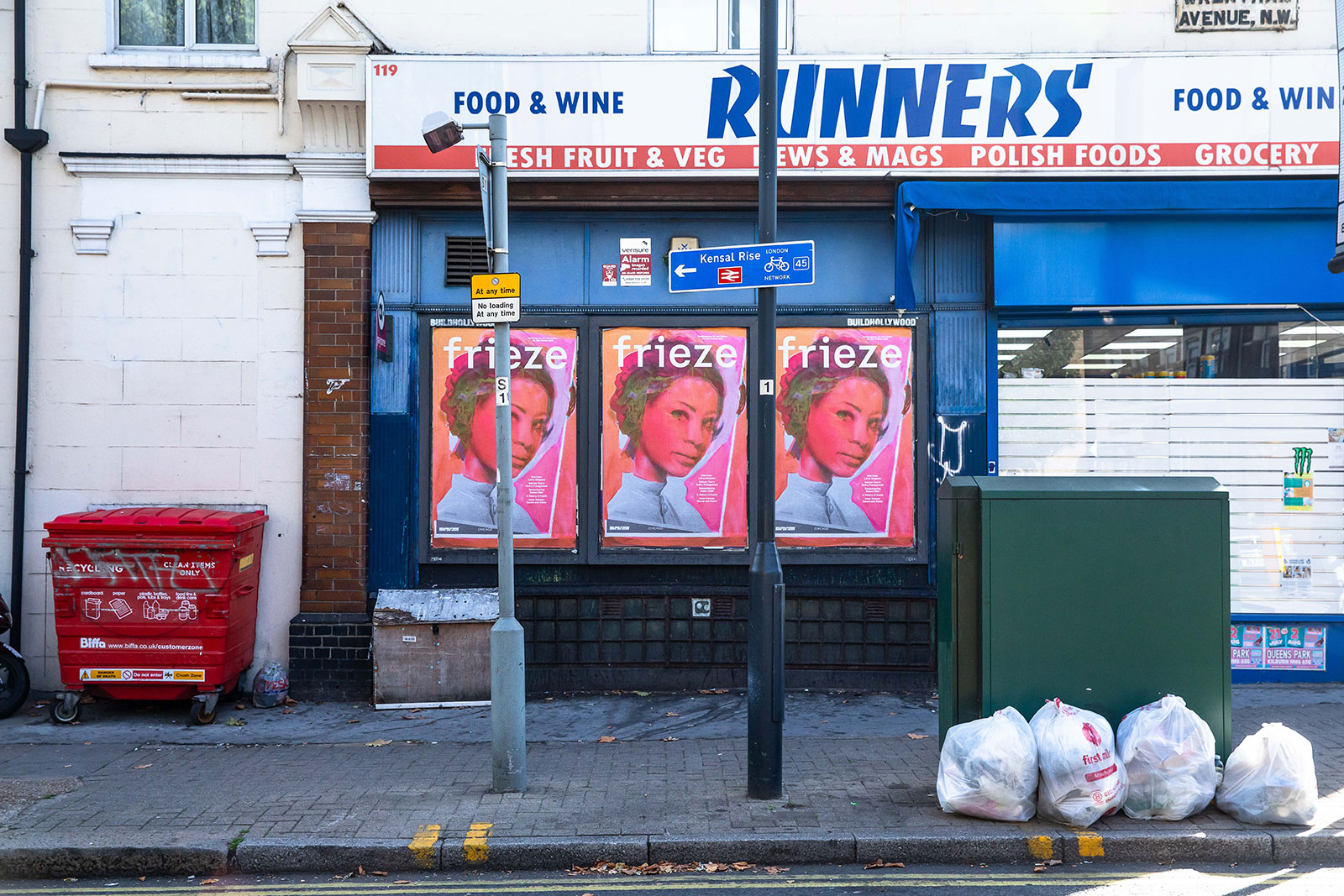
How Frieze has championed art for 35 years

Frieze London and Frieze Masters are celebratory reminders of the media and event brand’s indelible mark on the global art world over the last three decades and counting.

The word “frieze” has a few definitions. Among them: a type of coarse or unfinished fabric, and an intricate, finely crafted trim. In a way, those contrasts speak to the journey of Frieze, born 35 years ago with a rough-hewn, sleeves-up energy and now a treasured global arts organisation.

First came frieze magazine, which has grown to be one of the foremost resources for essays, profiles, interviews and reviews penned by leading writers, artists and curators. The shape, role and parameters of arts criticism has changed enormously over its lifetime, yet the magazine remains a substantial force in setting and responding to the cultural agenda in a sea of noise. In the intervening decades, the publication’s footprint has expanded to include the famous art fairs that descend on cities including LA, New York, and Seoul once a year, now occupying key cornerstones of the global art calendar.

Each October, it’s London’s turn. Over the course of a week, Regent’s Park and the wider city are taken over by Frieze London, the longest-running of its global contemporary art fairs, and Frieze Masters, the concurrent event that casts its gaze further back into art history, from the ancient era to the end of the 20th century. To say Frieze is a spectacle would be a severe understatement, reverberating as it does throughout the city as artists, galleries, museums, collectors and brands capitalise on the influx of nearly 100,000 visitors passing through both fairs in that week. From acutely timed exhibition openings to the temporary shockwave sent through London’s fashion tastes, there is a palpable sense of the city bending over backwards to meet the moment. “There are just so many things converging all around this moment. It continues to be, for me, at least, the most exciting part of the year for Frieze,” says Terence Trouillot, senior editor at frieze magazine and editor of Frieze Masters magazine.

30.09.26

Words by Megan Williams
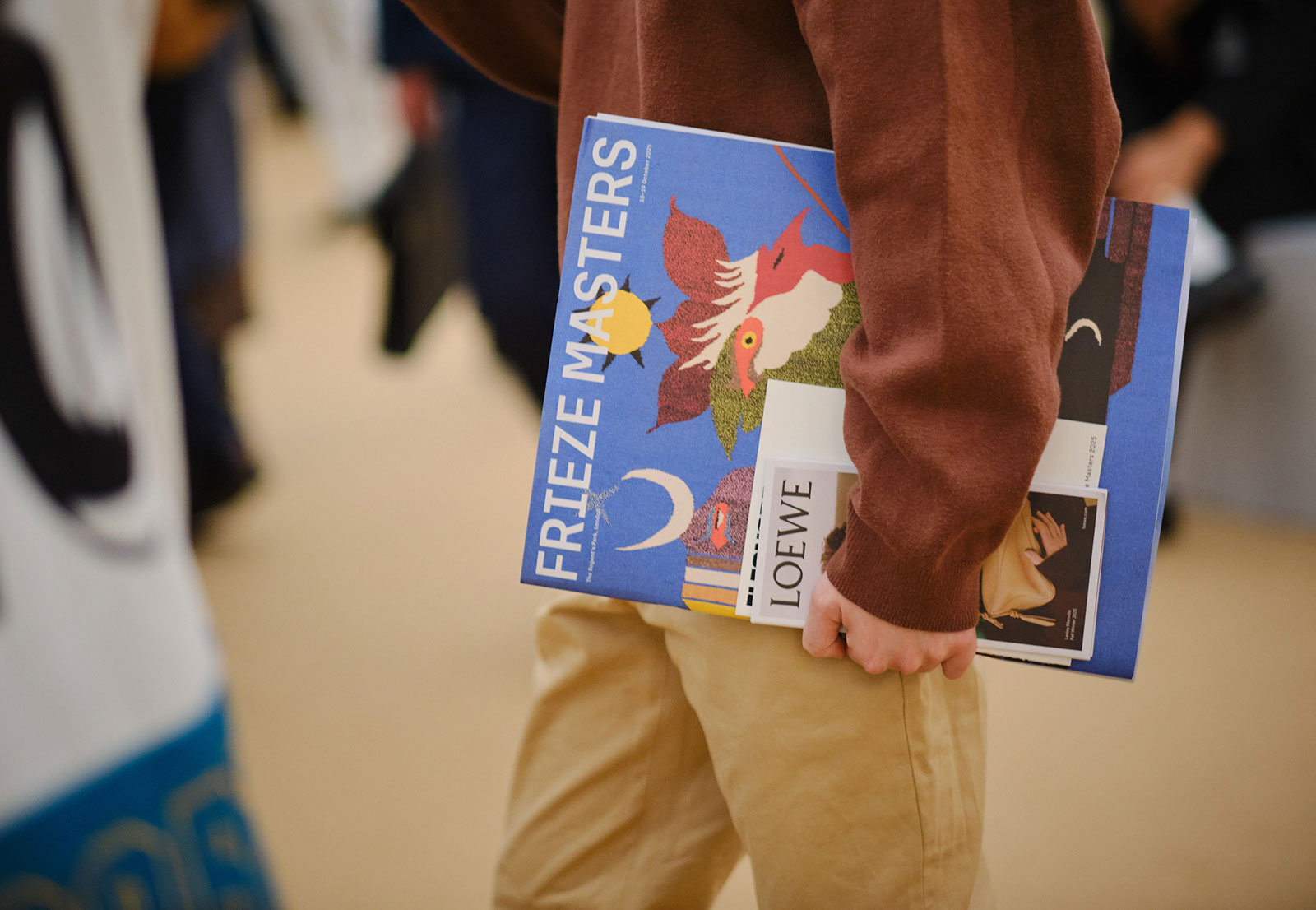
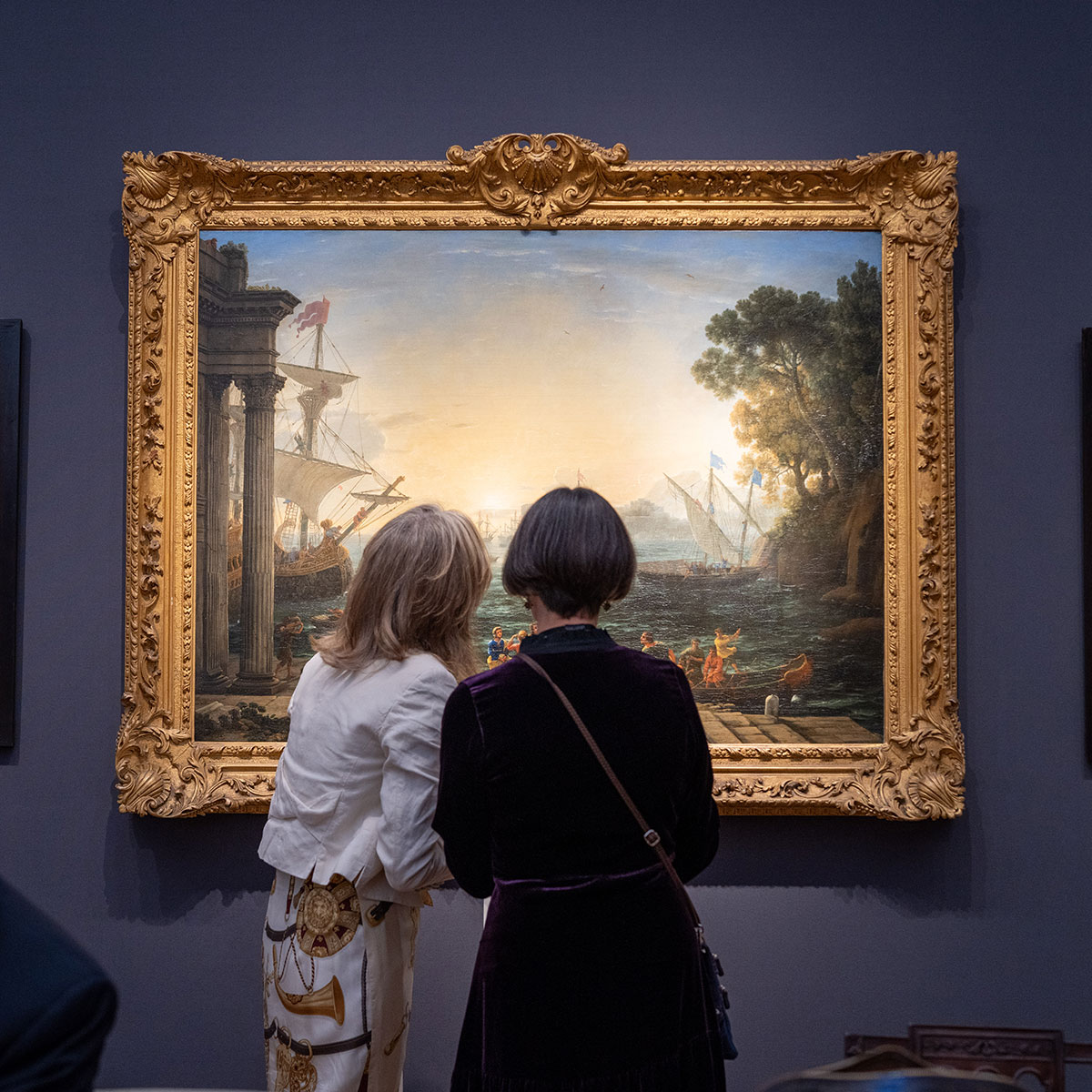
Frieze Masters 2025. Images courtesy of Ben Broomfield and Patrick Straub.
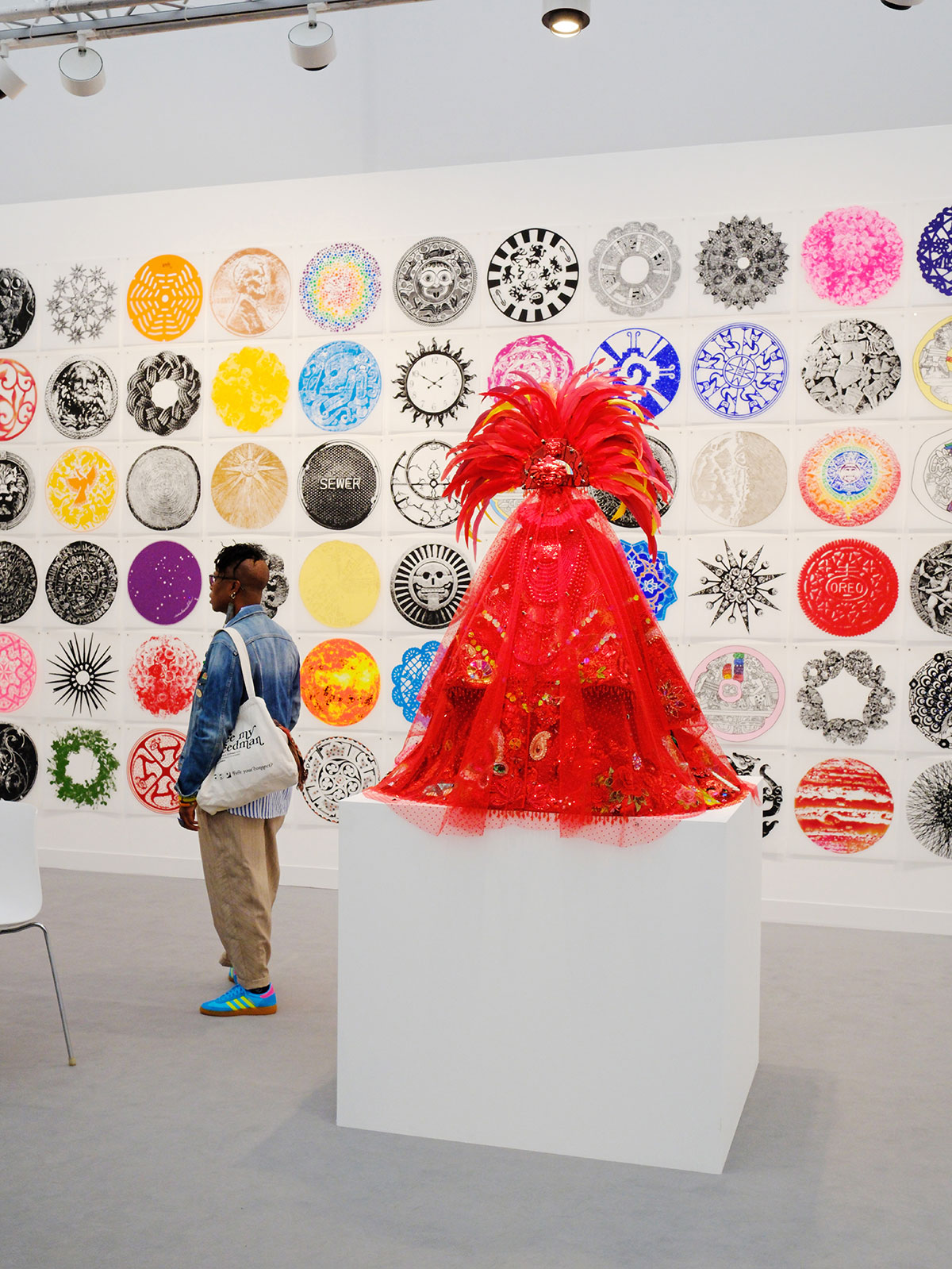
Erin Cluley Gallery at Artist-to-Artist, Frieze London 2025. Photo by Linda Nylind. Courtesy of Frieze.
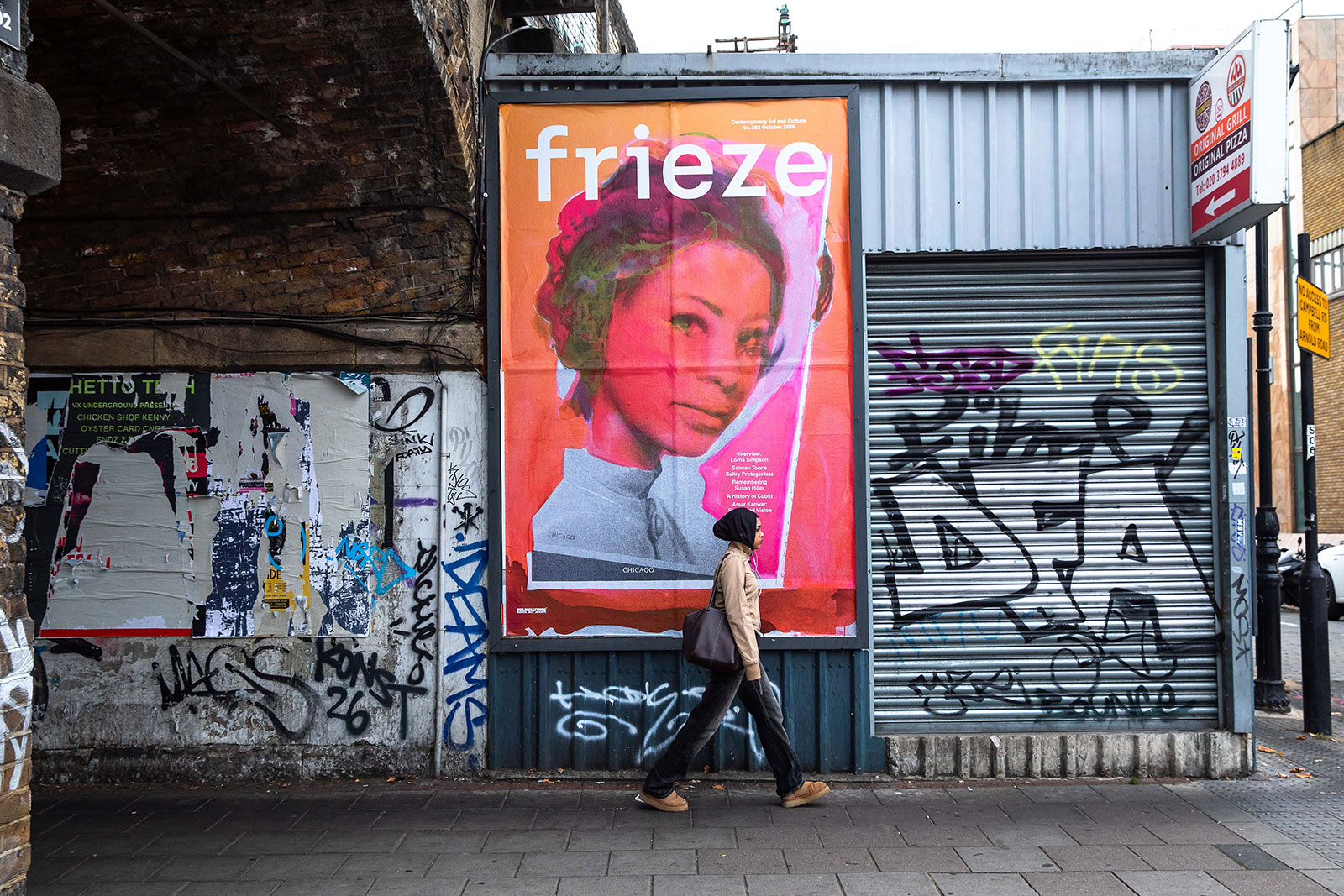
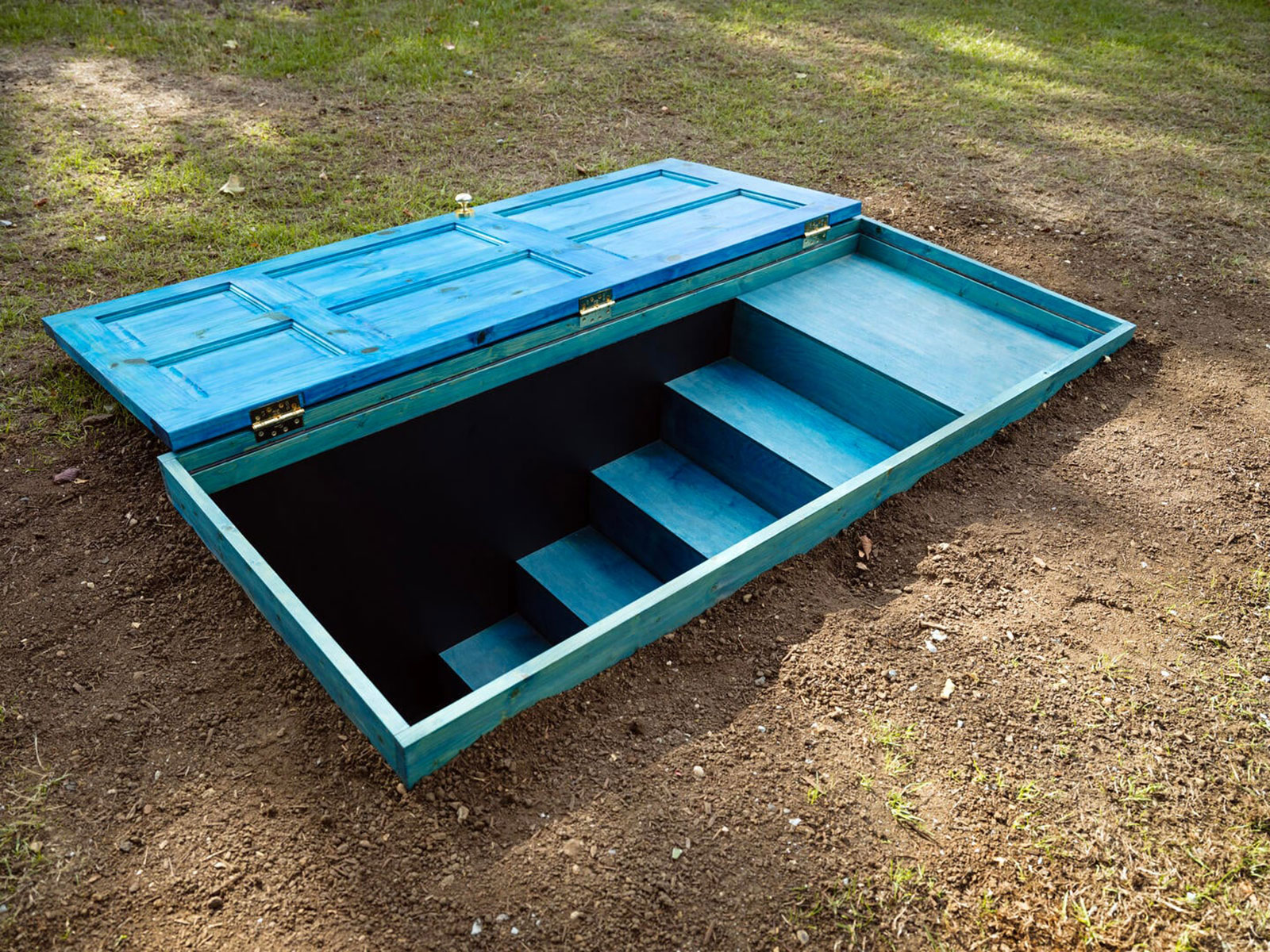
As part of this year’s edition, Frieze London is hosting returning initiatives like Artist-to-Artist, a display of emerging artists nominated by leading figures, alongside new curated sections like The Code Universe, which focuses on artworks dealing with popular culture, mass media and everyday objects. Elsewhere, Frieze Masters is introducing a new curated section for 2026 called Queering Modernism, which will extend through the fair to explore LGBTQIA+ experiences and subjects throughout modern art history. Around the corner from both is Frieze Sculpture, a seven-week public display that takes art out of the venues and into Regent’s Park itself, where this year works by 11 artists including Angel Otero and Conrad Shawcross will respond directly to their surroundings.

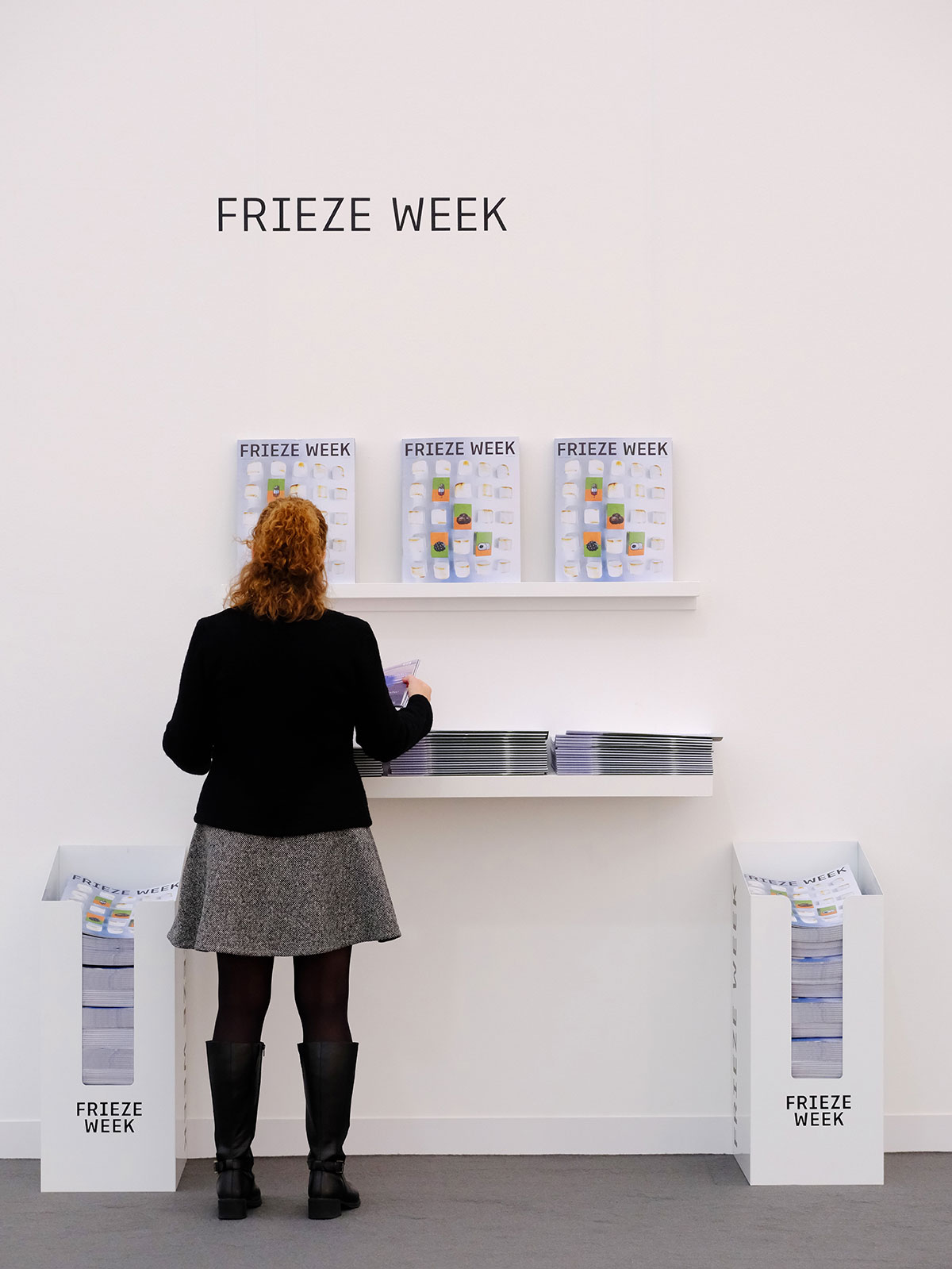
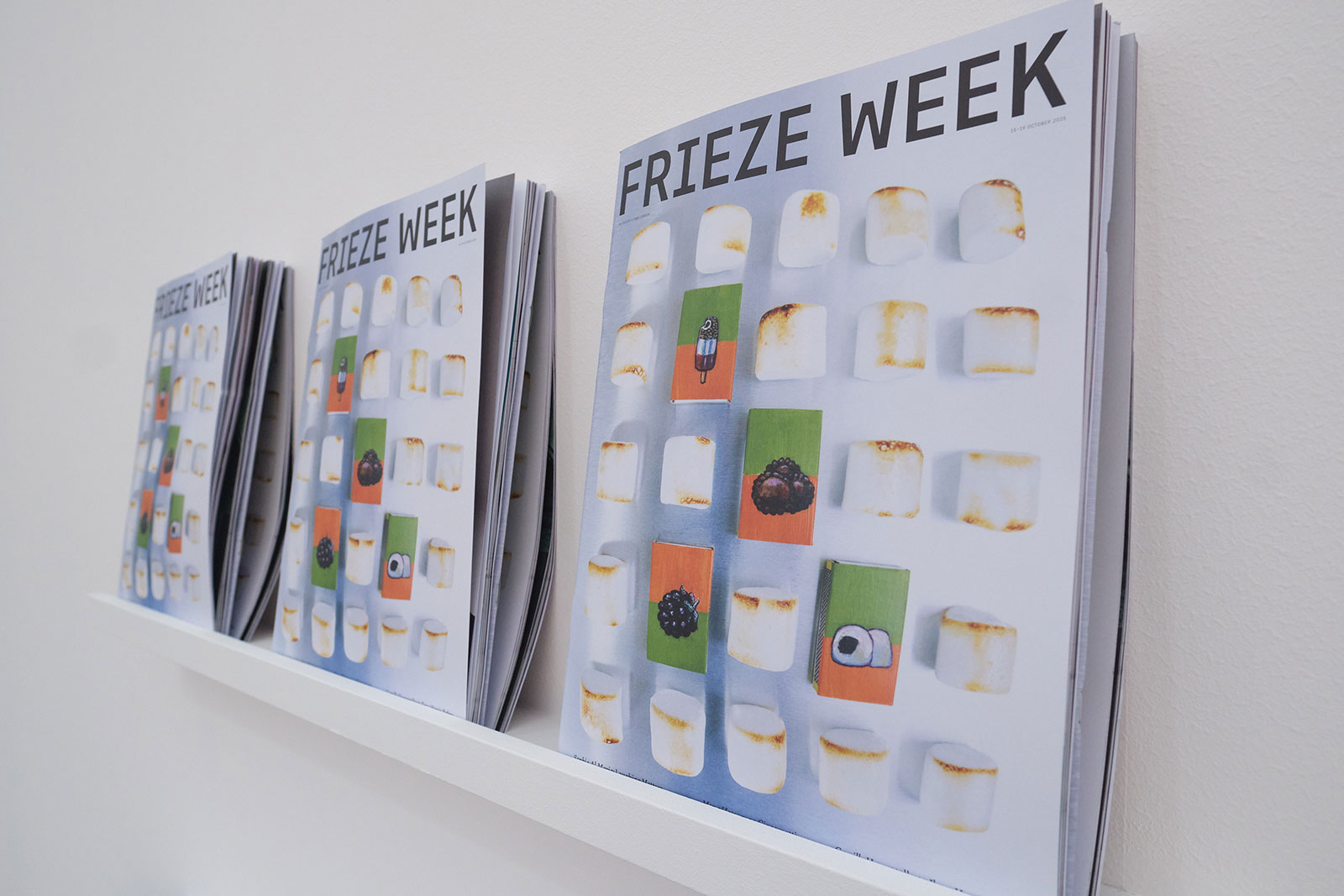
With the fairs and the accompanying Frieze Week magazine returning to London this October, Trouillot reflects on the organisation’s 35-year history, the evolution of arts criticism and the media landscape, and what makes both the magazine and the fairs distinct.

Angel Otero, Dreams and Salt, 2025–2026. Photography by Linda Nylind. Courtesy the artist and Hauser & Wirth.
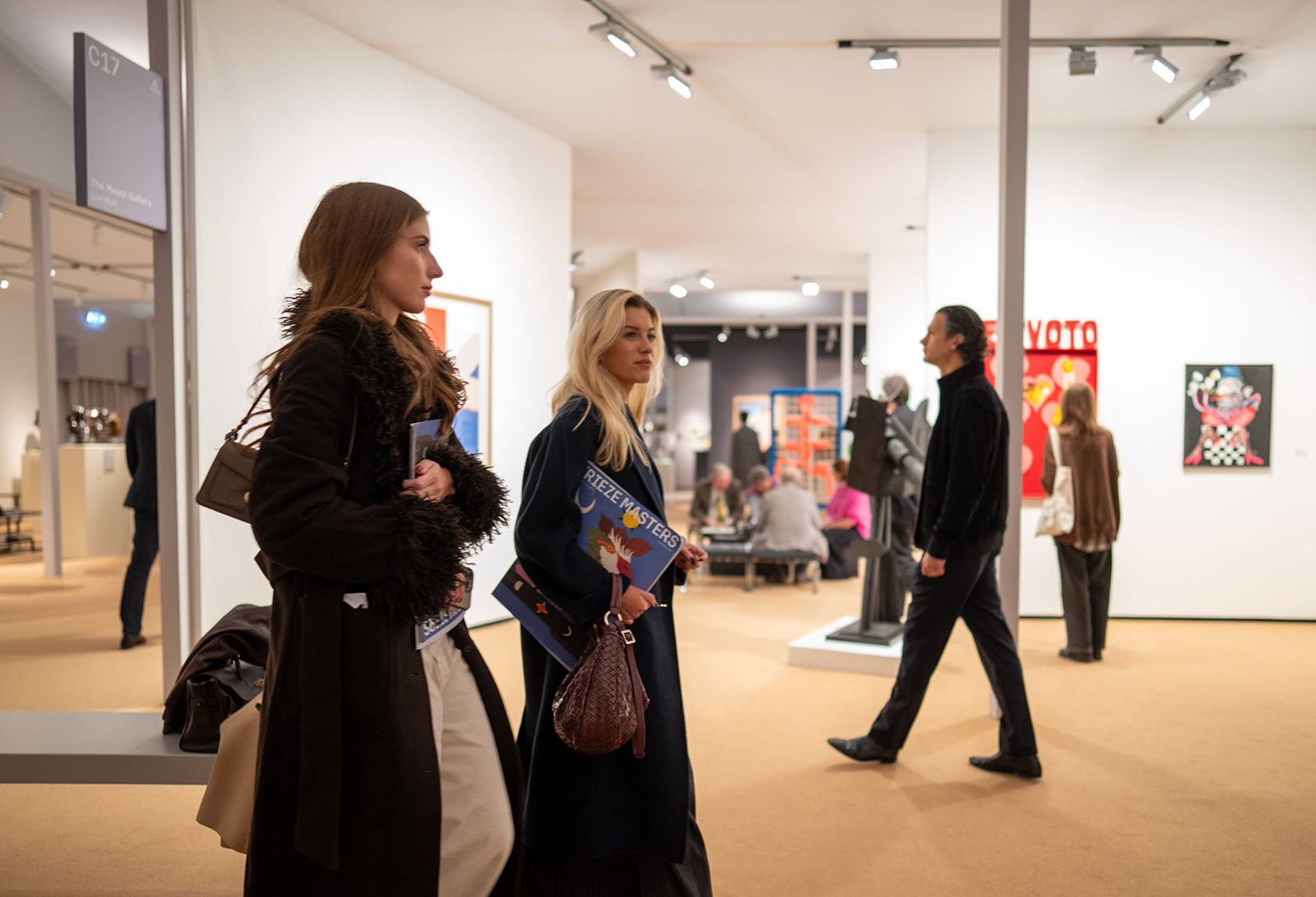
Frieze Masters 2025. Photo by Hugo Glendinning. Courtesy of Frieze.
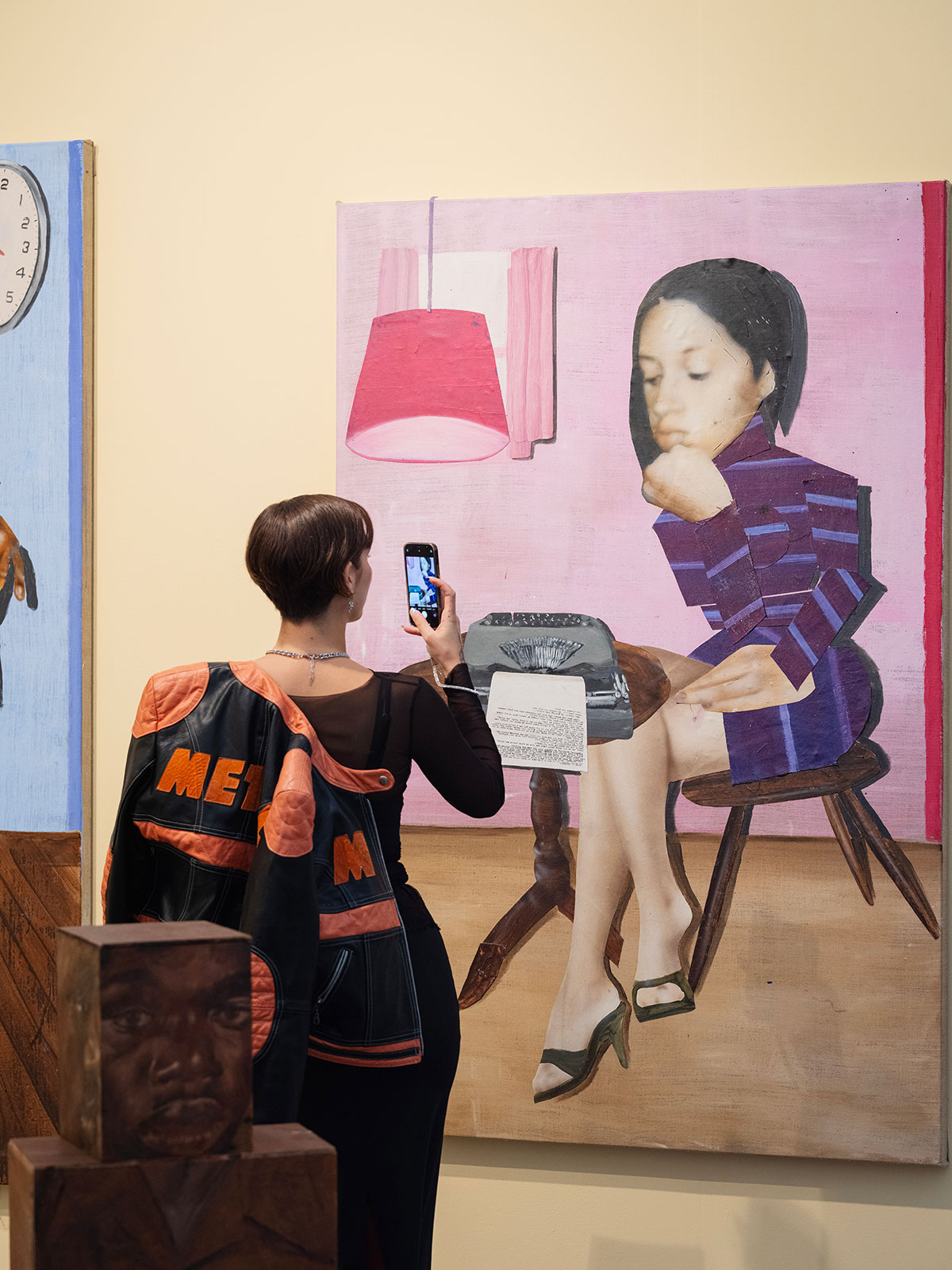
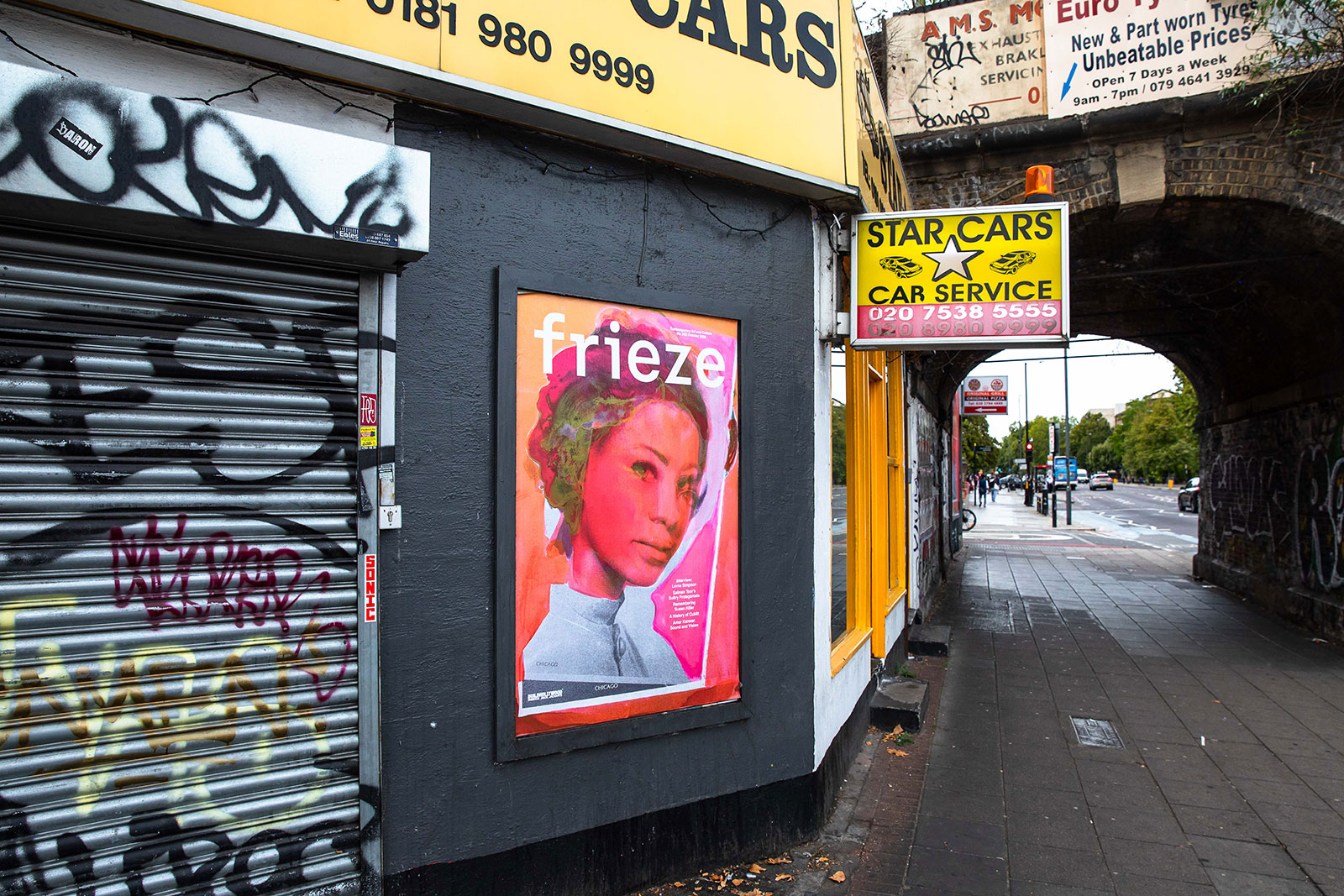
Harlesden High Street, Frieze London 2025. Photo by Linda Nylind. Courtesy of Frieze.
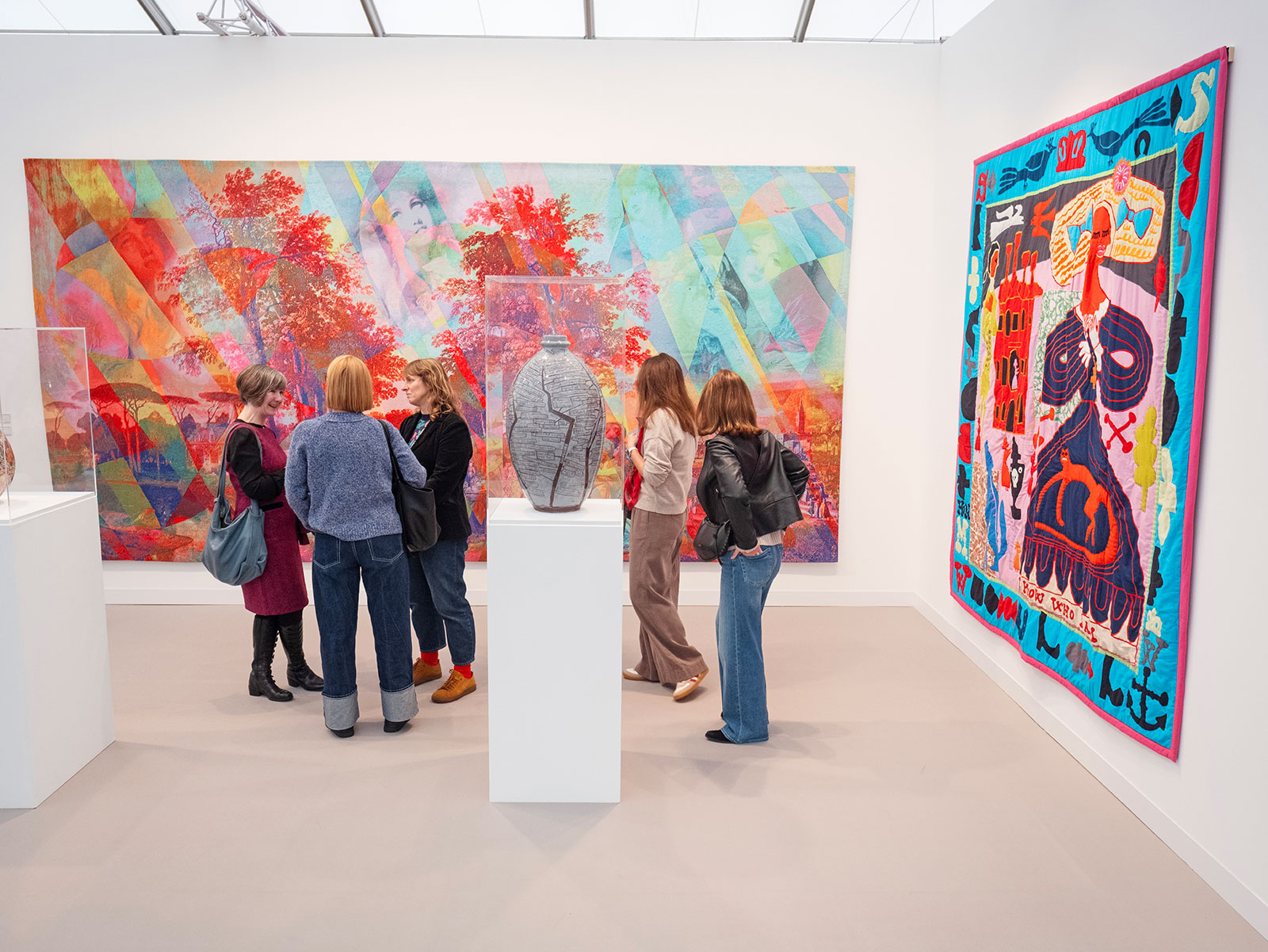
I wanted to start off by asking about the history behind frieze. When and why was the magazine founded?

It was started in 1991 by Amanda Sharp, Matthew Slotover and Tom Gidley. This was around the time of Young British Artists in the 1990s, and from my conversations with them and the history that I know, there was a dearth of coverage around that time from other international art magazines, most notably Artforum and other publications of its ilk. There was a need for it at the time.

I was just looking at a few of the earlier issues, because we moved to a new office and we have the whole archive here, and it obviously was a very DIY project in the beginning. It was very clear on the idea of separating itself from the big academic journals around art at the time and creating something that was born out of London for Londoners. It’s exactly 35 years since the first issue and it’s obviously come a long way to be what we now regard as a legacy art magazine.

How did the fairs come about?  

It was about a decade later [that Frieze London first launched]. With the success of the magazine and building relationships with galleries, covering and reviewing shows, I think those conversations happened organically – listening to galleries and thinking about what would be necessary to bring about more exposure on an international level to the local art scene in London.  

Obviously, the fairs have grown quite a bit, and there are numerous fairs internationally, and the landscape has changed quite a lot since then. But in that time, Frieze was graduating over to something else, trying to do something different, while still publishing a magazine. I think the fair had similar humble beginnings. It was another way of supporting galleries and the ecosystem of the art world. 

Victoria Miro, Frieze London 2025. Photo by Linda Nylind. Courtesy of Frieze.
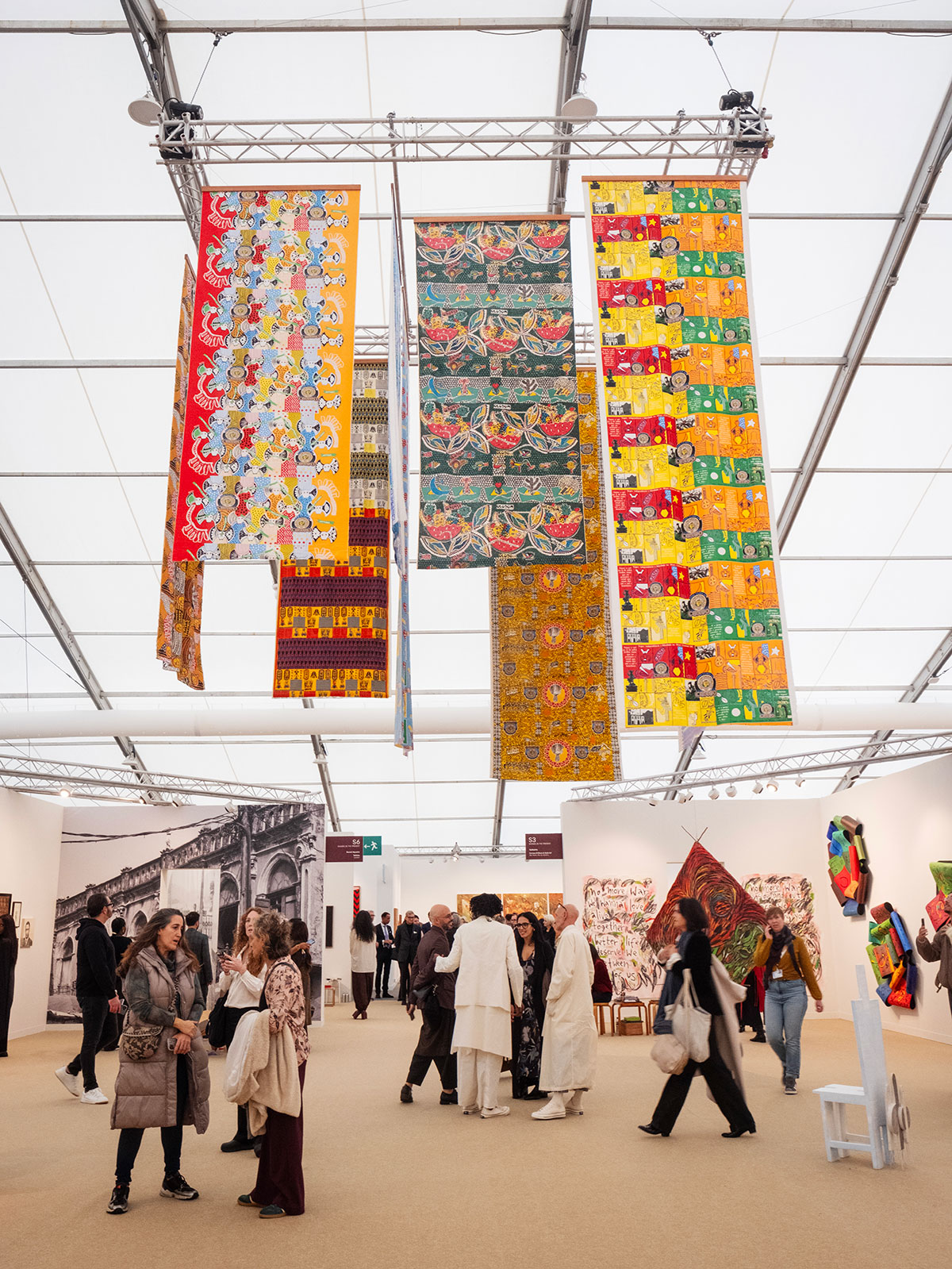
Echoes in the Present at Frieze 2025. Photo by Linda Nylind. Courtesy of Frieze.
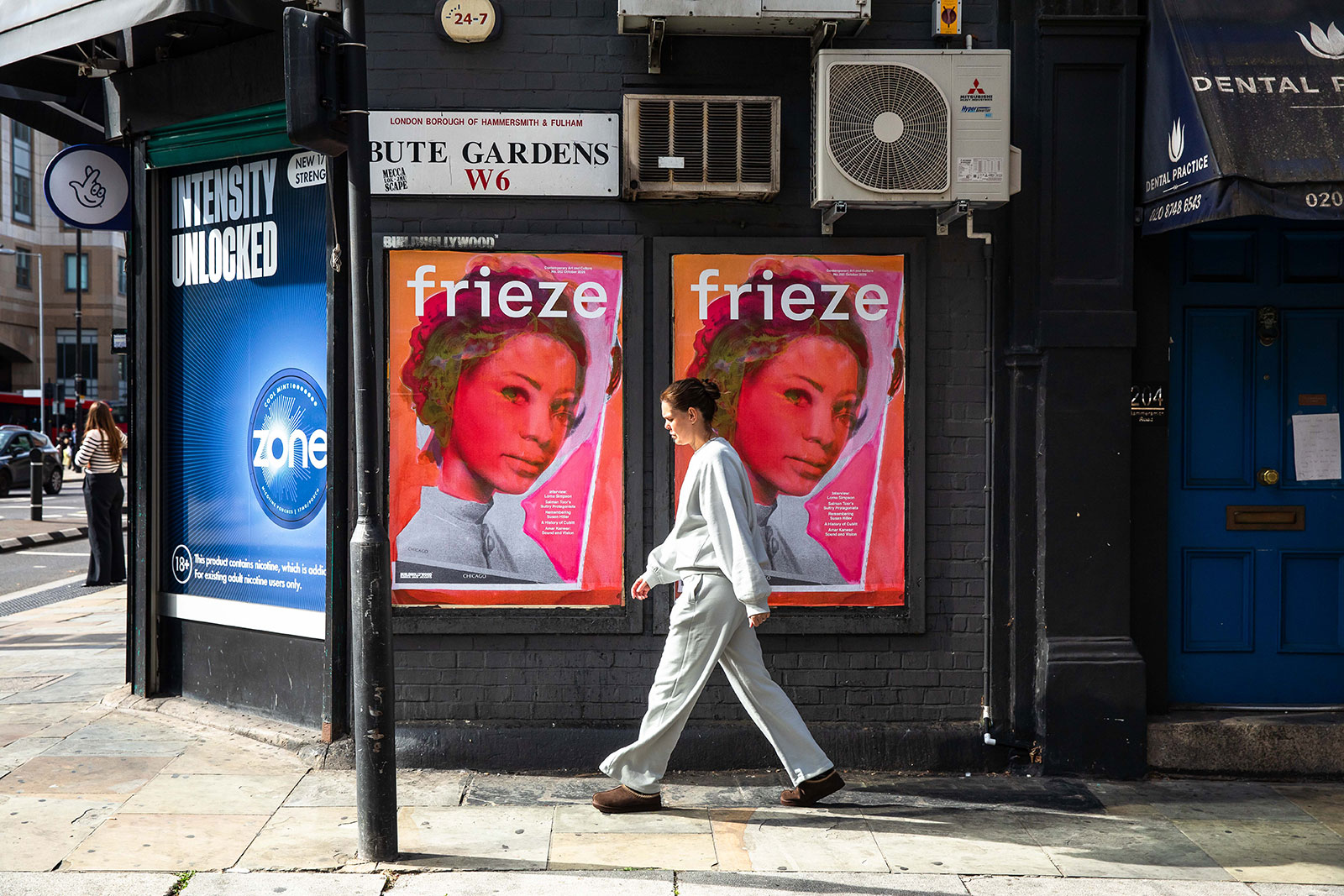
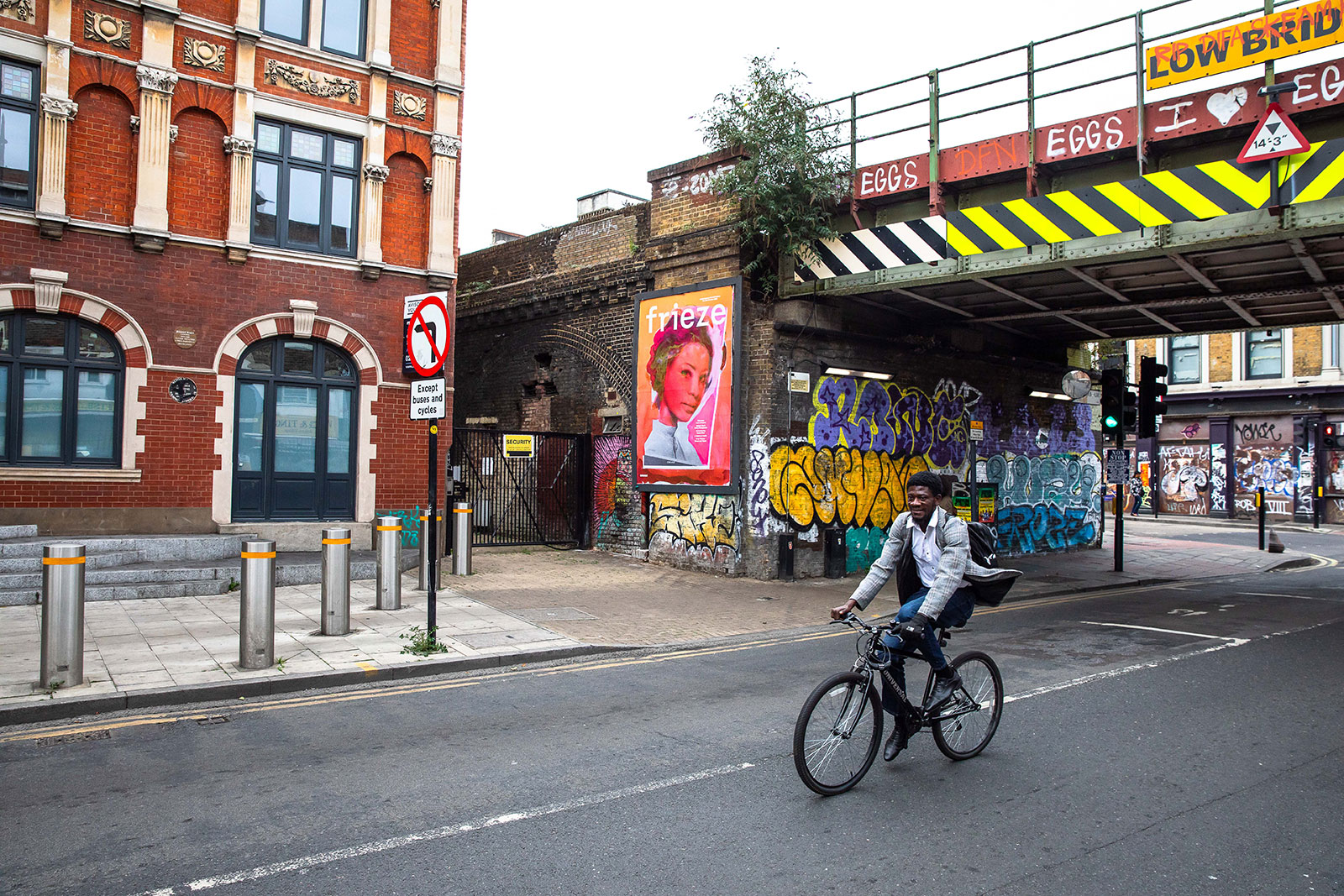
How would you describe the relationship between the fairs and the magazine today?

All the editors attend the fairs – we like to support our fair colleagues – but obviously, we do very different things, so the only time where there are actual crossovers are for the fair publications. I actually just had a meeting before this for Frieze Masters magazine, for which I am the editor. Our incredible colleague Matthew McLean works on all the Frieze Week magazines for all the separate fairs. My colleague Marko Gluhaich now works on the publications for The Armory Show that happens in New York as well as Expo Chicago. So when it comes to that, there’s constant communication with the fair directors working to bring about a publication that not only serves the people going to the fairs – from collectors to curators to advisors, what have you – but also serves the galleries as well, and [collaborating] closely with different writers that we work with at the magazine or elsewhere.

Obviously [the fair is] a more commercial endeavour. There are different expectations and goals compared to that of the magazine. One may say that it’s almost like church and state in some sense, in terms of there’s very clear lines, divisions between the two, but at the end of the day, we’re constantly learning from each other, being inspired from what we do individually in our own separate careers.

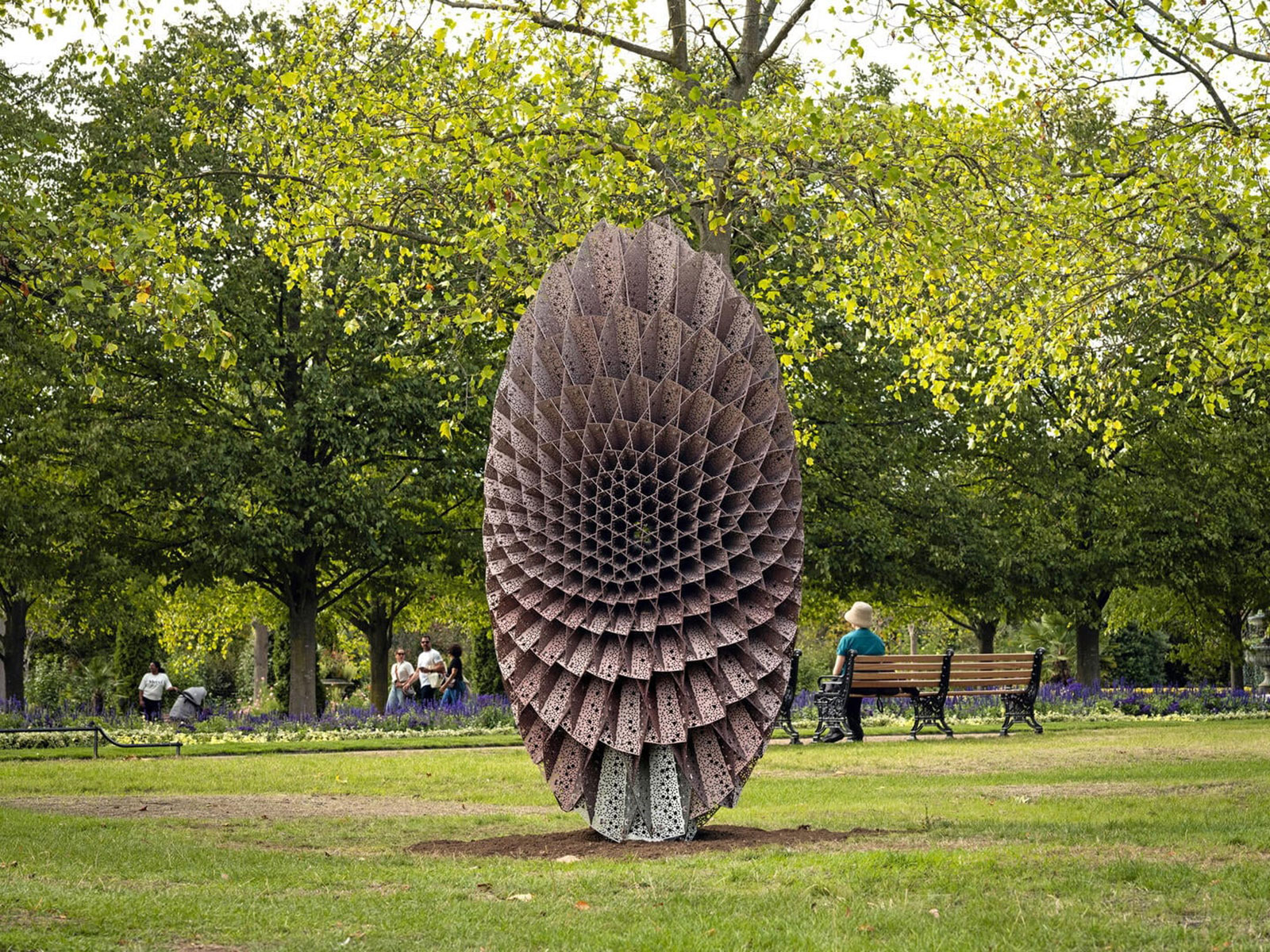
Conrad Shawcross, Eye of the Needle (Time Pebble (E30A13)), 2026. Photography by Linda Nylind. Courtesy of the artist and Victoria Miro.
Frieze London 2025. Photo by Linda Nylind. Courtesy of Frieze.
What would you say distinguishes frieze from other magazines in terms of how it navigates the art world and conversations?

Obviously frieze has been around for 35 years and has gone through different leadership, different editors, and they all had their separate visions in terms of how they wanted to put their own imprint on the magazine throughout the years. But I think something that was true from the beginning and  is still true today is that, as much as the art world can be exclusive, if you will, I think frieze has always tried – and I think successfully – to break down those barriers. Being accessible in terms of its language, clear writing, has always been a focus of the magazine. We try to move away from high-falutin art jargon. It’s a magazine that’s quite serious and rigorous in terms of what we do, and is always striving for excellence in art writing and journalism, while at the same time reaching a wider audience – particularly those who may not be art insiders per se, but are curious about fine arts and the art world.

We bring a lot of expertise and knowledge and art historical context to what we do, but there’s also an attempt to really be inclusive. And that’s something that was stressed when I arrived here six years ago, and it continues to be something that we constantly talk about and discuss how we could better address moving into the future.

Johnny Van Haeften at Frieze Masters 2025. Photo by Hugo Glendinning. Courtesy of Frieze
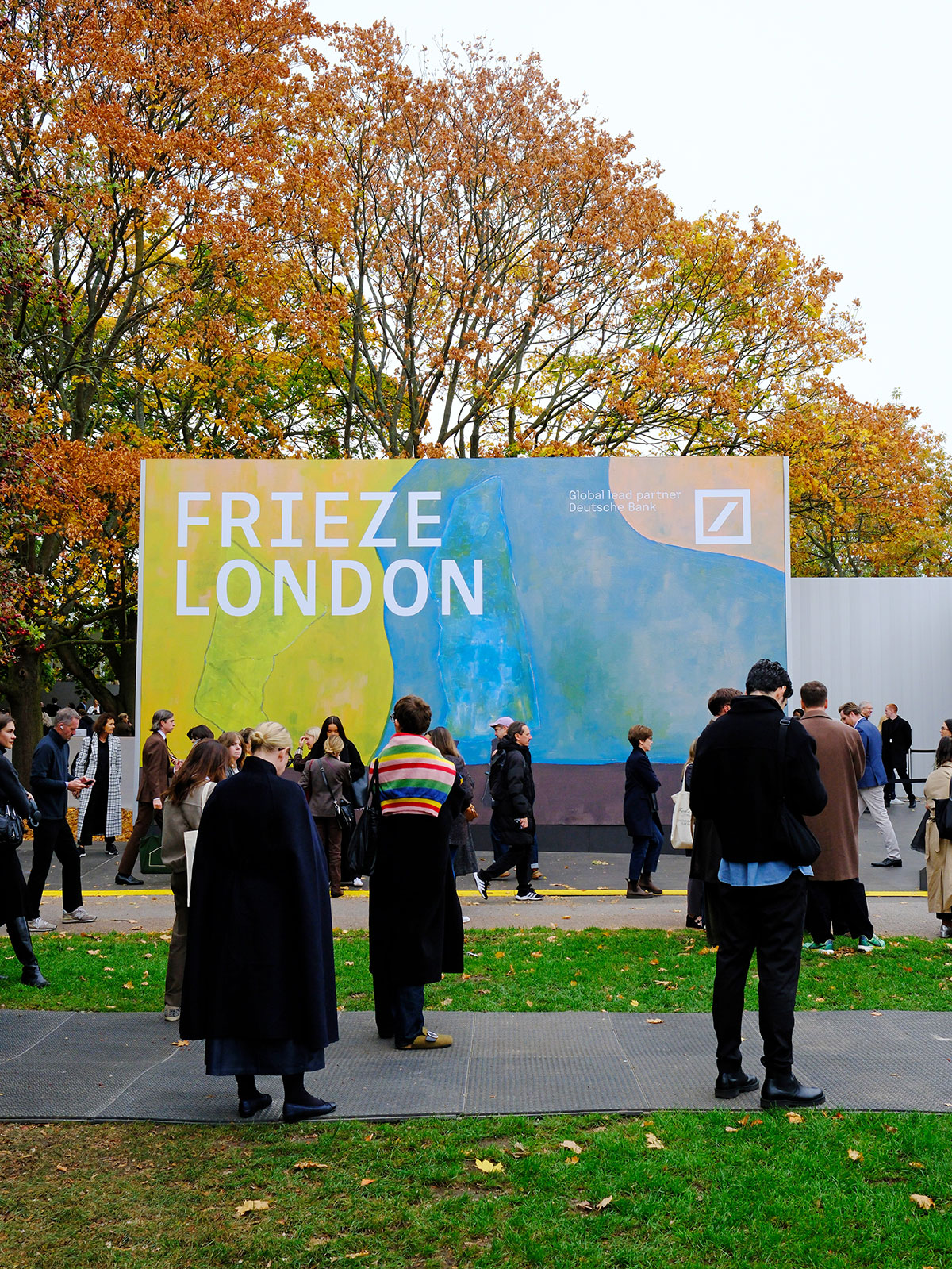
Frieze London 2025. Photo by Linda Nylind. Courtesy of Frieze
In the time that you’ve been at frieze or within arts publishing generally, how would you say that landscape has evolved?

It’s a hard one to answer in a few words. I think there’s obviously the conversation around the death of art criticism, particularly now, whether it’s [because of] social media or how people take in information. We talk a lot about people reading less and less, and that’s always been the case since things have moved from print to online, and it continues to be that way. So there’s ways where art editorial, and things at frieze, have changed, and we’ve had to acclimate to that in some ways and respond to it, and so I think there’s an element where we’re working with social media a lot more, doing things that require us to be more internet-savvy in some ways.

On a more macro level, I guess, one of the biggest changes that I’ve seen is a real stress on writing that is focused on what you are most interested in versus this whole idea of writing negatively about a piece. For years now, people have talked about how the negative review doesn’t exist anymore. I think we, as a magazine, talk a lot about that, and what it means to commission a negative review, and what that looks like, and what it means to do it in good faith, and all these things. I think if anything has changed, it’s really a conversation around the meaning behind that and the stakes that are involved and what it means to be critical. I think those questions come up quite a bit.

Also something you see in fashion editorial quite a bit, and it is kind of happening in an art editorial, is how [publications are] somewhat beholden to advertisers, and it becomes increasingly more complicated and difficult in this landscape to keep editorial integrity and fight for that. I’m happy to say that frieze is a place [that can do that]. I know magazines that are happy to promise reviews for galleries and stuff like that. We don’t do that. We still pride ourselves on the fact that we are in a position where we can do what we want and say what we want.

Frieze London 2025. Images courtesy of Ben Broomfield and Patrick Straub.
What role does the fair still play in shaping London’s arts landscape, and what role does London play in shaping the fair in turn?

Frieze London and Frieze Masters together – it’s an incredible moment in the city. And it also coincides with, I think, probably the best time to be in London in terms of the weather. Autumn in London is quite special. And obviously what’s happening in the city, you can tell by not only the fair but also the institutional programming, whether that’s at the Tate or the British Museum – there’s the Bayeux Tapestry show happening, which is the craze at the moment.

I’m from New York, and I tend to go to Frieze London almost every year, and it really is just such a magical time in terms of not only the number of collectors and all the galleries that show up, but also the breadth and the quality of the work that comes in, in addition to all the events and the parties, I don’t know anything else like it in terms of really activating a city. It’s a very special and wonderfully international event.

It’s funny, I always have this anecdote when I fly into Heathrow and they ask me why I’m here. If I mention Frieze, they’re very aware of what’s going on. They know what it is and are aware of its impact, culturally and financially, on the city. I think it is definitely representative of how important it is and how, and how its legacy lives on.

Previous article

Marathon Season: Hit The Ground Running

Next article

Partnerships

DIABOLICAL Music Icons: 1996 / 2026