Newsletter

Join our mailing list for latest news and features

Build Hollywood

Build Hollywood

Build Hollywood

Build Hollywood

Partnerships

Inside Birmingham’s Experimental Arts Scene

Since 1998, Fierce Festival has been pushing the boundaries of what performance can be, bringing experimental, contemporary and live art into unexpected spaces across Birmingham. Ahead of this year’s festival, running from 14–18 October, Fierce reflects on the city’s long history of invention, the importance of queer and interdisciplinary voices, and why sometimes the most exciting art is the work you don’t quite know how to describe.

For Fierce, Birmingham is more than a backdrop. It is a city with its own culture of experimentation and genre-crossing, from heavy metal and ska to literature, music and visual art. The festival sees itself as part of that tradition: a place for artists to take risks, audiences to encounter something unfamiliar, and new ideas to spill beyond traditional arts spaces and into the wider city.

As Artistic Director Clayton Lee puts it: “With our approach to risk and experimentation, Fierce gives you flavours you didn’t know existed, but ones you might just crave again and again and again.”

This year’s programme continues that approach, with performances taking place in venues and public spaces across Birmingham, alongside collaborations designed to introduce Fierce’s distinctive world to new audiences. At the heart of it all is a belief in pleasure, experimentation and the transformative potential of experiencing live performance together.

We spoke to Clayton Lee and Ethan Hudson, Executive Director, about what makes Birmingham such fertile ground for experimental work, the thinking behind this year’s playful characters, bringing contemporary performance into the streets, and the one show they think audiences should not miss.

15.10.26

Words by BUILDHOLLYWOOD
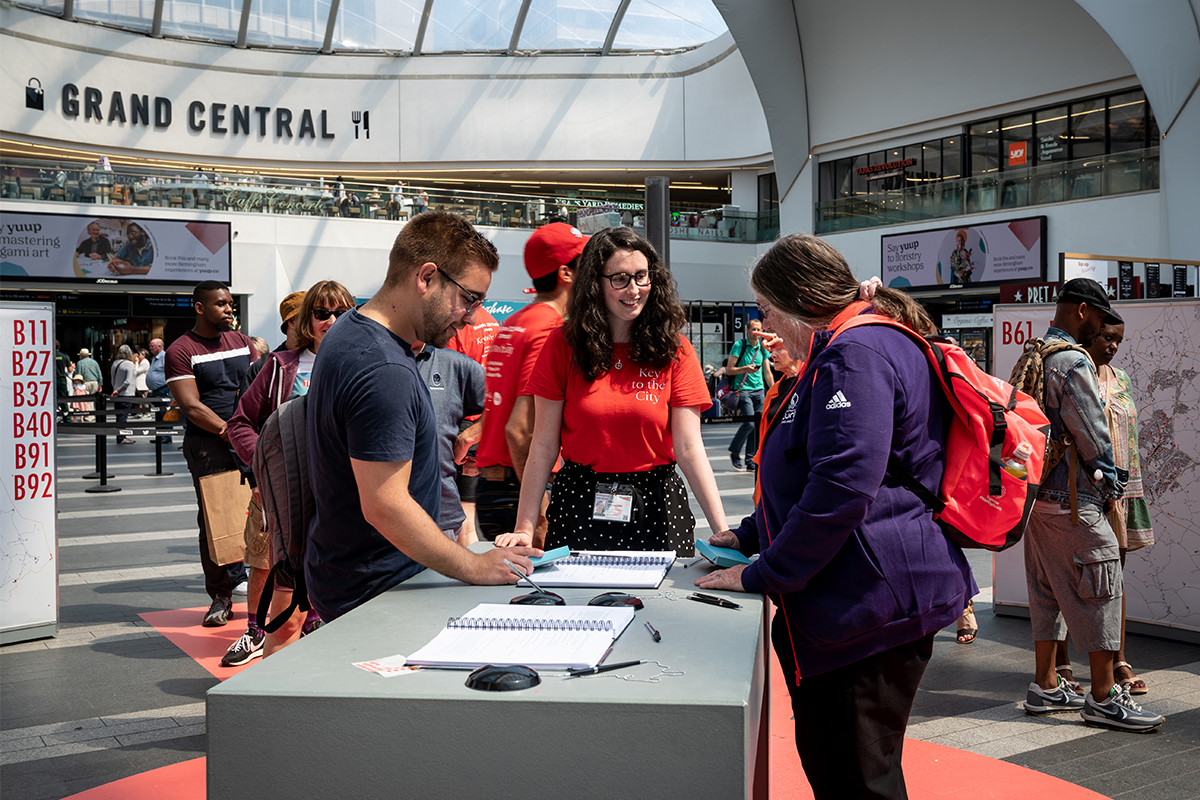
Key to the City Paul Ramirez Jonas, Photo by Graeme Braidwood
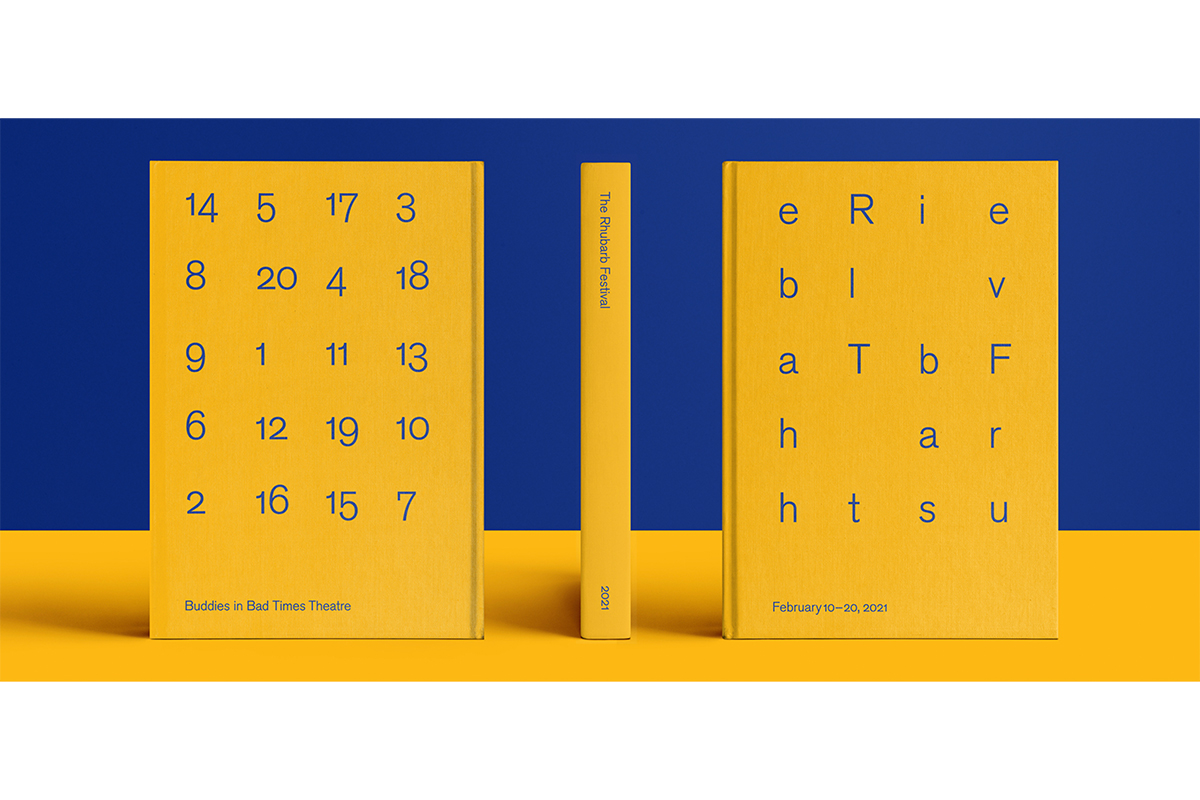
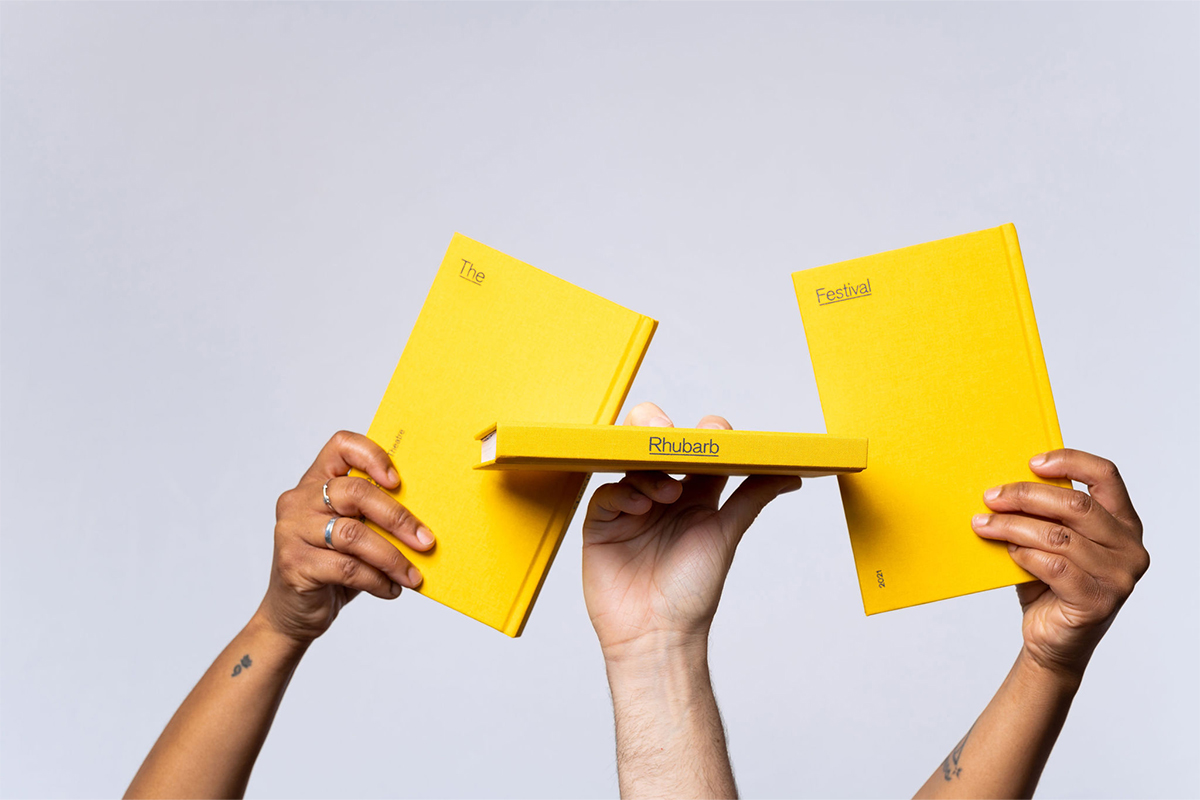
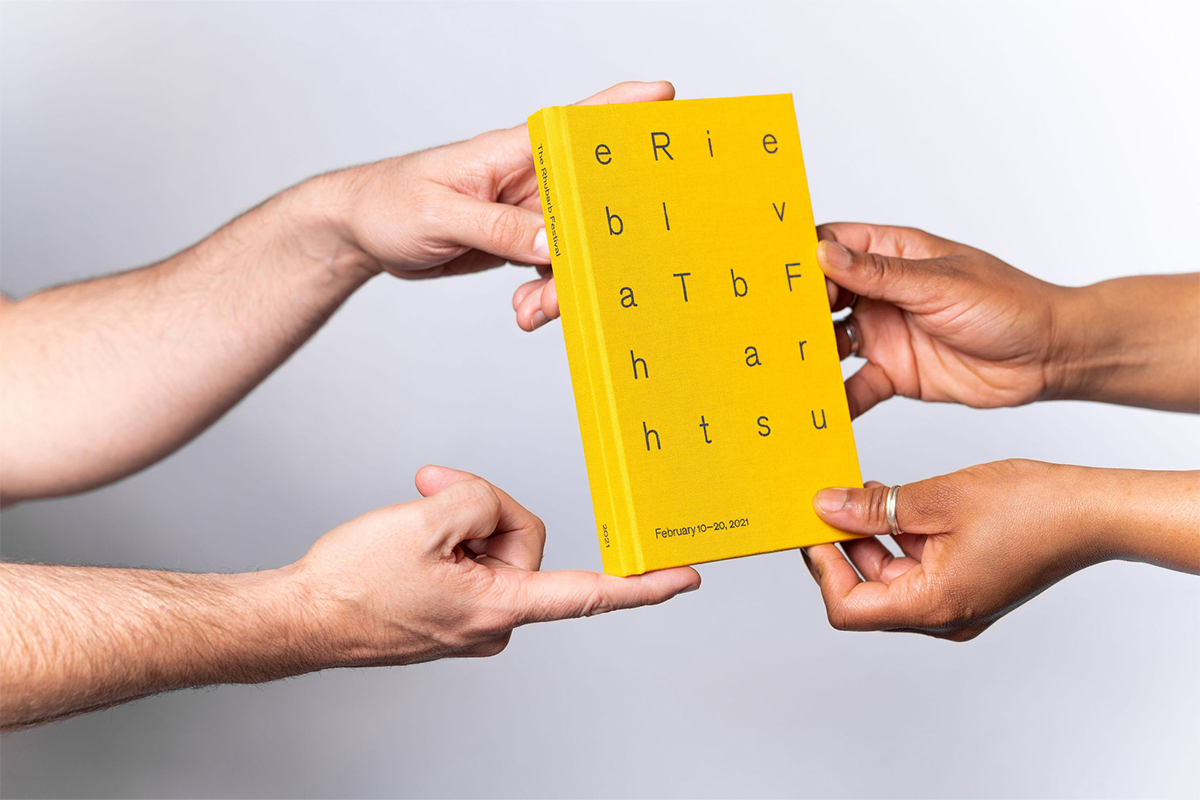
Monnet Design, Rhubarb Festival Buddies in Bad Times Theatre, Photo by Dahlia katz
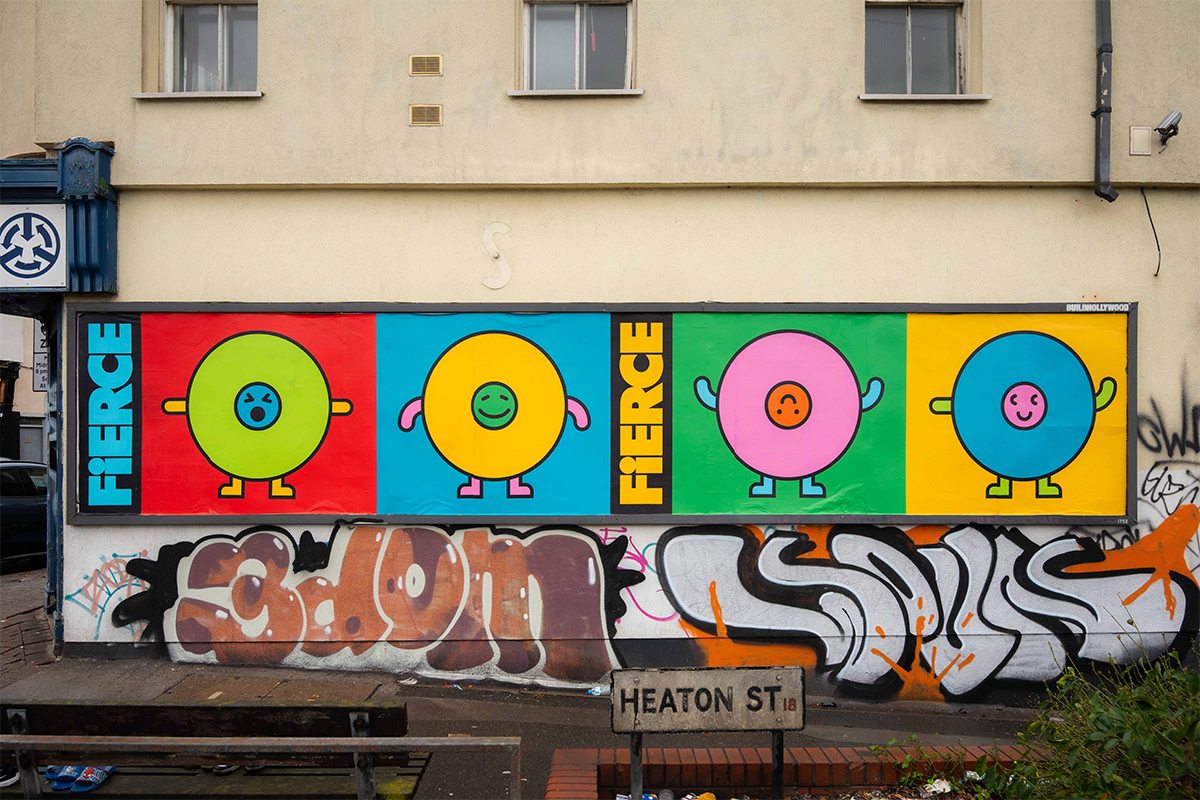
Fierce has been shaping Birmingham’s experimental performance scene since 1998 — what do you think makes the city such an important place for this kind of work?

CL: Fierce represents a continuation of Birmingham’s legacy of invention and genre-innovation, from Heavy Metal to UK Ska, Tolkien to Zephaniah. Live art and contemporary performance are the engine room of broader culture, pushing boundaries which liberate the next wave of mainstream artists, inform fashion and shape broader cultural aesthetics. Birmingham has always been a place of making, audacity and innovation and Fierce fits perfectly into this context.

For someone discovering Fierce Festival for the first time, what makes it different from other arts festivals?

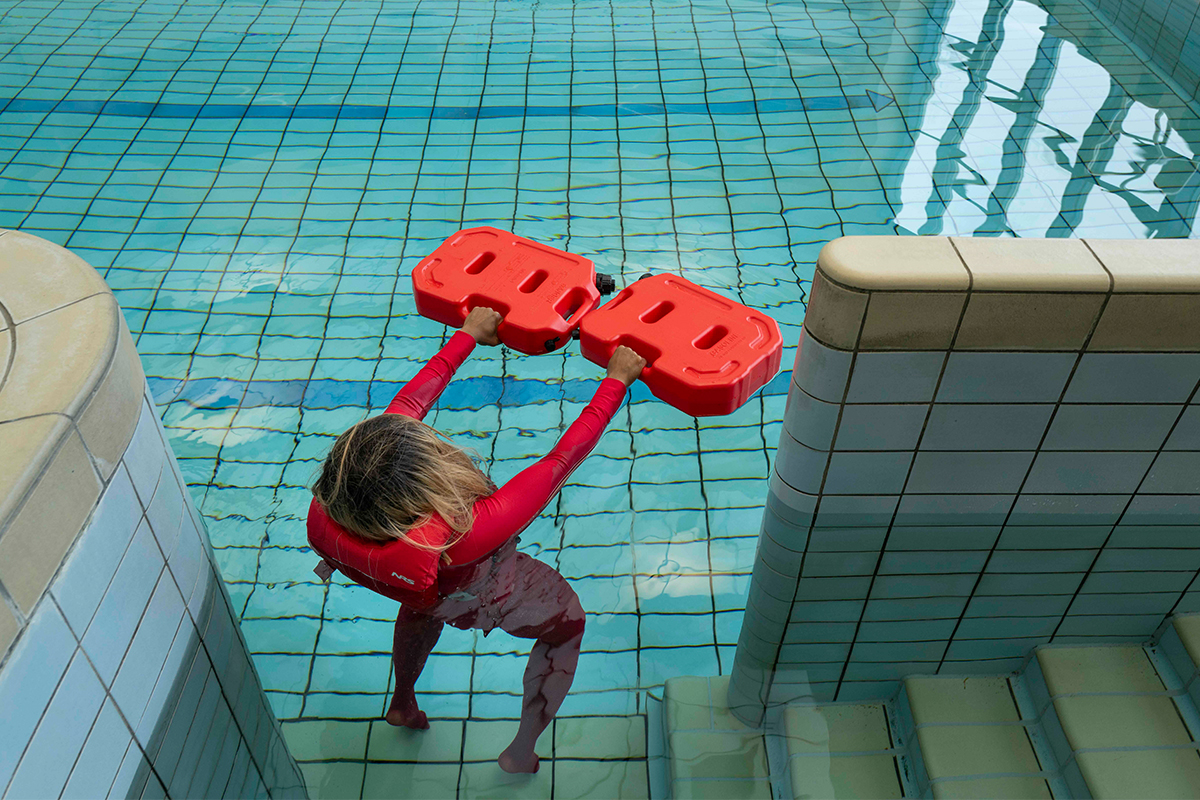
CL: Most audiences have a fixed idea of what performance is: they might imagine a Shakespearean play, a West End musical, or a ballet complete with pointe shoes and tutus. Fierce indulges in contemporary performance and live art, experimental practices that take us to the edge of these forms. The work may not necessarily look recognisable or familiar, but, when successful, it has an irresistible pull. When Dana Michel stages her work YOU CANNOT CAN inside the Beeches Pool, you may not have words to describe what she is or isn’t doing, but you’ll want to keep watching. I often describe performance through food metaphors. Most art festivals will give you flavours you already know. With our approach to risk and experimentation, Fierce gives your flavours you didn’t know existed, but ones you might just crave again and again and again.

Dana Michel; YOU CANNOT CAN, Photo Francoise Robert
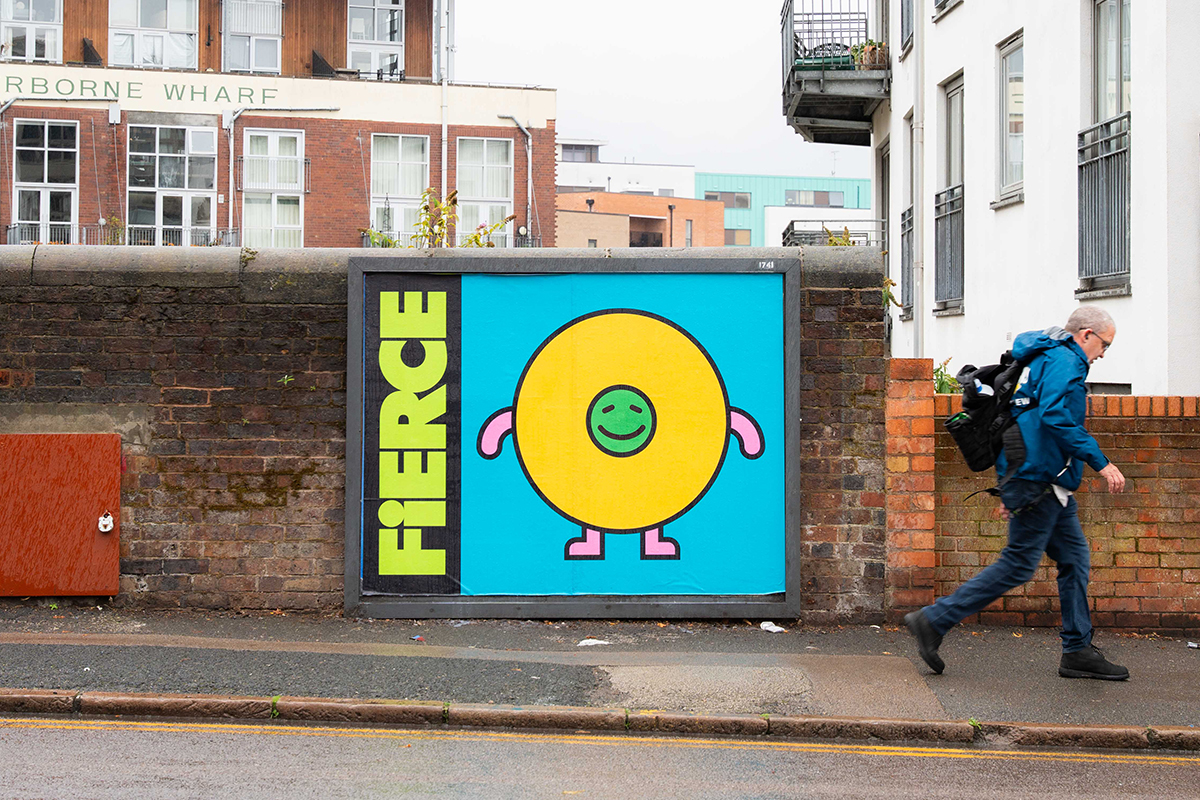
The festival puts experimental, interdisciplinary and queer voices centre stage — what kinds of conversations or experiences are you hoping audiences take away from the 2026 programme?

CL: I think people often shy away from contemporary performance or experimental practices because they feel like they need to “understand” what it is they’re looking at. I’m always interested in moving towards a space of intuition and feelings. We don’t need a PhD, for example, to understand what food we like. We can easily describe whether we like it or not. I feel the same way about performance, in many ways. The live encounter is an experience. And, with this edition of Fierce, I’m interested in the feelings these works will generate and I always work with the belief that live performance, at its best, has the power to transform the way we move through the world.

Fierce talks about trust, rigour, disruption and joy as its core values. How do those values show up in the work and experiences audiences encounter?

CL: Our core values of trust, rigour, disruption, and joy are embedded into all our interactions. From an audience perspective, it means that Fierce is a singular experience, which is why such a large portion of our audiences travel from across the country to attend. It means that we bring international work that would otherwise never make it to Birmingham or even the UK. And, ultimately, it means we have an unwavering belief in the transformative power of live performance and work tirelessly to bring that to our audiences.

Fierce often challenges ideas about where performance can happen. What excites you about taking Fierce beyond traditional arts spaces and into the wider city?

CL: Fierce is a cross-pollinator, connecting artists with non-arts contexts and allowing for new types of relationships and collaborations to emerge. This strategy feels like an imperative. So much of our festival this year is framed around the radical possibilities of “more is more”. More collaboration, more cross-pollination, more experimentation, and more camaraderie. And in framing works outside traditional arts spaces – for example, Club Fierce at the House of Beorma – we invite new audiences into our world, with the hope of seducing them into the possibilities of experimental and contemporary practice.

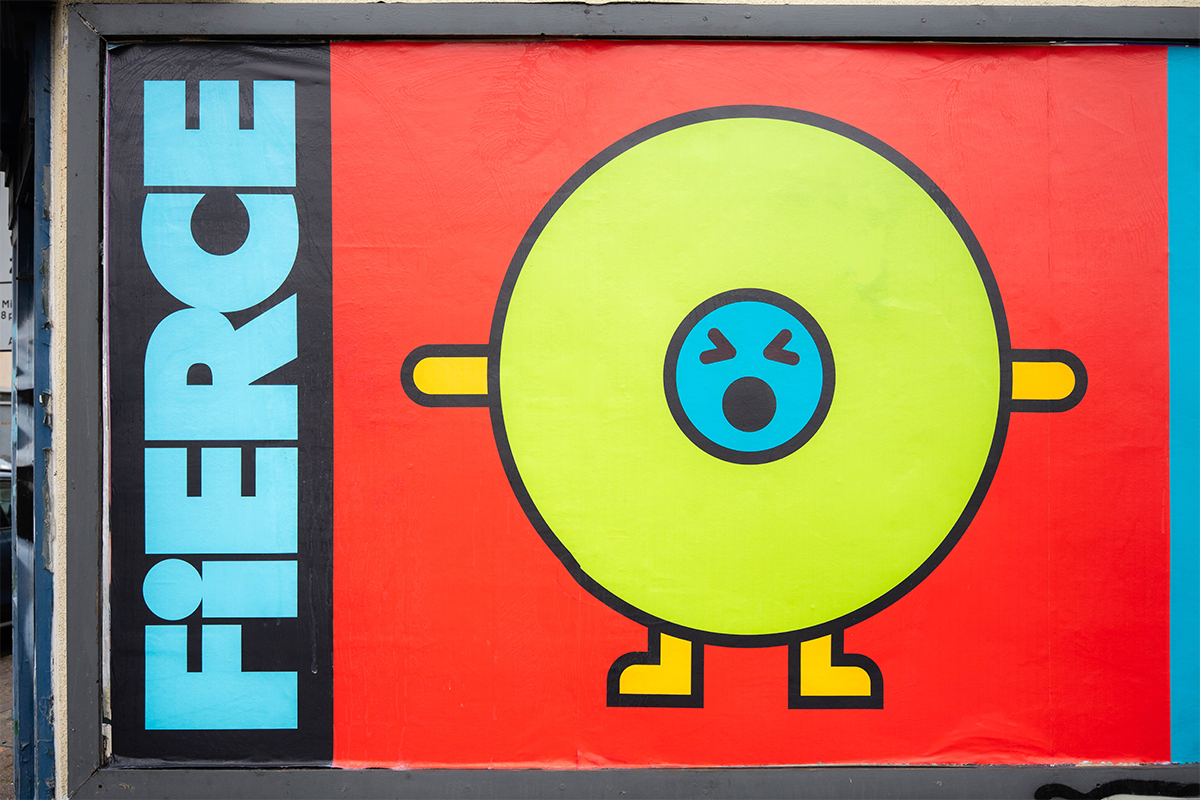
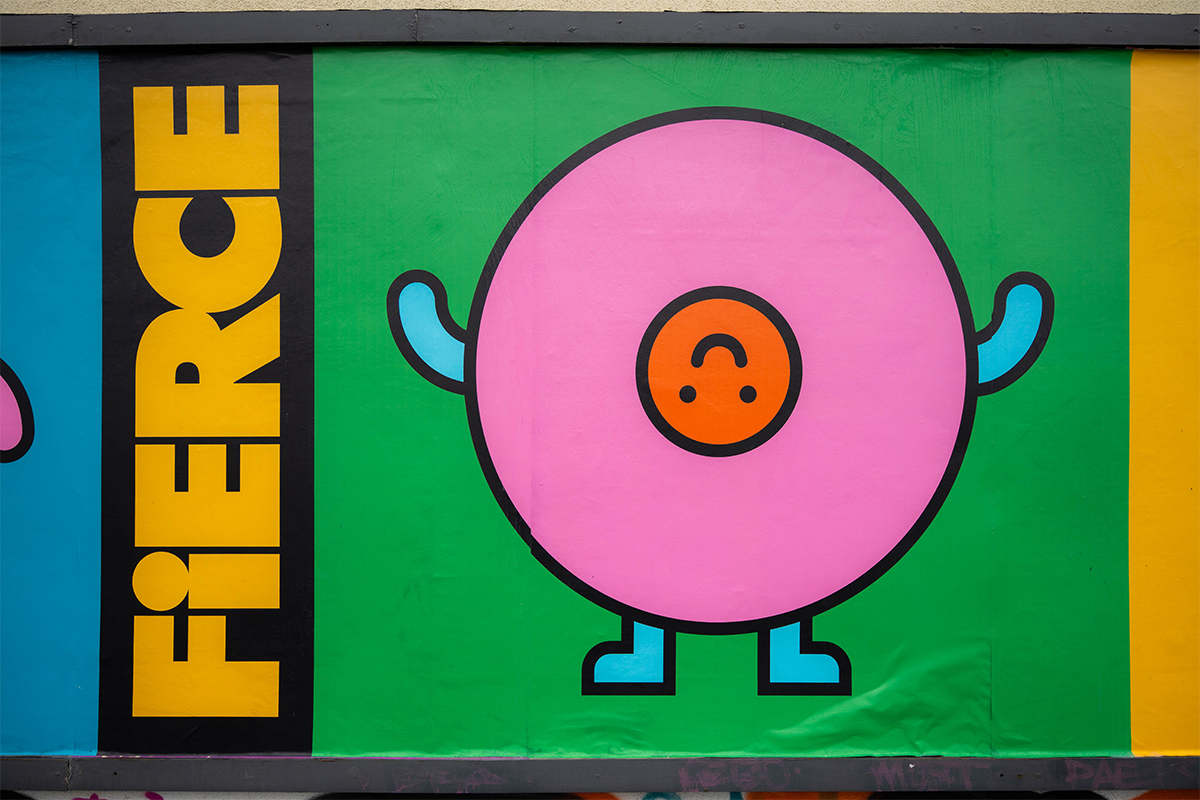
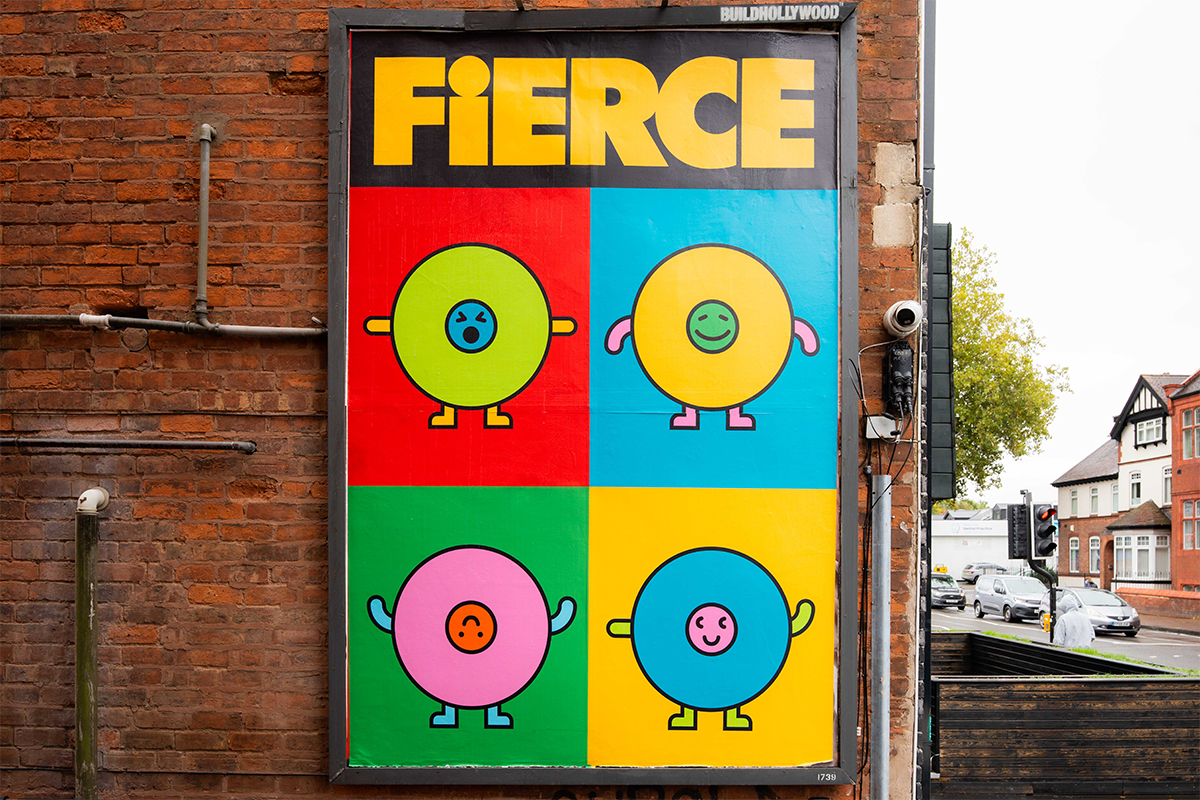
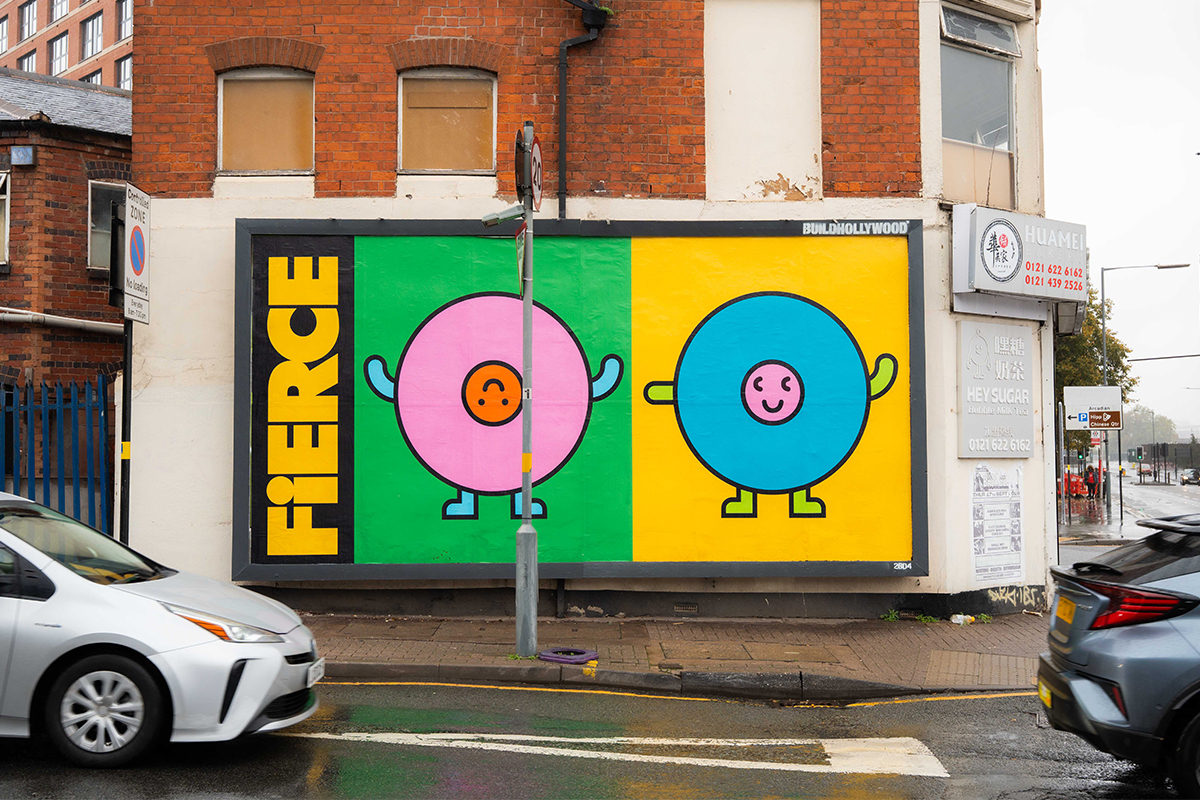
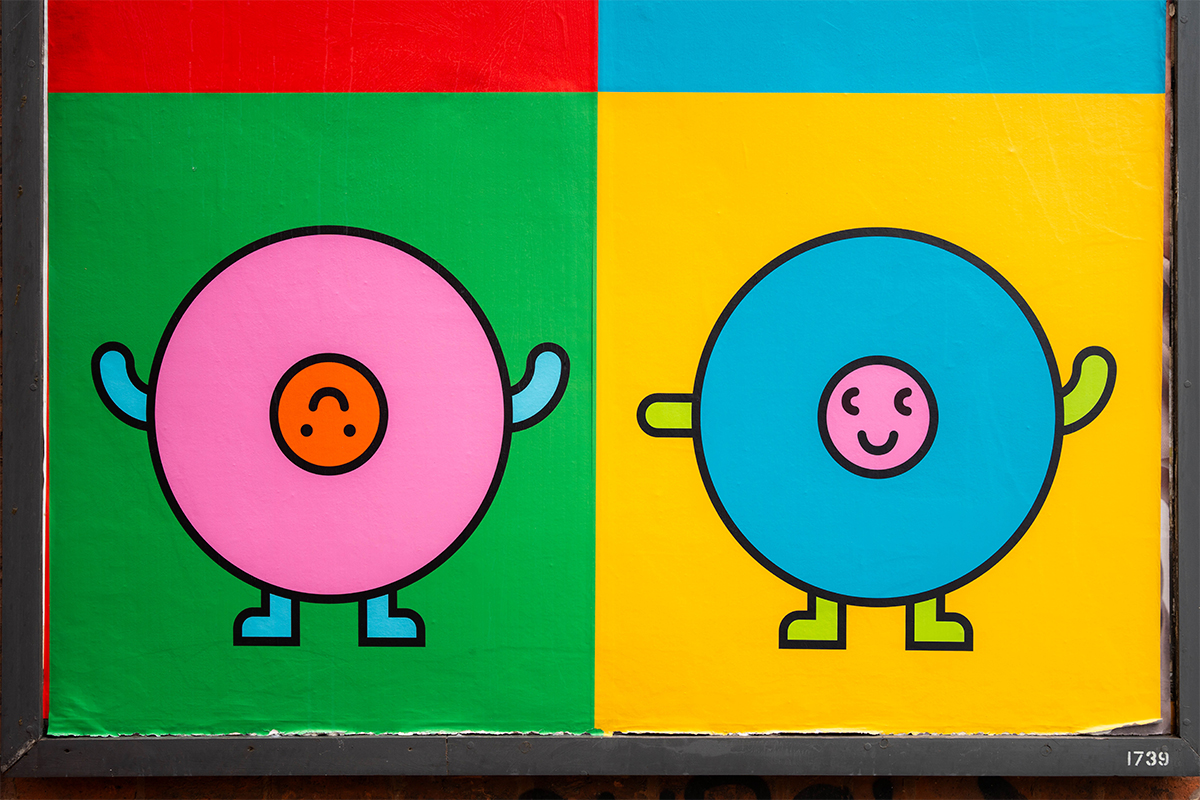
We love the bold poster artwork and expressive illustrations — can you tell us how this playful character came to life, and what it represents for Fierce?

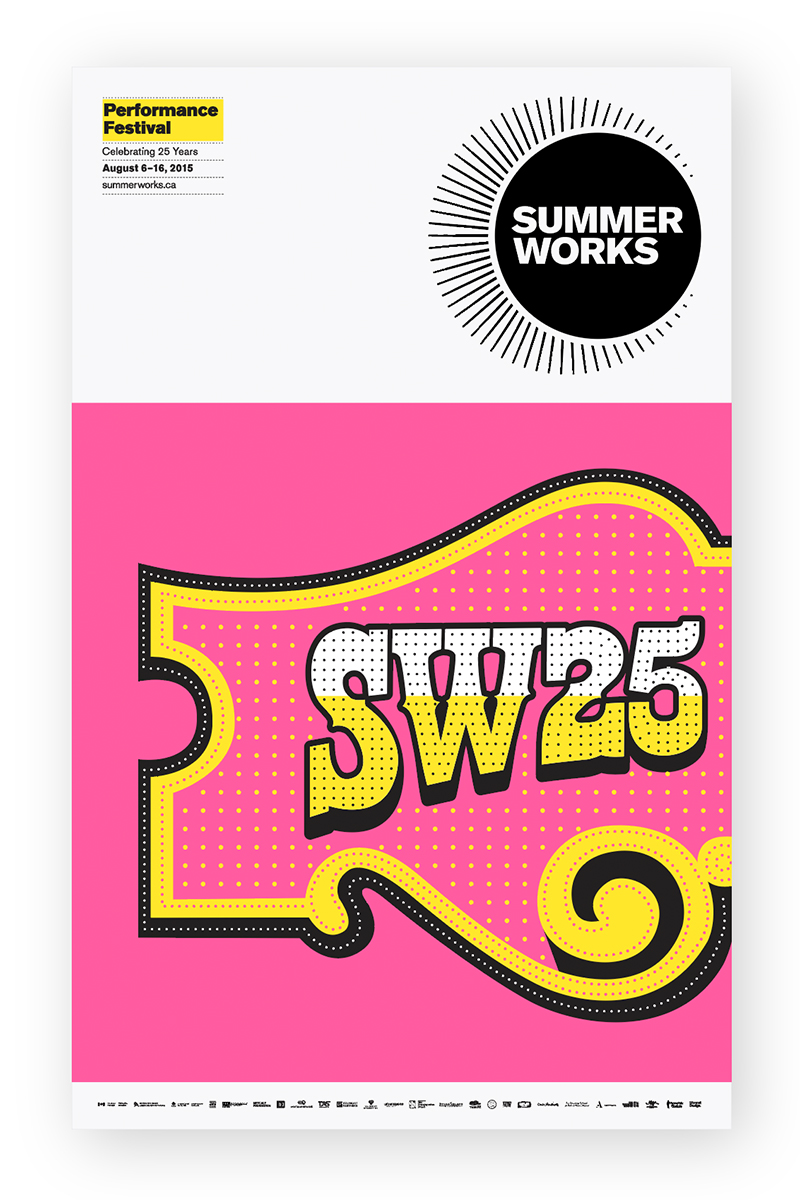
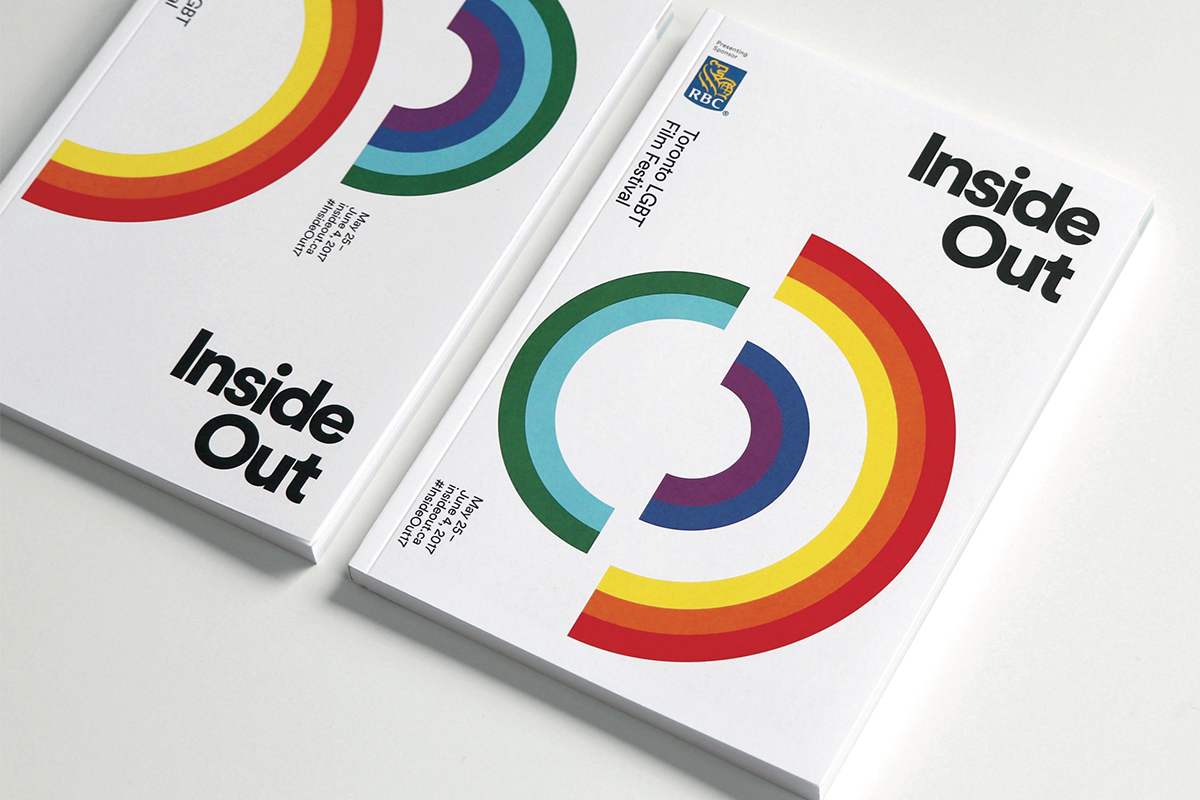
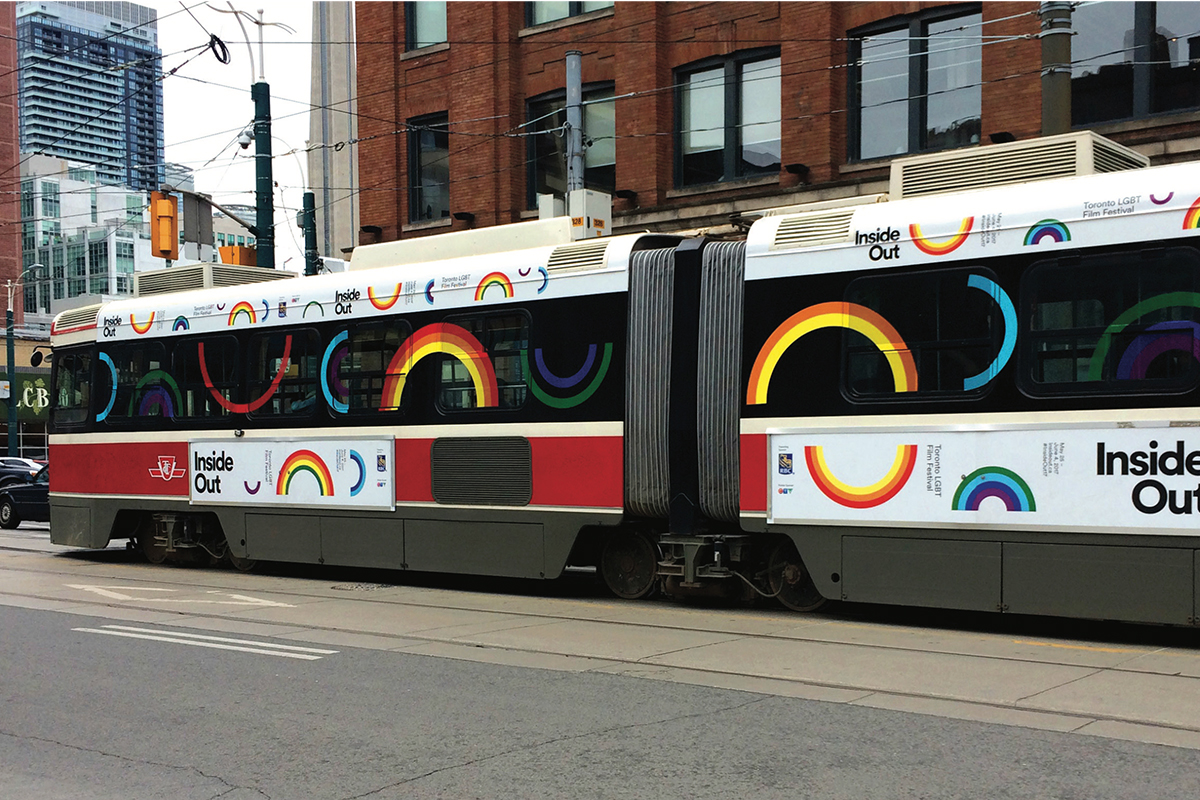
CL: I’ve had a longtime collaboration with Monnet Design. Together, we’ve subverted iconic Toronto landmarks (SummerWorks Performance Festival), re-imagined the pride flag through minimalist geometric illustrations (Inside Out LGBTQ+ Film Festival), and conceptualised a live festival experience through book form during the pandemic (Rhubarb at Buddies in Bad Times Theatre).

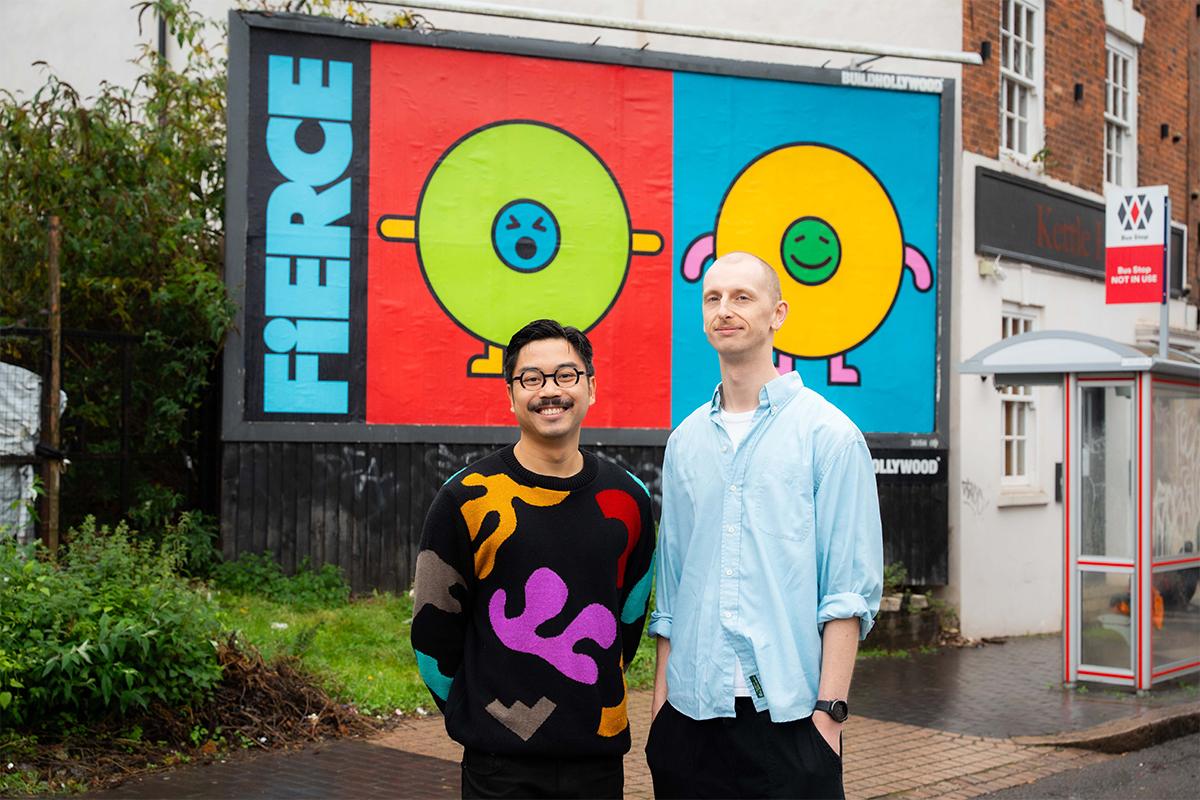
With no specific rhyme or reason, I knew I wanted to create plushies for this year’s festival. And I was also thinking about the politics of pleasure and how pleasure can – and perhaps should – be the guide we use to navigate the world. From there, Monnet Design ran with it and proposed these characters called Bubs, which are manifestations of pleasure in all its forms.

We want Fierce to be pleasurable. We want the experience of watching contemporary performance and live art to be pleasurable. We want experimentation to be pleasurable. We want the act of gathering together and sharing space to be pleasurable. And why not have a visual identity that reflects that?

Monnet Design: Inside Out LGBTQ Film Festival, Photo Monnet Design
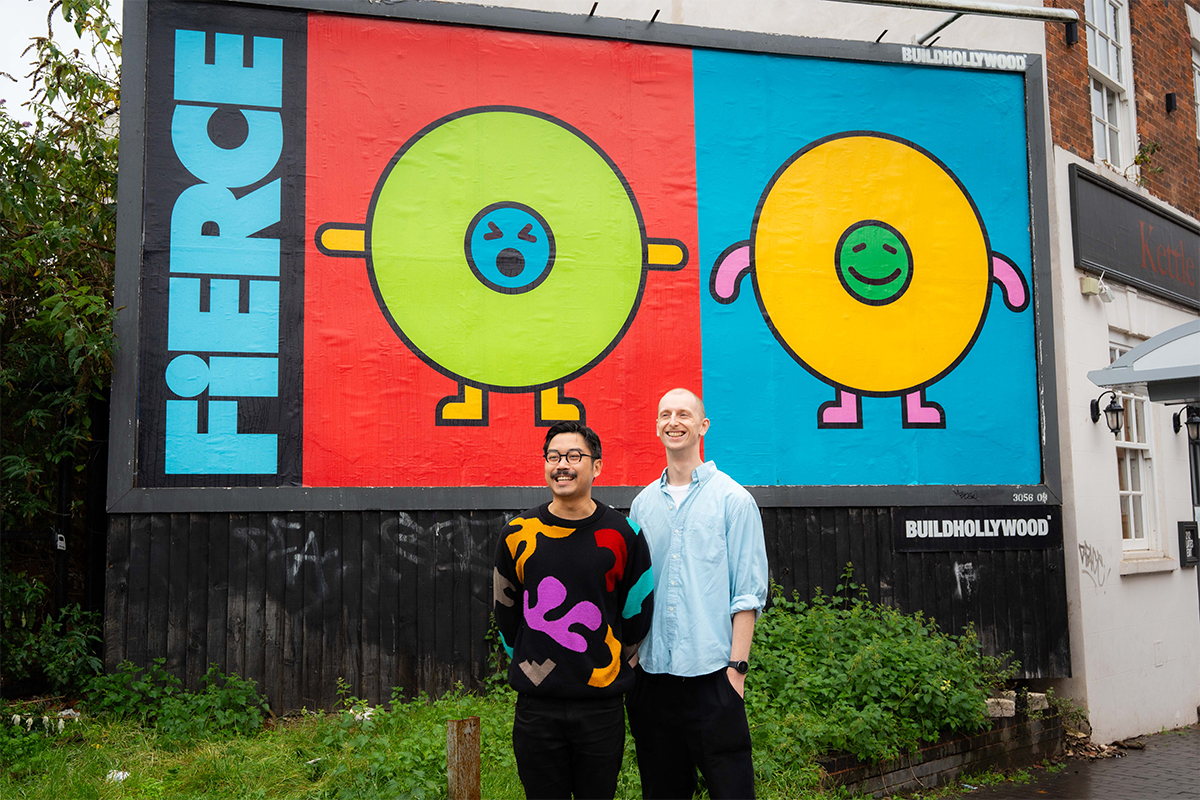
Building on that character and its identity, what made partnering with JACK ARTS and bringing it to Birmingham’s streets the right way to connect with new audiences?

CL: Fierce has a long history of public realm work. From works like Paul Ramirez-Jonas’ Key to the City as part of the Birmingham 2022 Festival to Luke Jerram’s Play Me, I’m Yours, which Fierce commissioned and brought the now ubiquitous pianos into public space, we’re always interested in finding new ways to engage with the public. We believe there is enormous value in these often unexpected encounters and JACK ARTS shares this belief, making this a natural partnership. With billboards dotted around the city from 5 to 18 October, we can’t wait for Birmingham to meet our Bubs in the wild, hopefully spreading moments of pleasure to unsuspecting passers-by.

Fierce Festival runs from 14–18 October 2026. What’s one moment from your programme you’d recommend for anyone looking to experience something new or see things from a different perspective?

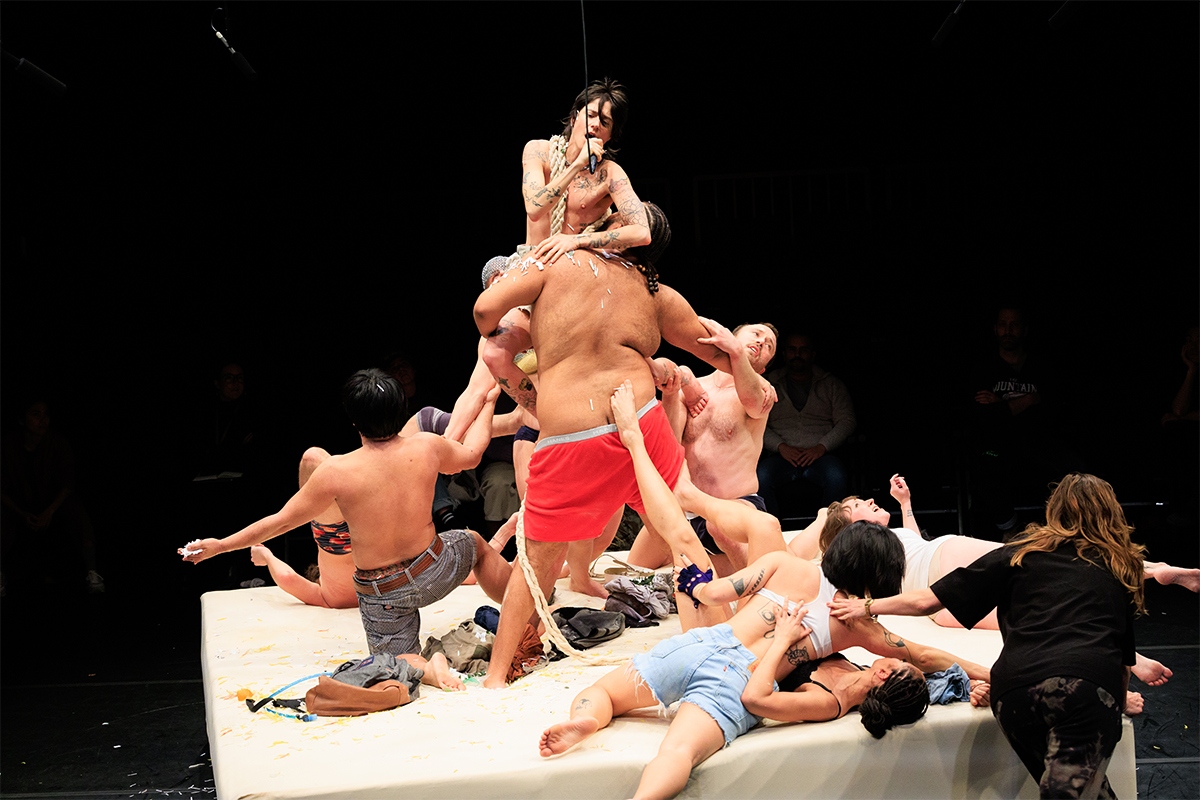
CL: We’re particularly excited to be co-presenting Faye Driscoll’s Weathering with Fabric from 14 – 16 October at the Midlands Arts Centre. One of my favourite words to describe performance is undeniable and Weathering is exactly that. It’s an utterly visceral experience that will vibrate and electrify the senses. Want to see what contemporary performance and live art can really do? Come and see Weathering.


Previous article

Marathon Season: Hit The Ground Running

Next article

Partnerships

How Frieze has championed art for 35 years