Newsletter

Join our mailing list for latest news and features

Build Hollywood

Build Hollywood

Build Hollywood

Build Hollywood

Partnerships

The Legacy of Handsworth Self Portraits

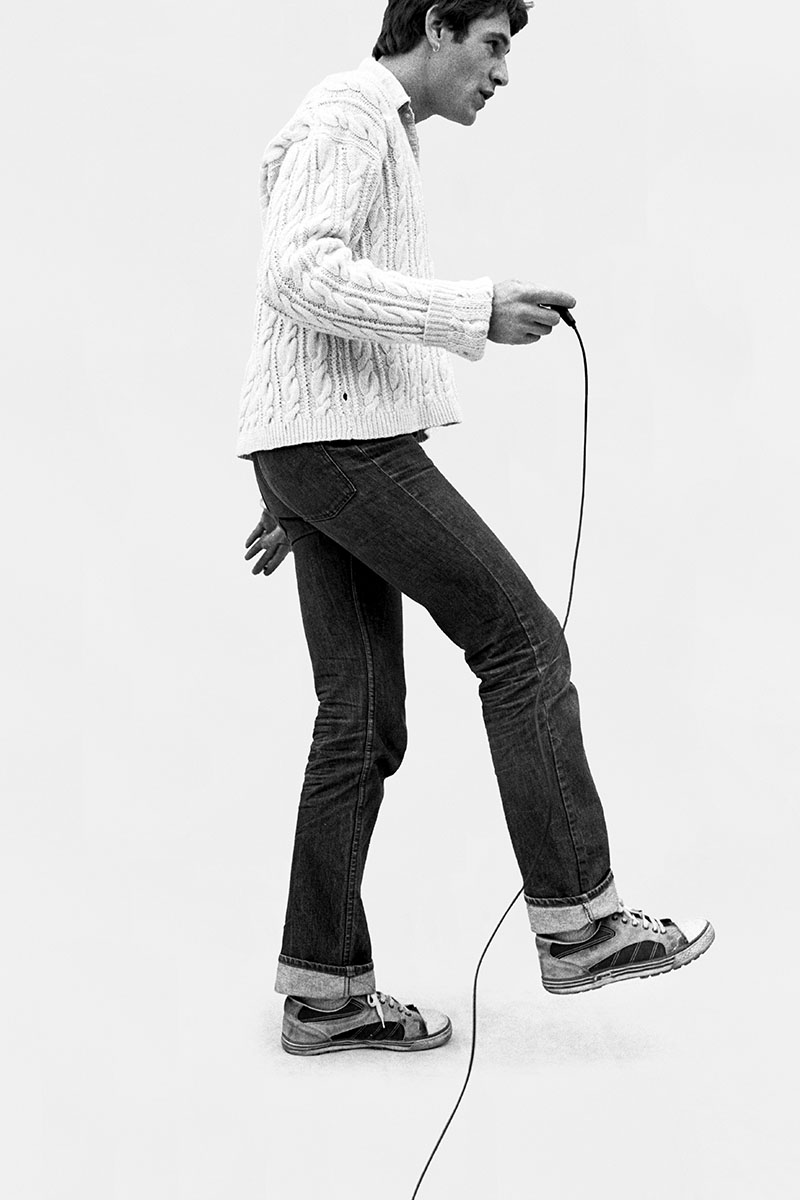
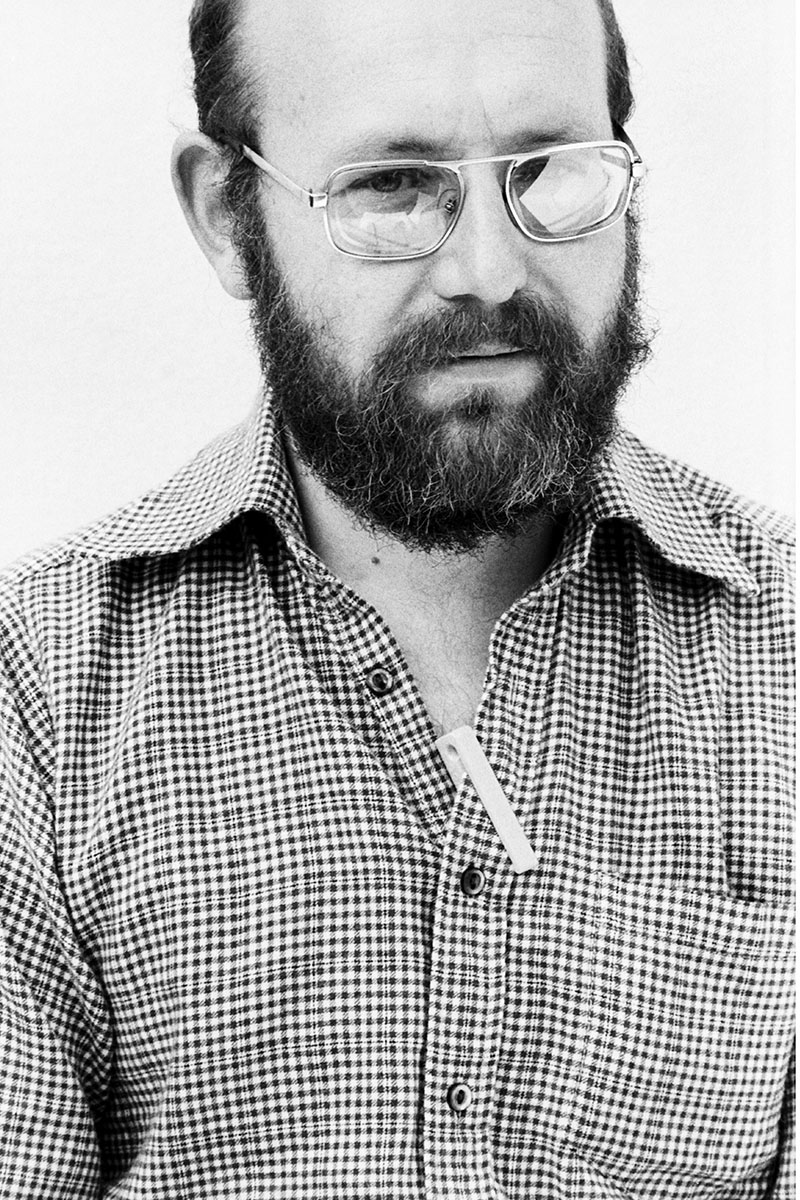
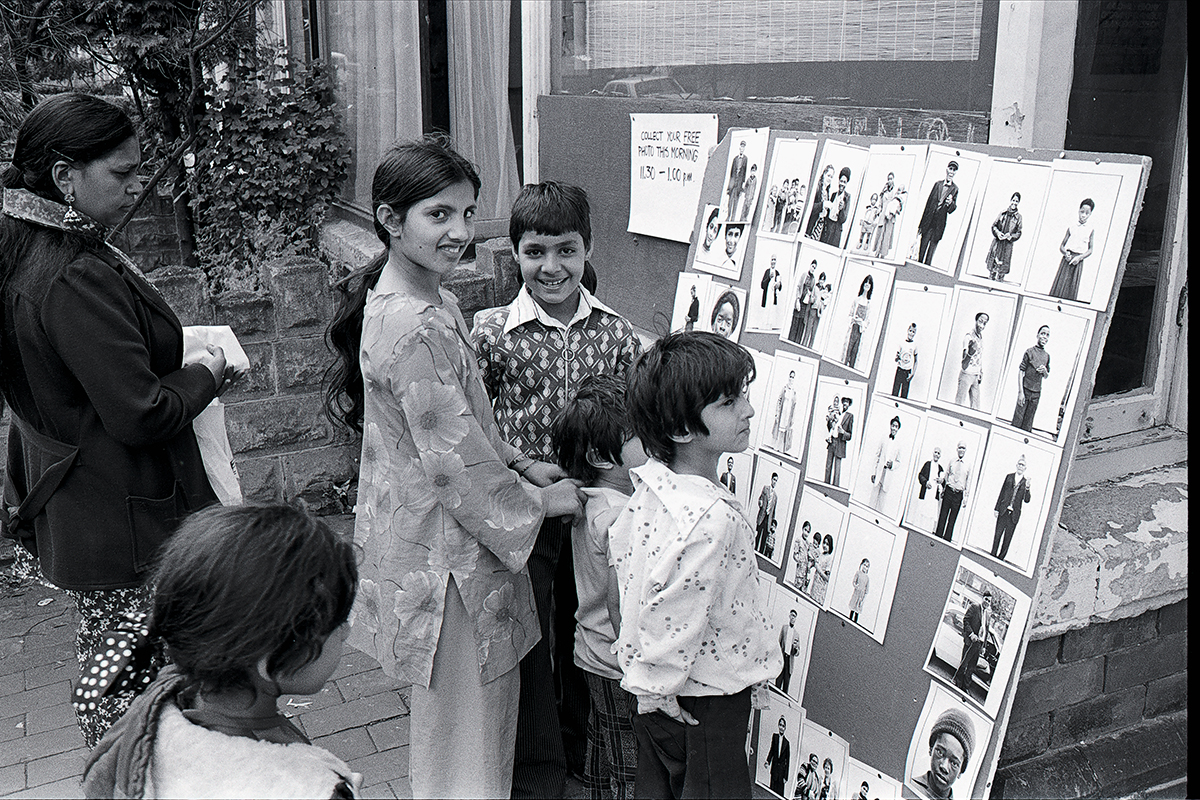
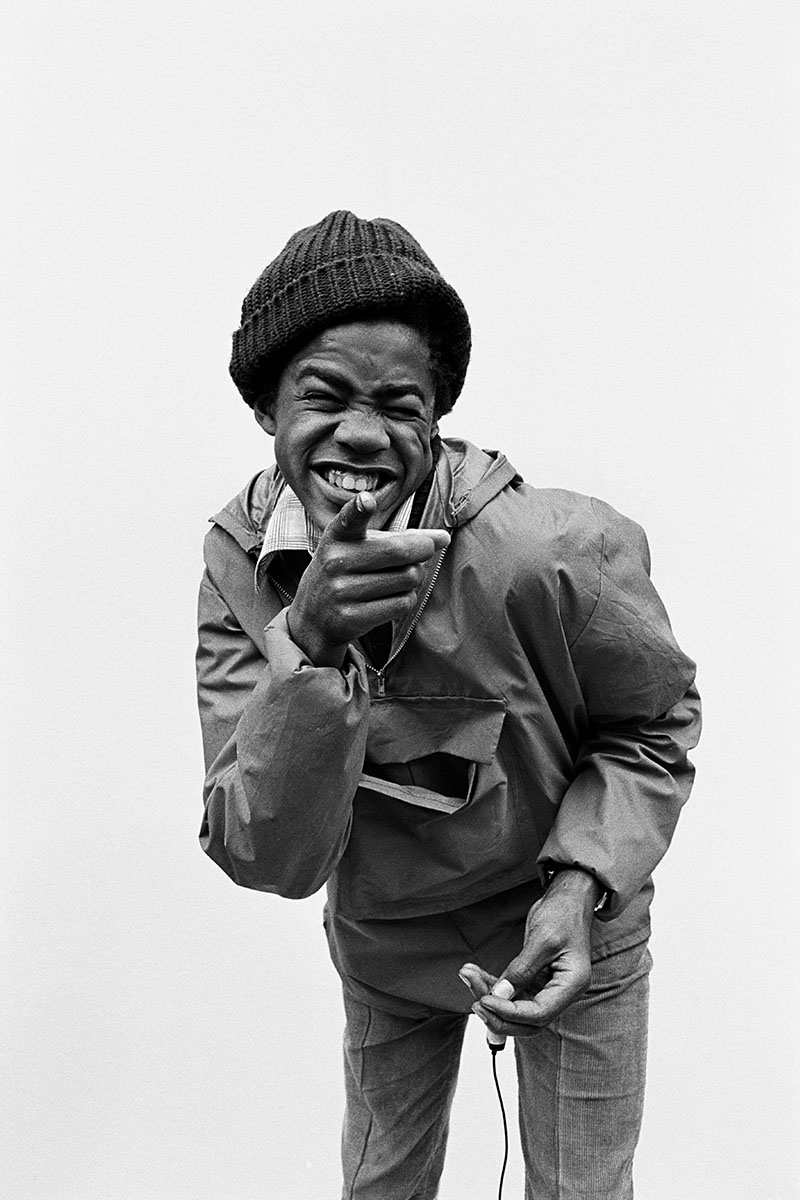
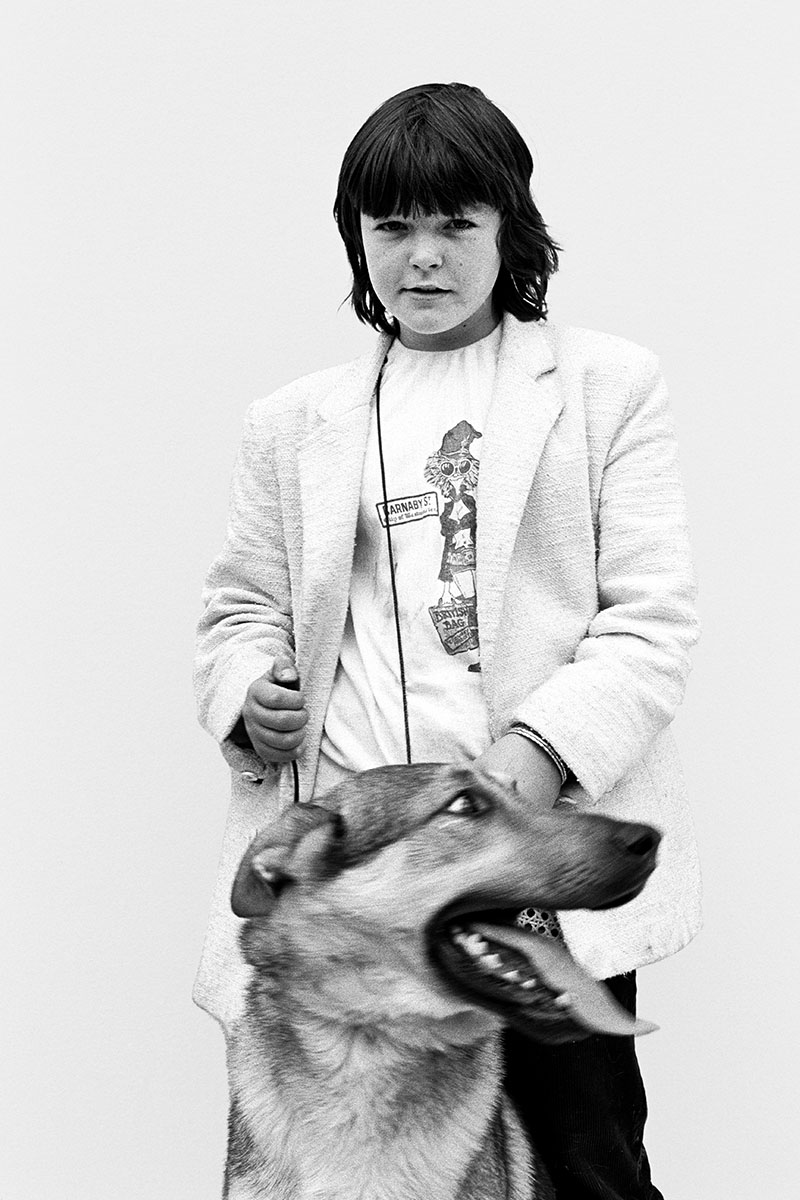
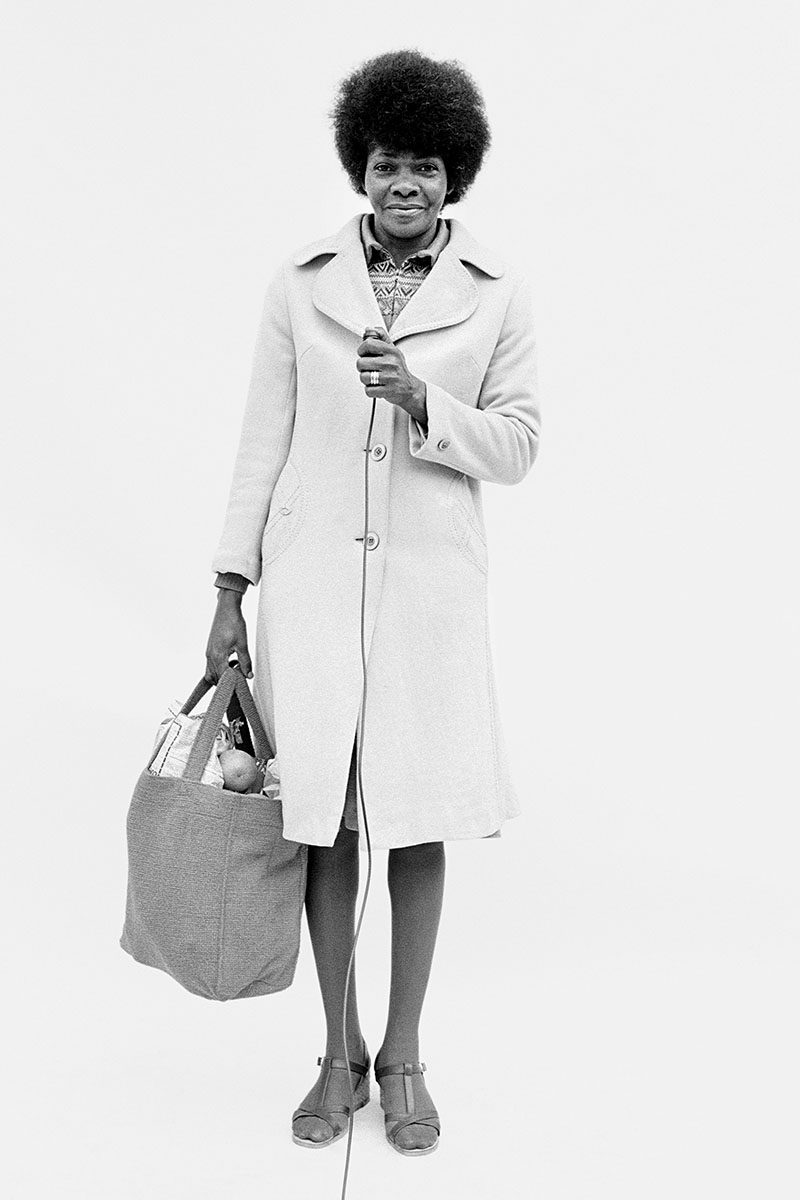
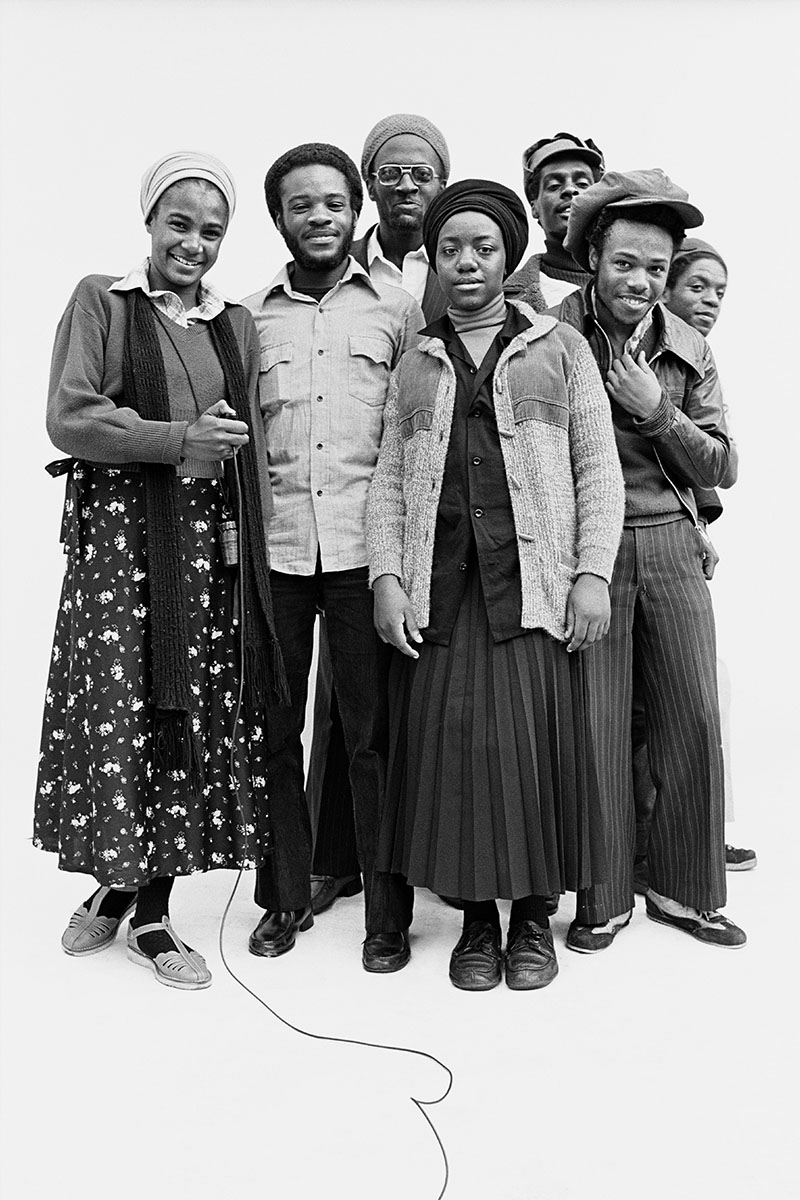
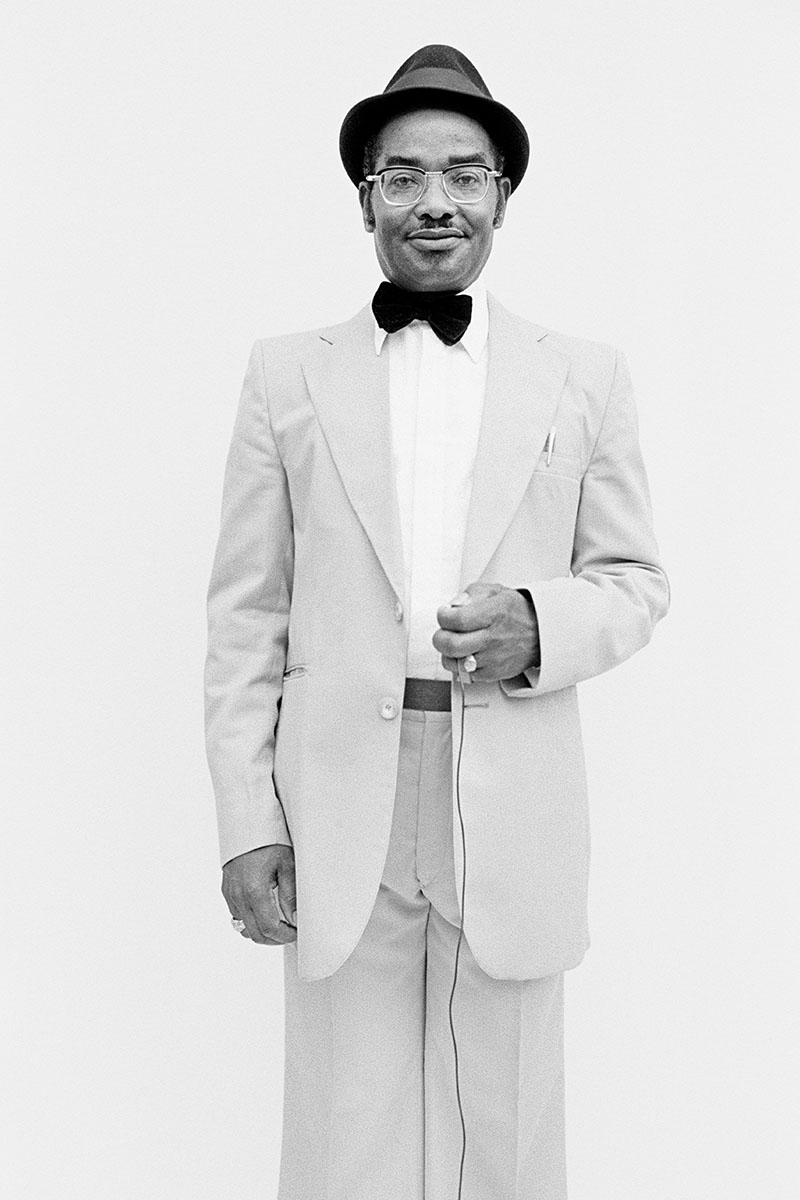
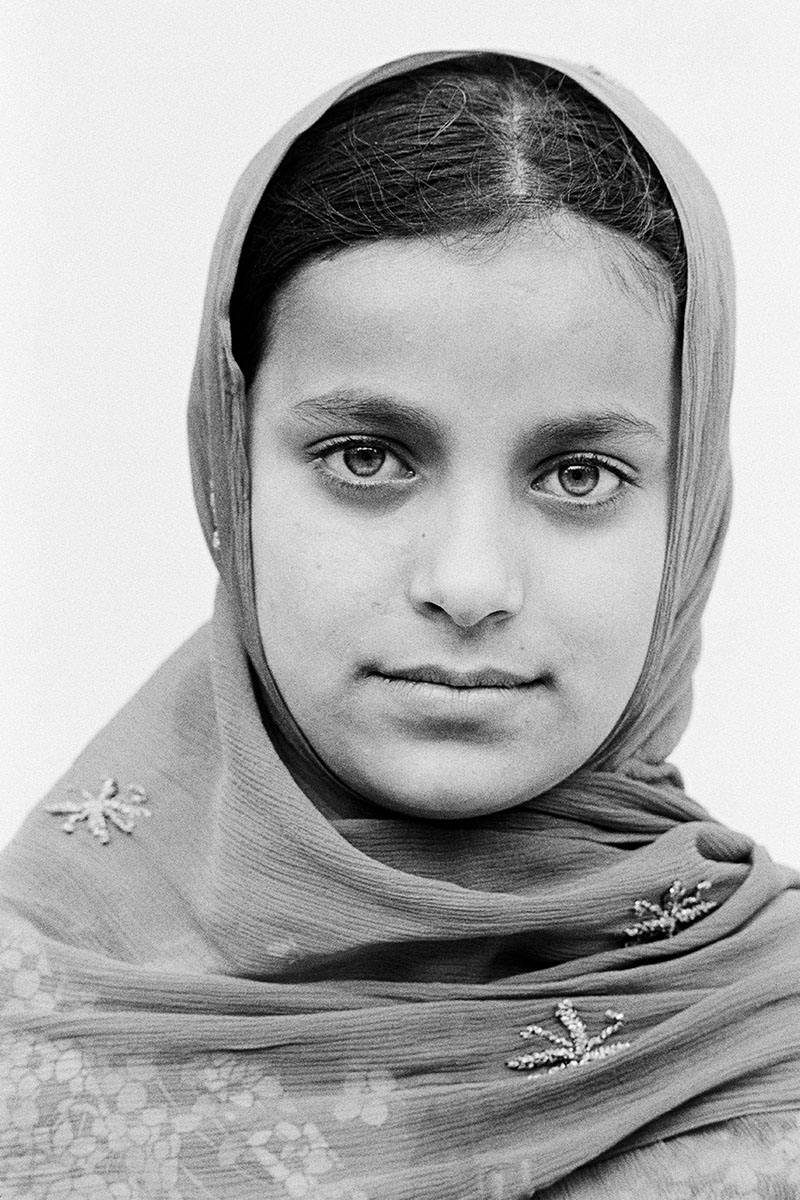
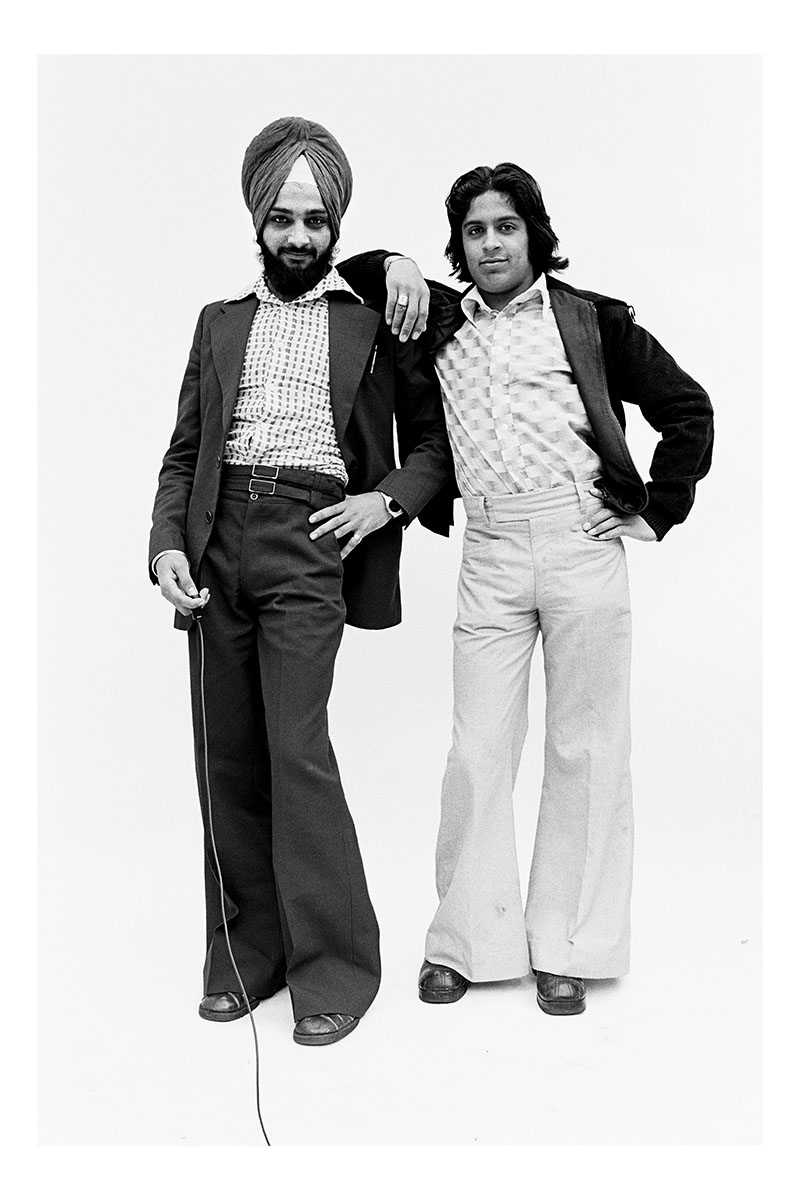
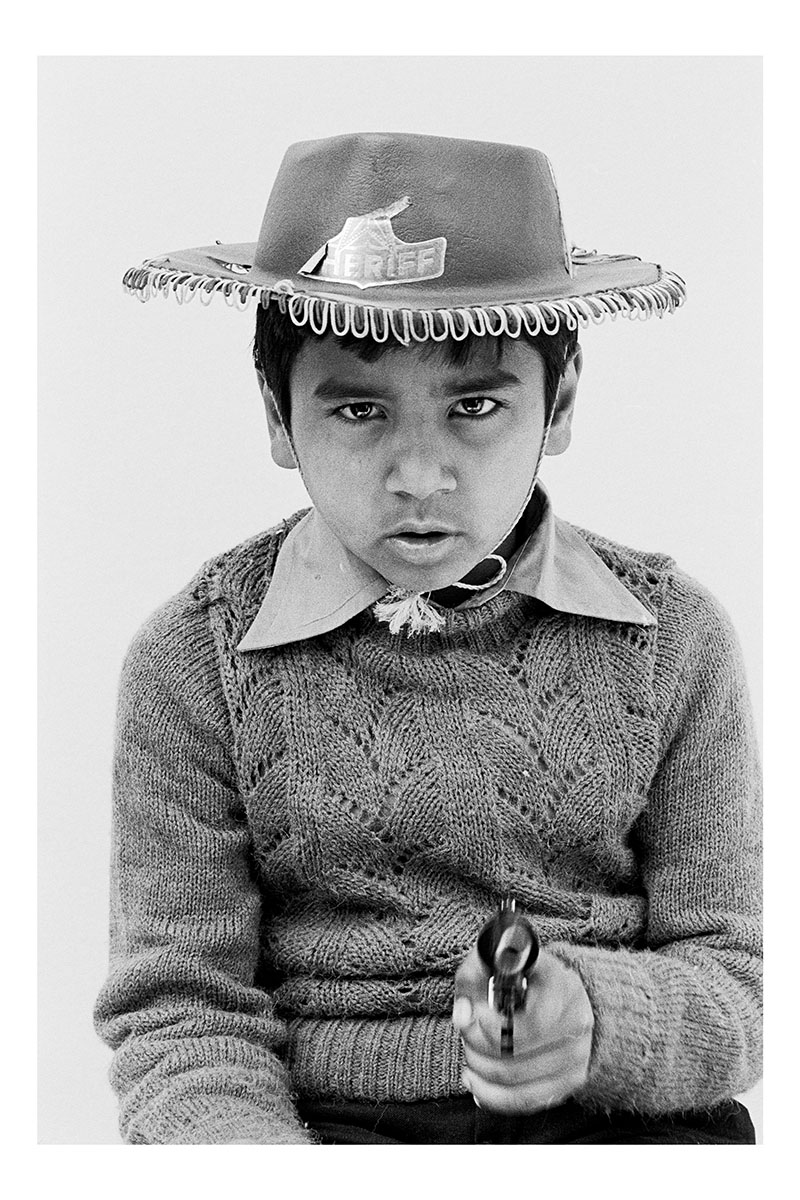
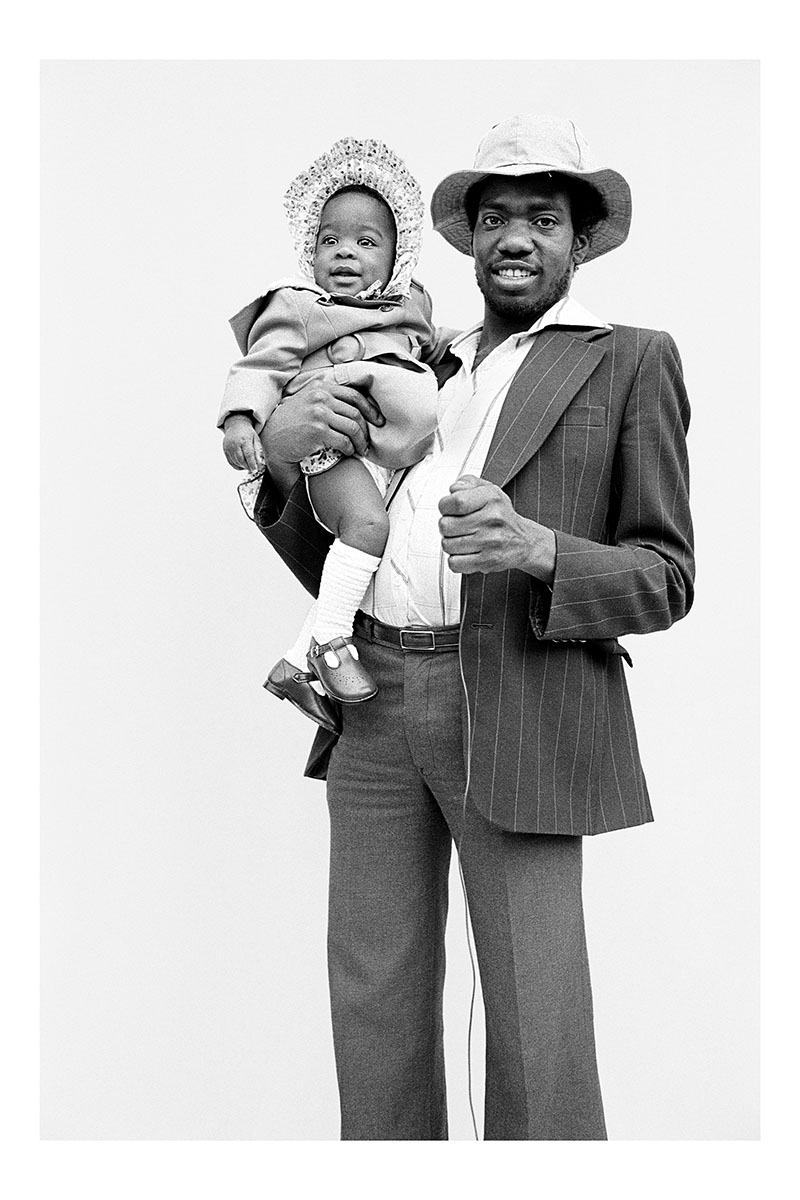
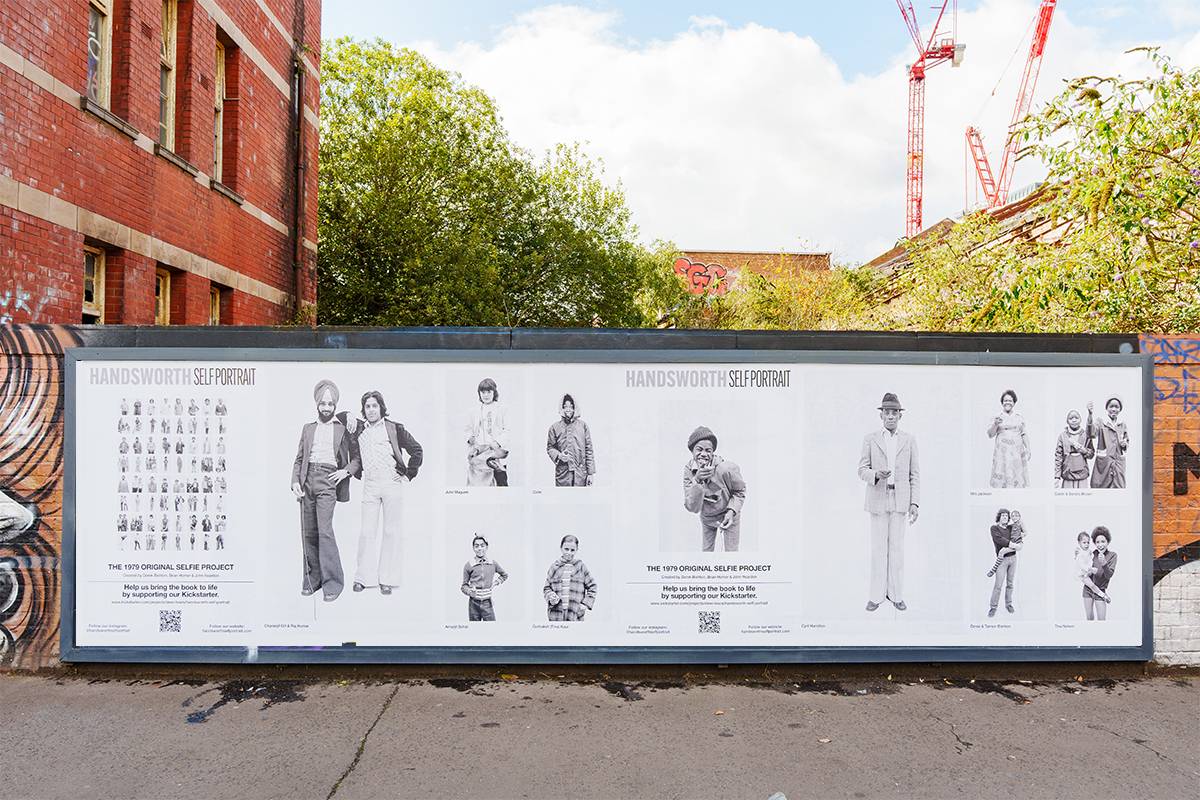
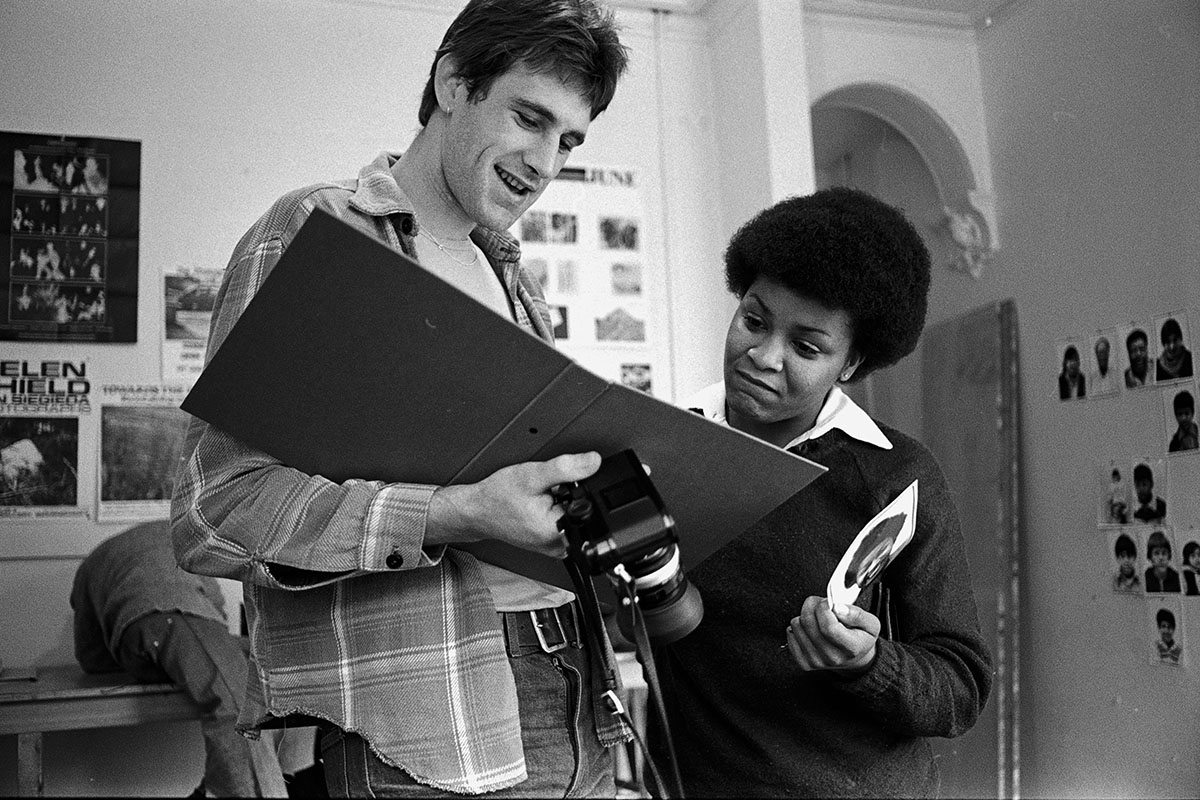
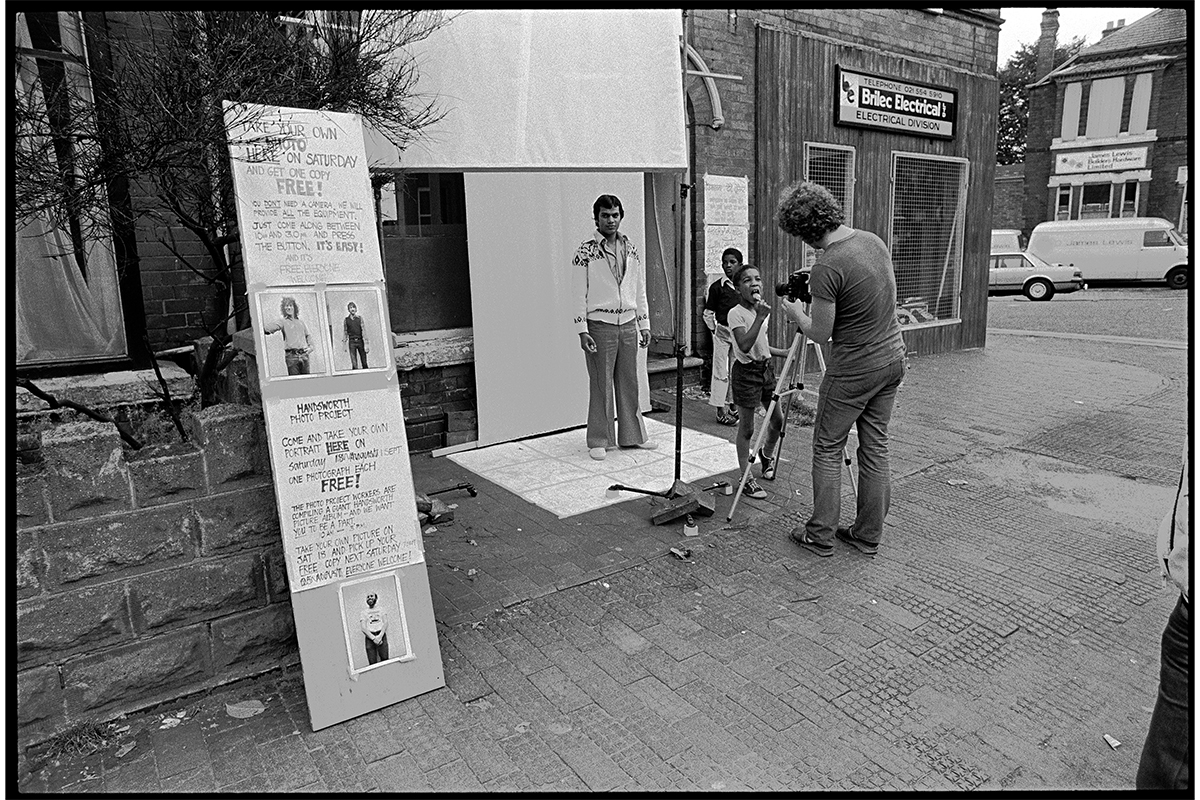
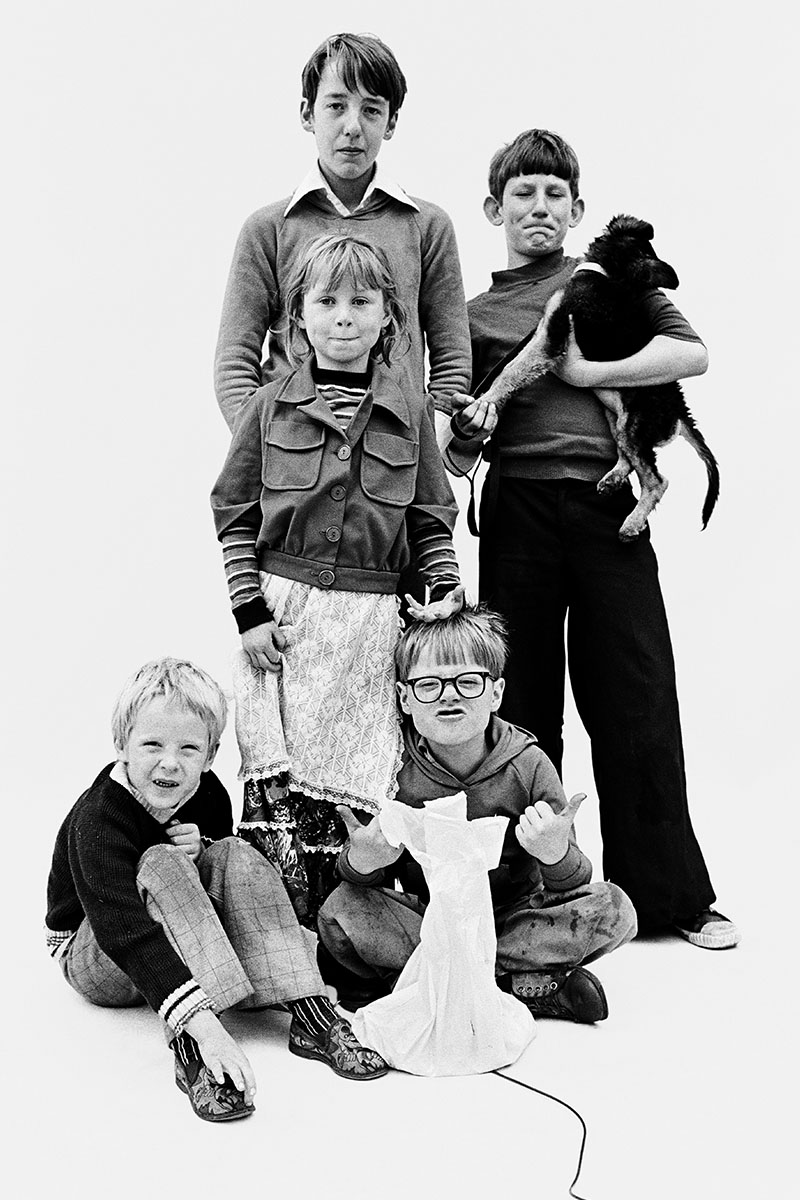
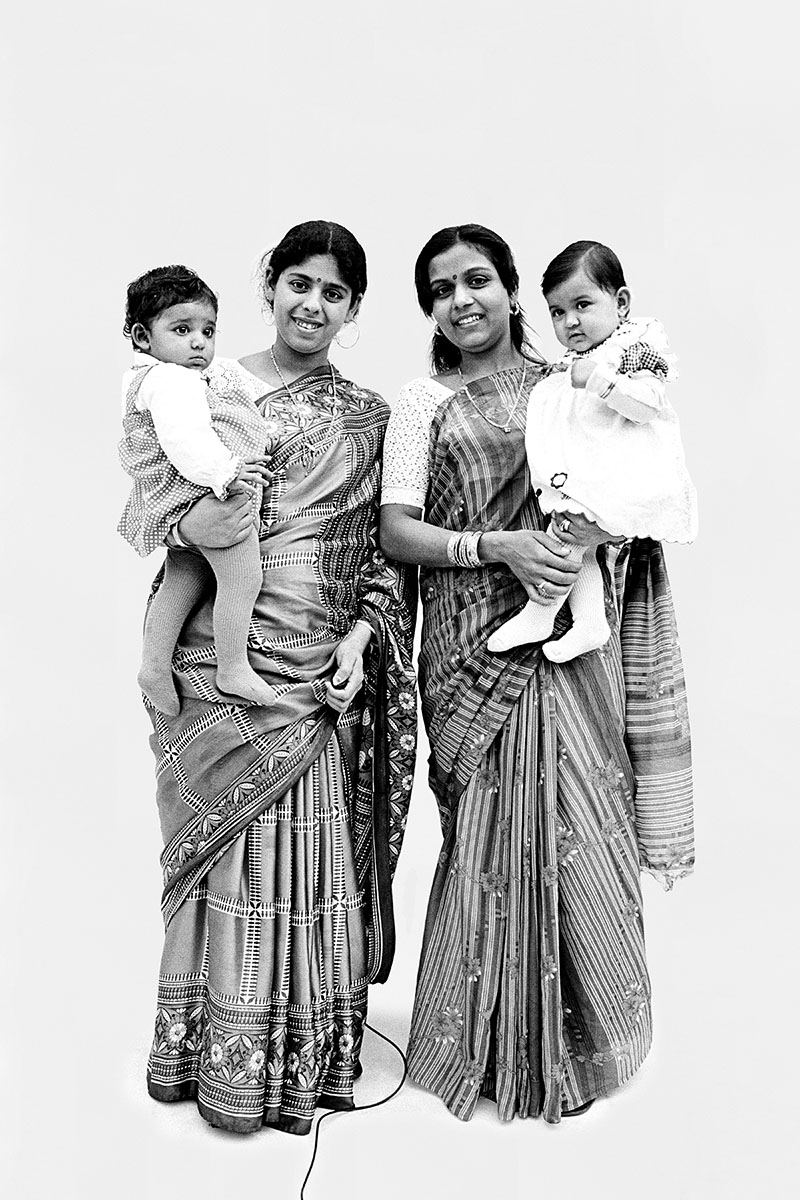
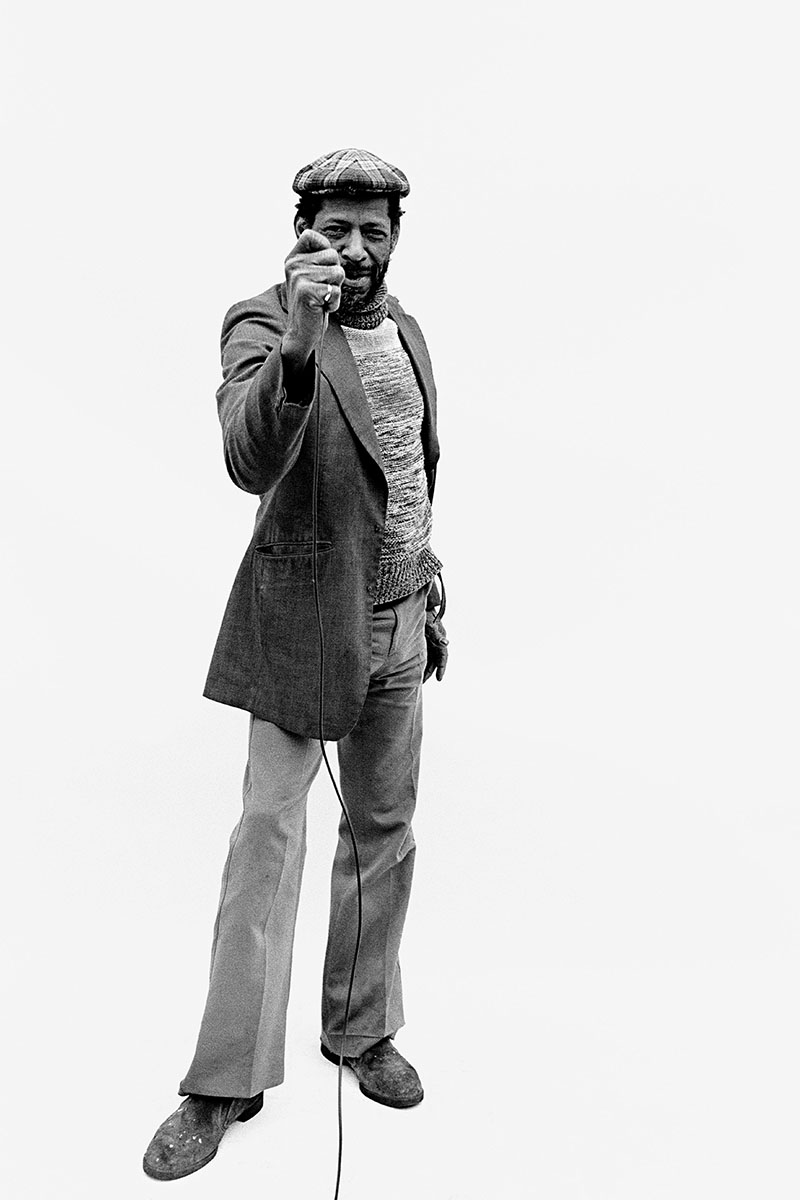
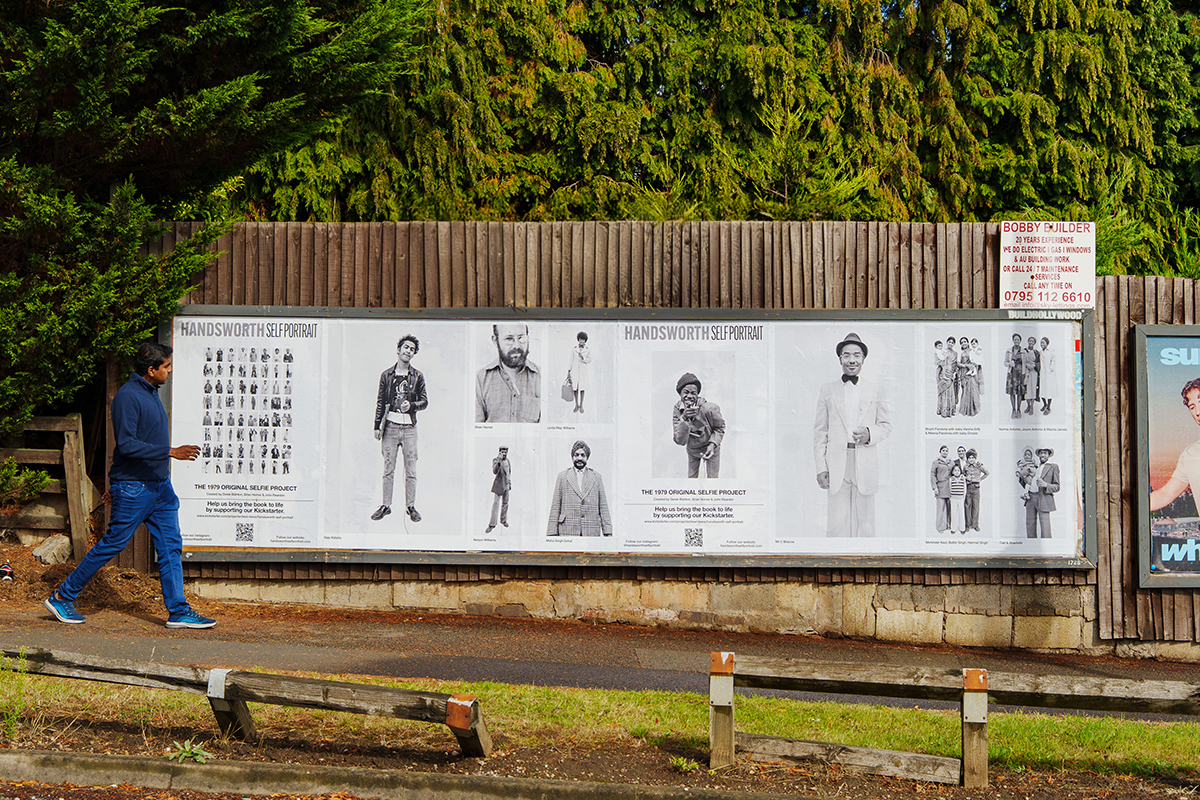
Created in 1979 by photographers Derek Bishton, Brian Homer and John Reardon, Handsworth Self Portraits brought together more than 200 people from Handsworth, Birmingham – one of Britain’s first truly multicultural communities. Rather than simply photographing the people of Handsworth, the project handed the camera back to the community, inviting participants to create their own portraits and tell their own stories.

The project emerged at a time of immense social and political pressure. Unemployment was spiralling, racist rhetoric was fuelling the rise of the extreme right, and tensions between young Black people and the police had reached a crisis point. At the same time, Handsworth was being portrayed by sections of the mainstream media as a violent, lawless and frightening place – a representation that bore little resemblance to the vibrant community Bishton, Homer and Reardon knew.

Working at the heart of Handsworth, the photographers saw something very different: a place alive with artists, poets, musicians, singers, social workers and community activists, alongside families and individuals building new lives and creating new roots. Handsworth Self Portraits became a way of making that reality visible.

More than four decades on, the portraits remain a powerful record of identity, migration, community and belonging. They capture a pivotal moment when multicultural Britain was becoming increasingly visible, while preserving the everyday lives of the people, families and friendships that shaped Handsworth. For many of those photographed, the images have become part of their own personal histories. As Bishton reflects, they are “like a giant photo album where you can look back and see where you have come from.” Many of those pictured had been uprooted from the places where they were born; Handsworth became a place to put down new roots, and their stories continue to resonate with the generations who have since made Birmingham home.

Today, the project offers more than a snapshot of Handsworth in 1979. It provides a rare and deeply personal record of a community at a moment of profound change, preserving stories that might otherwise have been overlooked. Its continued relevance lies in the people at the centre of the photographs – their lives, experiences and connections – and in the opportunity to see how those stories have shaped Birmingham over generations.

We spoke with Derek Bishton and Derrelle Elijah, Publishing & Cultural Activation Strategy Lead, about where the project started, the community behind it, and why these photographs still resonate more than 40 years on.

08.09.26

Words by BUILDHOLLYWOOD
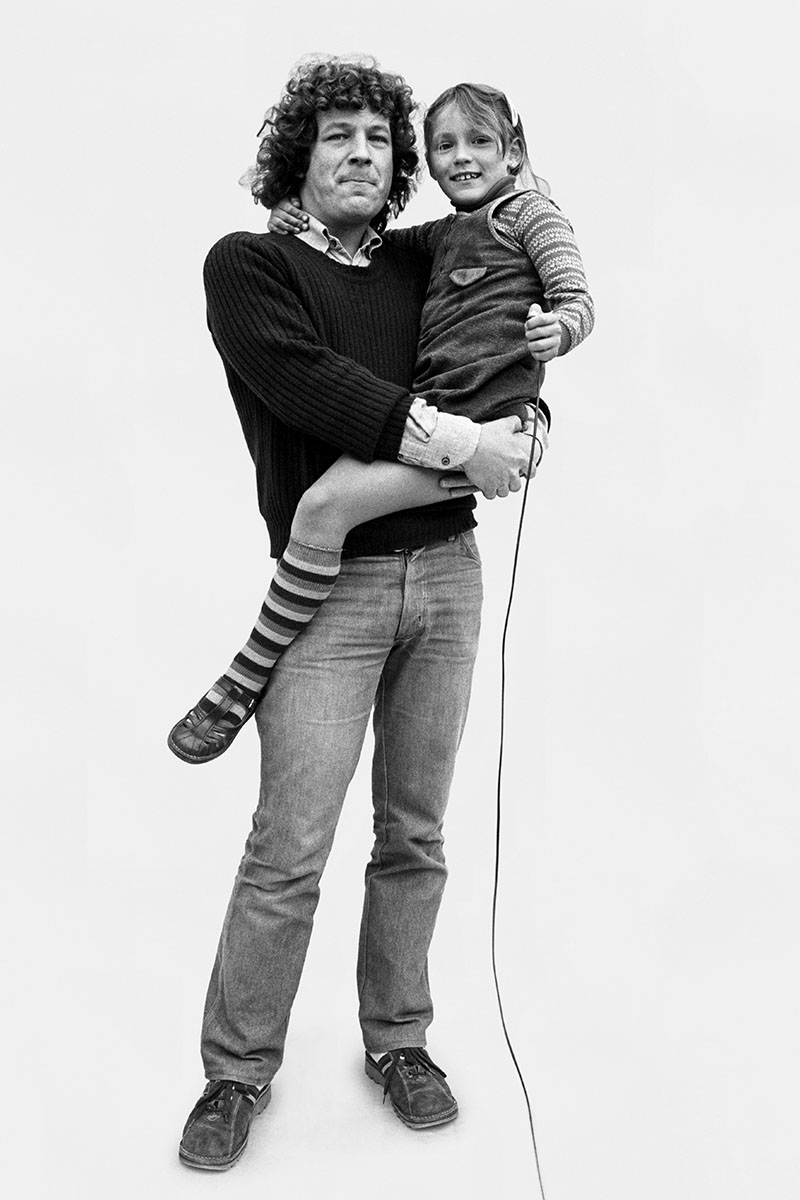
The Handsworth Self Portraits project began in 1979 with Derek Bishton, Brian Homer and John Reardon, creating a unique record of the people and community of Handsworth. Looking back, what makes this body of work so important nearly 50 years later?

DB: The year 1979 was, in retrospect, hugely significant in terms of the political and social history of this country. Margaret Thatcher won the General Election for the Conservatives, ushering in a period of radical change with the birth of Neoliberalism, the philosophy that promoted free-market capitalism, minimal government intervention, deregulation and the privatisation of public services.

The end of the seventies marked the low point in the fortunes of the traditional industries – car making, foundries and industrial manufacturing – that had driven the post war economy, especially here in Birmingham. It was the demand for labour for these industries that had brought people from the Caribbean and the Indian sub-continent to the UK in the first place, in the 50s and 60s, and now they and their children faced an uncertain future

Derek, when you, Brian and John created the Handsworth Self Portraits, you were documenting a community at a significant moment in its history. Looking back now, what do you think these images captured about the people of Handsworth, their lives and the spirit of the community at that time? And what do you think these images reveal about how far society has come?

DB: Unemployment was spiralling upwards. At the same time, the rise of extreme Right-wing groups, fuelled by the racist rhetoric of Enoch Powell and his followers, was a threat to every Black person. And on the streets of Handsworth, the relationship between young Black people and the police had reached crisis point.

And yet, it was at this moment of extreme hardship, threats and pressure, that Handsworth came alive, came together as a community and joined forces to fight against the racism and discrimination directed against them by mainstream media who sought to portray Handsworth as a violent, lawless and frightening place inhabited mainly by criminals and degenerates. In short, Handsworth came to symbolise everything that was going wrong with society and the economy in post war Britain.

We were working right in the heart of the community and knew that Handsworth was the complete opposite of the stereotypes being portrayed in the media and by the police. It was a vibrant, cultural place, with artists, poets, singers, musicians, social workers, and community activists living and working alongside people who were just trying to make a better life for themselves and their children.

So, I think the significance of the portraits is twofold. First, they show Handsworth, and by implication Birmingham and the UK, at a crucial moment when the multicultural society emerged and became visible on the streets of our city, when the implications of having created an Empire that stretched around the world finally came home to roost. Diversity was the new normal and Britain would never be the same again.

A unique aspect of the Handsworth Self Portraits was that people were given the opportunity to take their own portraits. Why was it important to give people control over how they represented themselves, and what do you think that added to the authenticity of the project?

DB: The self portraits capture that moment perfectly. But more than that, they show a community at ease with this diversity, proud, confident, elegant, beautiful. These are not the threatening muggers and criminals that the newspapers would have you believe stalked the streets of Handsworth: these are people you would be pleased and grateful to have as neighbours.

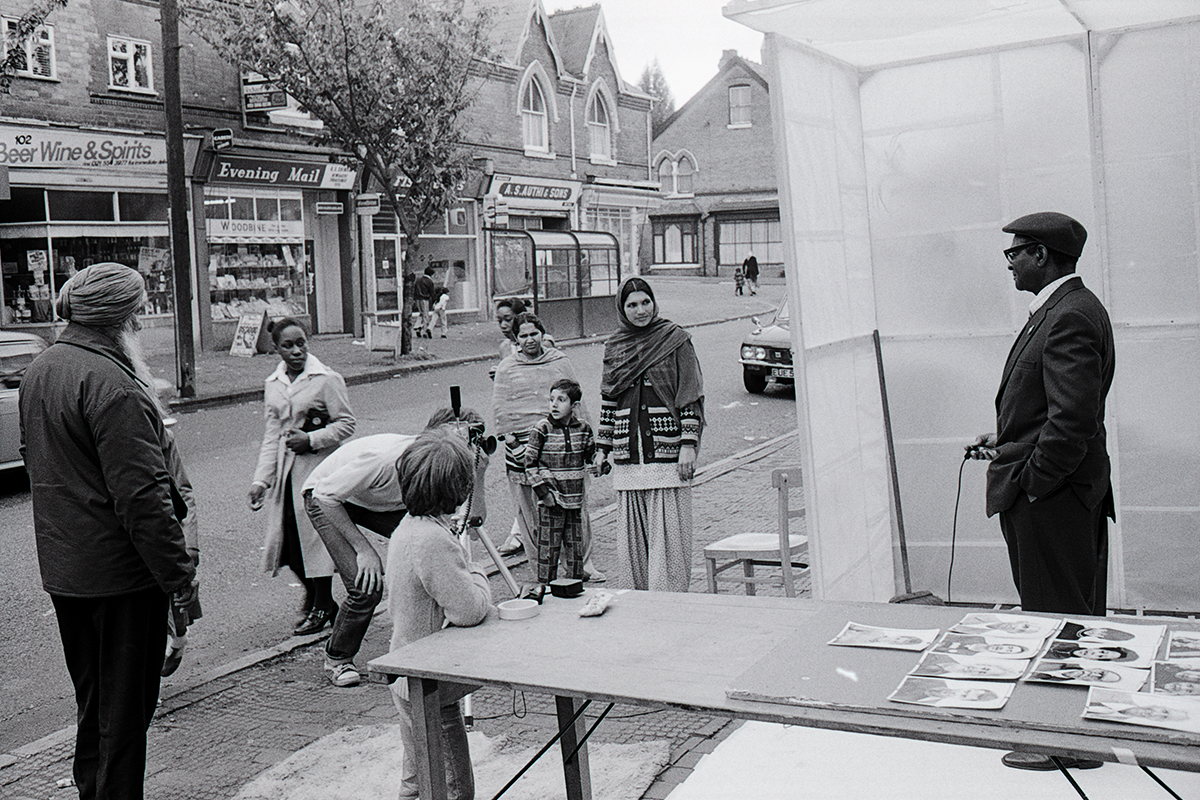
Central to this representation was, of course, the fact that we made the conscious decision to let people take their own photo. This was long before selfies became a thing. What we wanted to do was to let people who had been historically oppressed by negative images made by others put themselves in the frame, both literally and figuratively.

Although all three of us were photographers, we decided to let everyone who took part make their own decision as to when to press the shutter. At the time, this was seen as a reckless, revolutionary even, act: photographers traditionally controlled when the shutter was depressed: we gave control over this key moment to our neighbours

Derrelle Elijah, Projects Publishing & Cultural Activation Strategy Lead, you once unexpectedly met someone who was featured in the original Handsworth Self Portraits. Can you tell us about that encounter and what it meant to you?

DE: For me, the connection to the Handsworth Self Portraits happened in a really unexpected way.

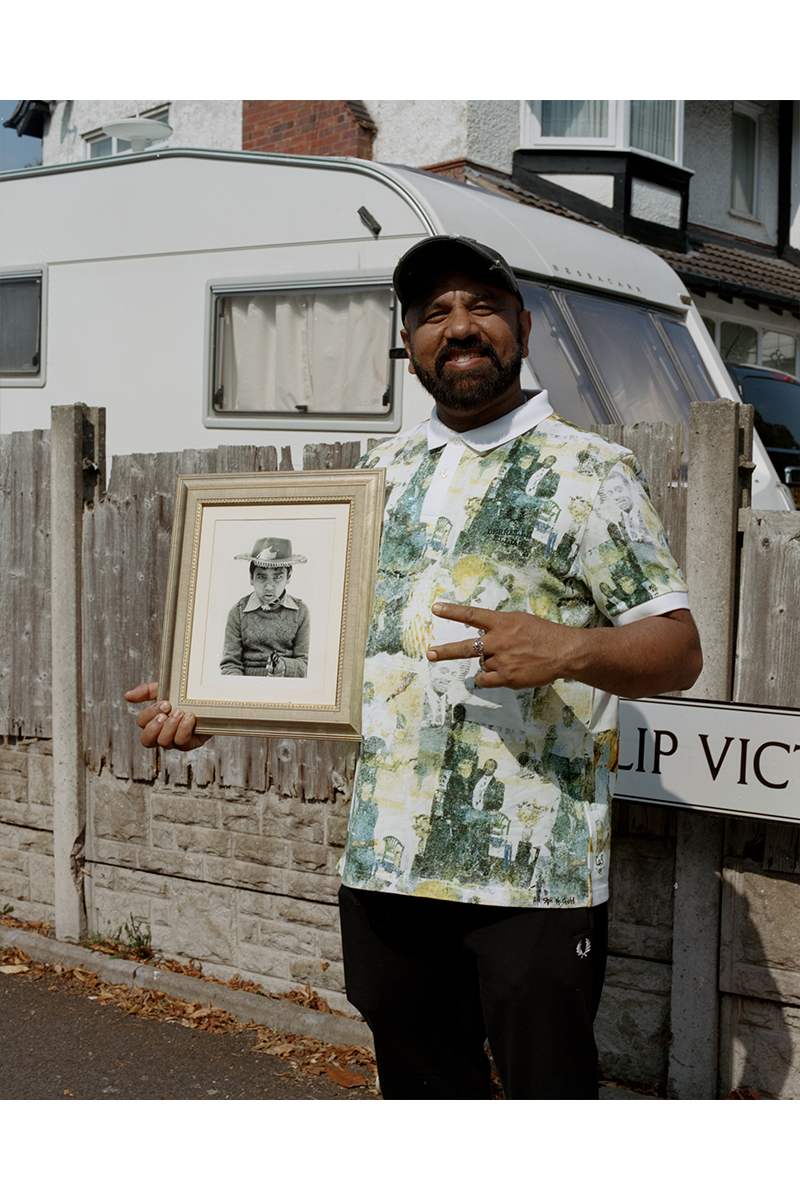
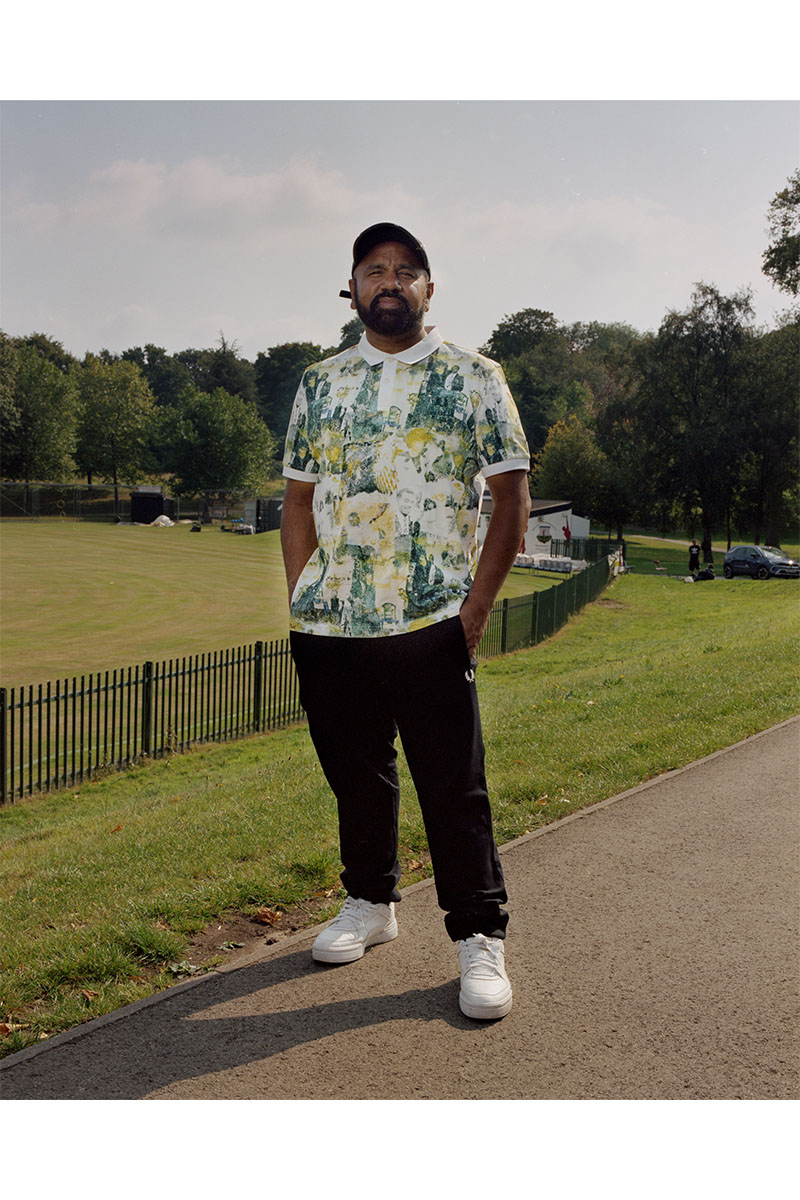
In 2024, I was working on a collaboration with Fred Perry called Never Far From Home, which explored family heritage, memory and community through stories from people in Birmingham. One of the people I photographed was Raj, a friend’s dad who was born and raised in Handsworth. It was only while developing the project that I discovered something I couldn’t have anticipated: Raj had actually been photographed as part of the Handsworth Self Portraits in 1979.

That was a surreal discovery. I was working with ideas around family, heritage and representation, and suddenly someone I already knew was part of this incredibly important Birmingham archive.

Raj still had the original portrait framed. I worked with Birmingham photographer Rashidi Noah to photograph him in Handsworth Park and outside his old home, holding the original image of himself as a young man. It created a conversation between two moments in time: Raj looking at his younger self, and us looking at Raj nearly 50 years later.

I contacted Brian Homer and Derek Bishton to ask permission to include the original portrait in the Fred Perry campaign. They were incredibly generous and supportive, and that became the beginning of my relationship with the Handsworth Self Portraits project.

What struck me was how closely the intention behind my project connected with what the Handsworth Self Portraits had achieved decades earlier. The original project gave people the opportunity to represent themselves, rather than simply being represented by someone else. In my own way, I was trying to create that same space for people to see themselves, their families and their histories reflected back at them.

What stayed with me wasn’t only the photograph itself, but hearing Raj talk about what life in Handsworth actually felt like. He remembered roller-skating, breakdancing, going to work with his dad, spending time with his loved ones, and Handsworth Park Carnival taking over the city.

Those memories gave me another way of understanding the period Derek describes. There were enormous pressures around the community — economic uncertainty, racism, discrimination and the breakdown of traditional industries — but people’s lives were never reducible to those circumstances. There was still joy, culture, family, ambition and a real sense of belonging.

That’s what made the archive feel so alive to me. The portraits don’t erase the difficulty of that period, but they show the people living through it in their fullness. They give us access to the everyday life underneath the headlines and stereotypes: the relationships, personalities, celebrations and memories that made Handsworth a community. In that sense, I think the photographs are also a record of the shared destiny Derek talks about — people from different backgrounds building lives alongside one another and creating a culture together.

About a year later, I reached back out to Brian because I wanted to explore ways of bringing the archive into conversation with Birmingham today, while also finding a way to help raise funds to finally publish the work as a book. Brian told me that he and Derek were beginning to plan the Kickstarter, and that conversation eventually developed into the work we’re doing now to bring the project back into public view.

That’s why this campaign feels particularly meaningful to me. Nearly 50 years later, these photographs remind us that a community can experience enormous pressure and uncertainty without allowing those things to become its entire identity. They show people seeing their lives as connected despite their differences — and I think that’s a message that still has real relevance, especially within today’s social climate.

The portraits were originally created within the Handsworth community and are now being displayed back in Birmingham through this partnership. What does it mean for you to see these images return to the places where they were created? And what do you hope people feel when they encounter them in public spaces?

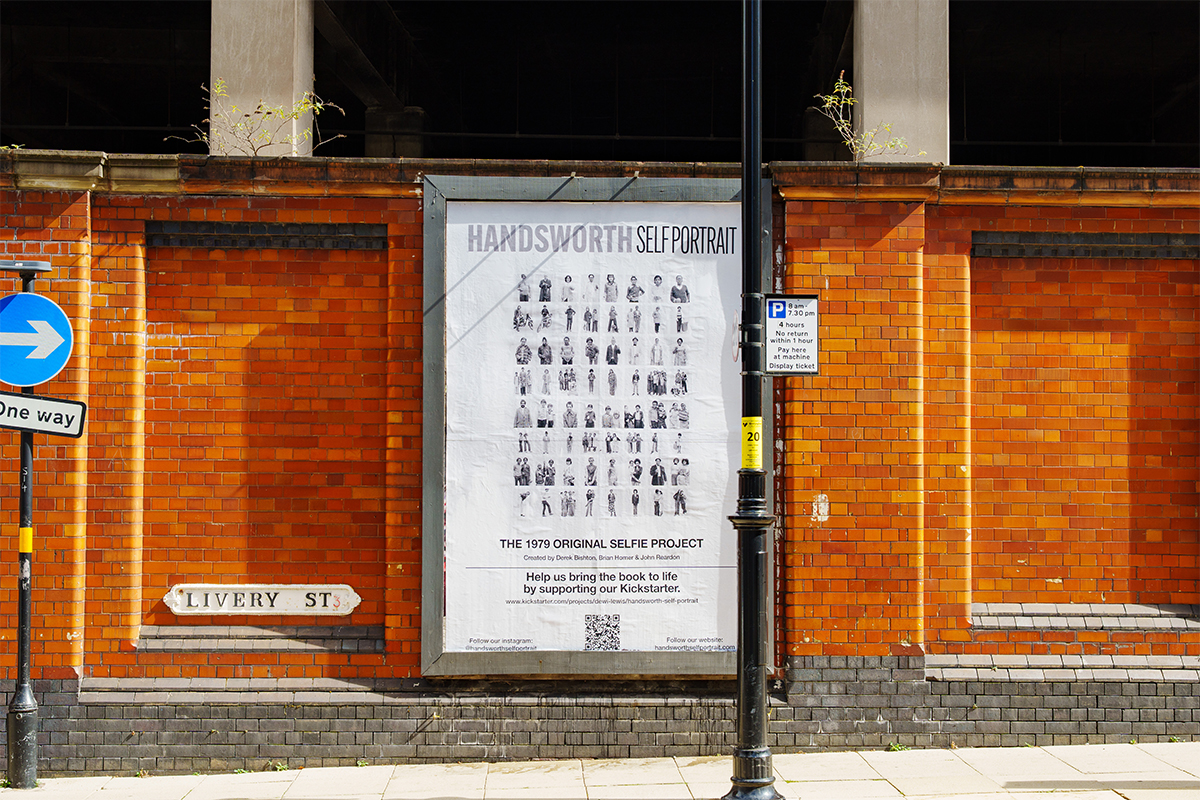
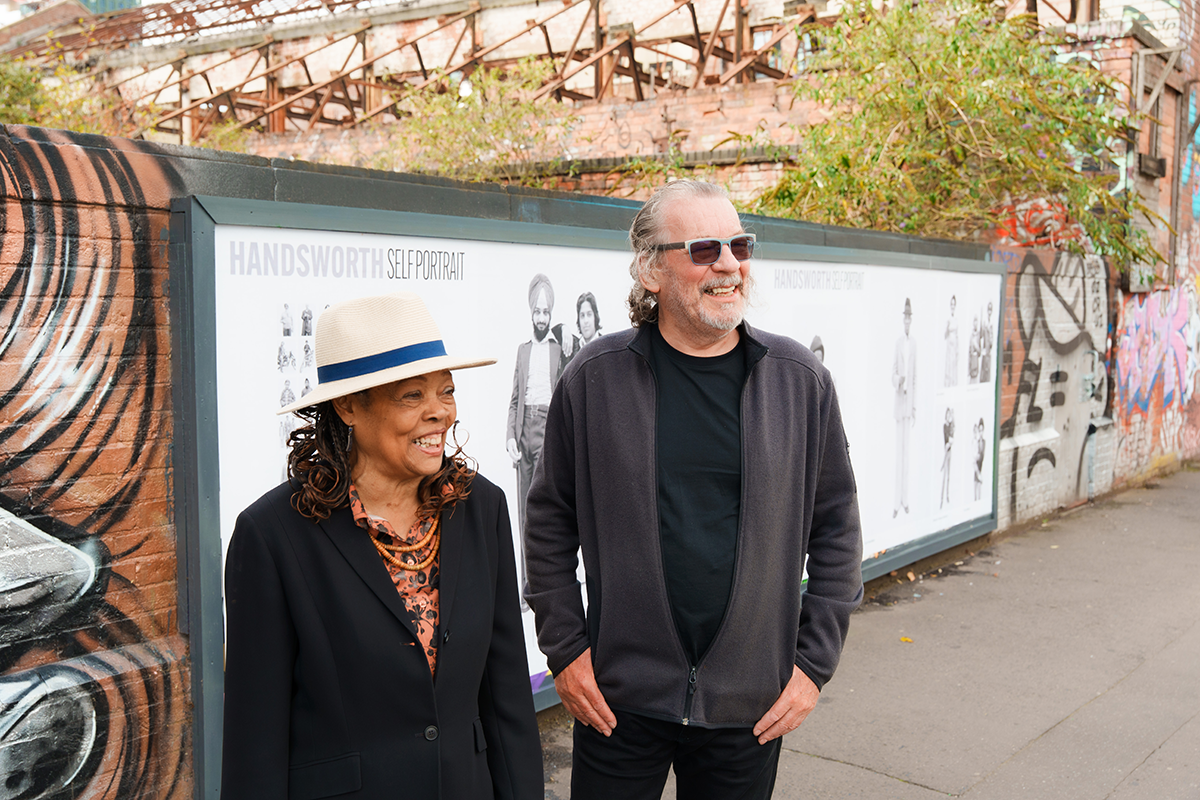
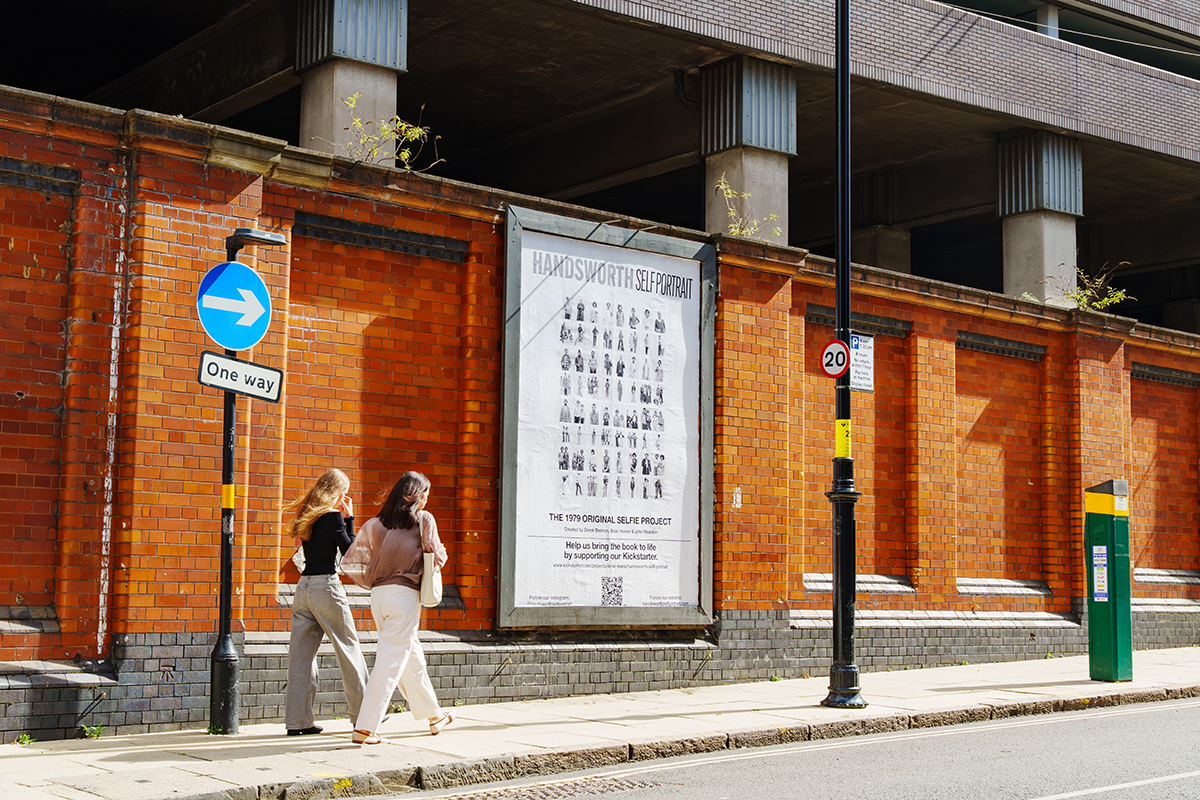
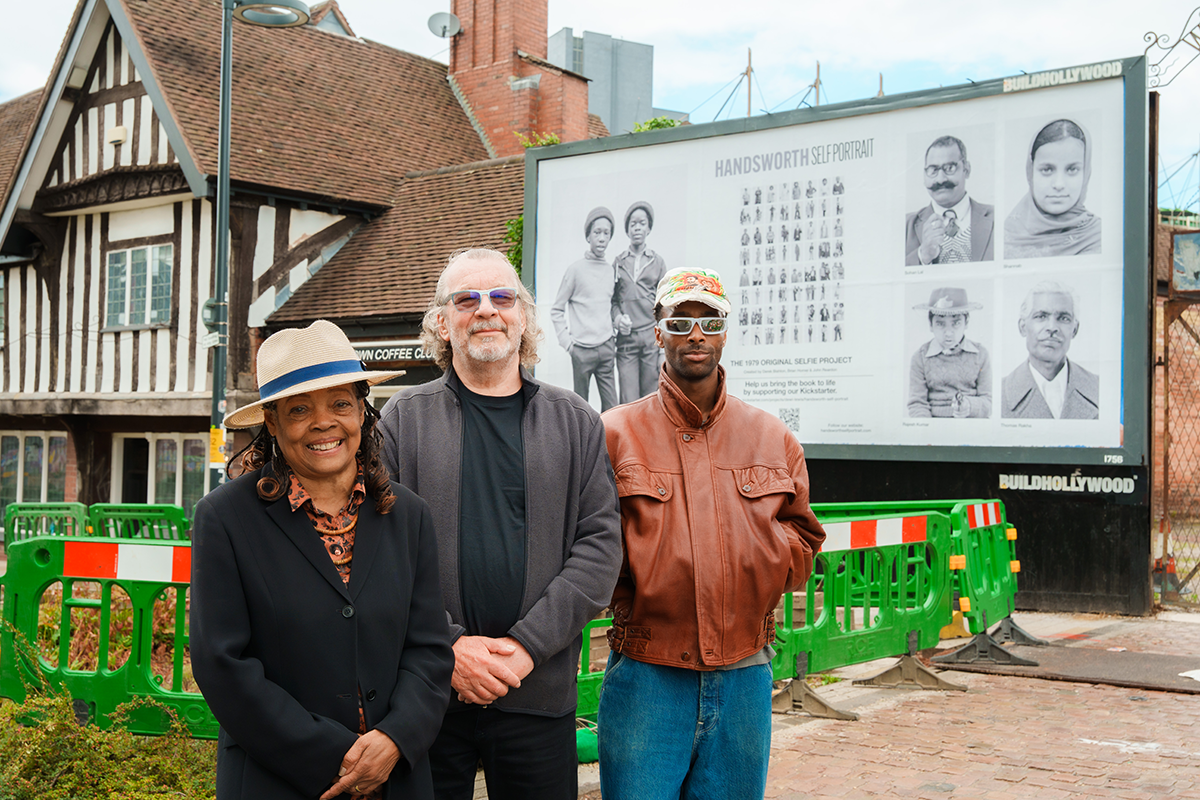
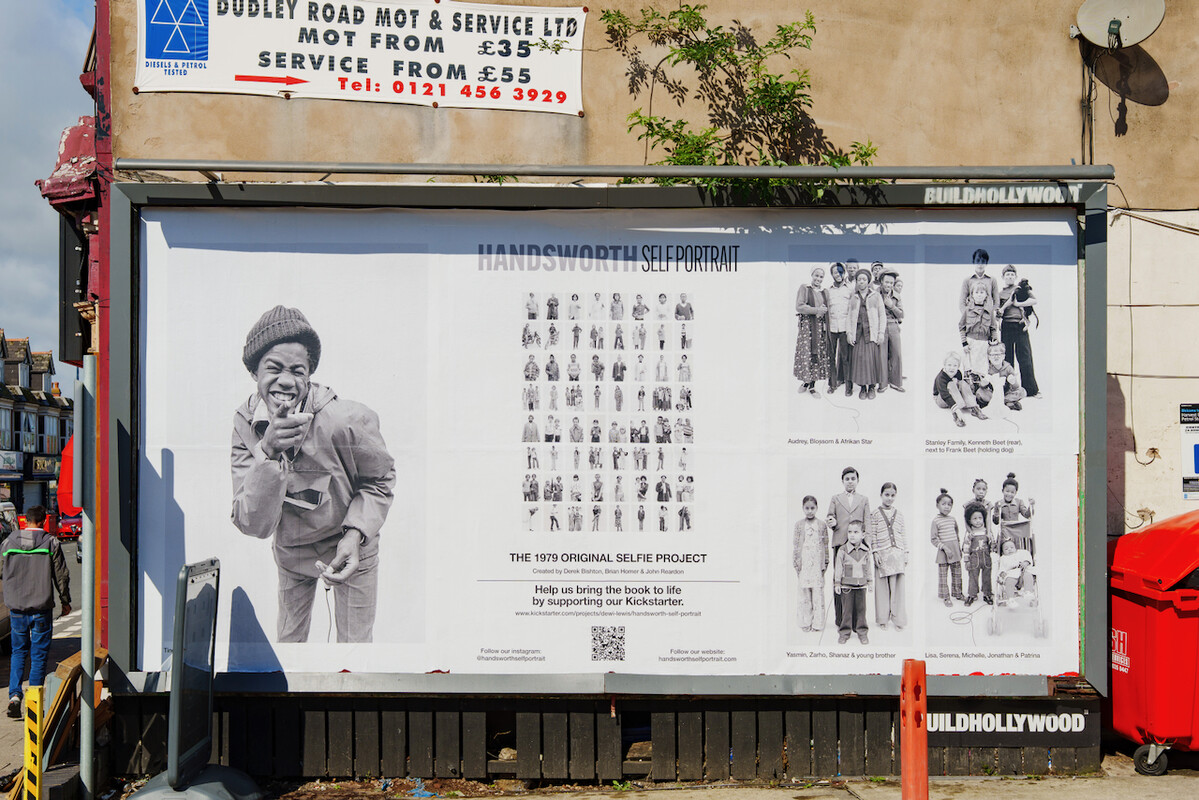
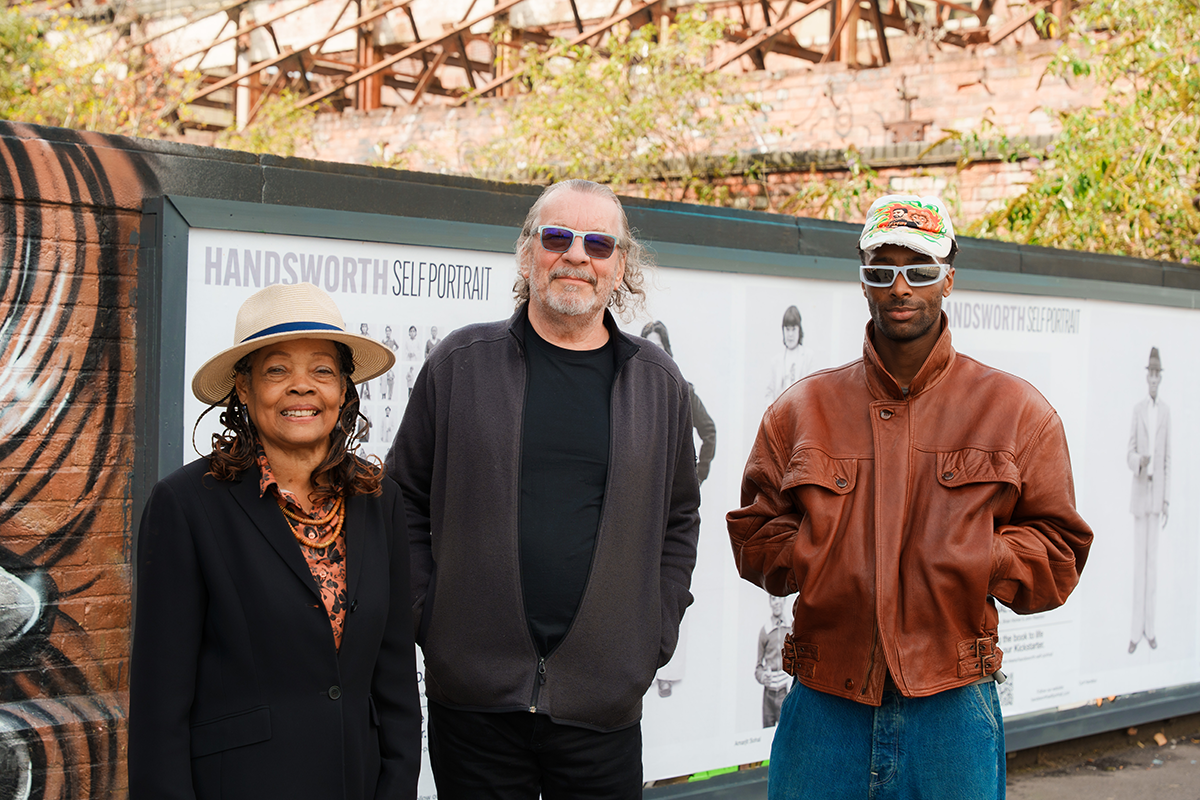
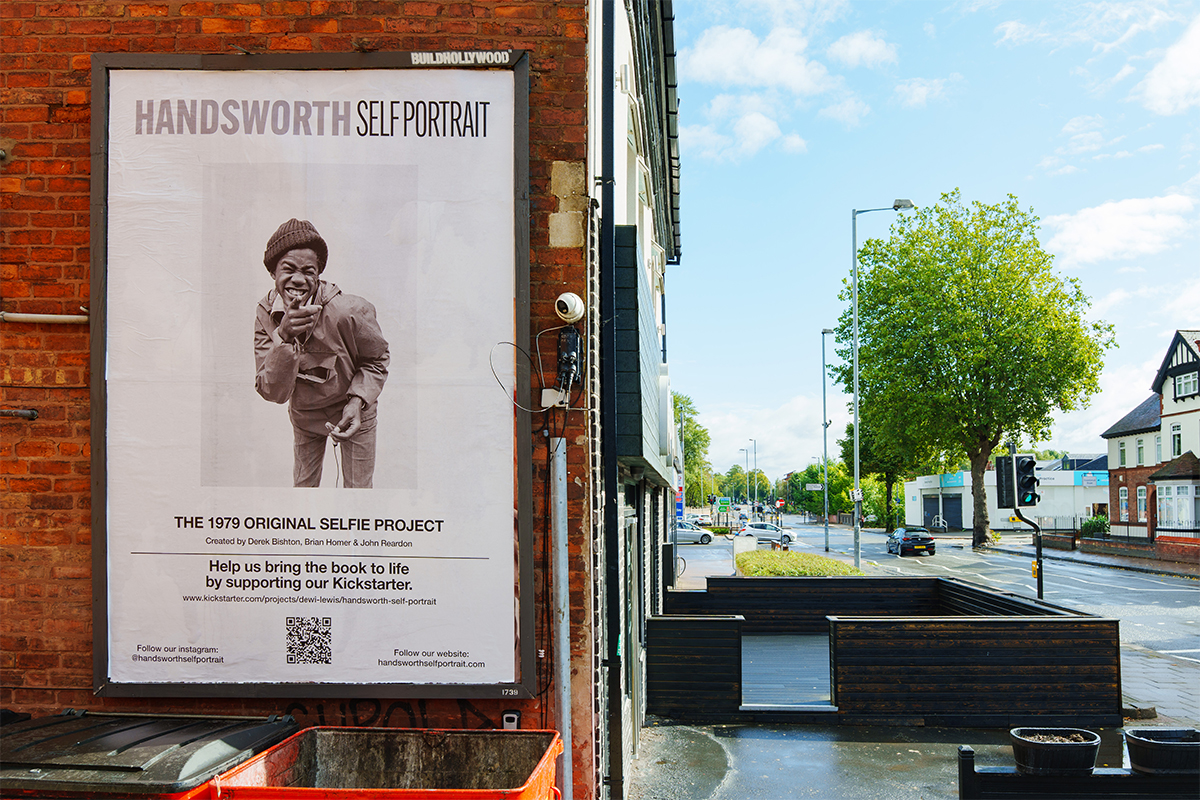
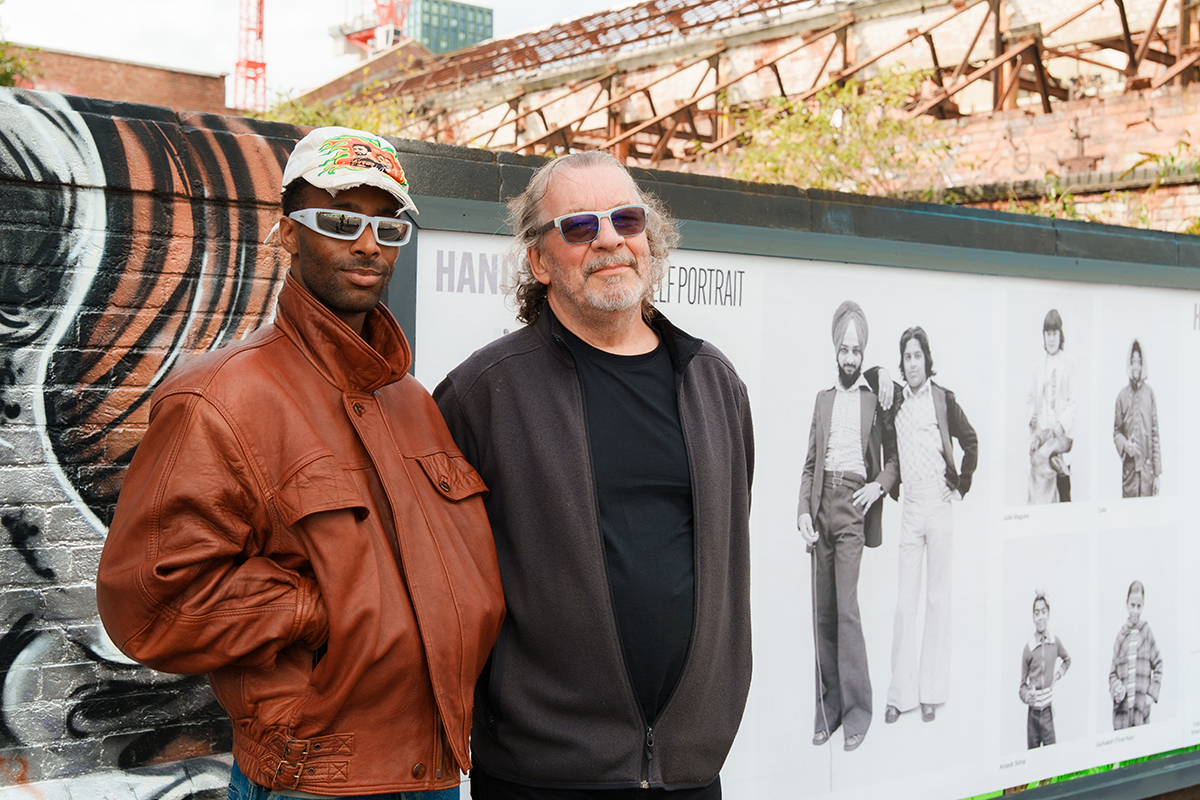
DB: I’m really excited about the prospect of seeing some of the self portraits displayed on large advertising hoardings here in Birmingham because although I think the images have a universal appeal and speak with great eloquence about the birth of a new moment in British history, this is the city where they were made. This is their home. We have a couple of sites on Dudley Road, which is just a stone’s throw from where they were made, so I’m very happy about that.

Many people have told me how important these images are in terms of their own personal history. They are like a giant photo album where you can look back and see where you have come from.

Many of the people in the original photographs had been uprooted from the places where they were born: Handsworth was one of the key places where they put down new roots and I think there are thousands of people living in Birmingham now who can relate to that

Sadly, Brian Homer and John Reardon are no longer here to see the work reaching new audiences through this partnership. How would you like to honour their contribution, and what do you think it would mean to them to see the legacy of this project continue?

DB: It’s obviously a great sadness to me personally that neither Brian or John, who were so crucial in terms of making the original project happen, are here to see this latest development. But I know how much they wanted to see the work collected together in book form.

When we finished the original project, more than 350 people had taken part but because of lack of financial resources we were only able to make a fraction of the work available for people to see in exhibition form.

The billboard campaign will help raise awareness and support for bringing the Handsworth Self Portraits together into a book. Why is it important to preserve and share this collection with future generations?

DB: The book we have produced has more than 200 images and gives a much more comprehensive portrayal of what was a remarkable time. Looking back to that moment also gives us an important pointer to the future because in spite of all the differences – language, customs, culture, religion, music and food – there was also a real sense of shared destiny and that by working together we could build a better future for everyone.

When so many forces in the present moment seem to be working to create division and discord, we need to remember that.

Finally, a word of thanks to the good folks at BUILDHOLLYWOOD for making these spaces available to us. We really appreciate it.

Previous article

Marathon Season: Hit The Ground Running

Next article

Your Space Or Mine

WALK: CARDIFF