Newsletter

Join our mailing list for latest news and features

Build Hollywood

Build Hollywood

Build Hollywood

Build Hollywood

Partnerships

To Be Seen: Granton Youth and the National Galleries of Scotland

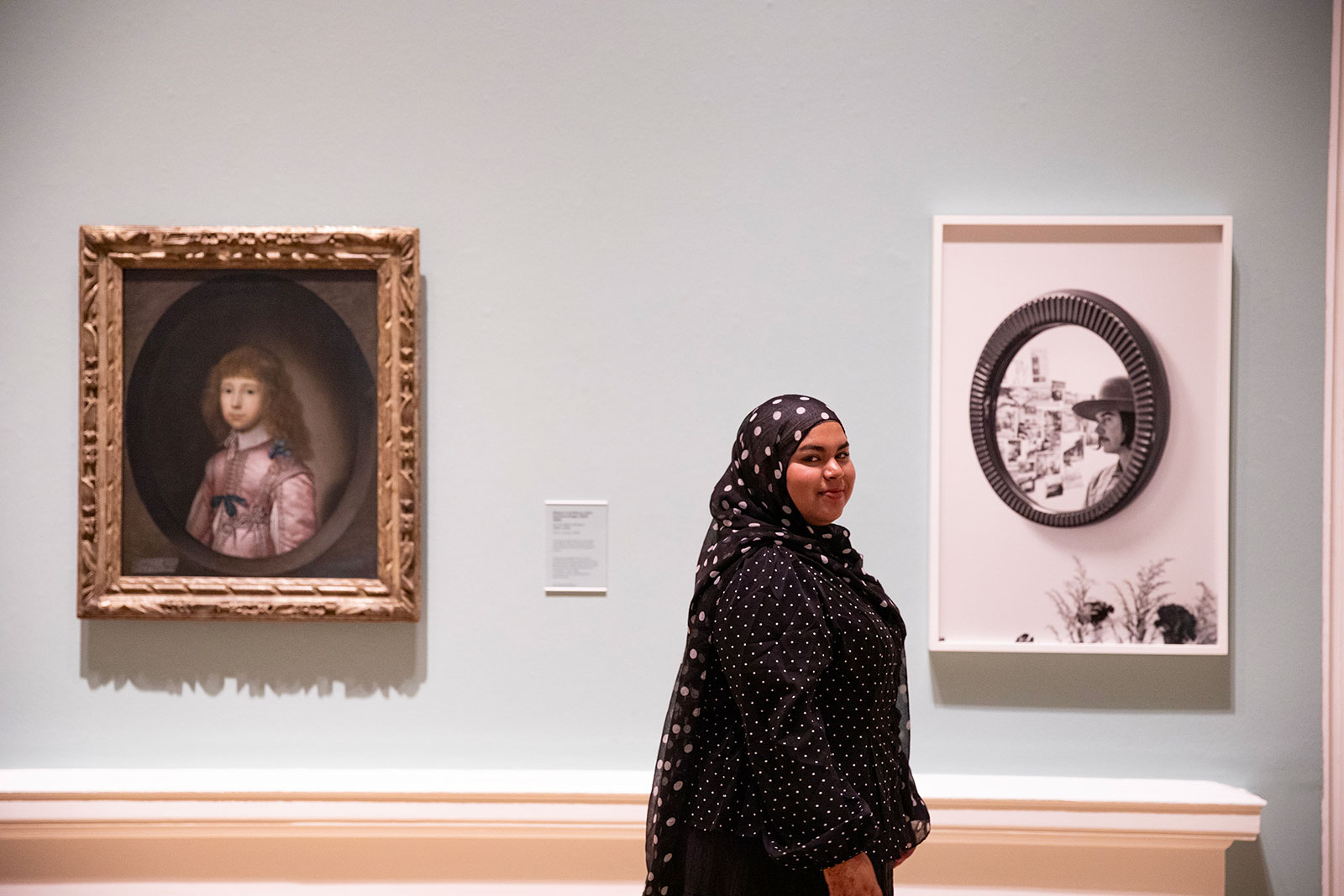
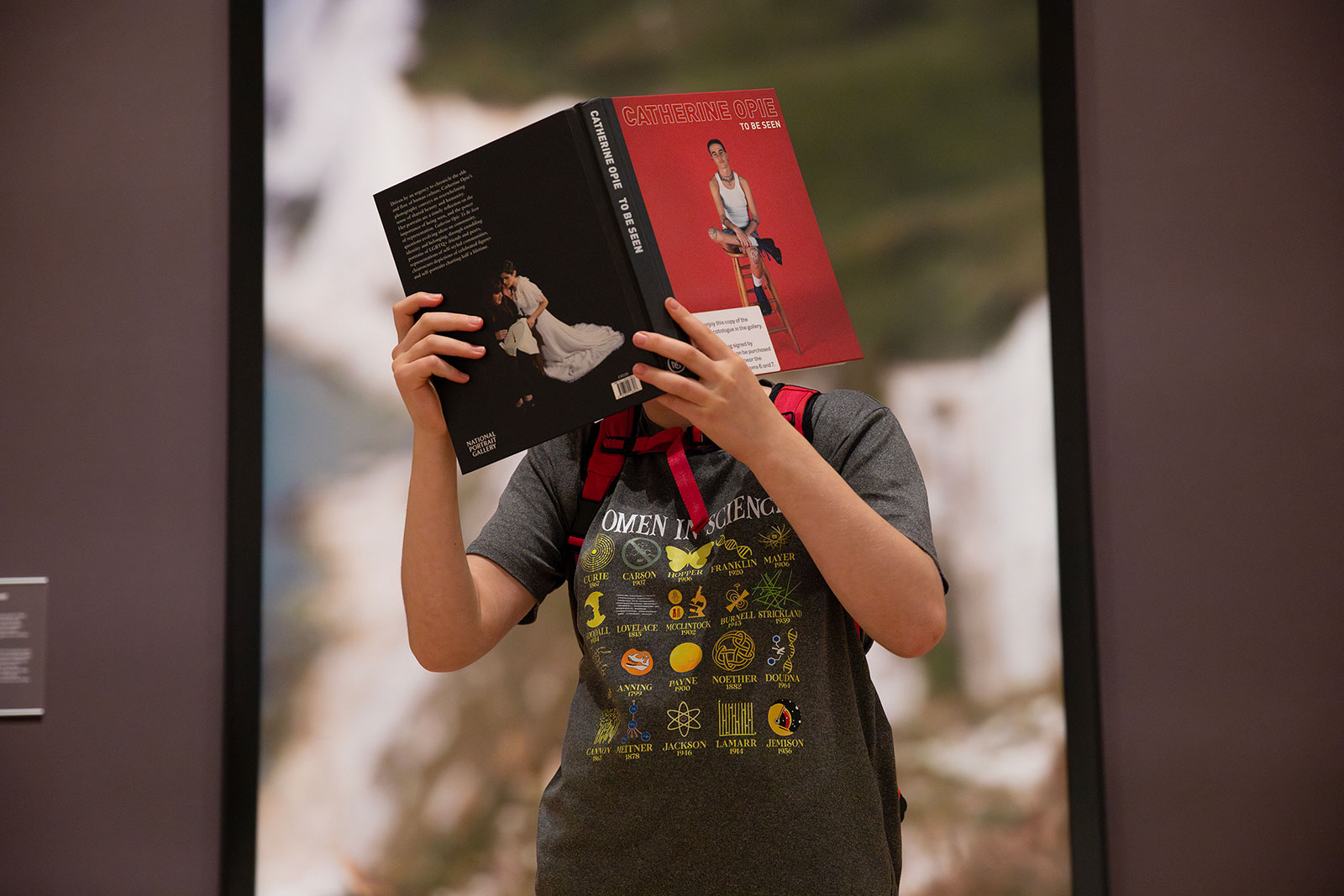
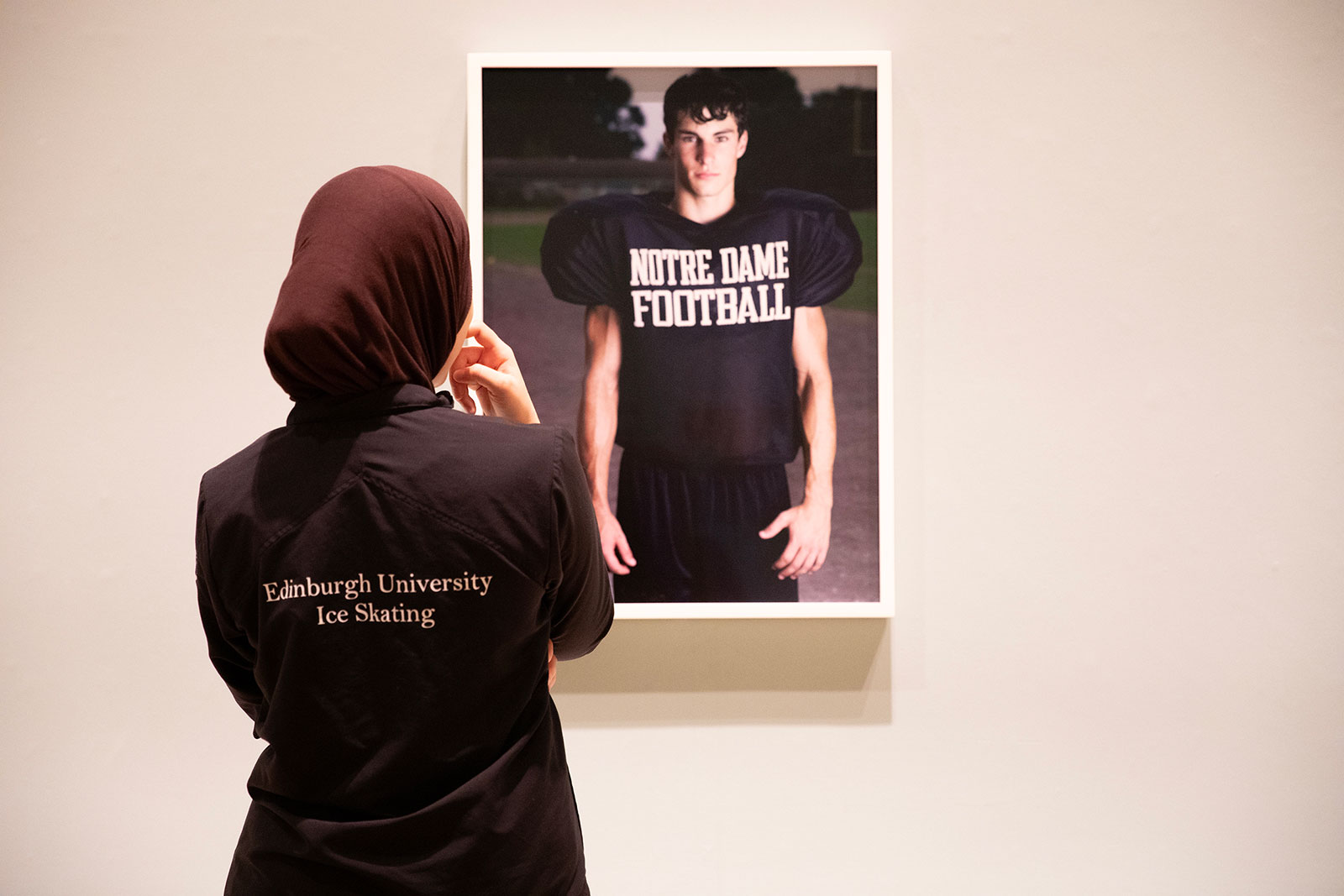
Currently on show at the Royal Scottish Academy in Edinburgh, To Be Seen is Catherine Opie’s first ever solo exhibition in Scotland. Presenting 80 vibrant portraits by the American artist alongside her own selection of works from Scotland’s national art collection, the curation invites viewers to see, side-by-side, historical and modern representations of home, family, love, and intimacy. Engaging with the idea of staging identity, the work actively asks what it means to be seen, then and now. Inviting a local youth club to expand on this question beyond the gallery space, the National Galleries of Scotland (NGS) partnered with Granton Youth, a youth organisation that provides opportunities and support for young people and their families, enabling them to reach their true potential.

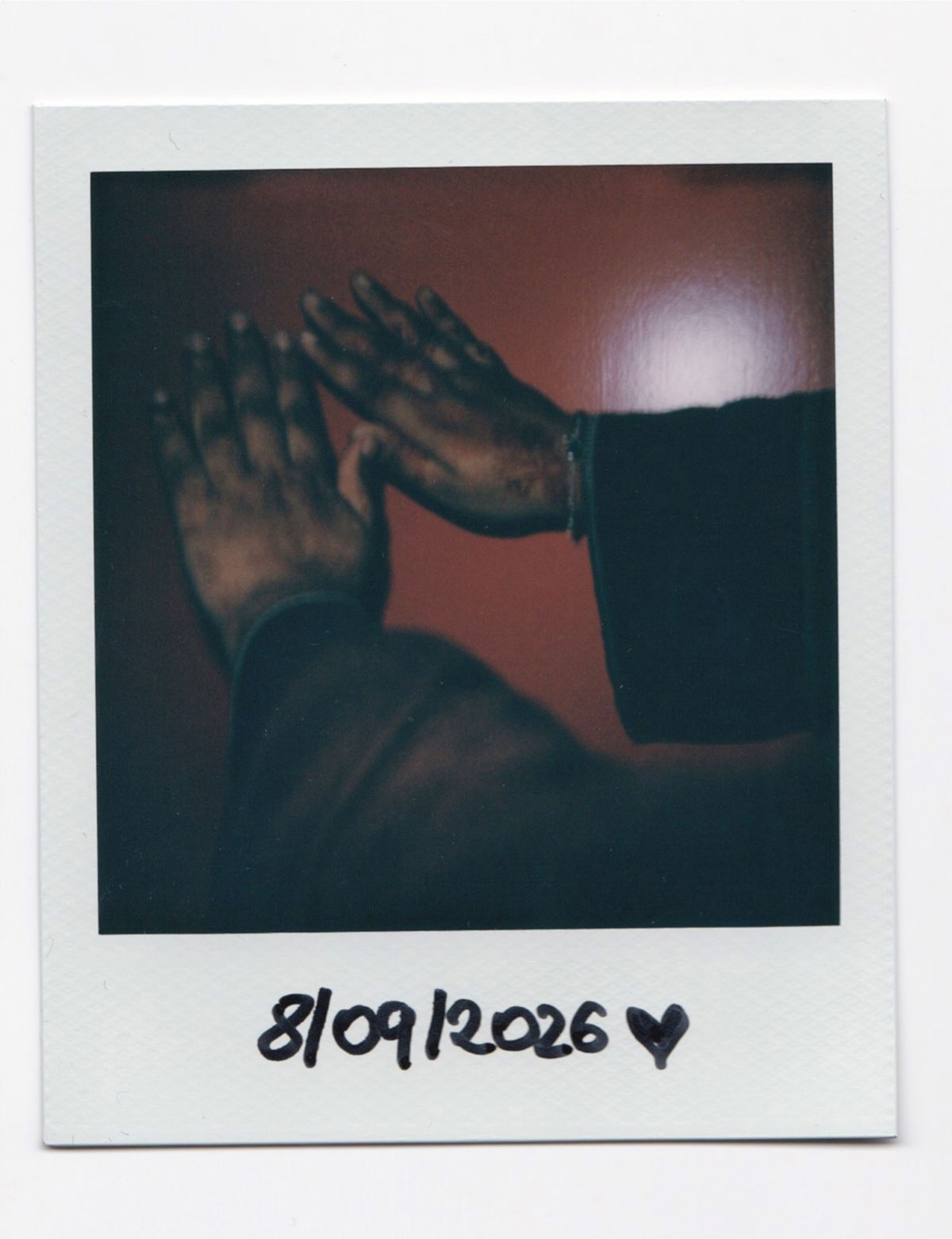
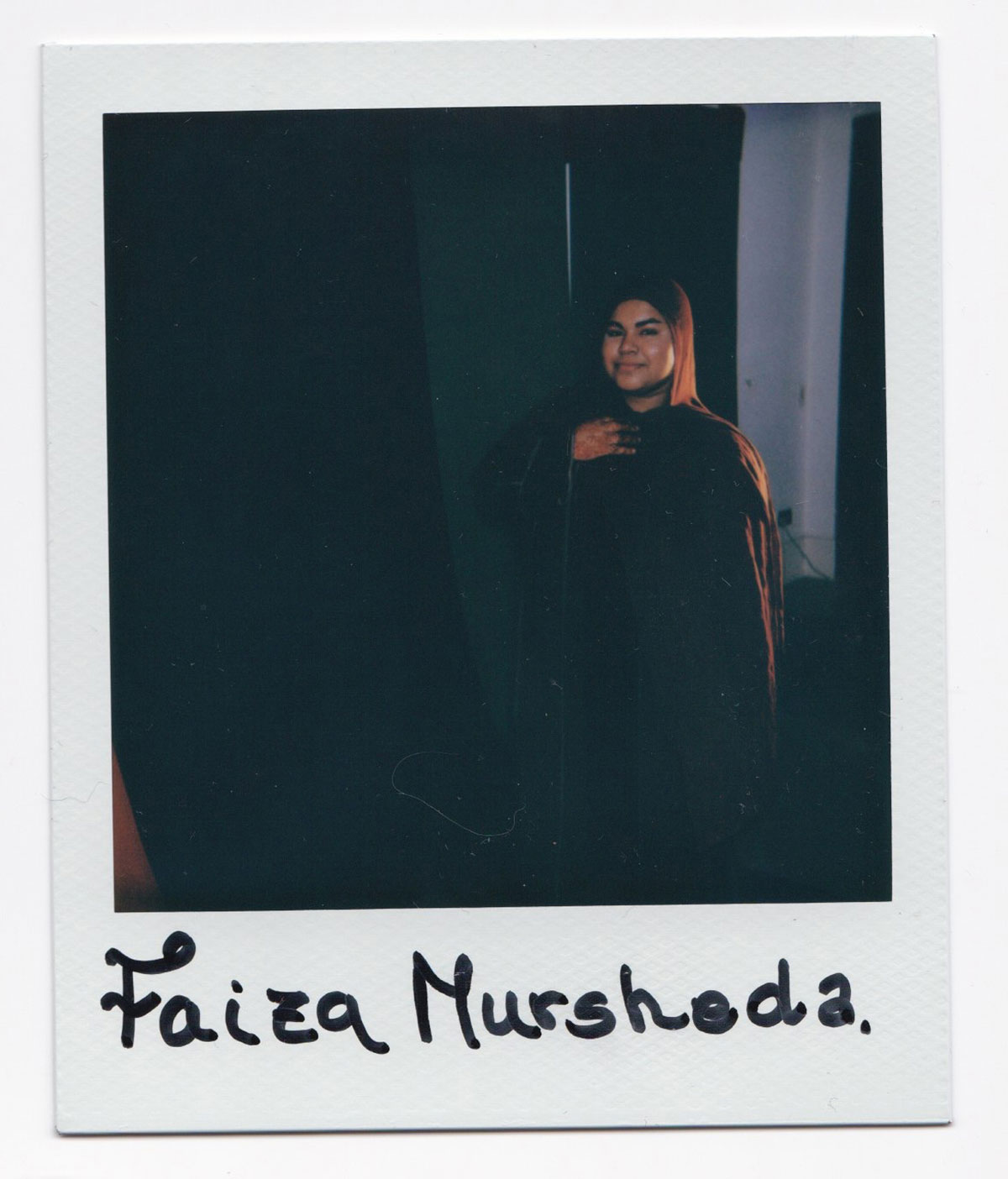
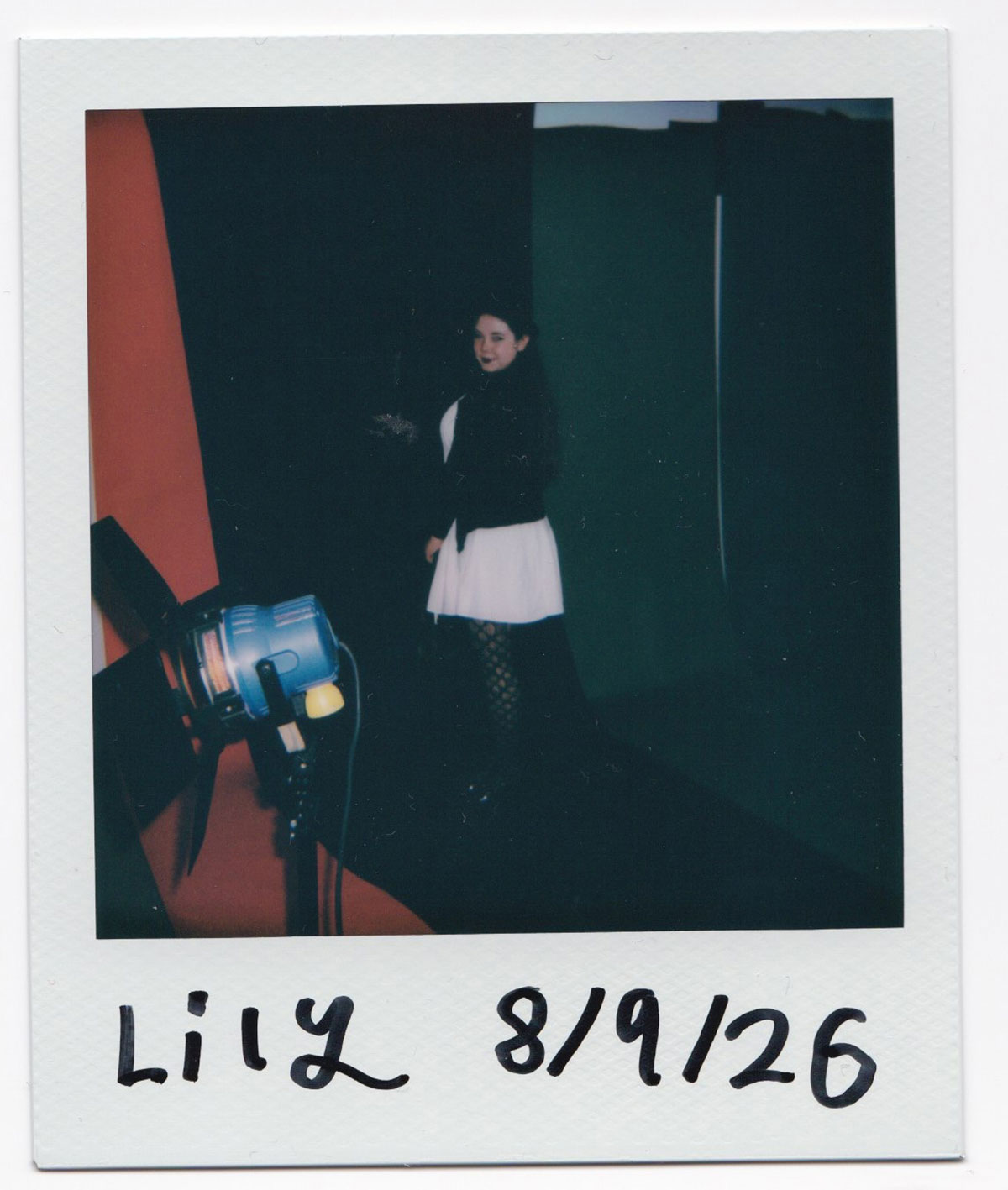
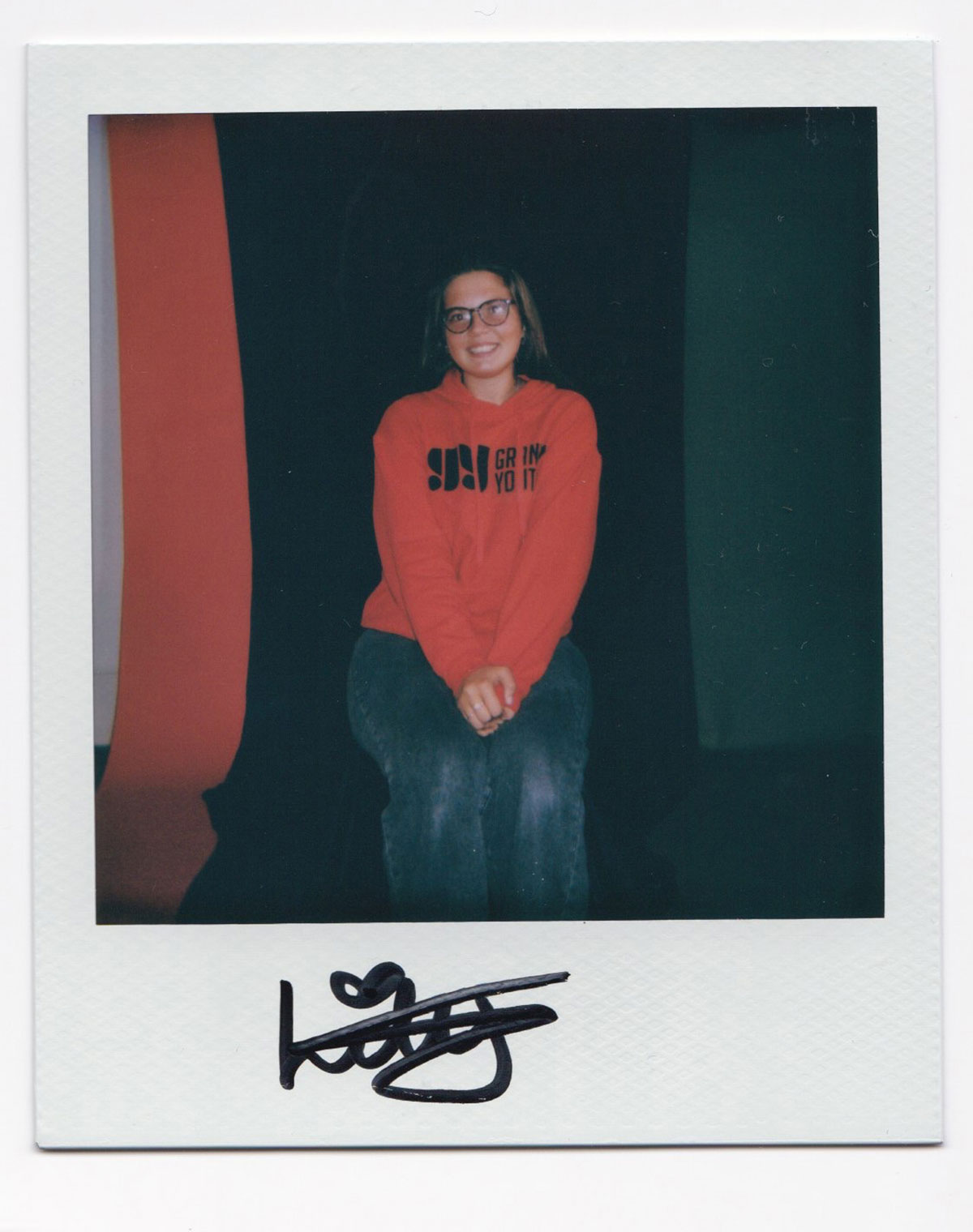
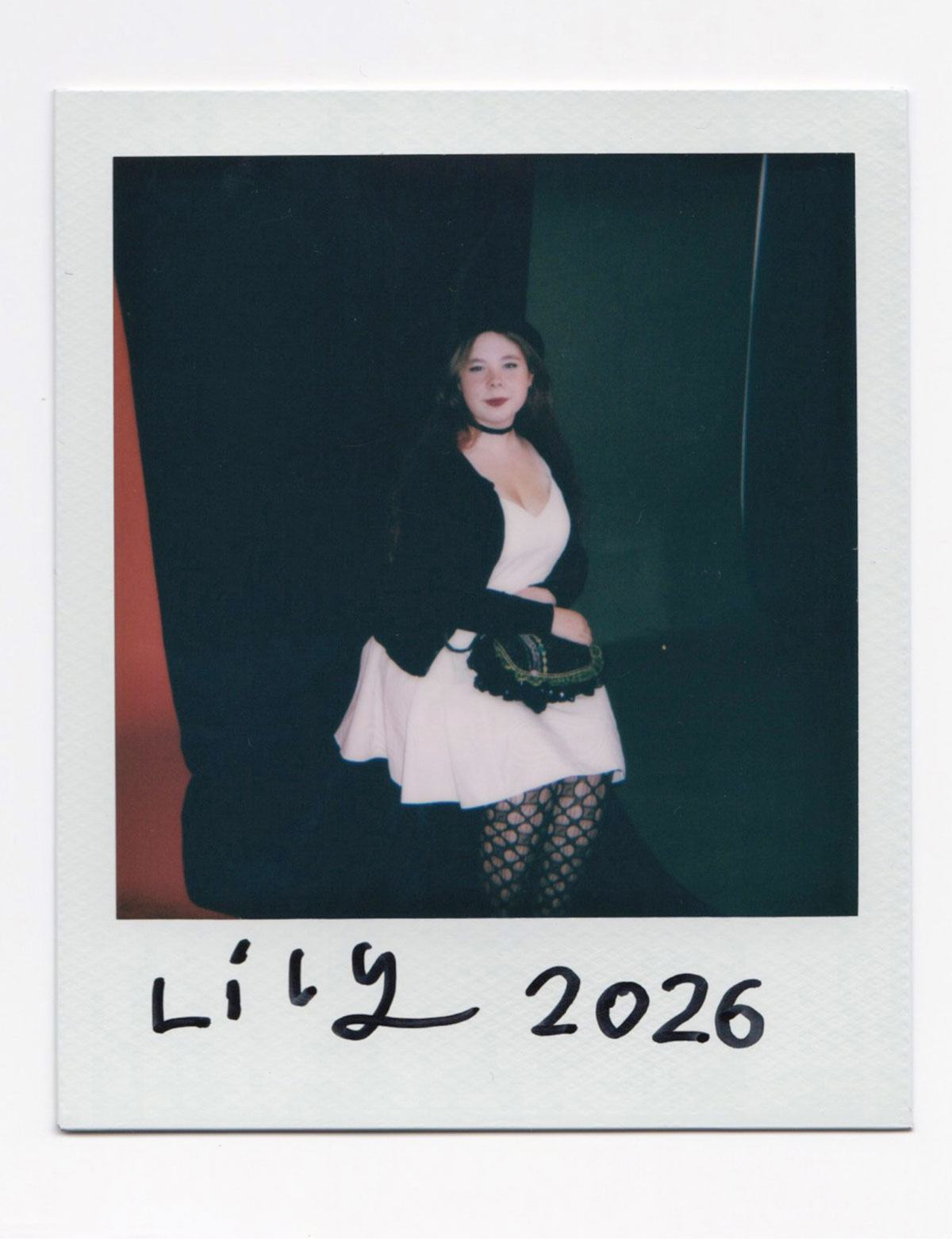
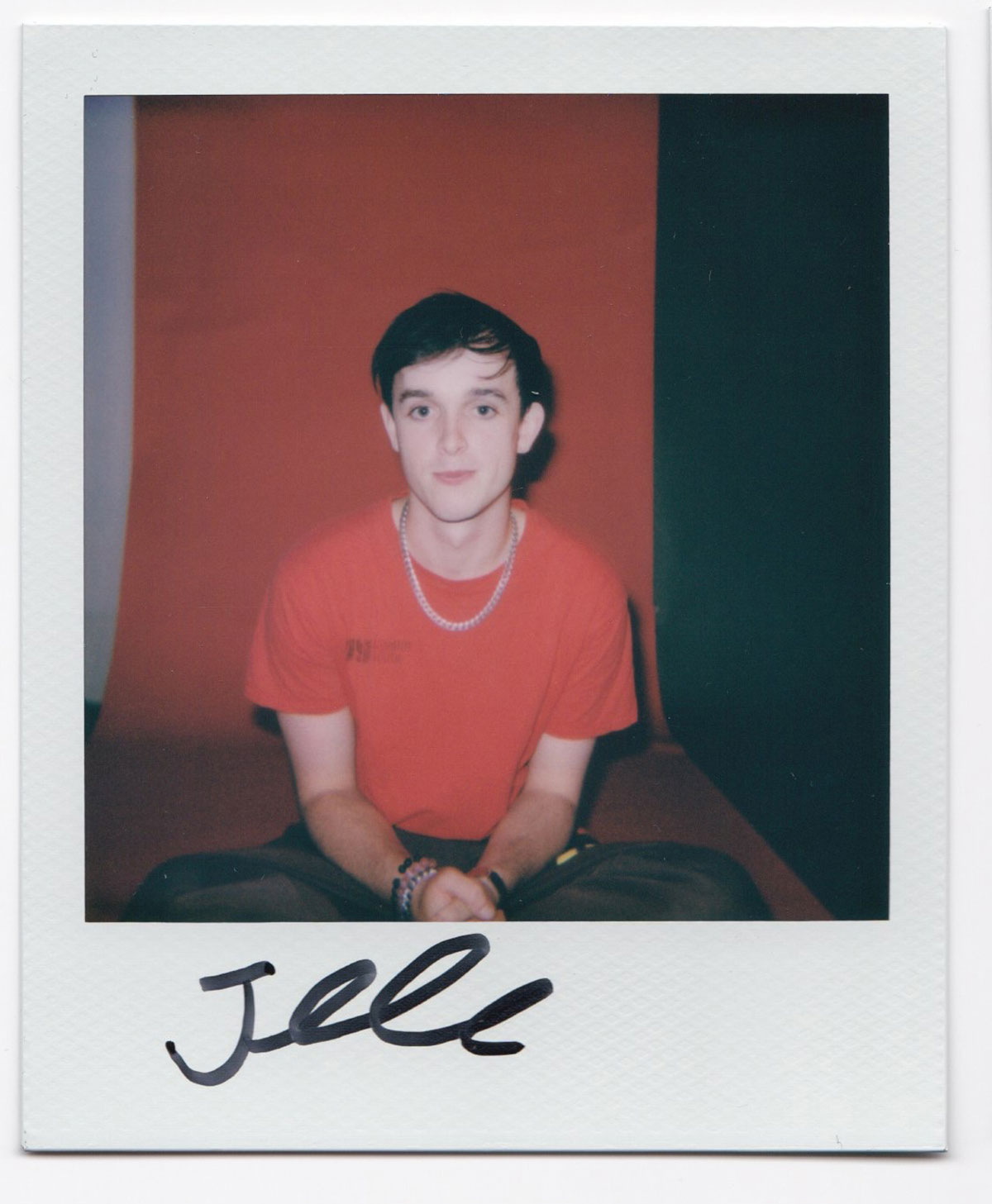
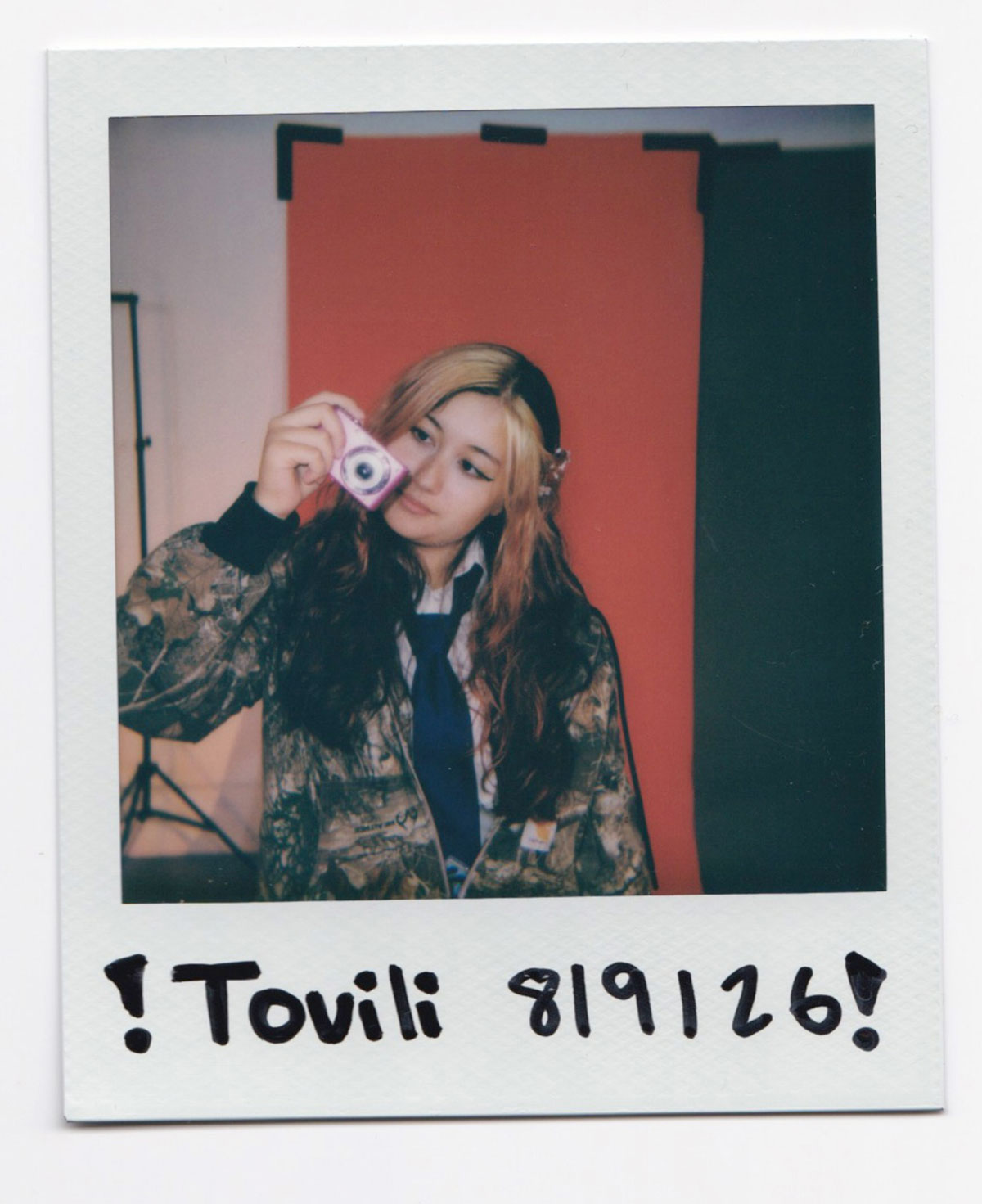
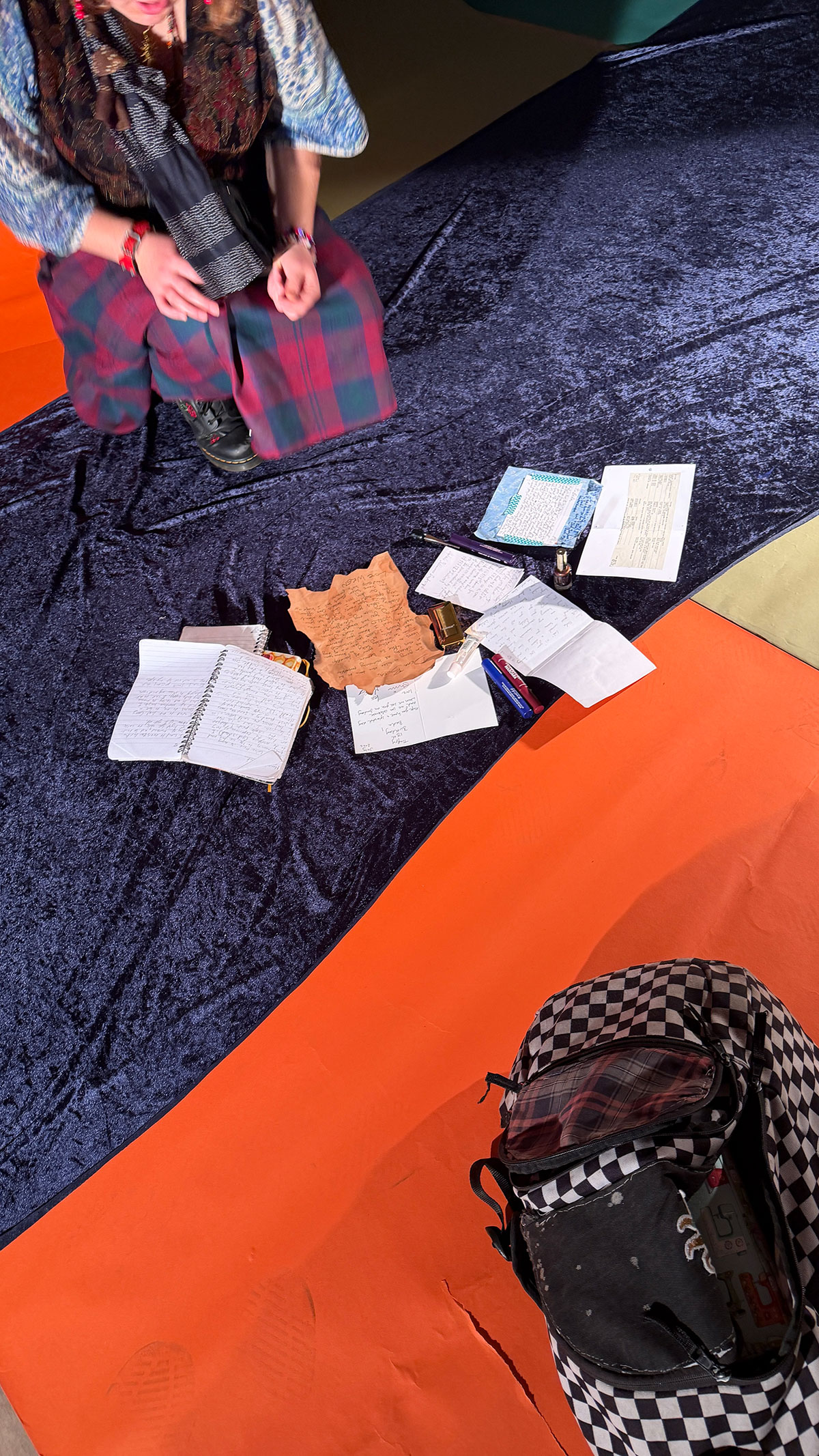
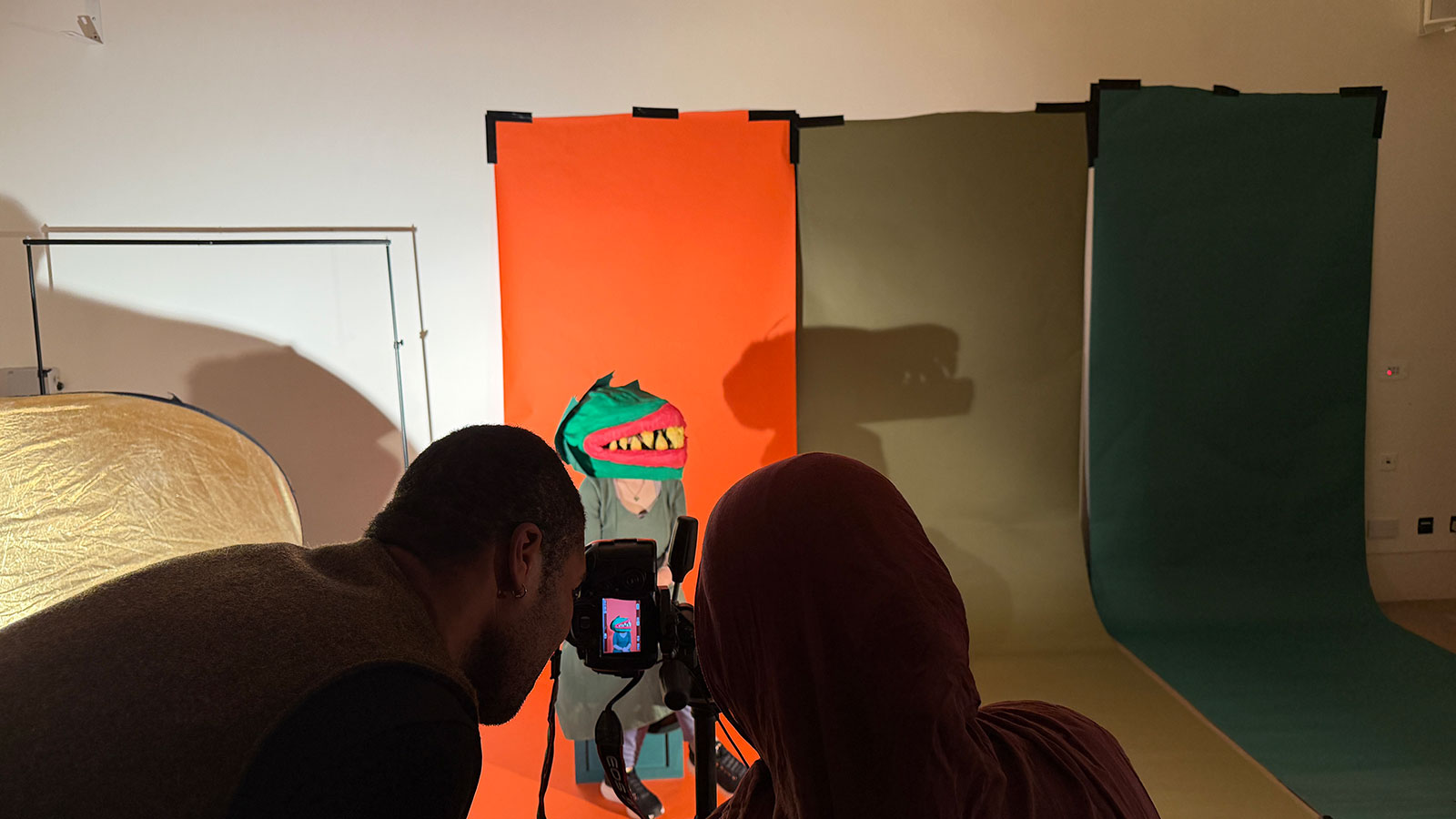
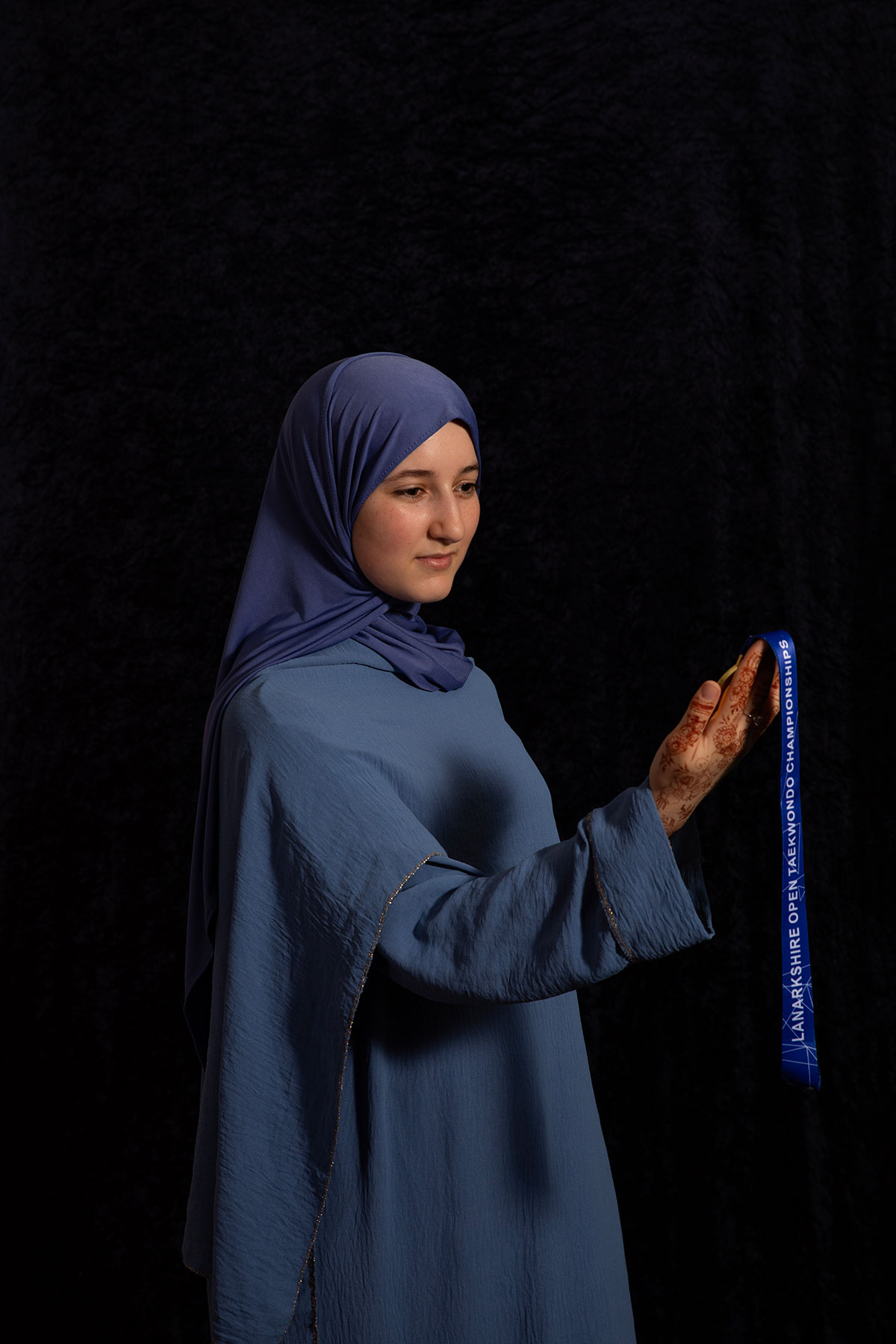
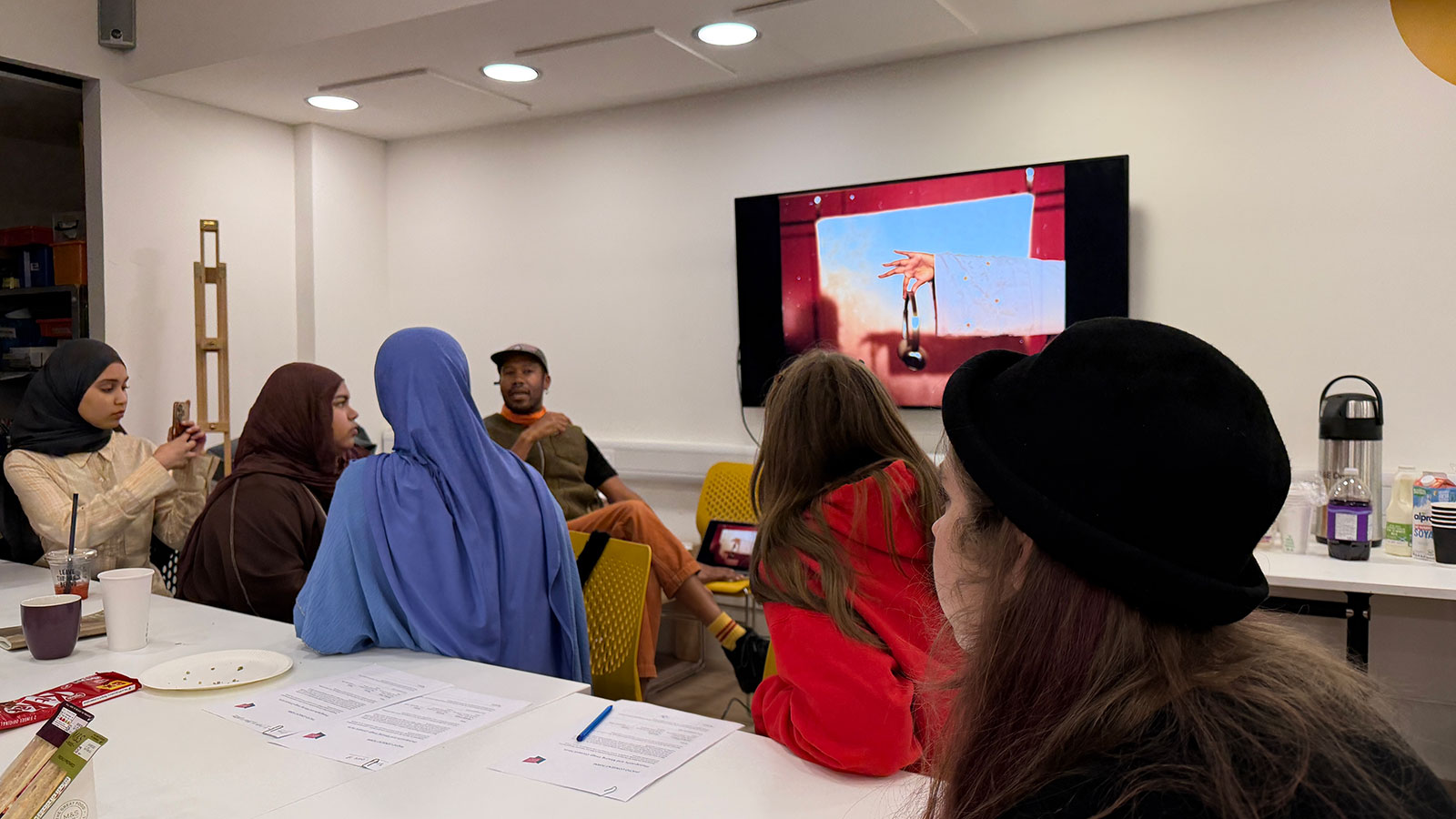
Across six sessions, nine young people, Freya, Enigma, Lily Duncan, Beda Rose, Selma, Diva, Esther, Faiza and Titaws, worked with facilitating artist Matthew Arthur Williams, and supporting artist MV Brown to create analogue and digital portraits in a pop-up studio. By providing the young people with after-hour access to the gallery, they were encouraged to engage with the space and artwork in way that, in their own words, “allowed more time, space and thought”, created a “deeper understanding of the art”, and made them feel like they were “doing something really important”.

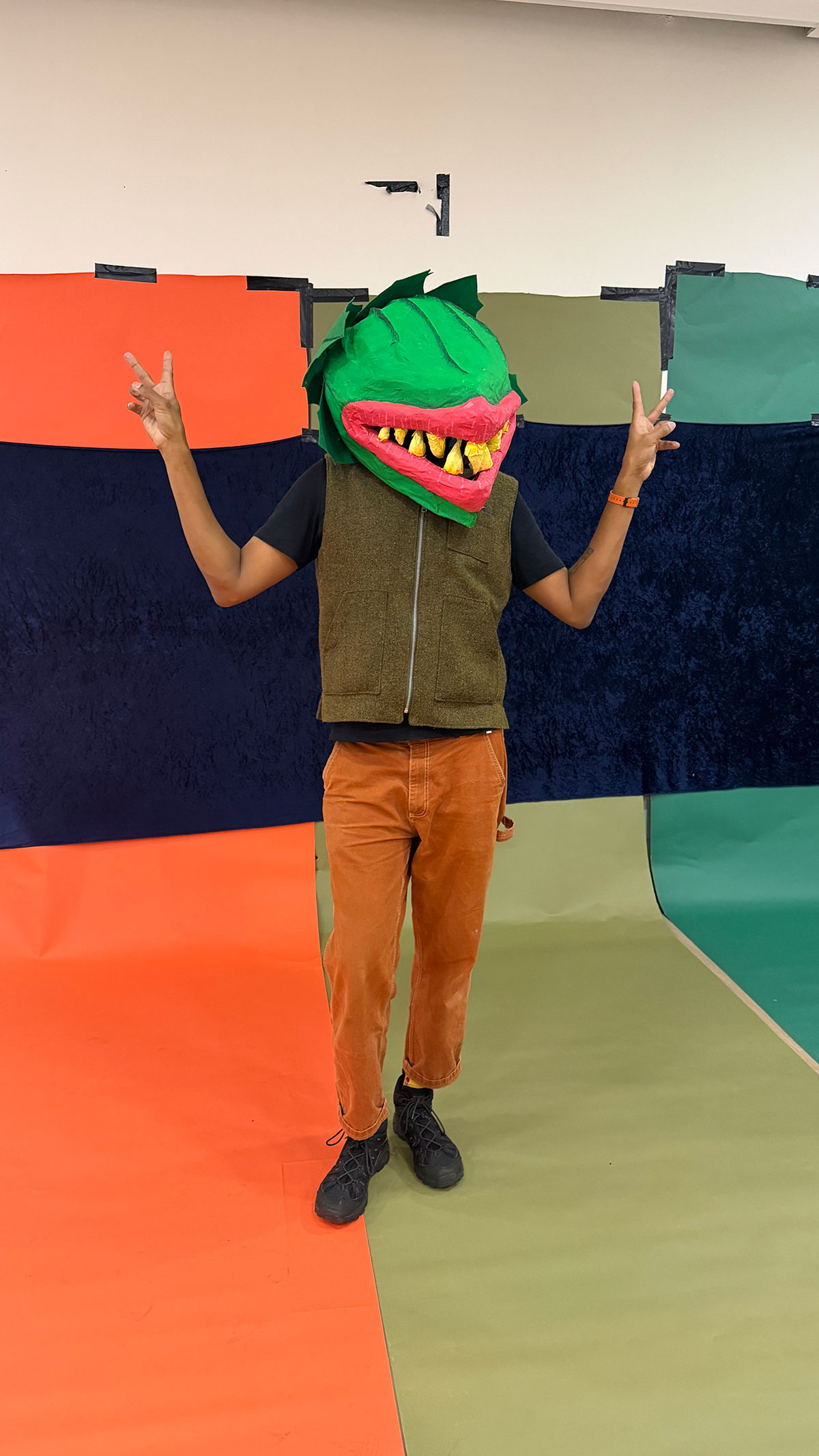
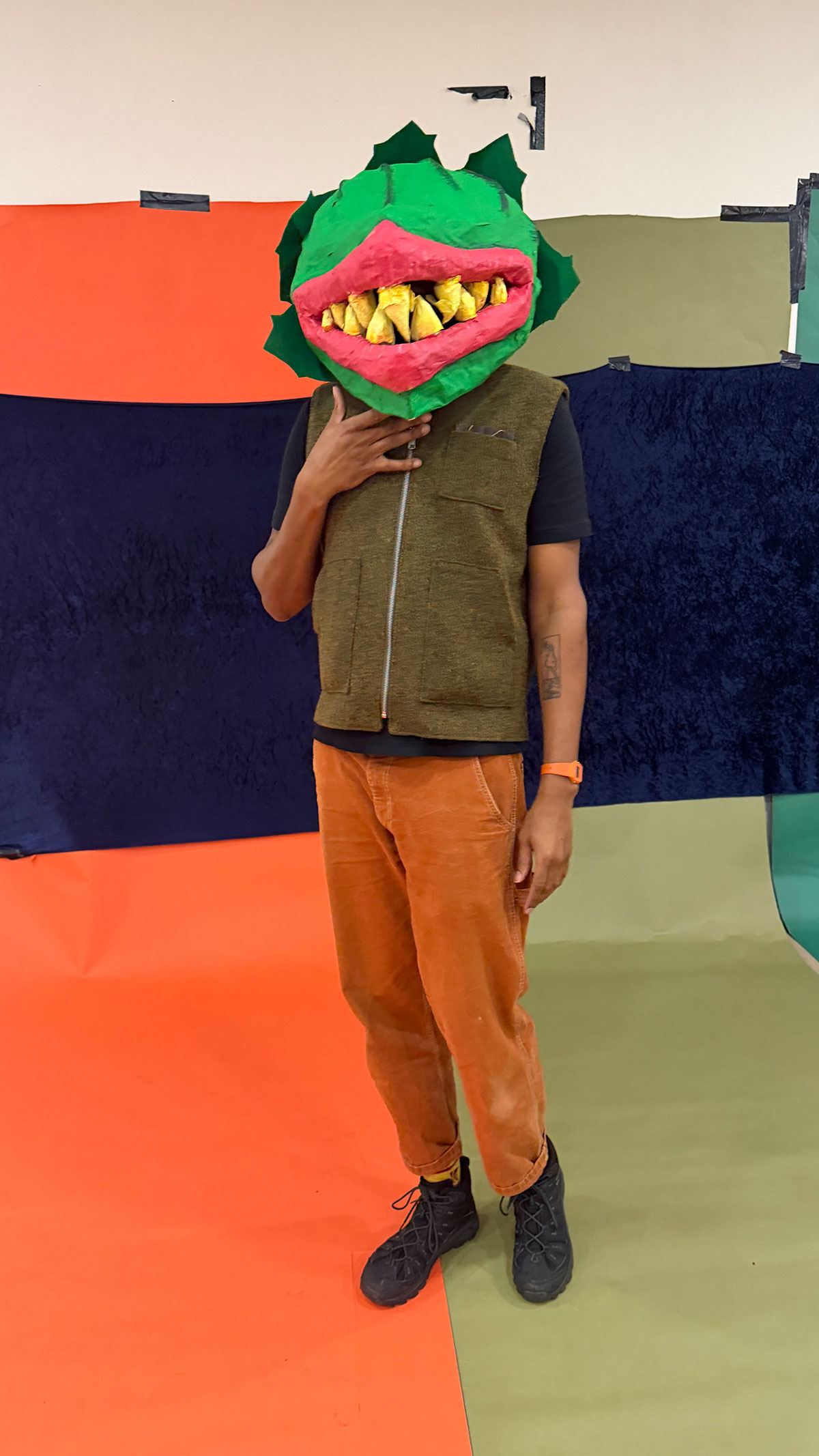
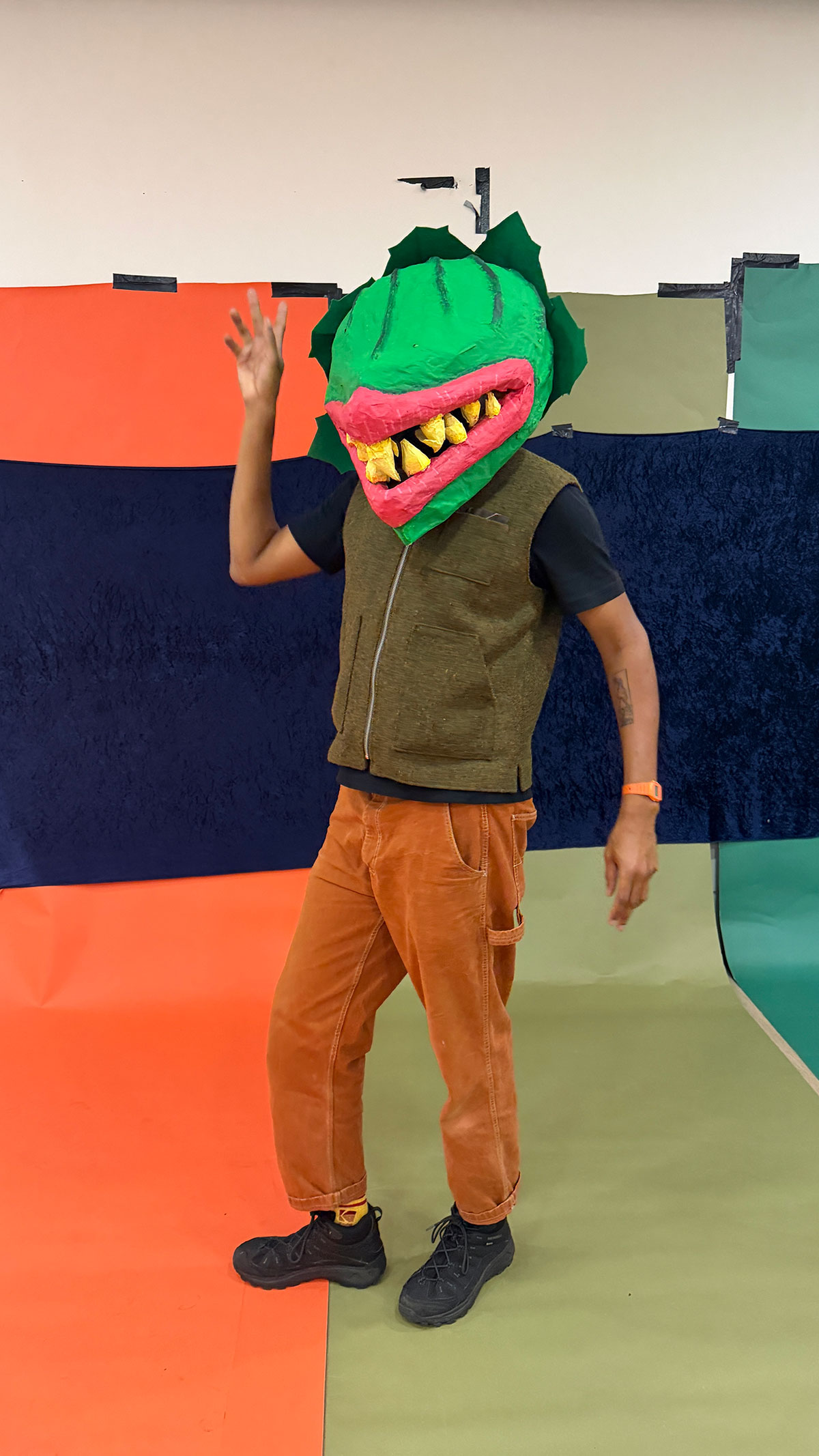
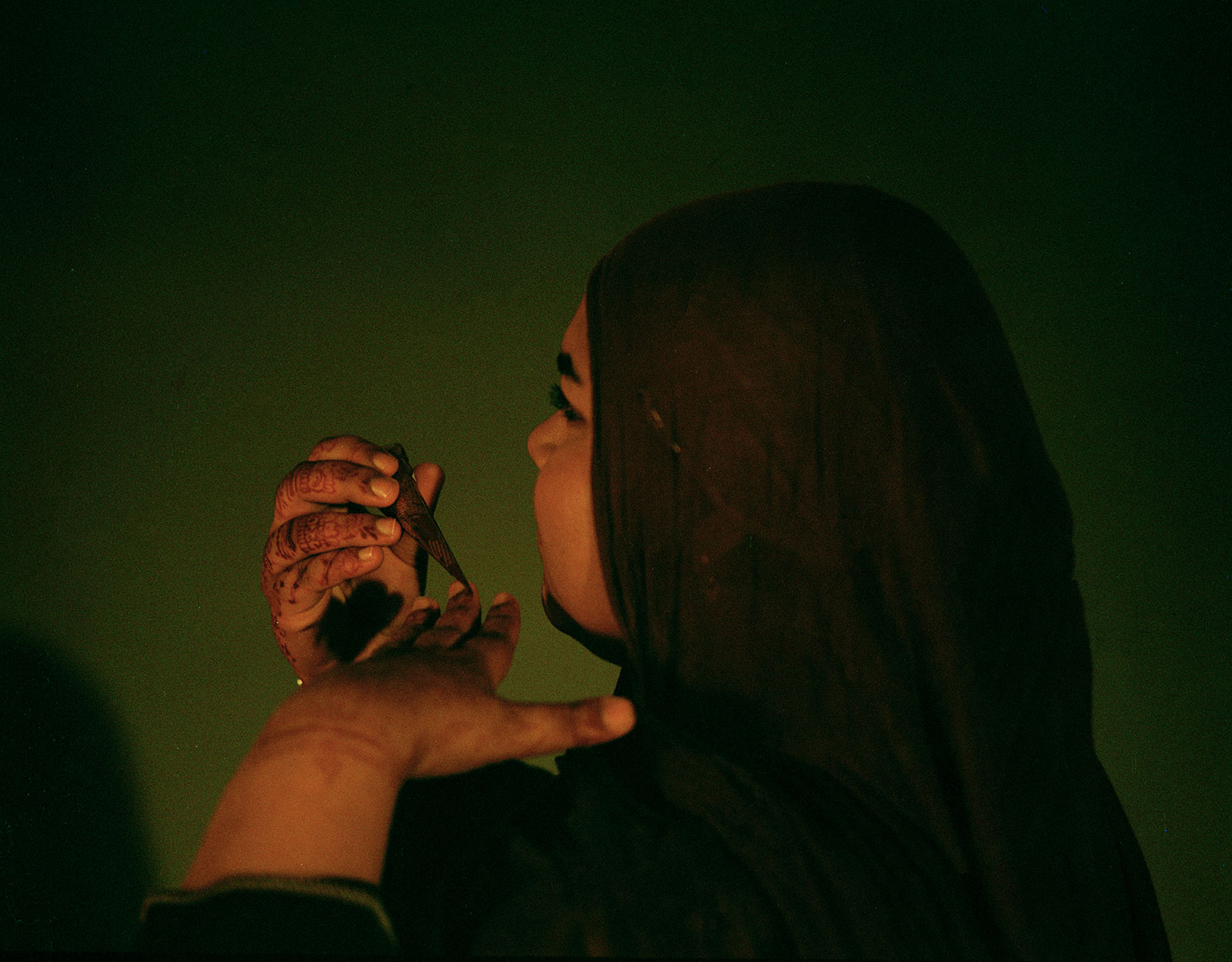
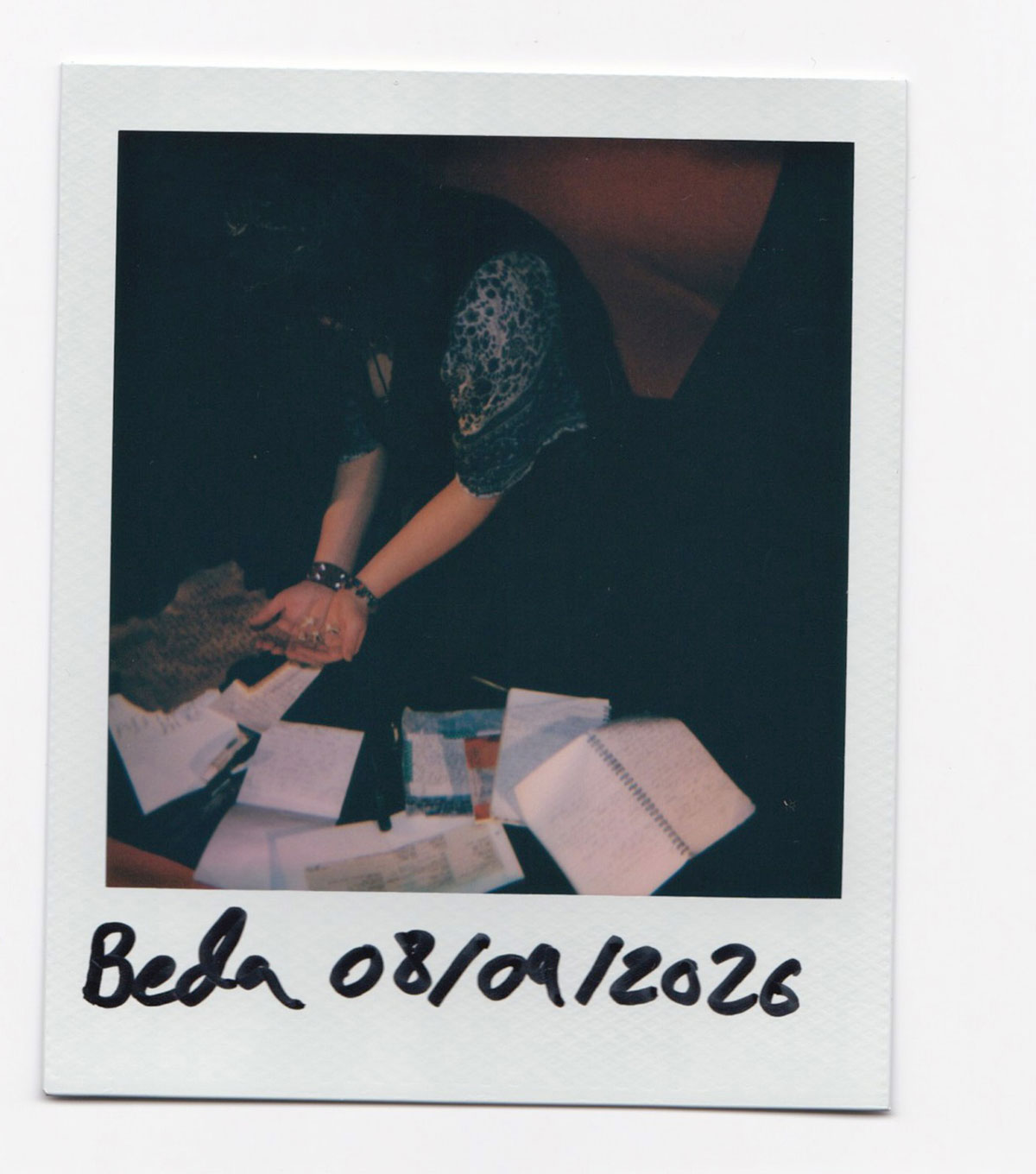
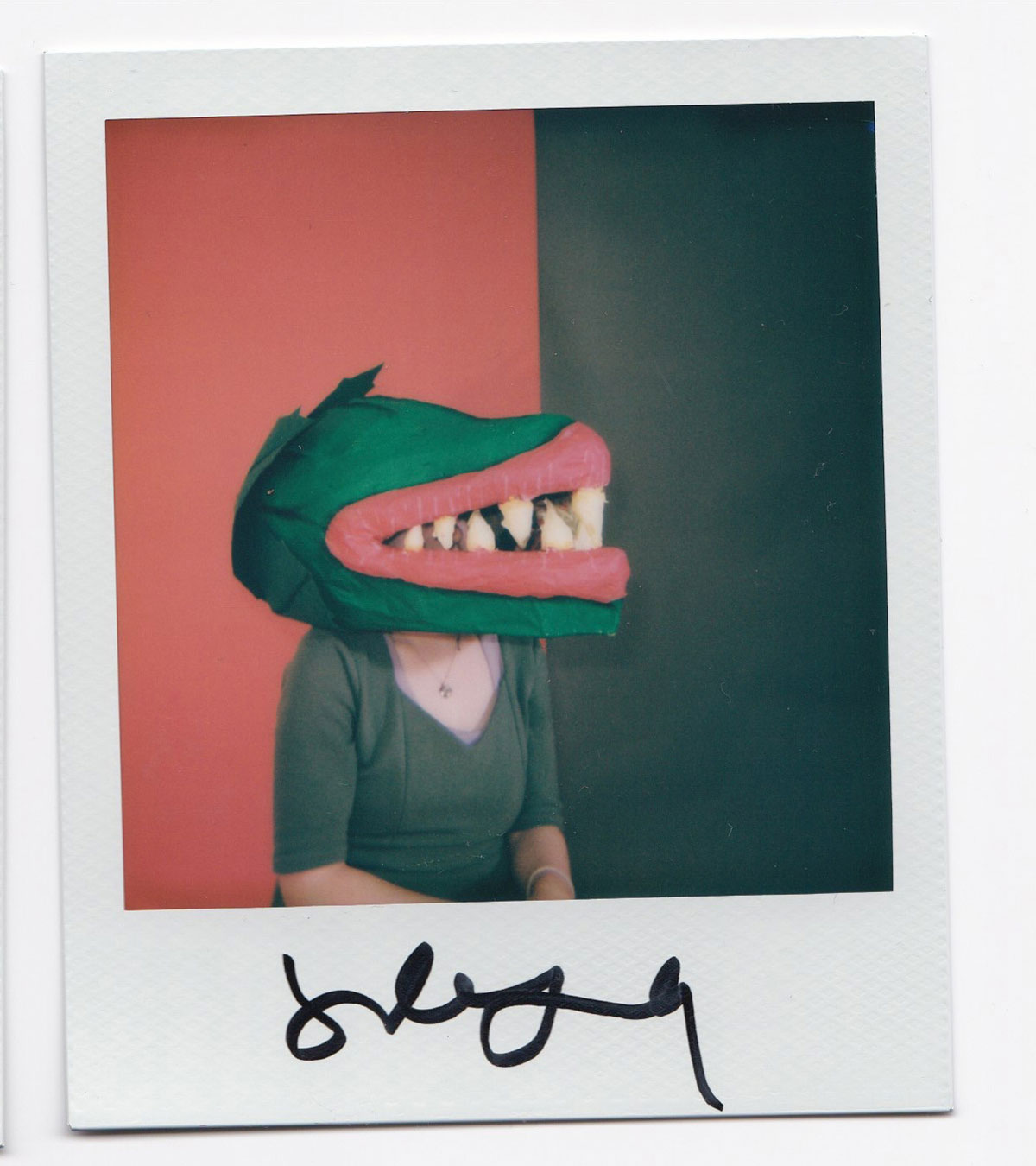
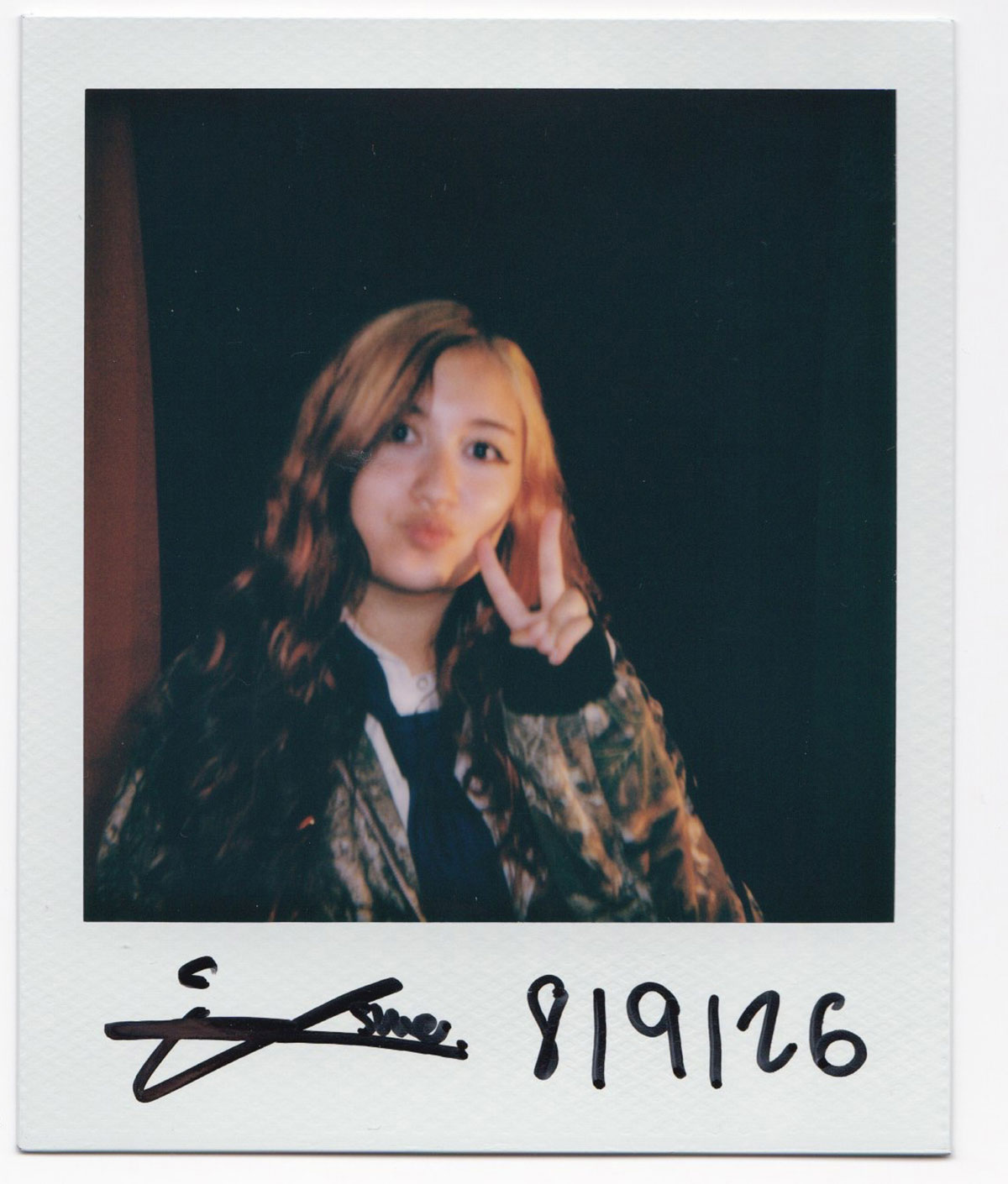
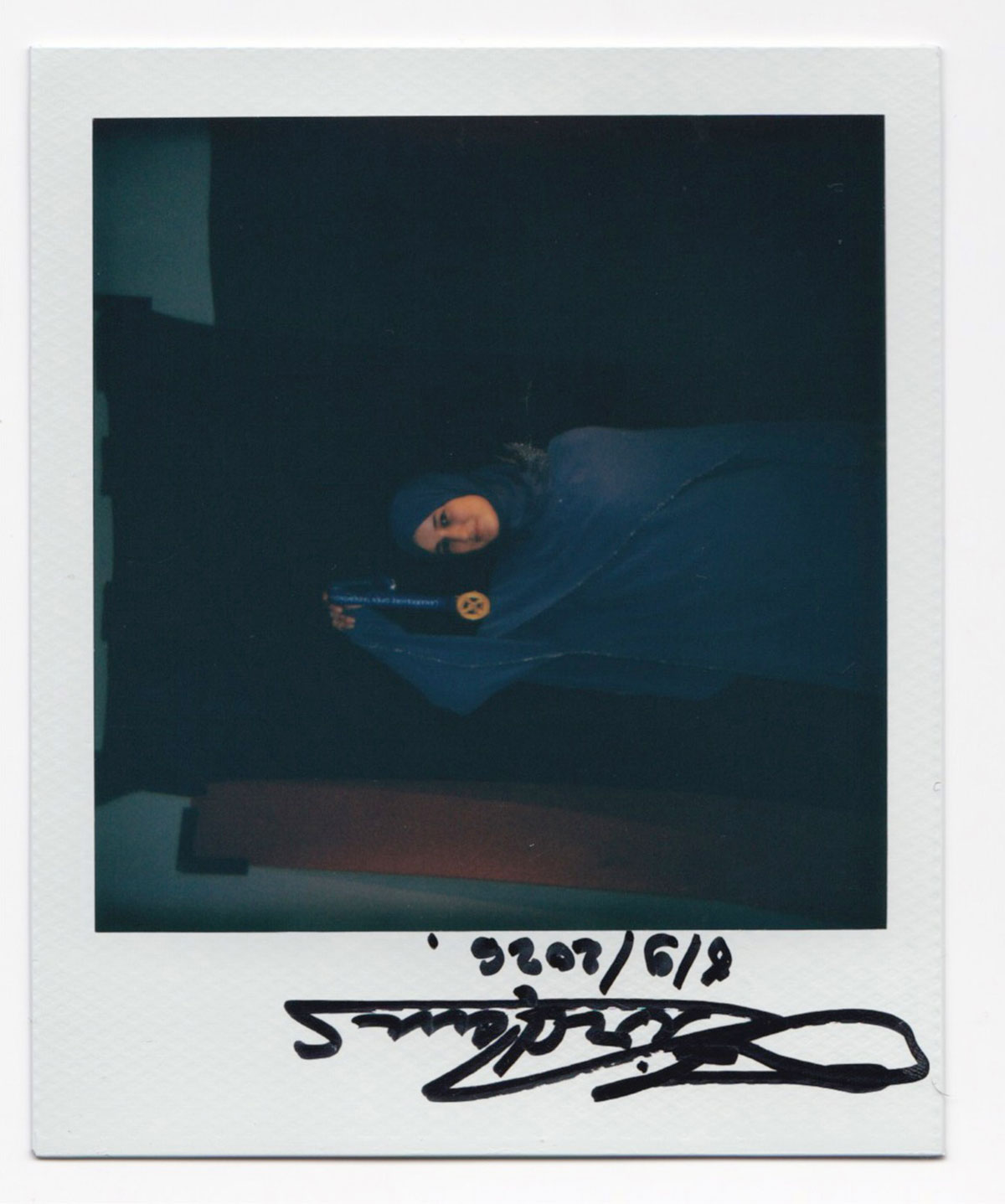
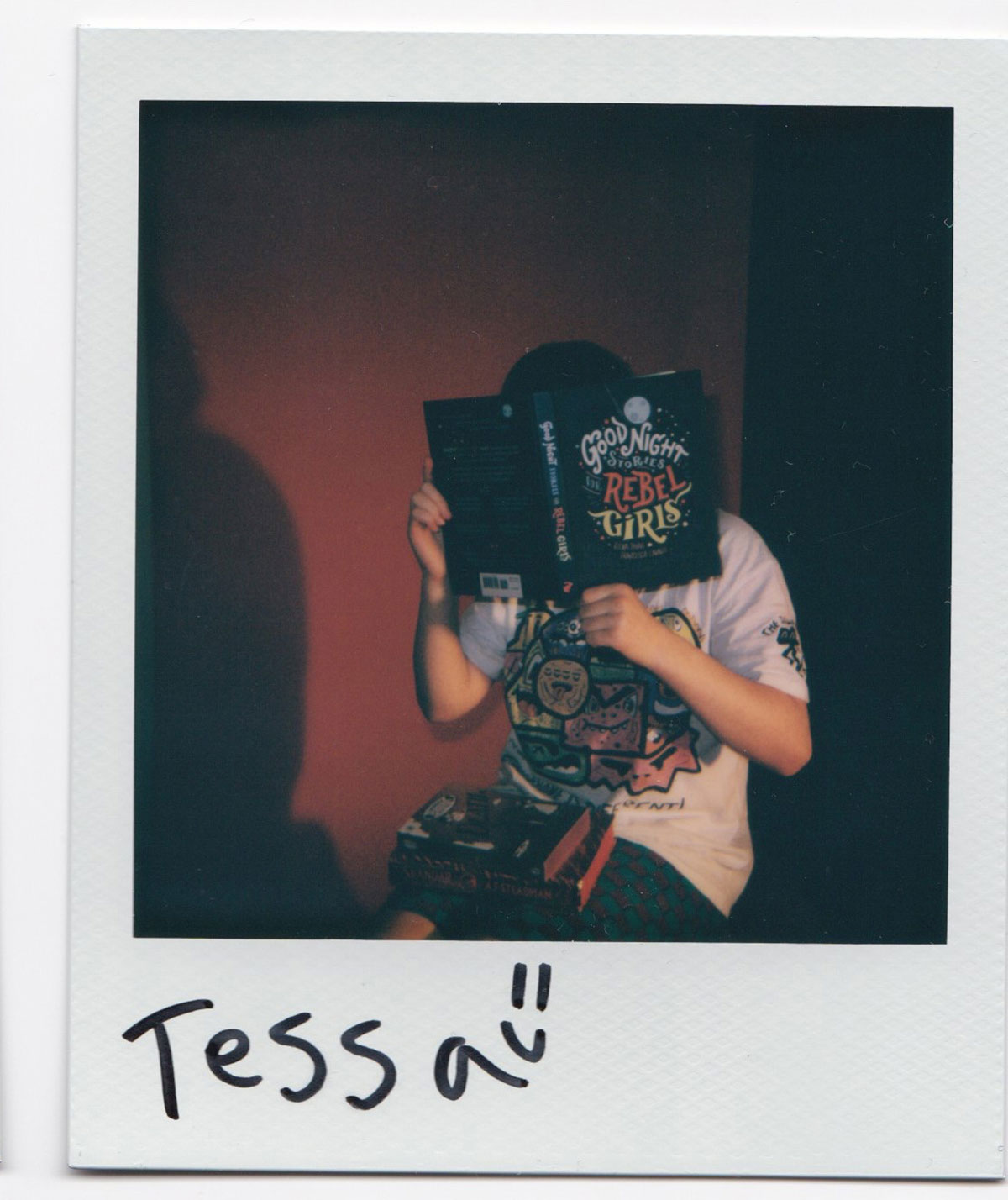
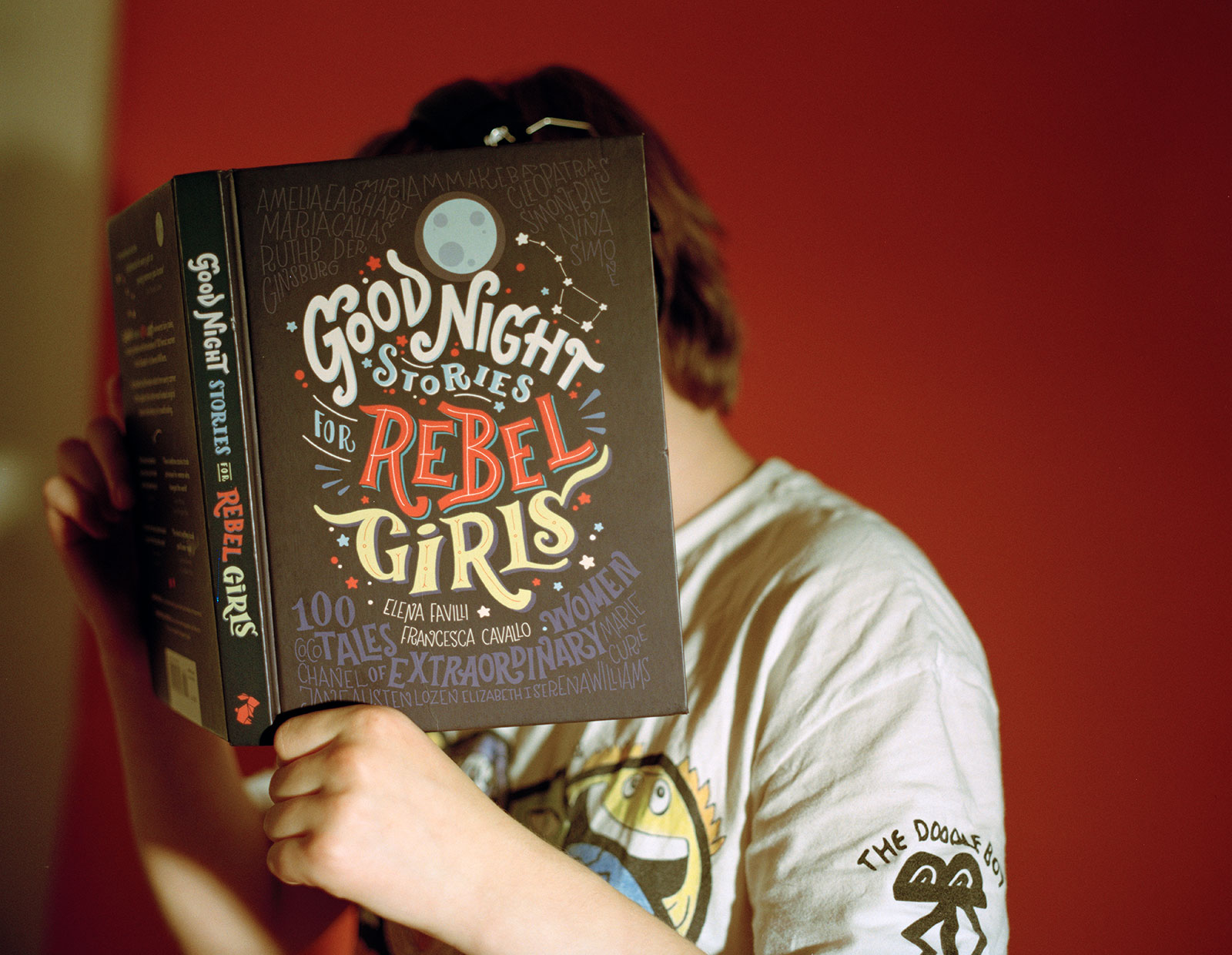
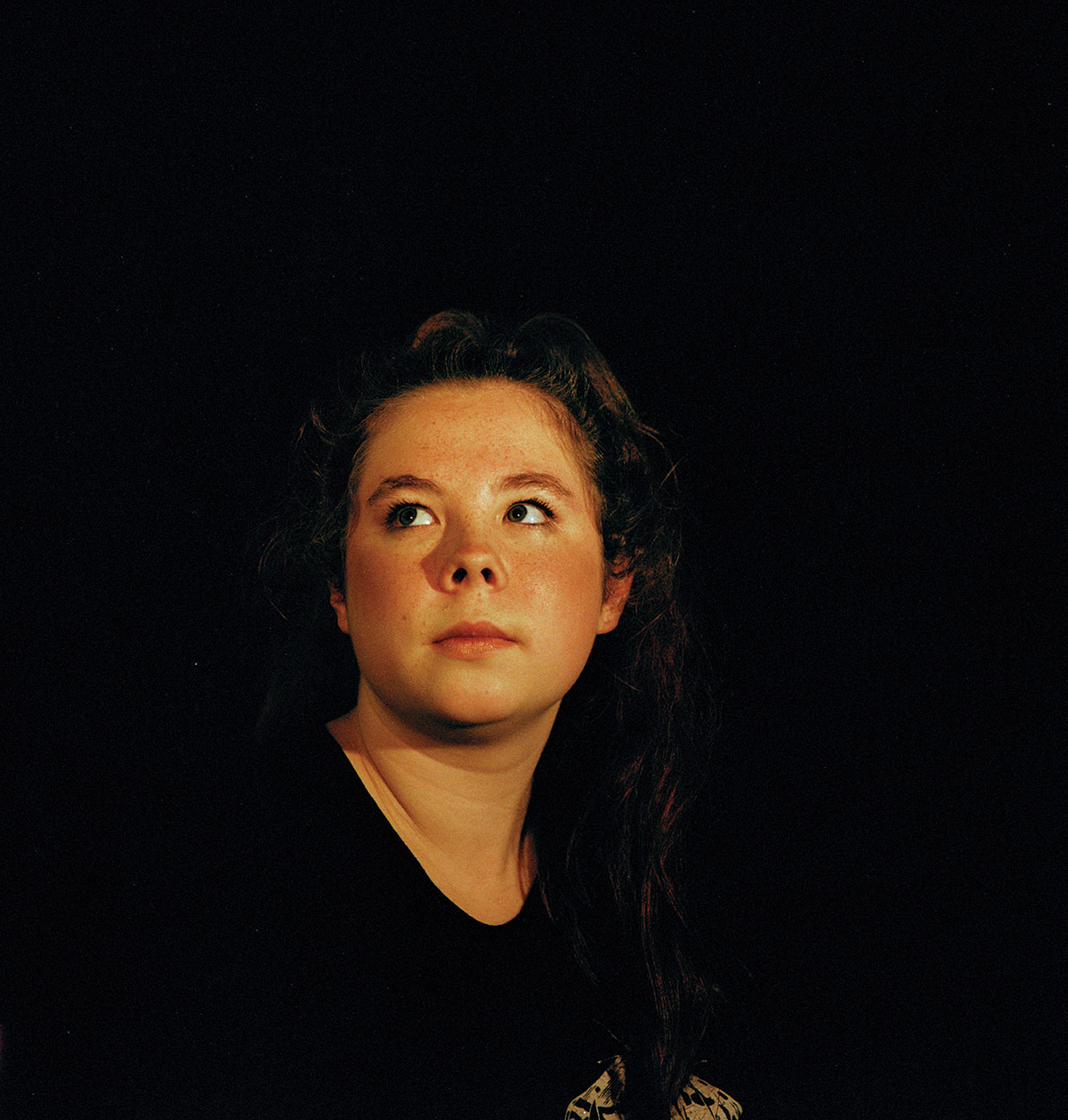
Using Opie’s own work as a starting point, the young people exercised their creative freedom and agency, choosing how to represent themselves through backdrops and props, and exploring how portraiture can tell individual and shared stories. Some of them decided to face the camera straight on; showcasing their identity through outfit choices and bold poses, while others opted for a more covert approach, using masks or props to cover their own faces. Revisiting this decision, one of the participants explained: “I don’t want to be famous because of my face. I want to be liked cause of what I do.”

23.10.26

Words by Luisa De La Concha Montes
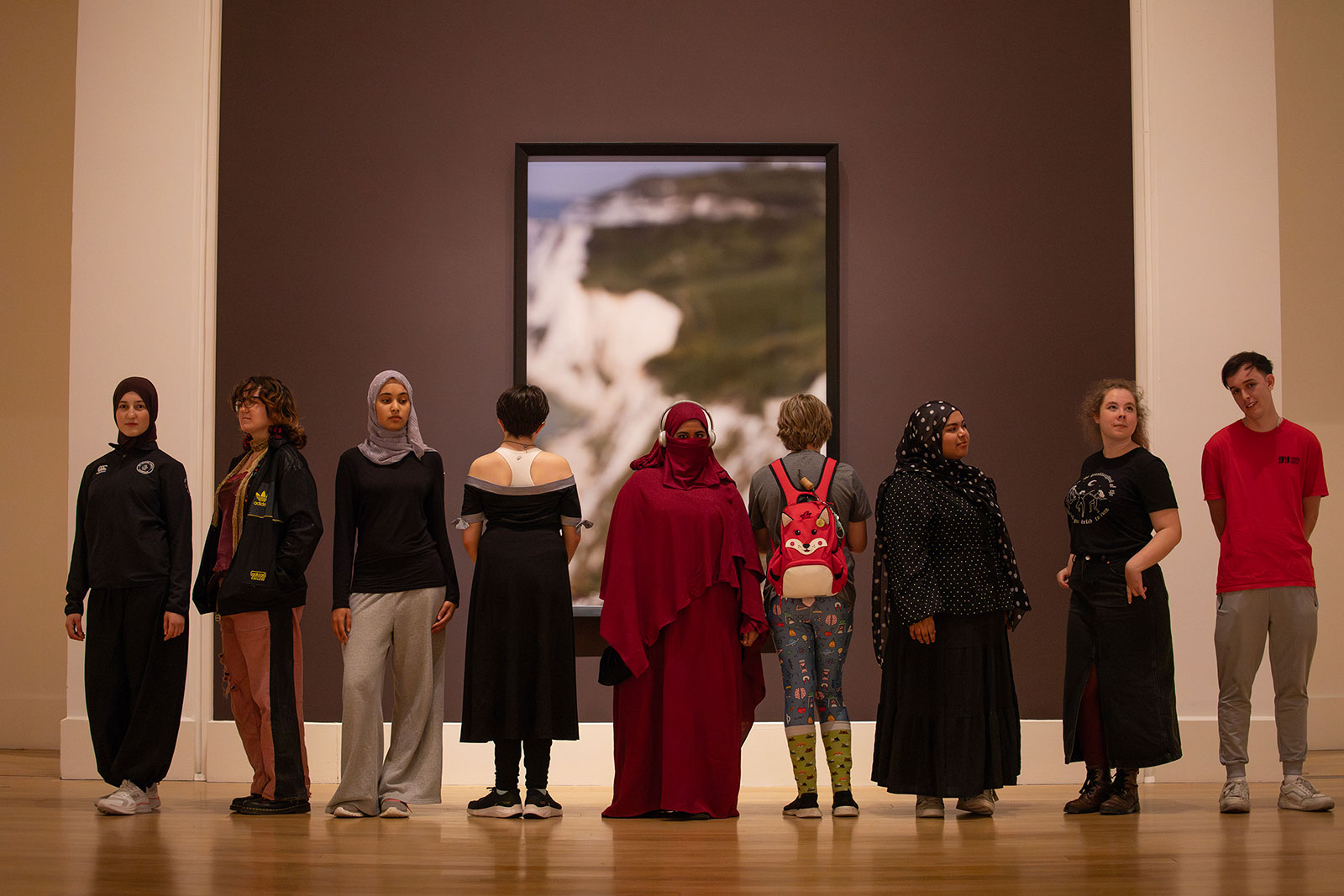
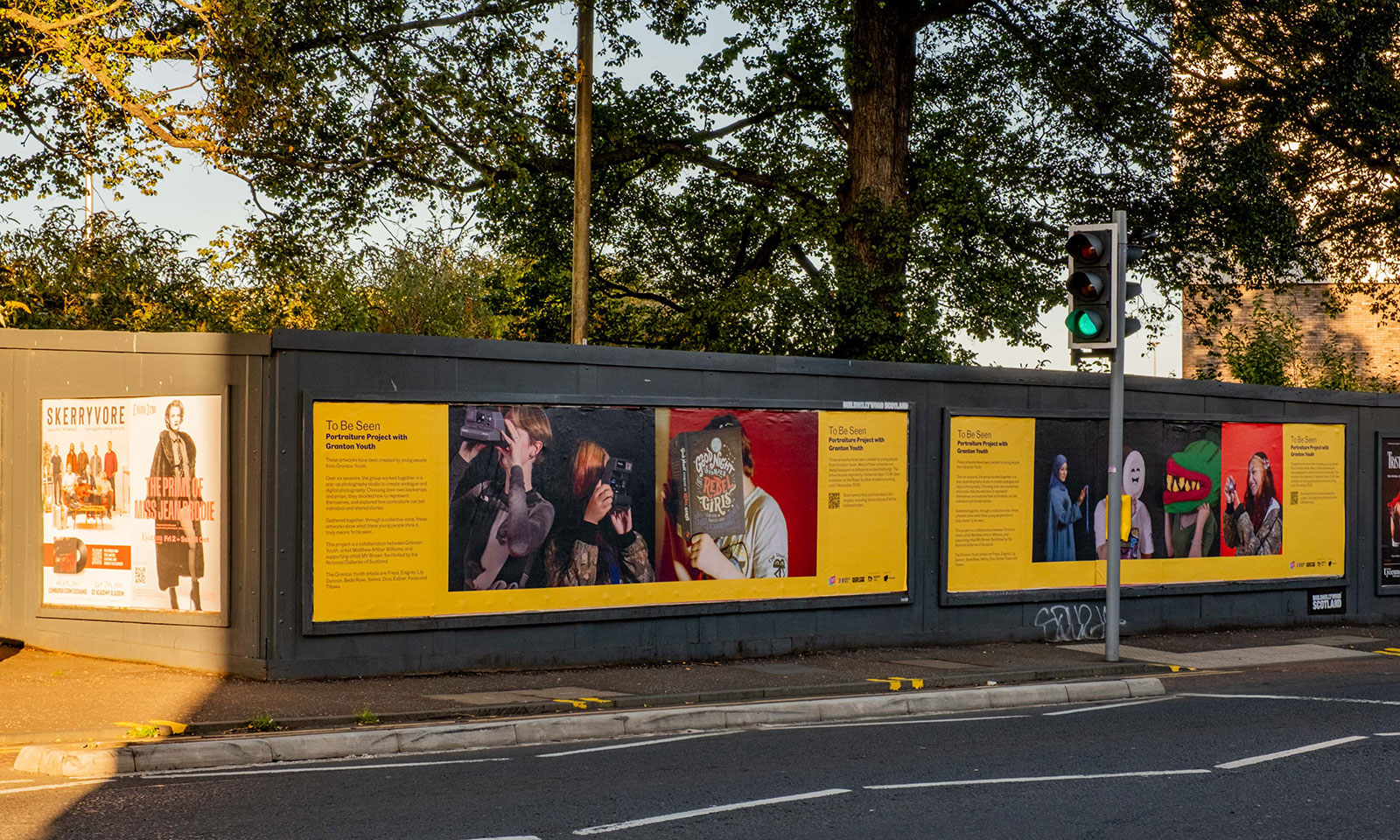
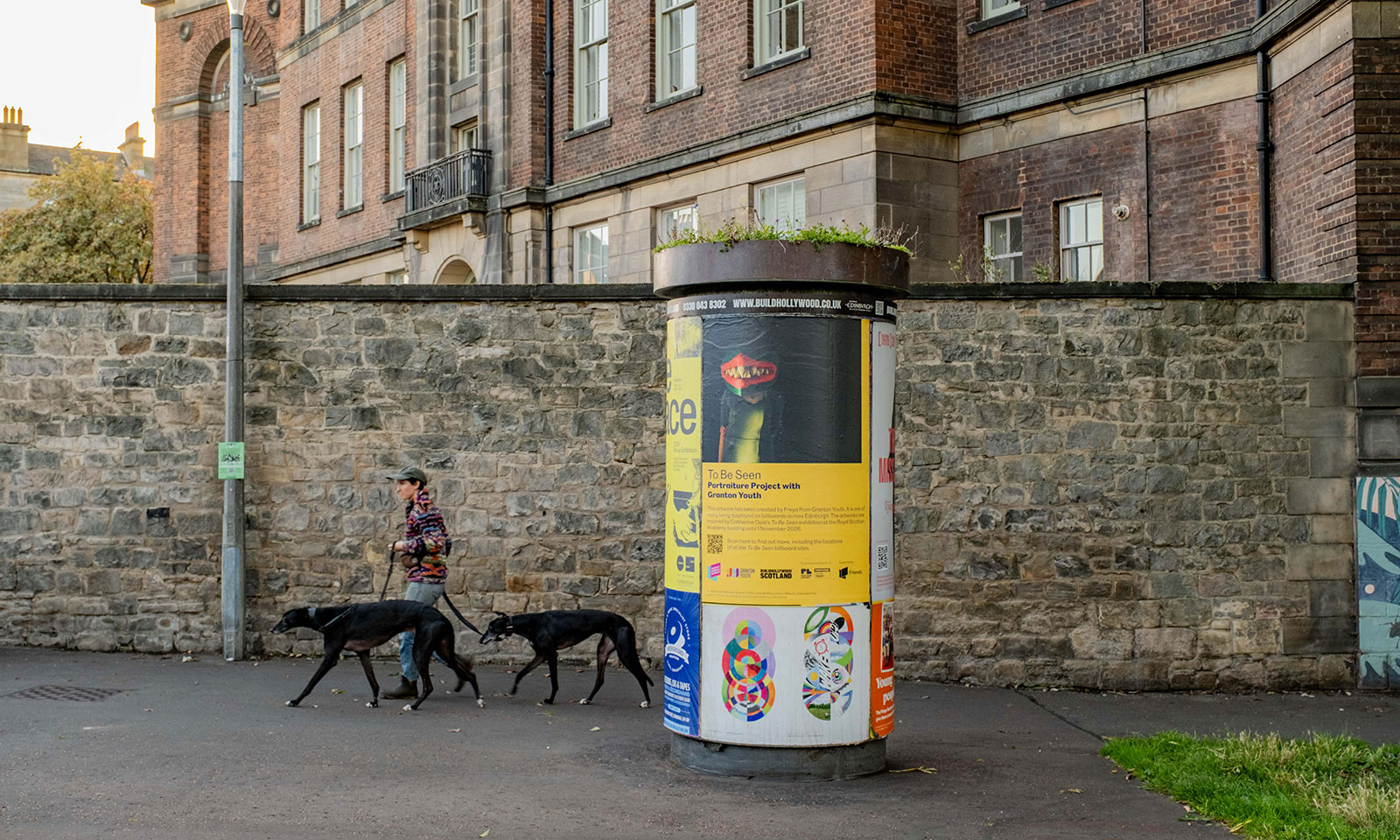
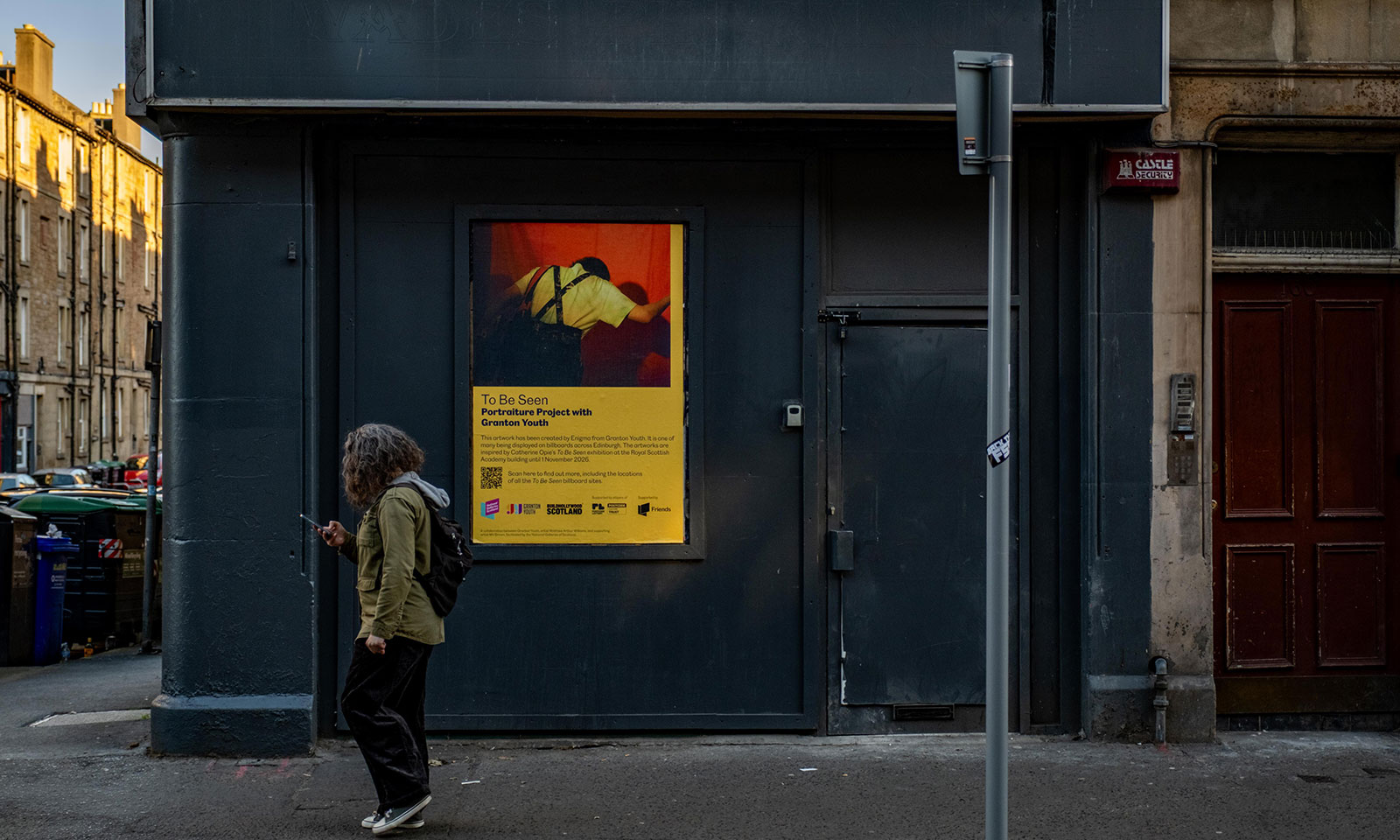
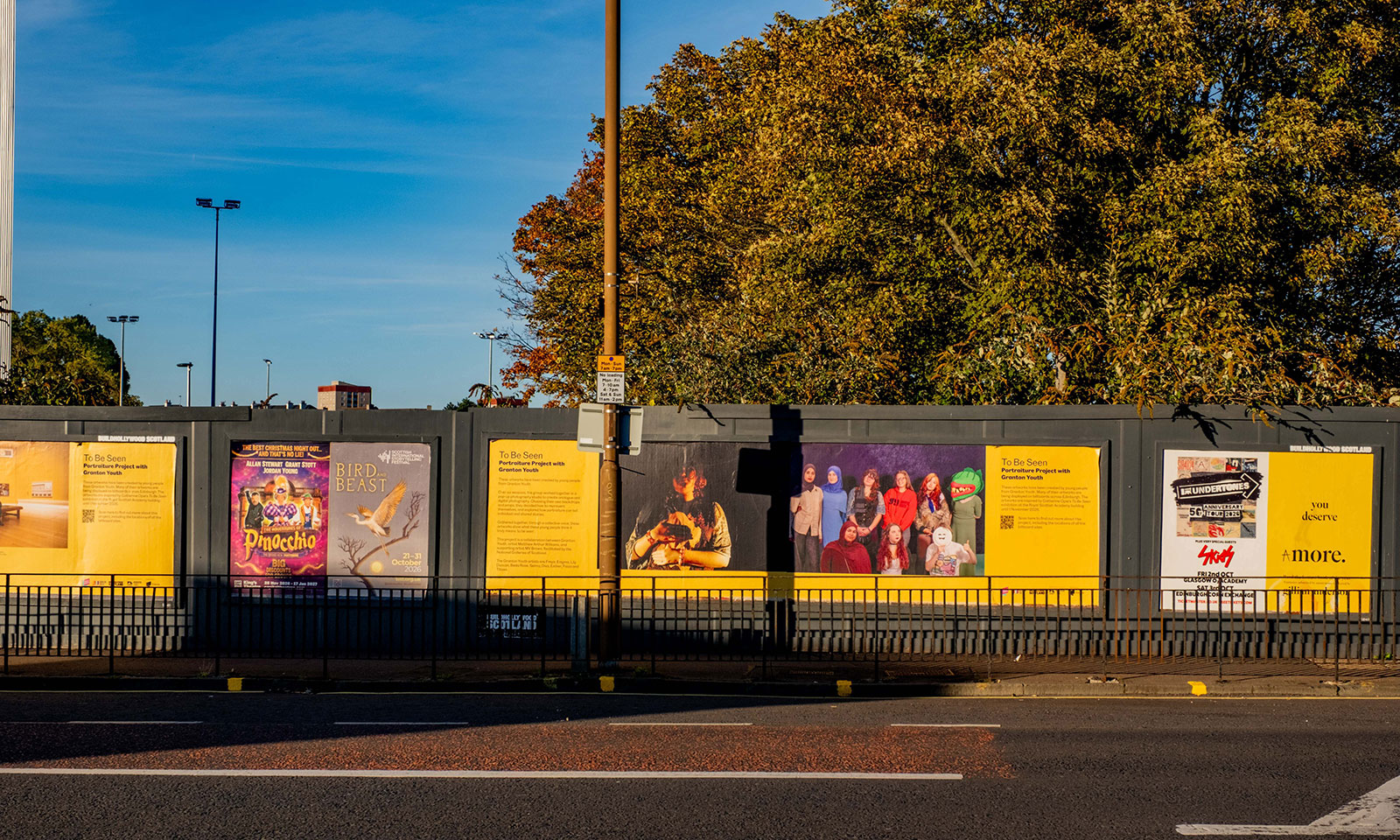
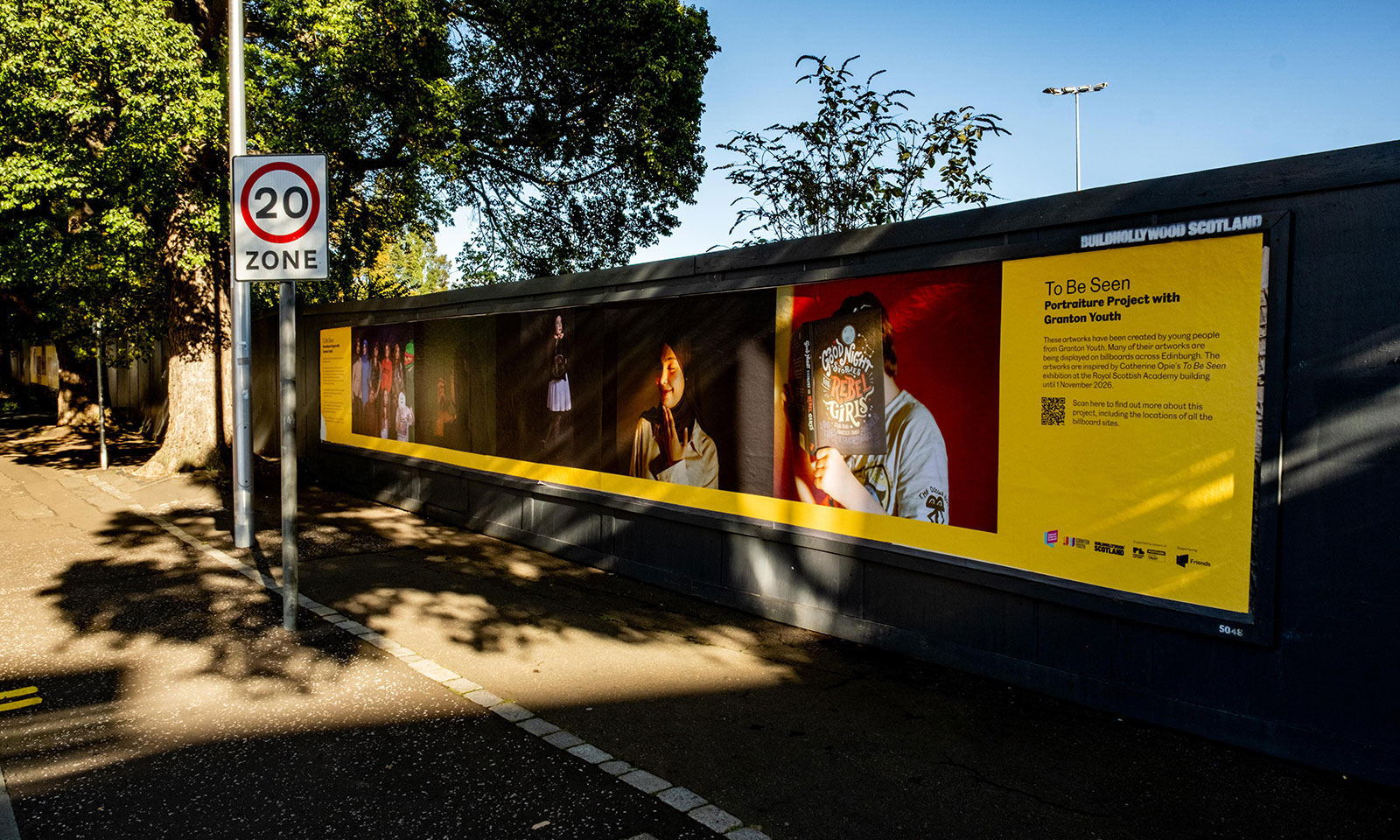
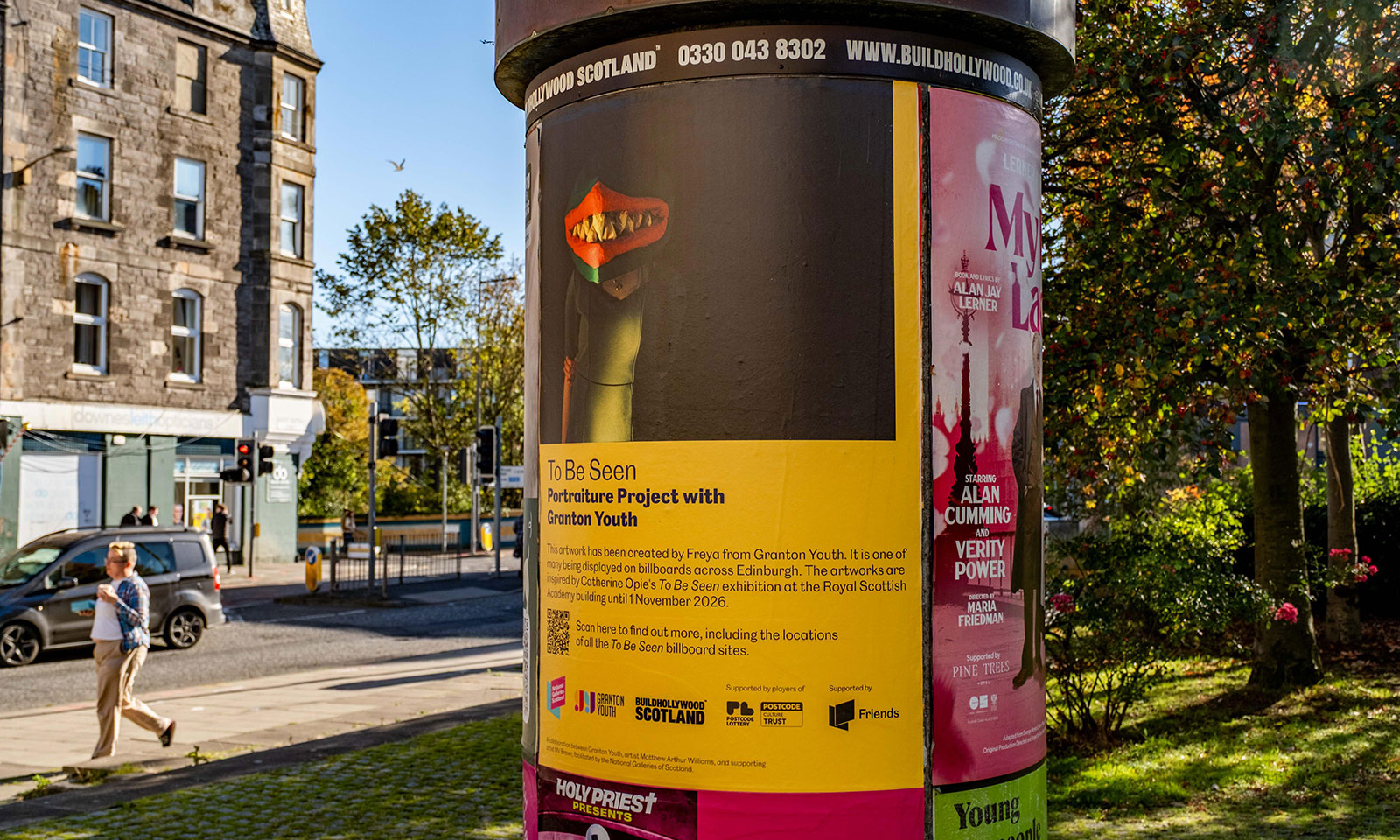
Opie describes a portrait “not as the essence of a person, but as a shared moment.” Further expanding on that ‘shared moment’ across the public space, BUILDHOLLYWOOD Scotland partnered with NGS and Granton Youth to bring the young people’s portraits to the streets of Edinburgh. Adding a new layer to the work, the partnership invites passers-by to explore more about Catherine Opie and Granton Youth, providing an insight into the inclusive and experimental nature of the work, while asserting the importance of youth spaces to build up confidence and encourage creative expression.

Catherine Opie’s journey as a photographer started in childhood. For her ninth birthday, she asked her parents for a camera. Soon after, she started documenting her family and neighbours using her Kodak Instamatic. Resonating with the beginning of the artist’s creative life from a young age, the youth club’s collective voice acknowledges the diversity of youth experiences, insisting, through playfulness and reflection, that there isn’t a single way to exist as a young person in the world today. One of the participants described Opie’s work as “bold, unafraid to ask the ‘wrong’ question”. In some ways, the initiative encouraged a similar approach. By providing the young people with a public space to ask, reflect and explore their own identities, the billboard takeover engages in an active dialogue with the people of Edinburgh, involving them intimately in the young people’s access to self-expression.

As To Be Seen is unveiled across Edinburgh, we talked to artist and facilitator Matthew Arthur Williams and Holly Yeoman from the National Galleries of Scotland to learn more about what happened across each session, the young people’s responses to the themes, and how the initiative encouraged collective experimentation, inclusivity and creativity

How did the partnership between Granton Youth and the National Galleries of Scotland come about? Why did it make sense for the two organisations to work together?

Holly Yeoman: We felt it was really important to work with young people to explore the themes of Catherine Opie’s exhibition. The work explores community, identity and friendship and to have young people’s perspectives of this through creativity and discussion, and to develop photography skills seemed like a natural fit. Granton Youth jumped at the opportunity as they how inspiring and meaningful the young people they work with would find the project. The National Galleries of Scotland have been working in North Edinburgh for a number of years, with a dedicated community development programme, where we collaborate with local organisations and groups on accessing the galleries and resources, and creating art projects together.

This programme is integral to National Galleries of Scotland as we are developing The Art Works, in Granton. This innovative new building will be home to Scotland’s national collection. Placing the needs of the local community at its heart, the building and surrounding land will be a cultural focal point, improving wellbeing, access to art and inspiring creativity in North Edinburgh.


How do you hope the initiative with the young people can add a new layer of dialogue to Catherine Opie’s To Be Seen exhibition?

Matthew Arthur Williams: We’re living in complex times, and it is essential for young people’s voices to be heard and for them to be seen. Opie’s exhibition presented a perfect opportunity to bring young people of different ages and backgrounds together to discuss identity, self-expression, friendship and family through creativity.

By placing the worlds created by the young people in the public space, we’re inviting those who might not know anything about Catherine Opie, Granton Youth and the National Galleries of Scotland, to learn more, and to explore what it means ‘to be seen.’

Catherine Opie herself has been extremely supportive of the project, as she knows how important it is to create space for sharing stories, creating connection, and the power of doing it through photography.

Over the six sessions, the group used a pop-up photography studio and chose their own backdrops and props to create analogue and digital photographs. Why was photography and portraiture selected as the best medium for the young people to tell their own stories?


Matthew Arthur Williams: My background in arts practice is through photography and lens-based mediums, and I see photography as important as painting and sculpture. I have always been inspired by Catherine Opie’s work, so when the opportunity was offered to work with the young people, using the camera as the tool and photography as the medium to explore what it means to be seen, I was very excited!


Even though we did use digital as well as analogue, and I didn’t have a bias for one or the other, I wanted them to adopt an analogue perspective; exploring the slowness of making and developing film to explore personality, characteristics, and positionality, as well as a way to engage with consent and privacy within self-portraiture.


For instance, some of the participants didn’t really want to have their personalities showcased; they didn’t want to want to be a ‘face’ of the project. So, it was quite nice to be able to talk about this in the context of analogue photography, because ultimately it doesn’t live on a chip or card, it just lives on a roll of film that only I would have access to, and that they would be the first ones to see.


How did the exploration of photographic processes – including lighting, printing and posing, allow the participants to explore different avenues of storytelling?

Matthew Arthur Williams: Quite a lot of the participants were already quite skilled. They have phones, and digital cameras, and some of them were already making some nice work.


Since we had a short period time, and a public outcome, they really had to think, from the start what sort of version of themselves they wanted to show on the billboard. It was interesting to see all that could happen within the two hours of each session. We went back and forth between exploring creativity as a process and exploring creativity with the deliverable in mind. The workshops were all about trying to please both sides; free form and structured creativity.

The work was created in response to Catherine Opie’s ‘To Be Seen’ exhibition, which explored representations of home, identity, family and intimacy. How did the young people respond to these themes?

Matthew Arthur Williams: One of the highlights was being in the gallery after-hours, when nobody else was there. This allowed the young people to interact with the artwork, find their favourite ones, and see which ones they resonated the most with.


They were very comfortable in the space and with the artworks, which was nice to witness, as some of the pieces hold quite complicated material, but from the get-go they really understood what was happening. It was interesting to see which artworks they gravitated towards; it wasn’t always the more striking images or the more normalised ones; it was a mixture of both. Some were drawn to Picasso’s ‘Mother and Child’, while others were more interested in Opie’s works with a gothic, darker energy.


Afterwards, we went to shoot, while still thinking about the work they had just seen. But there was always space for adaptation; as the initial idea may have changed once they were in front of the camera or a backdrop. We wanted to give them the opportunity to truly mould the project in their own way.


The final artworks are presented as a “collective voice”. How did you structure the sessions to encourage collaboration and connection between the participants?


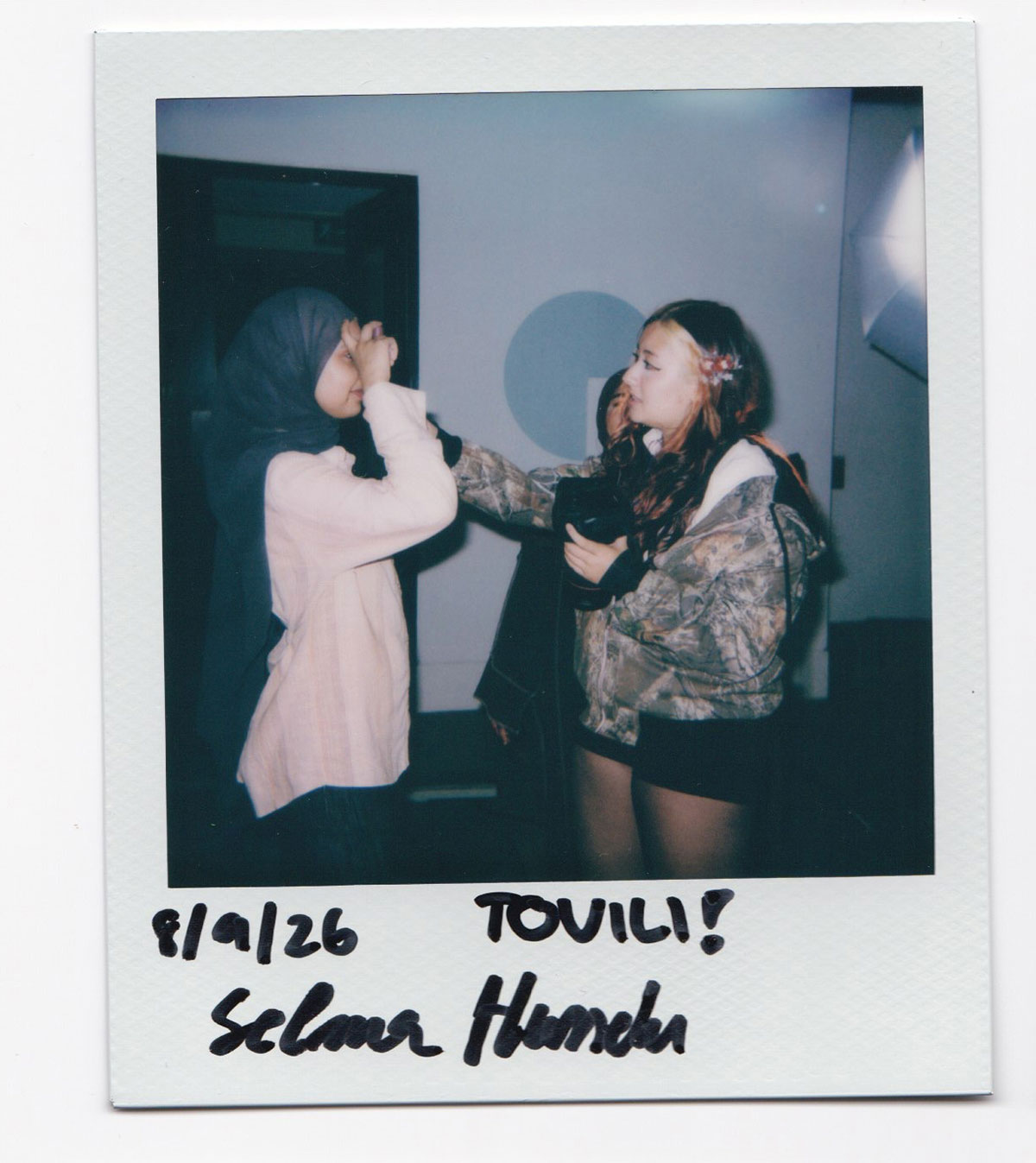
Matthew Arthur Williams: At the beginning of the first session, we met without any cameras, or equipment to get to know each other. MV Brown and I did an introductory presentation, explaining who we are, the type of work we make, and showing them examples of our own self-portraits, to exemplify how we use ourselves within our work. Only at the end of the session, I brought a camera out and a roll of positive slide film, and everybody took a turn taking a picture of each other, twice over.


I developed and brought those photos back for the following session. We discussed what it means and feels like to take each other’s pictures and then see them projected. This was followed by a creative writing session where we used some pen and paper to create a ‘body’ using a collective voice.

It was during the following sessions that we started engaging more in depth with the photographic process. When they were making their portraits, I would have somebody shooting alongside me or I’ll let them take the photos and then somebody else would be handling the lights or set up. The later sessions were about curating the work. We got them to direct and select, asking: What do the images look like now? What does this pose do if it’s placed next to that one? The entire process was collaborative, with everyone having the same level of responsibility and involvement.

As a workshop facilitator, did you witness any changes in the young people’s confidence and creativity as the workshops progressed?

Matthew Arthur Williams: There was some shyness at the beginning, which was expected, but it was really nice to see different versions of themselves come out. Some of them showed us their crafts and abilities, bringing in objects that they made to include in the photoshoot. It was also nice to see friendships form, and to see them becoming quite comfortable with me, and wanting to keep a friendship going beyond the workshops.


Talking about shared experiences, what did you learn from the young people. Is there something that inspired your own creative work?

Matthew Arthur Williams: I learnt a lot from the individuals who didn’t want to show their face. They were really strong in their integrity, and it was amazing to see how they were able to push back at such a young age. This process also forced me to be flexible about it, asking myself how I could be playful and creative with that request. Overall, I was inspired by how bold, courageous and confident they were.

One of the participants said that they really appreciated the collaborative process of the workshops; how the artists were providing guidance “without being overbearing or changing our vision”, showing that the young participants felt seen throughout the whole process, not just at the end. How will the billboard takeover add another layer to this process of “being seen” for them?

Time will tell. It’ll be interesting to see how they feel when this thing that they’ve only seen on a big TV screen or projector for quite a while is now larger than life and in the public realm. But I think they’ll be quite excited about it. They may end up making work with the billboard itself while it is live, making new portraits in front of it, with other objects, almost like a performance piece.


In the last couple of sessions, we kept talking about how that the billboard was the beginning and not the end; even though the billboard was the clear outcome of the workshops, for a lot of them it marked the beginning of making and being creative. So, the goal is that they keep on expanding their work and exploring their creativity.

It was important from the get-go to make sure that we created an environment in which they felt comfortable to talk about the creative process and practice, even when they had no previous experiences of that, and to encourage talking to explore how ideas can be turned into a reality. So, it’s nice that that part of the feedback stuck out and that the act of ‘being seen’ was not just present during the moment the portrait was taken, but that it expands across the billboard moment. Beyond being seen, it’s really stands out that they also felt seen.


What message do you hope people take away when they see the work across the streets of Edinburgh?

Holly Yeoman: Friendship is the answer!

Matthew Arthur Williams: We also talked about that in the last session in the group, and some of them were quite curious about the images their peers had created, asking what’s that? What’s going on? And I’d like that curiosity to happen in the street. I want people to realise it is not a candid photo, it’s a staged photo and I want people to have a bit of curiosity and intrigue around that, to ask themselves what constitutes a portrait. Finally, the billboard highlights what Granton Youth do, and I want people to wonder what else the youth group get up to, but also to take away that collectives can form more easily than they think.

Previous article

Marathon Season: Hit The Ground Running

Next article

Your Space Or Mine

Look a Little Longer with Fiona Quadri