Newsletter

Join our mailing list for latest news and features

Build Hollywood

Build Hollywood

Build Hollywood

Build Hollywood

Partnerships

Doubling Down with Rowdy and Foka Wolf

Pushing boundaries, galvanising hope, and reclaiming public spaces.

Two distinct street artists who have built a name for themselves by injecting thought-provoking art into cities across the world are now sharing the same gallery wall in Bristol. One has famously been painting Bristol’s walls since 1987. The other’s notable subvertising started in Birmingham almost 10 years ago. Together, they’re inviting us all to double down at their exhibition at Don Majors in Bristol. 

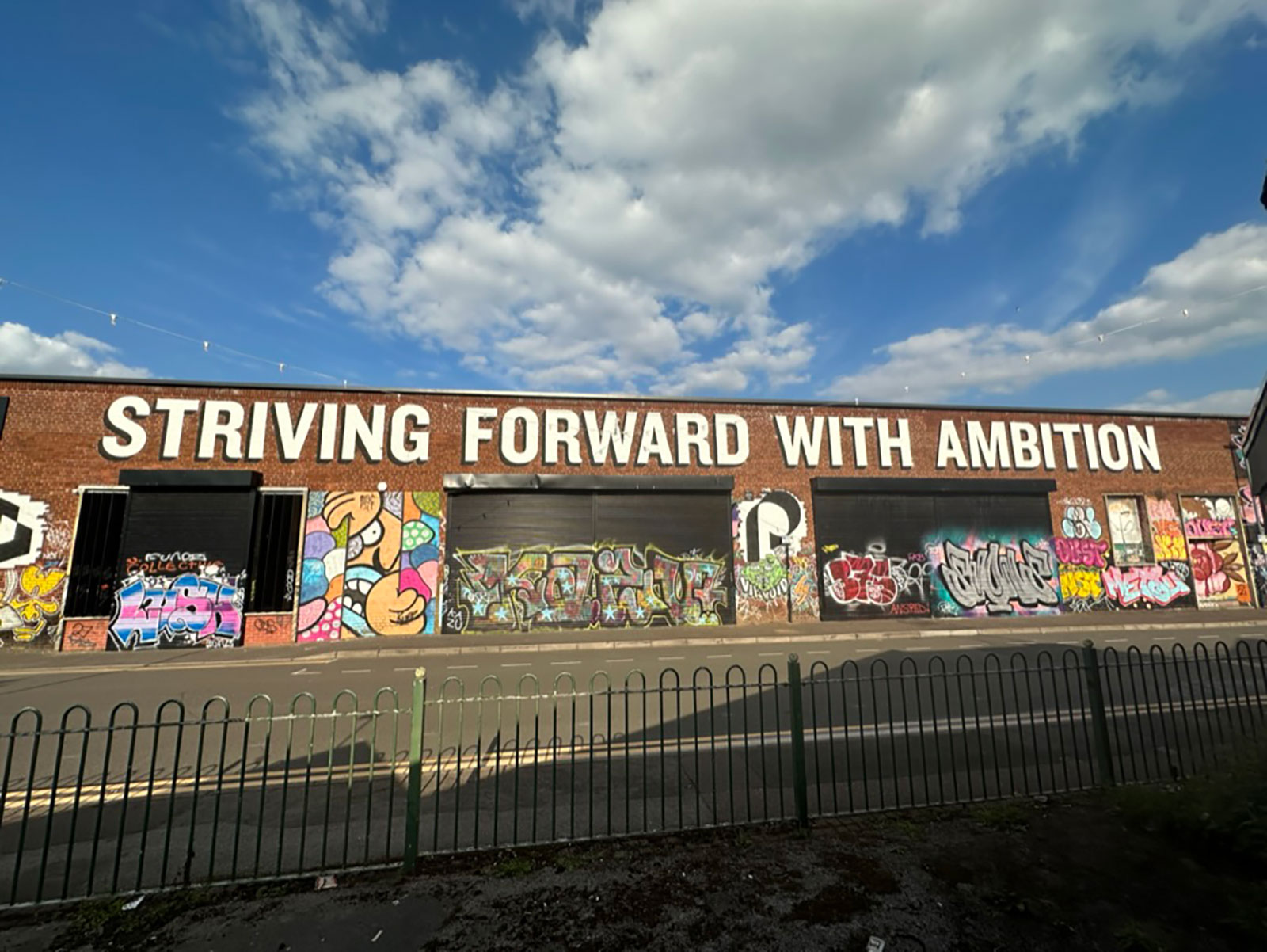
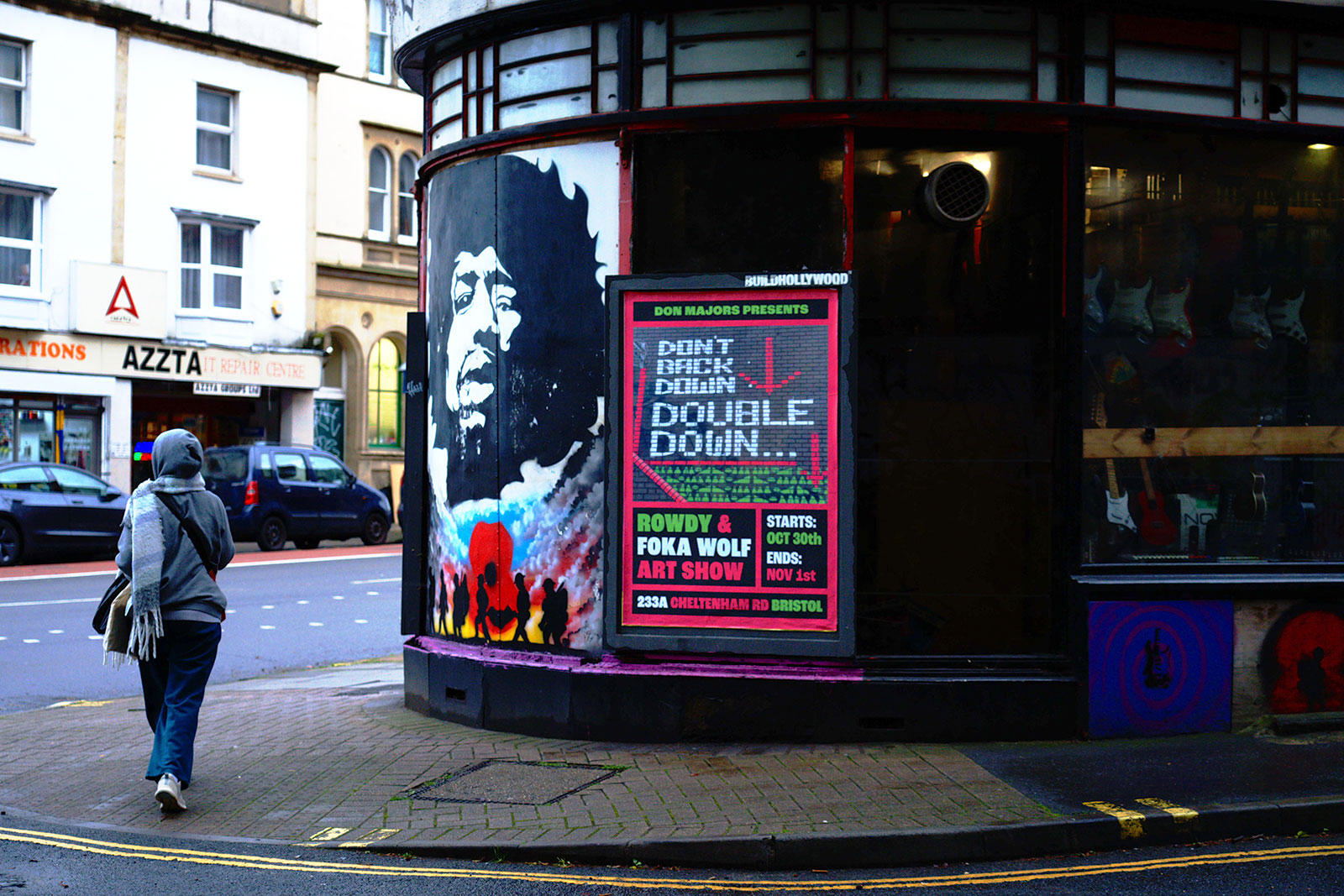
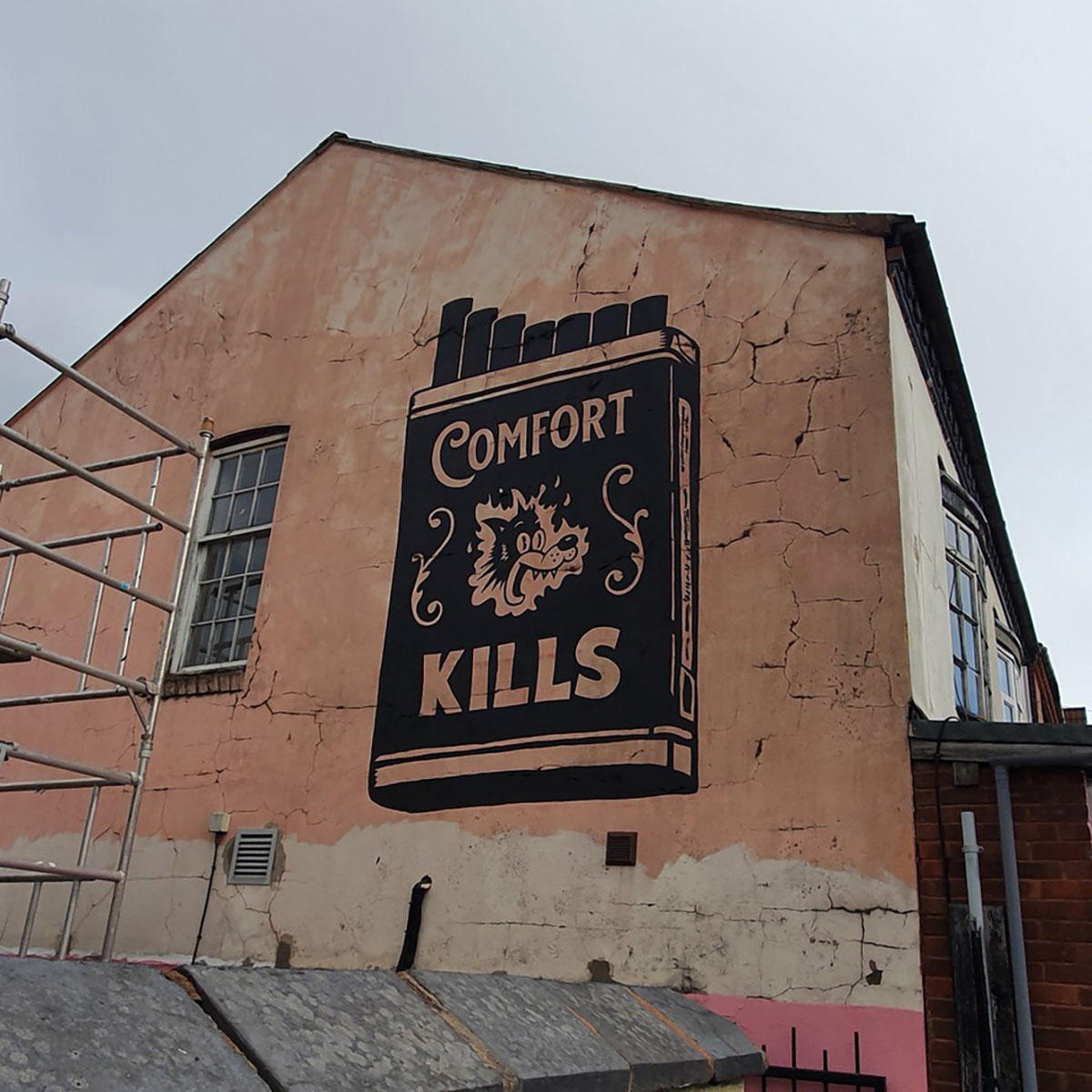
Widely known for his iconic crocodile, bats, and cat motifs, Rowdy is a Bristol-based artist whose work is deeply embedded in Bristol’s street art culture. He first took to the streets with spray paint in the late 80’s after seeing graffiti begin to adorn the tracksides of Westbourne Park, Royal Oak & Paddington in London. Mesmerised, he quickly began to develop his creative take on political commentary across the walls of his home city. Warehouses, abandoned buildings, and streets around the world now form pages of his sketchbook.
28.10.26

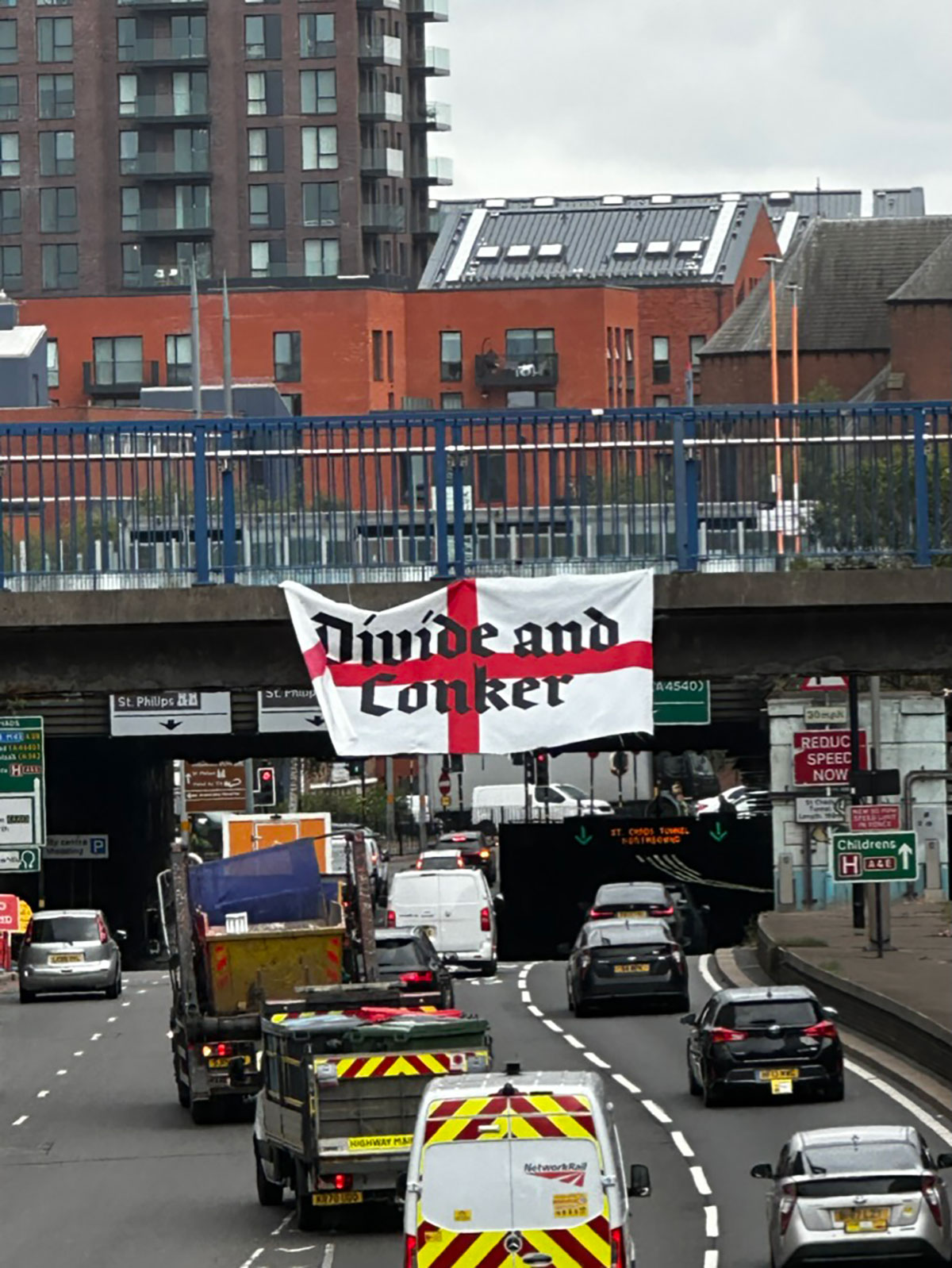
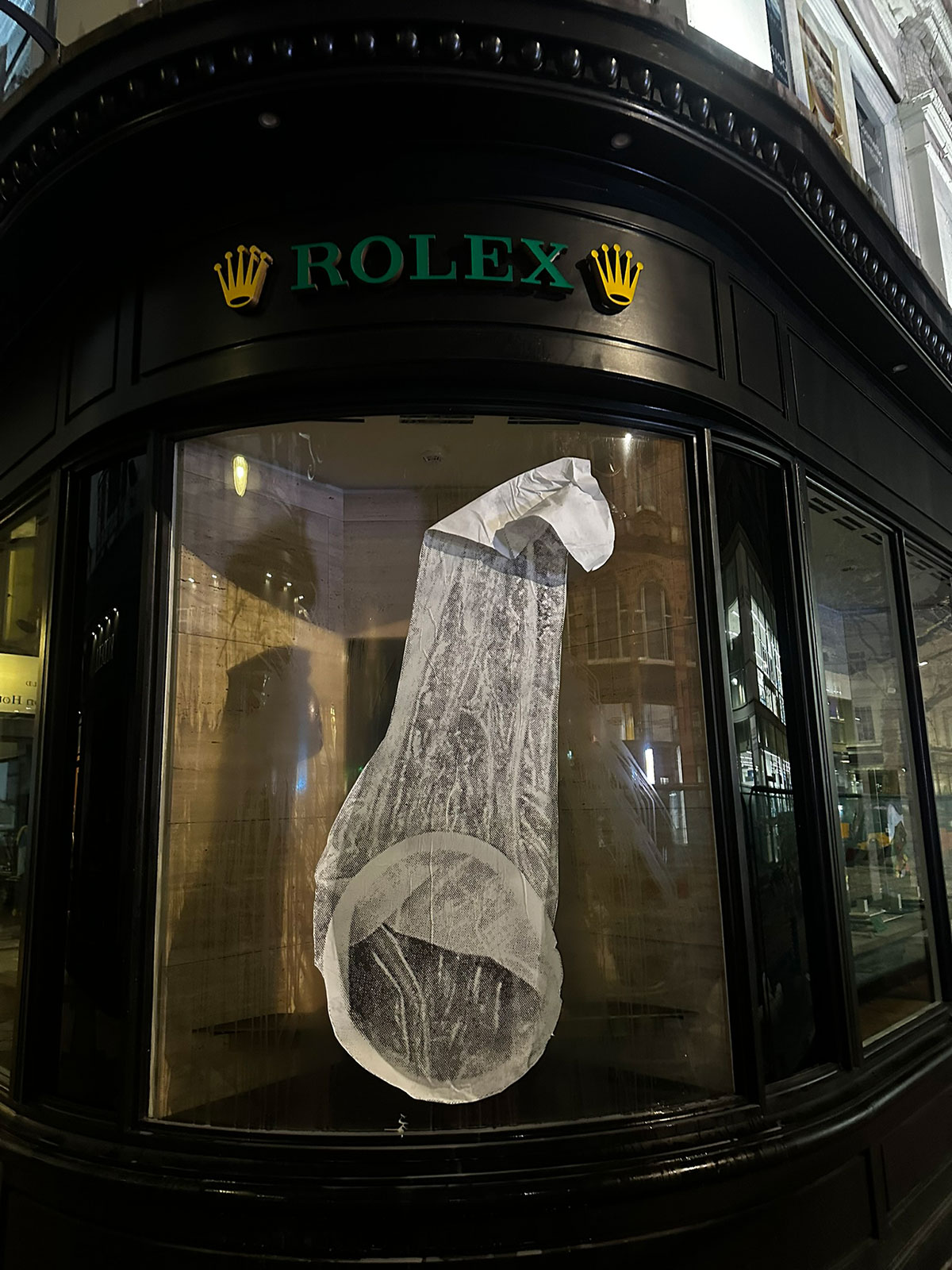
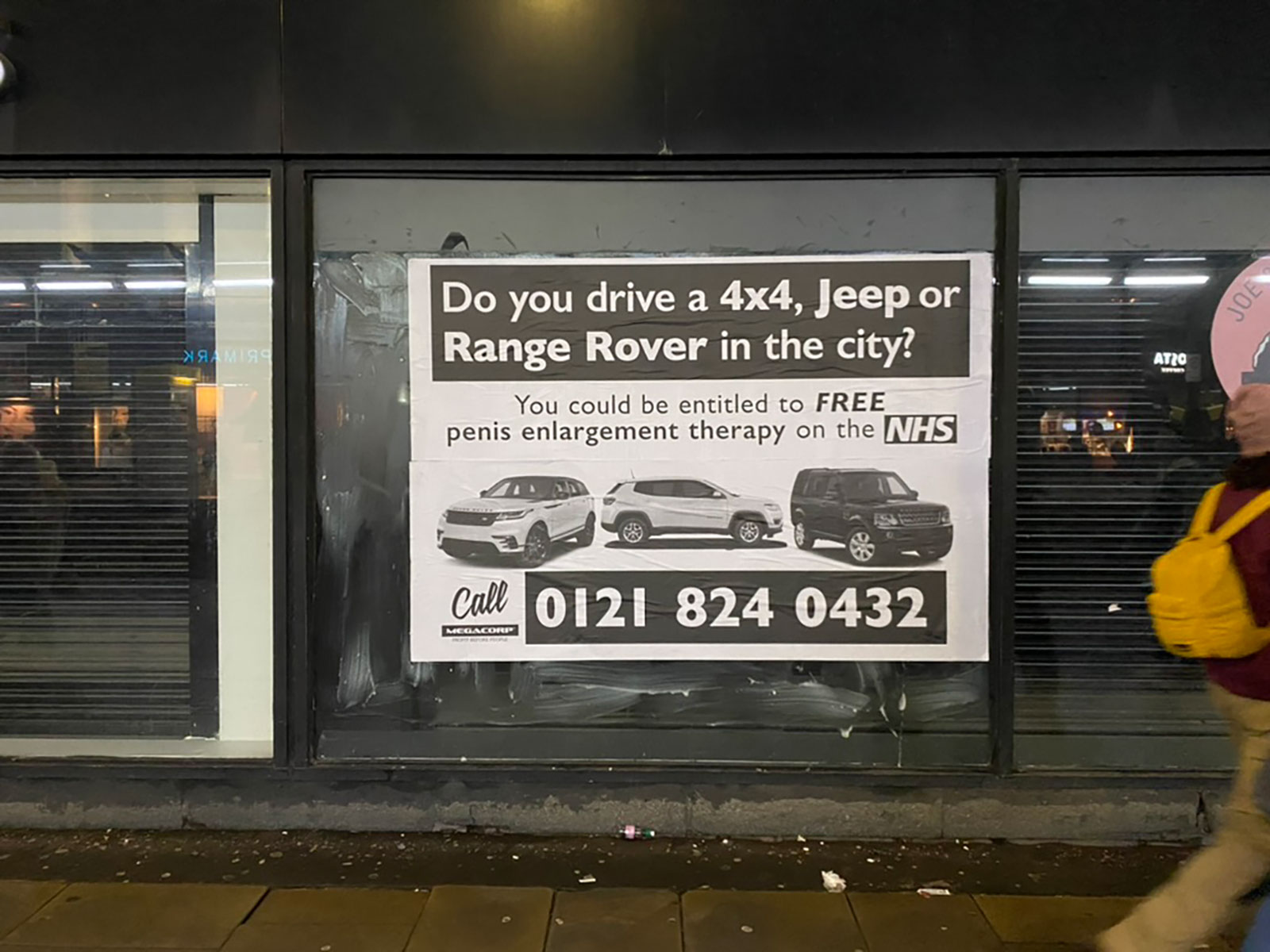
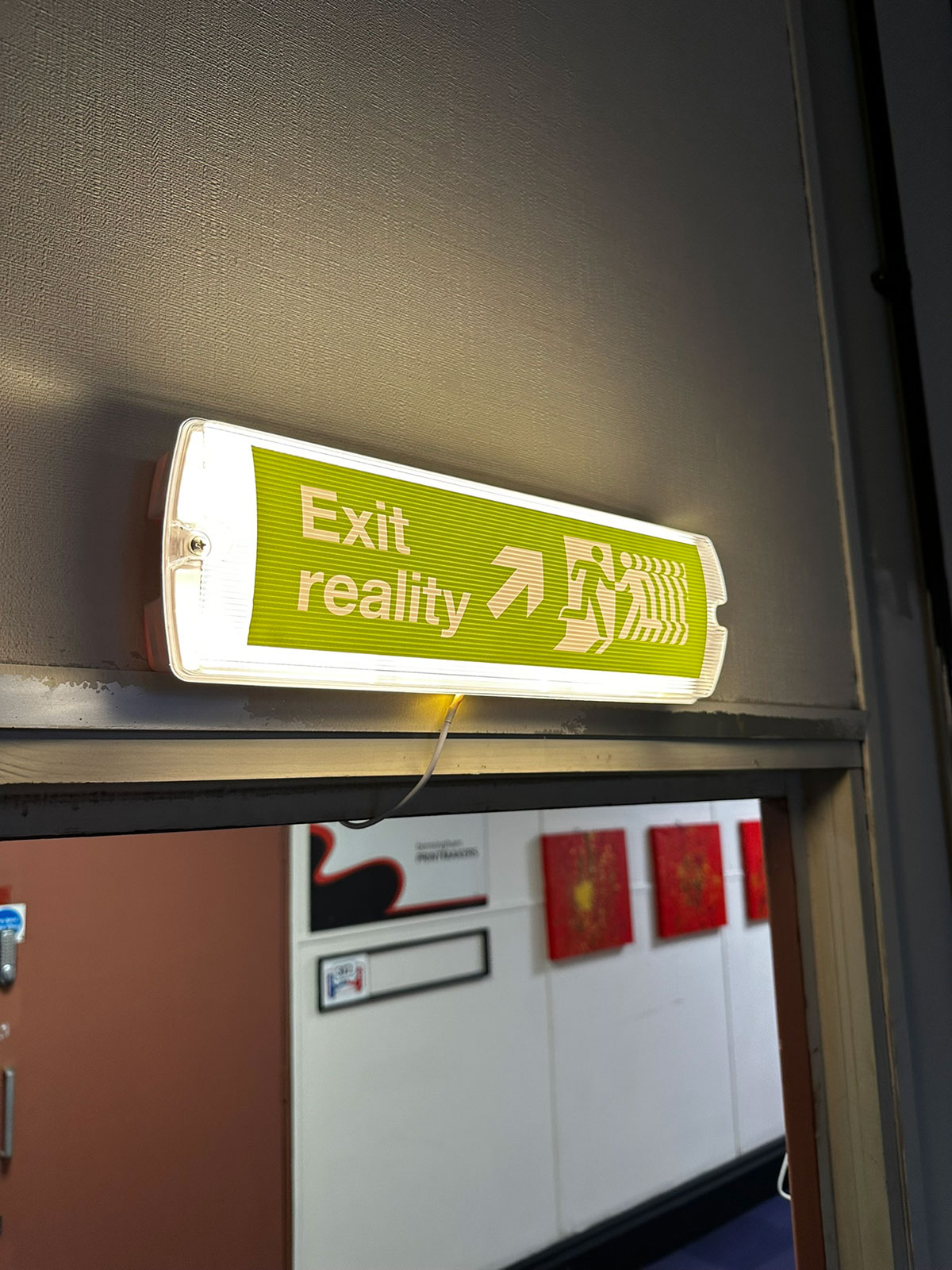
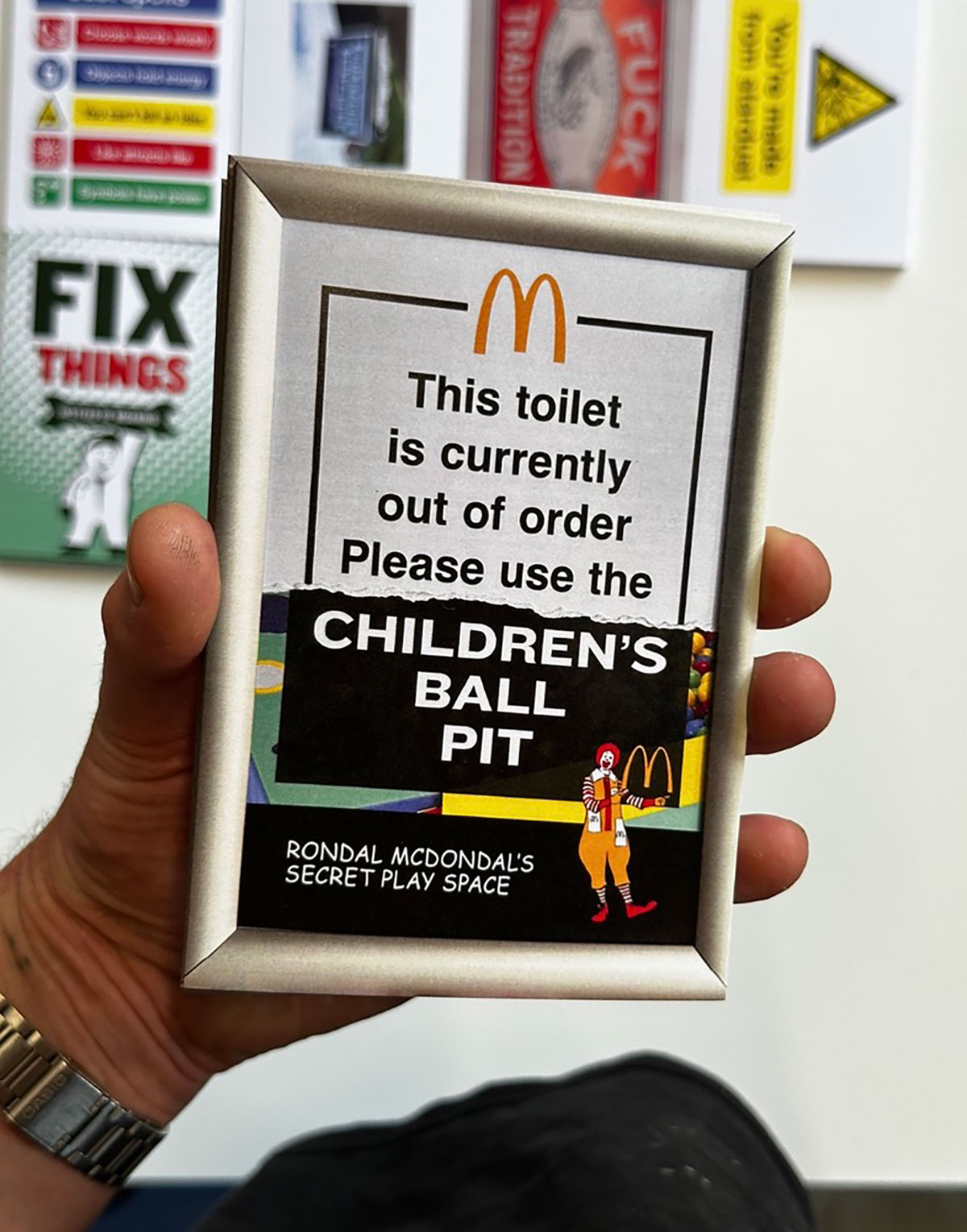
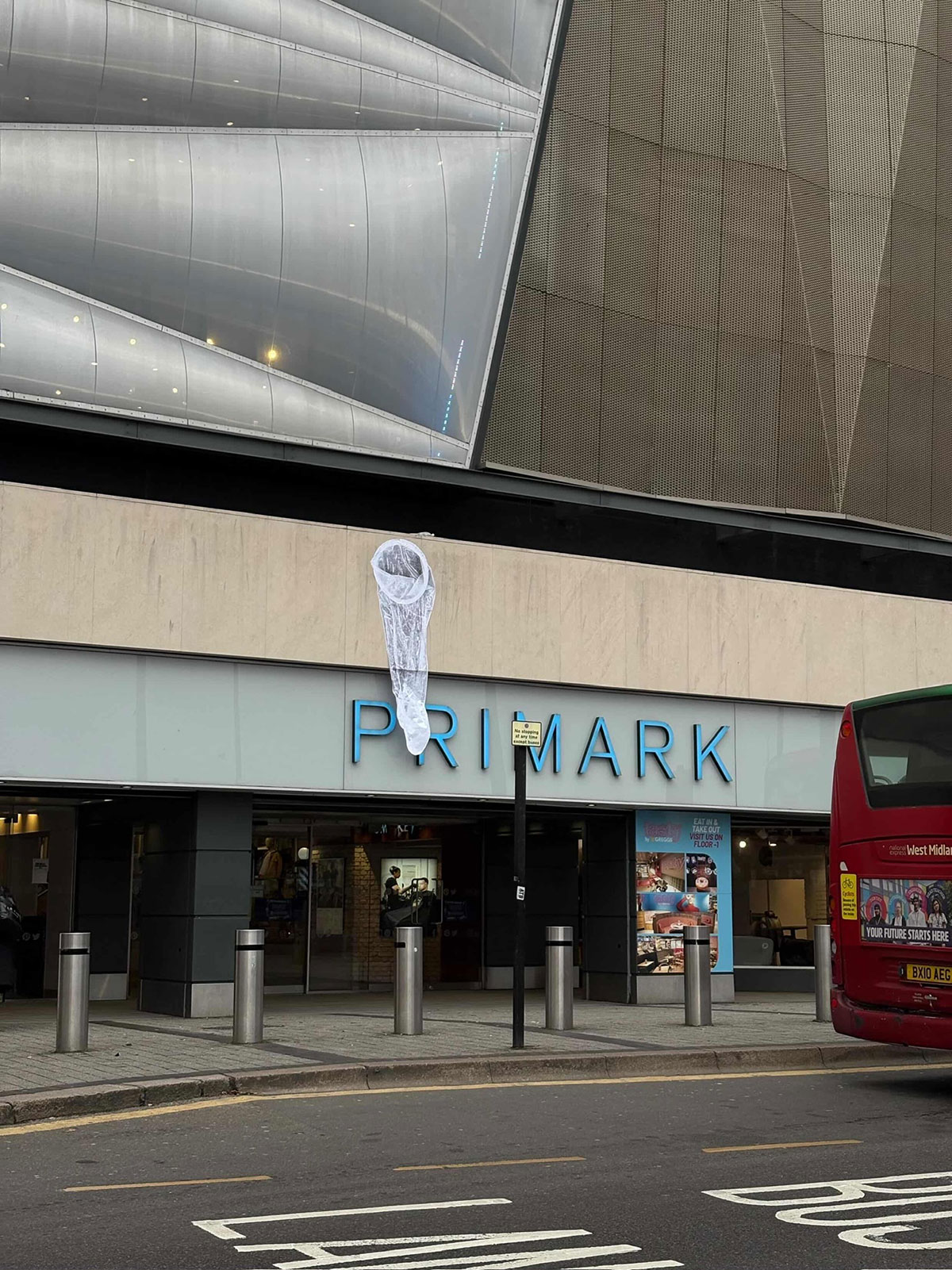
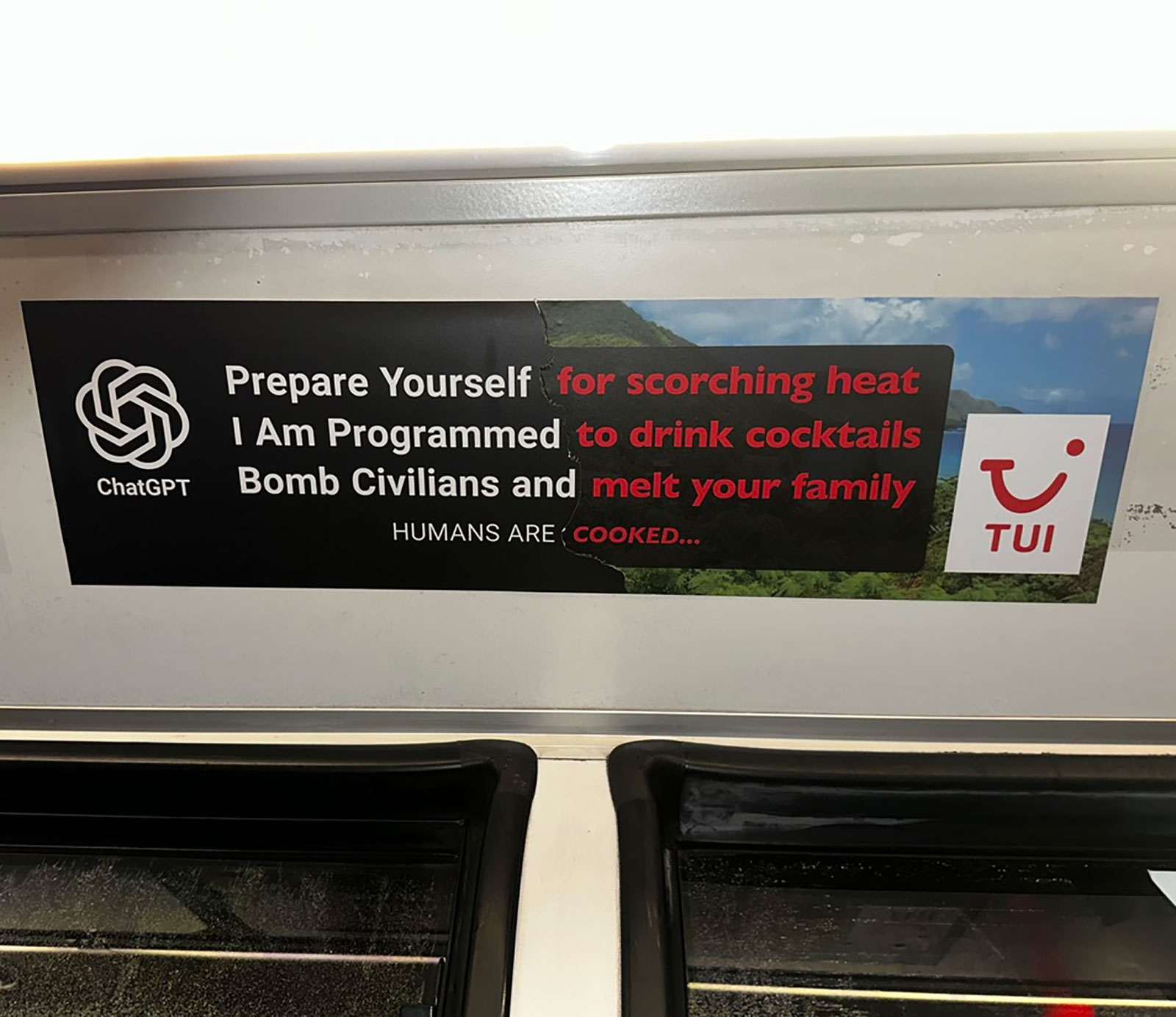
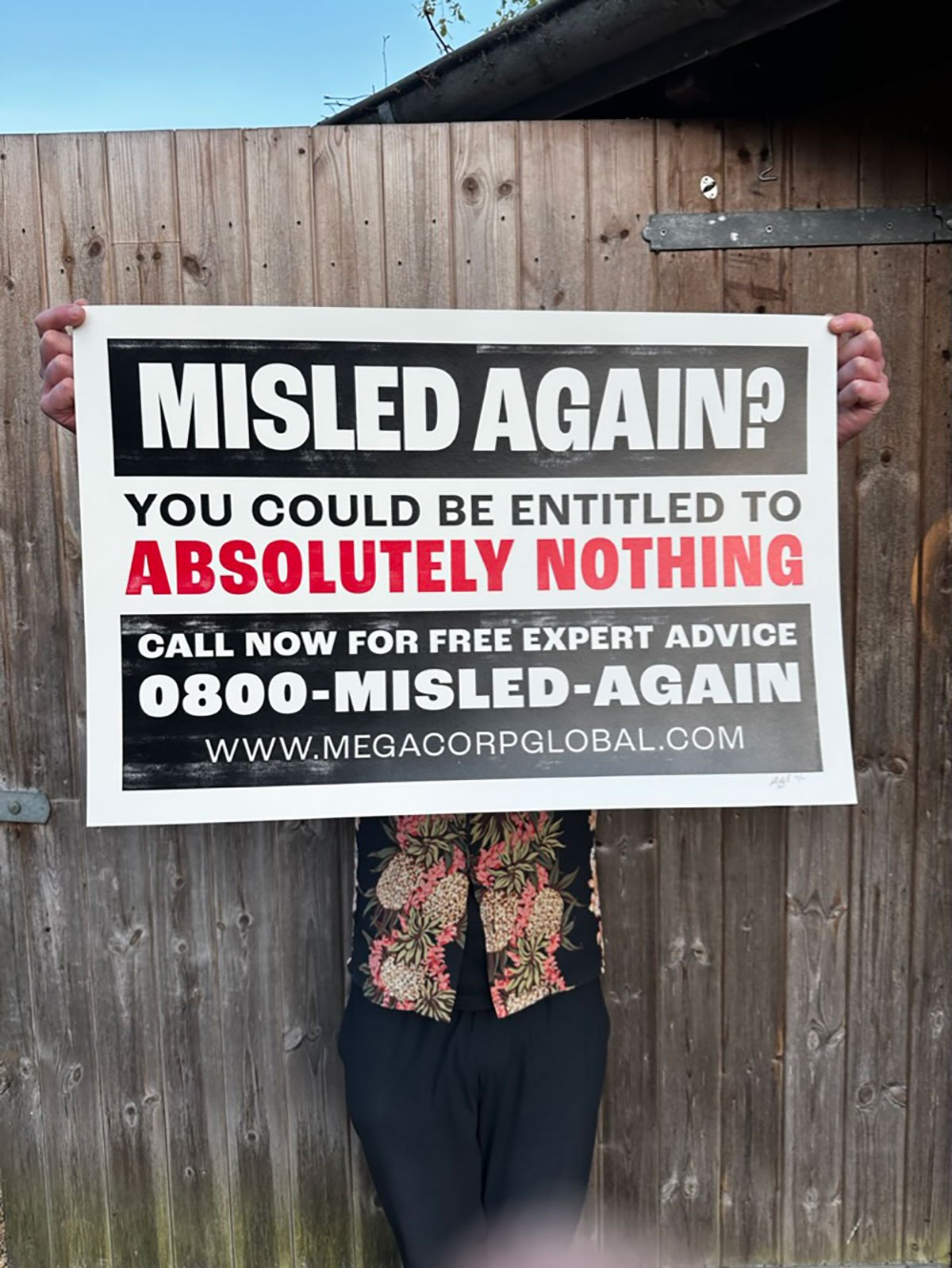
For Foka Wolf, it was in putting up his now famous fake advert about free penis enlargements on the NHS in 2019 Birmingham that satirical adverts and signs became his main form creative expression on streets across the UK. “It caused so much emotion both positive and negative I knew I was home.” With the TV show ‘Brass Eye’, artist David Shrigley, and the comic Viz as some of his artistic influences, he has been spotlighting often-ignored needs of communities on streets for almost 20 years. Now, the familiar visual language of advertising and information signs offer endless building blocks for Wolf’s installations.    


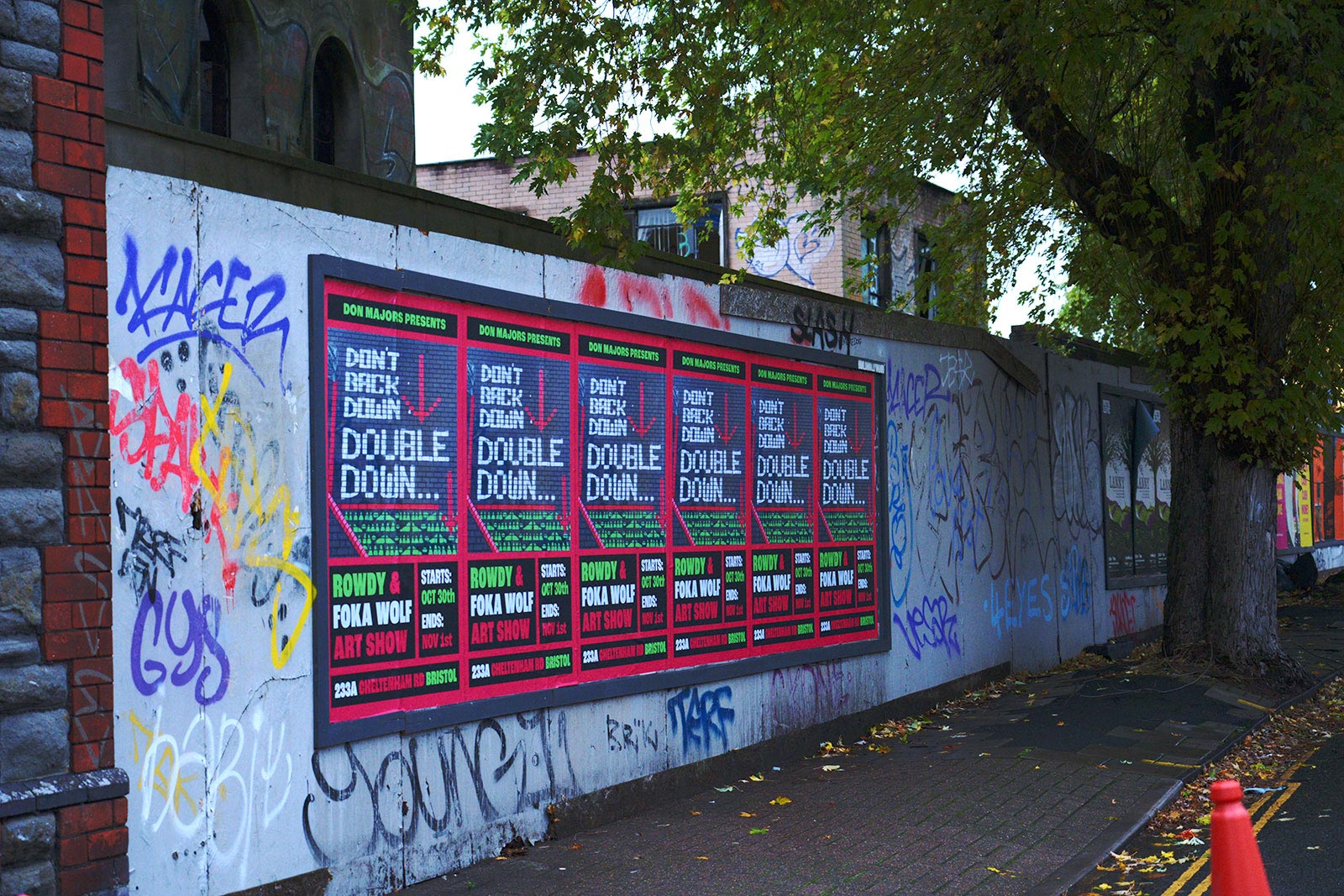
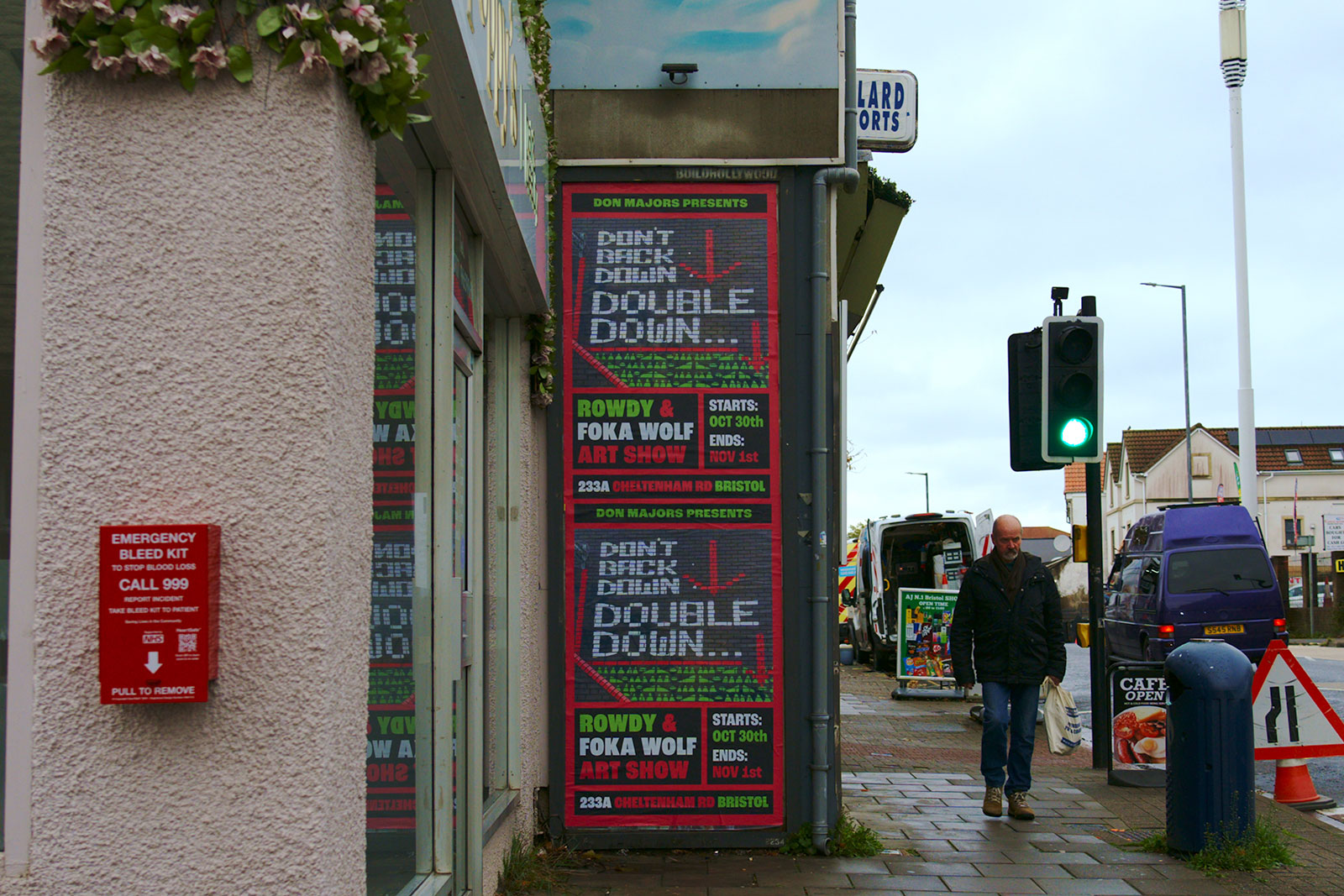
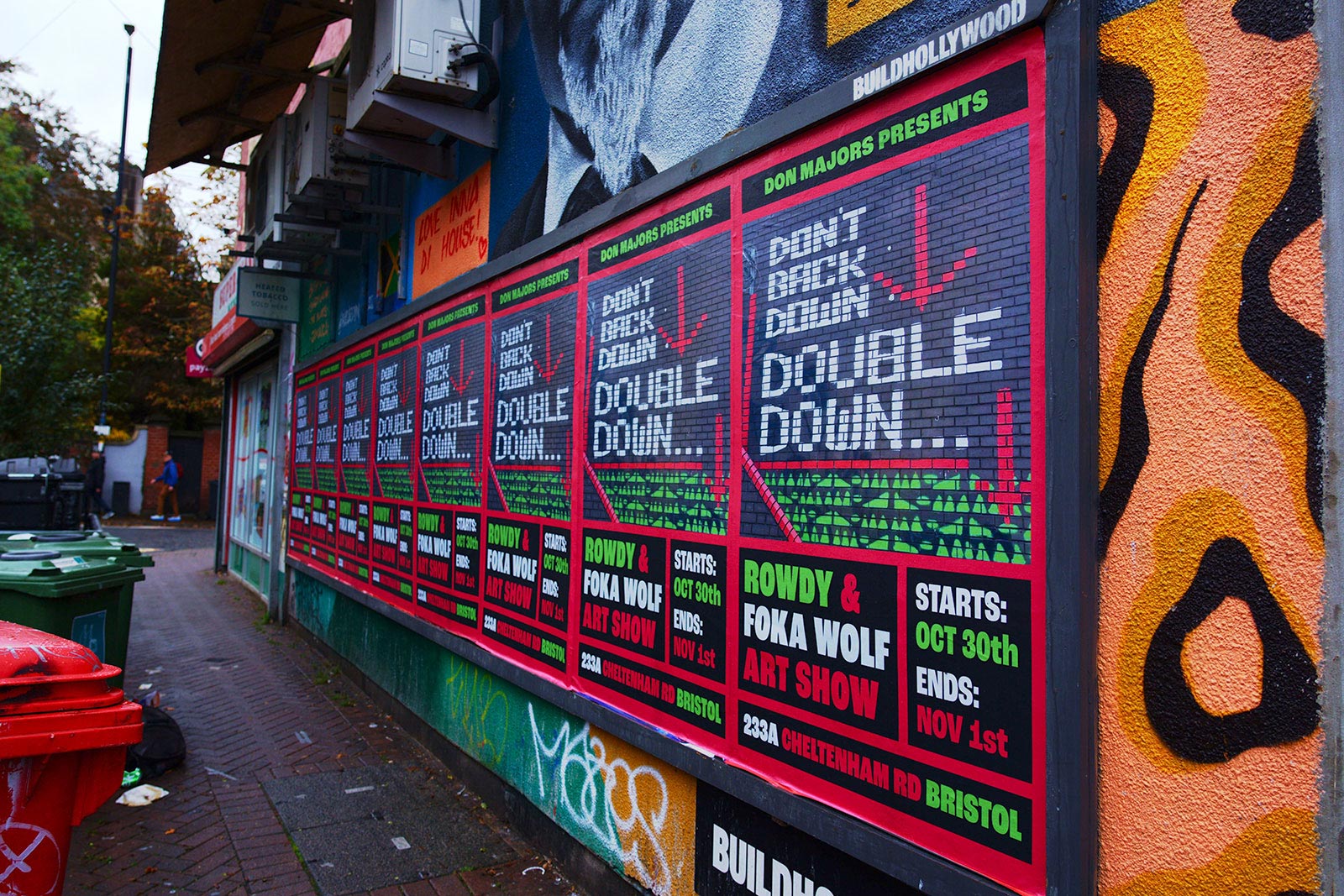
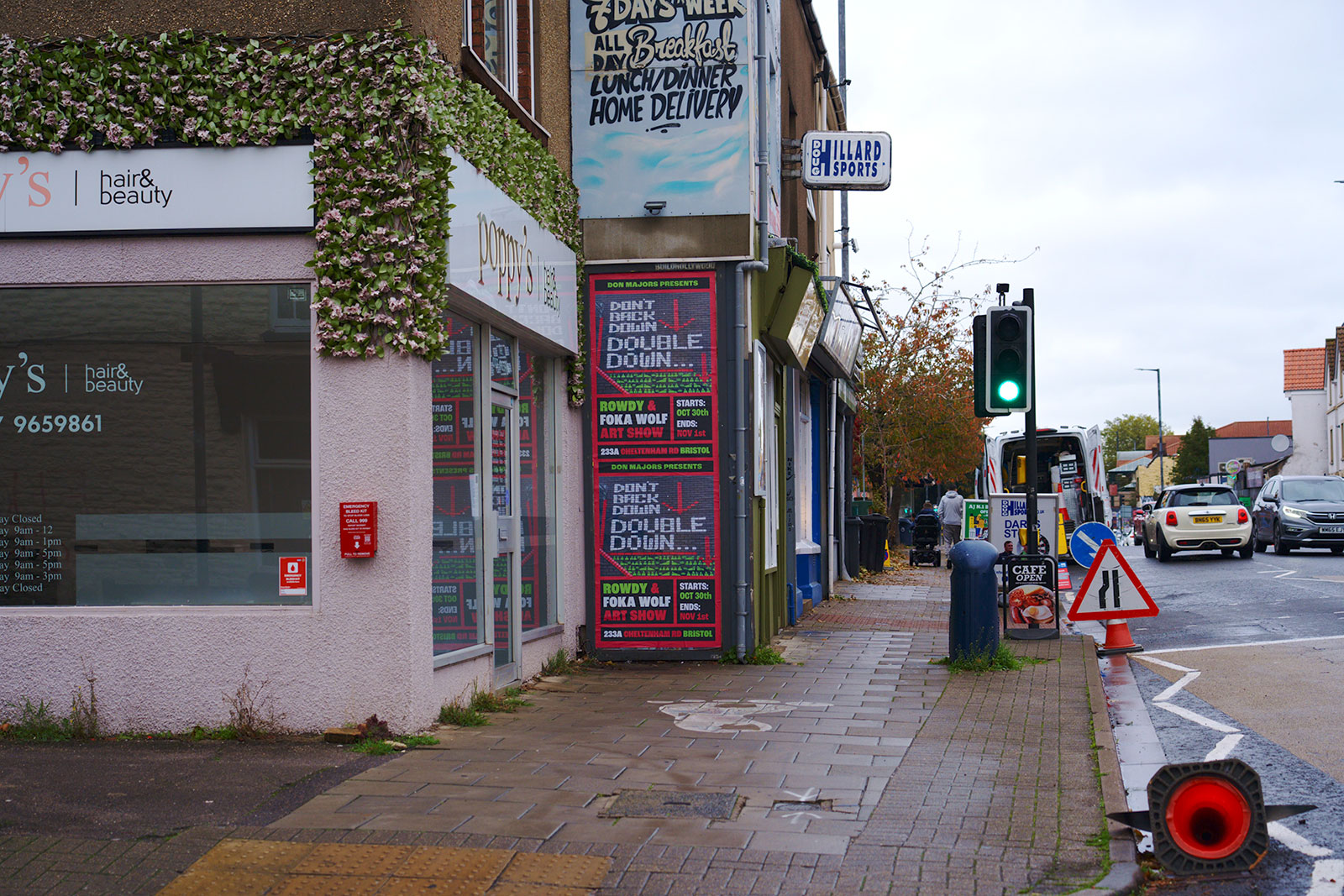
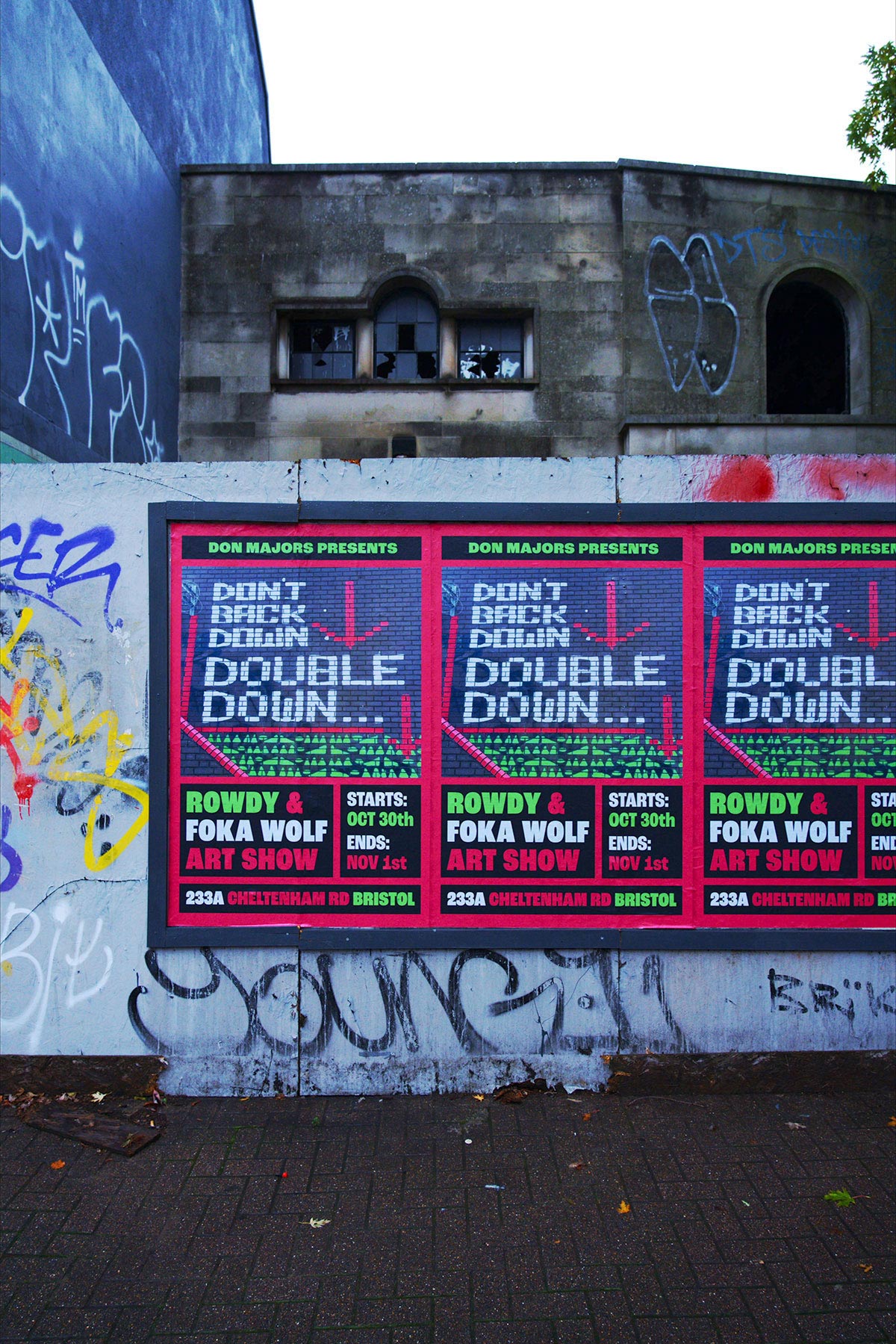
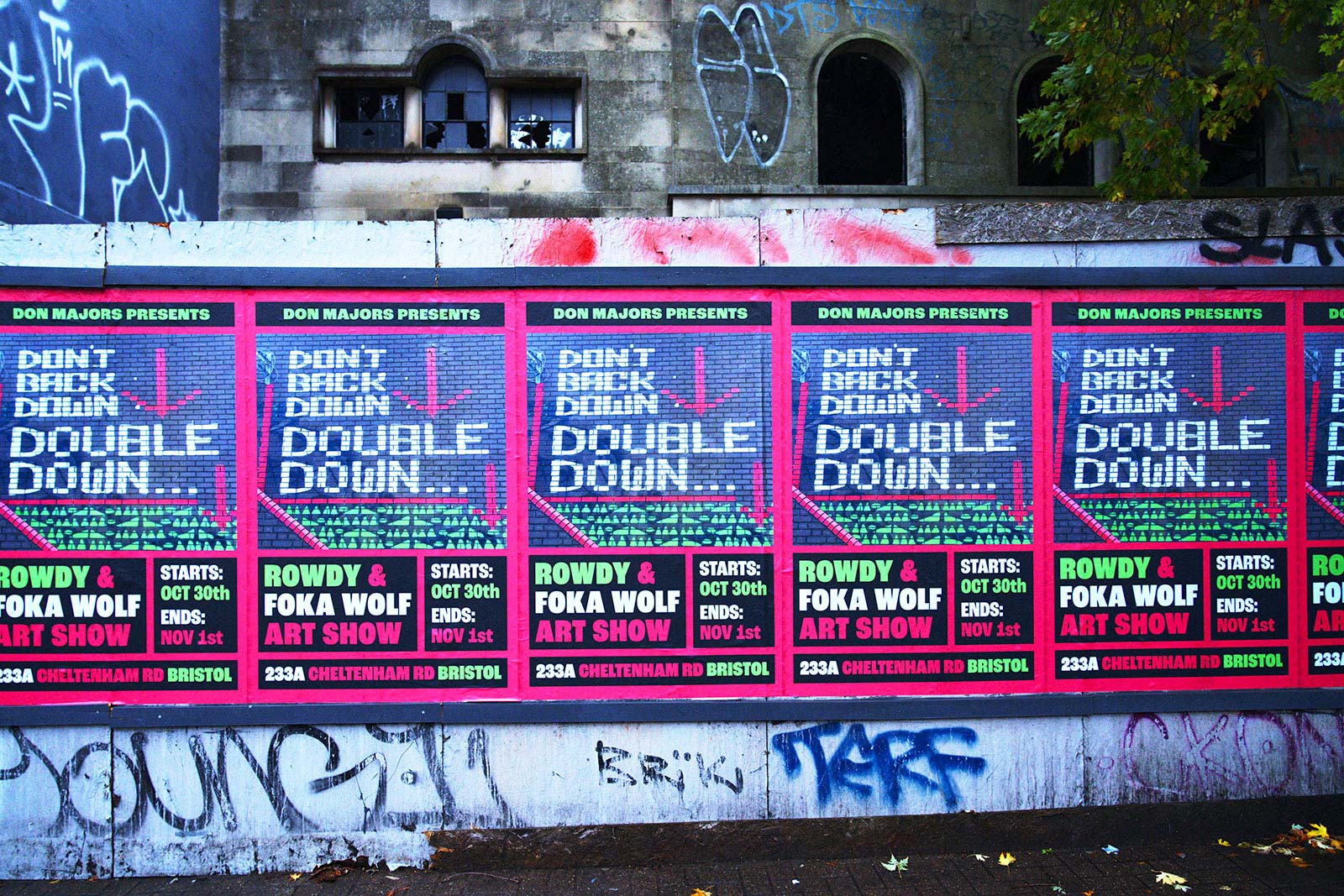
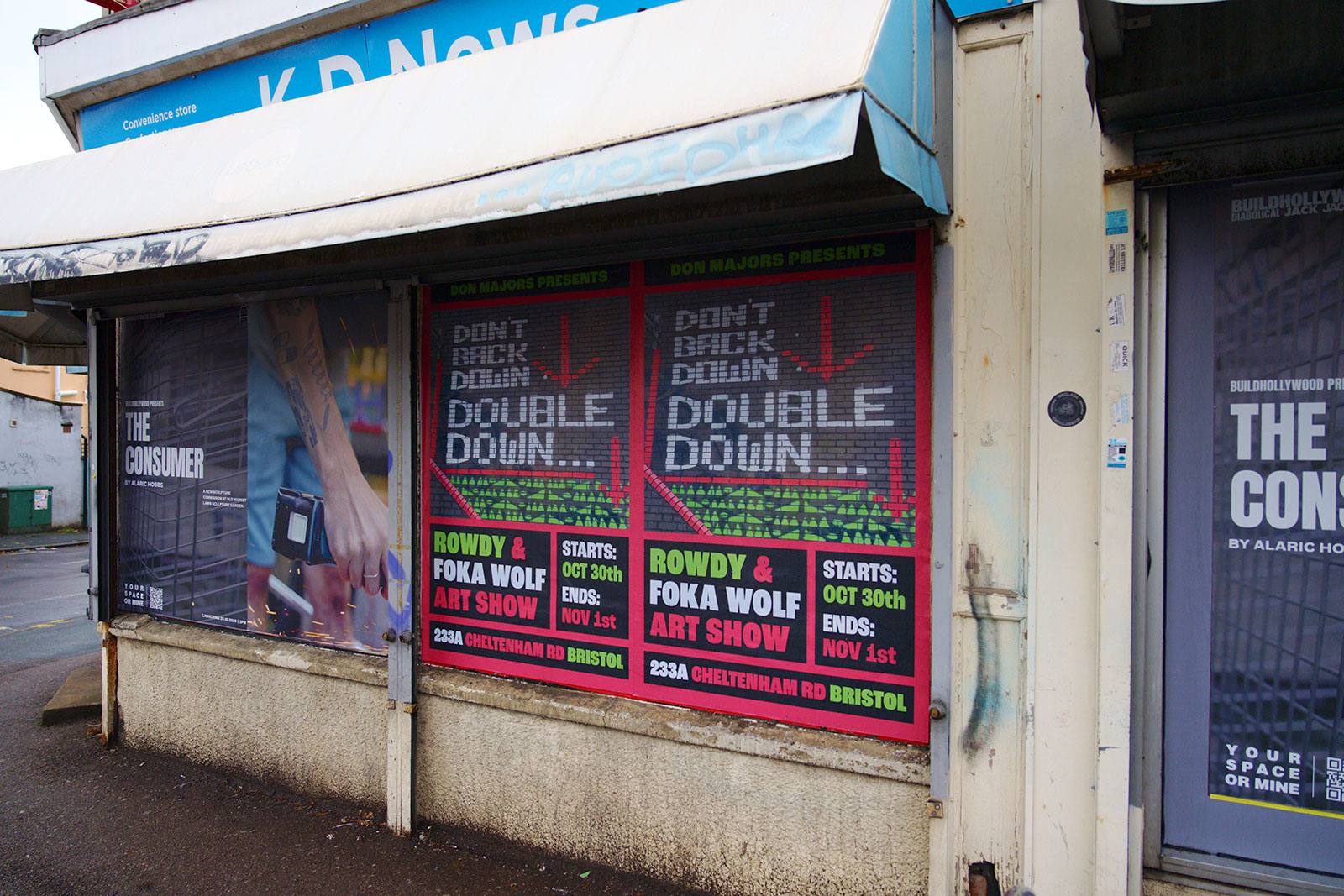
Collaborating on a series of street works in Birmingham last year, Rowdy and Foka Wolf are joining forces again but this time in Bristol. DOUBLE DOWN sees Rowdy and Foka Wolf taking over the walls of the vibrant streetwear store Don Majors for one weekend. Made up of a mix of new and known pieces of work, this art show is a moment to spark a conversation about hope, resilience, and using your voice. While Don Majors’ frontage is no stranger to Rowdy’s artwork, this will be Foka Wolf’s first show in Bristol. Getting its name from a quote from the comedian, Limmy ‘Don’t back down, double down’, DOUBLE DOWN is on from 30 October – 1 November 2026. 

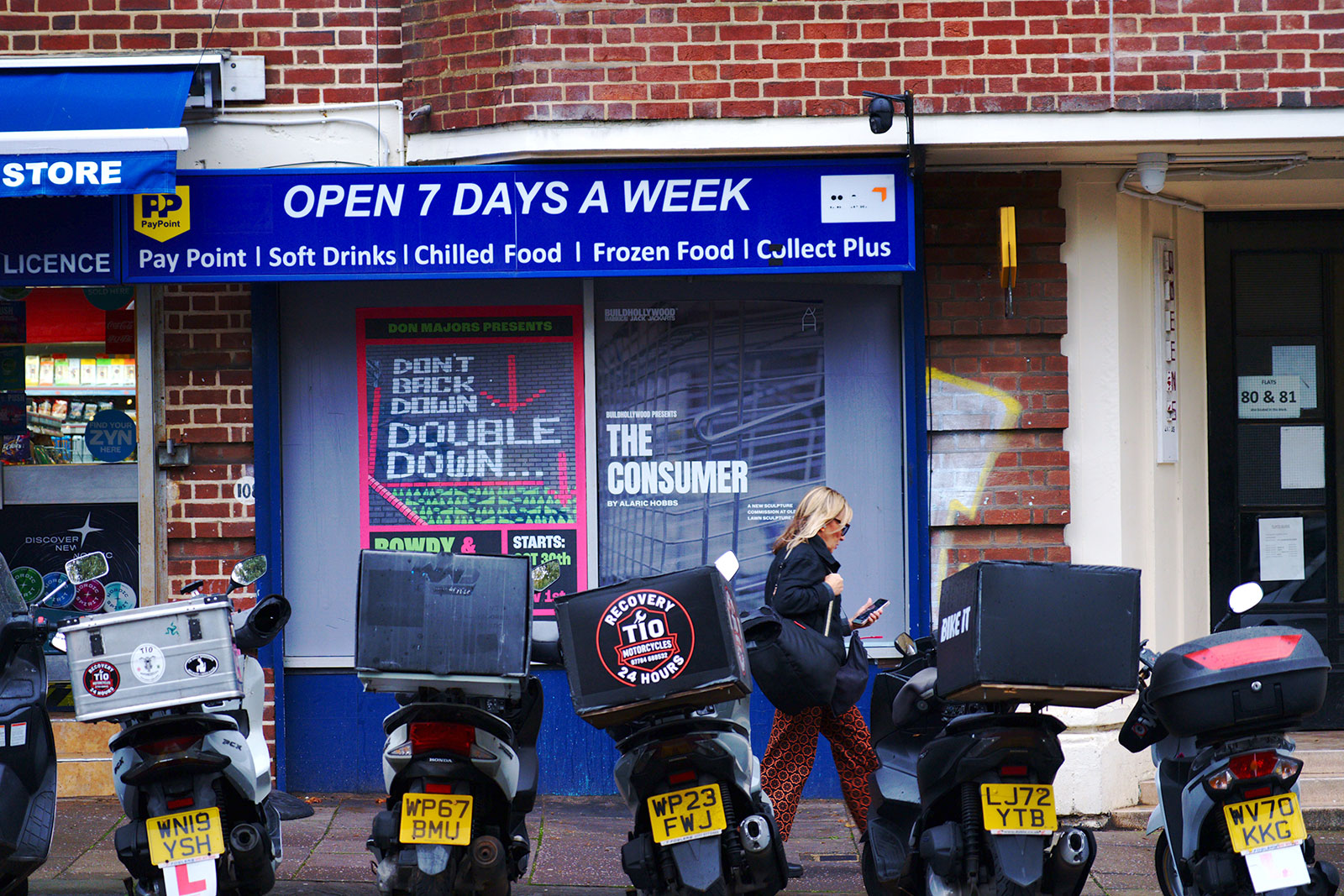
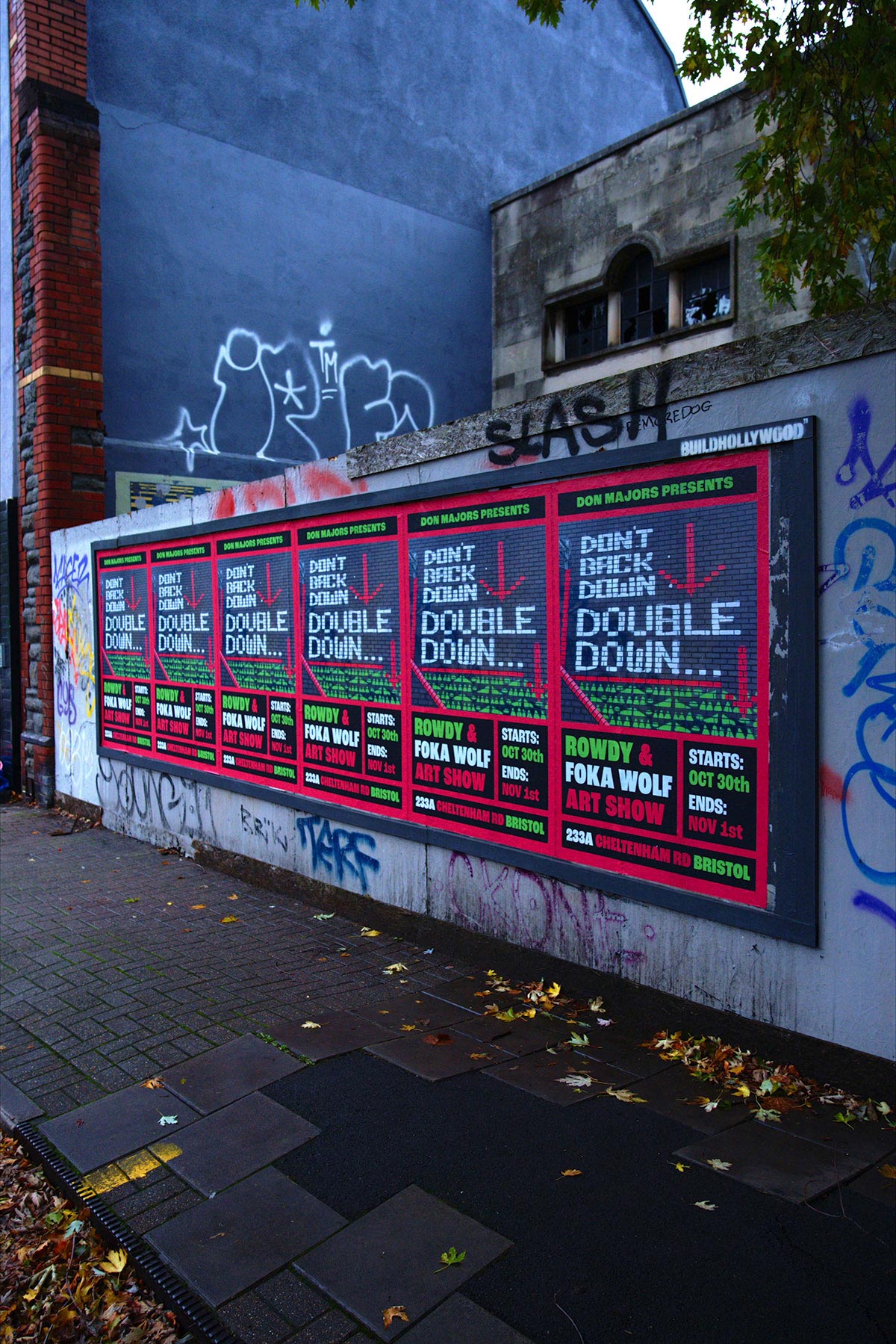
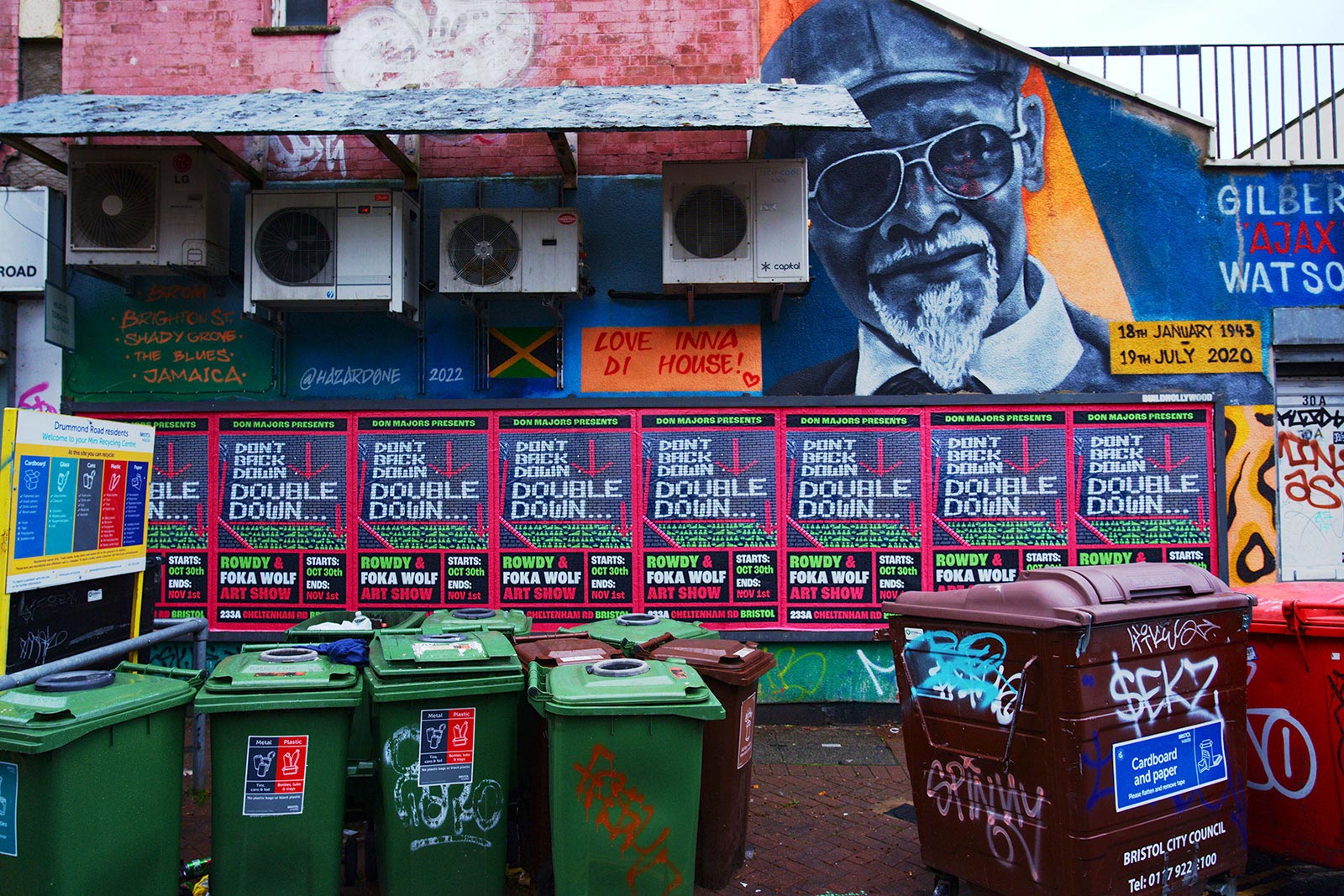
The streets have always been a place of exchange. From adverts and street art to protests and gatherings to travel and connection, these pathways are conduits of messages and community. As Rowdy and Foka Wolf take the streets indoors, BUILDHOLLY WOOD is partnering with both artists to support the show with a city-wide poster campaign. Delving deeper into what the relationship between street art, advertising, and public space looks like today, this campaign asks who gets to shape the cities environment and what voices are missing. 


We interviewed Rowdy and Foka Wolf to talk about the ways exhibiting street art alter its meaning, challenges facing street artists today, who gets to shape cities and more. Get to know these incredible artists better and what to expect at DOUBLE DOWN at below… 

You both come from different cities – Birmingham and Bristol – each with their own rich artistic history. How did you end up working together for this art show DOUBLE DOWN in collaboration with Don Majors, and what aspects of the cities that raised you feature in this art show? 

Rowdy: We worked together on a series of street works last year in Digbeth, Birmingham. Prior to that we had met at an event at Rockaway Park just outside Bristol and realised we had a few mutual friends plus a shared vision of making our Art & politics standout in an unusual way on a street level whilst providing a bit of humour & rest bite to the social norms.

FW: I first came across Rowdy’s work in Birmingham over 20 years ago. They painted this huge crocodile the length of a car park. It was the first time I had seen street art like it and it really resonated with me how easy he made it look to create a big statement. A few years later we met at an art show and made friends, so this is a full circle moment.


What does “double down” mean to you and was there a specific moment – or series of happenings – that inspired the title? 

Rowdy: Initially it was a quote Foka Wolf was interested in using for some artwork and so when we Collaborated last year, I really liked it and asked if he would put it up on our Artwork which he agreed to. I came to realise it’s a quote from the comedian Limmy so ultimately, it gave the situation more gravitas. So, the phrase ‘DOUBLE DOWN’ ended up being our working title for this show.

FW: We went painting in Birmingham last year and I painted that phrase straight from comedian Limmy. Rowdy added the embellishments and we did it in the Palestine flag colours as support for the people and the people that fight back. I personally think it’s a message of hope that everyone that’s fighting the good fight should take on.

How has your relationship with walls changed since you first started painting in the 80’s, Rowdy? How did your iconic characters – that have become part of the city’s identity – come to be and how have they evolved over the years? 

Rowdy: I suppose I’ve become more comfortable painting any time of day. I think when I started out I felt more judged by other Artists the standard was always high and by the mid 90’s I set about trying to get a style that was more my own, these things take time to build. When I unleashed the Crocodile campaign in the early 2000’s it was more energised than previous work it had something that was much more recognisable to the public. In 2007 I joined the crew Burning Candy and we went big, bold & primitive across London & Bristol and so the notoriety increased.  I would say these days when I pick a spot in Bristol it tends to be a little more considered, I’m into longevity and breaking new spots.


Foka Wolf, your work is known for the ways it blurs lines between what is a real advert or sign and what isn’t. What is it about these visual languages that interests you? What are you hoping for when people pause to take in your work? 

FW: What fascinates me about this is people’s attraction to reading adverts and how they work as a visual language on the street. We are bombarded by them so much they have just become normalised into reality. I love drawing people in like the way you tell a joke. The start is serious and you hook them in – and then they drop the punch line and turn it upside down.

Bristol is famous for its incredible graffiti and street art culture. How has that heritage shaped the creative community here, and what are some of the challenges facing street artists today? 

Rowdy: As I’ve said I think it’s good to get your own spots, though I think when you travel to various hotspots up and down the country space is filling up that’s partly due to Artists upping the ante from previous decades. I think perhaps some painters need to visit less obvious parts of the City and make themselves known.

I think if you really lean into Bristol’s street heritage and know what’s up, you will find there’s people out there looking to give it a UNESCO World Heritage status, there are others doing Tours & Festivals. What I believe is you cannot become complacent as there are many developers, Councillors and newcomers to Bristol who just don’t get it whatsoever.

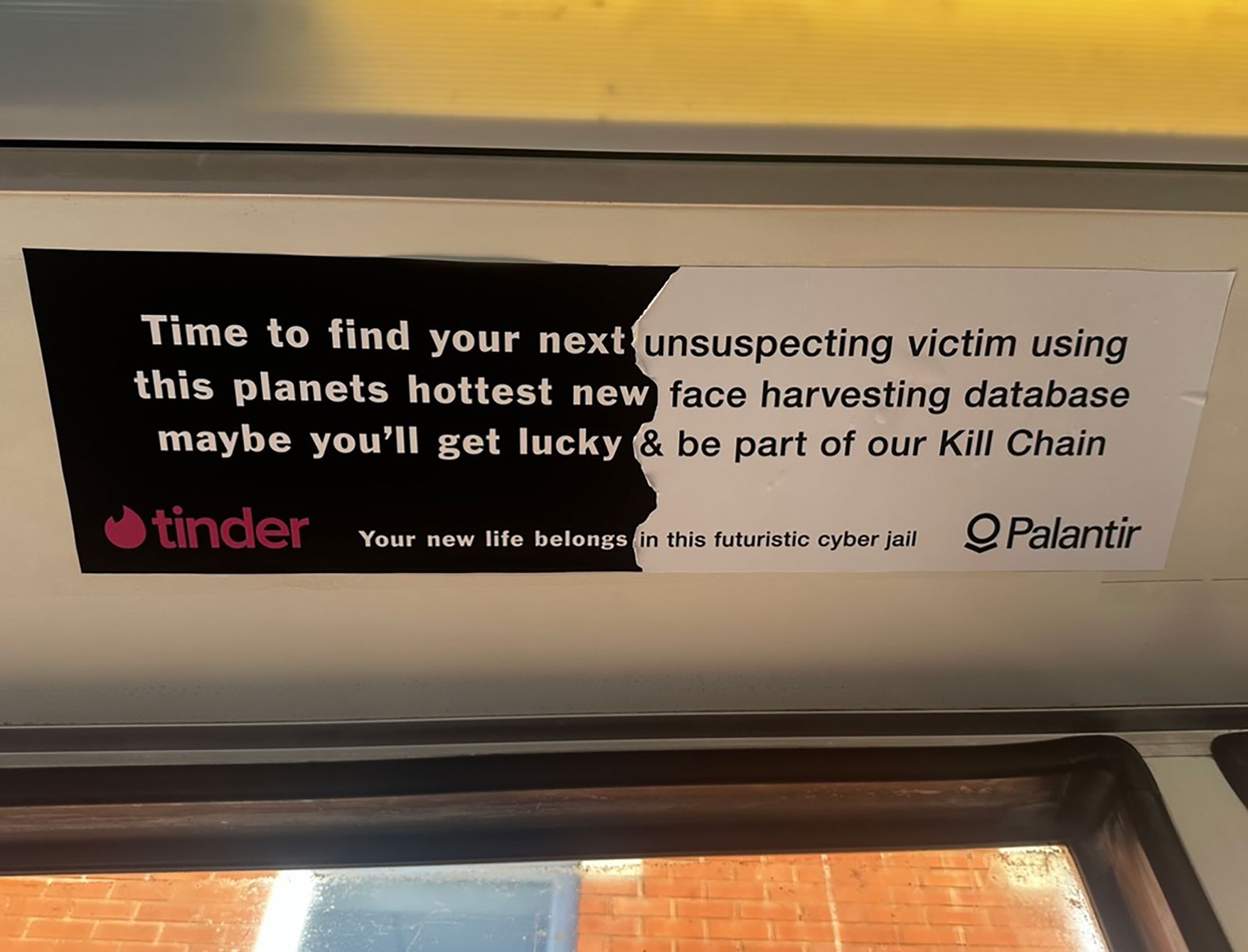
FW: I think the biggest challenge is facial recognition technology and cameras on every street corner. People always find a way though and we need to look out for those people who push the boundaries that open new vistas. Bristol is a special place for me and I do see it as the Rebel City. I think the fun and playfulness here play a roles too, it makes it accessible and punk. 


Street art is continuing to find a home in galleries, fashion, advertising, and pop culture. Have artists gained real freedom or visibility? How has being in the mainstream impacted this creative format? 

Rowdy: It certainly shows acceptance of the art form and people have utilised those opportunities, is it sustainable? I’m not sure.

FW: The cost of living has made it more difficult for everyone, especially working class artists to survive. If this means that they have to look at other avenues to make money I am all for it. There will always be people out there that do it as a high adrenaline sport, a hobby or as a way to express themselves, so for them it doesn’t change a thing.

Our cities are full of messages. What are your thoughts on the relationship between street art, advertising, and public space? Who gets to shape the cities environment and what voices are missing? 

Rowdy: Good question – I would say the youth are more compounded by the Cyber Hive and this in turn becomes their environment a bit like the office worker who now works from home.

FW: I would like more youth messages shown in public. I want more third places for kids to hang out. I don’t wanna see private companies taking land. The number one importance of any street culture now is to reclaim this land back for the public use. Tagging, skateboarding, stickers – anything like this is a “hello, we live here too, you fuckers” symbol. I really see adverting as a form of information warfare and trust me, living in a poor area and seeing adverts for shit you can’t afford is not the one.


Does exhibiting street art alter its meaning? What are some ways in which it does or doesn’t? 

Rowdy: I enjoy the discipline of both environments, where I appreciate working in a gallery format is having the opportunity to work with a wider colour palette to allow subtlety as well as for details to take place and to let a body of work sit side by side and create its own dialogue.

One of the reasons I like working with Don Majors is they understood the potential of both the inside & out together, so I’ve got to paint the frontage of the shop on multiple occasions in a fun & friendly way and whilst displaying on the inside allows for contemplation, doing deals and insight.

FW: Yes it totally does. It lives in the street. Its like seeing something from a Pyramid in a museum, sure it looks nice but its a bit sanitised and out of place. When you see things on the street it does feel like you’ve uncovered something because you’re standing in the place it was created.

How does bringing your exhibition back out to the streets through this city-wide poster campaign tie in with the themes you’re exploring in Don’t Back Down? / Double Down? 

Rowdy: It has a recycled element to it and I’m looking forward to seeing them dotted around Bristol, that’s exciting, the imagery is impactful and it’s kind of new for me to be linked with this kind of advertising.

FW: Well it’s in the realm of street art and adverts so I think that in itself is a perfect location.


Without giving too much away, what can visitors expect at Don’t Back Down?   

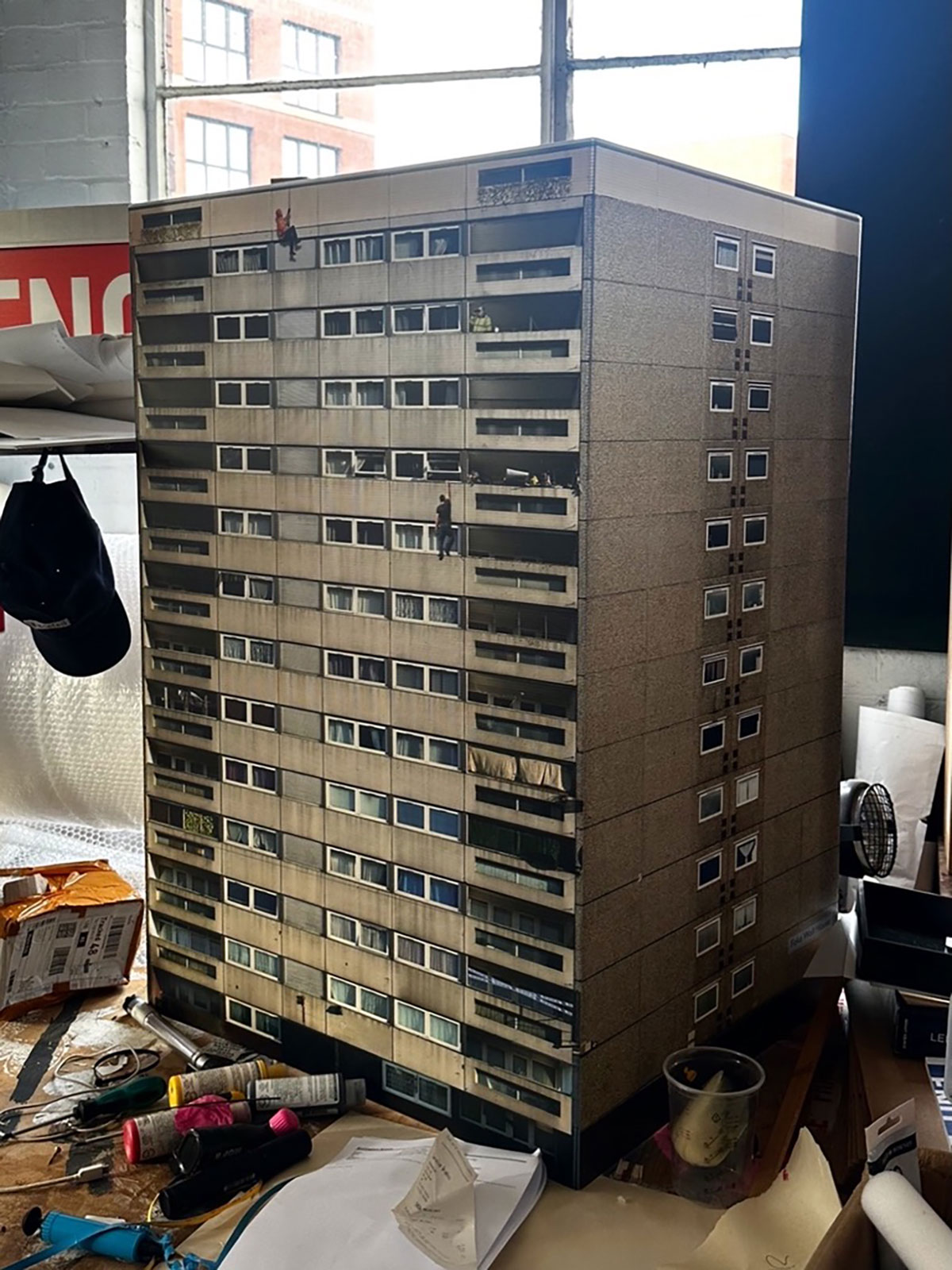
Rowdy: Tower Blocks, Typography, Beavers, Bus Stop Art, Abstraction and of course Crocodiles.

FW: I would say from me it’s gonna be a little bit of a retrospective but also some new bits thrown in. Full wall coverage and maybe some fairy lights.

Previous article

Marathon Season: Hit The Ground Running

Next article

Partnerships

To Be Seen: Granton Youth and the National Galleries of Scotland