Newsletter

Join our mailing list for latest news and features

Build Hollywood

Build Hollywood

Build Hollywood

Build Hollywood

Your Space Or Mine

Bringing It Home: Fashion Designer Saul Nash on Movement, Masquerade and North East London

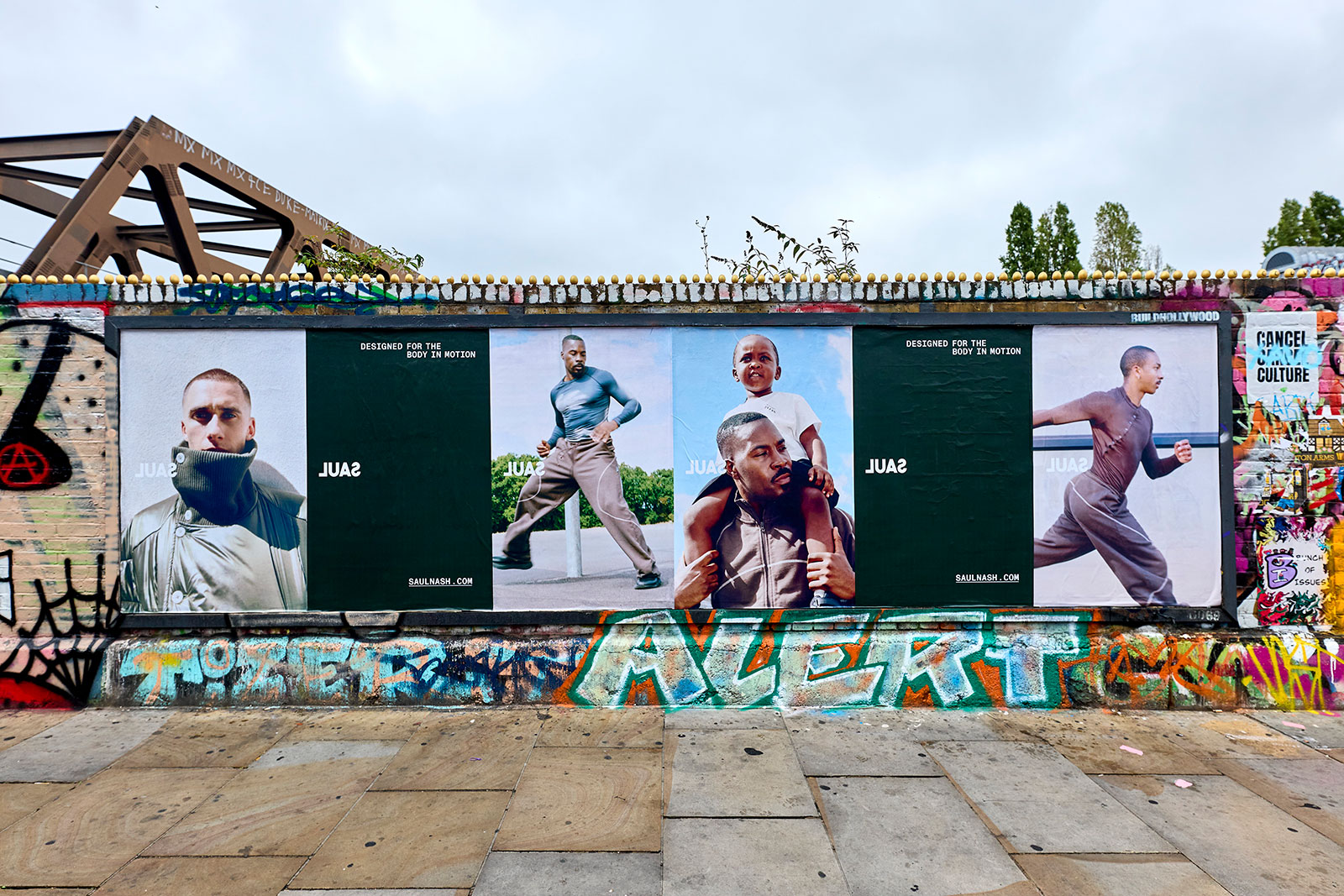
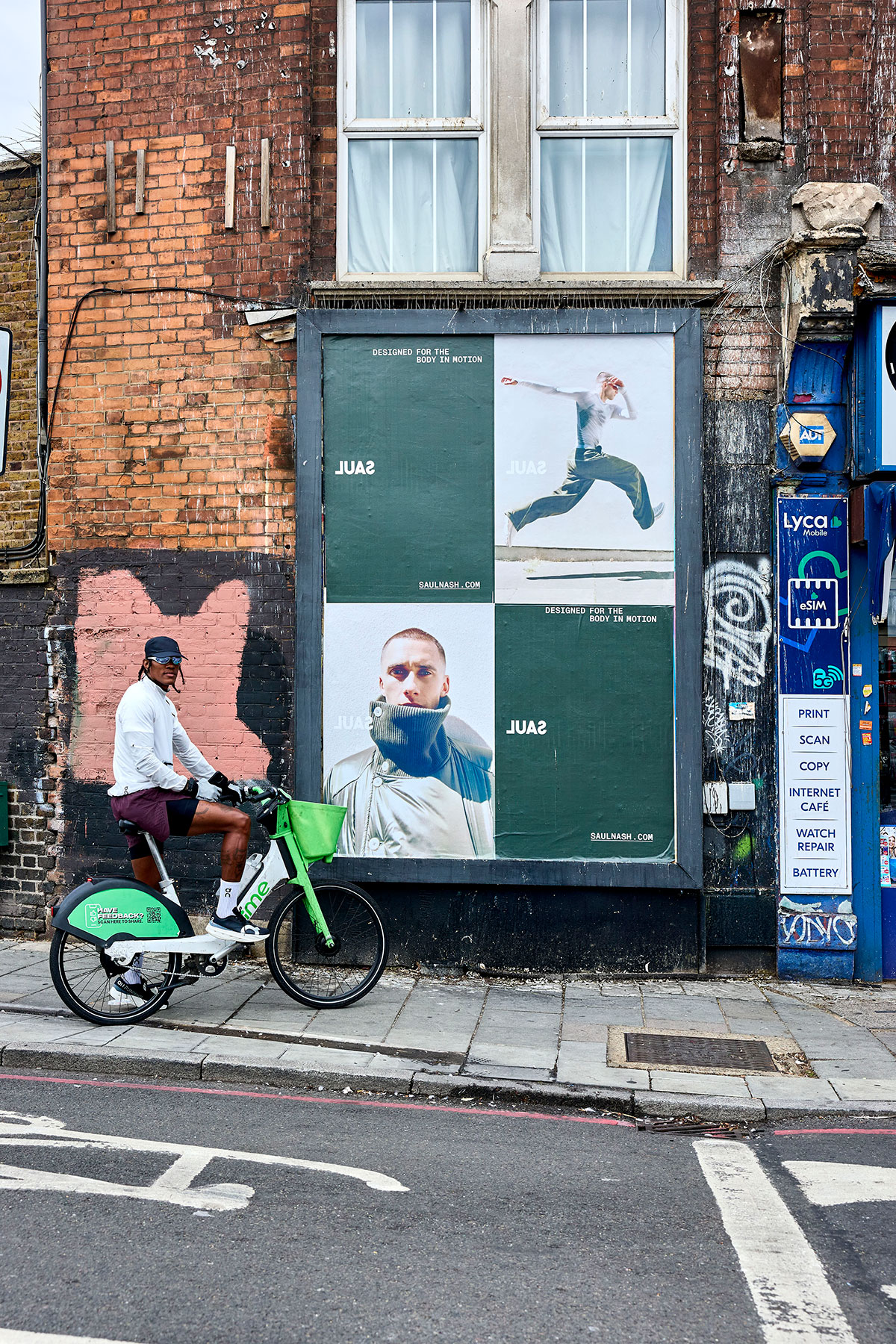
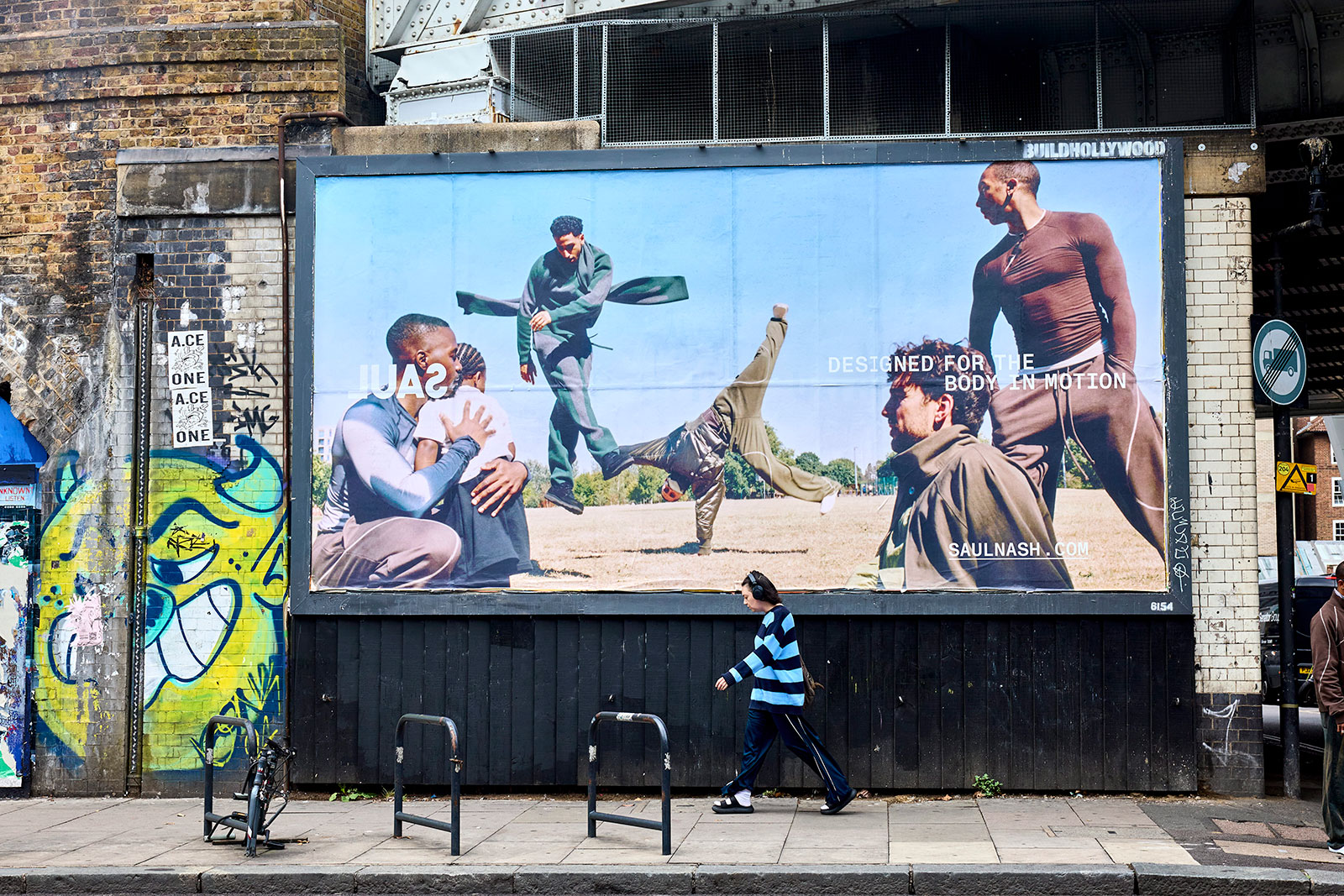
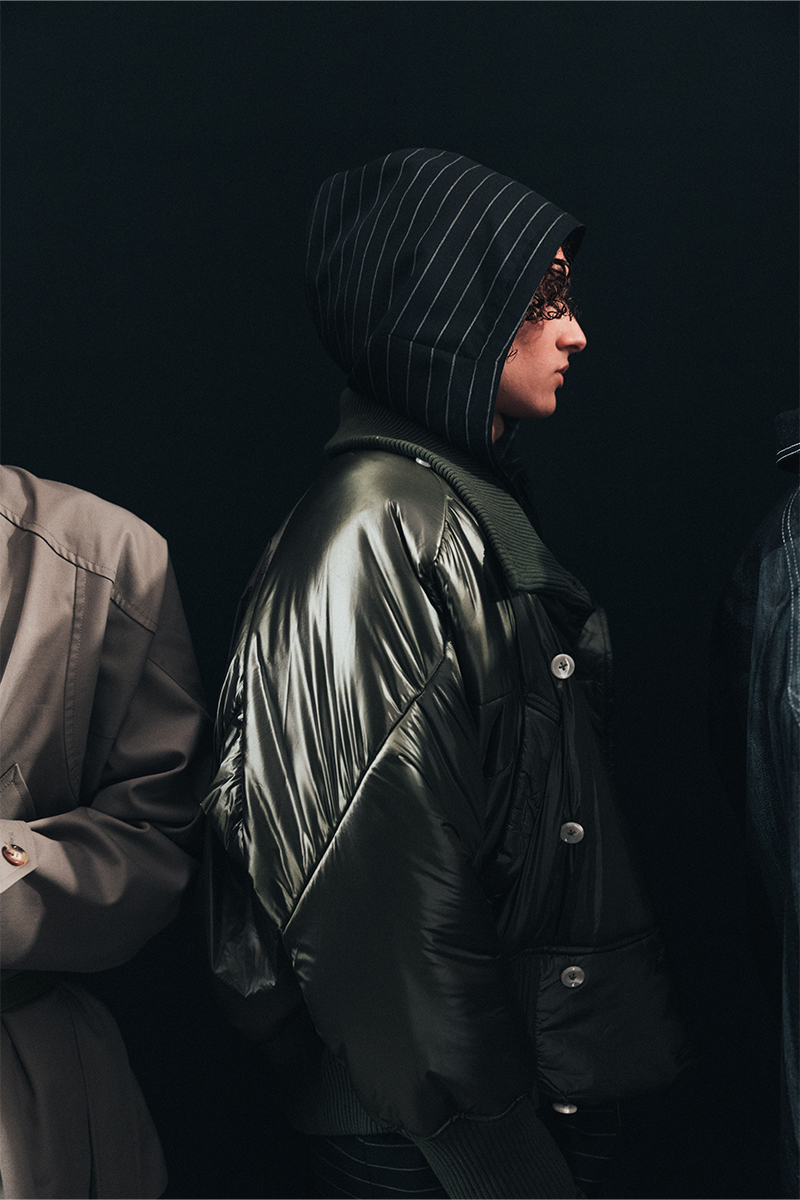
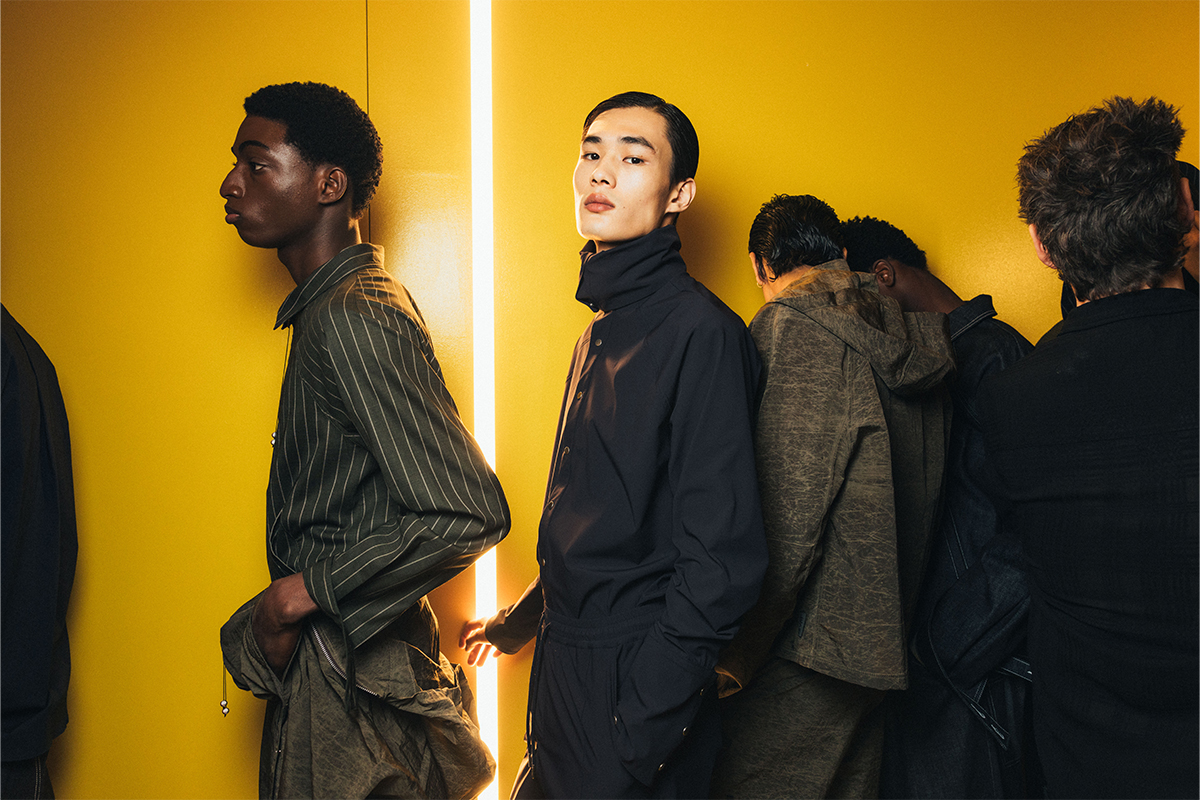
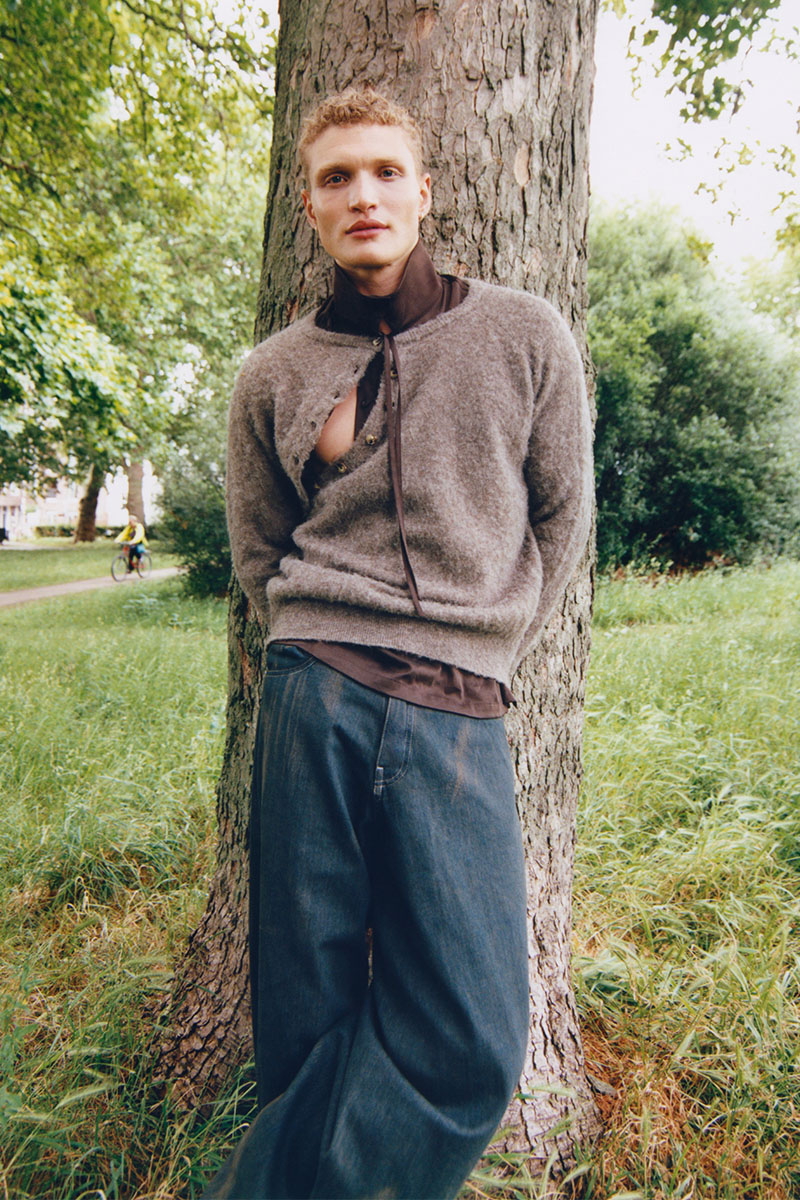
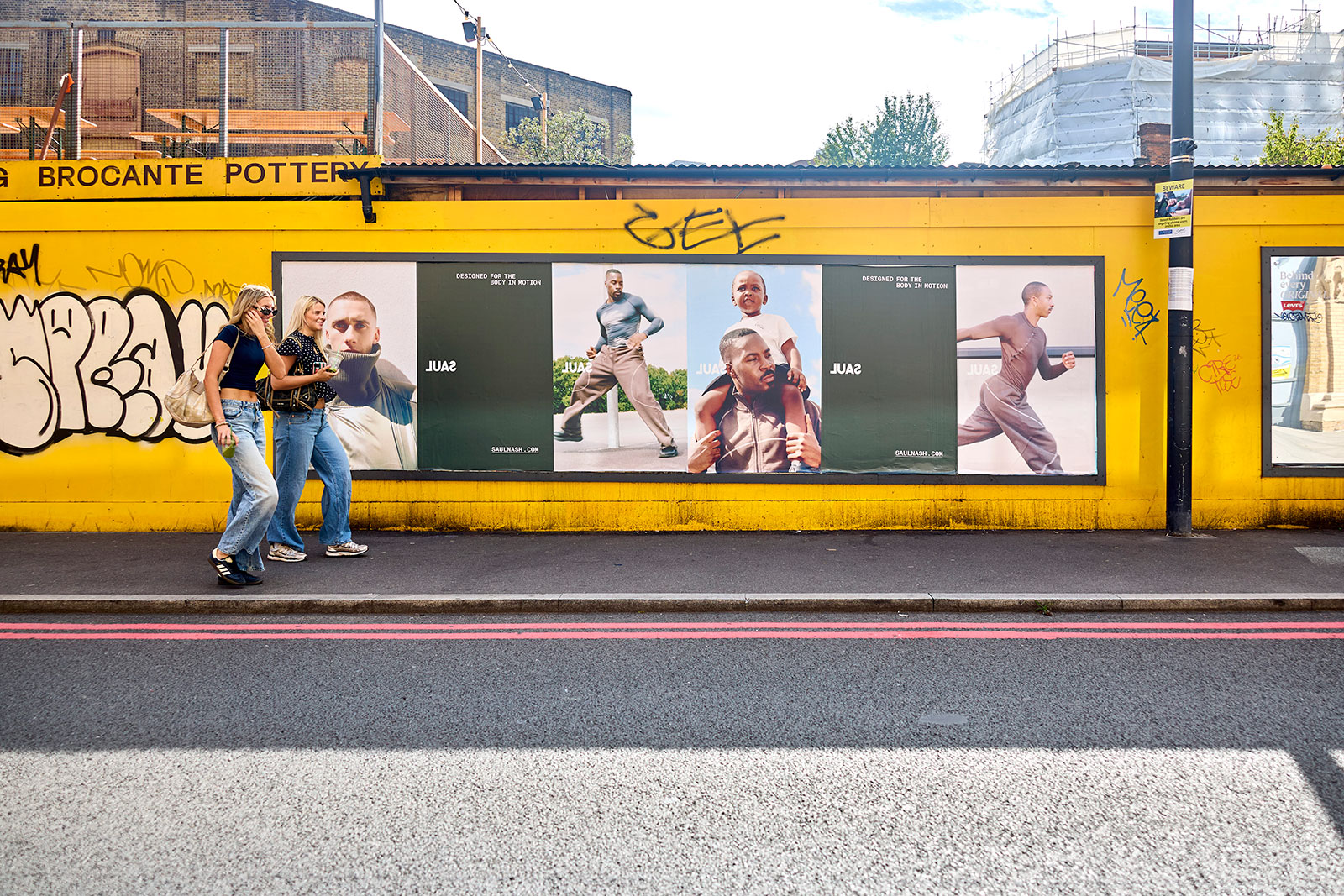
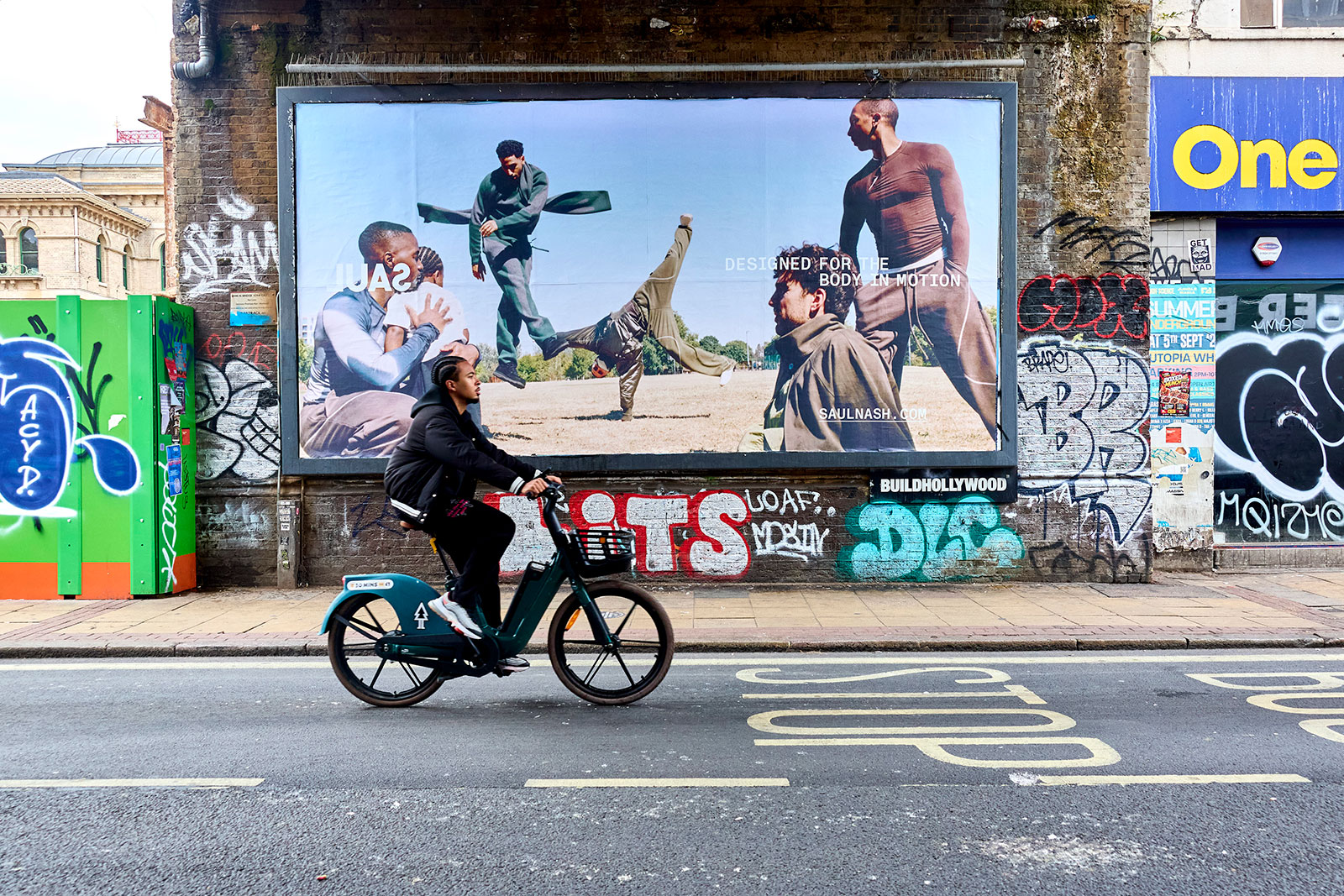
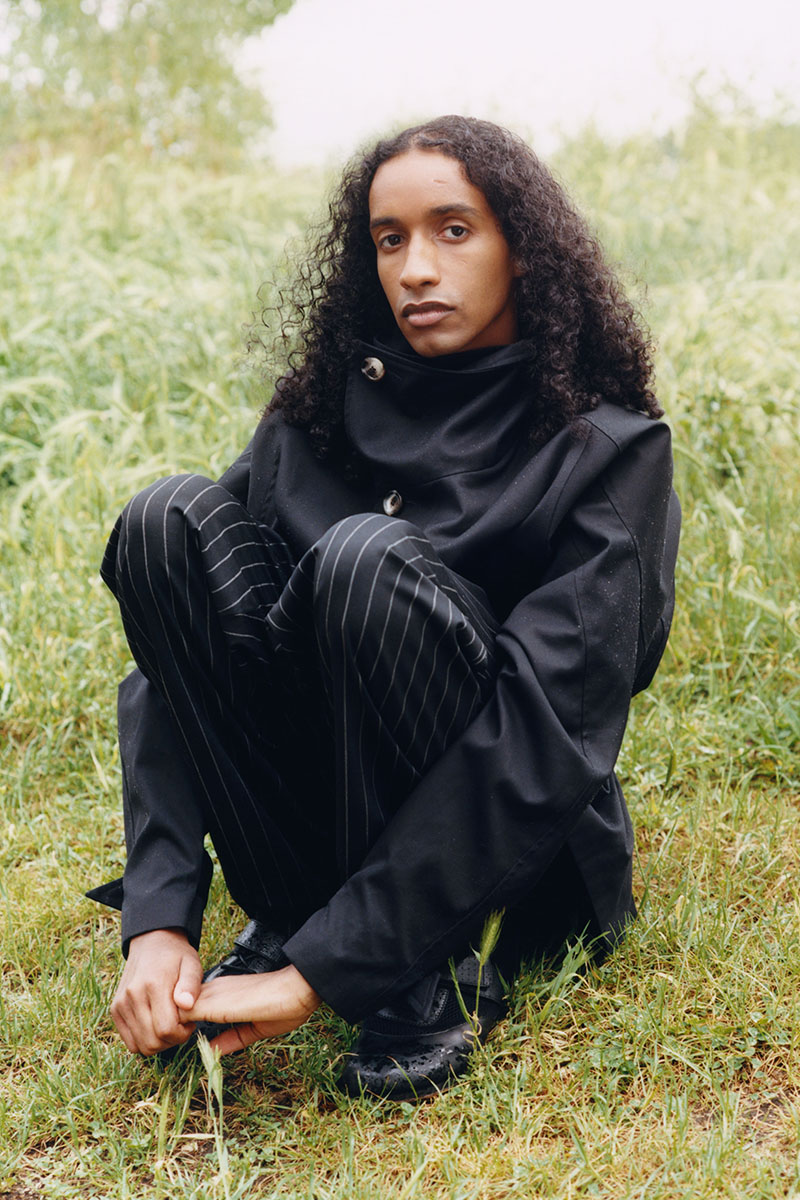
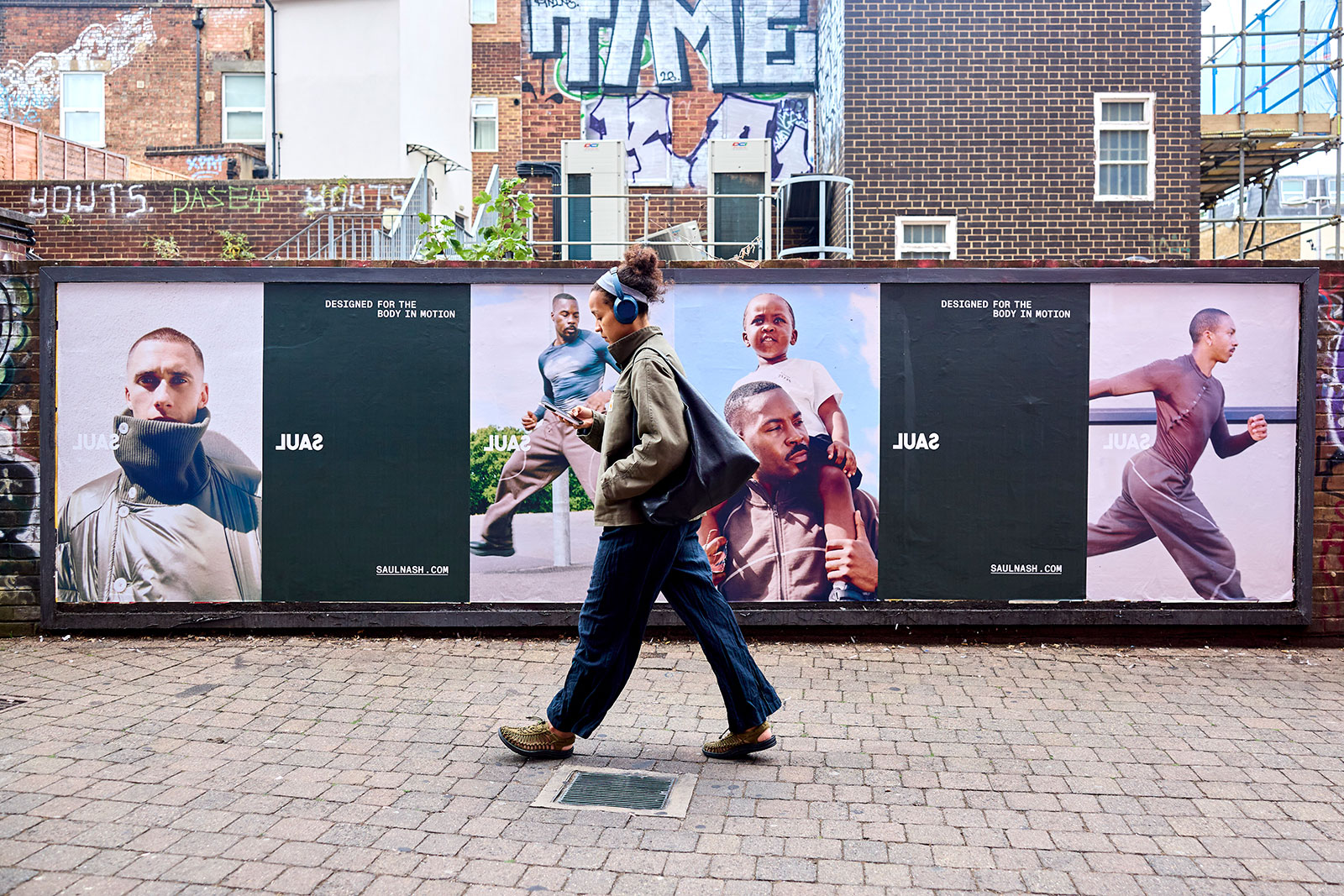
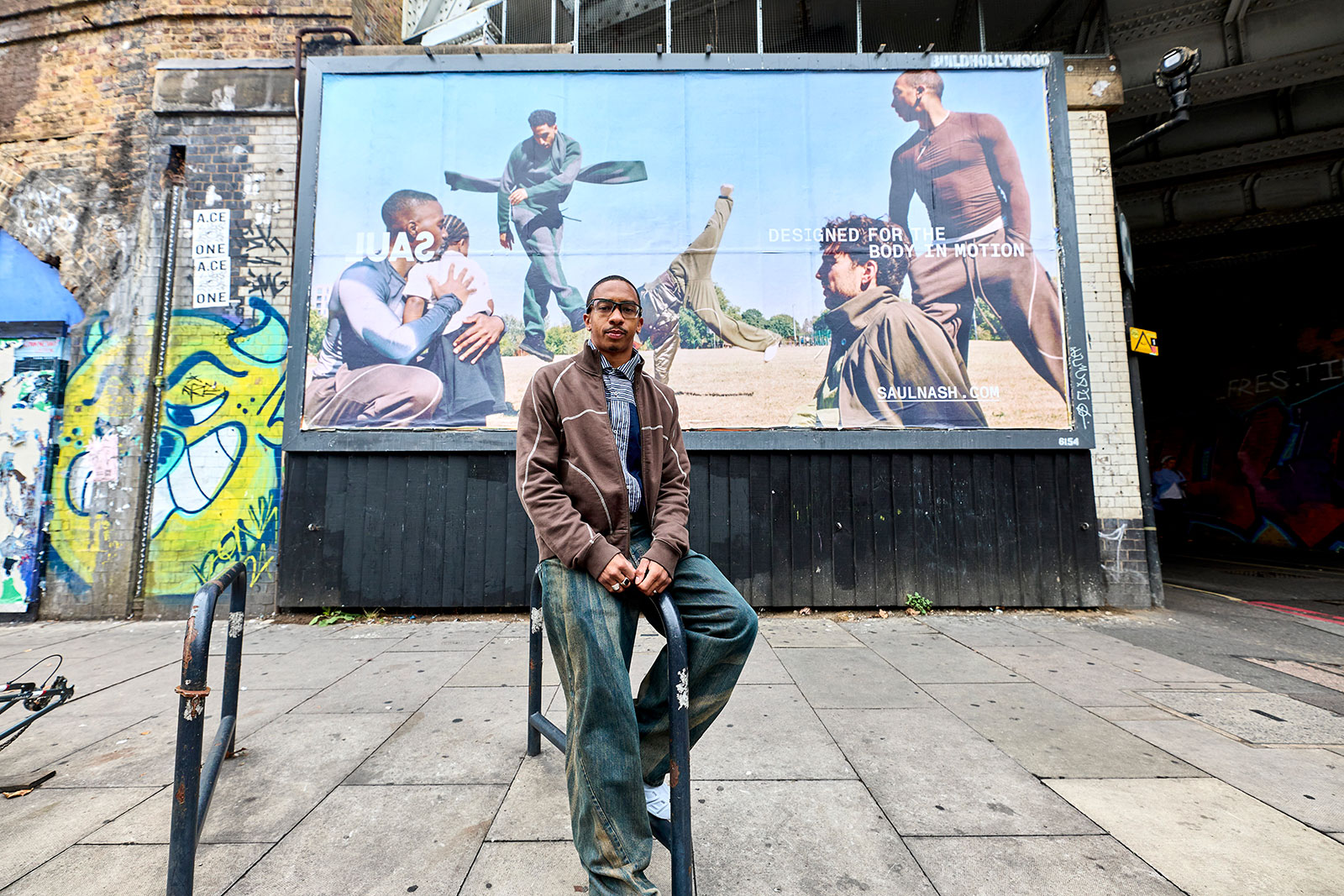
Saul Nash’s neighbours don’t know exactly what he does for a living yet. Soon, they will have a very large clue. This September, the North East London designer will appear on billboards around the part of the city where he grew up, wearing pieces from his Autumn/Winter 2026 collection, Masquerade, as part of a new Your Space Or Mine collaboration with BUILDHOLLYWOOD.

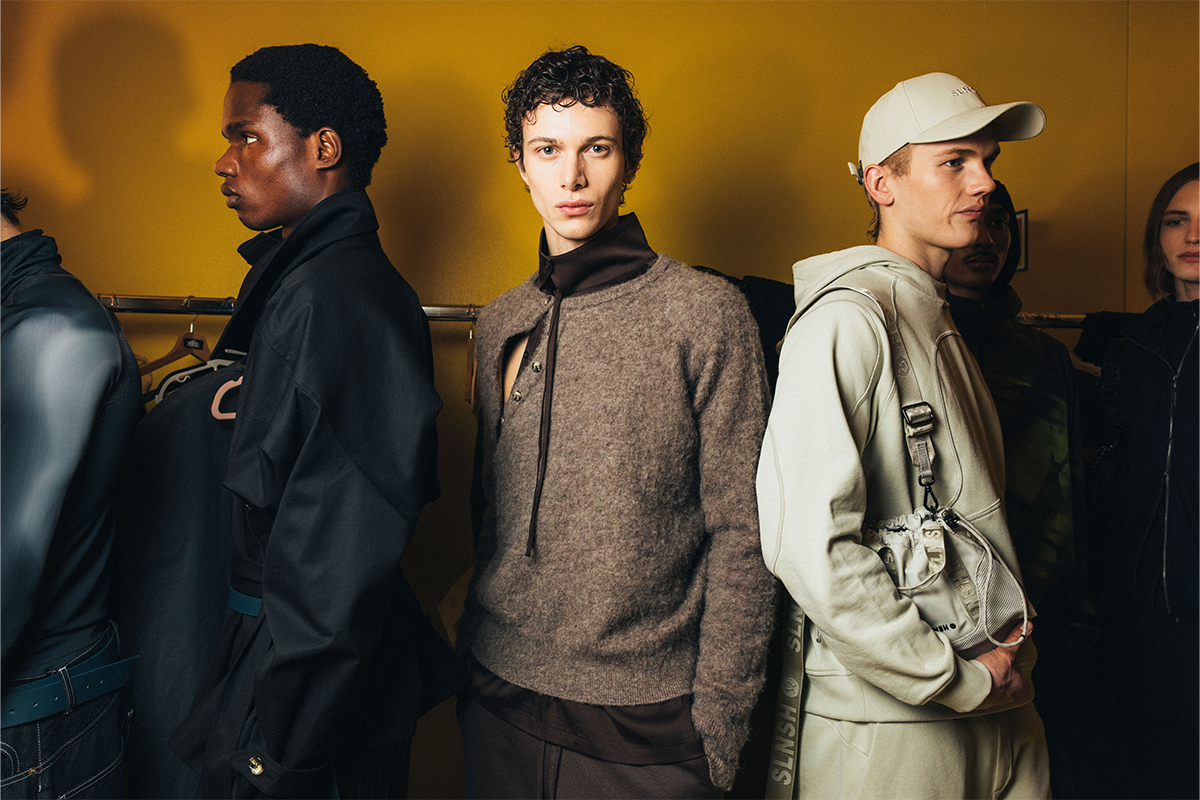
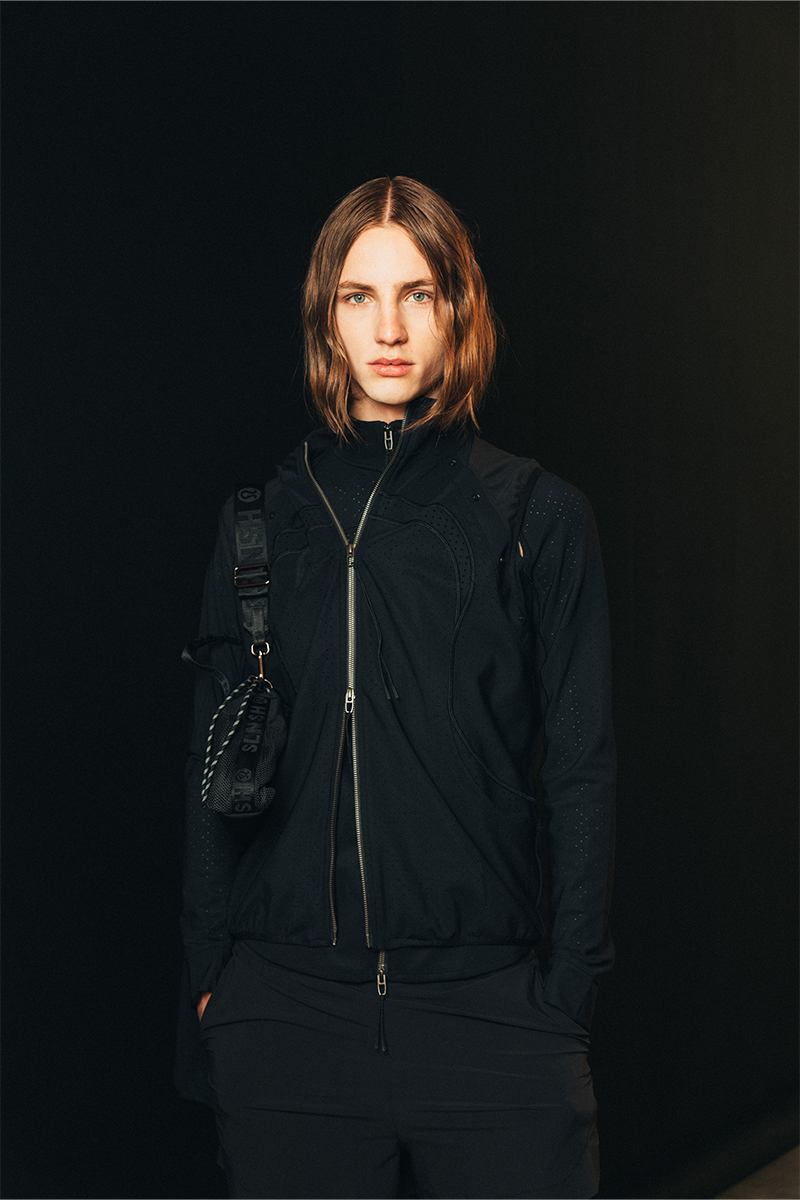
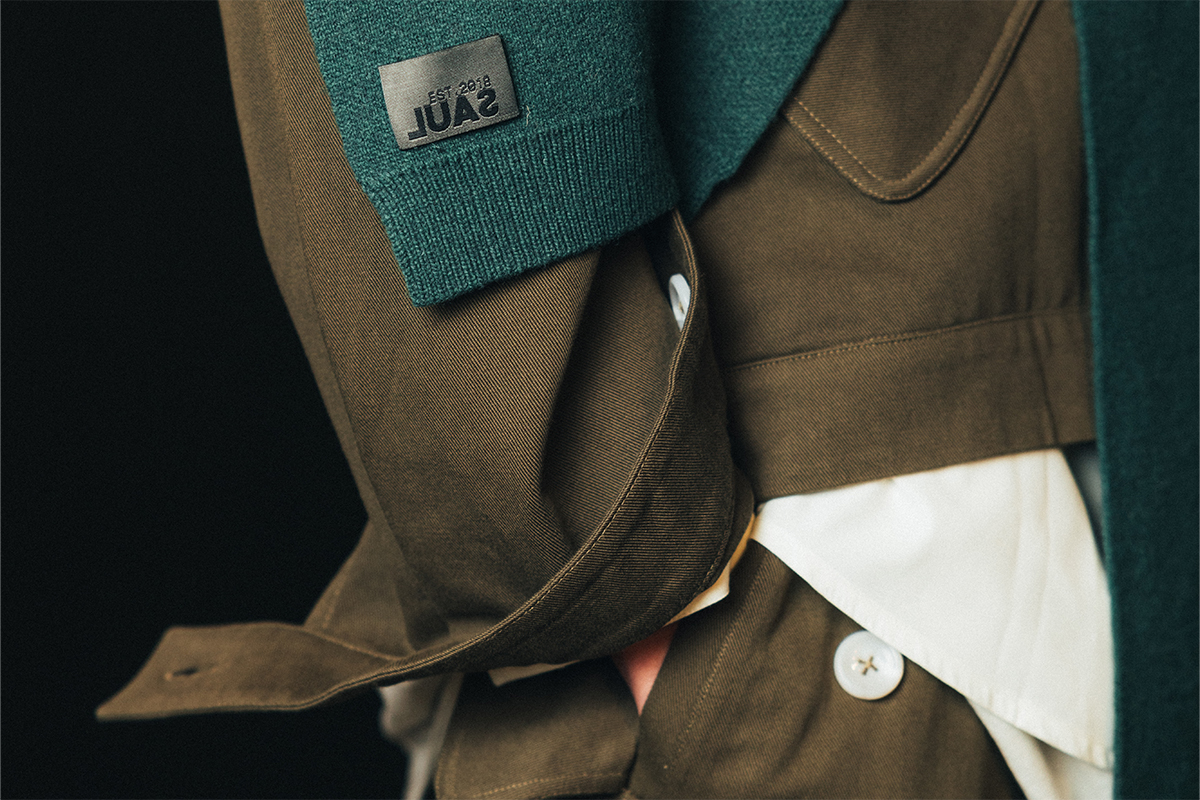
That his day job has remained a mystery locally feels especially funny given the recognition it has earned elsewhere. Nash studied Performance Design and Practice at Central Saint Martins and completed an MA in Menswear at the Royal College of Art, founding his eponymous label in 2018. In 2022, he won both the International Woolmark Prize and the Queen Elizabeth II Award for British Design in the space of a month. His work has since expanded through SLNSH, a global collaboration with activewear giant Lululemon.

None of which appeared to impress his cat, who tried to bite him midway through our conversation.

Nash’s clothes are rooted in movement. A dancer and choreographer before he became a fashion designer, Nash cuts for what he calls the “body in motion”. That can mean testing garments on dancers, but it also means thinking about the social movement clothes permit: how a person is read in a tracksuit, how freely somebody can express themselves and where a garment allows them to belong.

His clothes carry the North East London culture he grew up around, including the Ben Sherman shirts, Nike TNs and garage music introduced to him by his older brother. Today, they might be seen at a nostalgic garage rave with or on the dancefloor of a queer clubnight, spaces with different codes but a shared understanding that clothes communicate before their wearer does.

15.09.26

Words by Greg Stanley
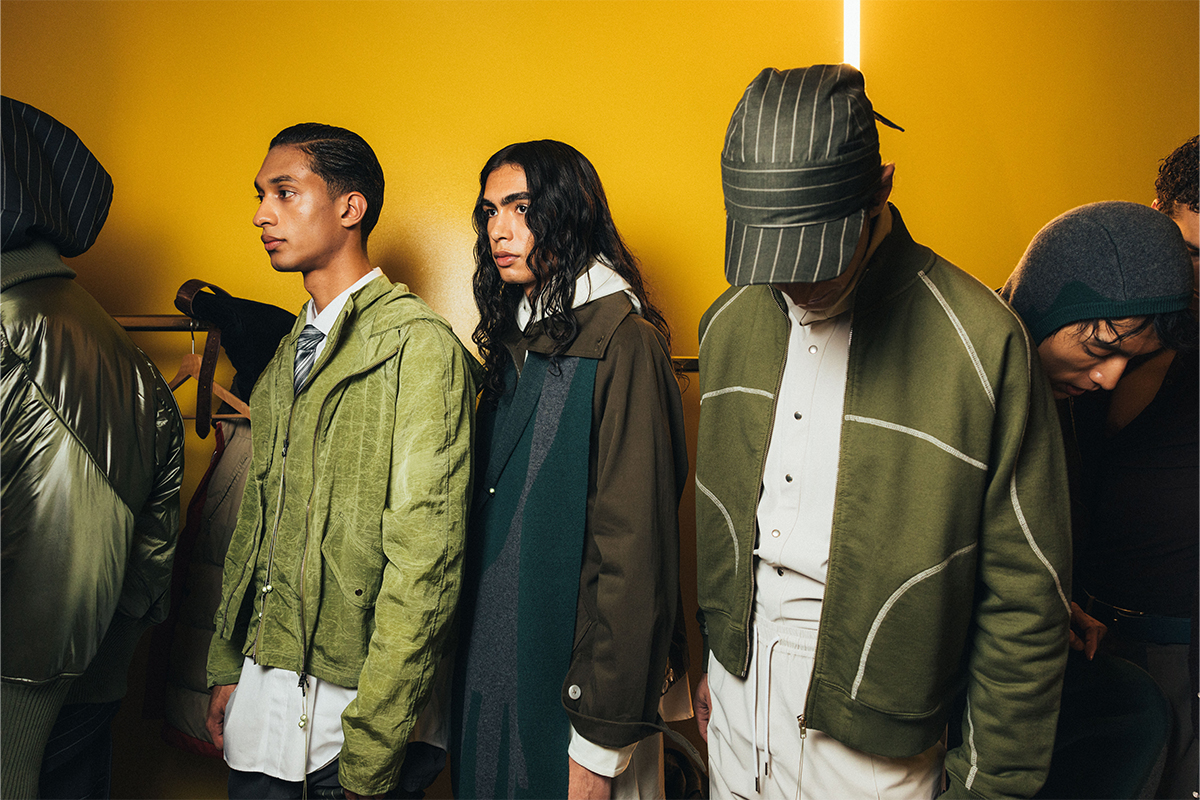
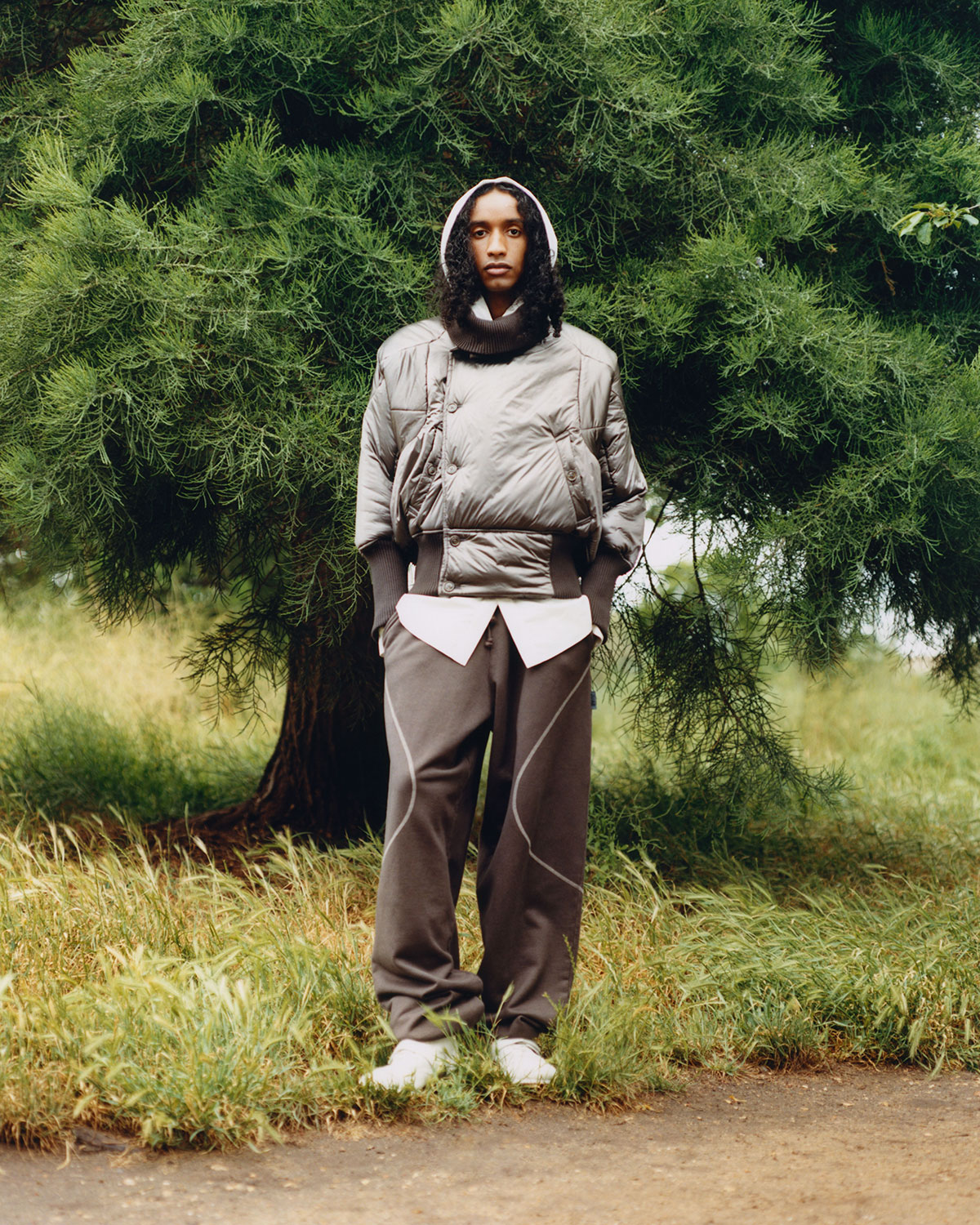
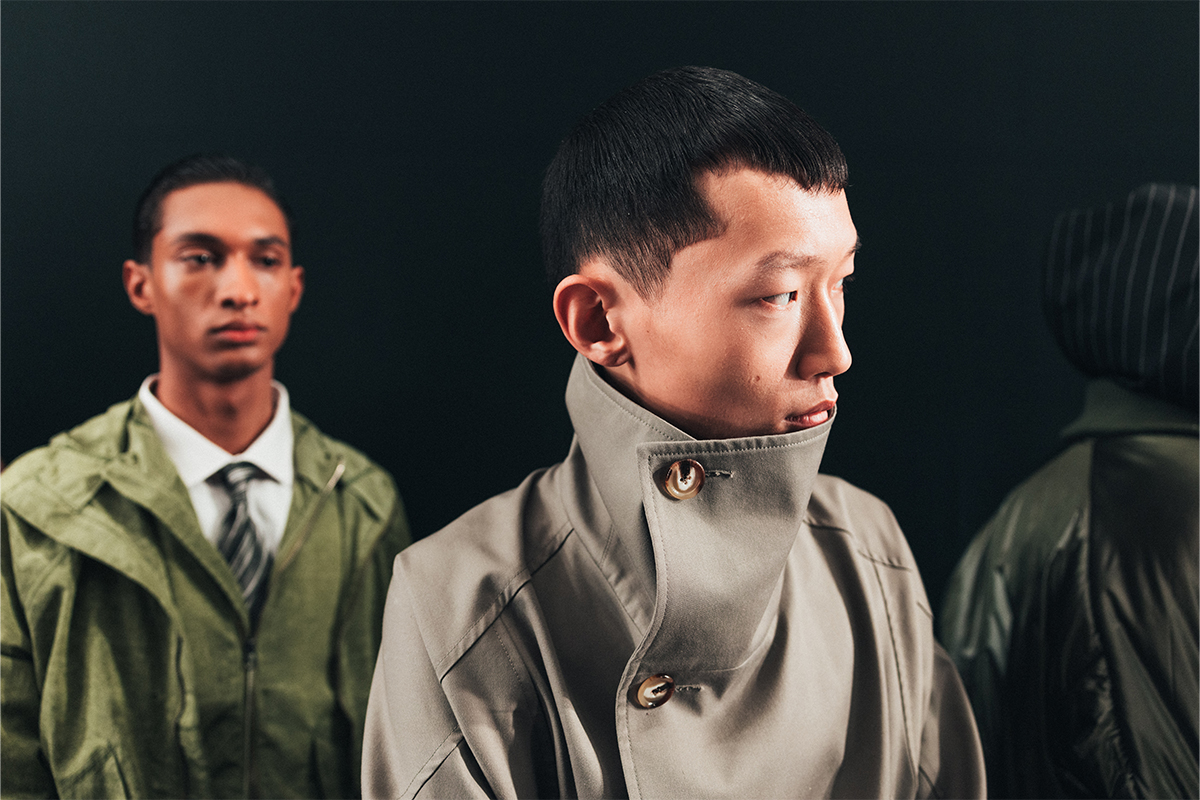
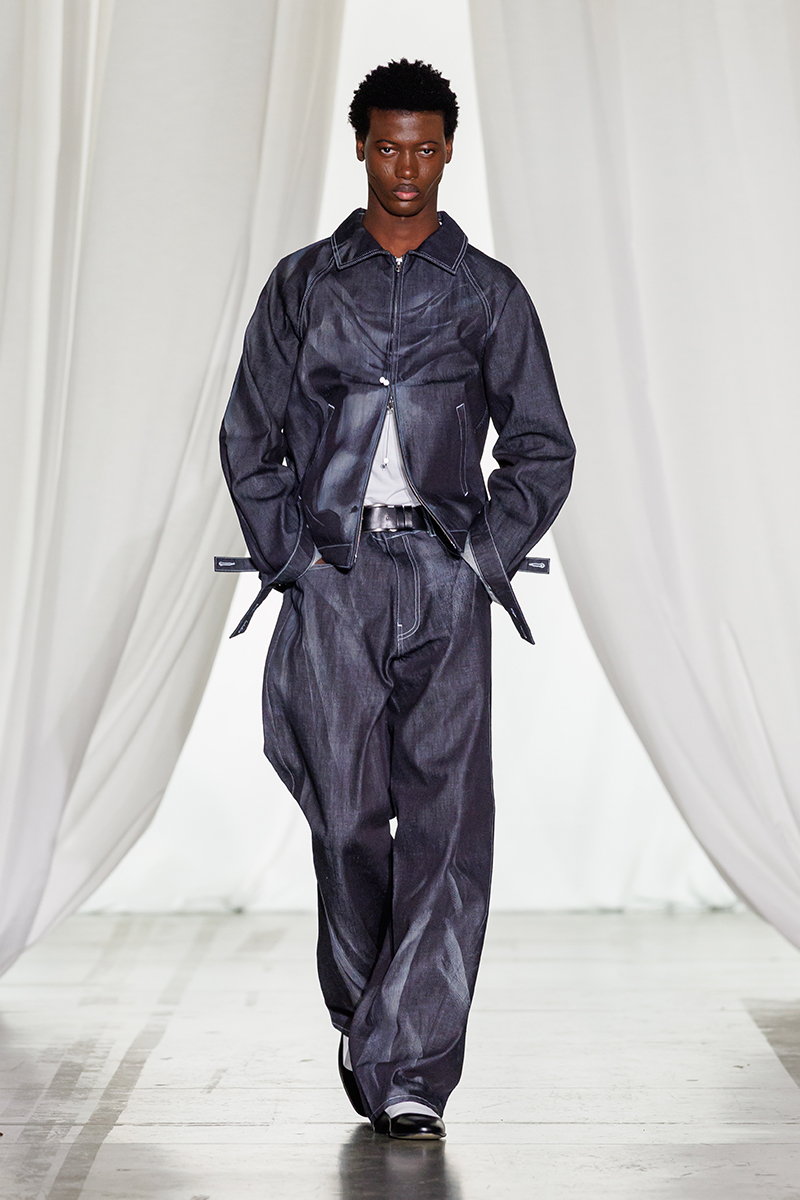
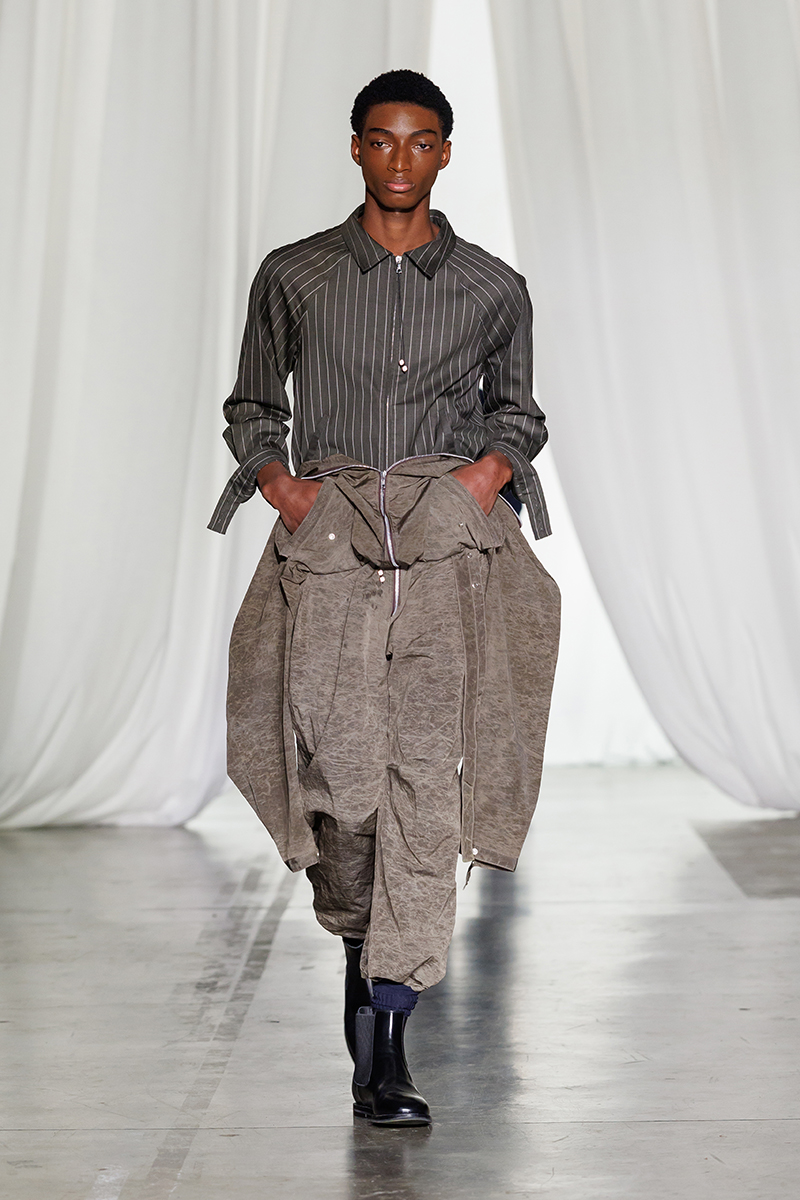
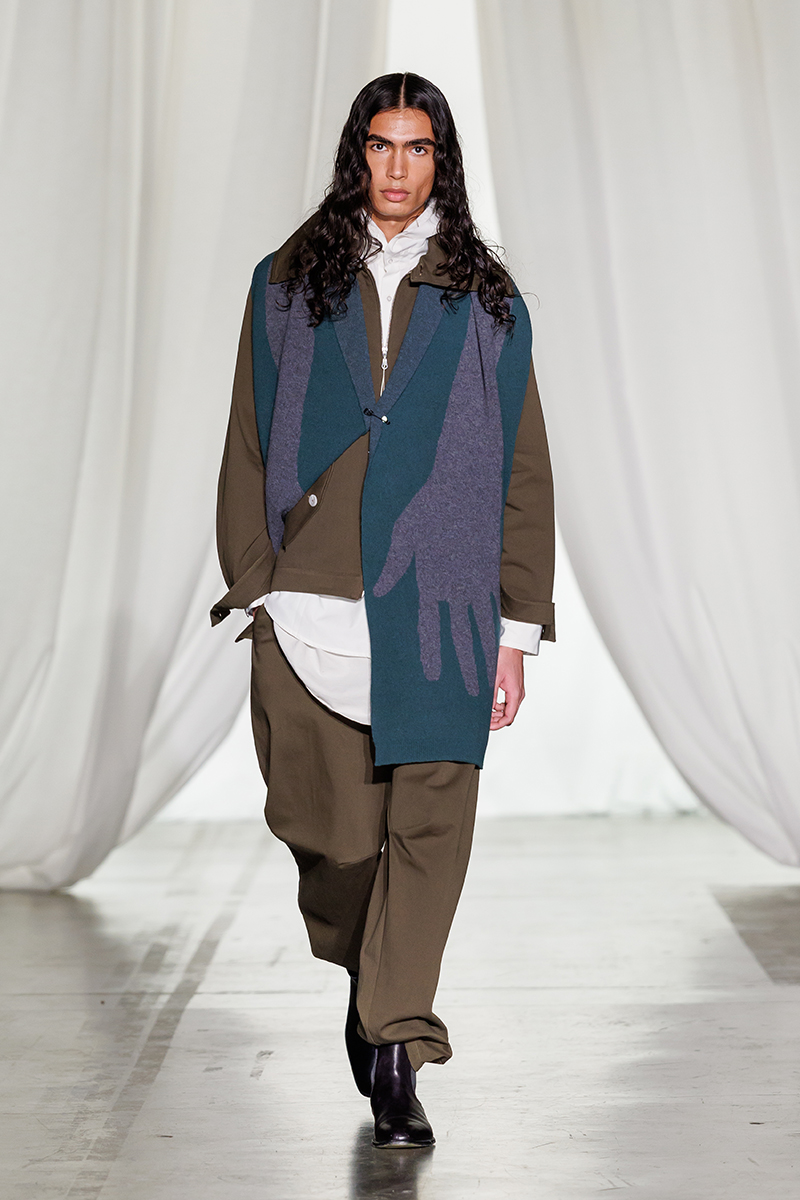
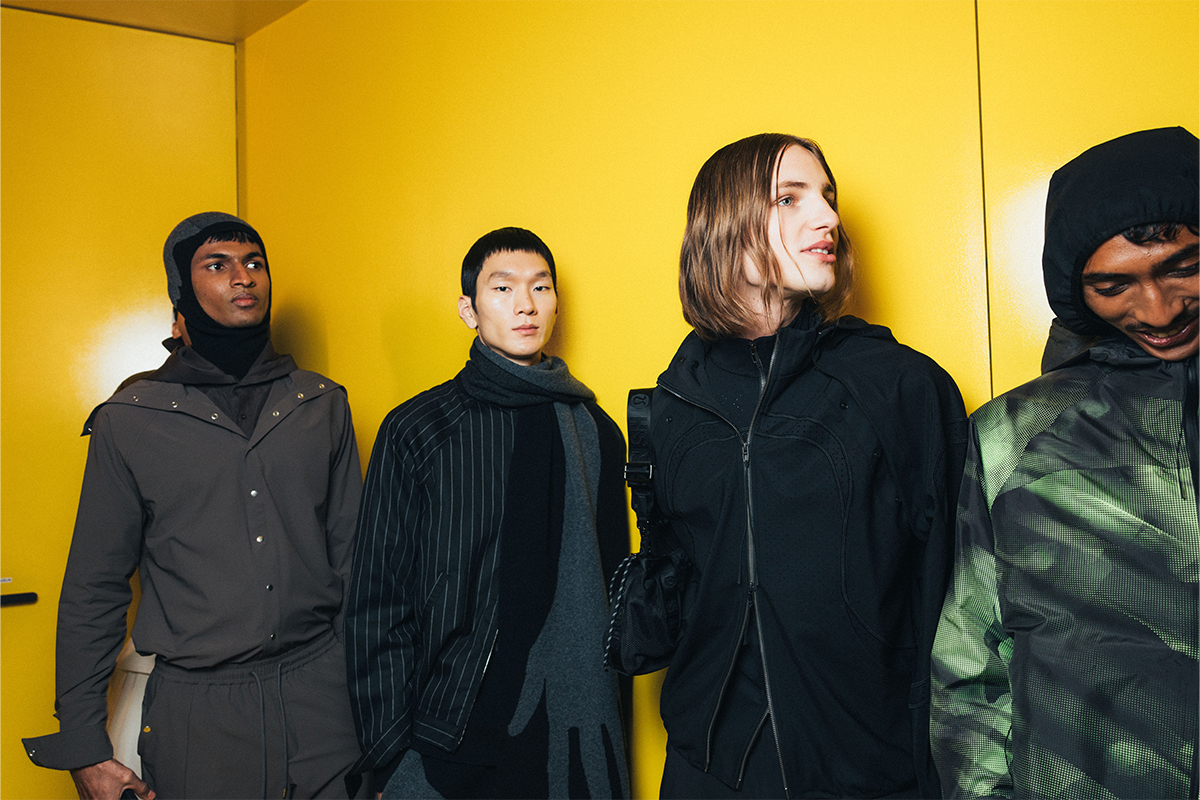
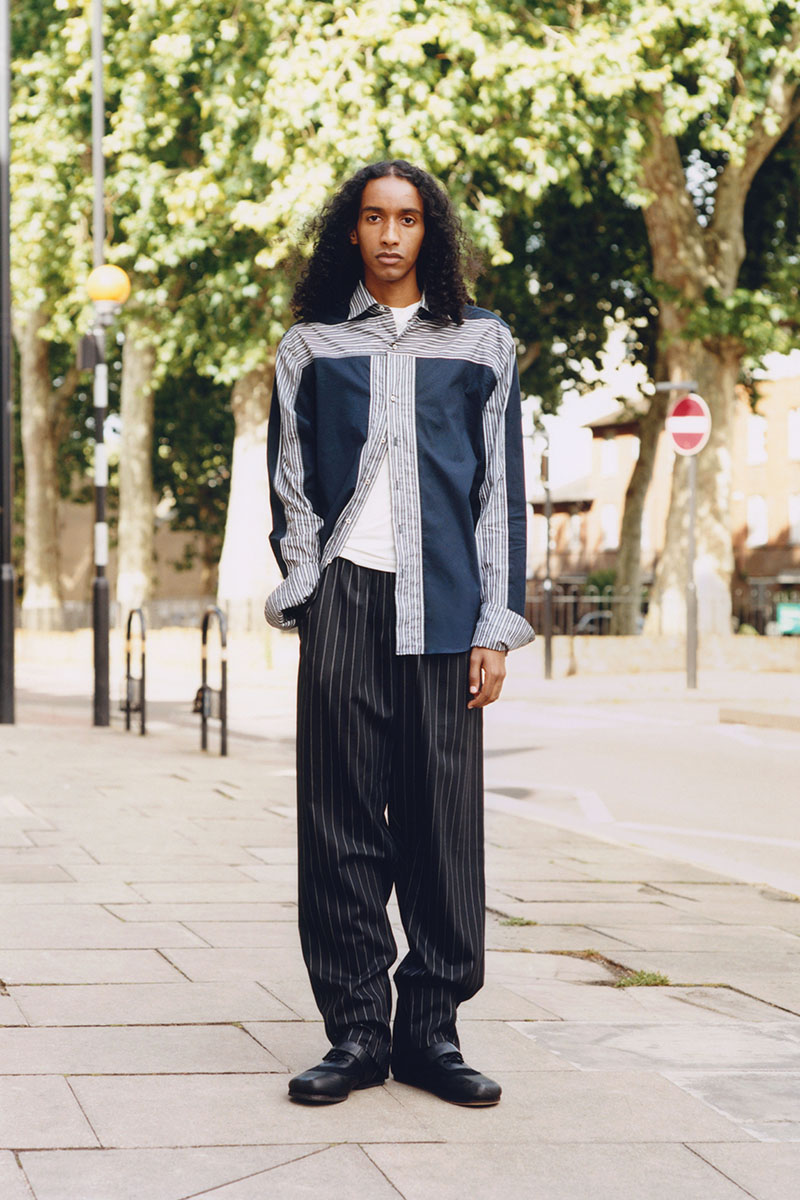
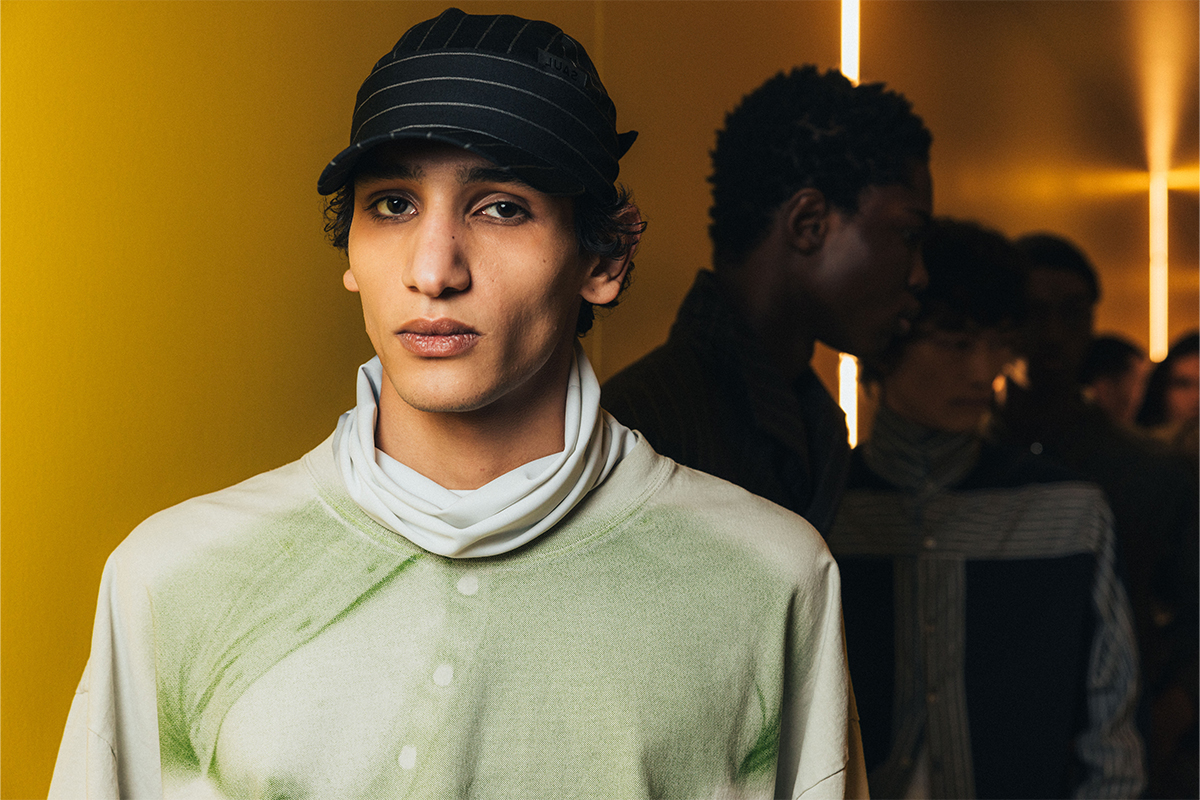
In Masquerade itself, the buttons on fitted Henley tops run diagonally from the collarbone towards the ribs, creating cut-outs that make the torso look as if it is twisting or moving forwards. T-shirts are printed with blurred, muscular torsos, allowing the wearer to put on a physique like a costume. On the aptly named Embrace compression tops, hands wrap around the chest and stomach. In Nash’s words, tailoring and sportswear become “vehicles” through which somebody can masquerade themselves.

After presenting his past four seasons in Milan, Masquerade brings Nash’s work home. Photographed by Laura McCluskey, the campaign traces movement across multiple billboards rather than reducing the collection to a conventional advert. It will coincide with Masquerade in Residence, a four-day takeover of the Truman Brewery featuring the collection, a panel discussion and live performance.

Fashion designed for bodies in motion is about to move through the streets that first shaped it.

Before you were a fashion designer, you were a dancer and choreographer. What did movement teach you about clothing that fashion education couldn’t?

Freedom, in a sense. I’m always thinking about how you can wear something without being aware that you’re wearing it, or without it getting in the way. But my work also has a deeper poetry, which is about the people who wear sportswear and the perceptions around somebody wearing a tracksuit.

I always reference going to the theatre as a kid in a tracksuit and the way I’d be looked at. My brand has always been about elevating the perception of people who wear tracksuits, and creating space for those who don’t want to wear a two-piece suit but still want to feel elevated and smart. You have movement in the physical form, but also movement in the way we think about people, shifting the narrative forwards.

What were your earliest lessons in fashion, and who or what influenced you?

I first studied Performance Design and Practice at Central Saint Martins, where you could do anything as long as there was a performance at the end. My entry into fashion came from that interdisciplinary environment. I always loved fashion, but the designers who influenced me were people I discovered later.

I went to the Royal College of Art after discovering Zowie Broach’s work and loving how she used ballet to express fashion. I’ve also always loved Issey Miyake’s work and the way he looks at movement.

When I was young, I looked to my older brother as a reference for fashion. In his day, they wore Ben Sherman shirts and (Nike) TNs, and he was really into garage. My view of fashion started with London street culture and my lived experience of it. At art school, I began to formalise that and cross-reference it with the designers I discovered along the way.

Because performance was about building a world, I went into fashion quite naively. At the RCA, I started thinking about the tracksuits I’d worn and playing on sportswear. I then won a project that took me to work for a sports company, which is where I learnt about performance wear. My entry into fashion didn’t begin as fashion. It grew into what it is.

What have club culture and garage taught you about the social meaning of clothes?

When I talk about garage, I was very young, so I saw it through my older brother’s eyes. When I started clubbing myself, I was going to very inclusive spaces, where you’d see all kinds of ways of expressing yourself. I found that really interesting because I don’t want to dictate to men that this is how they should dress. I want them to be able to find themselves within a spectrum of it.

There are so many facets of me that inform my clothes: my community and my people, growing up in London and being a queer male. They might not directly inspire what I design, but then I see those people wearing it. When I go clubbing, I see people wearing my vests and tops.

It’s important that the work resonates with different people. If you’re going to a garage party with a strict dress code, you’ve got something to wear, but in a queer club, people wear my vests too.

How do your Caribbean heritage and family life enter your work?

What I create is conceptual. I take the root of something, then engineer it through my own lens. A good example is AW22, Ritual. I was looking at rituals in my Guyanese upbringing and ideas of spirituality, but chose to express that through a barbershop because that’s my connection to ritual.

I did a lot of research into Guyanese folklore and folklore across the Americas, but what I make in the end is a modern, technical product. There’s a lot of thinking behind it, but it will be worn on the street as a tracksuit or as a shirt and tie. My whole body of work isn’t based on that part of my identity, but all these different elements come together to shape the way I see clothing.

At what point does movement enter your design process, and how do you test it?

Something I discovered quite early on was kinetic cutting. With the more active pieces, that came from bringing dancers in and testing the clothes on them and seeing how they stretch, because the body has to perform in those pieces.

With pieces that go beyond activewear, it’s also about everyday wear and the way people move in them. While they’re still cut and engineered for movement, the intention is to consider how somebody can wear them in a way that feels free. For example, our jeans have no inseam, so when you sit down they don’t pinch your inner leg.

Some pieces blur the line between activewear and fashion and are engineered with dance in focus. With pieces that go beyond that, movement still anchors the design philosophy, but they enter an everyday context.

Your SS27 campaign took place in a sports hall. What did that setting allow you to explore?

We started to return to a lot of the active silhouettes that we’d looked at previously. Some of those silhouettes might not have been seen by our audience for four years, but they’re now seen through the lens of the man today. How would he layer those pieces with tailoring, and what kind of things would he do in them?

We were questioning what the modern male pin-up is, and the sports hall was a really nice place to present that. I was thinking about the things that people do and how they move today, like calisthenics or weightlifting.

Your work finds freedom within codes associated with masculinity. How has your queerness shaped the way you approach those codes?

I would say through sensitivity. It’s not about showing men in this hard and aggressive light, but showing that they have a choice in how they want to express themselves. It’s about creating an open forum for men to choose.

A good example is our asymmetric Henley. If somebody wants to wear it open, they can, and that’s one way to express it. If you close it, it’s a bamboo jersey top that you could wear hiking. It’s about allowing people to adjust the clothing and put it together how they want, which allows them to express their own identity.

We change as people too. The clubs I’ve been going to for the past three or four years might not be the same as the ones I went to before. As I experience new things, my work updates to reflect them. In lockdown, for example, we were all wearing tracksuits. As a brand, you evolve and look at what’s relevant to the time. It causes me to question what a pair of jeans would look like through our design codes and the people who wear them.

Where did the idea for your AW26 collection, Masquerade, begin?

It started with Carnival. I became curious about tracing the roots of it, which brought me to the masquerade balls in Venice and then Europe more generally. The collection looks at tailoring and sportswear as vehicles through which you can masquerade yourself.

There are layers or prints of a strong body on a T-shirt. If you haven’t got a strong body and you put it on, it’s like wearing a costume. It was all a play on that.

Personal themes allow me to go deeper and research things further. I discover things I didn’t know through the design process, and I think the outcome is richer when it comes from that place.

The campaign was also about bringing the collection back to London. The billboards are going to appear where I grew up, so it’s a nice full-circle moment. I’ve been showing in Milan for the past four seasons, so it’s good to bring it home.

What does Fashion Week offer an independent designer that a campaign, film or online release can’t?

Fashion Week is a platform that gives designers visibility and the ability to show their collections. There’s a lot of press associated with it, so many designers benefit from having that platform to present their collections in motion. Physically coming to a show, seeing a collection in person and seeing how the clothes move has a different feeling to seeing digital imagery. But it isn’t always essential. It depends on the brand and what it does.

The industry is shifting because people’s buying habits are changing. I wonder if, in ten years, the way fashion is consumed or presented will change. As a brand, you have to do what’s right for what you’re creating. It’s easy to think you need everything other people have, but the key is understanding what’s relevant to you.

You created original imagery with Laura McCluskey for this billboard campaign. How did you approach making photographs for the street?

Laura and I had been talking about working together for quite a while, and I really love how she captures movement. The billboards have quite a cinematic feel.

We didn’t want to create billboards that simply felt like they were trying to advertise something to you. We wanted people to look at them and relate to the episode they see, or follow and trace the movement across multiple billboards. It’s been an exciting project. While it’s important for us to build brand awareness outside the fashion industry, it has also been fun from a creative standpoint.

You also appear in the campaign. What does it mean to see yourself at billboard scale in the part of London that shaped you?

I was reluctant at first. My neighbours are going to see it, and no one really knows what I do as a career. But Laura was very good at talking me into it, and then it made sense because my brand has always been a reflection of my own perspective. It’s almost a way of checking in with the point I’m at now, so it’s quite a nice thing.

I’m really happy that we’ve managed to make the campaign happen with BUILDHOLLYWOOD. As much as we appreciate and love the fashion audience, it’s nice to expand into people who might not follow fashion but could really love what we do and create.

You’re also taking over the Truman Brewery for four days with Masquerade in Residence. What did you want that to add to the moment?

We’ll be selling the collection there, but we’ll also be hosting a panel discussion and a live performance. We wanted to really celebrate the moment. Although it isn’t necessarily the same activation as the billboards, it’s something else happening while they’re live.

What do you hope somebody who knows nothing about Saul Nash or Fashion Week might feel when they encounter the campaign?

I hope they feel moved by what they see. Maybe they can’t really explain why they feel moved, but they feel encouraged to discover more. That’s why we didn’t want to create a purely advertising-led billboard. We wanted to make something quite poetic.

What do you think London’s greatest influence on global fashion has been, and does it still give young designers the conditions to have that influence?

The difficulty is that London is becoming more expensive to live in, and I think we’re seeing the government put less funding or emphasis into the arts. You do see a difference, but overall the spirit of London is still here.

Historically, what makes London special is the raw creativity. People are good at expressing themselves regardless of what resources they have. They just make it happen, which is inspiring.

Previous article

Marathon Season: Hit The Ground Running

Next article

Partnerships

The Legacy of Handsworth Self Portraits