Newsletter

Join our mailing list for latest news and features

Build Hollywood

Build Hollywood

Build Hollywood

Build Hollywood

Partnerships

Up the Youth Club: Emma Warren on her latest book and the right to connect

“What is wrong with the street? The street is a good place.”

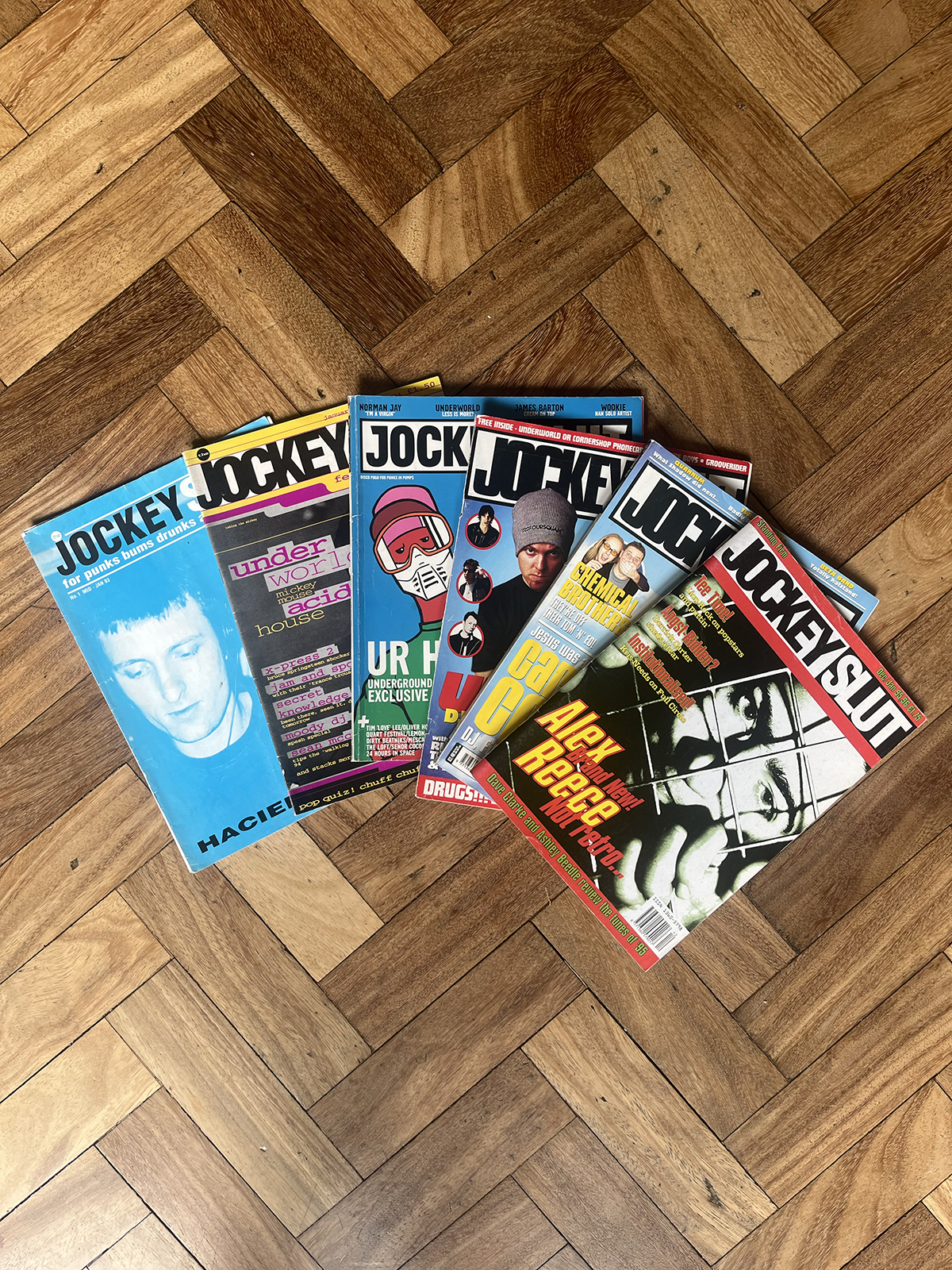
Those are the words of Emma Warren, an author and cultural documenter whose work centres lived experience — both her own and that of the people whose stories she helps preserve. A teenage diary-writer, she became immersed in music journalism through the influential Manchester magazine Jockey Slut, writing from within the culture unfolding around her: on its dancefloors, inside its record shops and among the people building it. Across her subsequent work, oral histories are spoken, dances are danced, tunes are chosen and memories are collected.

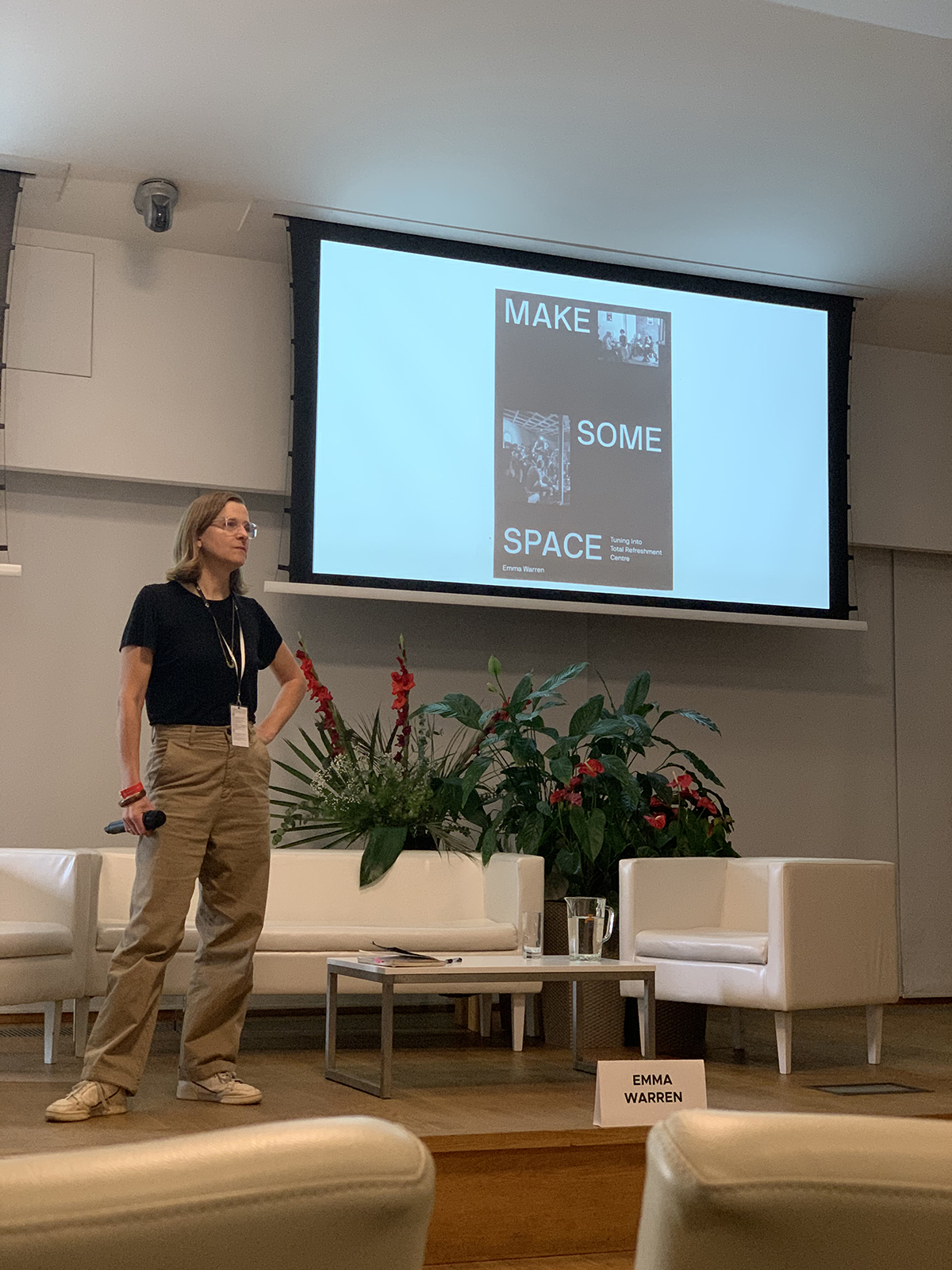
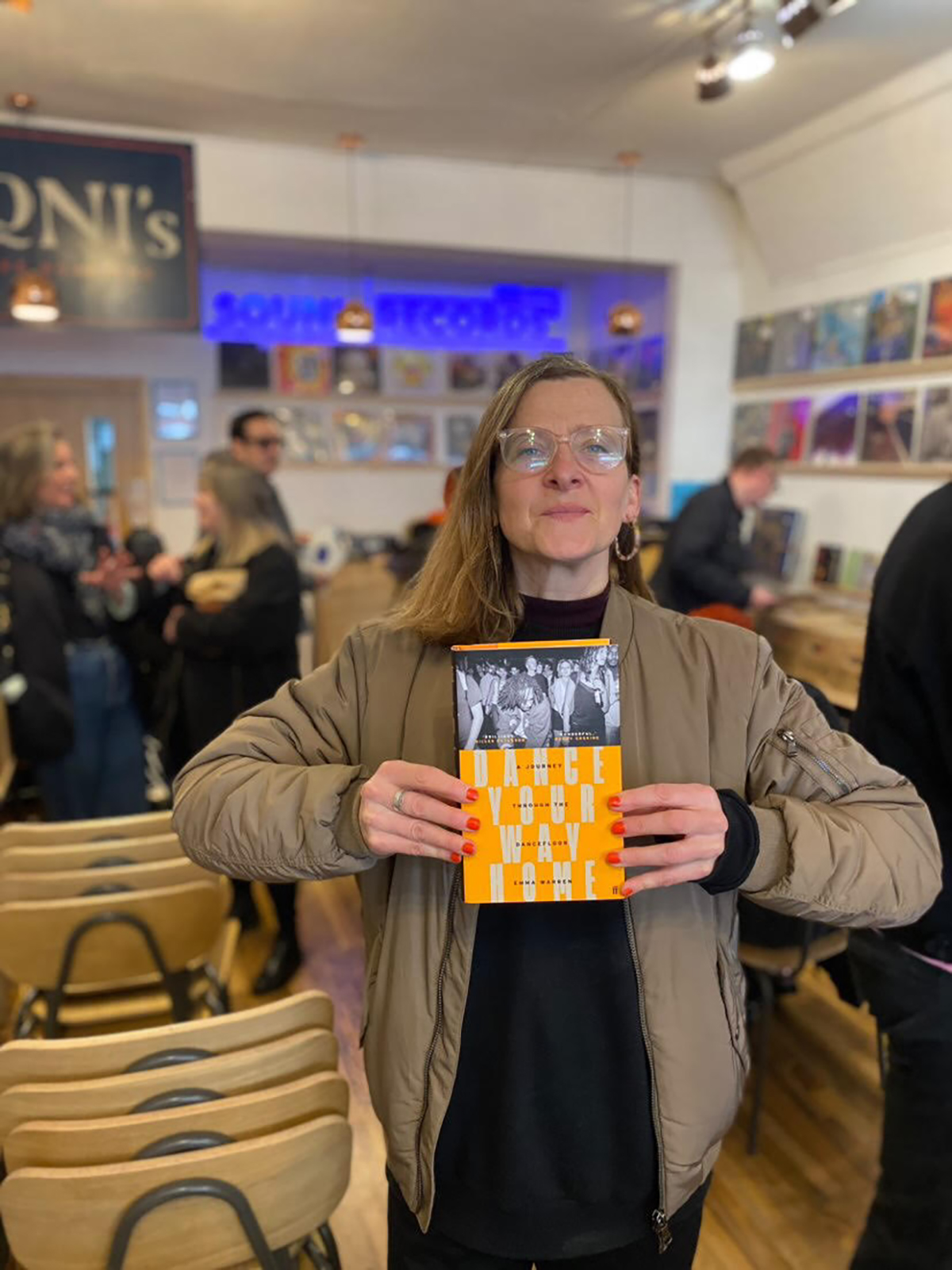
Her books form what she describes as a family. The independently published Make Some Space told the story of London’s Total Refreshment Centre, a quasi-youth club for people in their twenties that became an incubator for London’s resurgent jazz scene and a blueprint for artist-led spaces built around collaboration and community. Dance Your Way Home explored the dancefloor as a site of history, identity and belonging. Its chapter on youth clubs opened the door to Up the Youth Club: Warren’s cultural history of spaces whose enormous influence on British and Northern Irish music, culture and society has often gone undocumented and “under-understood”.

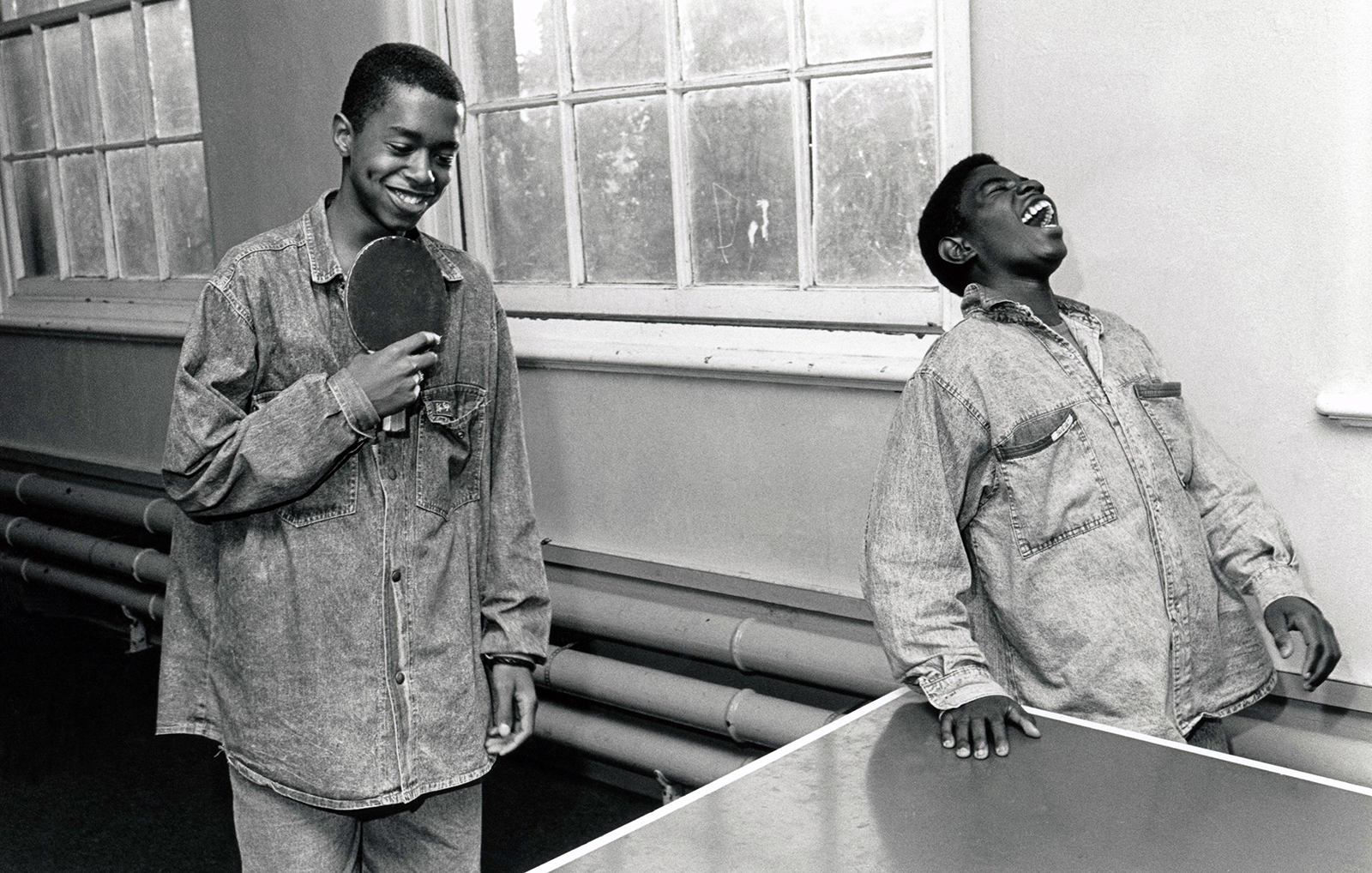
The notion that youth clubs exist to “keep kids off the streets” is not expanded upon but rejected. Warren argues that conflating youth work with violence reduction is racist and classist, and that young people should not be treated as a problem to contain. There are sound-system operators, pioneers of music genres and Mercury Prize winners in the story, but also ping-pong champions, pool tables and cups of squash.

Originally published in September 2025 and now available via Faber as a paperback, Up the Youth Club: A Love Letter was the catalyst for the conversation in this feature, and it celebrates youth clubs as a kind of engine room: not only for famous success stories such as The Specials and Little Simz, but for generations of young people finding shelter, sustenance and stimulation. It also warns that their dwindling numbers, largely due to austerity and funding cuts, should be of serious concern to us all. Or, as Warren puts it: “If the cliché was ‘get young people off the street’, I think the actual point of the youth club now is: get young people out of their bedrooms.”

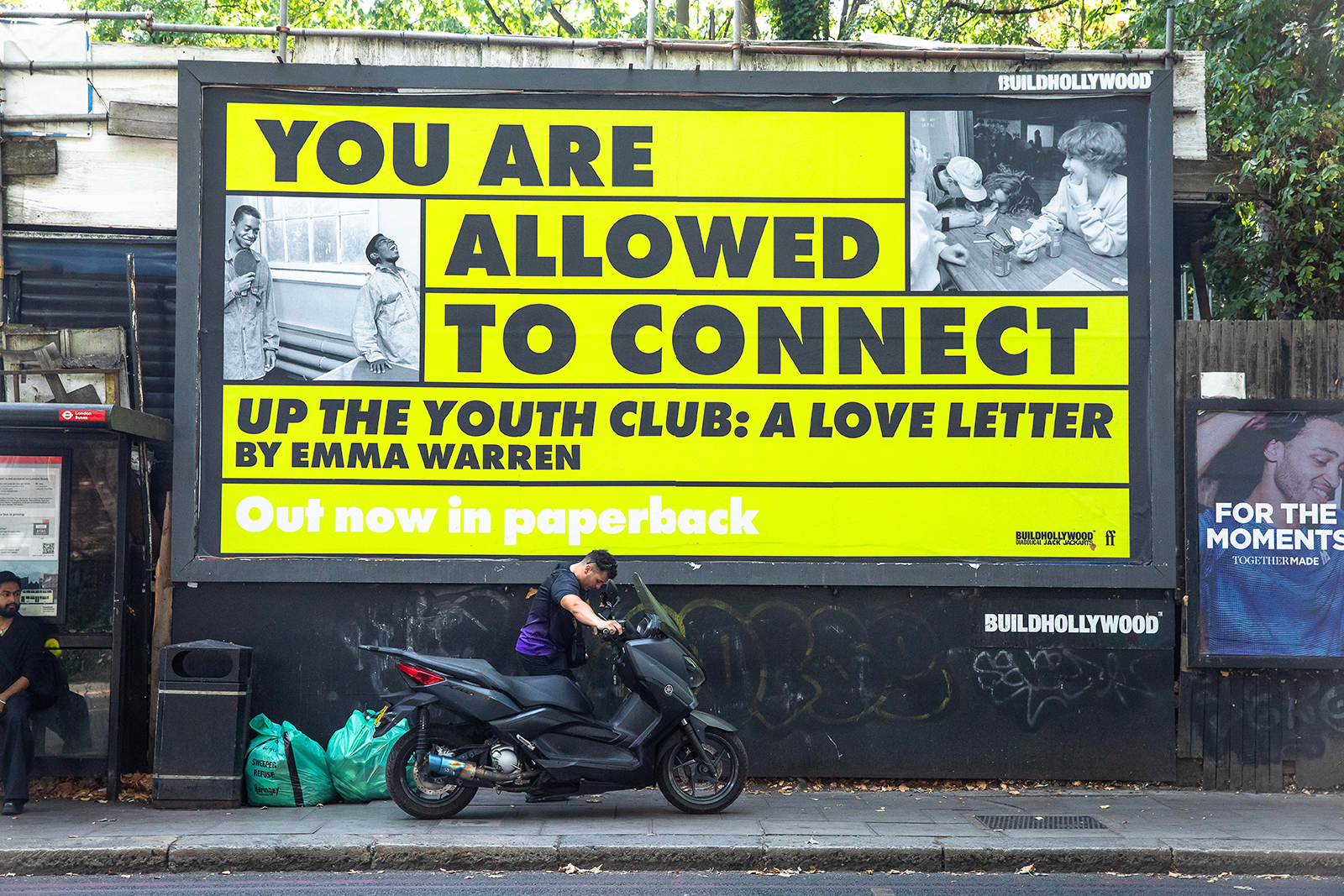
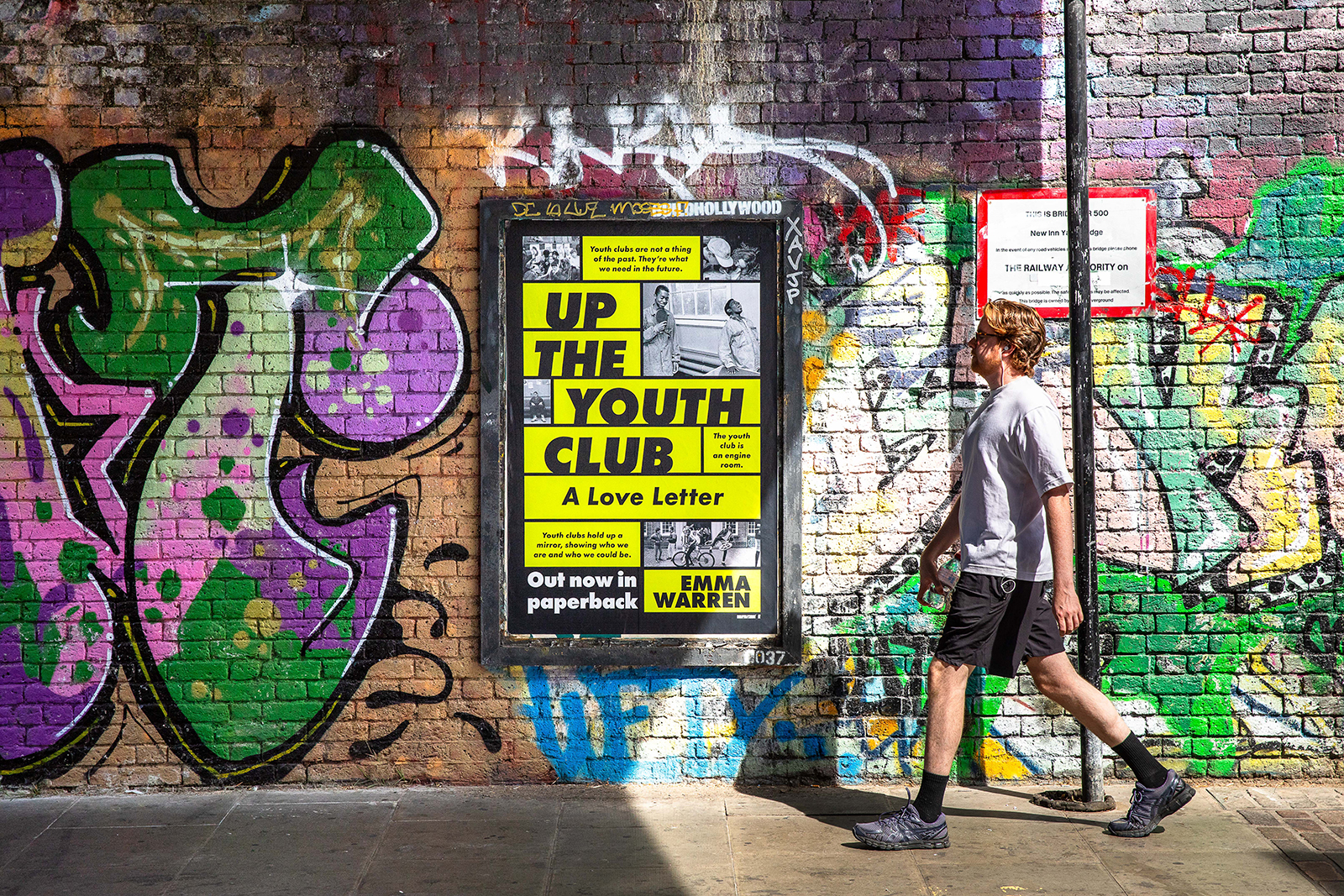
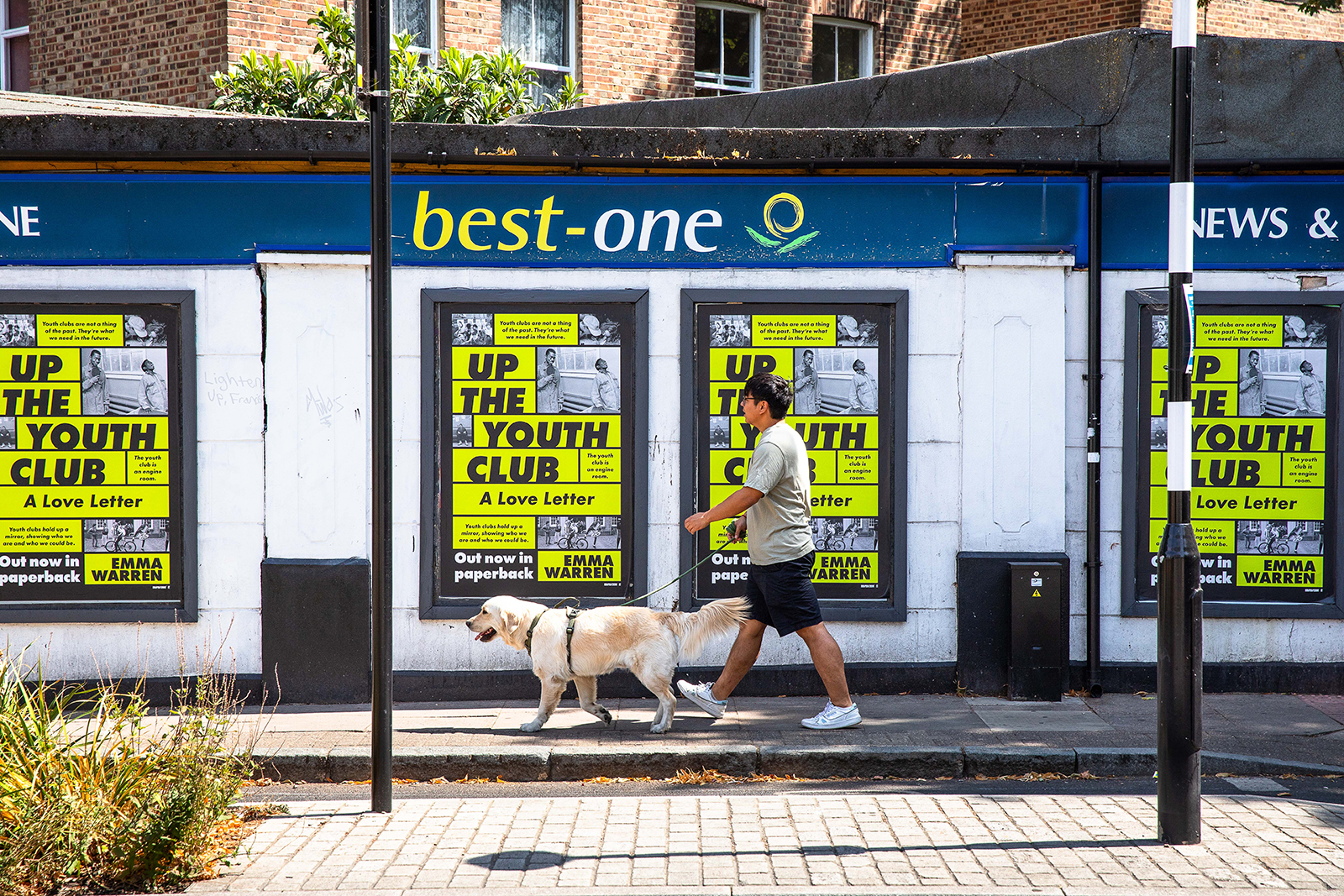
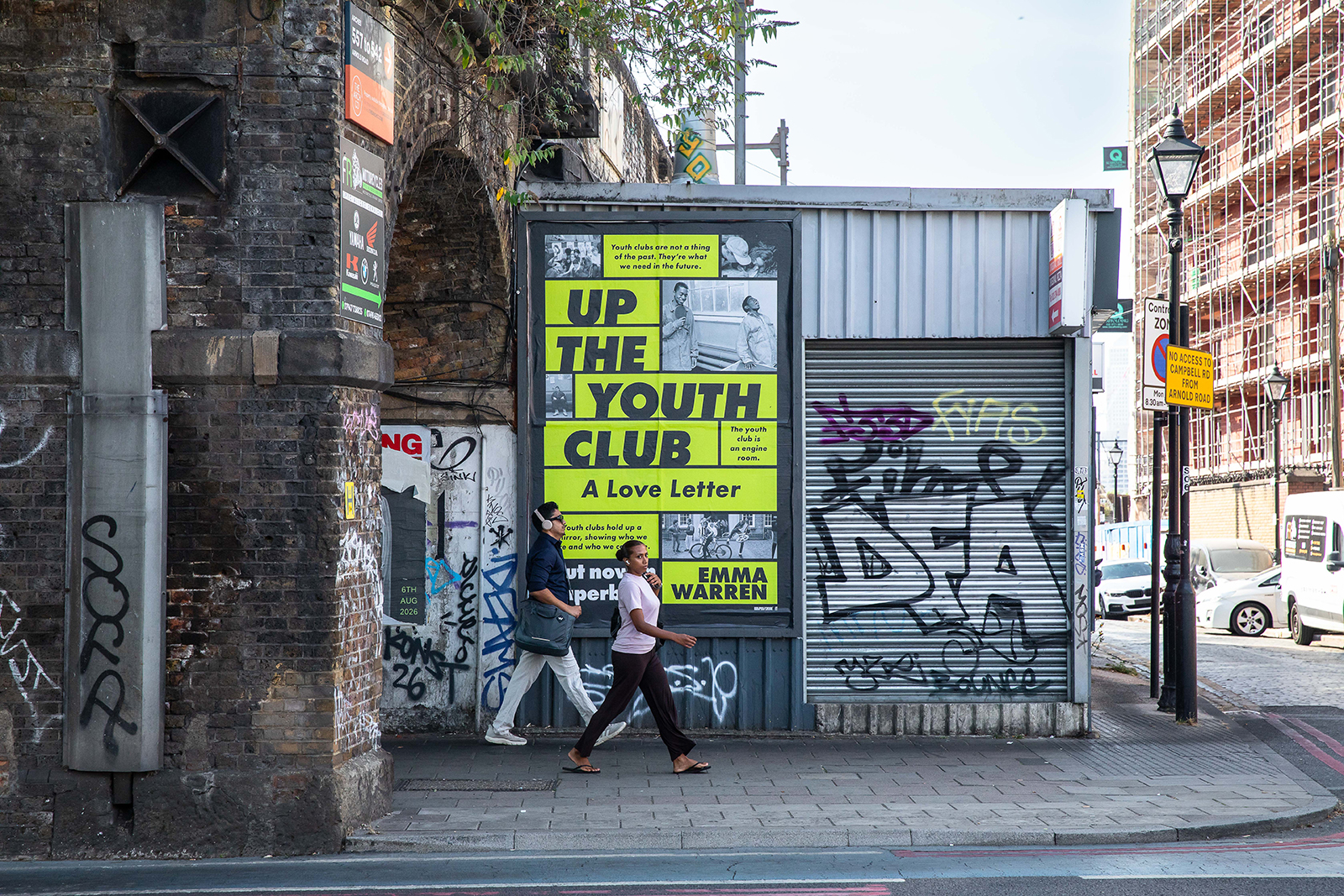
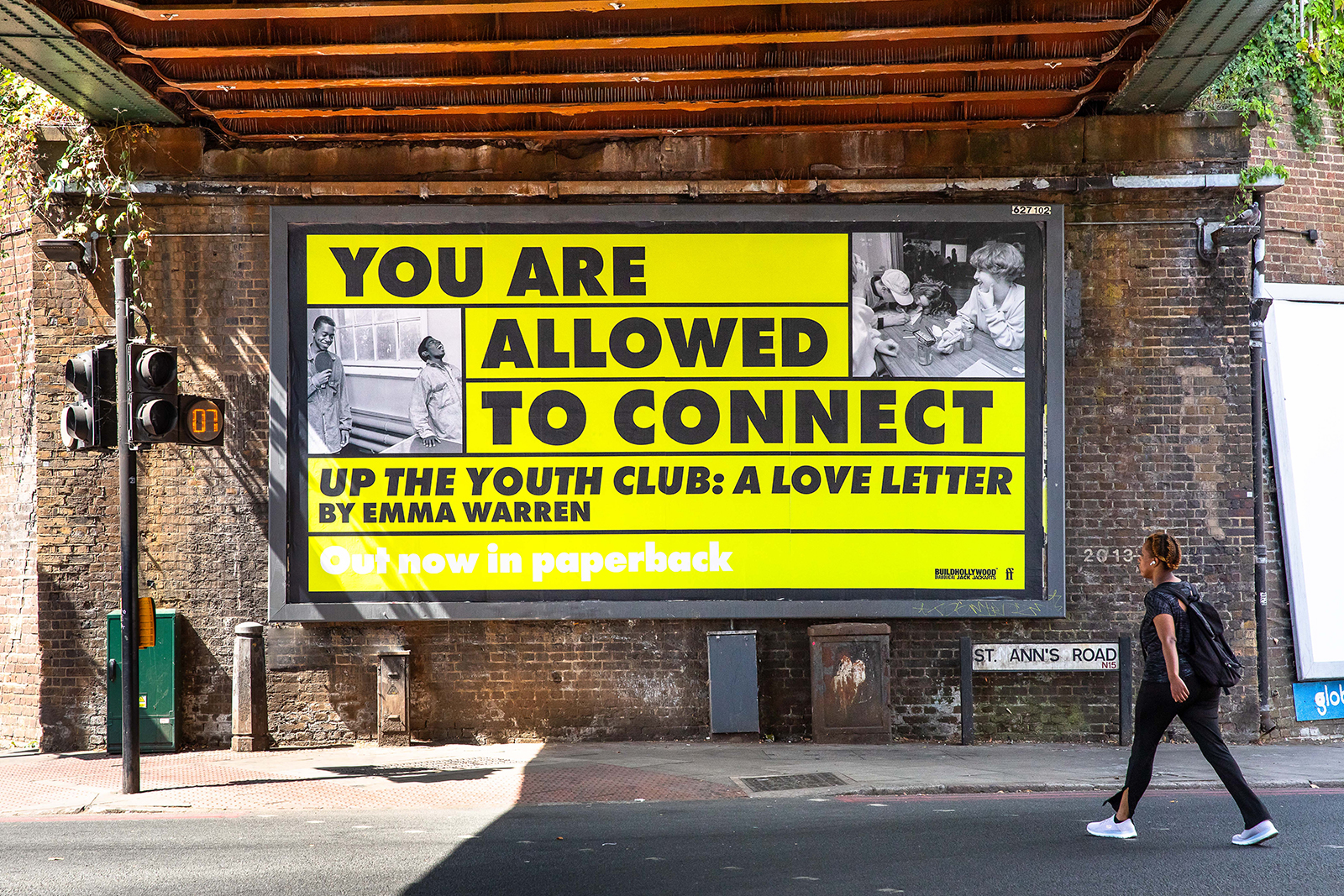
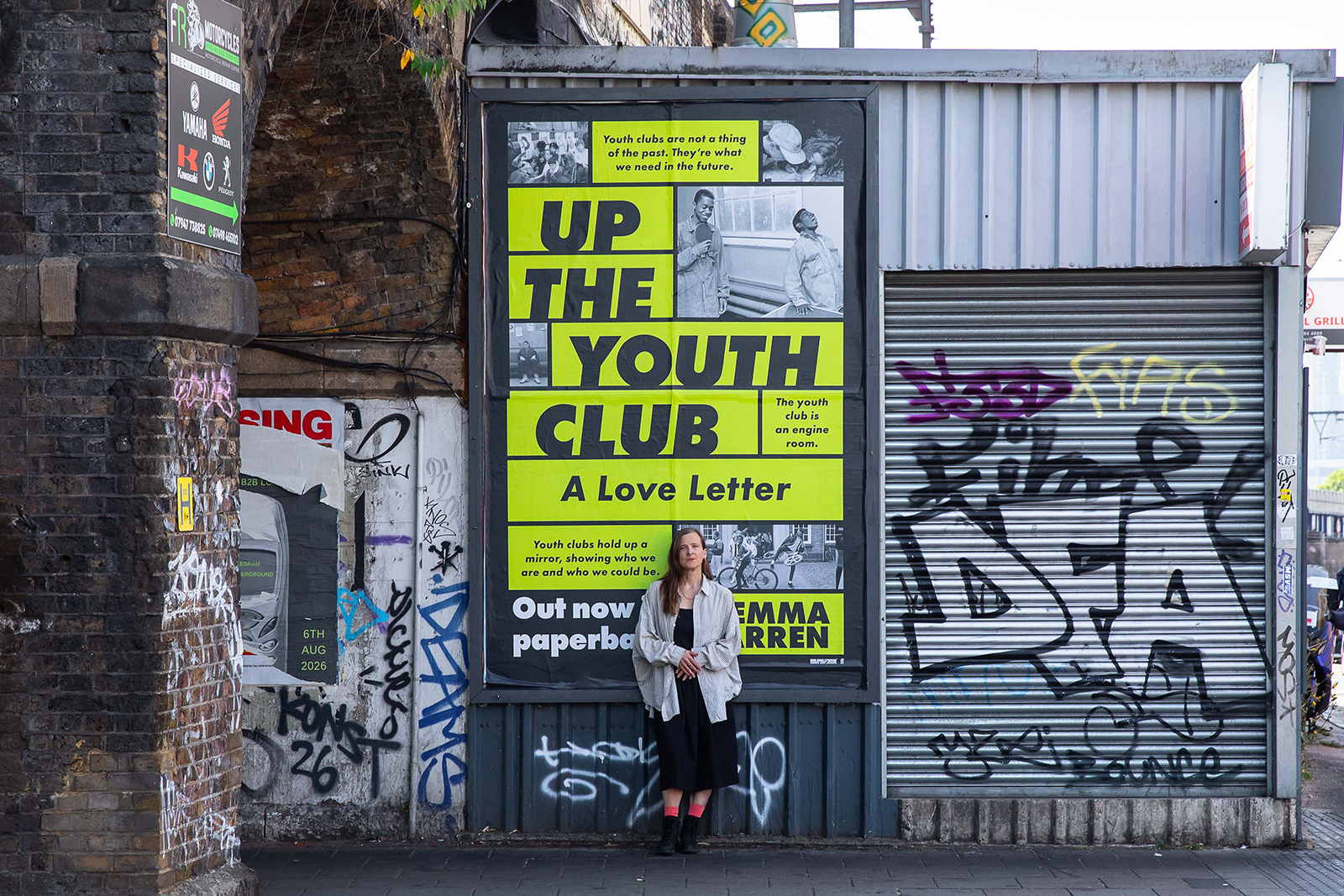
That message is now moving beyond the book and into public space through a collaboration with BUILDHOLLYWOOD. Taking over billboards across London, the campaign returns her words to the streets and communities they speak about. Two posters, one with the cover and quotes taken directly from the book, and another that includes a direct message to young people: “You are allowed to connect.”

06.08.26

Words by Greg Stanley
To begin, how would you introduce yourself and the work you do?

Oh, well, who am I? That’s actually quite a complicated question because I’ve always done so many different things. But I think it’s fair to say I’m an author, and that I write about issues relating to culture, community and music, with a particular interest in things that are maximally grassroots, DIY and kind of generated by, from and for people.

Who first showed you what good youth work could look like?

That would be the parents who ran the youth club that I attended. They were just local parents and they decided to set something up because they thought it was necessary. They were very relaxed and made it really informal and easy to get involved, but you also knew that if you were in a really sticky situation, you could approach them.

How did loving music and the dancefloor lead you into journalism and Jockey Slut?

It wasn’t really called club culture or rave culture at the time, but I absolutely knew it was cultural and powerful and amazing, and that I wanted to be involved with it forever and ever. Writing about it was a way of contributing. Lots of people started their own club nights, designed flyers, started DJing or used the cultural material to power the things they wanted to do themselves. I knew I could write. I liked writing and I’d been a lifelong diary writer. My friends started a magazine and I got involved in issue one, interviewing the doorman of a nightclub. I think one of the questions was something like, “Is nightlife over?” It shows that the question of whether it was better in the olden days has been alive and well for a very long time. We were so in it: on the dancefloors, in the record shops and part of culture as it was emerging. It was obvious what to write about because we were part of it.

The media climate has changed so much since the 1990s, and so has the role of an editor and a journalist. What role can journalism play within emerging culture today?

You used the word journalist or editor; I might use writer, poet, documenter. Every moment in time needs people who are prepared to really absorb the material, feel it, think about it and articulate it back out. The role of the dancefloor thinker, the dancefloor articulator, however you want to describe it, is always useful because it’s laying down the lore — L-O-R-E. It’s laying down the stories about how things are in the moment and trying to give a flavour of how things are. It also acts as a mirror for other people who are doing things. It can give someone a version of themselves that they wouldn’t have been able to articulate themselves: “Oh, I’d never seen myself like that.” Particularly if you’re writing about culture as it’s emerging, or people as they’re emerging, the writer, thinker or articulator as a mirror is useful.

Your books place communities and participants at the centre of cultural history. Why is that your preferred way to write and research?

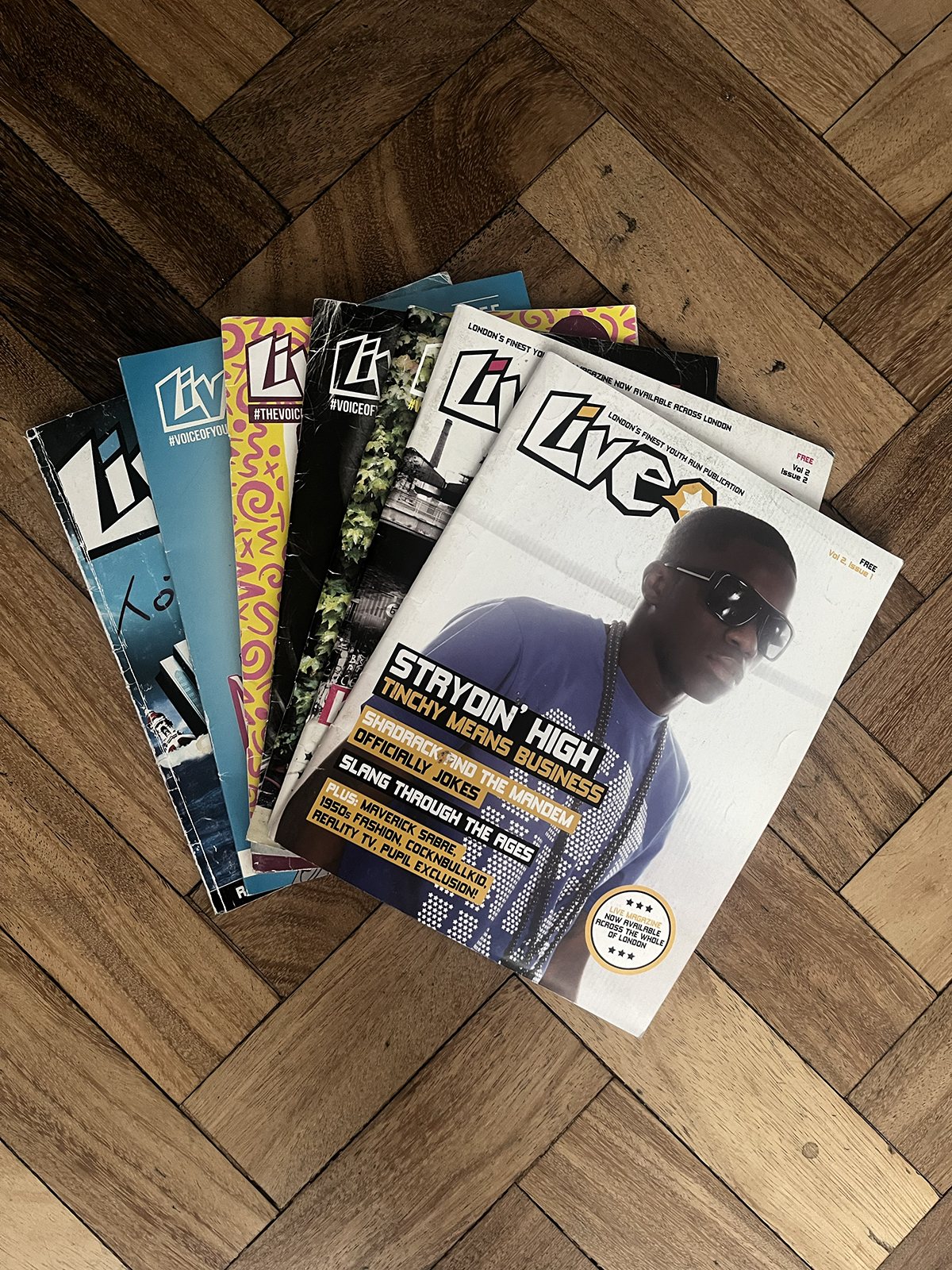
On one hand, I don’t know how to do it any differently, and I wouldn’t like to. I’m strongly wedded to a spirit and politics, or an attitude of working, which is about being part of something. In the youth-club book, that shows up in me being a product of the youth club, writing about my youth-club experiences and being an informal, untrained youth worker for the best part of a decade at Live Magazine in Brixton. I’m still doing youth work now. As a writer, I’m using my experiences not to centre myself, but as a way of grounding my work in the authority of my experience. I come back to André Anderson’s brilliant work, especially Author of the Estate, all the time. In the context of housing: if you live on the estate, you’re the authority; therefore, you’re the author of the estate. This idea of authorship being the same as authority, and that coming from lived experience or direct connections to things, is really important to me.

There can still be a fine line between documenting a grassroots community and extracting a story from it. How do you approach that responsibility?

I try to honour my responsibilities to the best of my ability. You might say I’ve got an overdeveloped sense of responsibility — a highly evolved sense of… no, a strong sense of responsibility. In some ways, I learned by making mistakes early on. When I was living in Manchester and doing Jockey Slut, I wrote a scene piece and left out some really important people who also happened to be people of colour. I was pulled up on it, quite rightly, and learned a very important lesson, which was just to do better. Shame lasts for a long time, doesn’t it? I still feel guilty about something from over 25 years ago. Since I began writing books, I’ve worked very transparently. If I’ve interviewed you for my book, you will see where you appear and the context around it before it goes to my editor. That is not for copy approval, but if I’ve mangled anything, if anything is factually wrong or if there’s something we should discuss, I want to hear that. It’s a brilliant way of making the work better because inevitably some level of detail will be improved. It’s really important not to give people copy approval, because otherwise you’re just being their PR. However, fact-checking is really important. It is nuanced, but certainly for me as an author, as opposed to a journalist, transparency is central to how I work.

When did you realise the youth club demanded a whole book of its own, and what did researching its history reveal?

It’s interesting that you use the word “demand”, because the youth club is a demanding entity. It demanded quite a lot of me in the research and writing. I knew it was valuable and under-understood, but I wasn’t expecting it to require so much from me. I had to understand the era of industrialisation, working conditions for young girls and boys, and how middle-class-ish women and privately educated men wanted to do something for working-class young people. What are the implications of people with economic wealth trying to make space for people having a hard time because of the processes that led to wealth inequality? I did a lot of digging in archives and reading newspapers from hundreds of years ago to understand what people thought they were doing. The amazing thing was how similar the youth clubs of the past were to the youth clubs I’m involved with today. It showed me that it’s an amazingly stable entity. Regardless of what you think about Britishness, because I know it’s a contested term, the youth club is a great British success story: 150 years of providing space for millions of young people, particularly those whose parents can’t afford to pay for their leisure time.

The book traces youth-club connections to figures including The Specials, Stormzy, Ezra Collective, Skepta and generations of British cultural talent. How do we celebrate that extraordinary legacy without suggesting youth clubs only matter when they produce somebody famous?

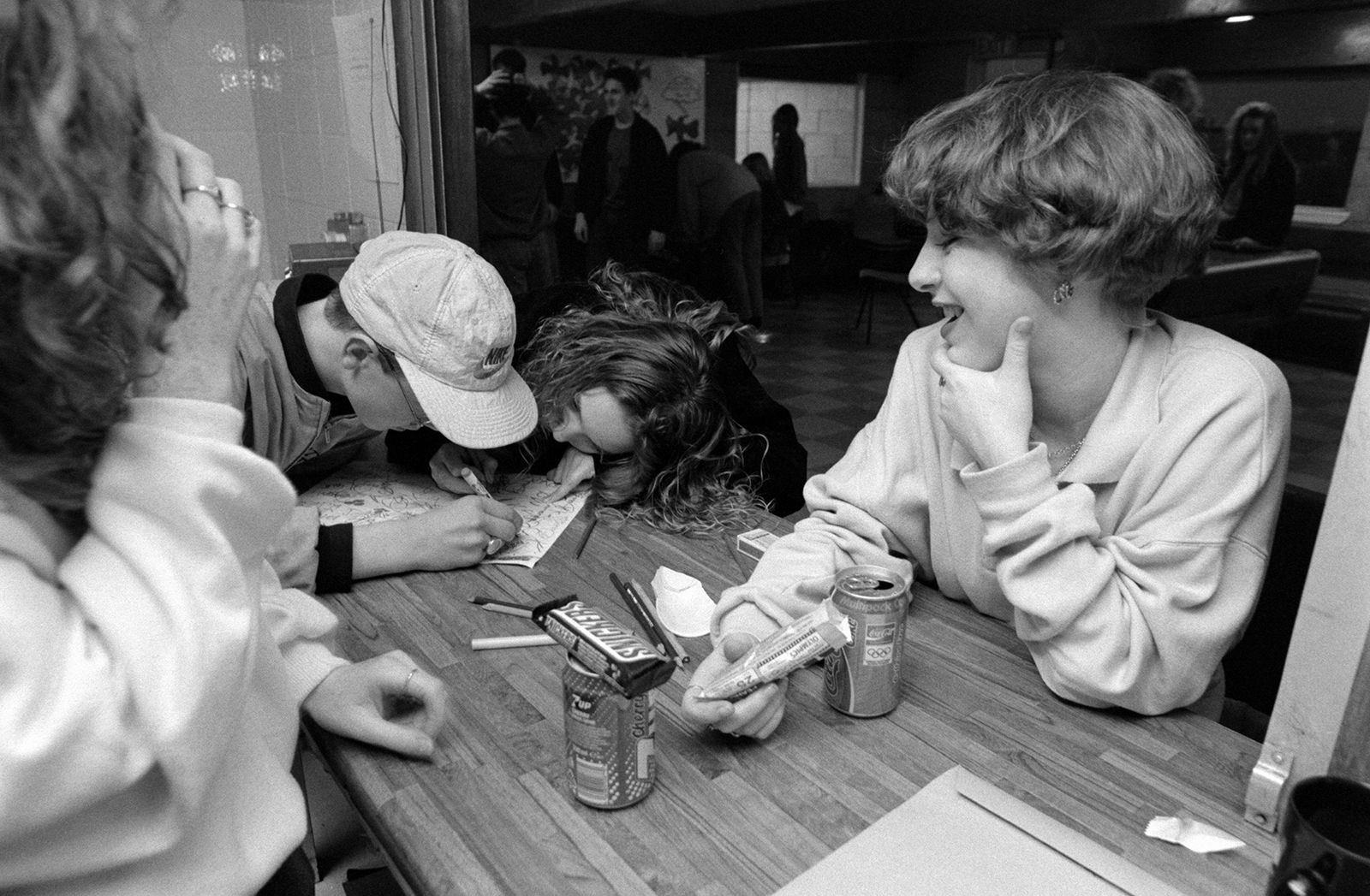
I knew this beforehand, sort of, but I found so much evidence to prove what an engine room the youth club had been for UK music culture. You scratch the surface of pretty much any UK music, apart from that made by people whose parents paid for education or who went to elite universities, and the youth club is somewhere in the picture. Particularly when the youth club overlapped with sound-system culture in the 1970s and into the 1980s, its cultural power absolutely blew up. Two Tone and grime have very strong connections to youth clubs. The success stories are great, but they’re the least important part of the process. The benefits come from having a warm, welcoming space where you can make the transition from childhood to adulthood somewhat more safely and away from view — where you can be young, have fun, have a laugh and decompress. What a youth club does can be very ordinary, but it leads to extraordinary impact when you add all the tiny bits of ordinary benefit up: someone has a slightly better day; someone discovers they’re quite into art and does more of it. Tiny things that are inconsequential individually become massively consequential on a neighbourhood, social and cultural level.

Youth clubs and youth work can take many forms, so what is your definition of what a contemporary youth club is?

My definition is pretty broad. It’s a warm and welcoming space where people broadly in the second decade of life can find out what they’re interested in or explore their interests, with a welcoming adult somewhere in the picture. Ideally, you can keep coming back as you’re changing, because you don’t become an adult overnight. You need stable places to complete that process. When multiple people go through for years and years — even generations — huge amounts of community intelligence become held within those spaces, and that’s incredibly valuable. There are survivor youth clubs and adventure playgrounds with recording studios, table tennis, cheap snacks and fun things to do. But there are also youth clubs on buses, in shopping centres or in a shed at the end of someone’s garden. I’m interested to see how young people themselves generate the youth clubs they want, because history showed me that this has always happened, and I believe it will happen again.

And can you give us your favourite recent example of music’s relationship with youth work?

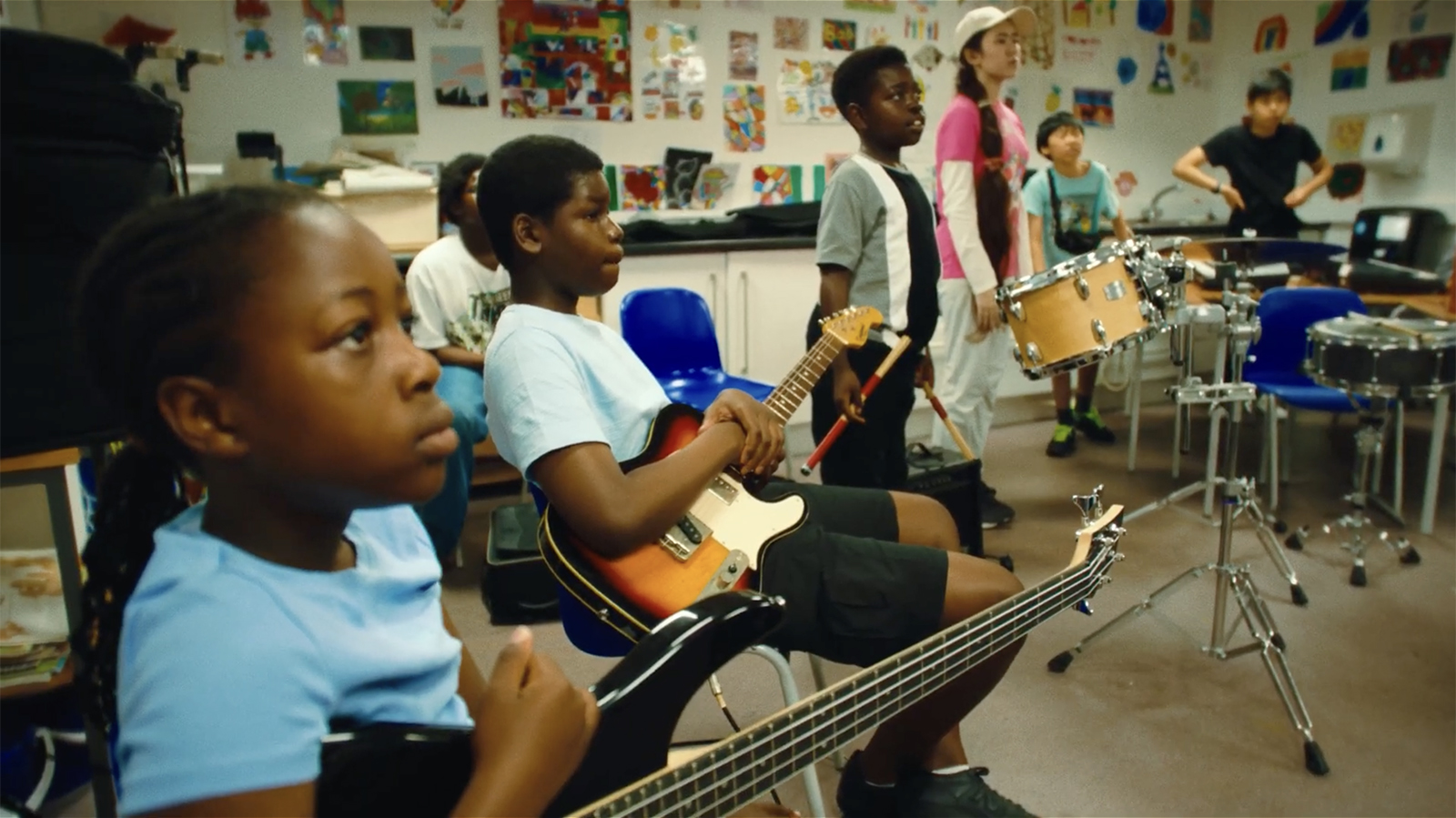
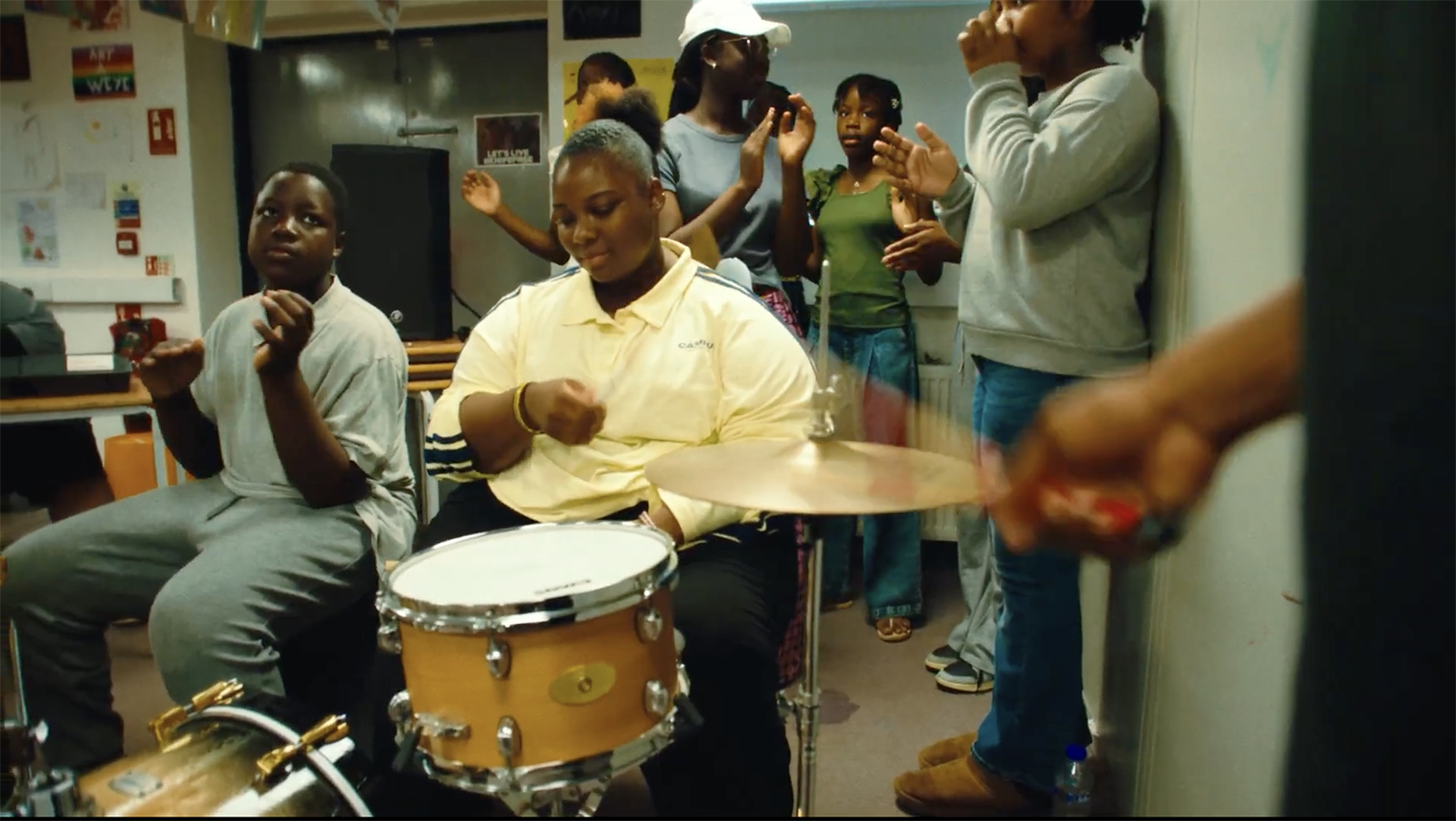
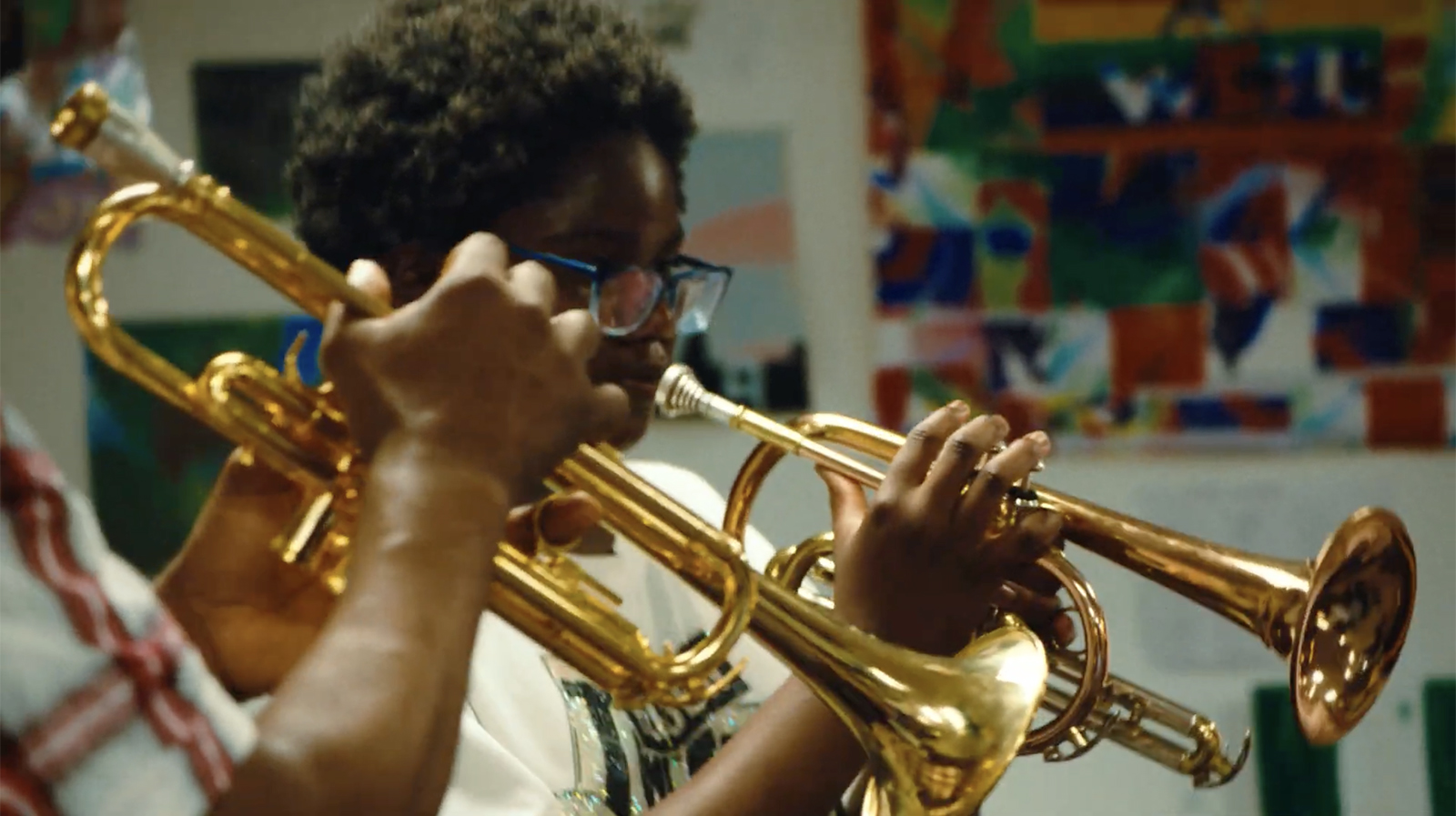
I work at Woolwich Creative Club, a music project — a bit like a little Tomorrow’s Warriors — where I run Journalism Club. Moses Boyd got in touch because he wanted to collaborate with Woolwich Creative Club for his new music video. We got all the young people together on a Saturday morning and walked up to Woolwich Common Youth Club. Moses got them into one of the rooms, jamming and working with them, and it was all filmed. That became the music video for his single Say Yeah. The following week, we had our summer performance. At the end, we had the world premiere of the video, with all the young people there not knowing they were going to see themselves on the big screen after they’d just done their whole brilliant performance. You can imagine: it was so joyful.

You reject the old idea that youth clubs exist to “keep kids off the streets” as racist and classist. What does that framing get wrong?

Number one: what is wrong with the street? The street is a good place. The street is a location of togetherness, and the more different types of people that are on the street, the safer and better it is. Why are we telling young people that they can’t be part of the public realm? Why aren’t we keeping middle-aged people off the street? Why aren’t we keeping old people off the street? Of course I know that young people are also at risk of street violence, but I think the risks are amplified in a way that’s not helpful. “Keep the kids off the street” positions young people as both a risk and at risk. We live in a country where it rains, so maybe in wet weather, yeah, let’s keep them off the street — but not because we don’t want what they bring to it. I like the street to be a lively place. Why should it be quiet and dead?

What has Britain lost through austerity and the decline of youth provision—and what would meaningful rebuilding require?

First of all, in my view, it’s not a cost-of-living crisis; it’s a cost-of-subsidising-billionaires crisis. The losses are deep. The Institute for Fiscal Studies has a report by Carmen Villa which showed that every pound saved by closing a youth club costs three pounds. Her research, backed up by proper hardcore statistics, showed that closing youth clubs has a disproportionately negative influence on the young people who live locally, even if they live near parks and libraries. Rebuilding just requires the will, frankly. Tower Hamlets has opened 20 youth clubs in the borough because it decided this was important and spent money on it. I reject the conflation of youth work with violence reduction because I think it misses the point of youth clubs being most useful when they exist everywhere. But Tower Hamlets has seen drops in crime, and its youth strategy shows a deeply embedded commitment to the work because it knows it works. I find it frustrating when the government allows money for capital spend but doesn’t match it with money for youth workers. There’s no point having a building if you haven’t got youth workers to open the doors. You need the physical space, but you need people with local intel and trusted relationships in a community. What a youth club offers is different from an institution in which you have to succeed at exams. No one needs anything from you in the youth club apart from, you know, clearing up if you make a mess.

What connects Dance Your Way Home and Up the Youth Club?

Someone asked why I’d gone from writing about the dancefloor to the youth club, as if they were very different things. My answer was: they’re different rooms in the same house. The youth club, the dancefloor, the street corner, Trafalgar Square, the social club, community centres — and pub back rooms as well — are places where we can just be with each other. They’re the places where we can build the sort of stuff we actually need to live with each other and get on with each other. There’s a book coming in the autumn called Pubs for the People. It does a brilliant job of exploring all this.

What do you hope happens when the book’s message appears on BUILDHOLLYWOOD billboards?

It’s really amazing and quite mind-blowing. The big 48-sheet uses a phrase from the recommendations at the back of the book, where I address different entities: people with structural power, politicians and policymakers, parents and carers, business owners, funders, and young people themselves. To young people, I’m basically saying: “You’ve had a really rough time. I know it’s not easy, but you are allowed to connect.” On a few occasions when I’ve used the phrase while talking about the book, it’s like I’ve thrown a stone into the middle of a pond. It has a really big ripple effect. For reasons of the pandemic, all the division that’s happening and all sorts of other reasons, a lot of us have lost that basic assumption that we’re allowed to connect with each other. I thought it would be powerful to see that plastered over massive billboards. Most people probably won’t even notice it, but there might be someone who thinks, “Oh, yeah, of course I’m allowed to connect.” It’s a tiny drop in the ocean, but it’s one I’m very proud of.

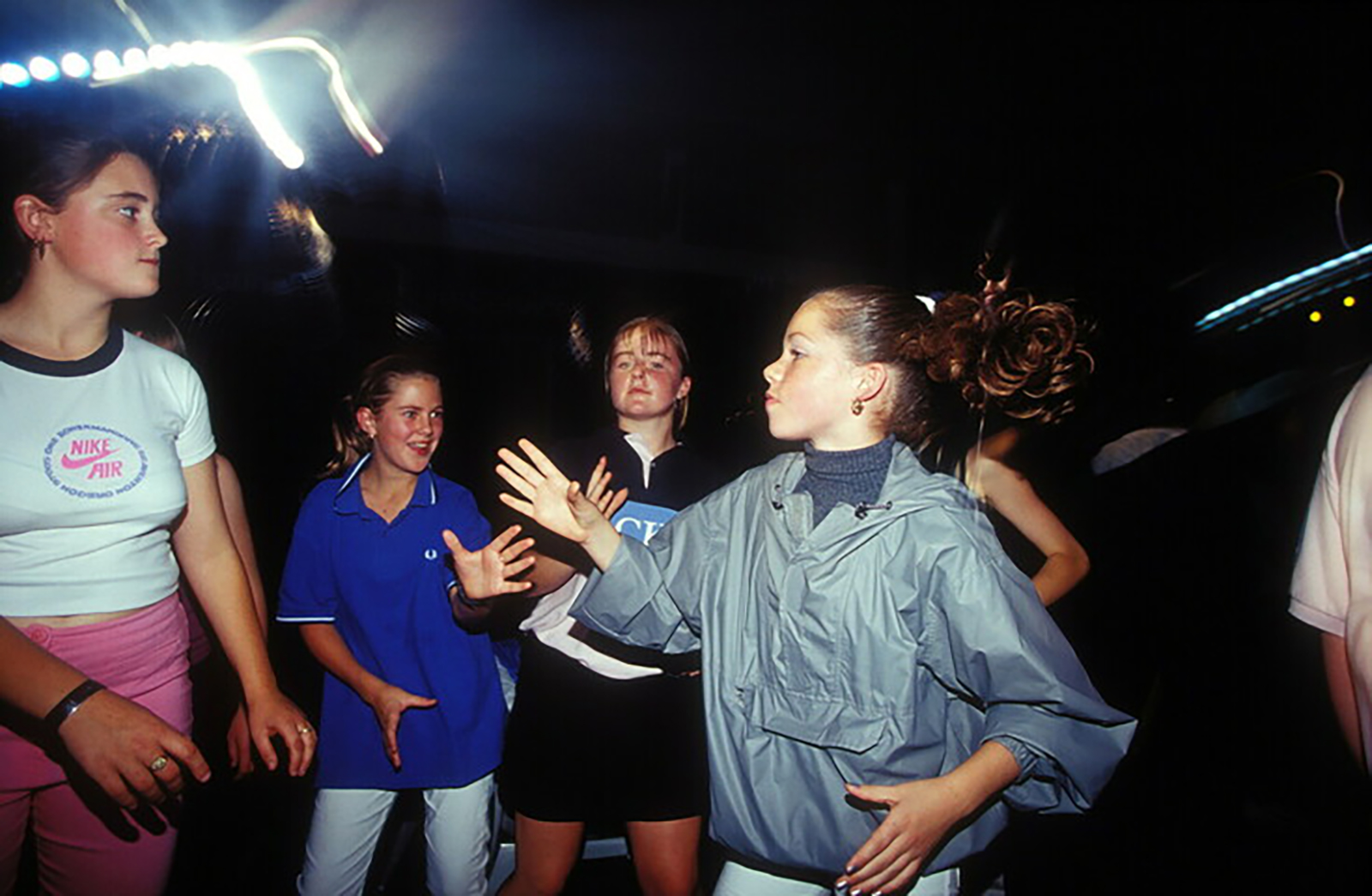
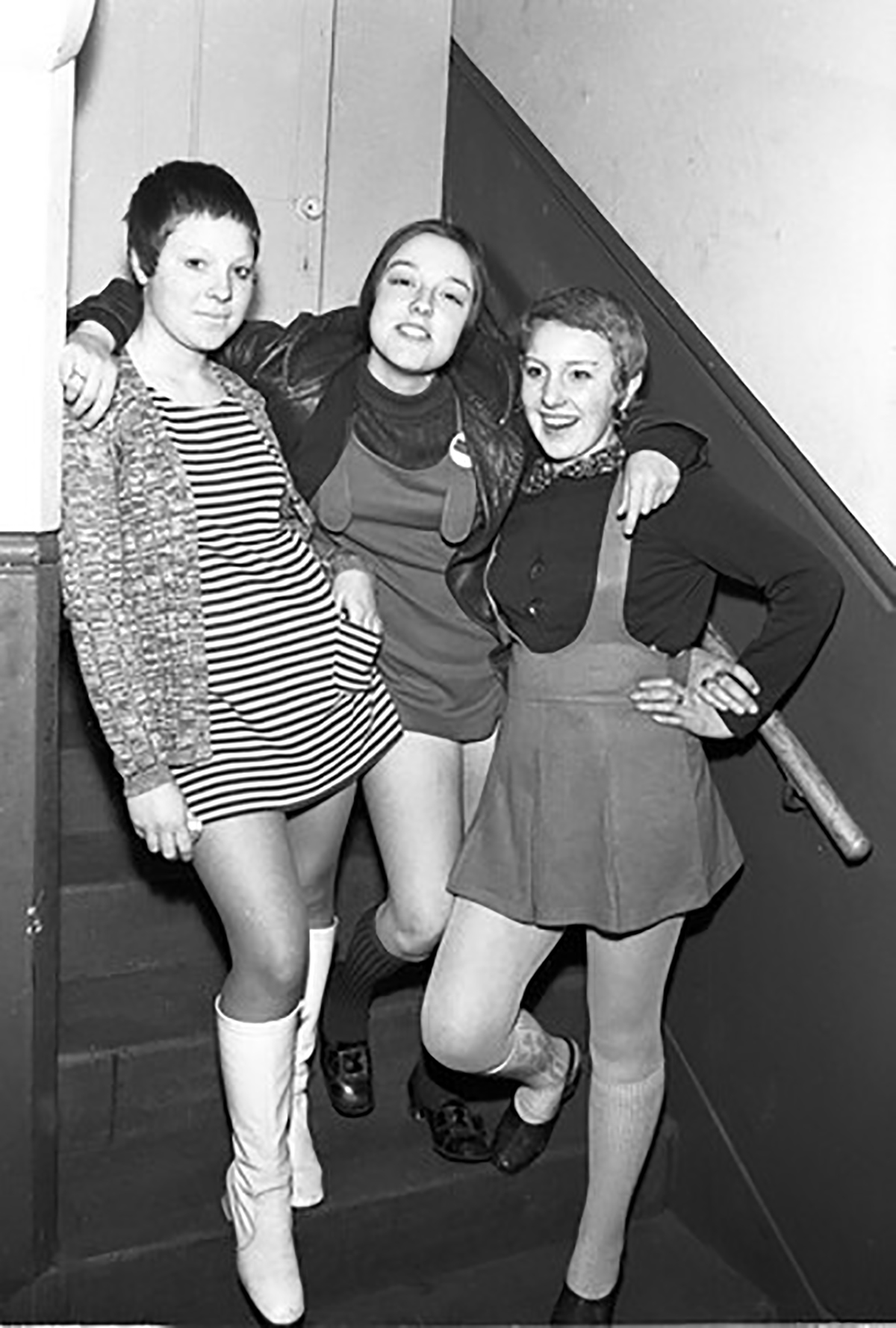
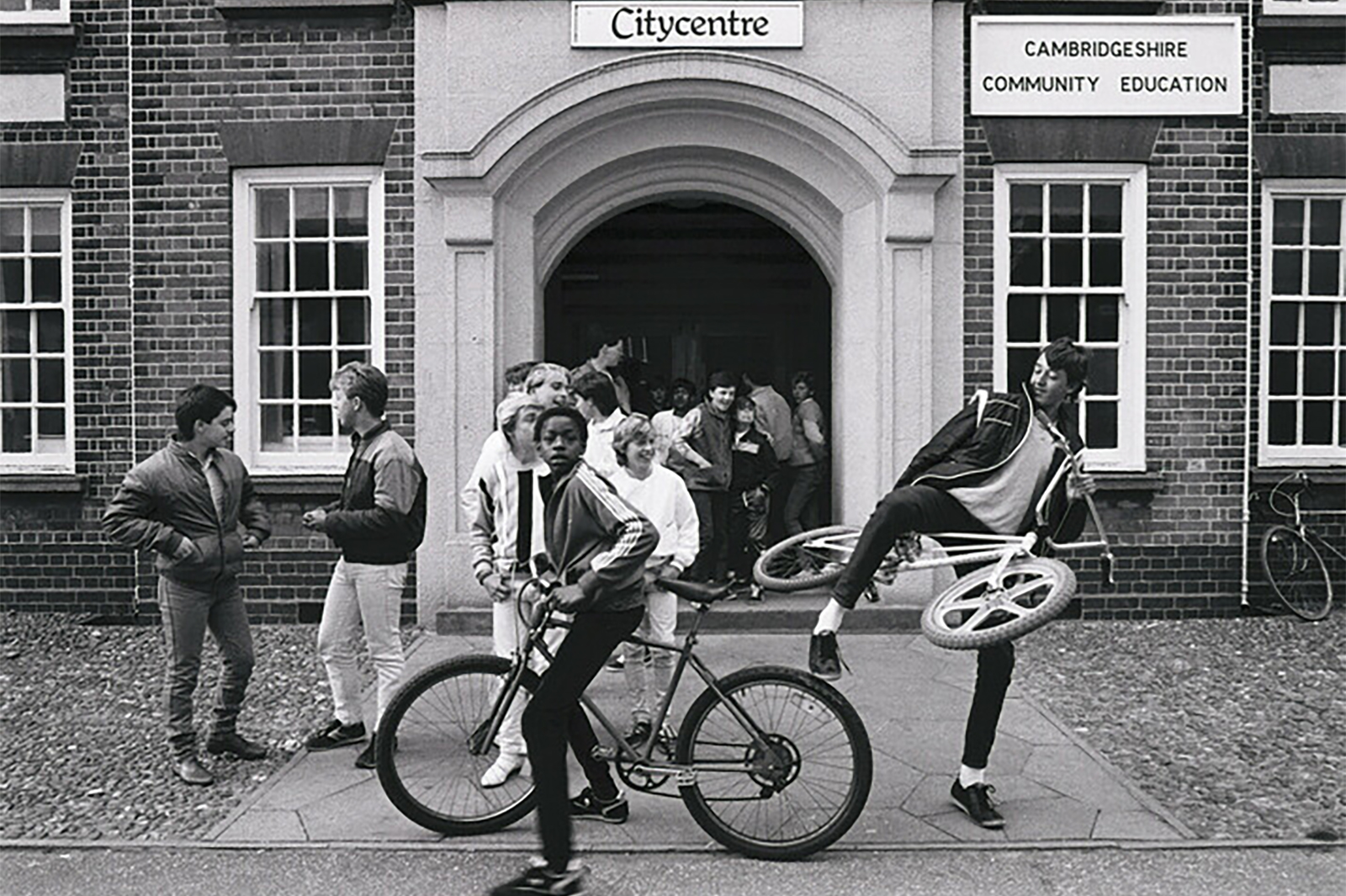
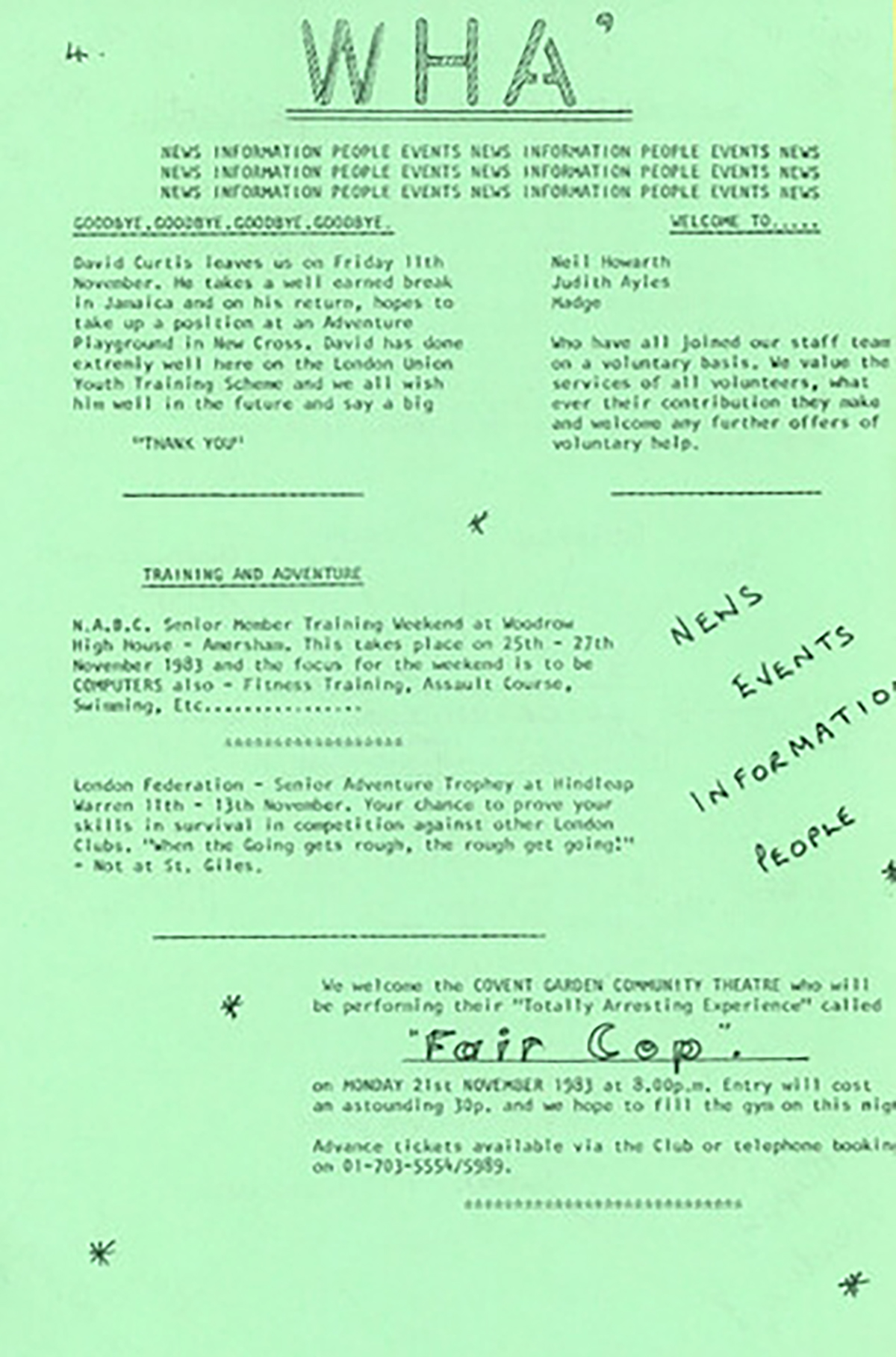
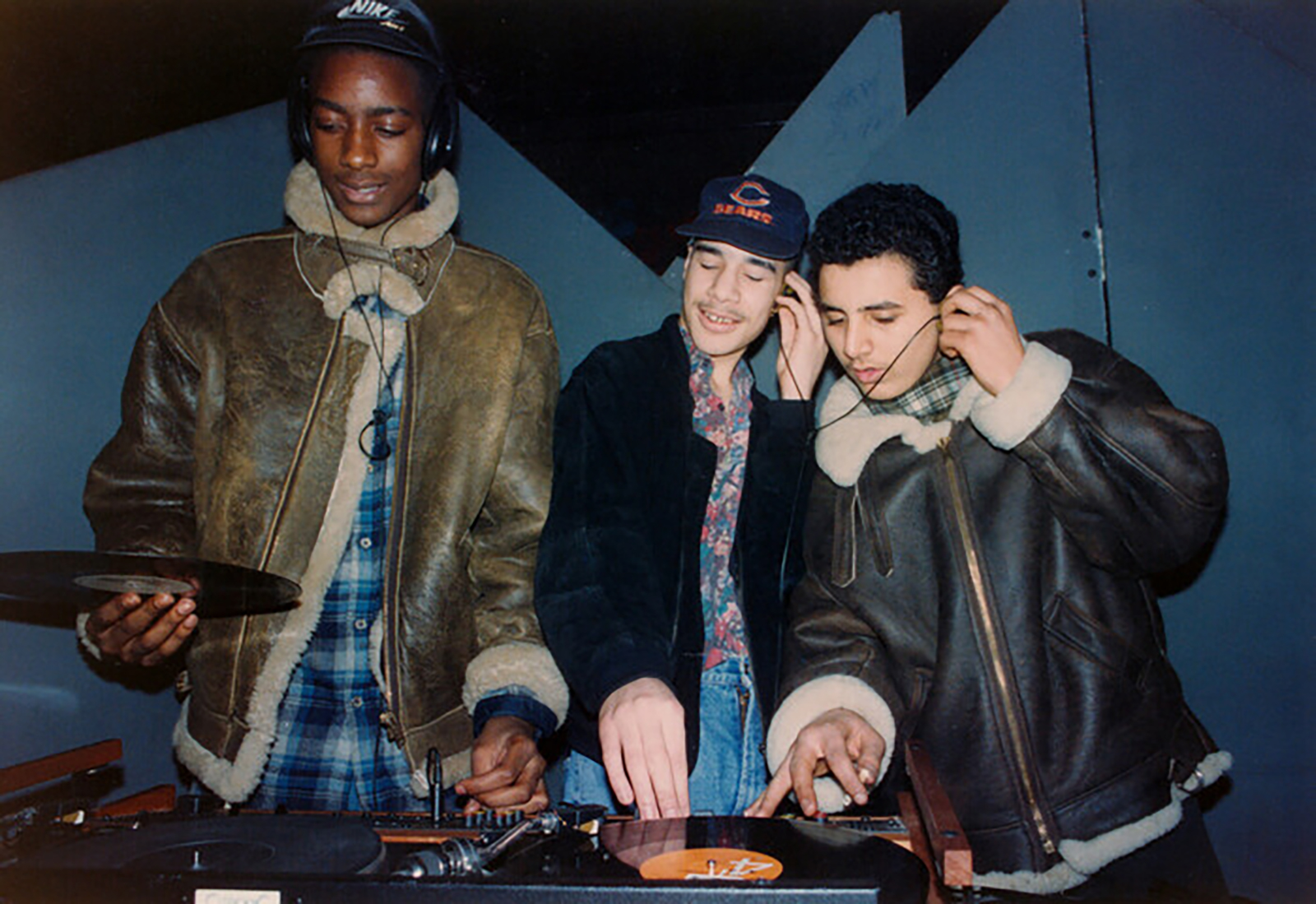
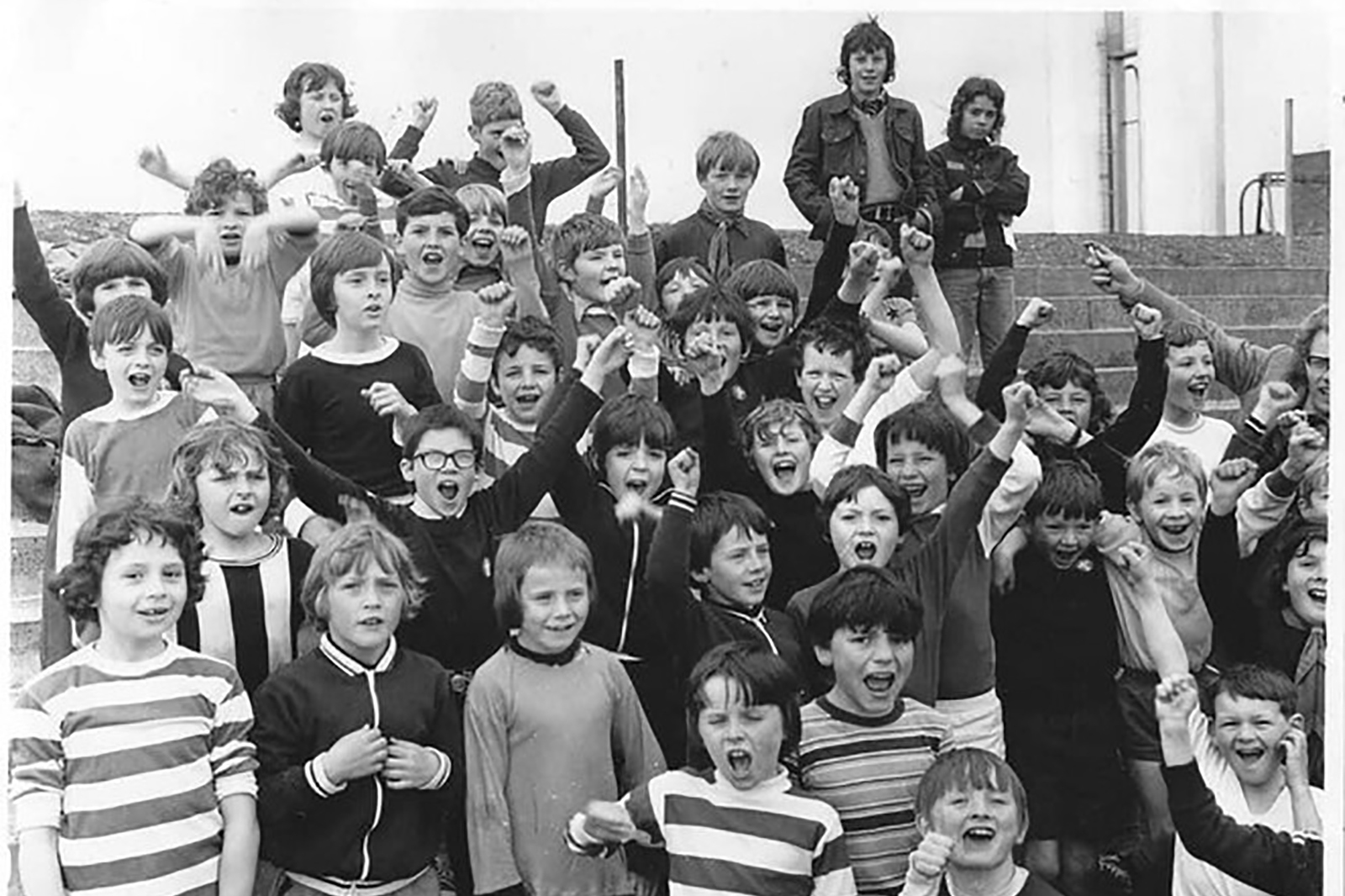
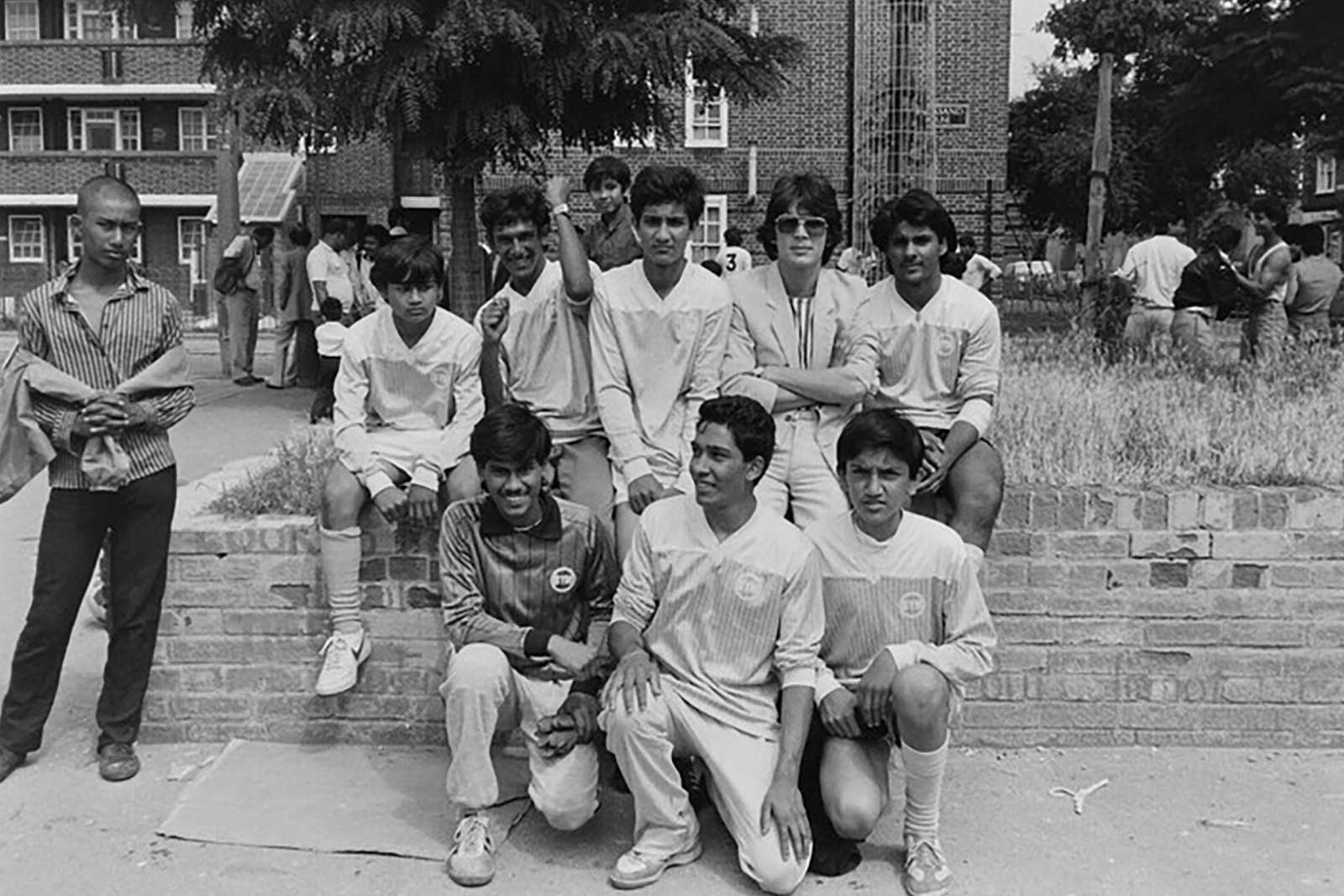
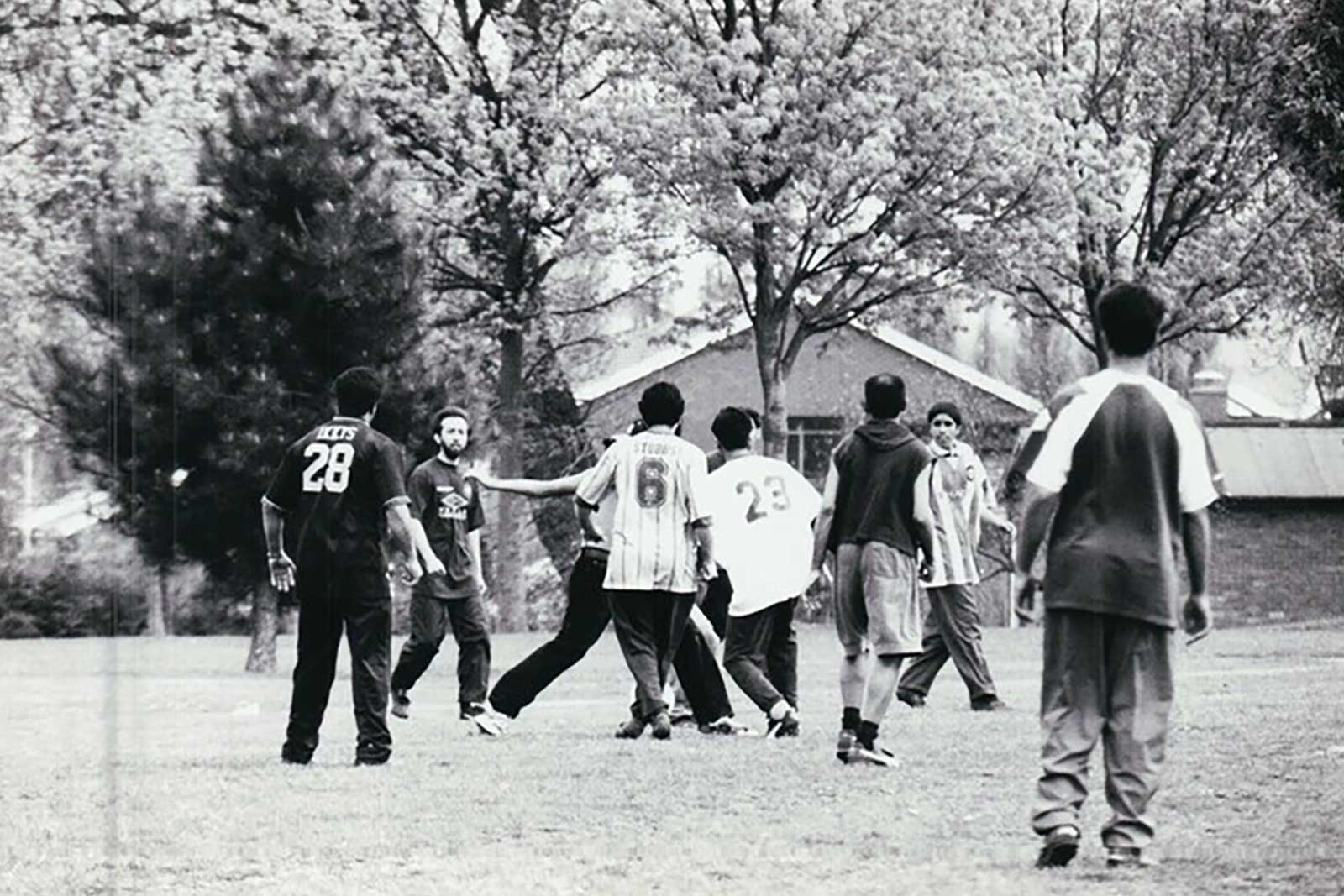
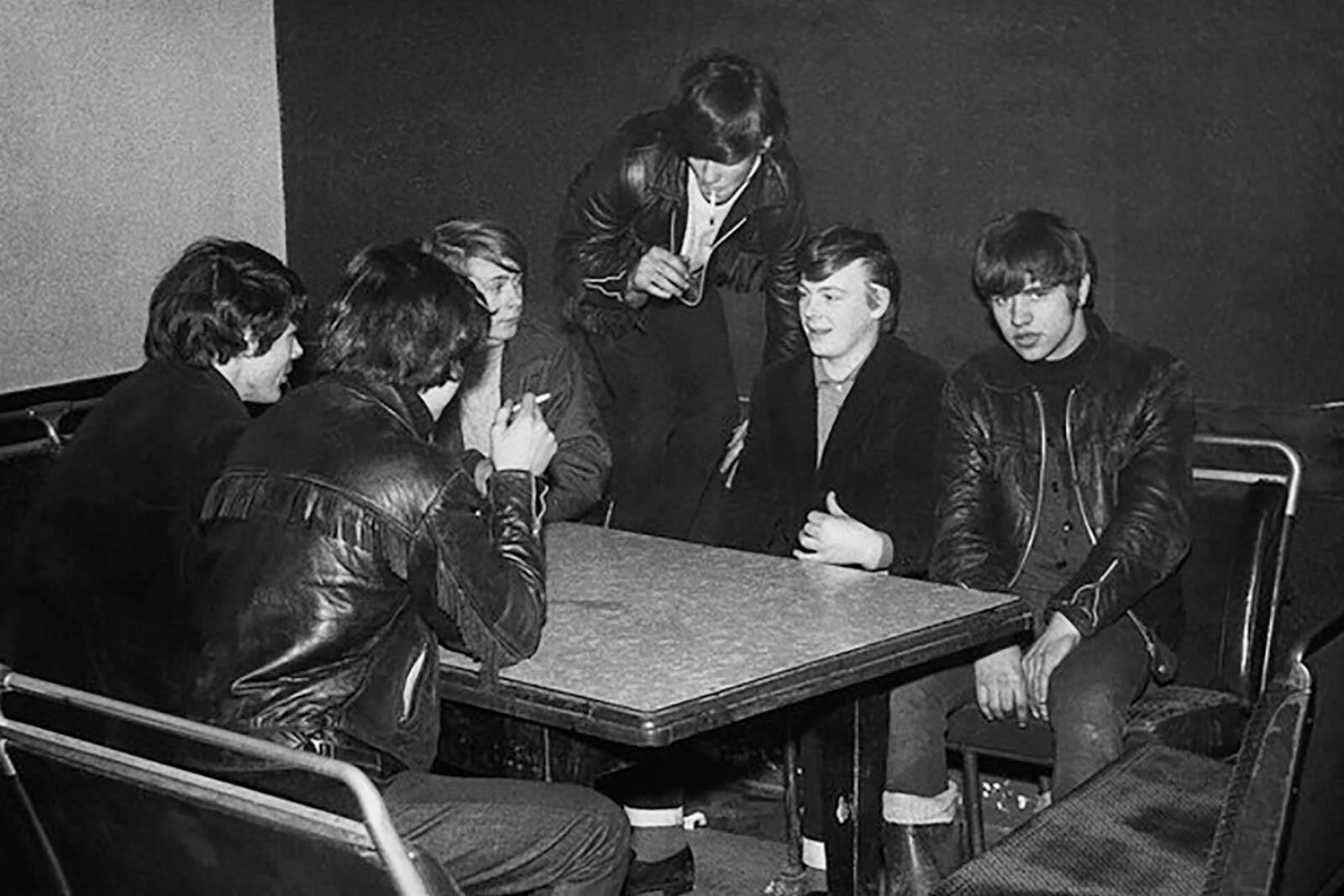
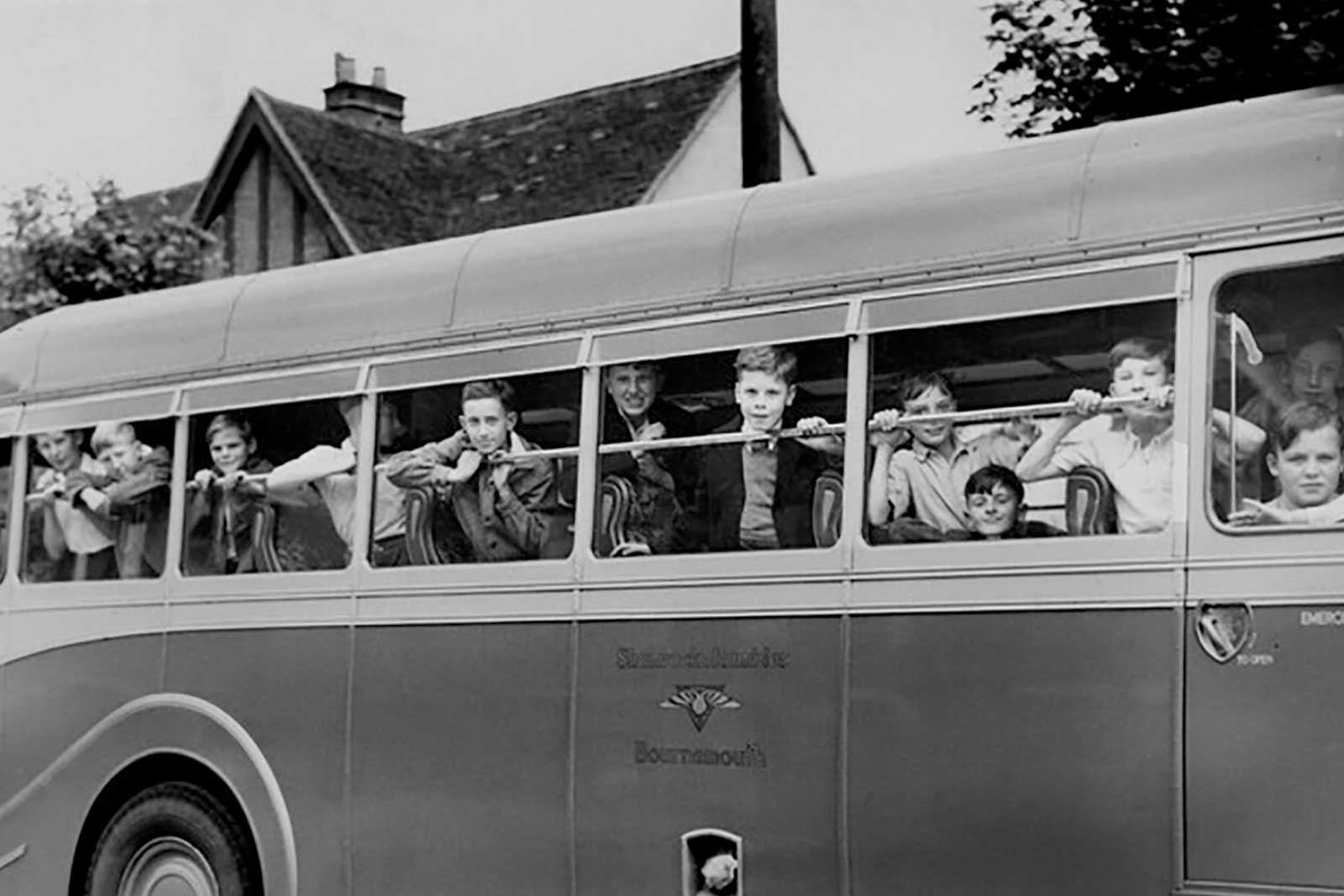
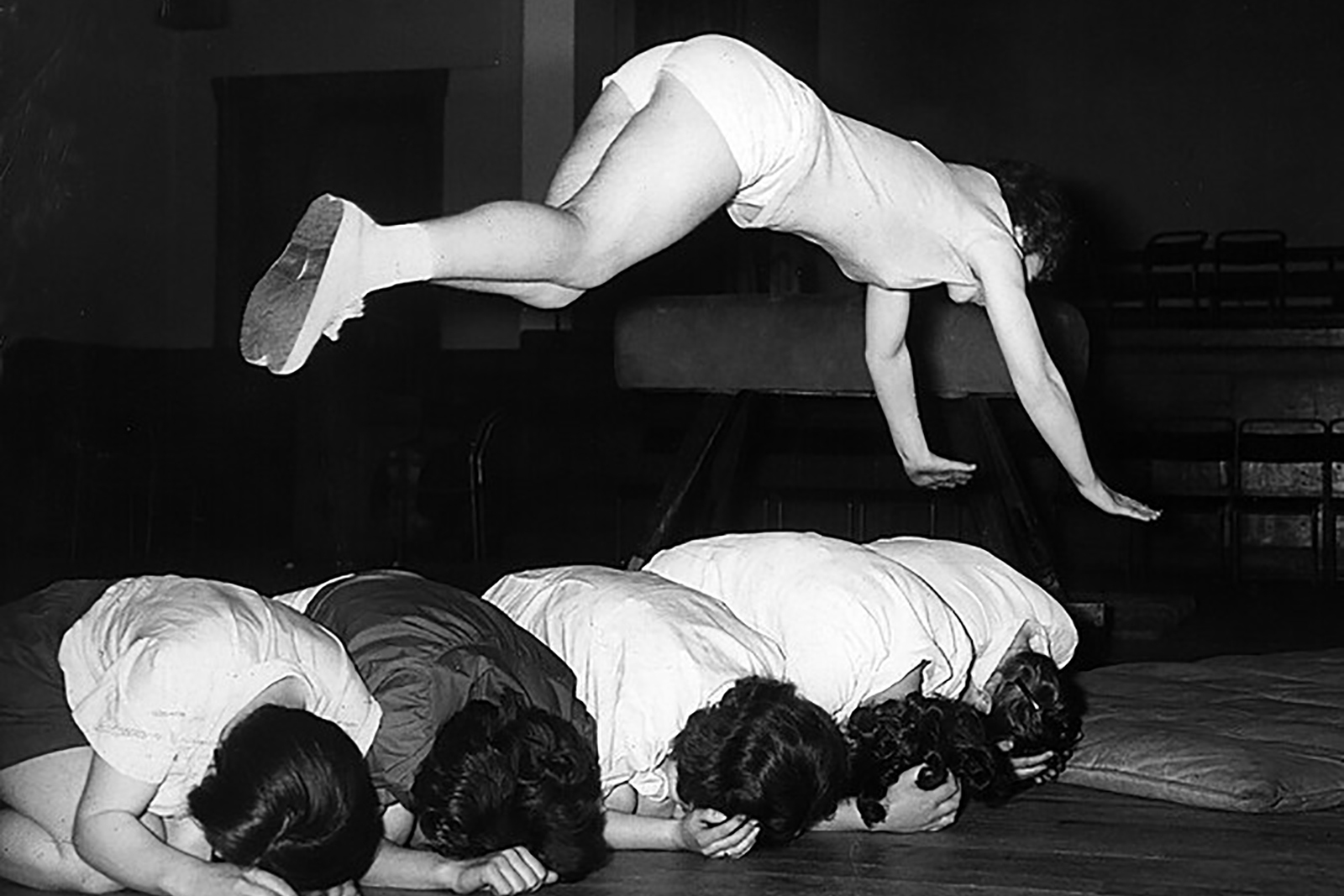
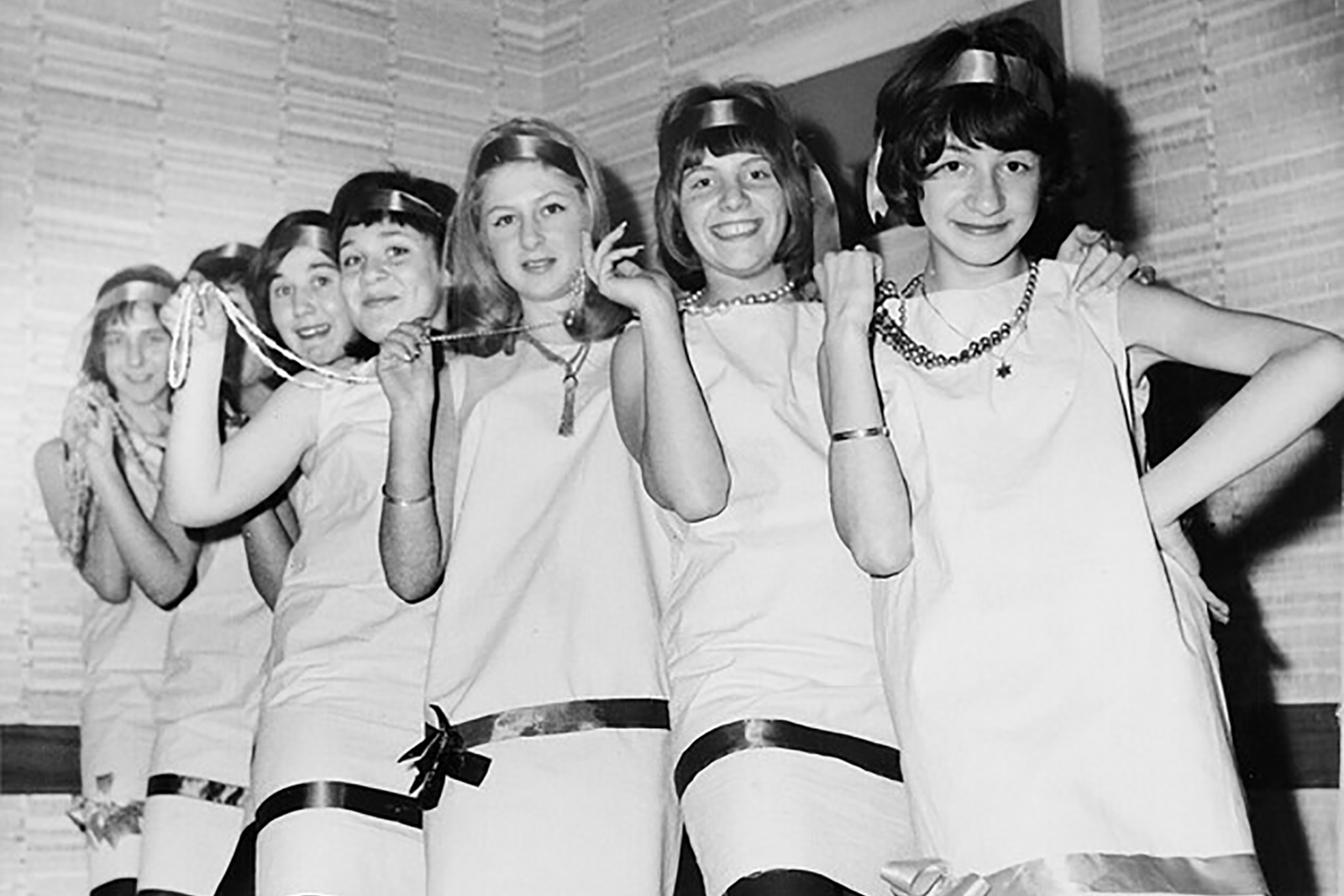
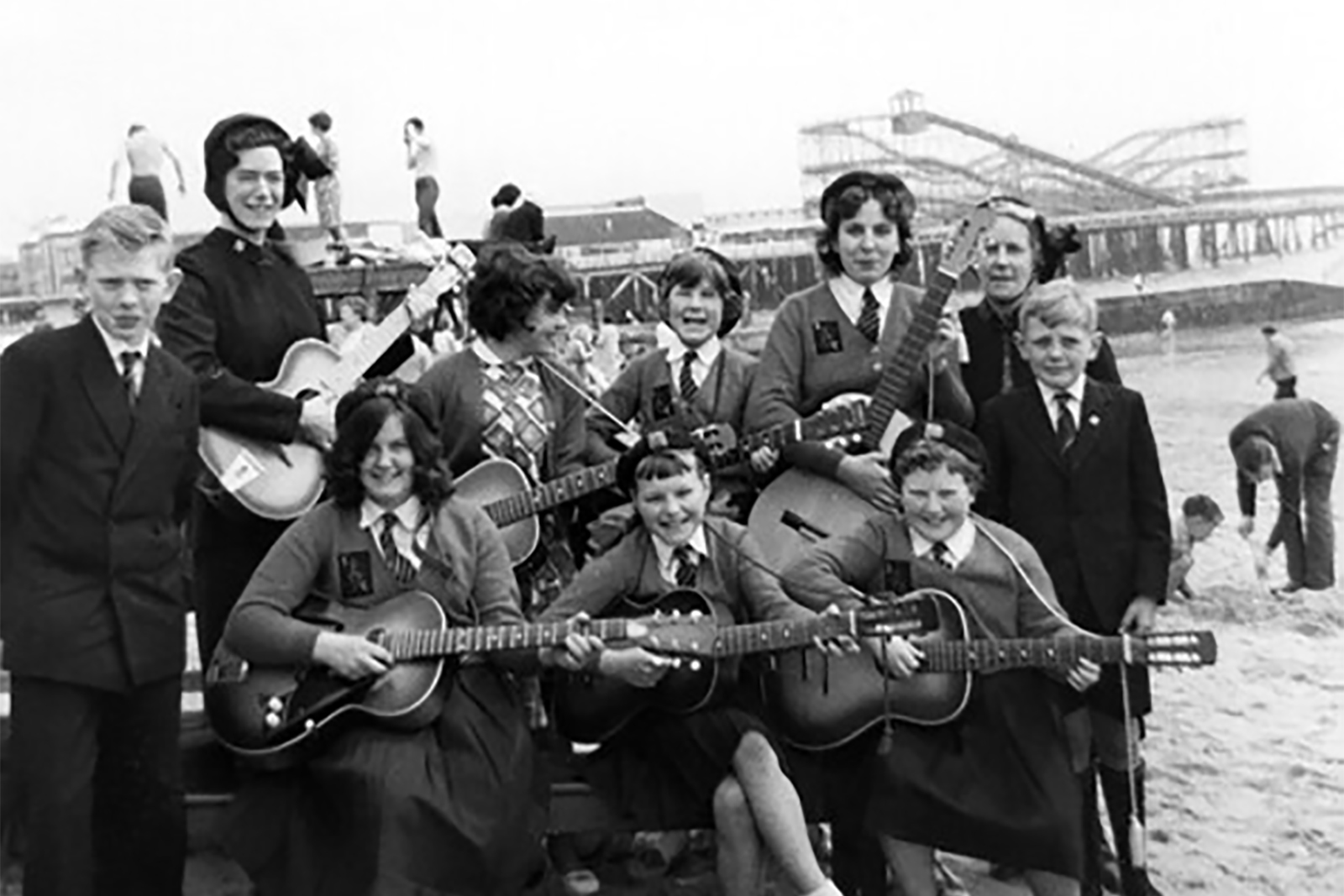
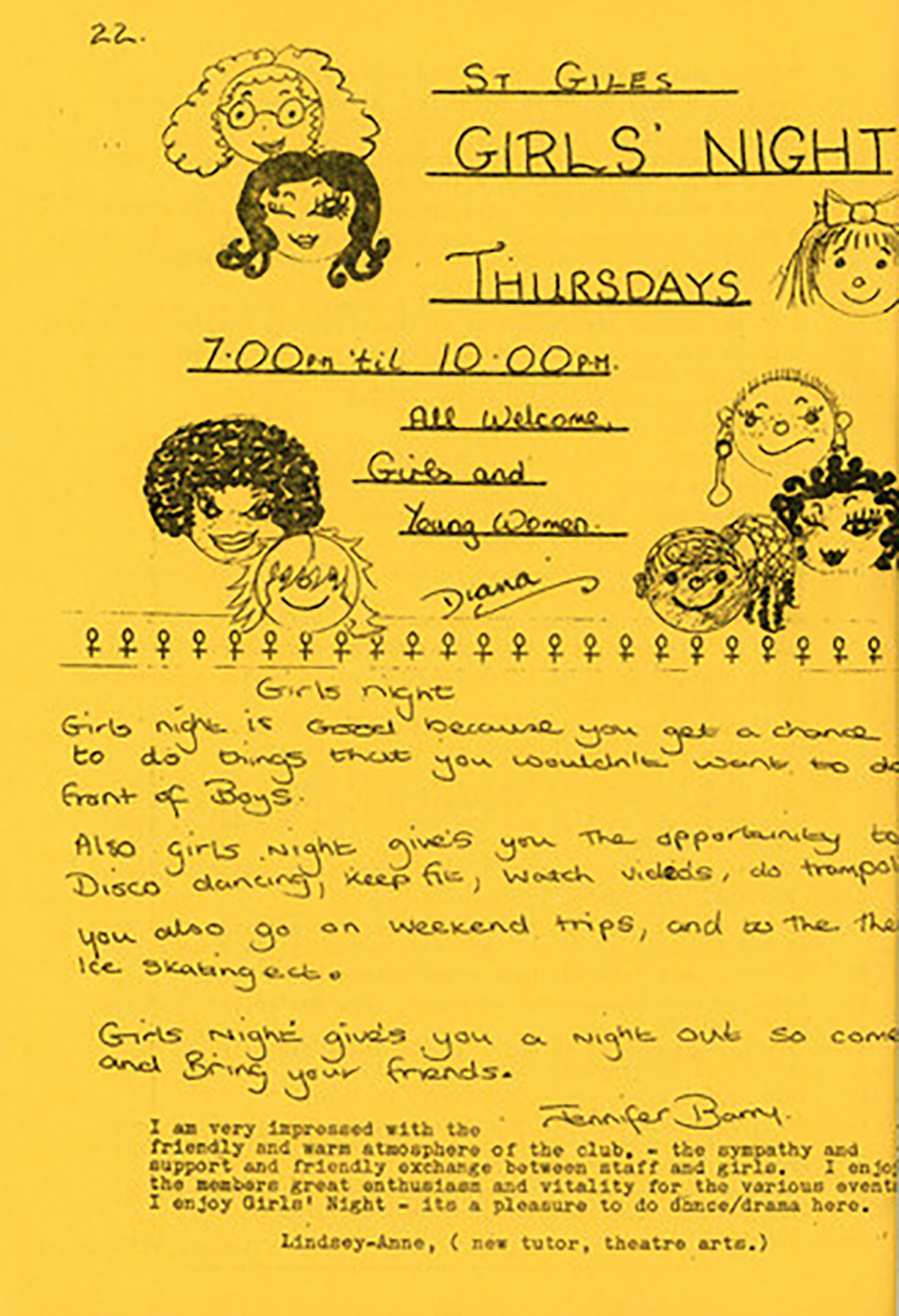
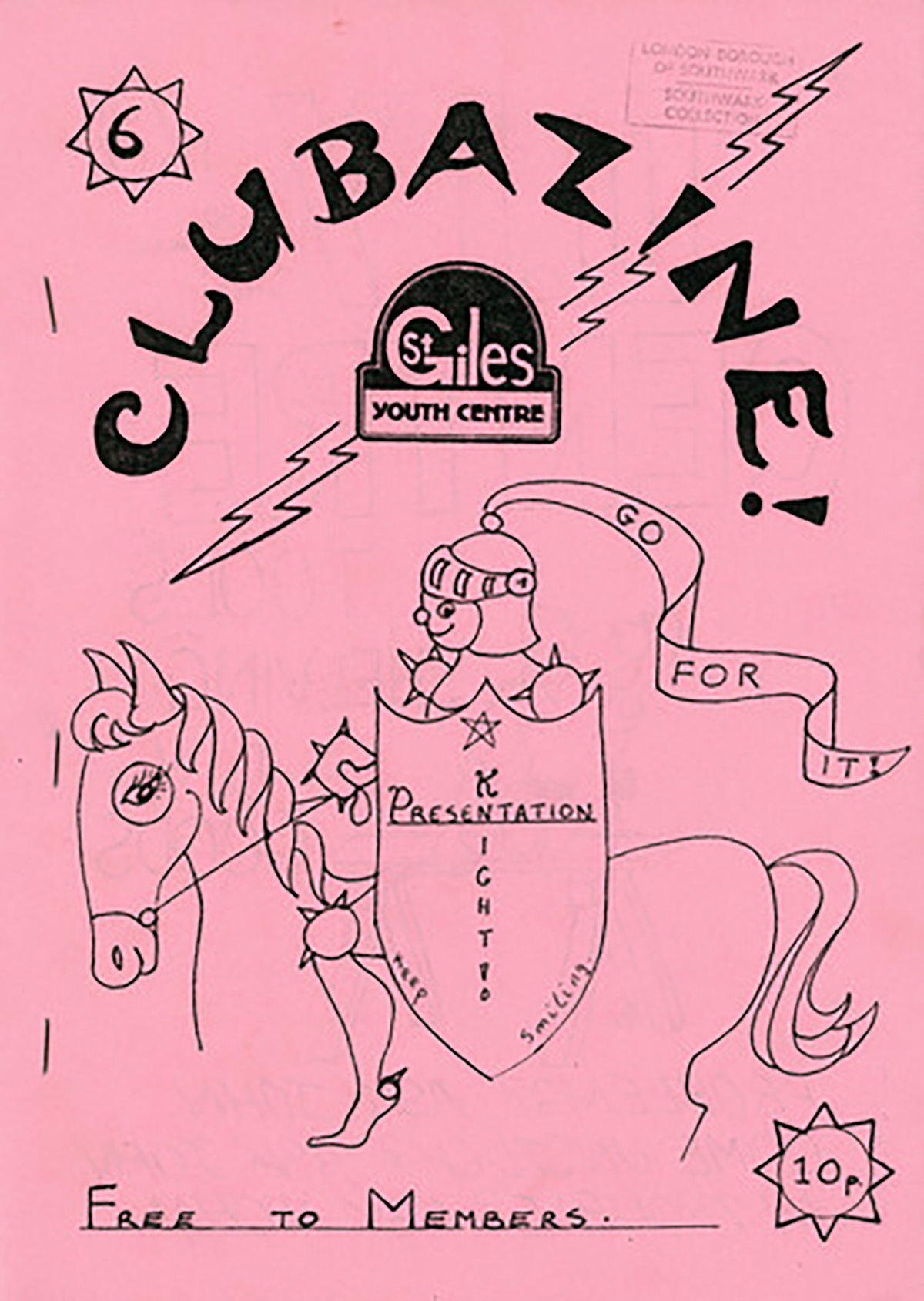
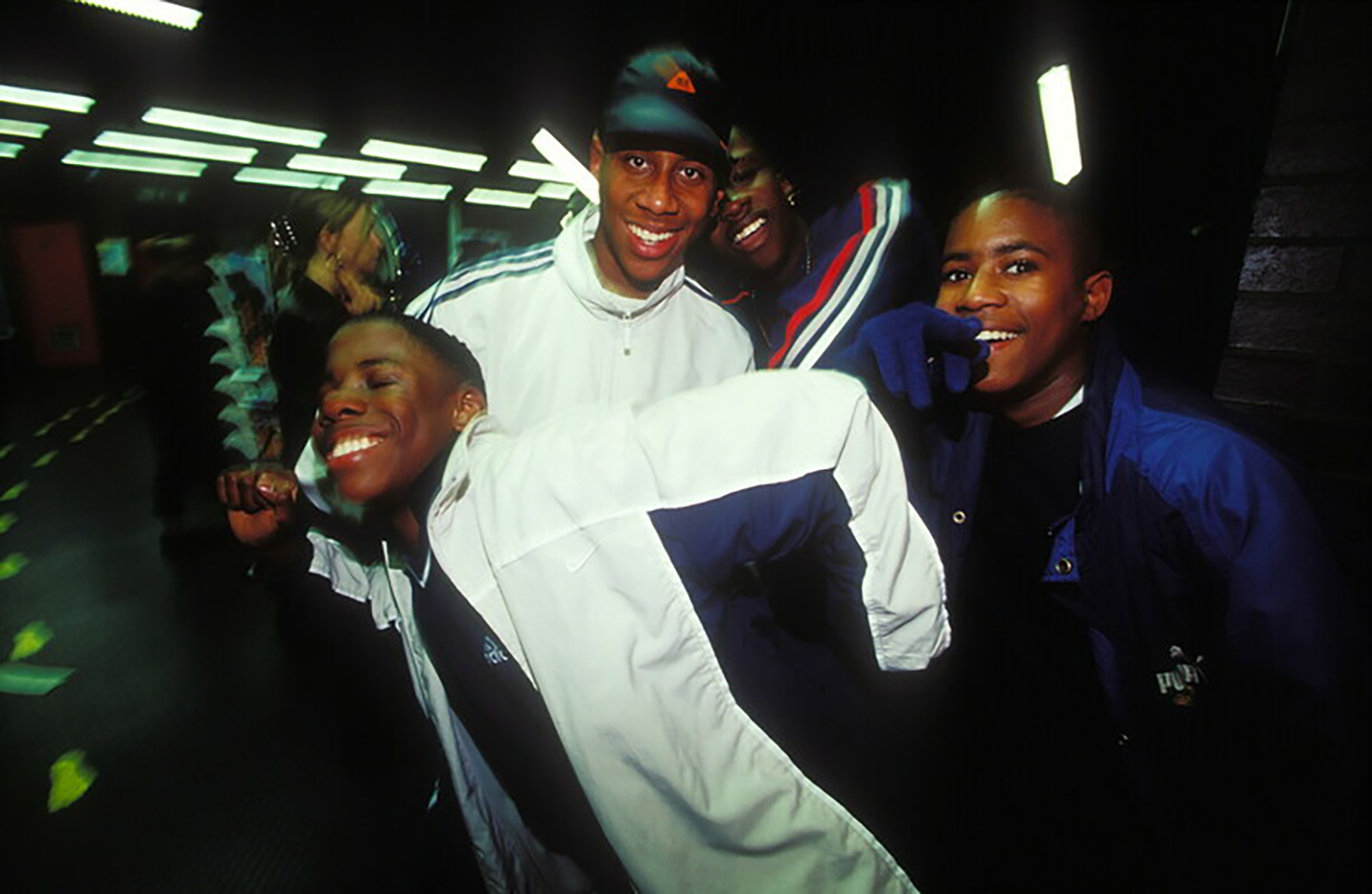
Special thanks to the Museum of Youth Culture, whose Camden site provided images for this project.

Previous article

Marathon Season: Hit The Ground Running

Next article

CALL OUT FOR ARTISTS