Newsletter

Join our mailing list for latest news and features

Build Hollywood

Build Hollywood

Build Hollywood

Build Hollywood

Your Space Or Mine

Sophie Green on capturing the pluralities of British life

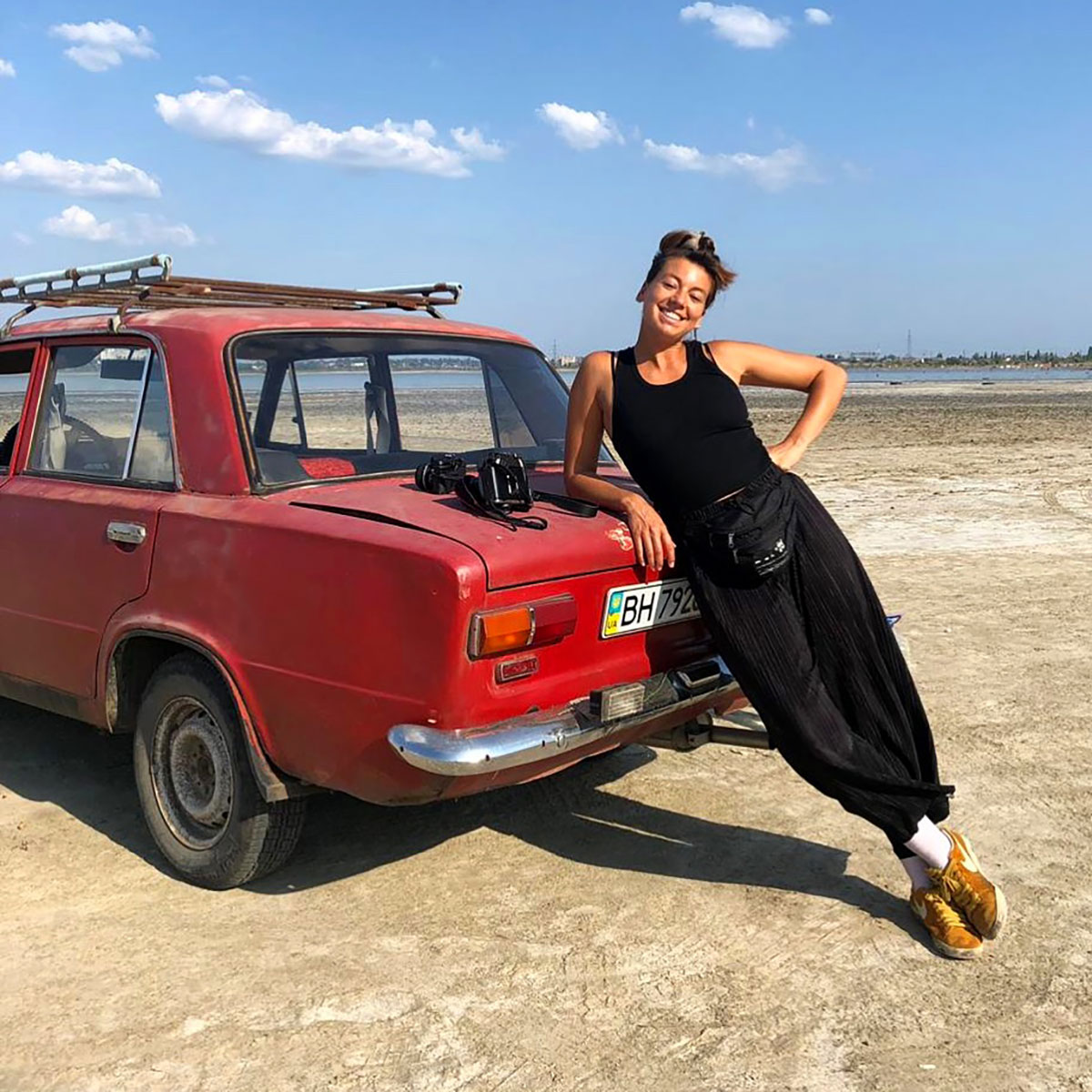
Many artists find a muse in a lover or a friend. For the London-based portrait and documentary photographer, that role is filled by a 1,400-kilometre-long expanse called Britain.

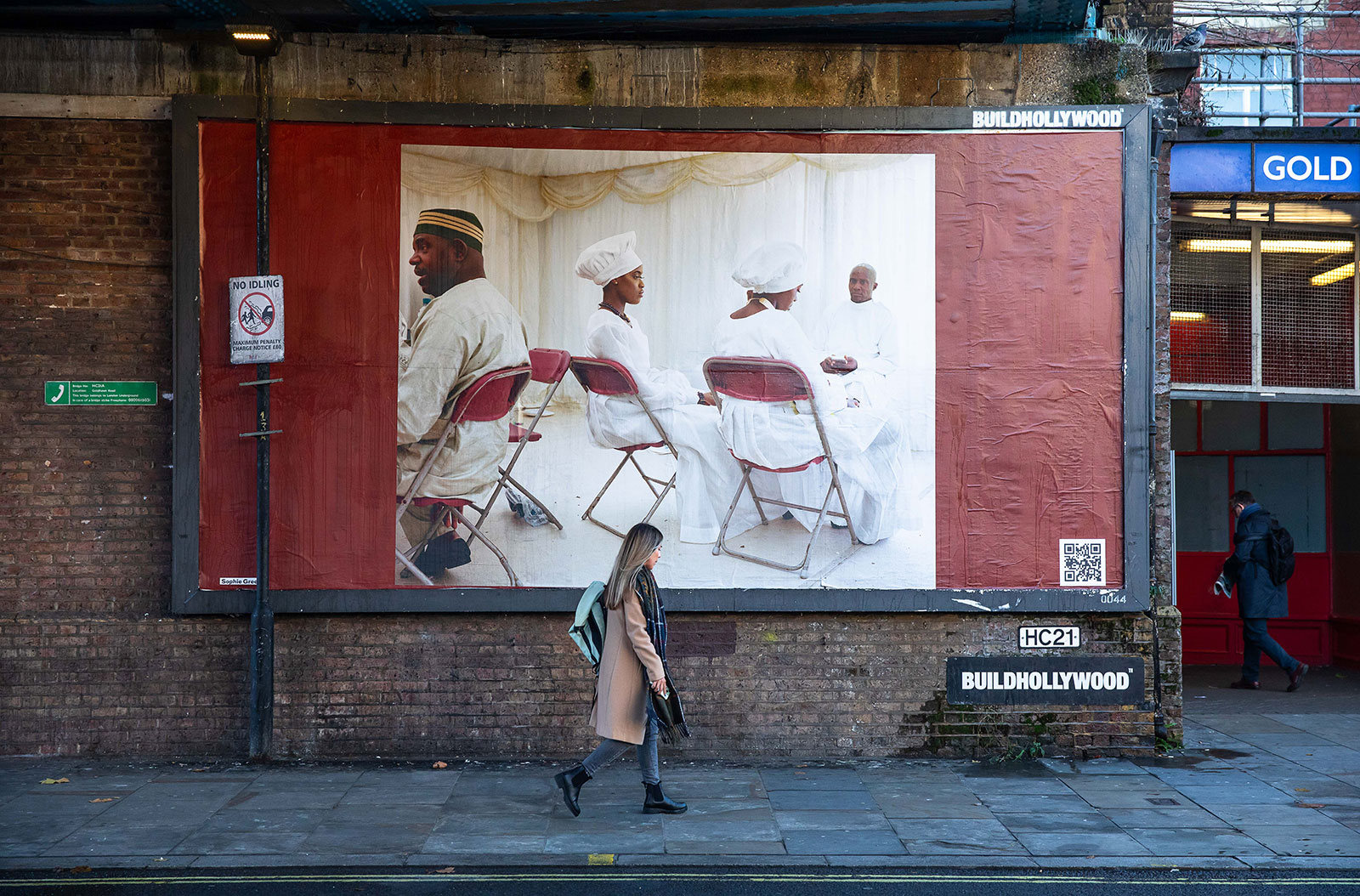
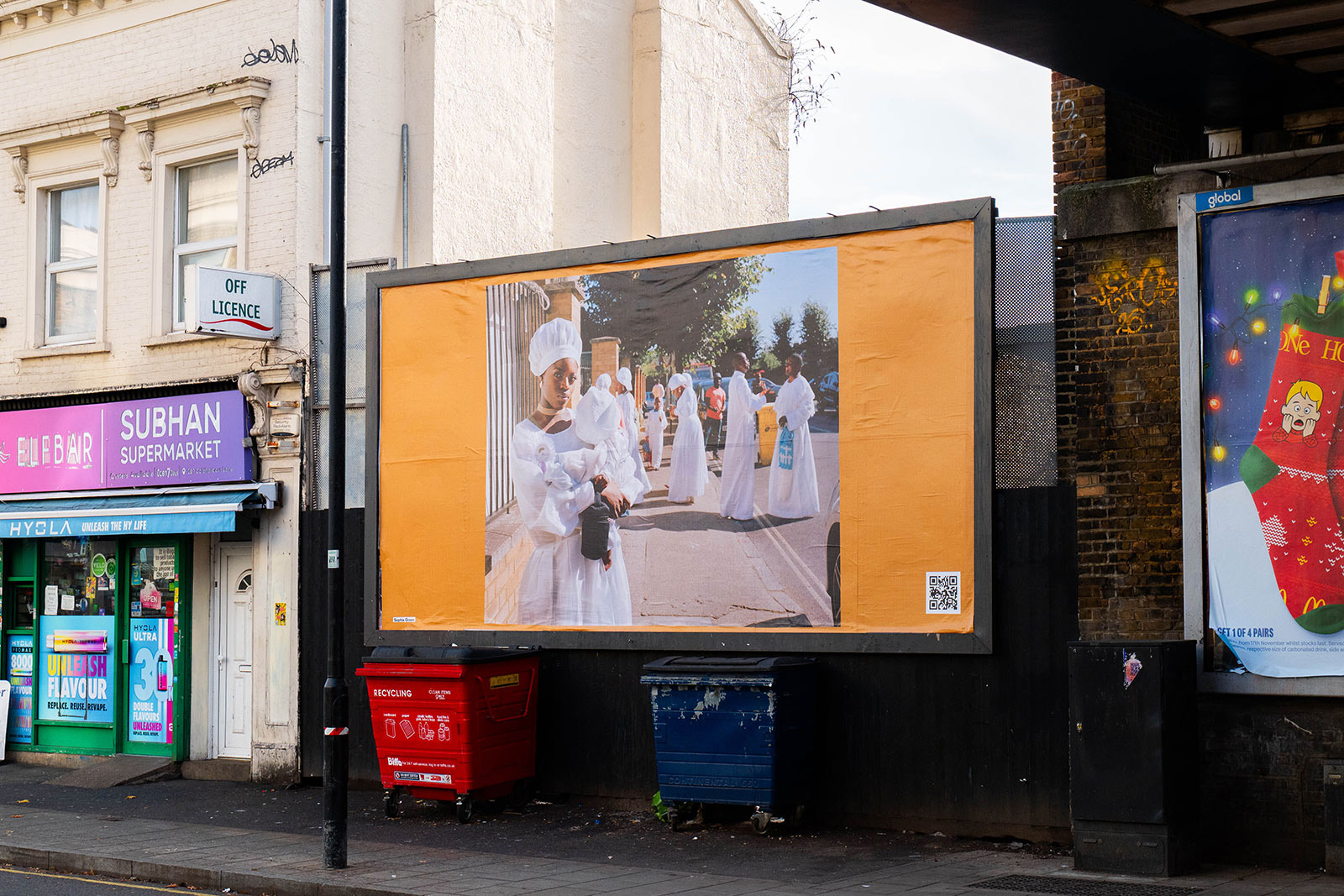
There is nothing glib or downbeat about the way Sophie Green portrays the nation. With her uplifting photographs of social rituals and spaces in which people find belonging, she counters the country’s all-too-easy narrative of despair and division. This has been a consistent thread throughout her career and was plainly in evidence in her photobook Congregation, featuring the predominantly Yoruba members of south London’s Aladura churches, which was published in 2019. The portraits were as elegant as they were eloquent, marking her out as a photographer with an eye for documenting how and why people come together, and a sense of empathy in how she goes about it.

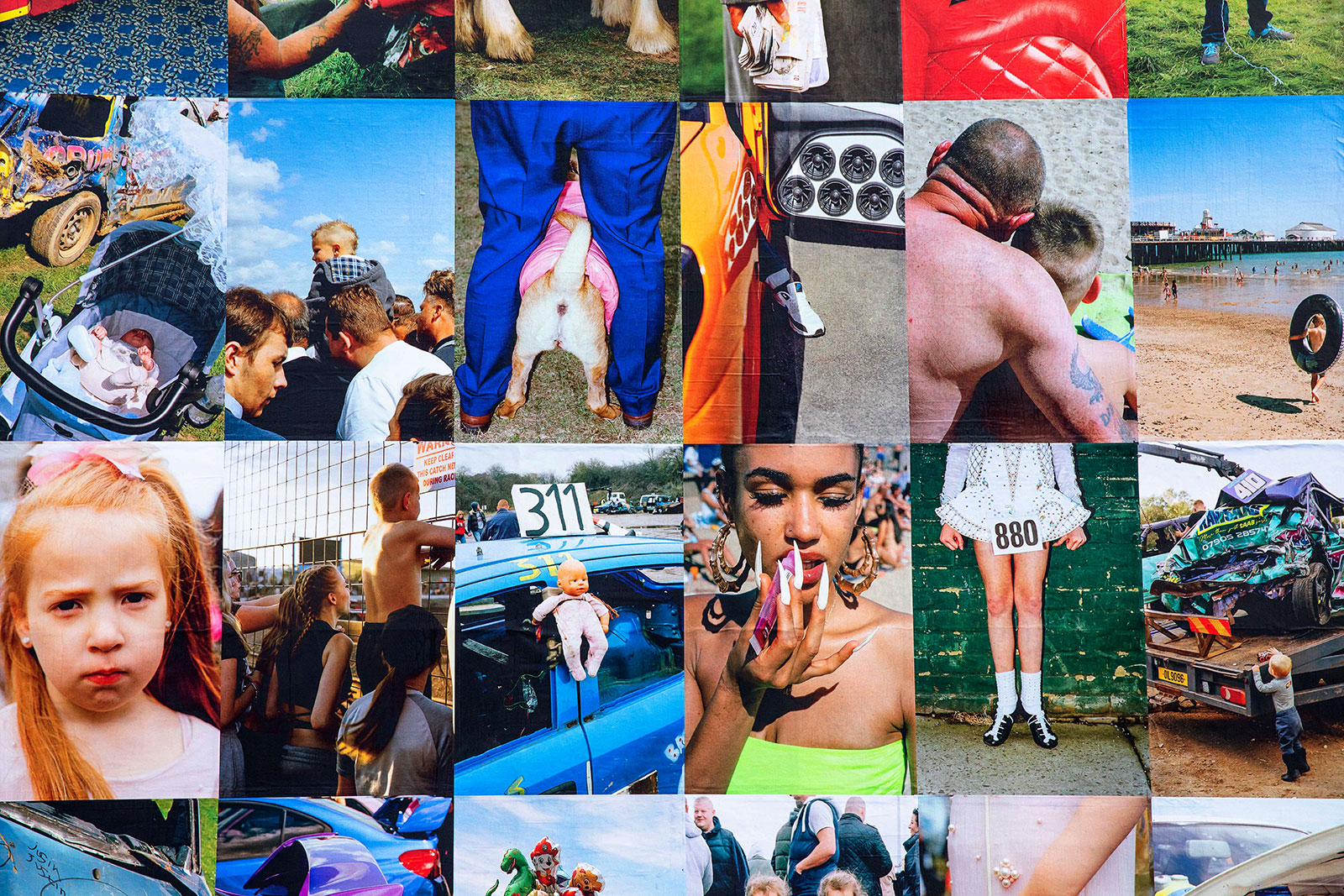
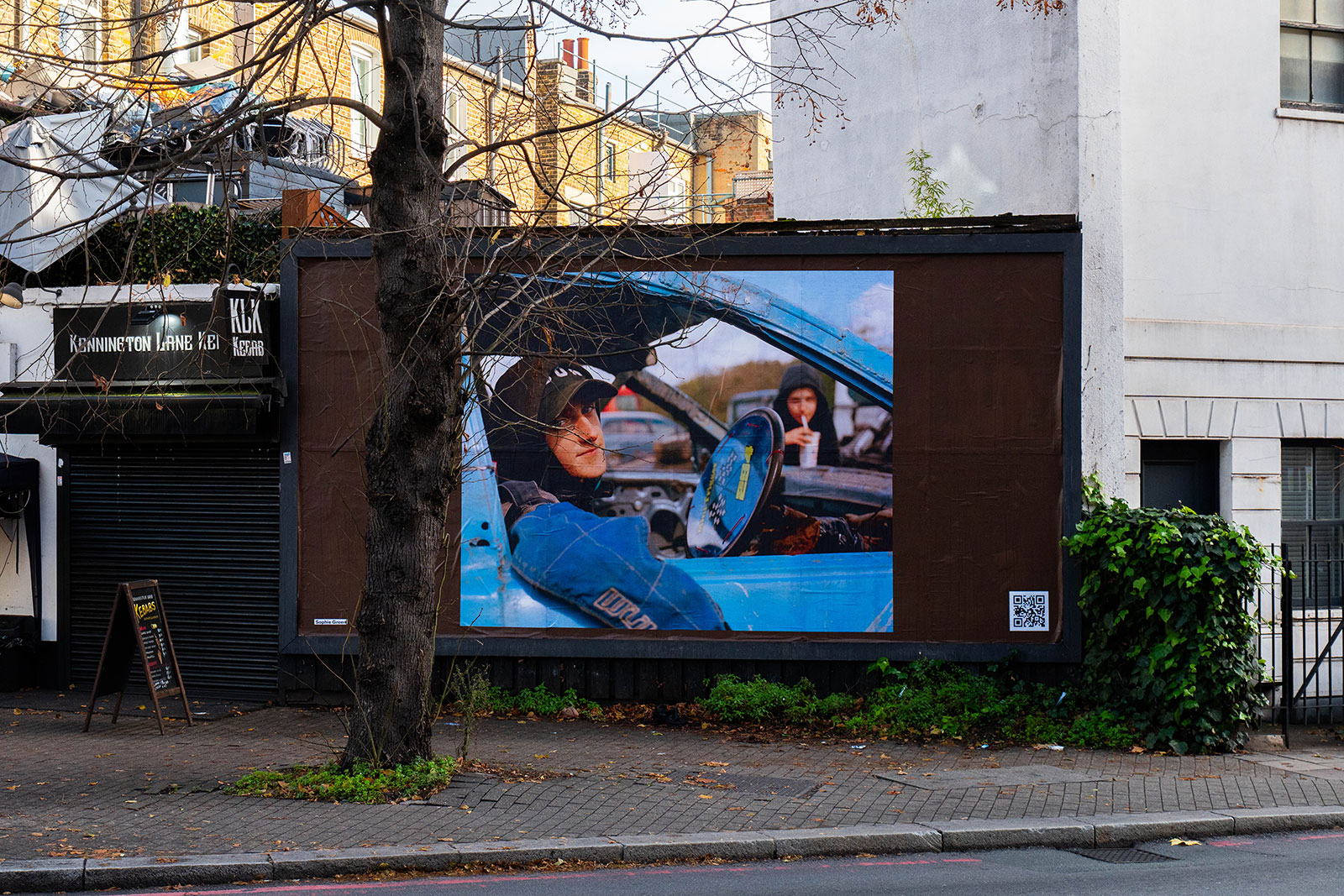
Some of those images appear in her most expansive body of work to date, Tangerine Dreams, a culmination of the 12 years she has given over to documenting the richly varied pockets of British subcultures. Green refers to this work as an “archive”, one that homes in on the diverse rituals found in the every day, and the sense of communal identity and belonging that is kindled around them. Banger racers, Traveller families, Irish dancers, and seaside-goers have all passed in front of her lens, most of them rendered in a bright, saturated visual language that resists the default grey palette associated with Britain. Yet what really knits her work together is her stubborn insistence on one idea in particular: that there is a “far more layered and multifaceted” depth to Britain than the prevailing image of it might suggest. For all the negative press and very real issues that tend to suffocate depictions of the nation, she wants to show “a picture of a country that is colourful, complex and full of character”.

19.11.26

Words by Megan Williams
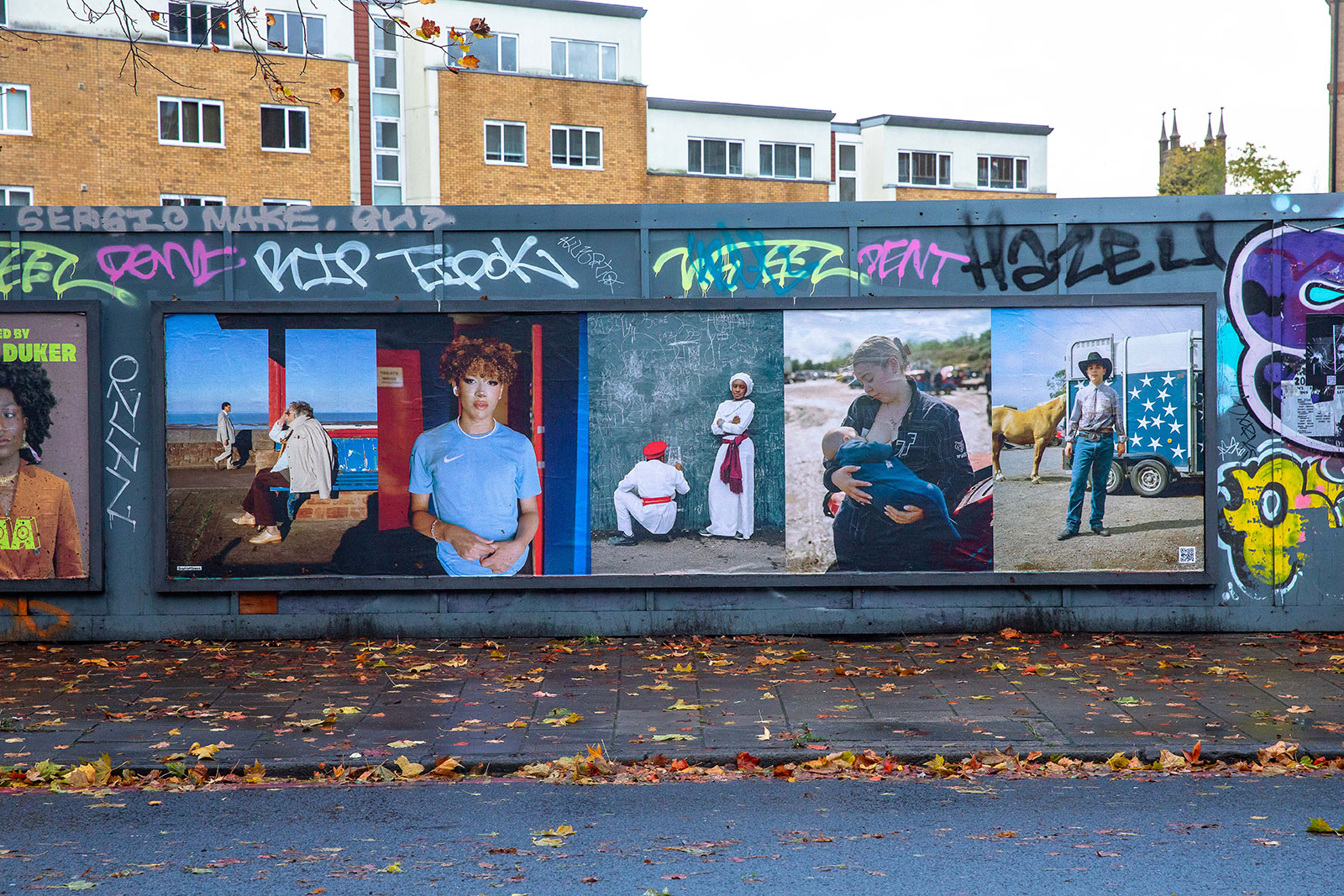
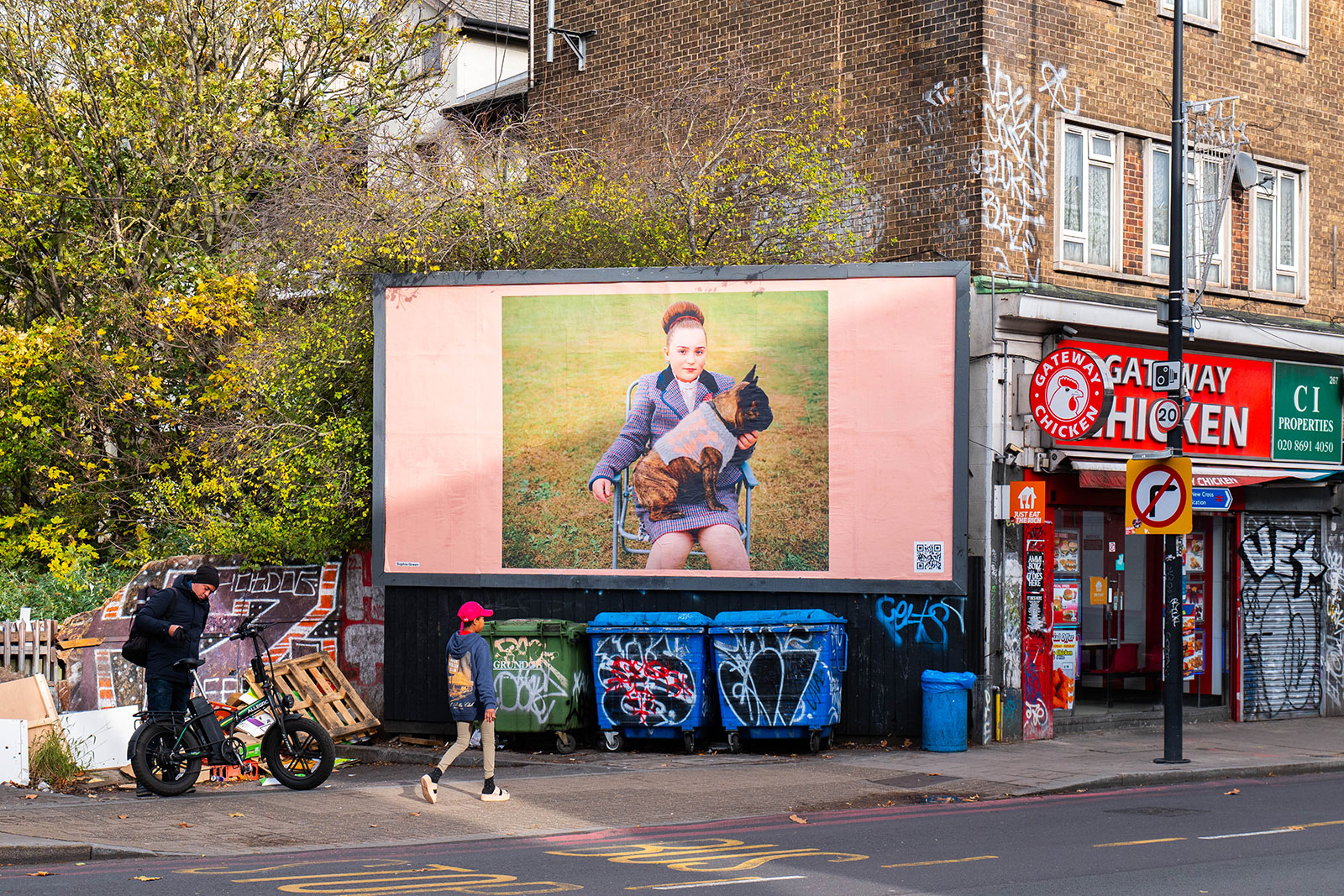
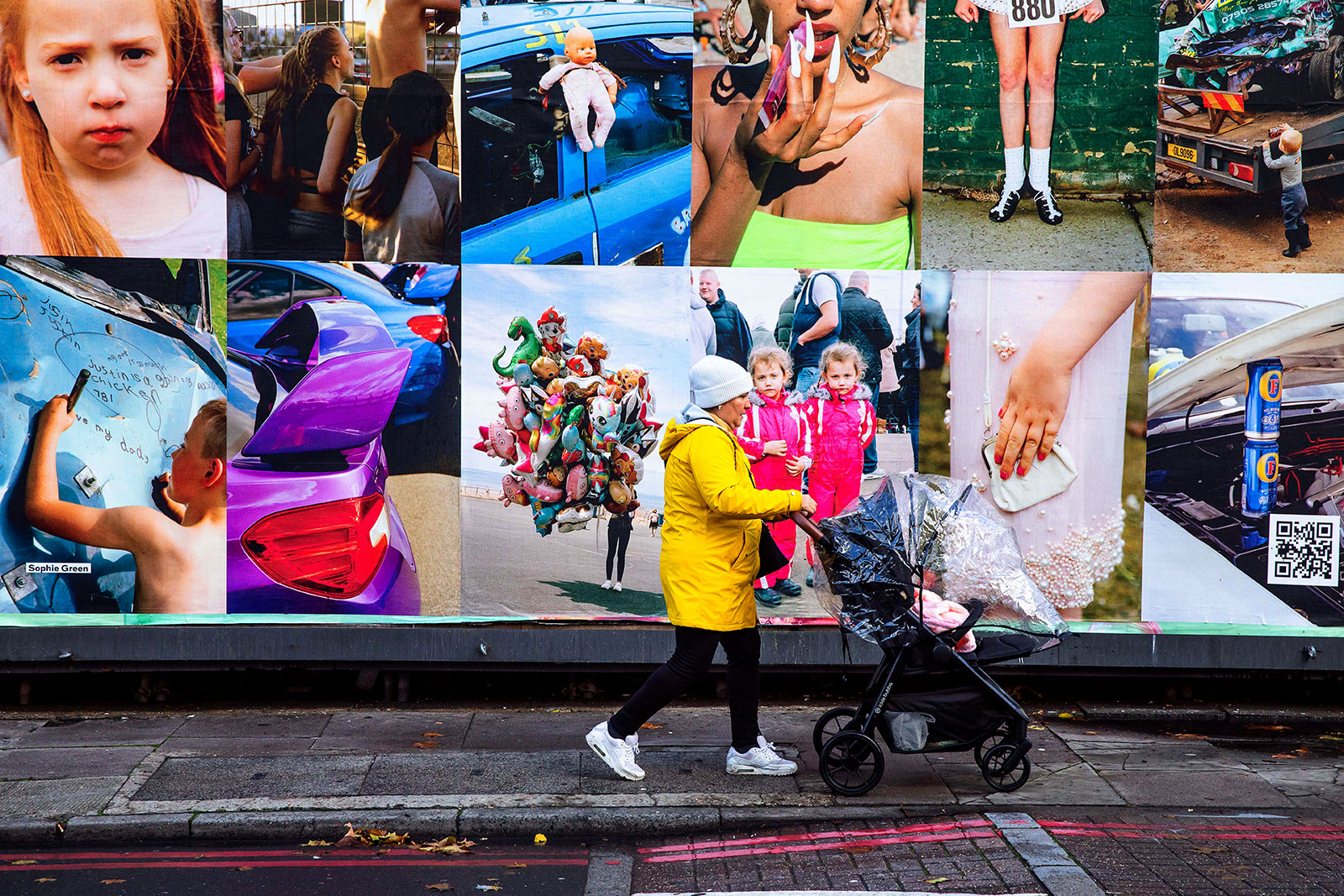
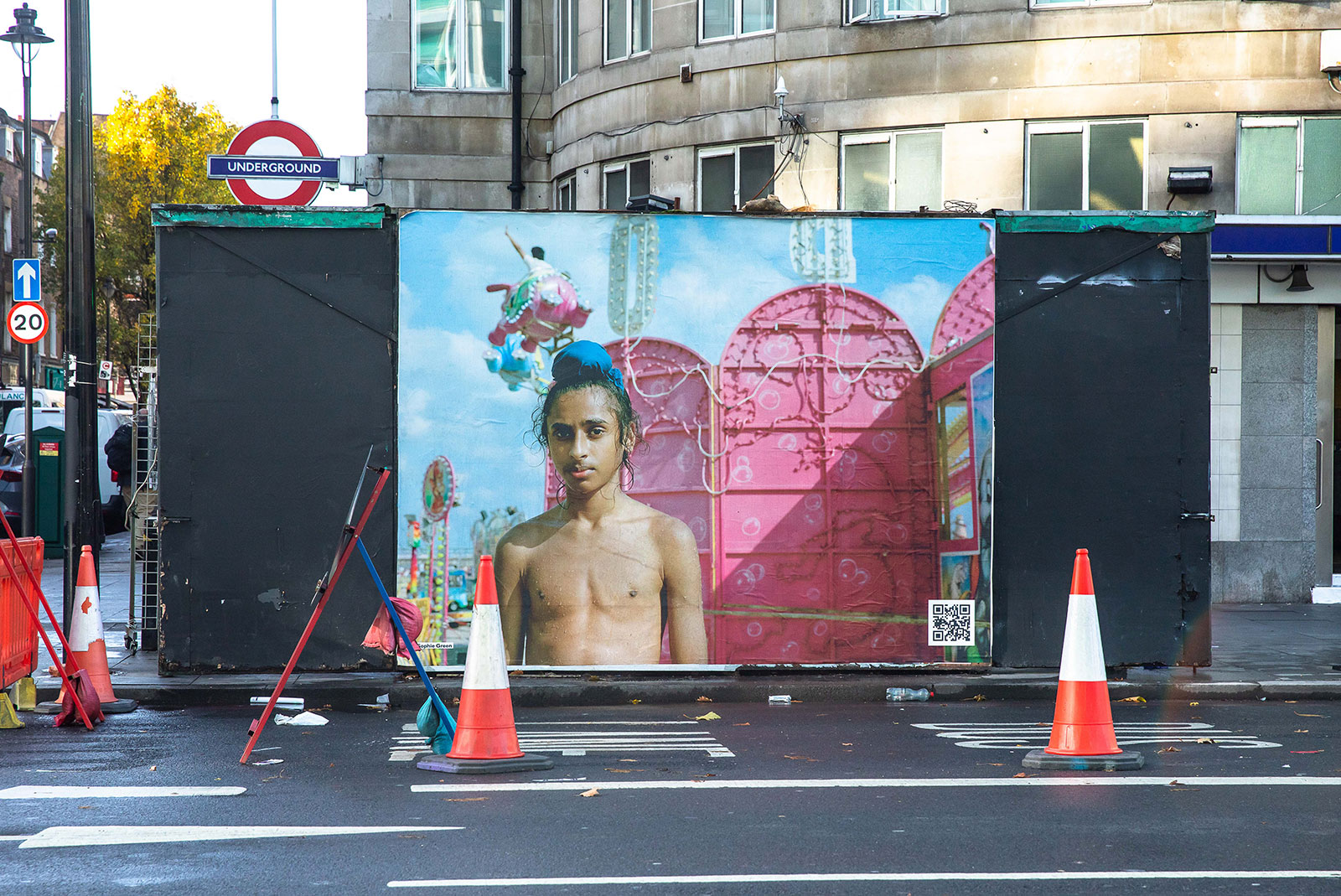
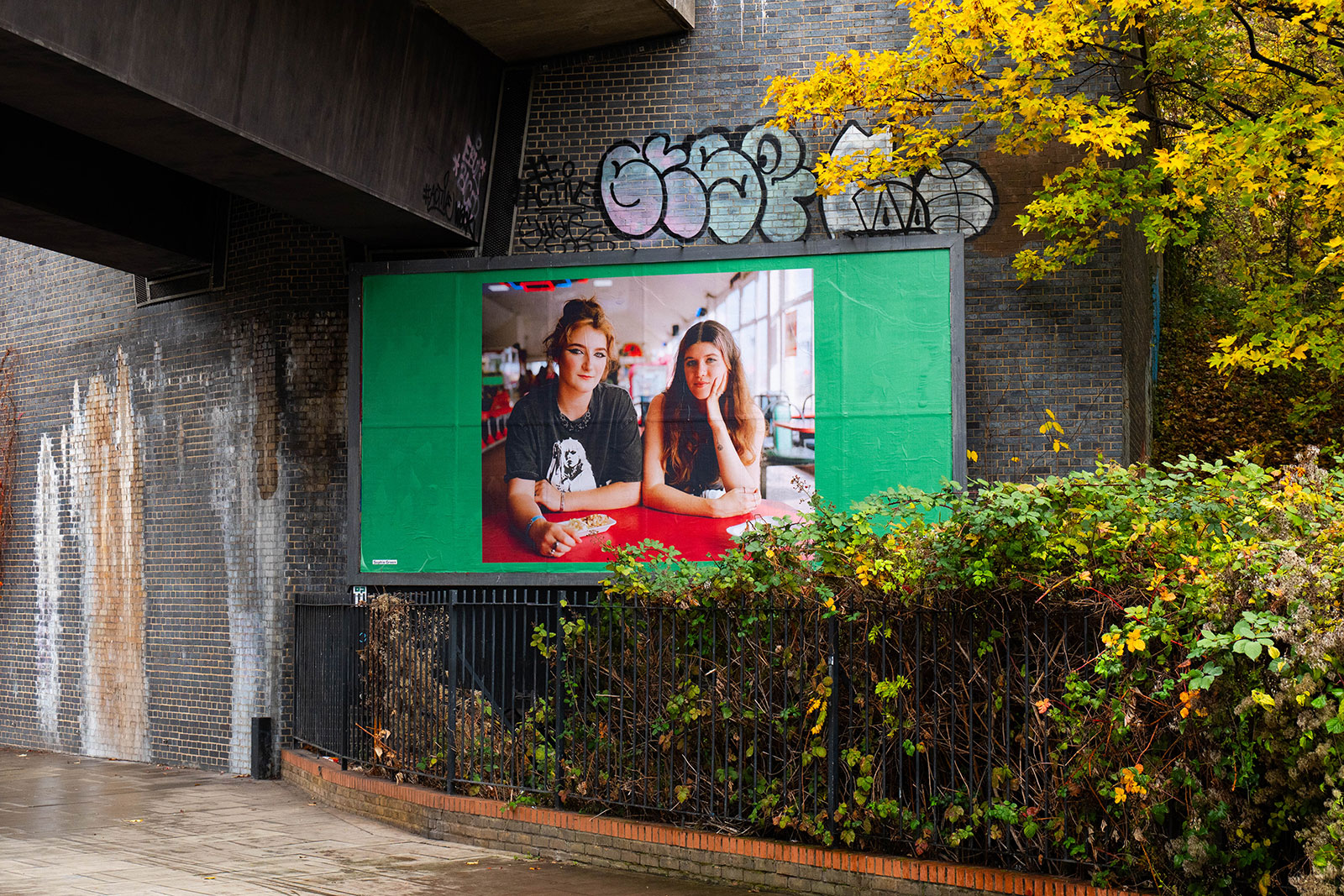
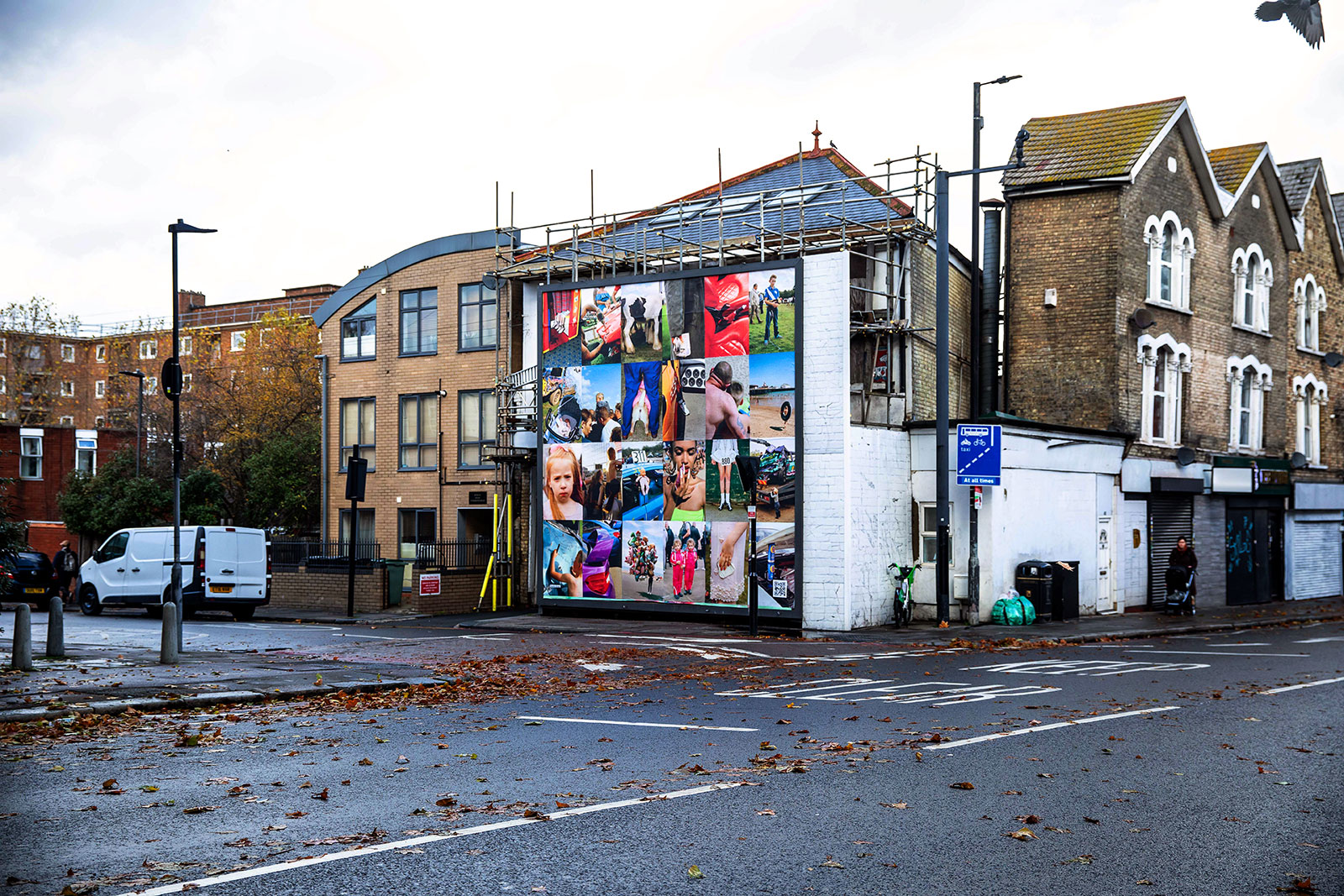
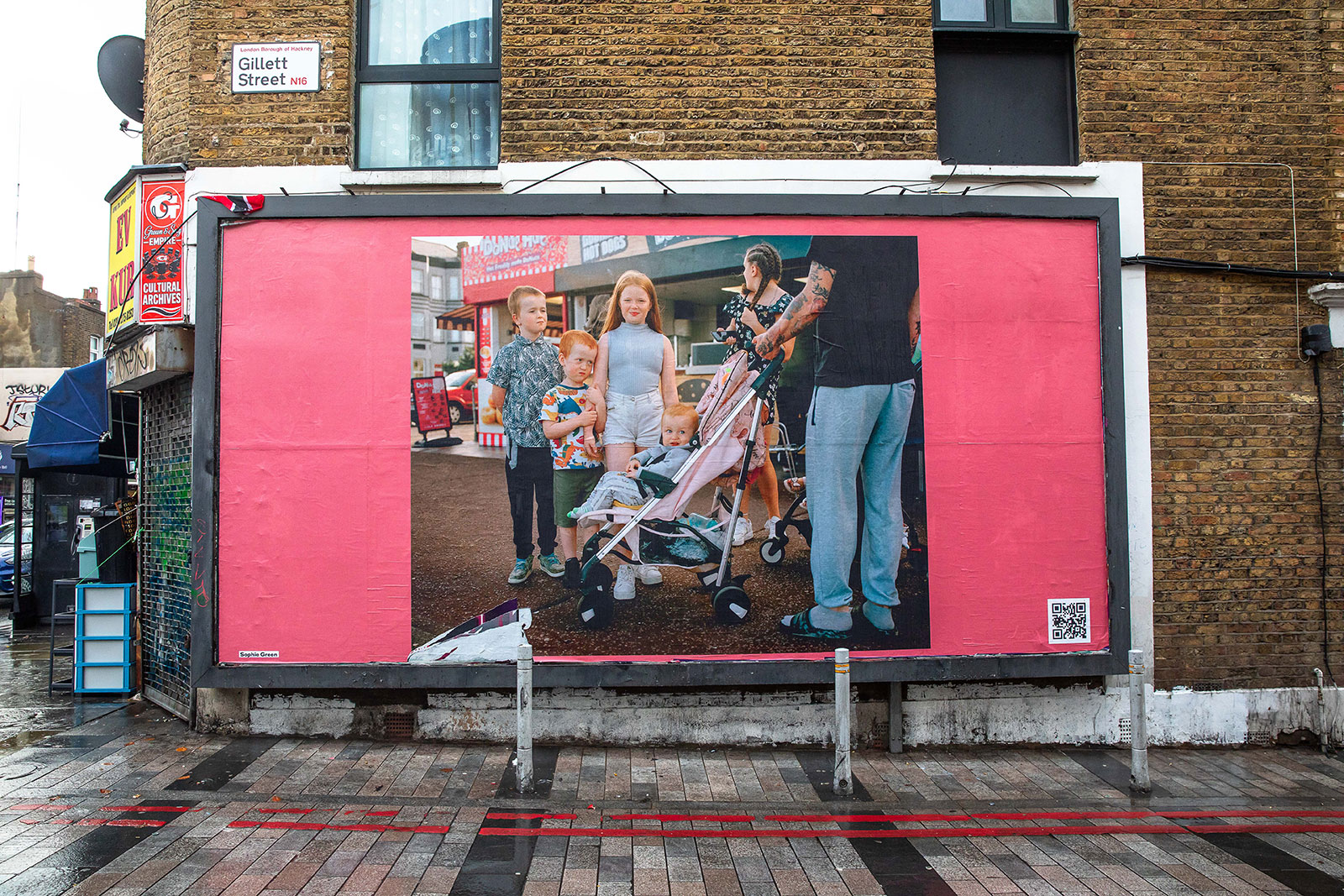
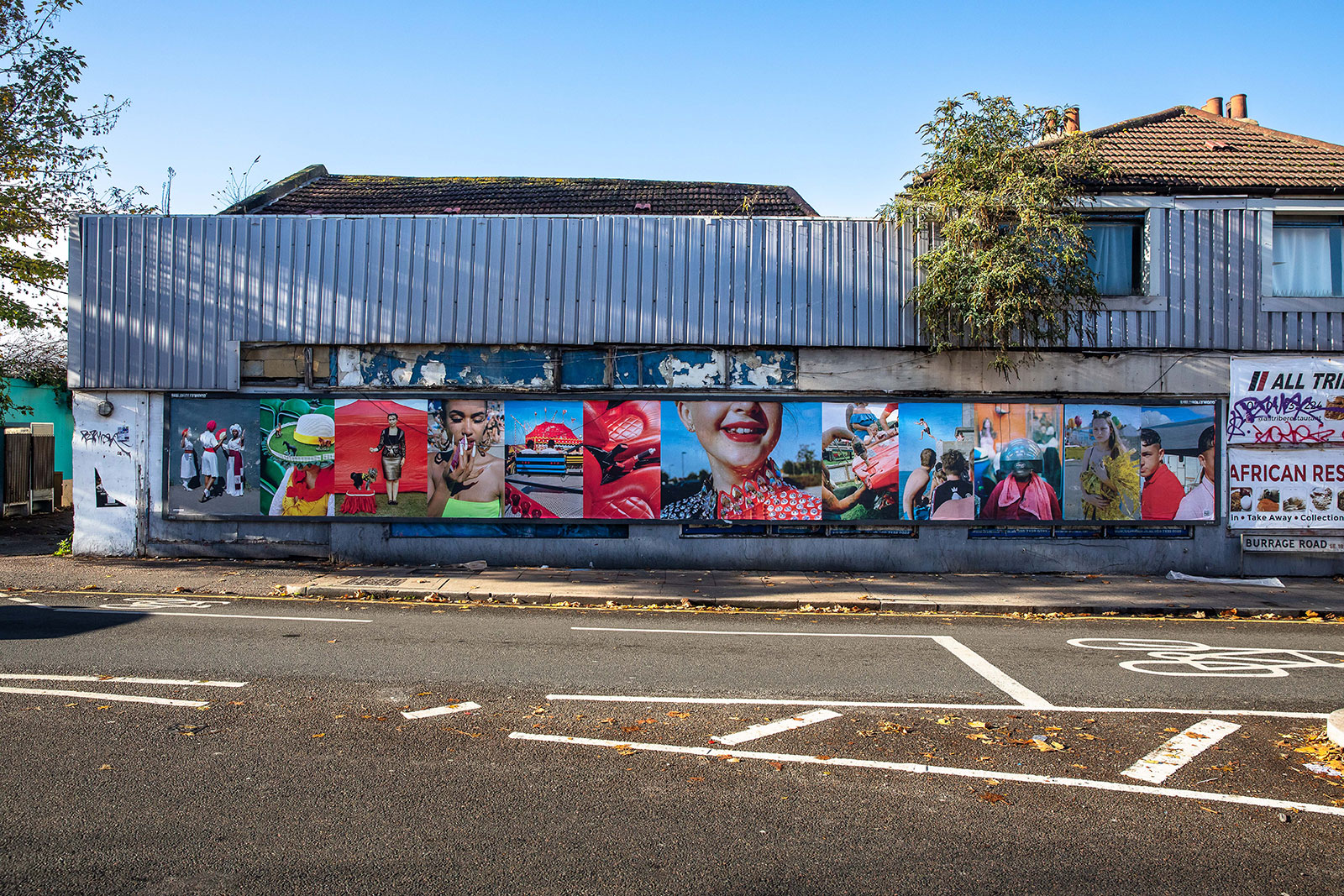
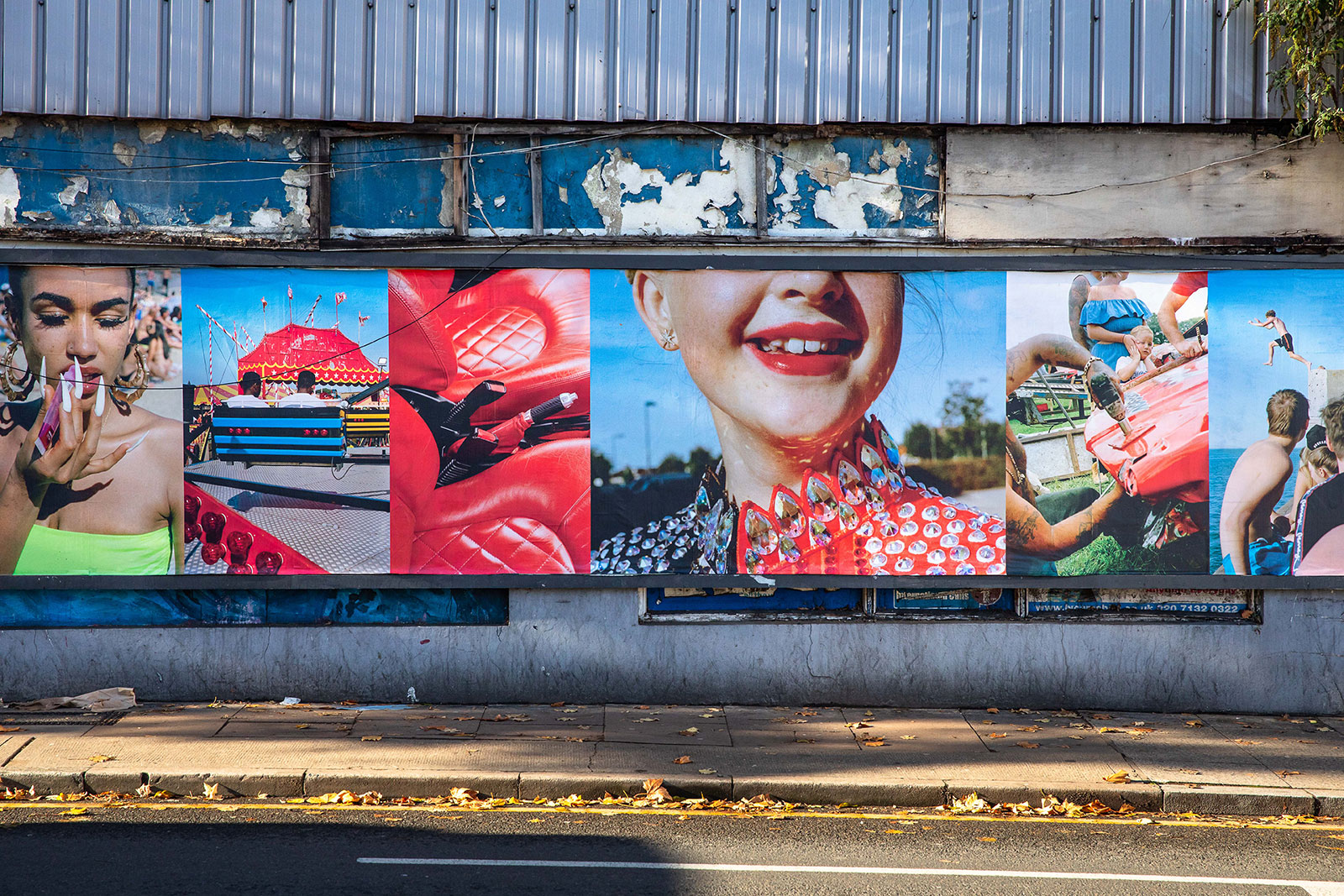
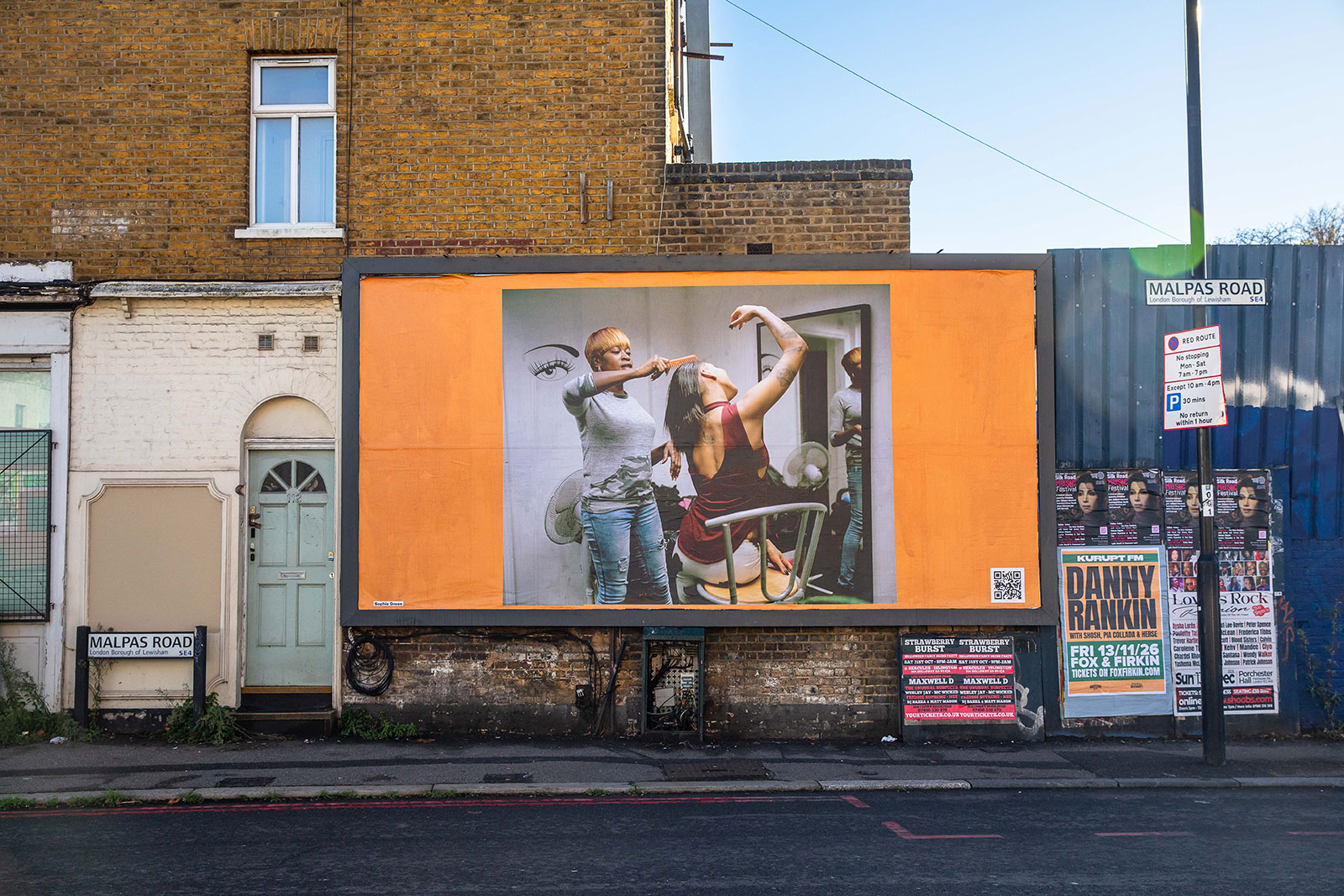
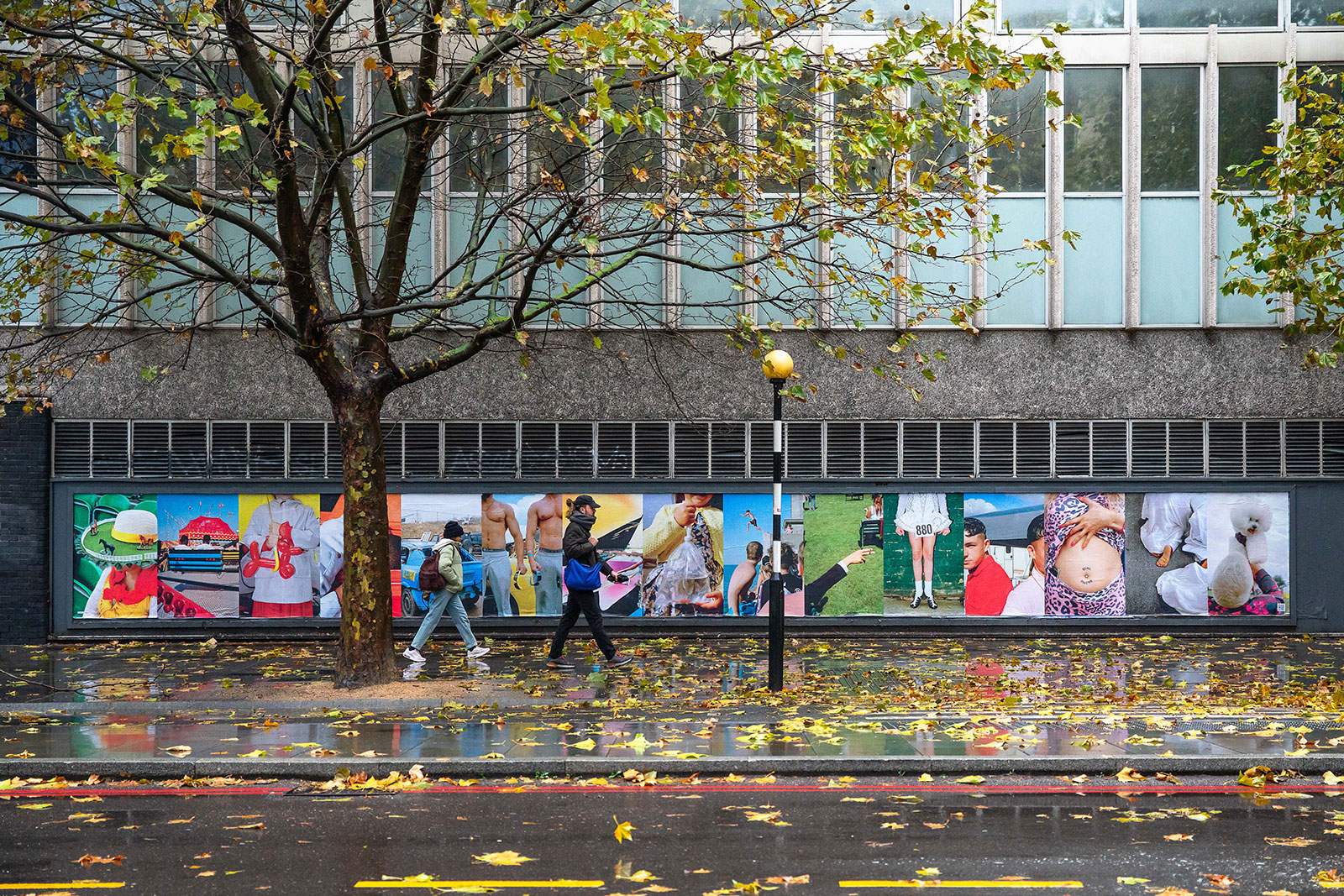
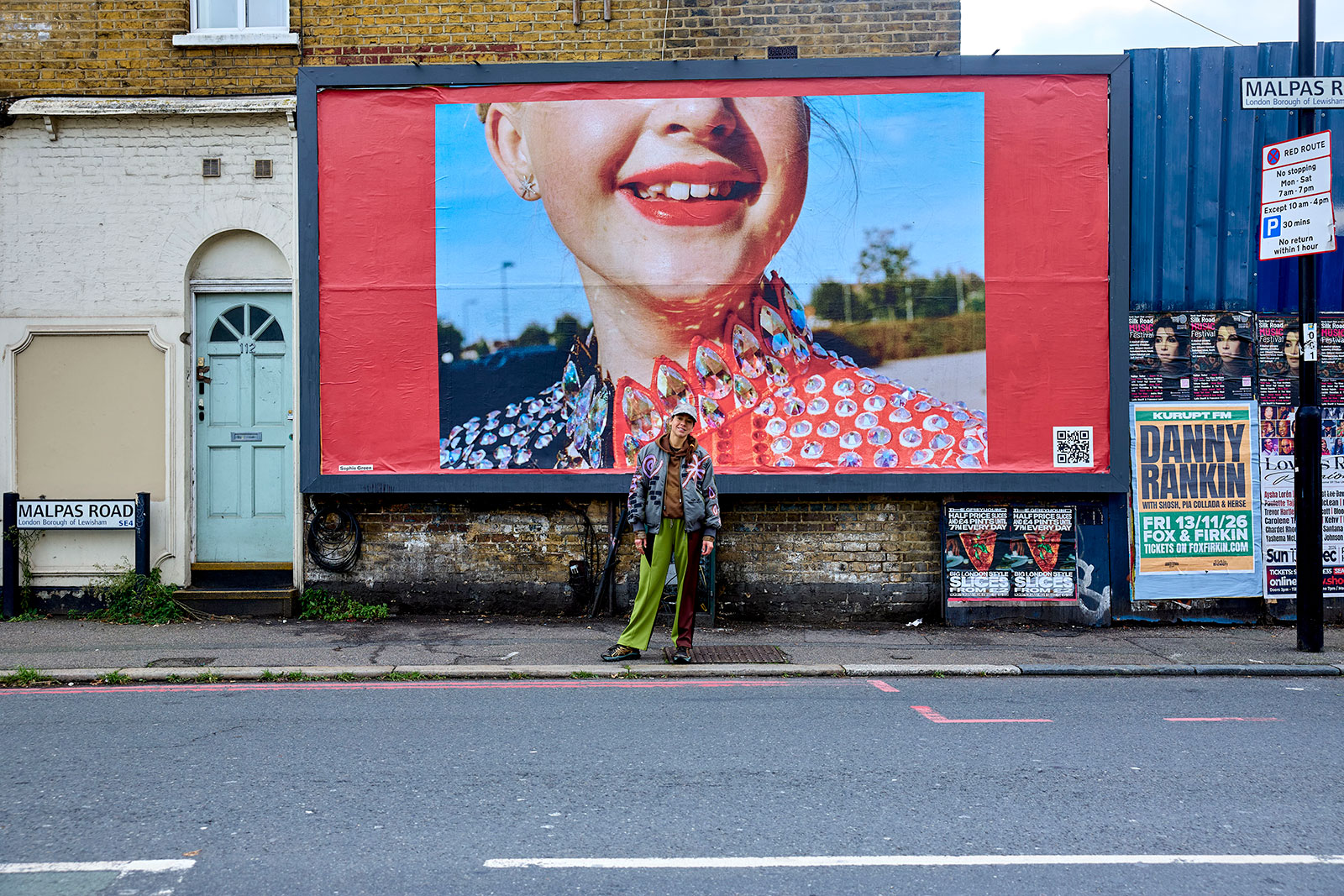
First presented in a photobook and multiple exhibitions, Green’s vision is being brought out into the open as part of Your Space or Mine in partnership with BuildHollywood. The streets will be awash with her photographs of tender moments in the salon; flashes of fun in photobooths and fairground rides; worshippers pooled in a sun-drenched street; young cowboys in the making; a beaming smile lined with coral lip gloss. The match is fitting. Green’s ambition is “to broaden people’s understanding of who makes up this country and celebrate the many different communities, identities and ways of life that exist within it”, as she puts it. It’s hard to think of a better way to do so than by putting those very stories under people’s noses in the city streets, where versions of those moments might just be playing out anew.

She discusses the importance of treading carefully when stepping into communities with her camera, and the influence of Martin Parr, the late giant of photography, on her investigations into Britishness.

Can you tell us about your experience of growing up in London? How has the city shaped your perspective as a photographer?

Growing up in London meant growing up in a city made of many cultures at once. On any one high street, on any one bus for example you’re among people of every faith, language, heritage and tradition, all sharing the same space. The Britain I knew was plural from the start. That gave me a deep appreciation, respect and love for the city’s diversity and a strong sense of how much every community has contributed to the cultural, social and artistic fabric of Britain today. That conviction runs through everything I make.

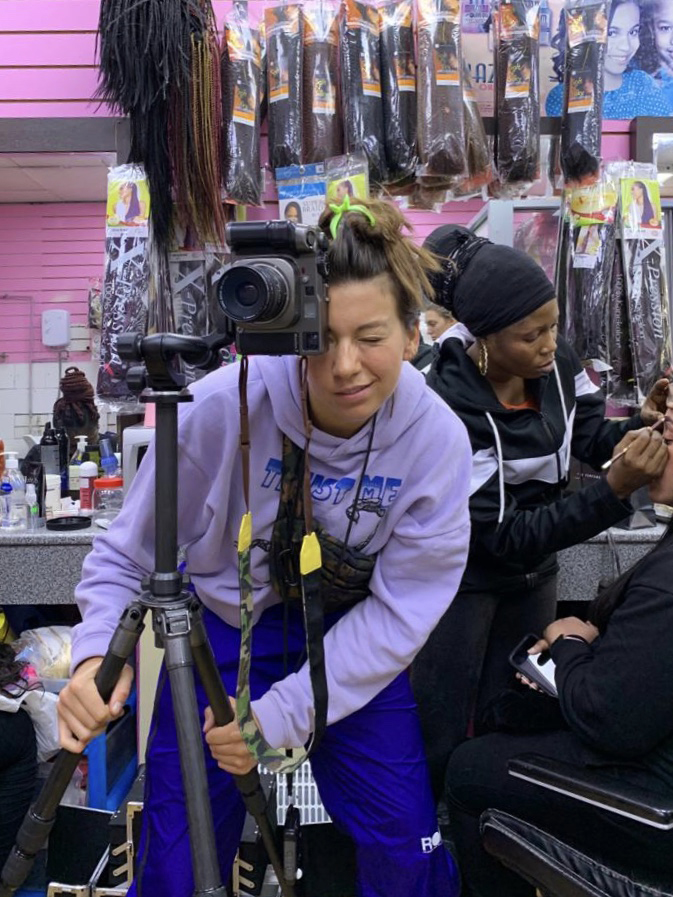
London also gave me some of my first subjects, communities I went on to document for years. I live and work in Peckham, and some of the projects in my archive were made close to home: the Aladura spiritualist churches of Southwark, where congregations in white garments gather every week for Sunday service, and the Afro hair salons of Peckham, which are as much social spaces as businesses. These are places most Londoners pass without ever going inside. My curiosity began simply through proximity: seeing people on the street, dressed for worship or stepping out of a salon, and wanting to understand the worlds they were moving between. In London, extraordinary stories are right on your doorstep.

The city also taught me how fragile these spaces can be. I’ve watched high streets transform and familiar places disappear through gentrification and changing cultures; several of the spaces I’ve photographed no longer exist today. I think that’s where my impulse to document comes from. If you don’t record what’s happening now, ordinary life can vanish and change unfolds. A salon or a church for example is more than a building: it’s where communities form, traditions are passed down and people find a sense of belonging. Photographs can’t save these places, but they can ensure the people who gave them life are seen and remembered.

London also gave me access to a creative world that shaped my early experience of photography. I was able to visit galleries and exhibitions, see work by photographers I admired and meet other creatives. Being based in a city with an active photography scene also helped me see that a career in photography was possible. There’s an openness here that encouraged my artistic curiosity and that freedom still shapes how I work today.

Which artists have made a strong impression on you?

So many artists, filmmakers and photographers have influenced me, but I’d like to speak about the one who gave me a framework for documenting Britishness: Martin Parr. His work showed me that photographing ordinary British life wasn’t a lesser subject but one of the most revealing there is. He took the seaside, the supermarket and the village fete seriously, and through them said something sharp about class, leisure and national identity. What I take from him isn’t a style so much as permission: to be drawn to the eccentric and the political, and to treat those things as worthy of a lifetime’s attention. Having my work recognised by him, and later showing it at the Martin Parr Foundation, still means a great deal to me.

You often focus on where people gather, whether that’s the church or the seaside or the racetrack. What draws you to these spaces and the people in them?

Gatherings are where identity becomes visible. Whether it’s a Sunday service at an Aladura church, a Traveller horse fair, a banger racing track or a crowded beach in summer, these are places where people come together around shared traditions, beliefs, passions and ways of life. What draws me most is the sense of belonging within these spaces: the pride, devotion and purpose people share.

Ultimately, these gatherings reveal something deeply human. At a time when so many of us feel disconnected, they remind us of our need for ritual and community: to come together, express who we are and feel part of something larger than ourselves.

Can you give an insight into your process? Do you have any ground rules or anything that would be off-limits?

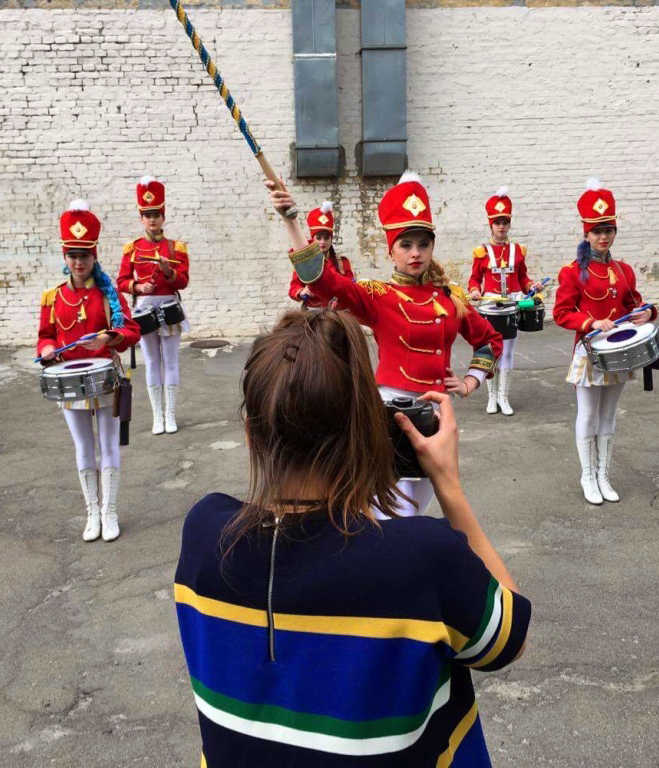
My shoot days involve a lot of time without the camera: talking to people, observing and understanding the rhythm of the event or occasion I’m documenting.

Working in documentary photography means that very little can be planned in advance. I work in a spontaneous way, responding to real life as it happens. This also means that the outcome of a shoot is never guaranteed. Sometimes I might come away with one strong photograph, sometimes several, and occasionally none at all. Image-making requires an enormous amount of patience, and often it’s about being present, paying attention and waiting for those moments to reveal themselves.

The way I photograph also depends on the situation. Sometimes I’m working quietly and documenting things as they happen; at other times, I make more considered portraits with the full involvement of the person being photographed.

Consent is non-negotiable; everyone I photograph for a portrait has given me permission to do so. There are also certain situations where I would never photograph, whether because a moment is too personal, a ritual is private, or the presence of a camera would be intrusive. I don’t believe everything needs to be photographed in order to tell a story. Sometimes knowing when to put the camera down is just as important as knowing when to pick it up.

A lot of your work involves documenting customs and environments that are culturally significant, even sacred, for communities. How do you ensure you’re engaging sensitively with these subjects?

It starts with recognising that I’m a guest. Many of the spaces I photograph, whether places of worship, cultural gatherings or funerals for example, carry deep meaning for the people in them, and that meaning comes before any photograph I might want to make. I think it’s important to approach these environments with an open mind, without making assumptions or arriving with a fixed idea of what I want to capture.

Time is the most important part of my approach. I return to many of the same communities over several years, and those relationships inevitably shape the work. People get to know me and understand what I’m doing, trust develops, and the process becomes more collaborative. The longer I spend with a community, the more I begin to understand the nuances of its traditions, which in turn shape what I choose to photograph. I share photographs with the people in them, and their responses and feedback matter to me. Ultimately, my intention is to represent people with dignity, on their own terms, and with the same pride and respect they bring to their own traditions.

So much contemporary discourse is about division, culture wars, and so on. Do you see your work, which deals with collective identity and togetherness, as a kind of resistance against that?

I think so, yes. The national conversation is often dominated by arguments about who belongs, what British identity means and who gets to define it. These debates can feel incredibly divisive, fractious and negative. Having spent over 12 years documenting different communities across Britain, I’ve seen first-hand how multifaceted life in this country really is. I see my archive as a record of what is actually happening on the ground, beyond those headlines and political narratives. Division is real, but so is the contribution of the many different communities and individuals shaping Britain today. Their lives, traditions and experiences are all part of what makes the country what it is, and I think it’s important that these stories are seen.

In that sense, I suppose the work is a form of resistance. Not by trying to make a political statement, but by showing a more complete picture of the country and the people who make it what it is. Seen together, these communities reveal a Britain that is far more varied, complex and interconnected than the headlines often suggest.

Tangerine Dreams brings together over ten years of your documentary photography. What was the impetus behind the body of work, and how did you decide what to include in it?

Bringing Tangerine Dreams together, first as a book and then as an exhibition at the Martin Parr Foundation, has been the standout moment in my career so far. For over ten years, the work had existed in separate pieces: different projects, different communities and thousands of frames shot on film. The book was an opportunity to bring all these strands together and see the work as a whole for the first time. All the projects formed a dialogue with each other.

I worked closely with the design agency Colville-Walker on the curation [of the book], which involved a deep dive into my entire archive. It was an intense but incredibly rewarding process of revisiting years of work, looking through thousands of frames and identifying the photographs that best represented the themes I’d returned to throughout that time: British heritage, identity, community, collective connection and a sense of joy. I wanted the book to capture both the richness and variety of the people and places I’d documented, while also revealing the connections between them.

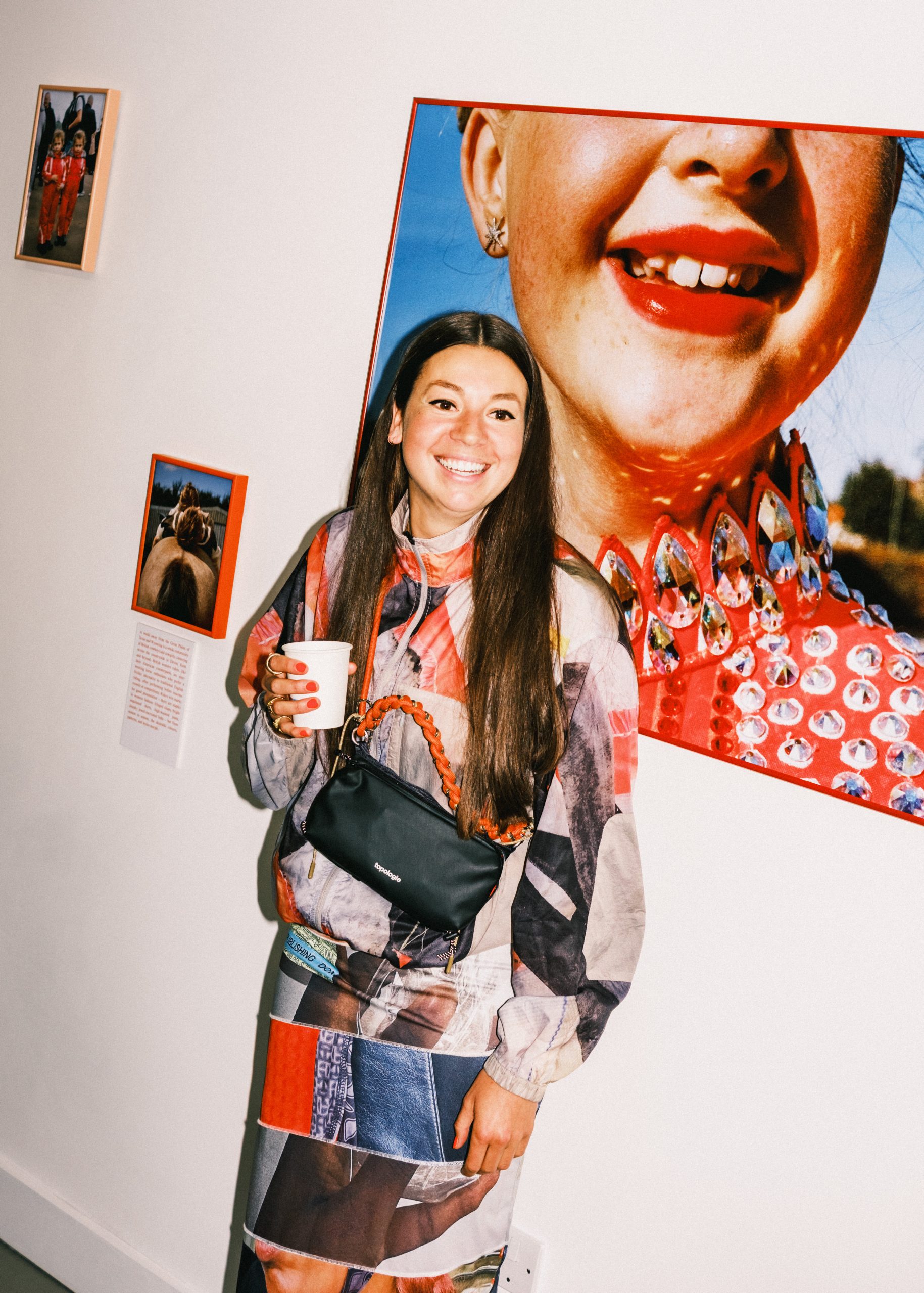
The exhibition then gave it a physical presence, allowing the photographs to be experienced together in a gallery context. The setting mattered enormously. The Martin Parr Foundation exists to champion photography of Britain and the British. Showing the work there felt particularly meaningful, as it placed the project within a wider history of photographers who have explored British identity, culture and everyday life. It felt like becoming more integrated in a conversation that I’ve long admired.

Above all, it mattered because of the people in the pictures. Their trust over so many years is what made the work possible, and seeing their lives, traditions and pride given that kind of space and recognition felt significant too.

What does it mean to you to share your vision so publicly as part of Your Space or Mine?

Being able to showcase Tangerine Dreams in public spaces, particularly on billboards, feels especially fitting. My photographs are of people coming together in shared places and it feels right for them to be seen in those same everyday environments. Galleries can sometimes feel inaccessible or removed from everyday life. Public artistic display removes some of that barrier. The work meets people where they are.

I love the idea that someone might come across these images unexpectedly, on their commute or while walking through town, and see something of their own life reflected back at them, or discover a community they never knew existed just a few miles from home.

You’ve described the Martin Parr Foundation show as the end of an era for this body of work. Will you look to a new subject next? Or will expressions of Britishness always interest you?

Tangerine Dreams brought together more than a decade of work and seeing it on the walls of the Martin Parr Foundation gave me a sense of closure and a chance to take stock of what I’ve made so far in my career.

But investigating ideas of Britishness will always be part of what I do, because the subject is never finished. The country is constantly changing, and so are the ways people find to belong within it. The questions that have driven my work haven’t gone away: how people come together, how ritual shapes identity, and how Britain continues to reinvent itself. I want to keep exploring these ideas, perhaps through different subjects and in new ways.

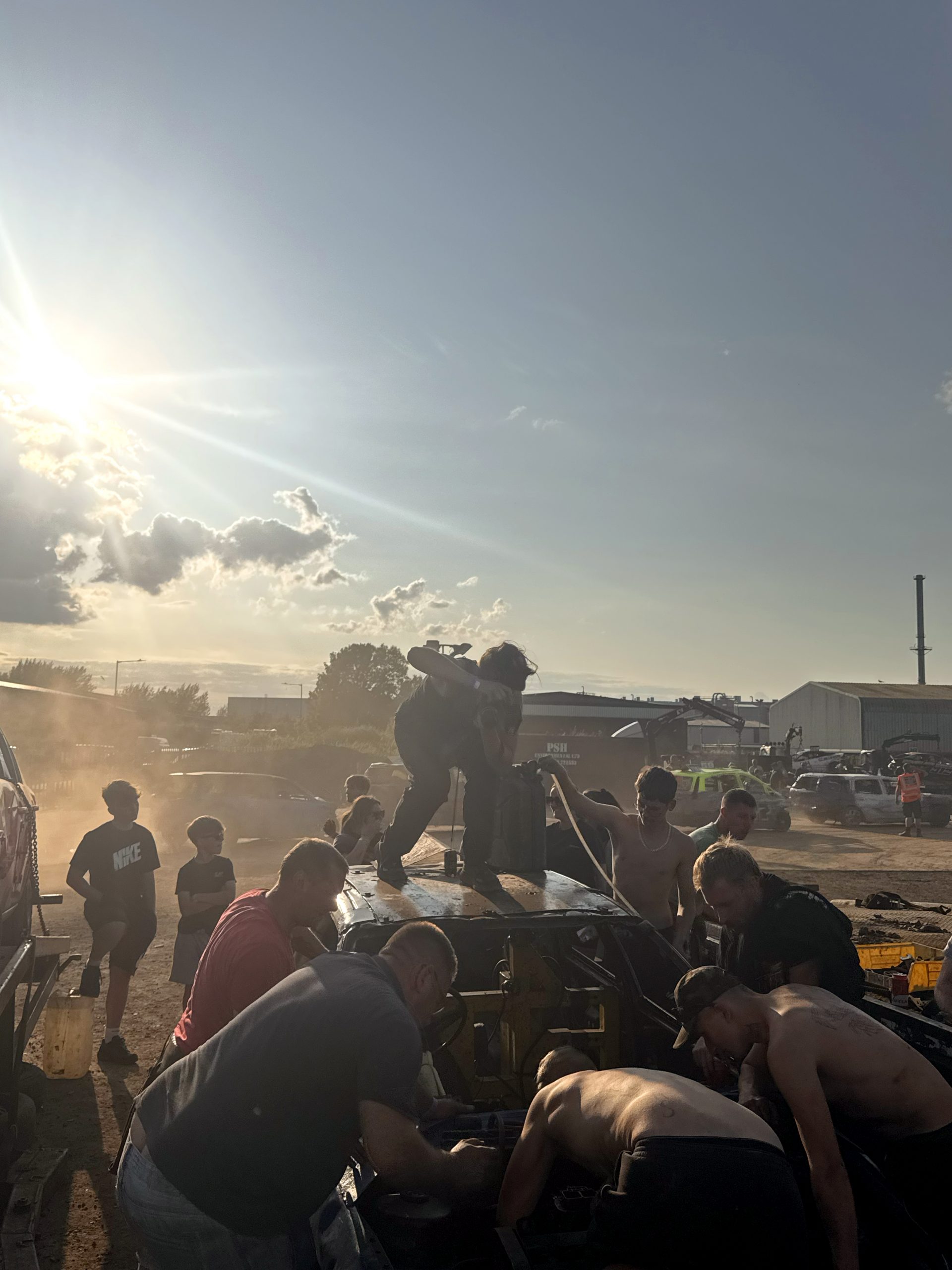
I’m still developing some of the stories that feature in Tangerine Dreams. Beachology, my project exploring Britain’s relationship with its coastline, is now six years in the making, and I’m continuing to build on my 12-year body of work documenting the banger racing subculture. I’m also developing a project about funerals across the UK, which I’ve been working on for the past six years. It looks at everything from long-established religious rites to deeply individual send-offs, exploring how belief, heritage and community shape the ways we say goodbye.

While Tangerine Dreams feels like the end of one chapter, there are still many stories I want to pursue. Rather than moving away from these subjects, I see it as an opportunity to continue exploring them from different perspectives and in new ways.

Previous article

Marathon Season: Hit The Ground Running

Next article

Your Space Or Mine

The All-Consuming Consumer