Newsletter

Join our mailing list for latest news and features

Build Hollywood

Build Hollywood

Build Hollywood

Build Hollywood

Partnerships

Check Dis Out

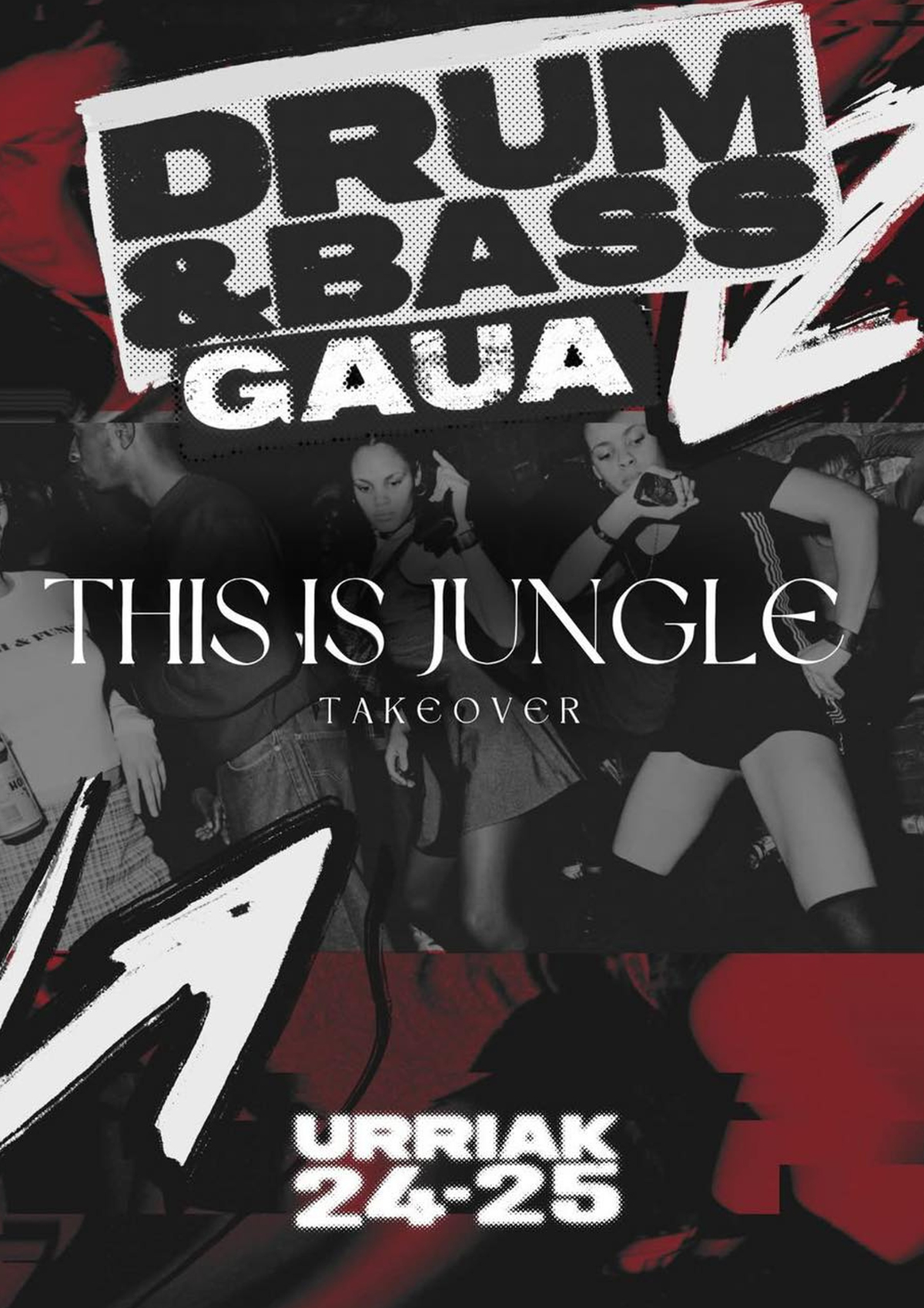
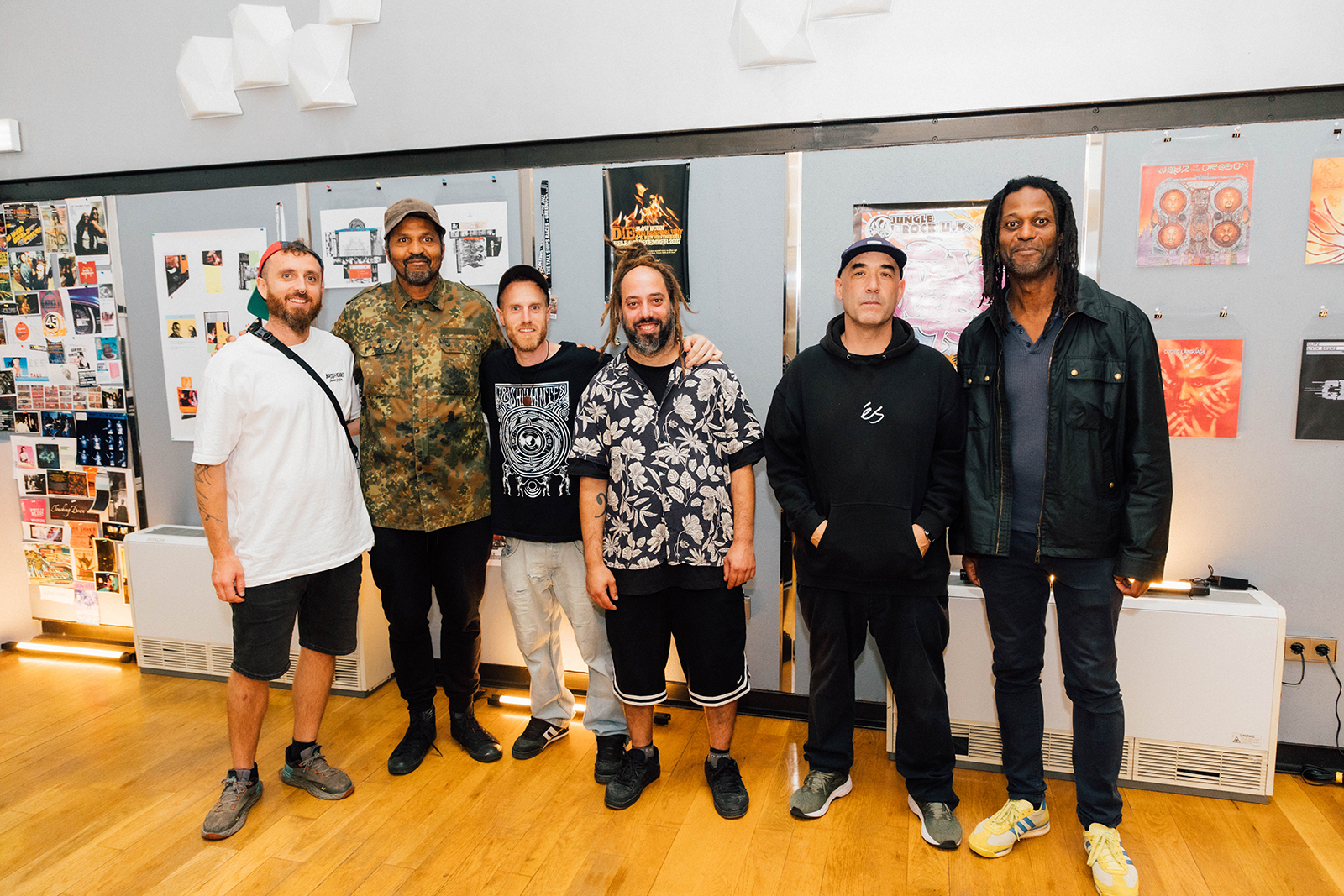
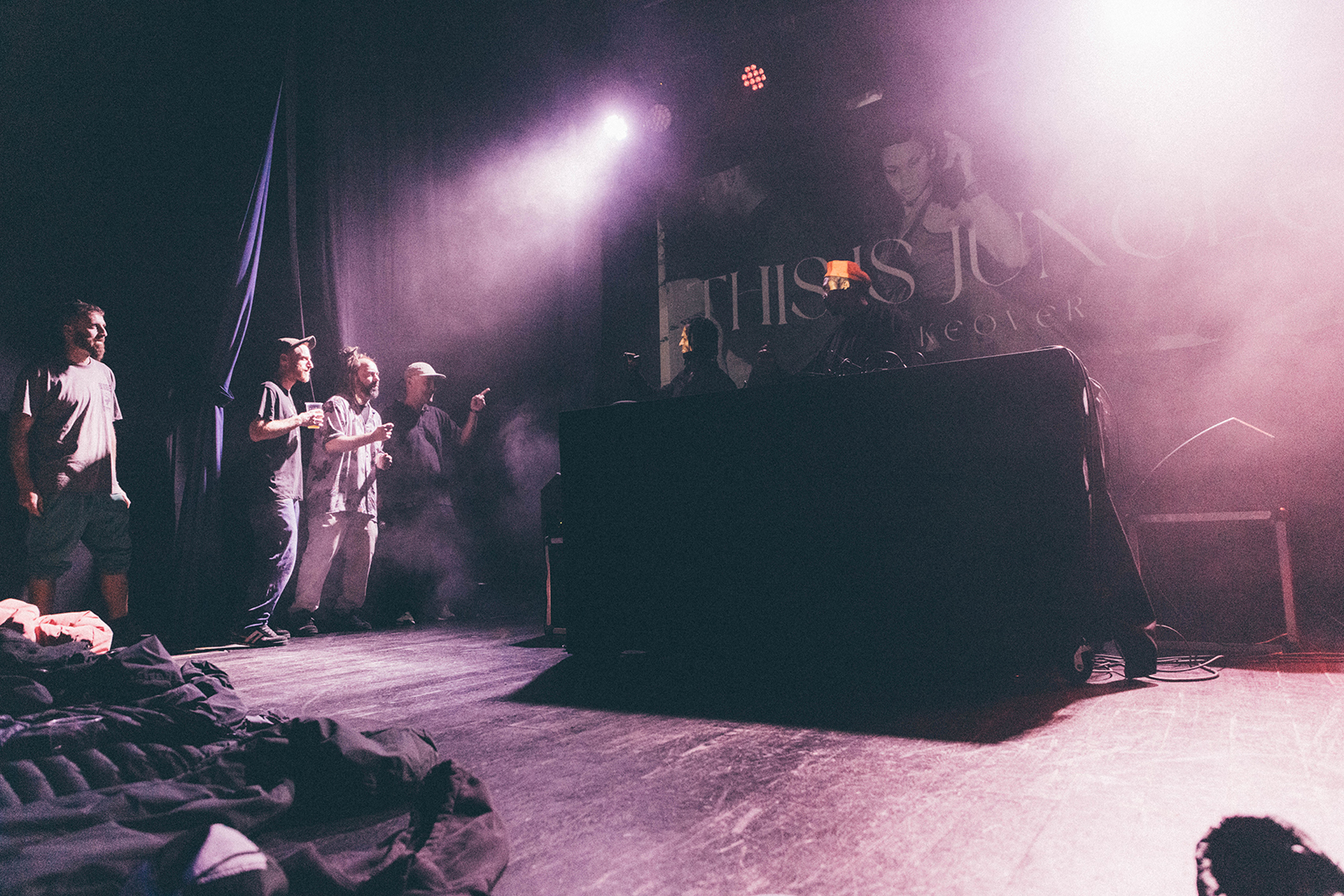
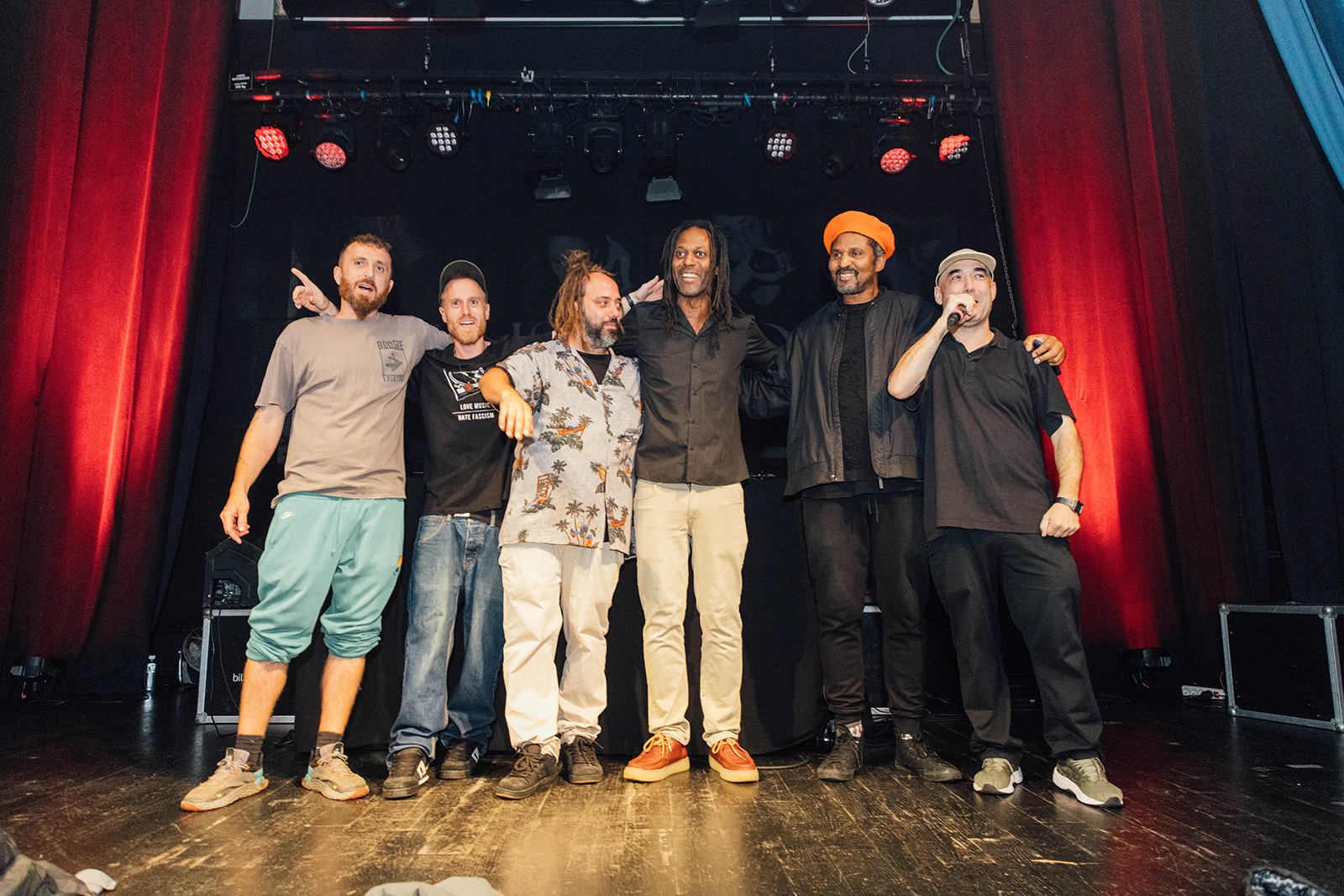
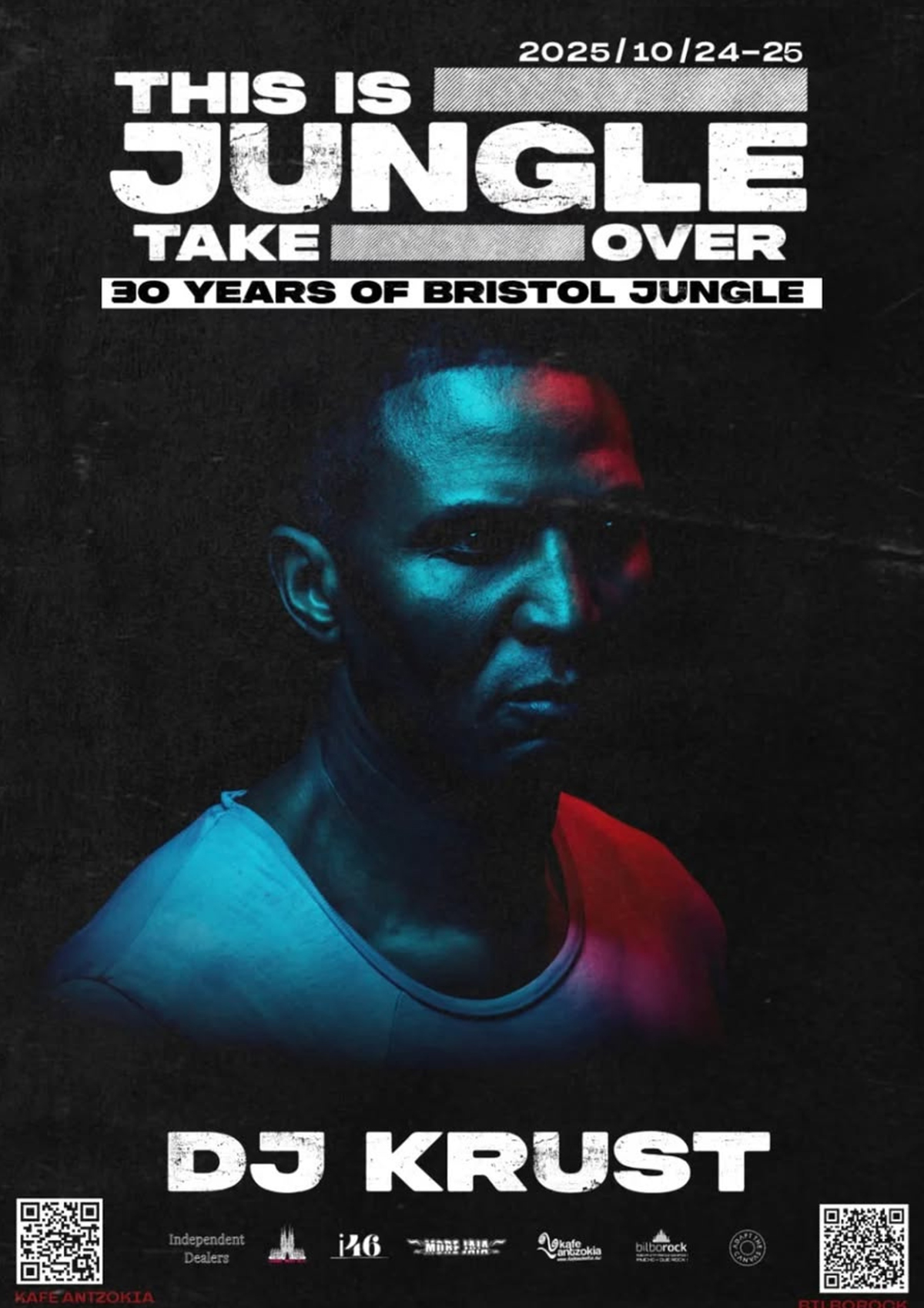
This Is Jungle Takeover is a new exhibition put together by artists from the original Bristol jungle generation.

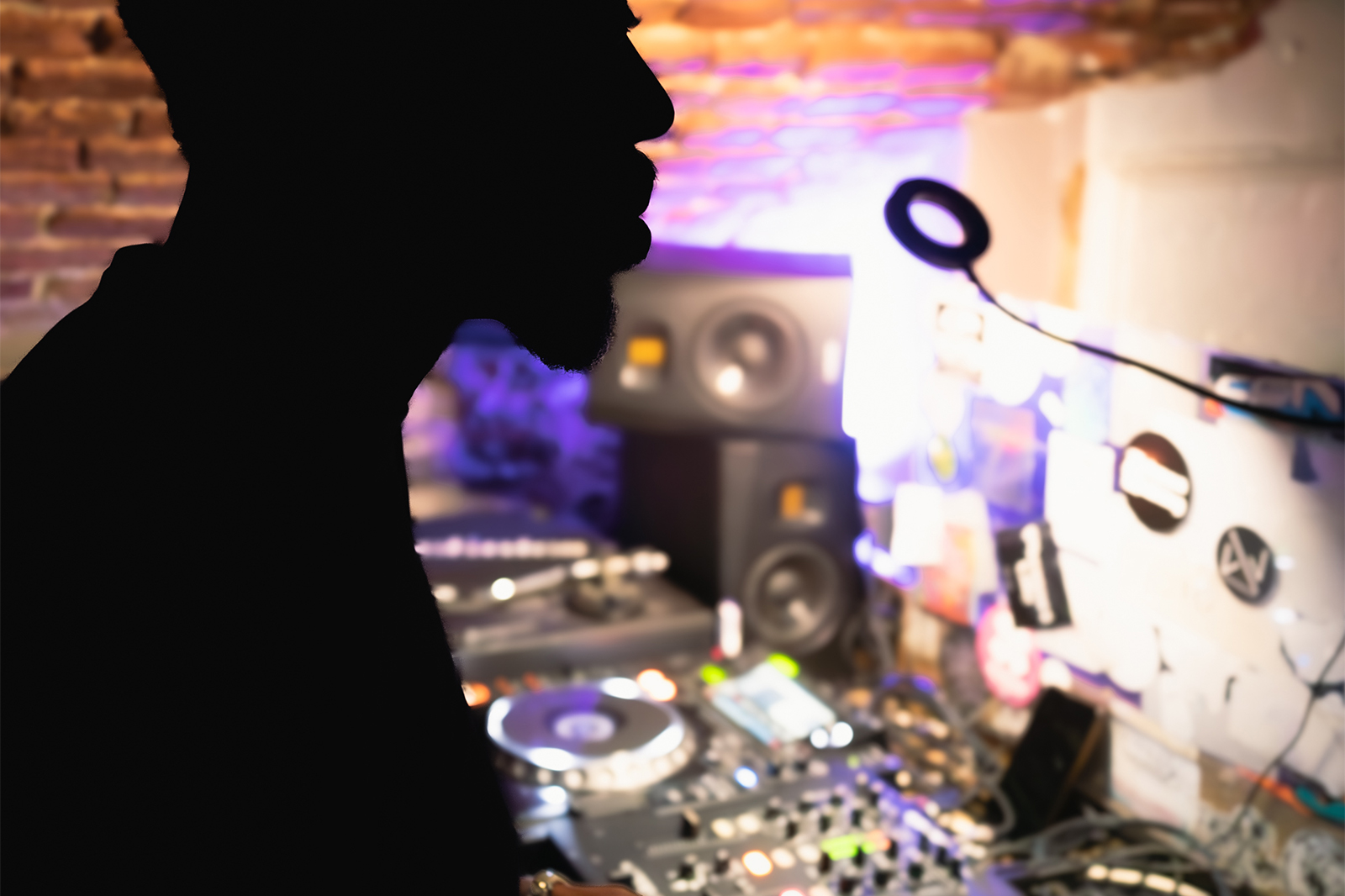
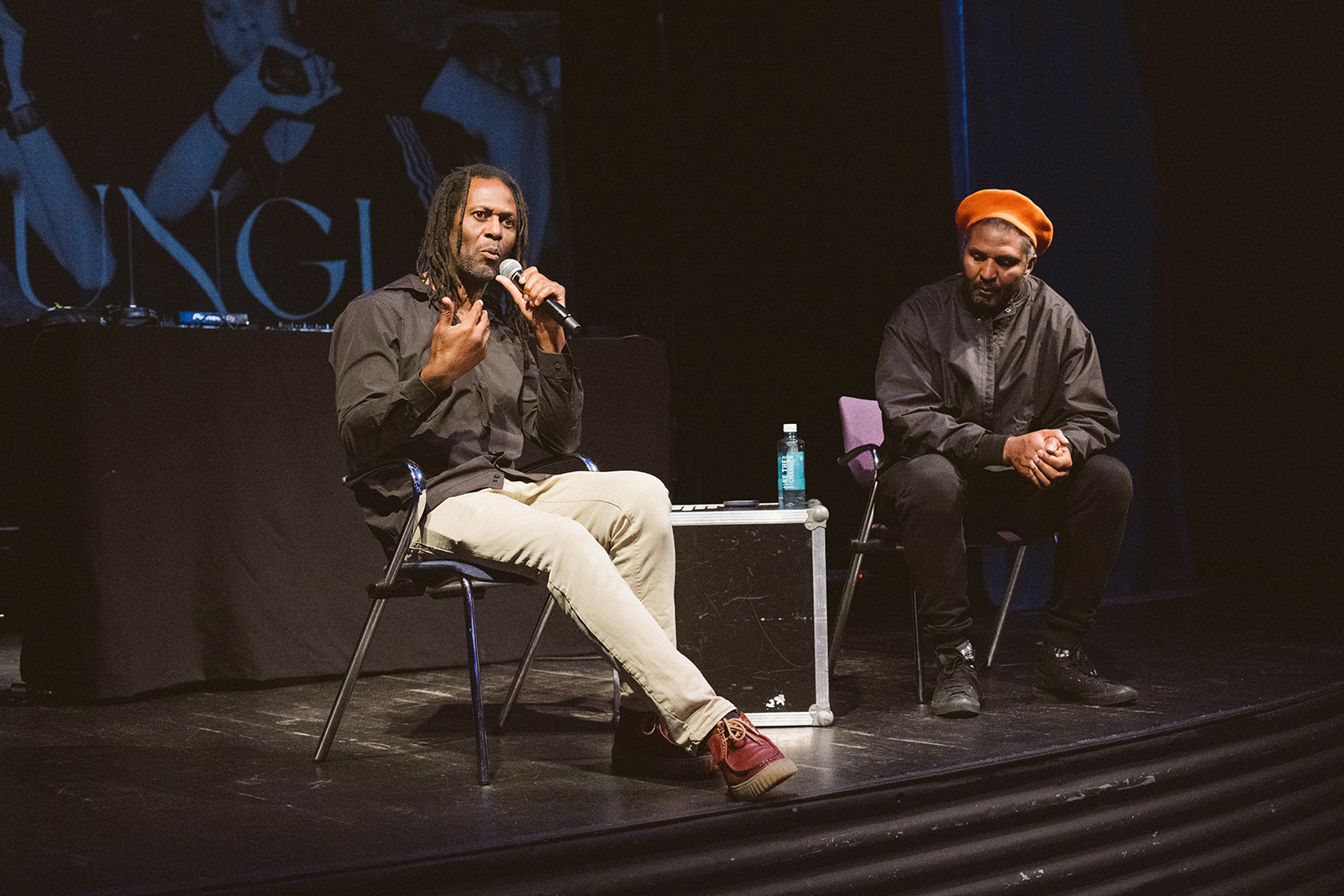
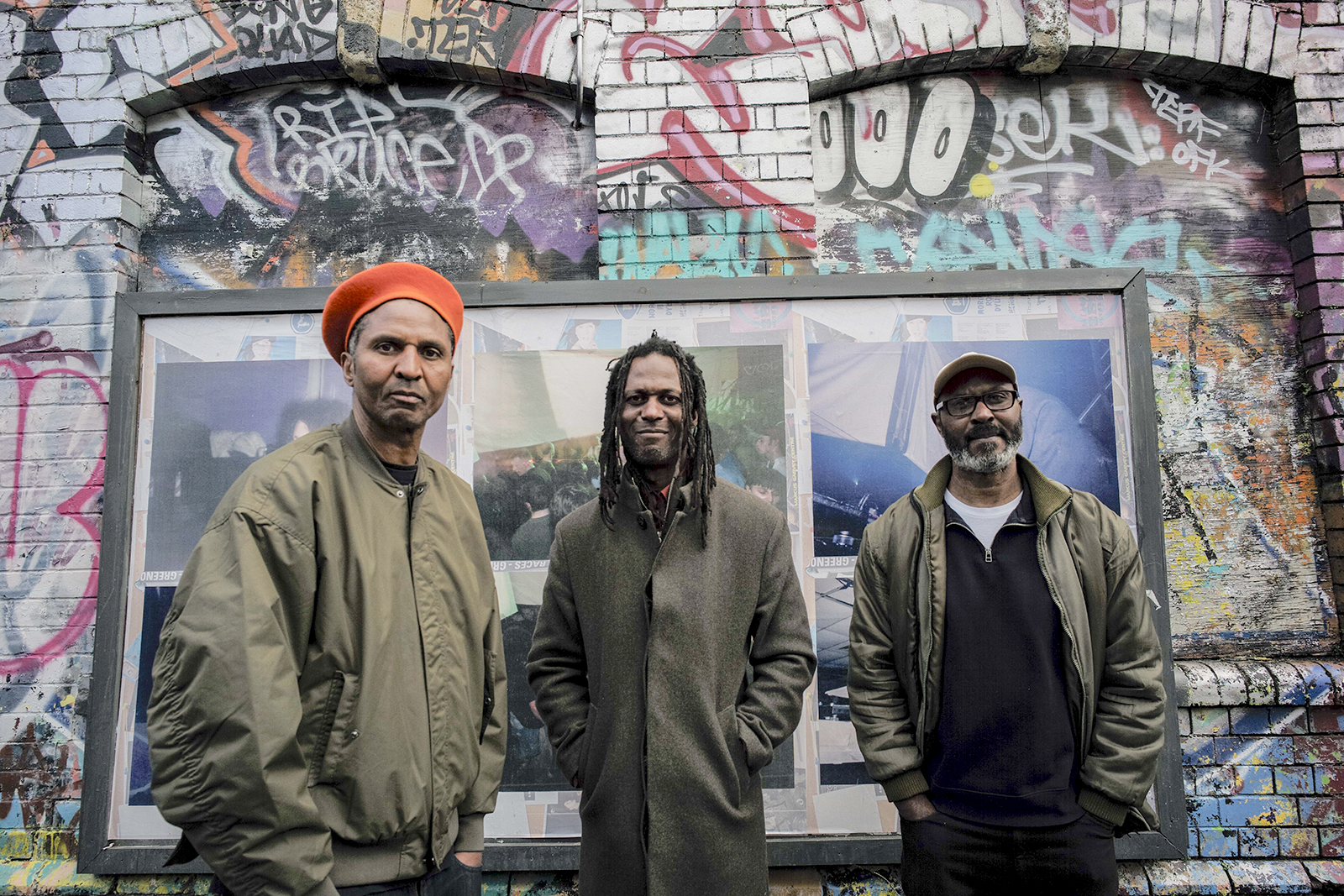
DJ Krust and his designer brother Gary Thompson are talking about the earliest days of jungle in early 1990s Bristol, ahead of their new exhibition which opens at RWA gallery next month. “There was an area – a triangle – that was a hotbed of culture, ideas,” he says. “A place you had to be. You’d wake up, walk onto the road and you’d just see the energy and the vibrancy.”

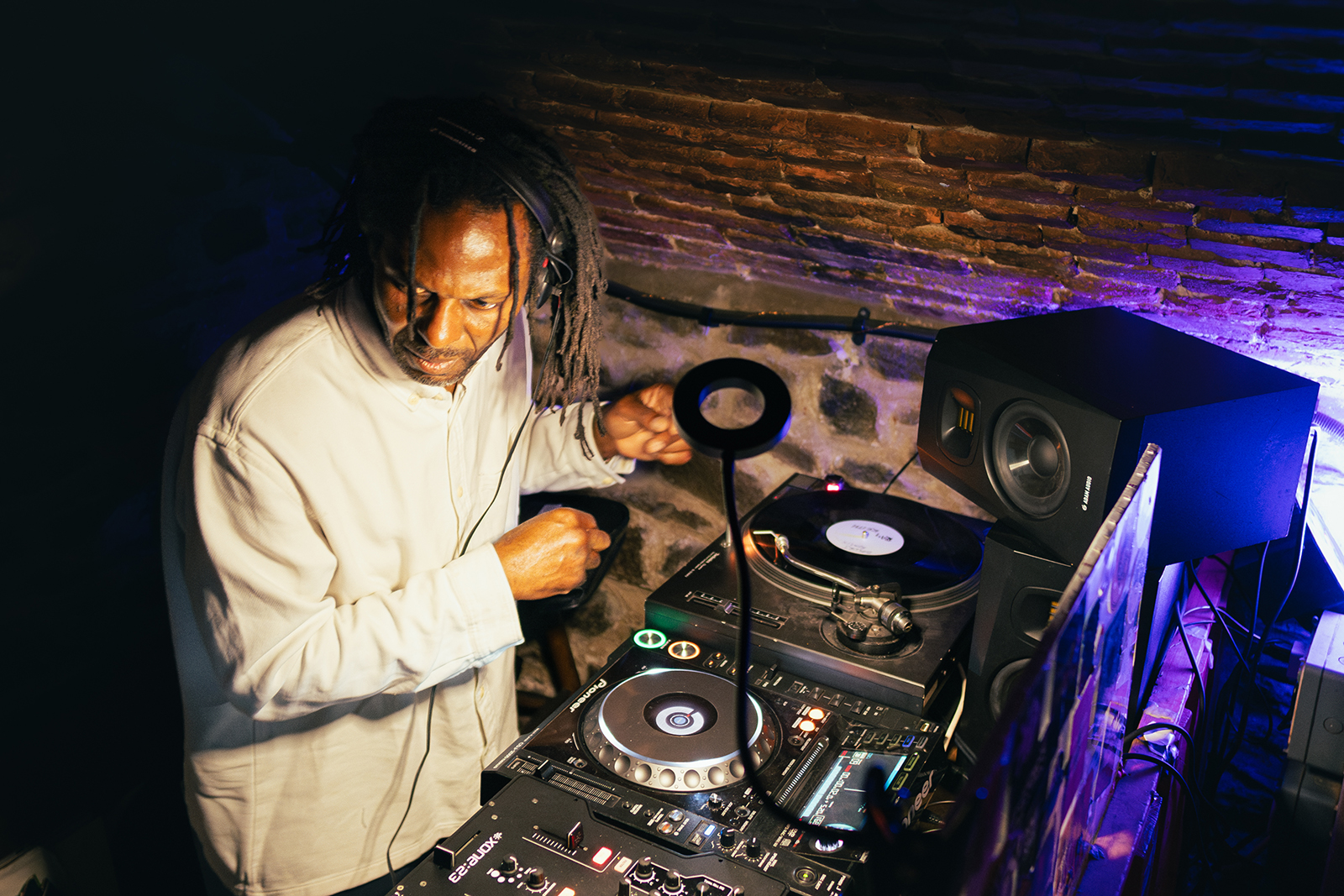
He lists out a roll-call of artists who lived in close proximity to each other between Stokes Croft, Ashley Road and St Pauls: legendary producers Smith & Mighty, Massive Attack’s Daddy G, Sian from Kosheen, Roni Size. “We came from hip hop, we loved that. But in the rave we were inspired because of the community. The tempo was rising. We just started putting different textures on the hip hop beats we already knew. We were already scratch DJs. We got the same records, put them on 45, and it was like alright. How are we going to put our sound on top of this sound?,” he says. “It just built from that.”

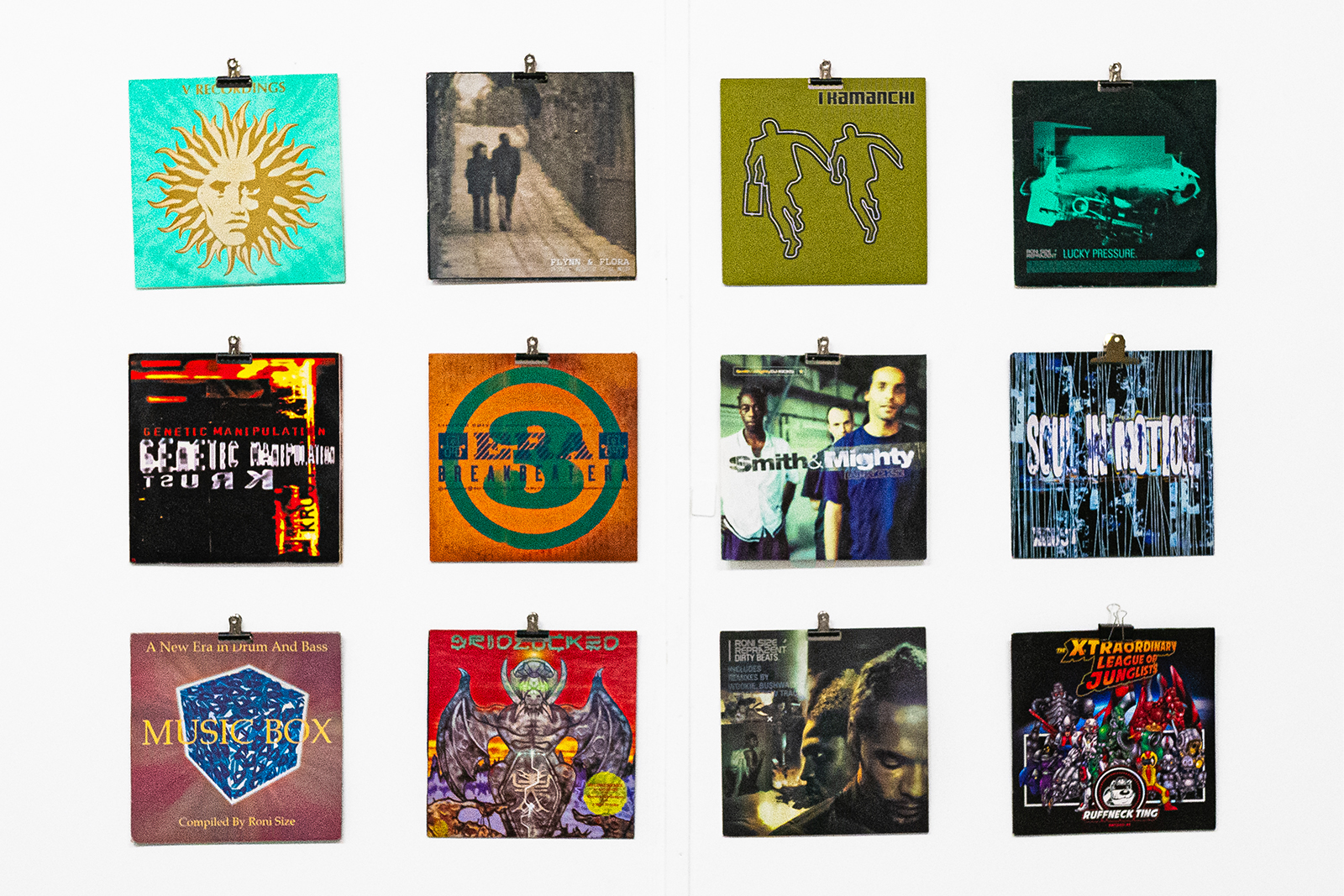
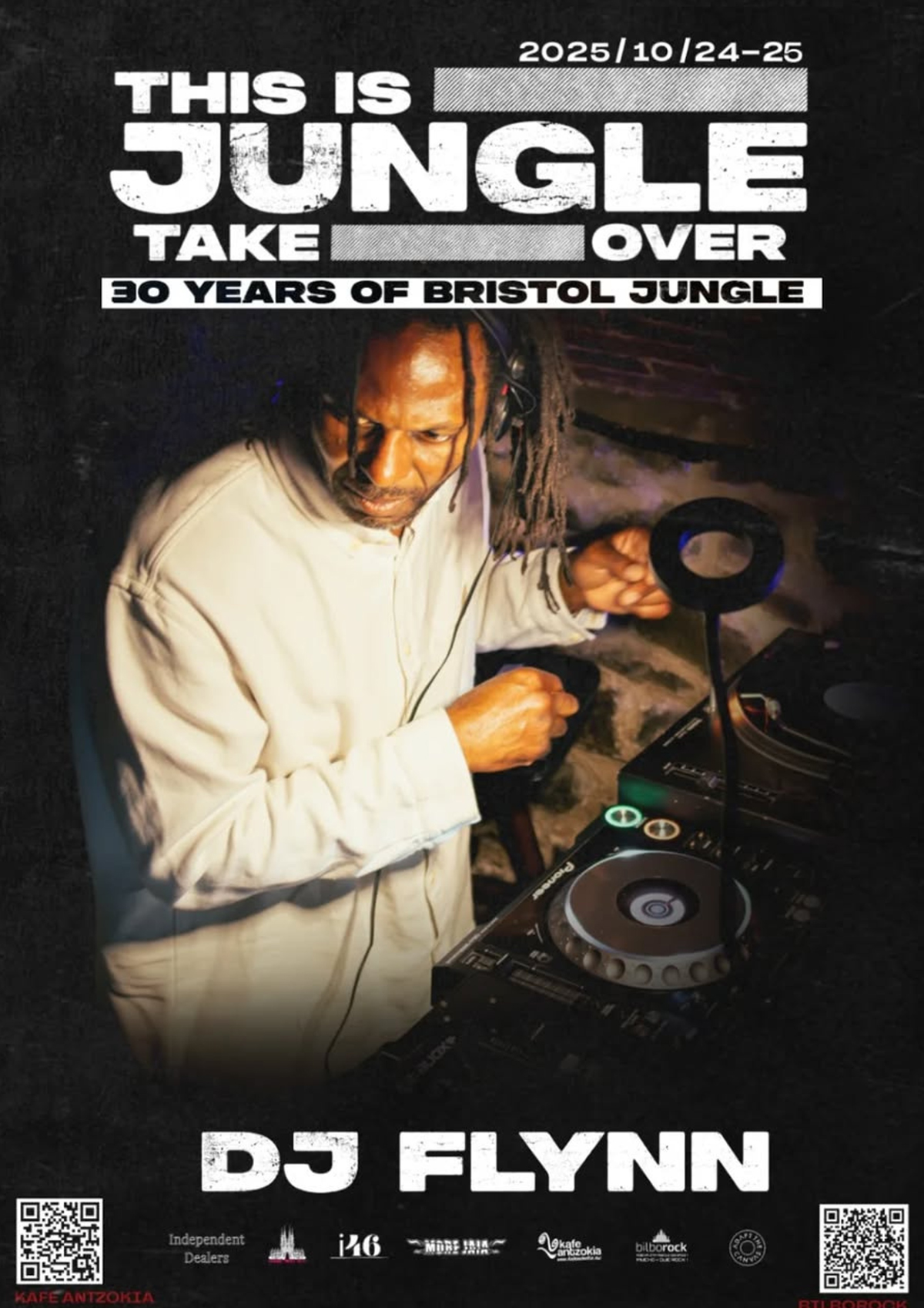
The movement they built collectively went on to travel the world as the genre known variously as jungle and drum ‘n’ bass, and through the Full Cycle label that was run by Krust and his brothers, Flynn (who made music as Flynn and Flora) and designer Gary who also runs Cables & Cameras, creating a hub for POC film-makers in the city through screenings and events. Now, they’re collaborating under the name i4ortysix and taking their collective knowledge and archive items back to the people.

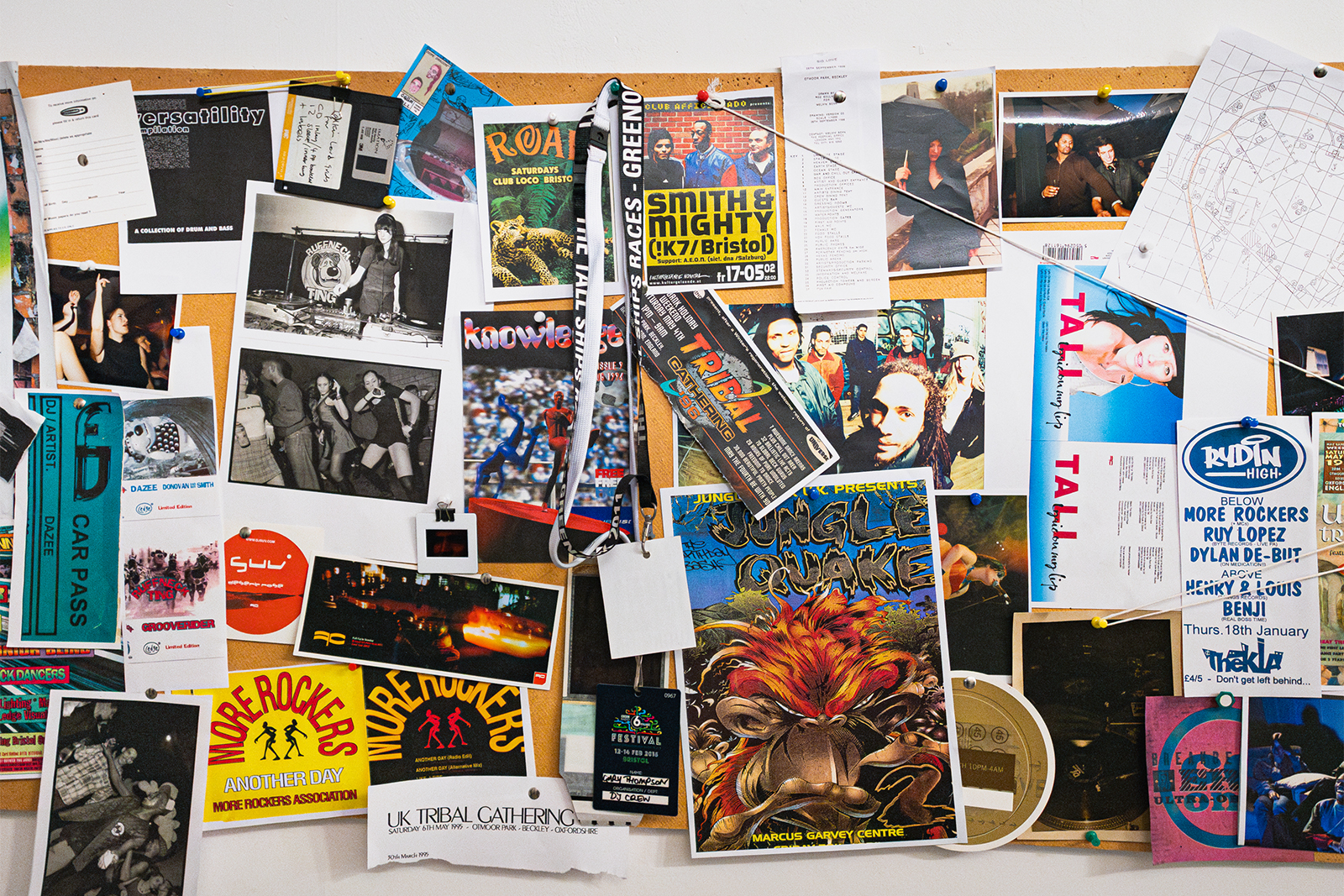
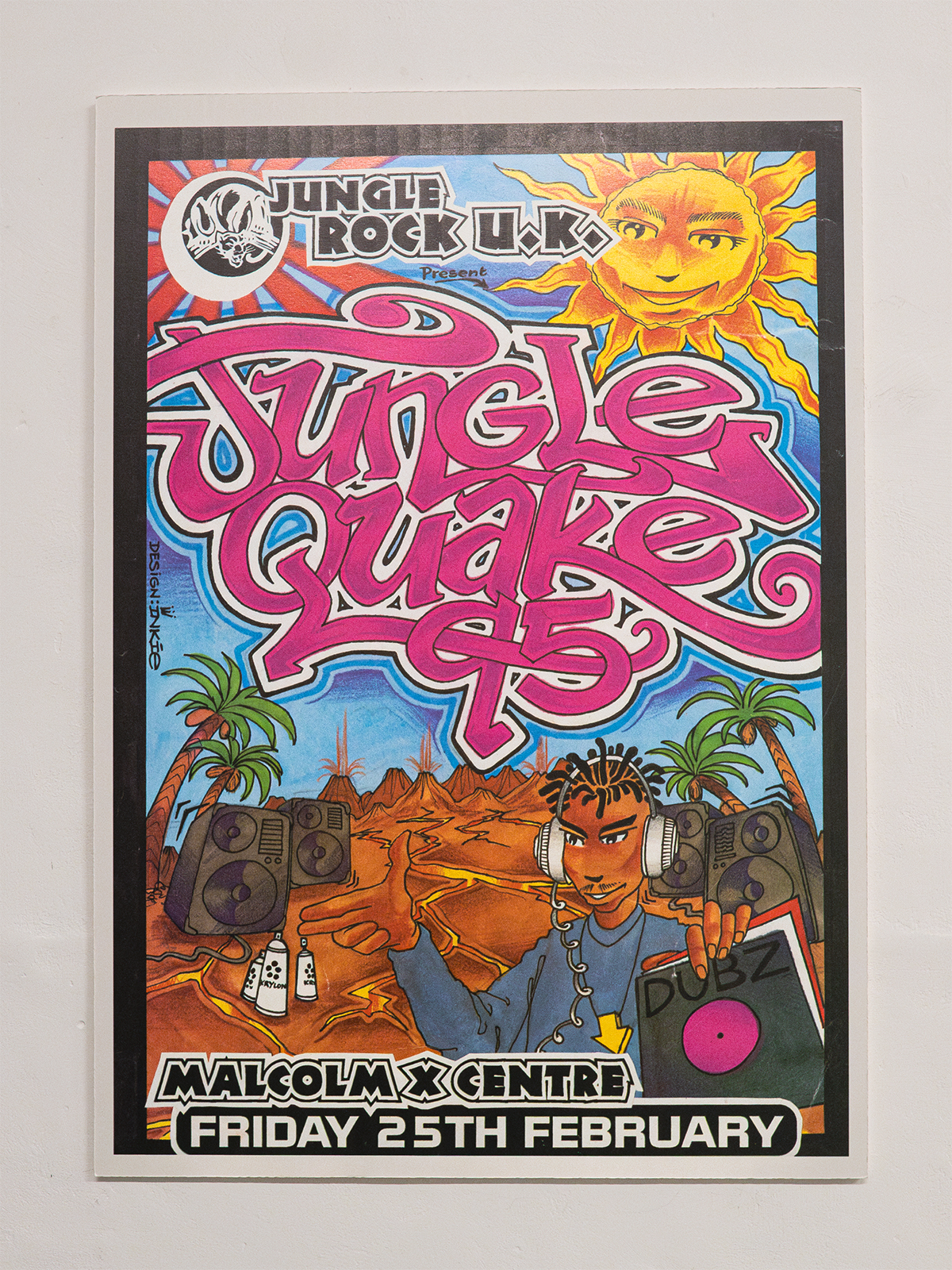
“Someone has to do the work behind the curtain,” he says with a smile, before describing more about their landmark exhibition, which includes some of the 5,000 photographs he’s acquired over the years as well as flyers and posters that illuminate the 30-year legacy of Jungle music in Bristol. Whilst the exhibition is telling a particular cultural story, it’s also a form of practicalised encouragement, showing the value of rich and vibrant grassroots culture, made by and for people who live in a place.

“You can go to most cities, Leeds, Sheffield, Nottingham, they’ve got their own culture and history – but they never get mentioned in the bigger exhibitions,” says Gary. “That’s why we’re doing our thing now.”

15.05.26

Words by Emma Warren
How did you as a family decide to do this?

DJ Krust: We’ve been working as a unit since we were kids. When we were 19, we did a venture called Catch 22 Cycle Courier company. We got £2,000 from the Prince’s Trust, borrowed some money from the Black Business Association. The very first party we did, we did it as a group. Found a warehouse. Cleaned it up, put tarpaulin on the roof, got a graffiti artist down. Gary did all the label artwork and merch for Full Cycle. Flynn our other brother is part of Flynn and Flora. Now, we’re in our early fifties, it’s time to build the structure and the legacy of what we’ve done. To put the foundations together and really start to grow it into something.

Gary Thompson: I got pissed off with everyone going to exhibitions and seeing people not talk about the right players in our scene, in our city. It’s simple really. Then it just snowballed.

Interesting that you’ve already taken the exhibition to Hanover, in Germany Back in the day, Hanover was a big city for jungle and D’n’B…

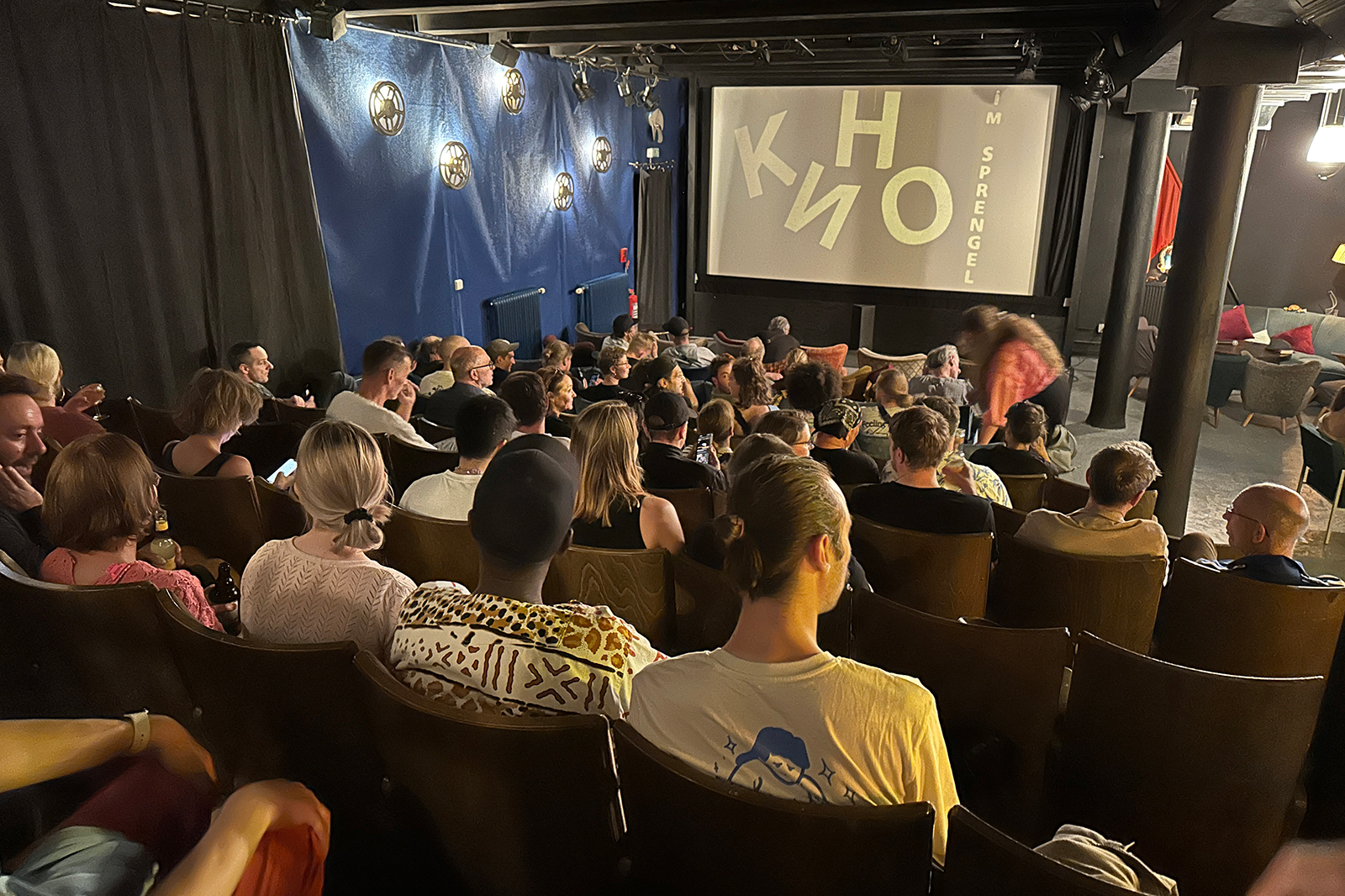
G: Hanover is a twin city of Bristol. I was out there with Cables & Cameras, screening Black films from Bristol. We’d already done the exhibition at Centrespace. I pitched the cultural team the idea about the jungle exhibition, and they went for it. Then we went to Bilbao, same thing. The idea is to do cultural exchanges with different people in different cities, linking it with drum ‘n’ bass communities in their city. That’s key, making sure their scene got props, so it was a community thing.

What’s the junglist aspect of doing it that way?

K: It’s more b-boy. We were original b-boys. We grew up in this white working-class estate in Knowle West. Seven families of colour. Not much to do up there, not much opportunity. So we watched iconic early hip hop film Wildstyle and went ‘let’s do that’. We adopted hip hop culture, did our own version of it. I adapted our original crew Fresh 4 into jungle. Same ethos, different tempo. To go into the next 10, 20 years, we have to go into the past and alchemise it. We’ve got to invent ourselves again, build a new structure, use the tech, all the exciting advancements to tell new stories. I’m calling this phase the Rise of the Cultural Architect.

Stories are powerful, and an exhibition is a story. Is part of the encouragement or cultural exchange, in showing Bristol how to be more Bristol again?  

G: We were trying to get the exhibition into a different space, where more people could see it, but also allow us to learn a new language, to go back to Bilbao Guggenheim, New York Met. We’ve got knowledge. Credibility. RWA is a Grade II Listed building. Very white predominantly. I’m not sure they’ve had too many music exhibitions in that space.

What from the early days of jungle is represented in the RWA exhibition?

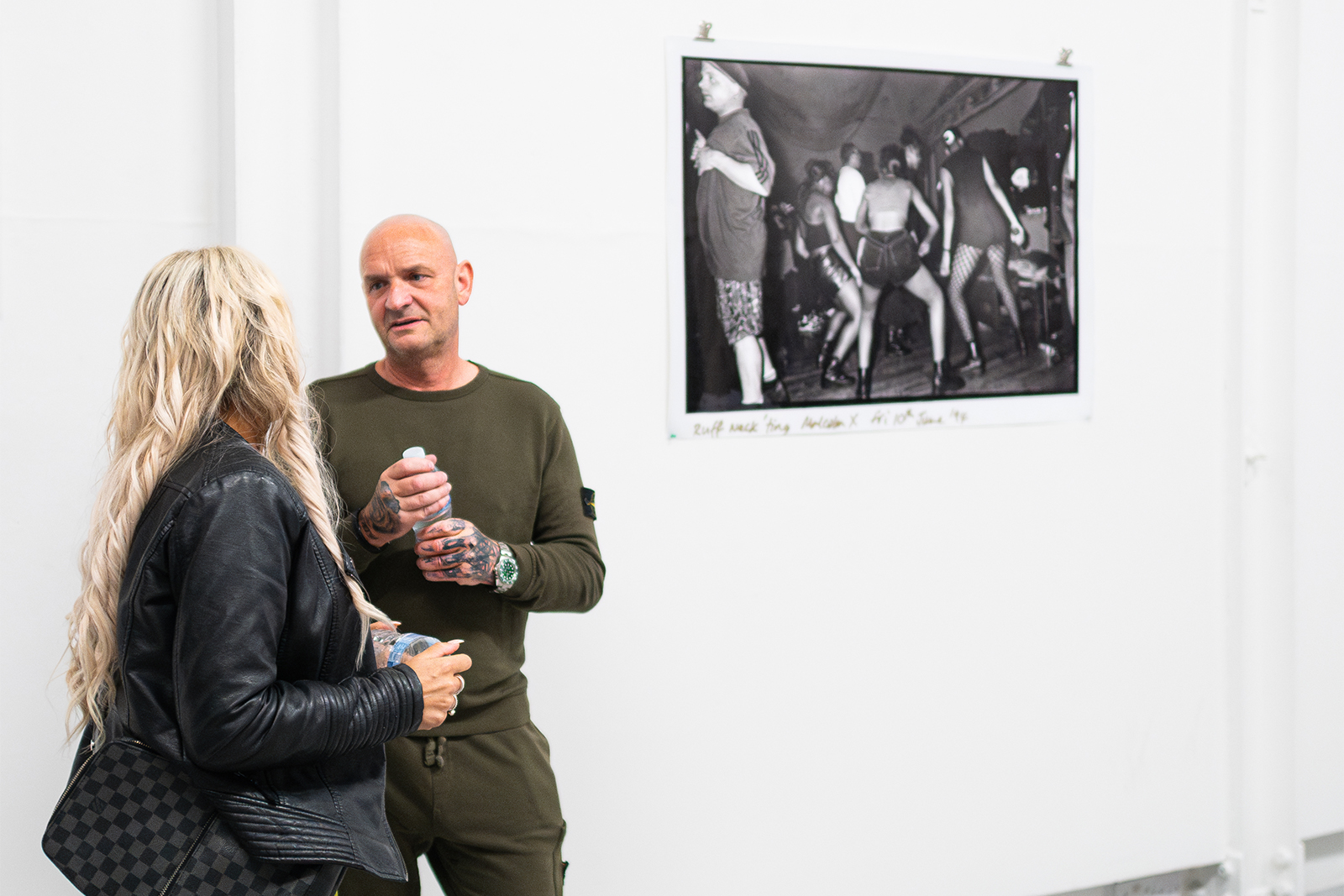
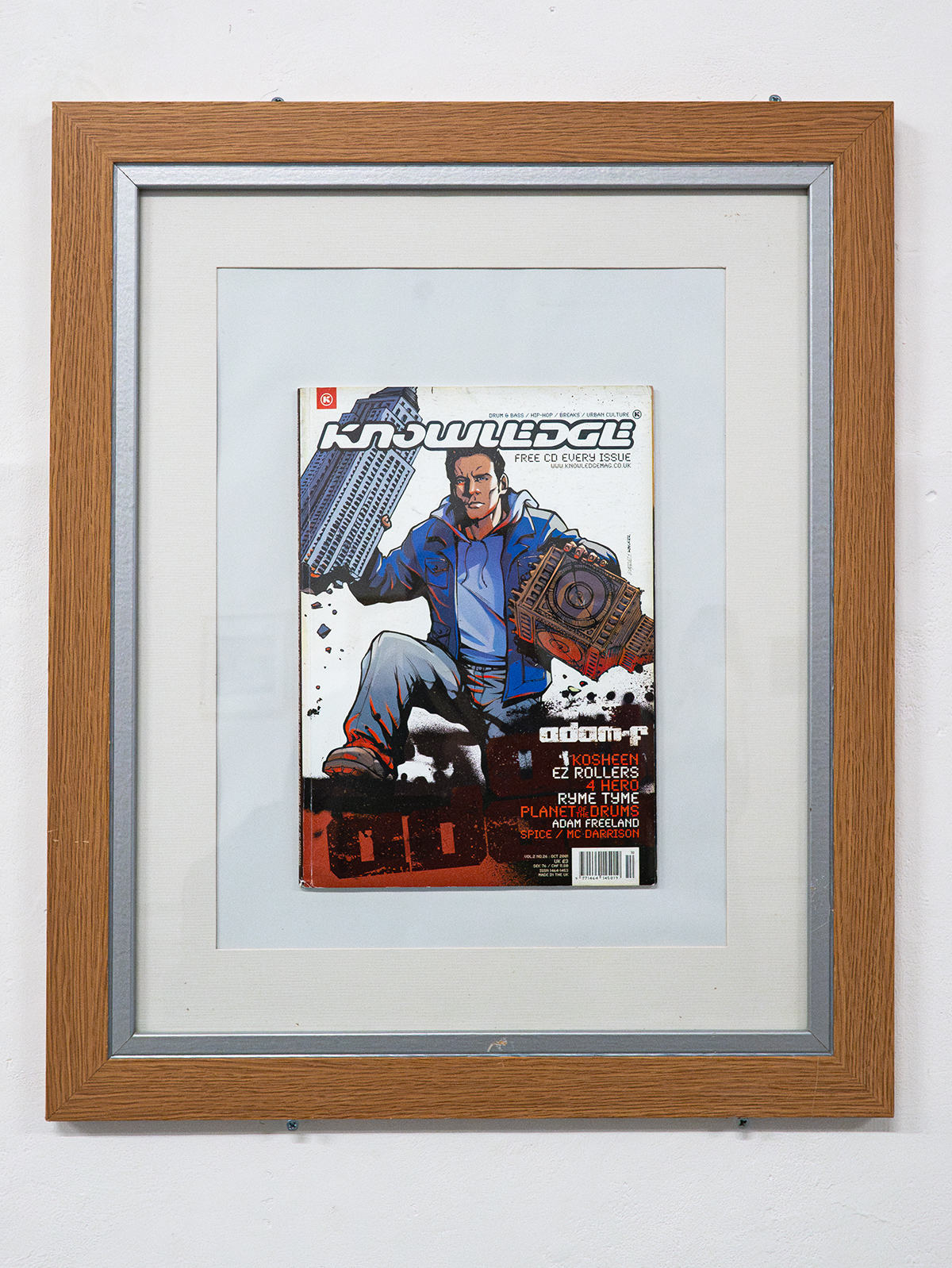
G: I’m looking at a photograph now of DJ Die at a rave. A friend of ours is a photographer. I’ve got his negatives. These photographs are almost 30 years old. We’re trying put hardware in there – floppy disco, VHS, Betamax. Copies of Knowledge magazine. Talking to graffiti artist Inkie and photographer Hacker about what they were doing design-wise. It’s not just photographs and flyers. Showing how far the music travelled, with CDs from the Bristol Shop in Japan.

K: It’s also about the evolution. Bristol’s about what’s next. We are a progressive city. We take things apart and reassemble them in a new way. How I see the exhibition, it’s going to highlight to people what they’ve achieved and to reinspire them to break the rules, be disruptive. We’ve got big ideas we want to push this as far as it can go.

What is it that makes you so well placed to transmit that encouragement? 

K: We’re pirates! [laughs]. That’s what pirates do. We go round robbing and stealing people’s ideas and transforming them into treasure. I remember back in the day, we used to get these WBLS tapes from Wild Bunch. DJ Red Alert. Kiss. We’d huddle around and listen to them. That was the first time we heard something that didn’t come from our city. Our imaginations were going wild. We were very lucky because of what pioneers like Mark Stewart were doing with Tackhead. Wild Bunch. Smith and Mighty. There were going out, then coming back and showing us. Then we got to see what it was like, touring the world with Full Cycle, sampling culture, and bringing it back.

What’s different about this exhibition than the others you’ve done?

G: When you work with someone like the RWA you can’t hang things how we hung it in the first place. They’ve got a cable system. They’ve got cabinets. They’ve got plinths. Is it a monitor with old school videos in there? Will it be MPC60 manuals and CDs? The space is called the Link Room, in the basement.

Are there other elements around the exhibition?

G: Listening labs, including one with Alistair from D*Minds. I’m doing a graphic design workshop with kids. It gives them an opportunity to see what probably their parents went to back in the day.

What is your ambition or intention for the next generation of Black Bristolians, or people in the city more generally?

K: The city has changed so much since we were doing our thing. The idea really is to help shape people’s minds: you don’t need to know exactly what you’re doing. You just need a creative idea and be motivated to learn something. We figured out how to create something from nothing, not just once but many, many times. We have an understanding that we can translate that information so people can understand how to do it themselves. Almost an ‘each one teach one’ mentality. Sometimes we have to put ourselves in these spaces to learn more, so we can bring it back to the community.

G: I’ve started to build a storage unit with boxes for all my flyers, tapes CDs, trying to preserve things like a museum. Put it in order. I’m doing a masters this year in Museum Studies, learning about how we preserve our culture. Tell our own stories.

K: I stepped out of the music industry 20 years ago and got into mindset, personal performance and psychology in the entertainment world. What I was learning wasn’t interesting to people where I grew up. Where I grew up people don’t read books with dolphins on the front. It’s just not appealing. But when we spoke to them, you could make it appealing. We just need to be the sponges in the right spaces, then bring these things back and create other spaces and ask questions.

You’re talking about spreading the word. How does all of this relate to the collaboration with BUILDHOLLYWOOD.

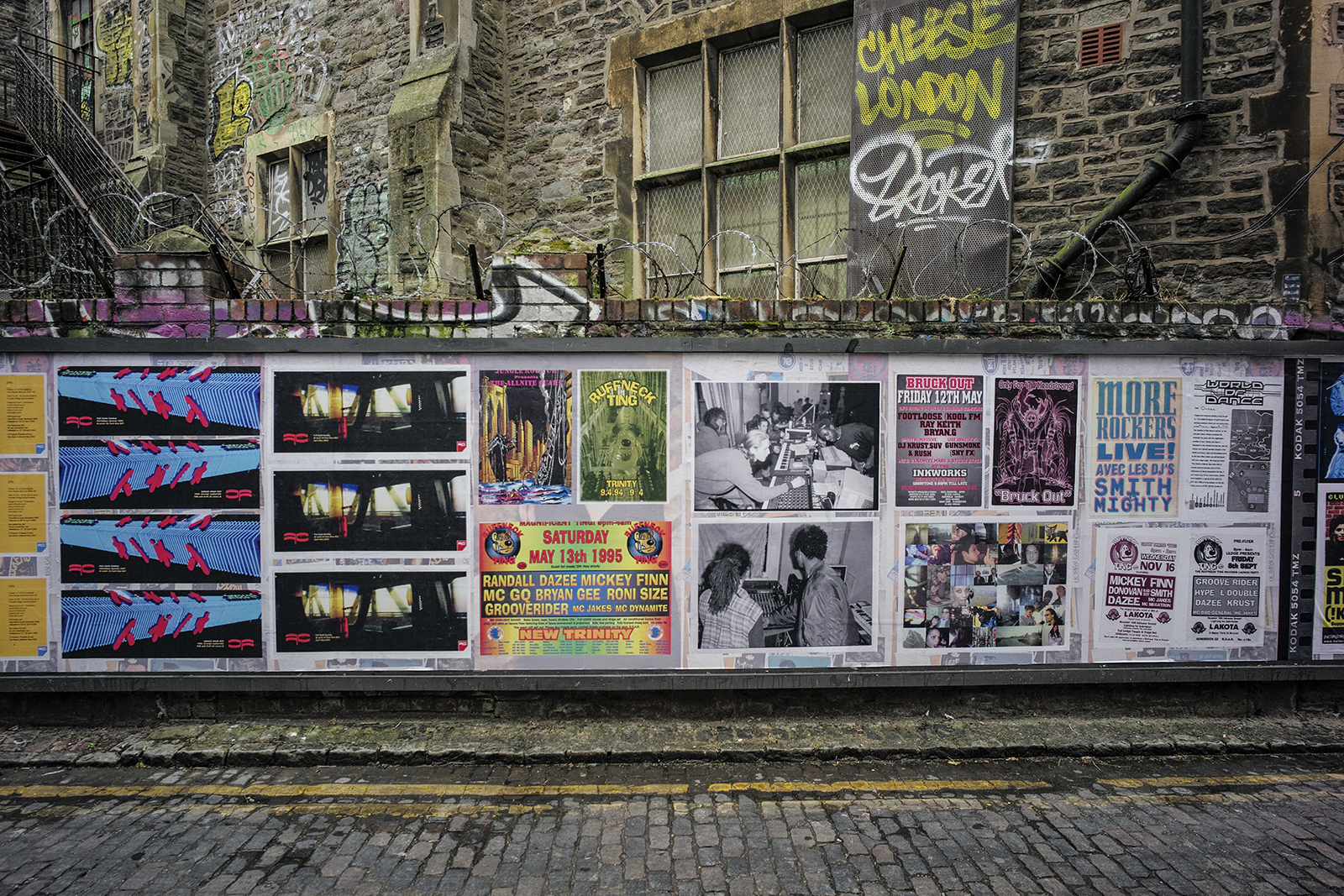
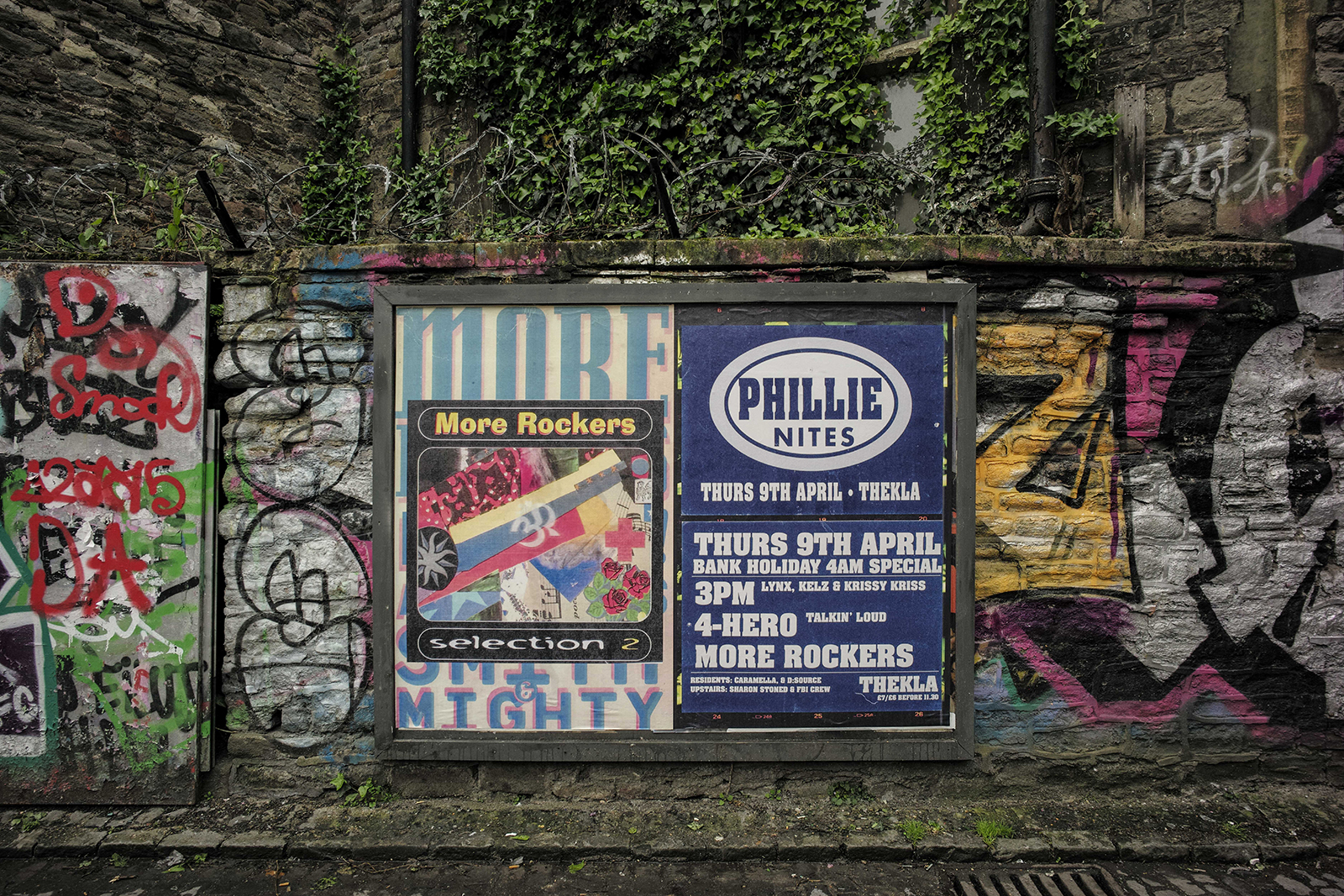
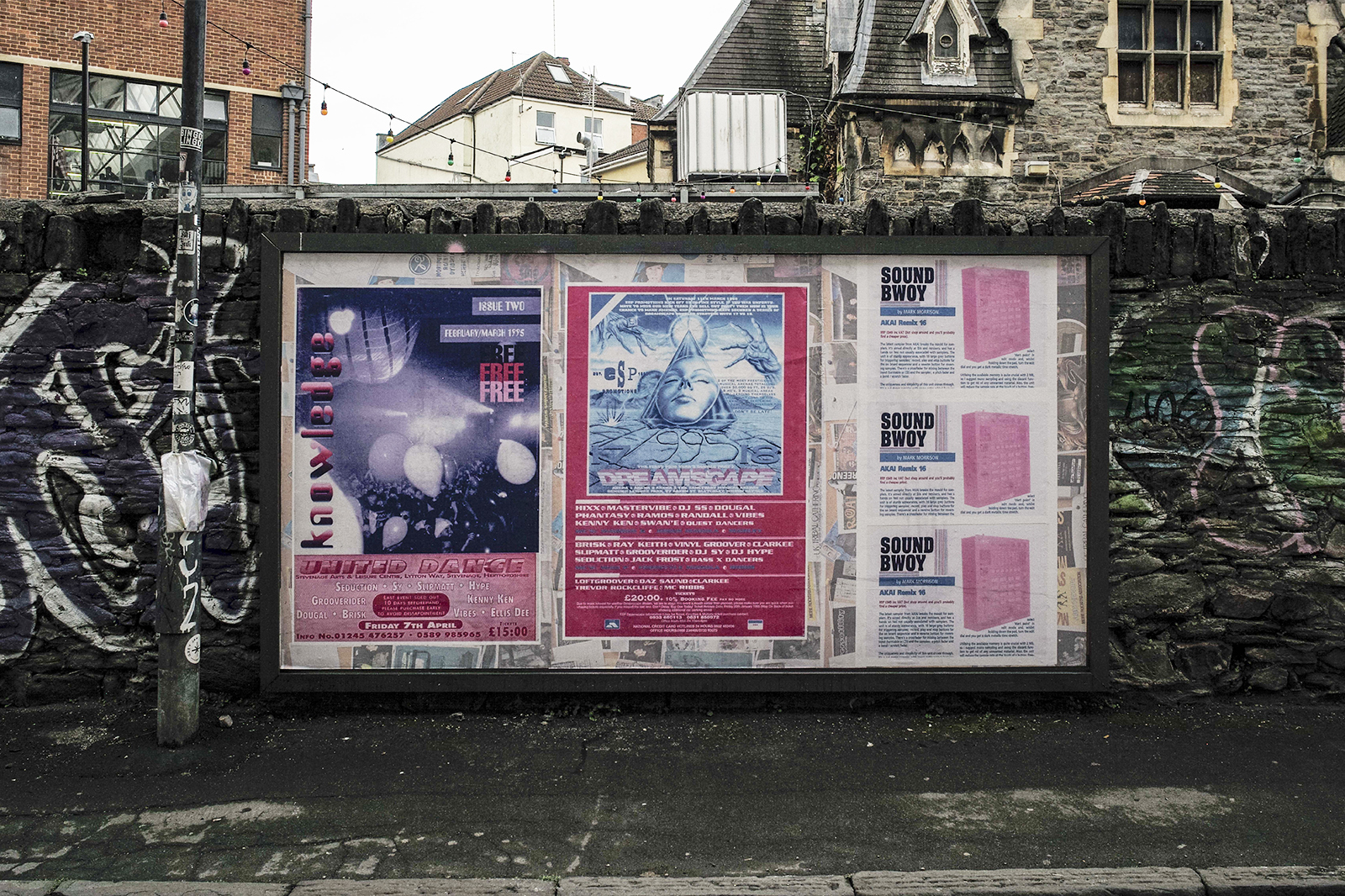
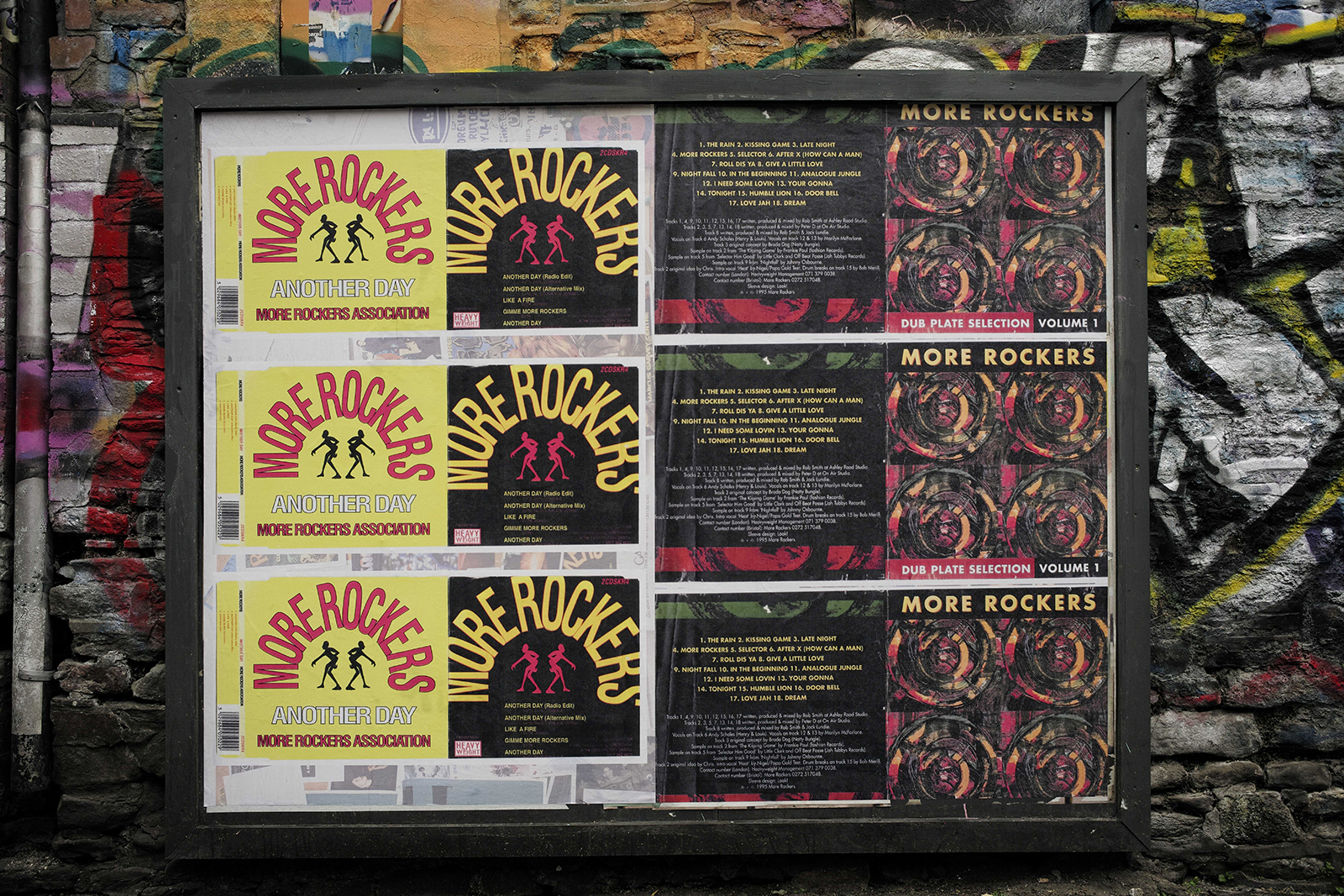
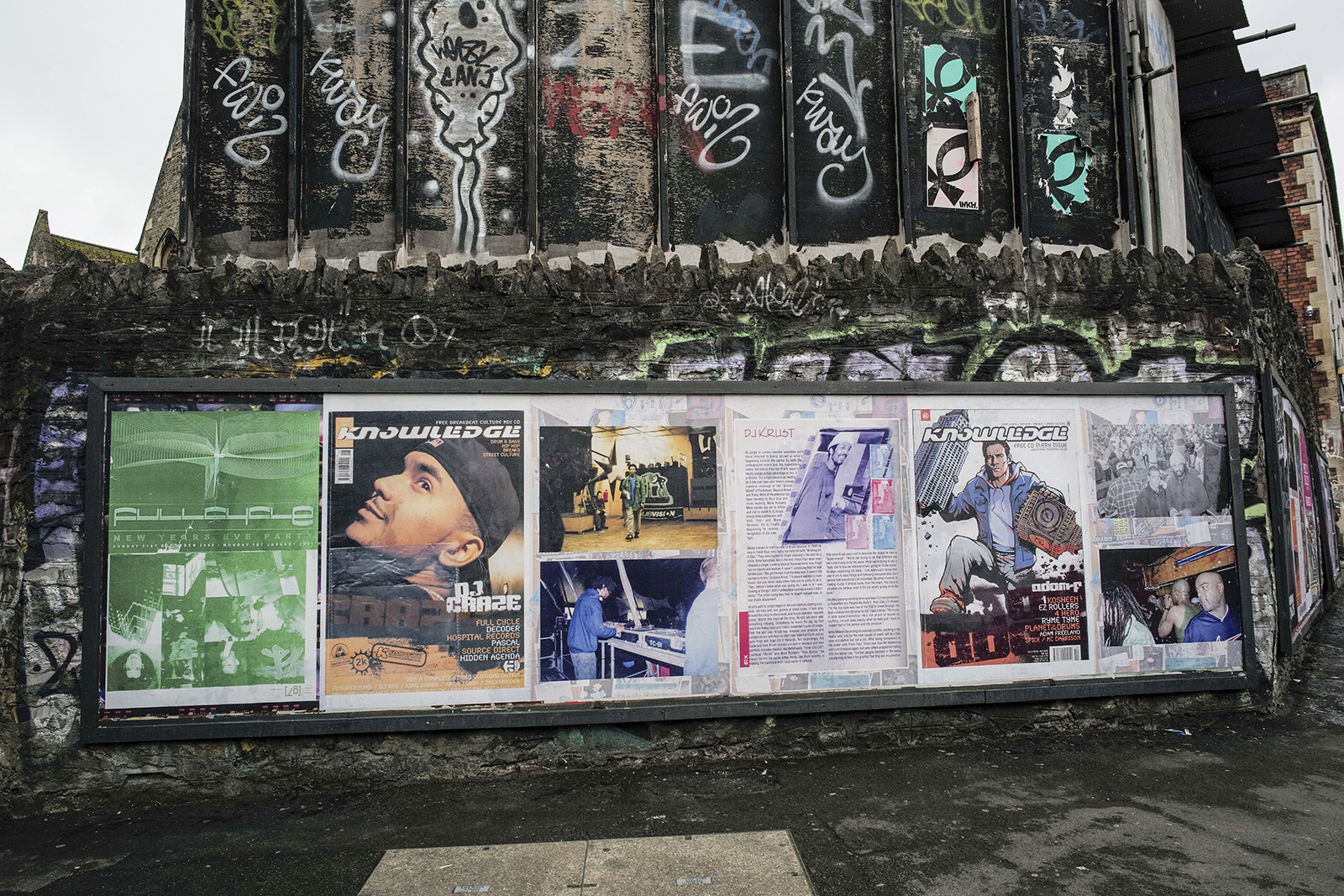
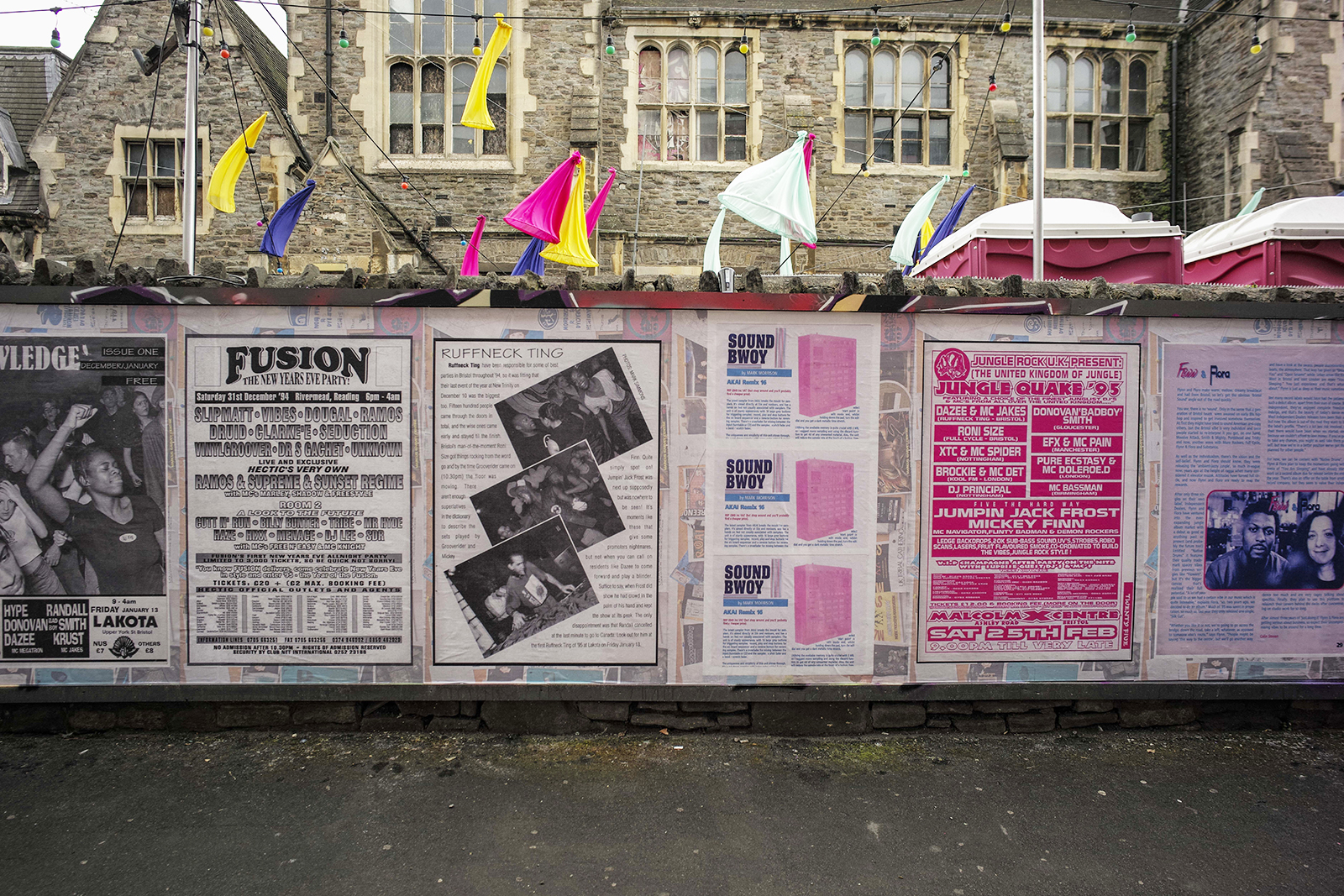
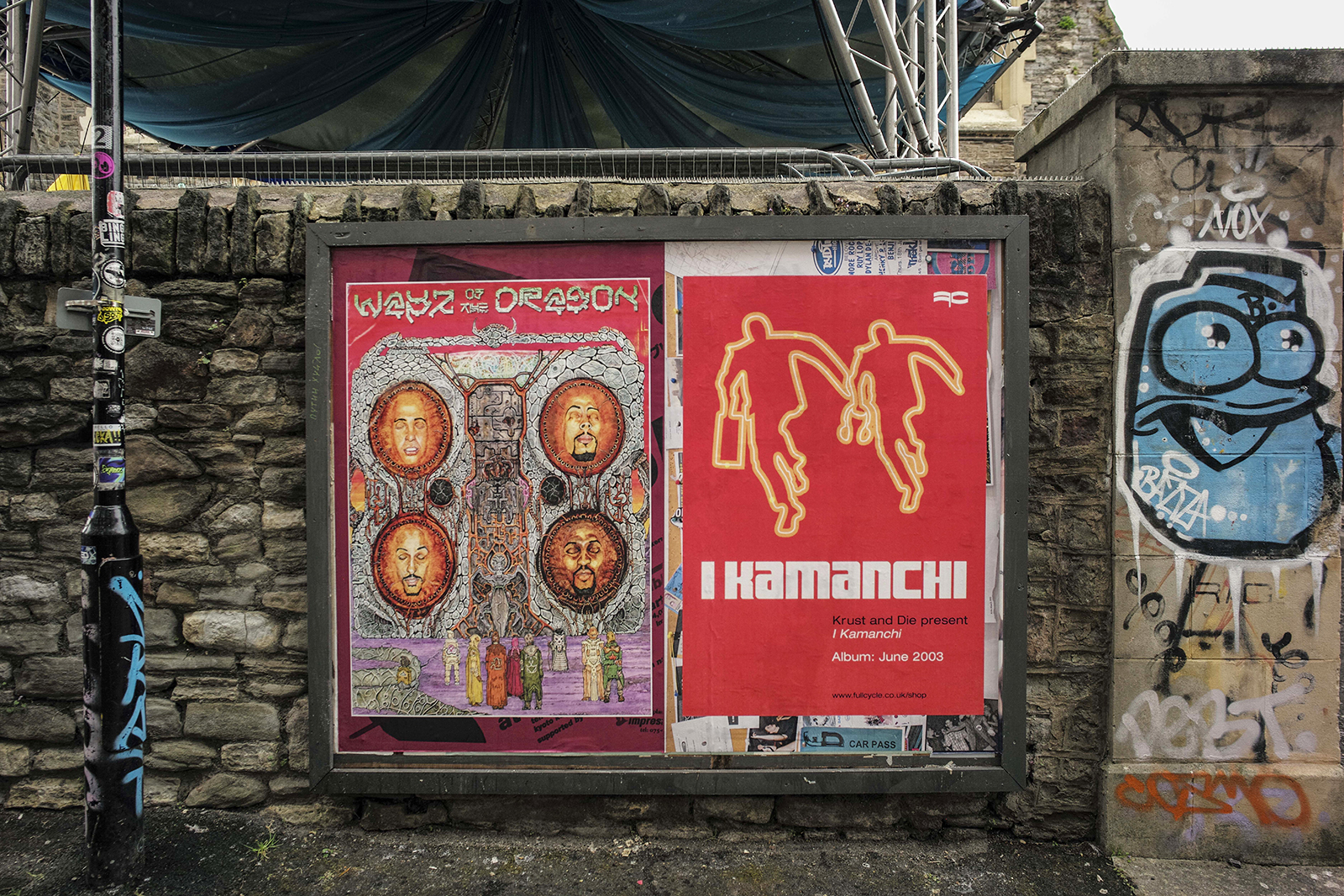
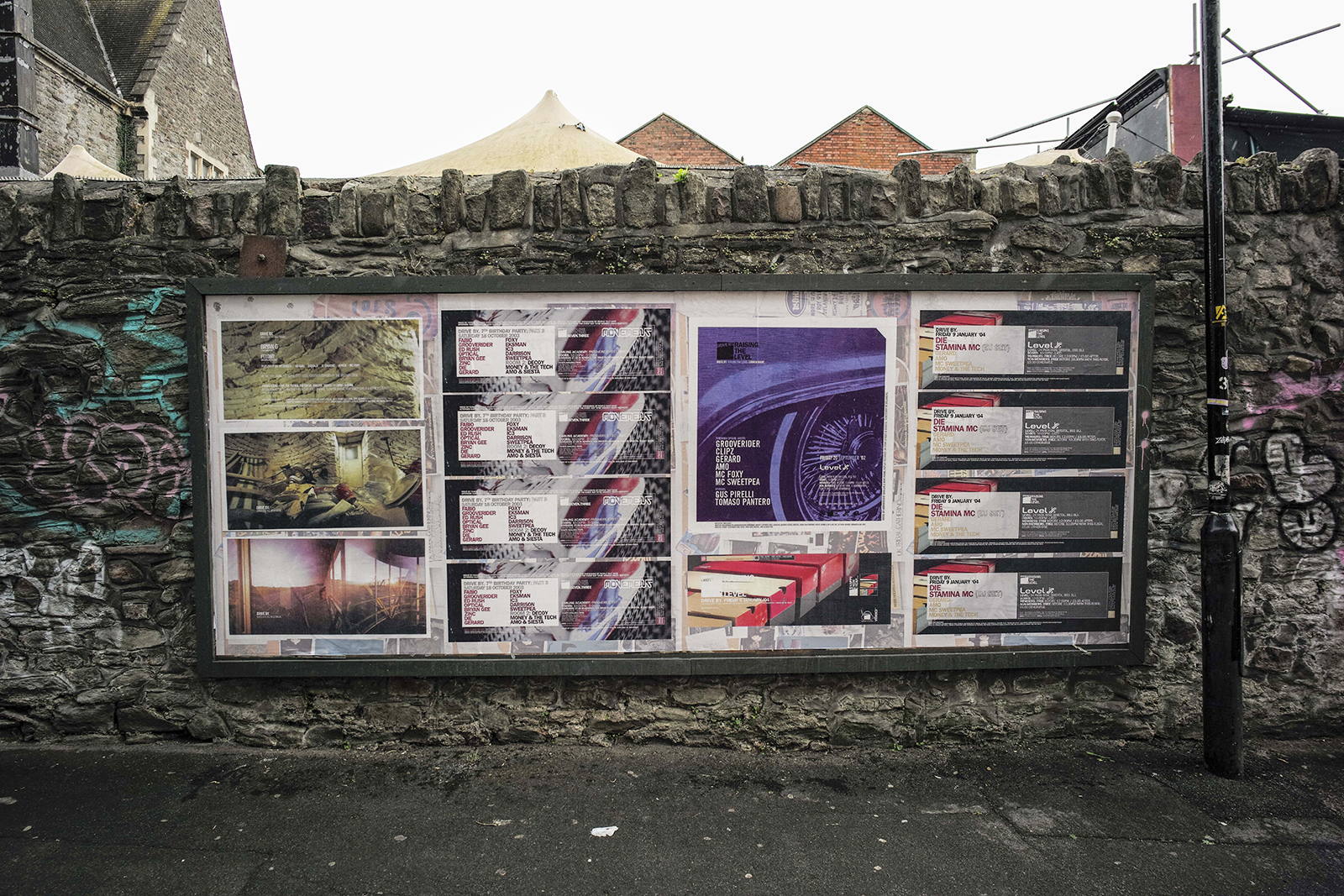
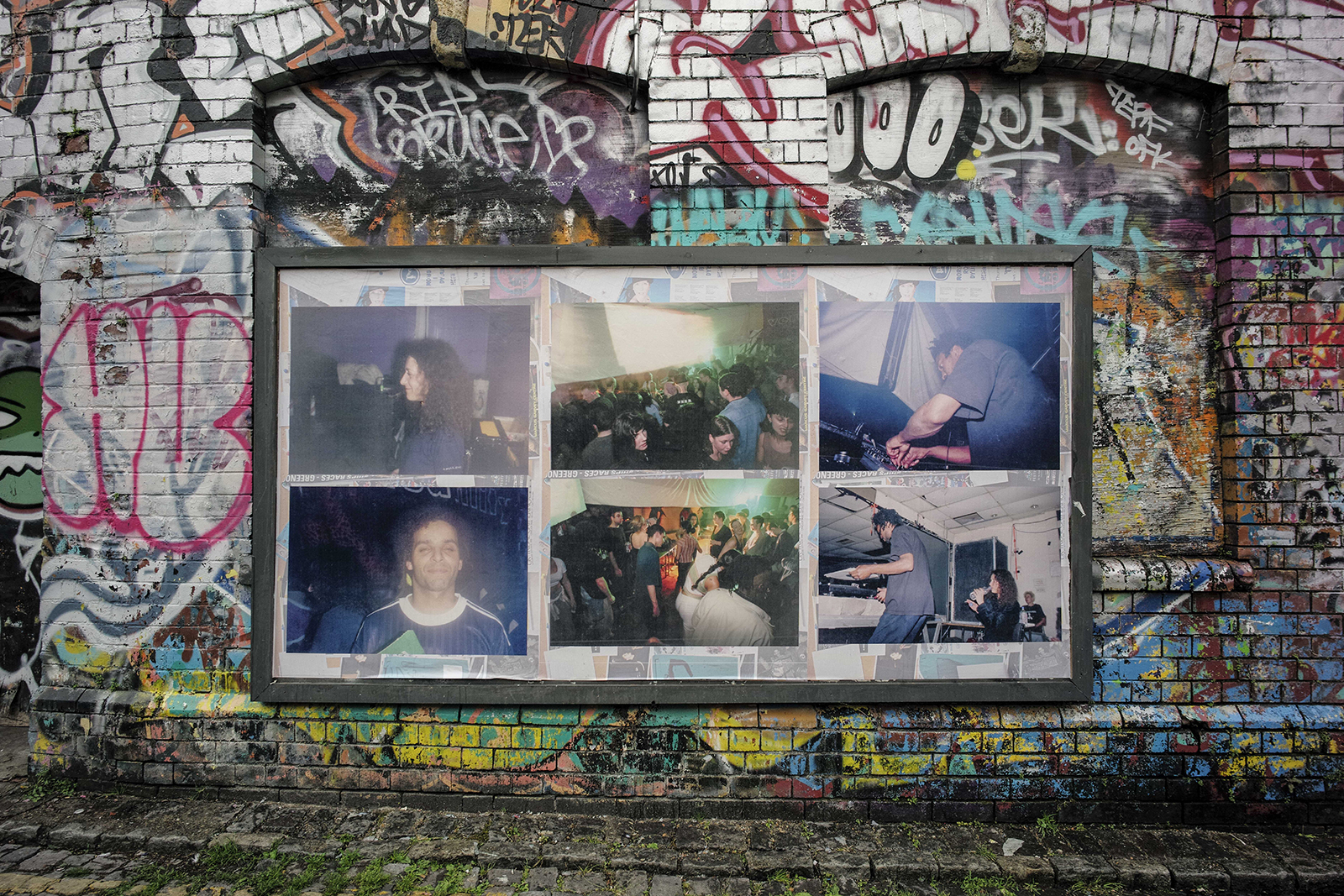
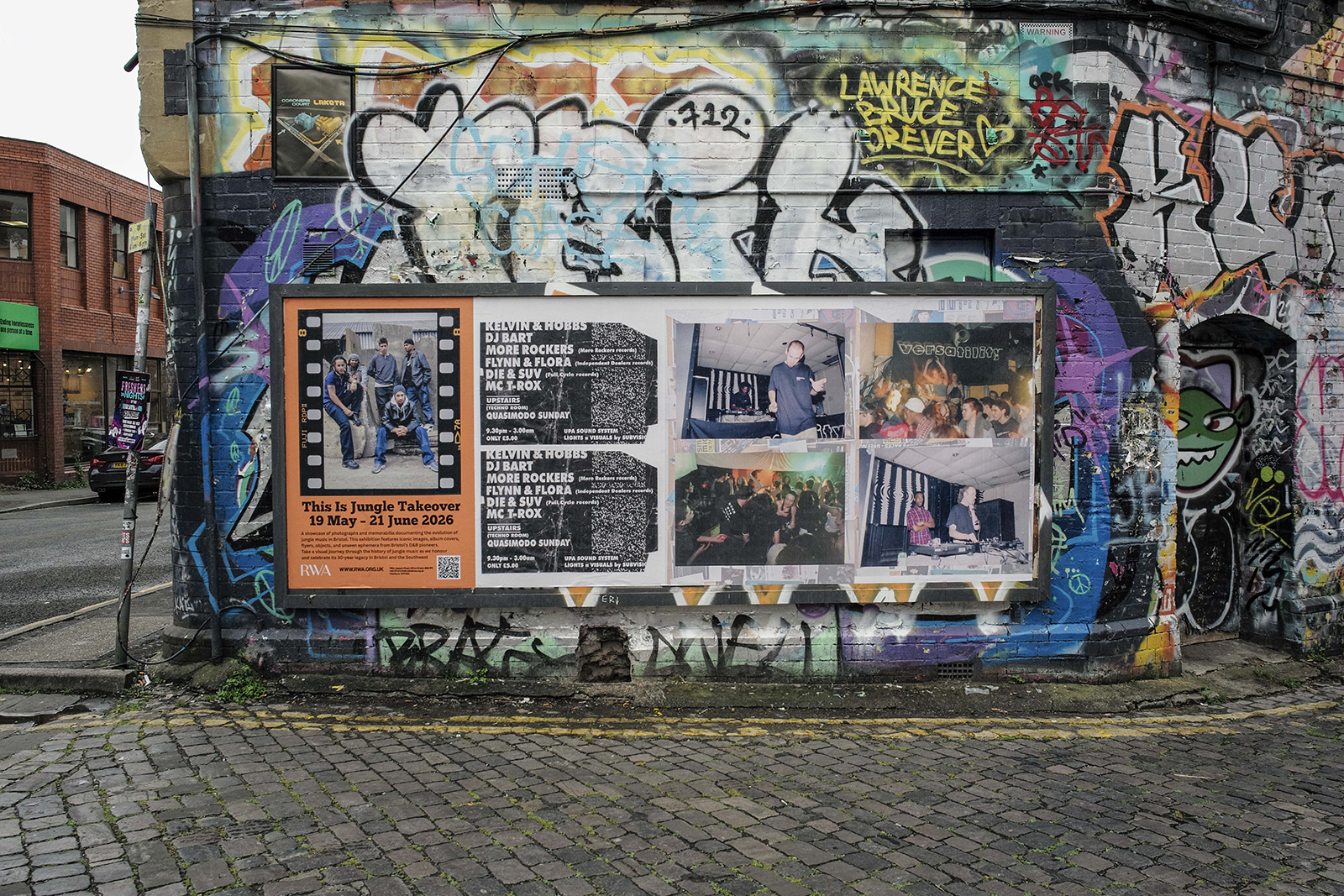
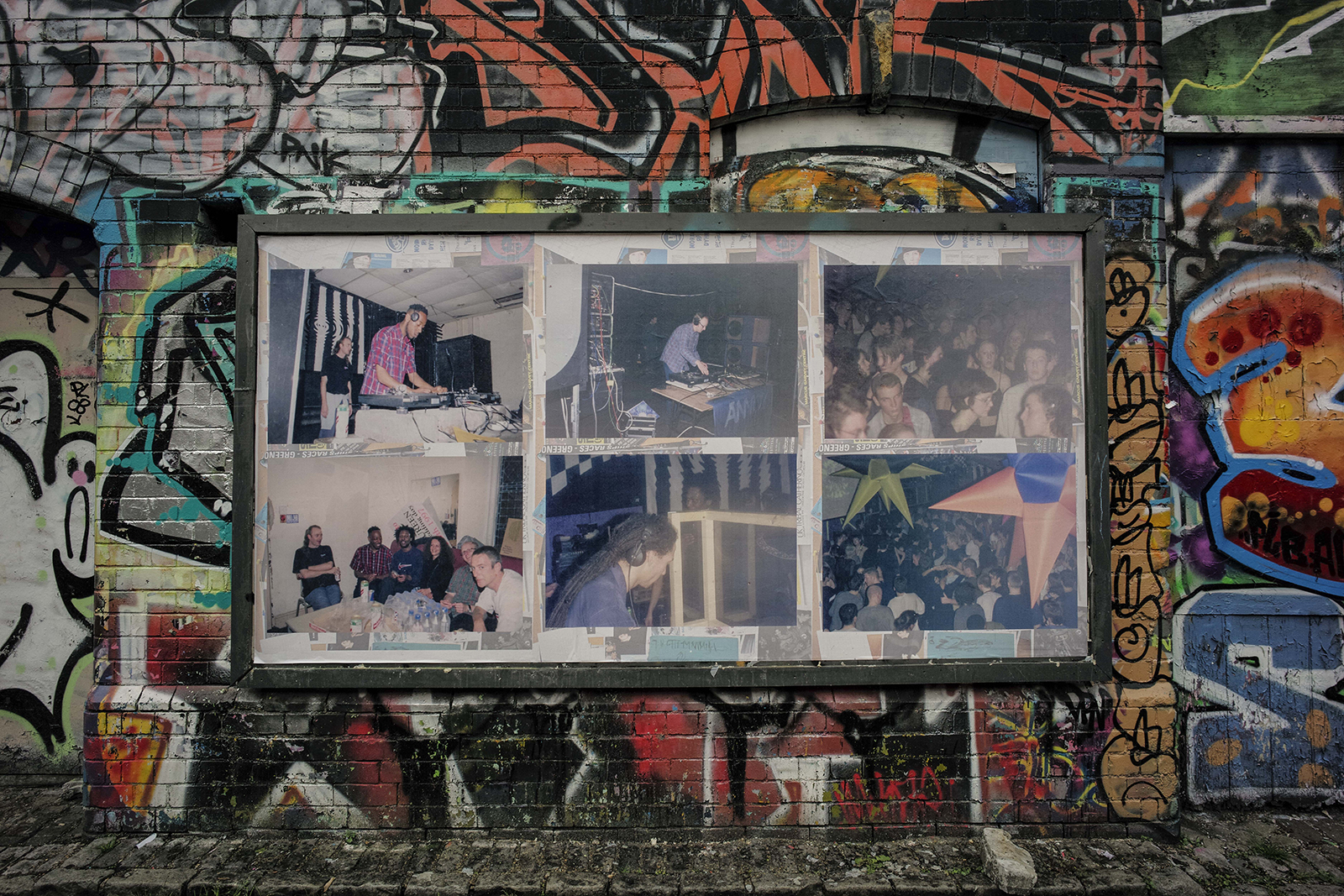
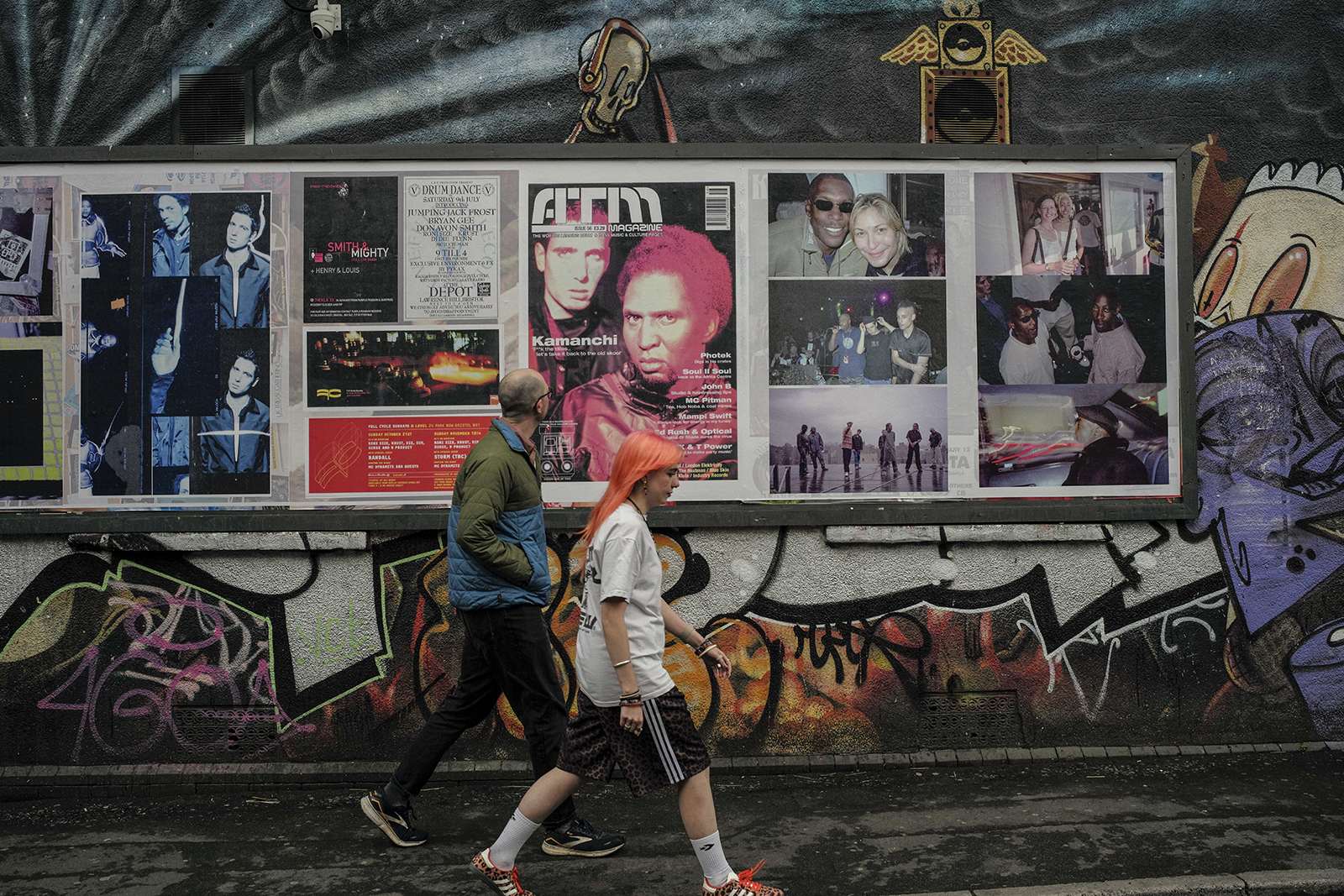
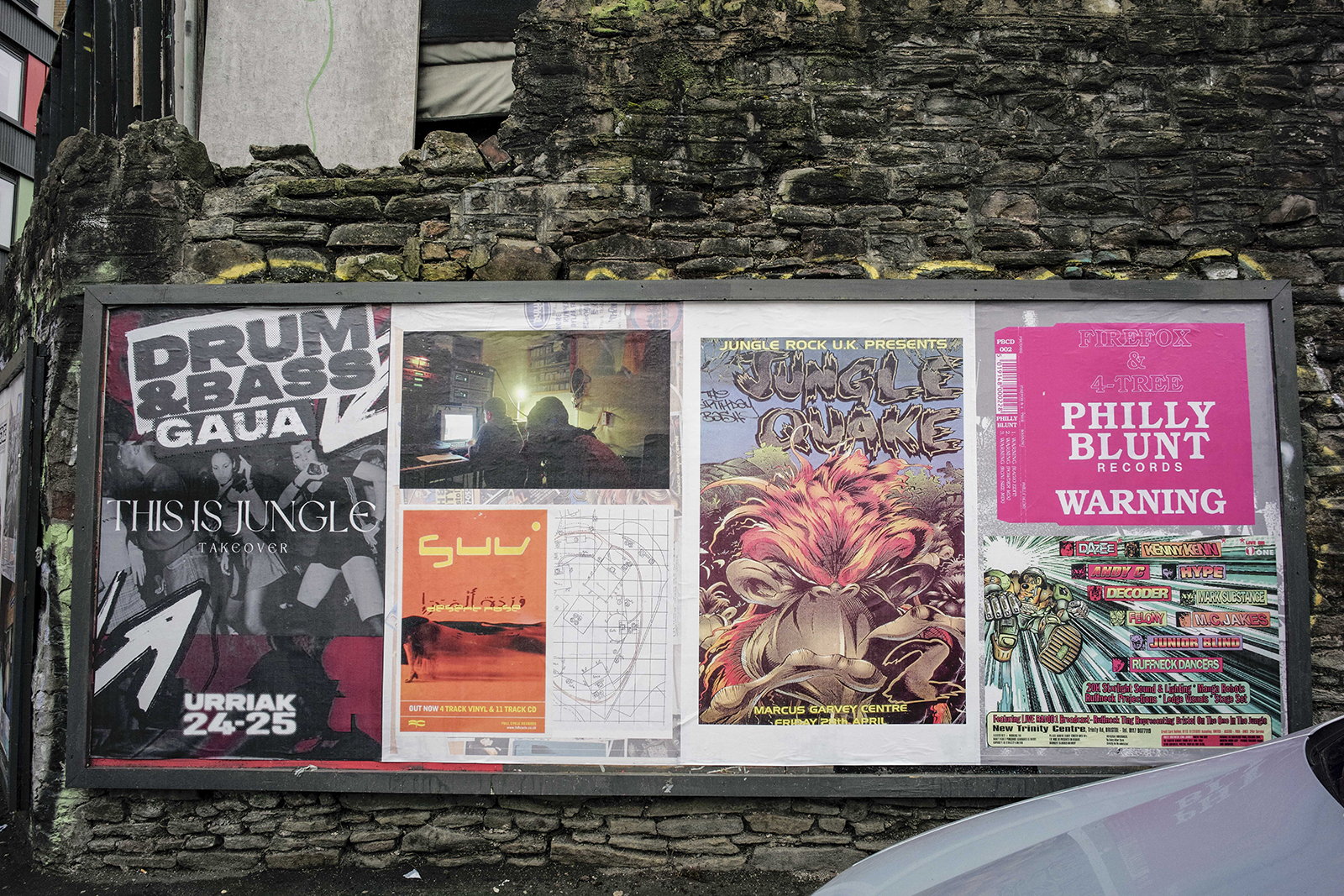
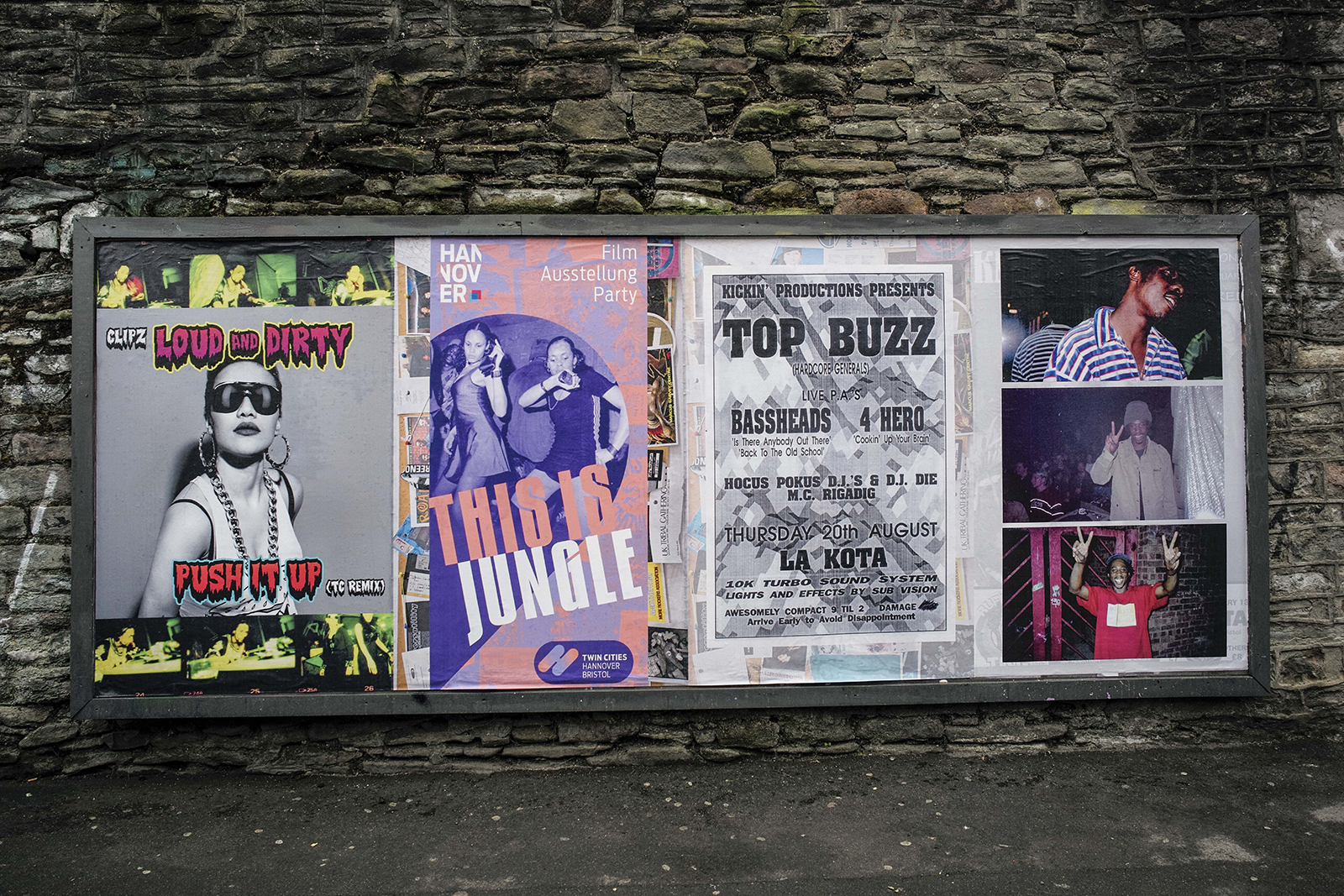
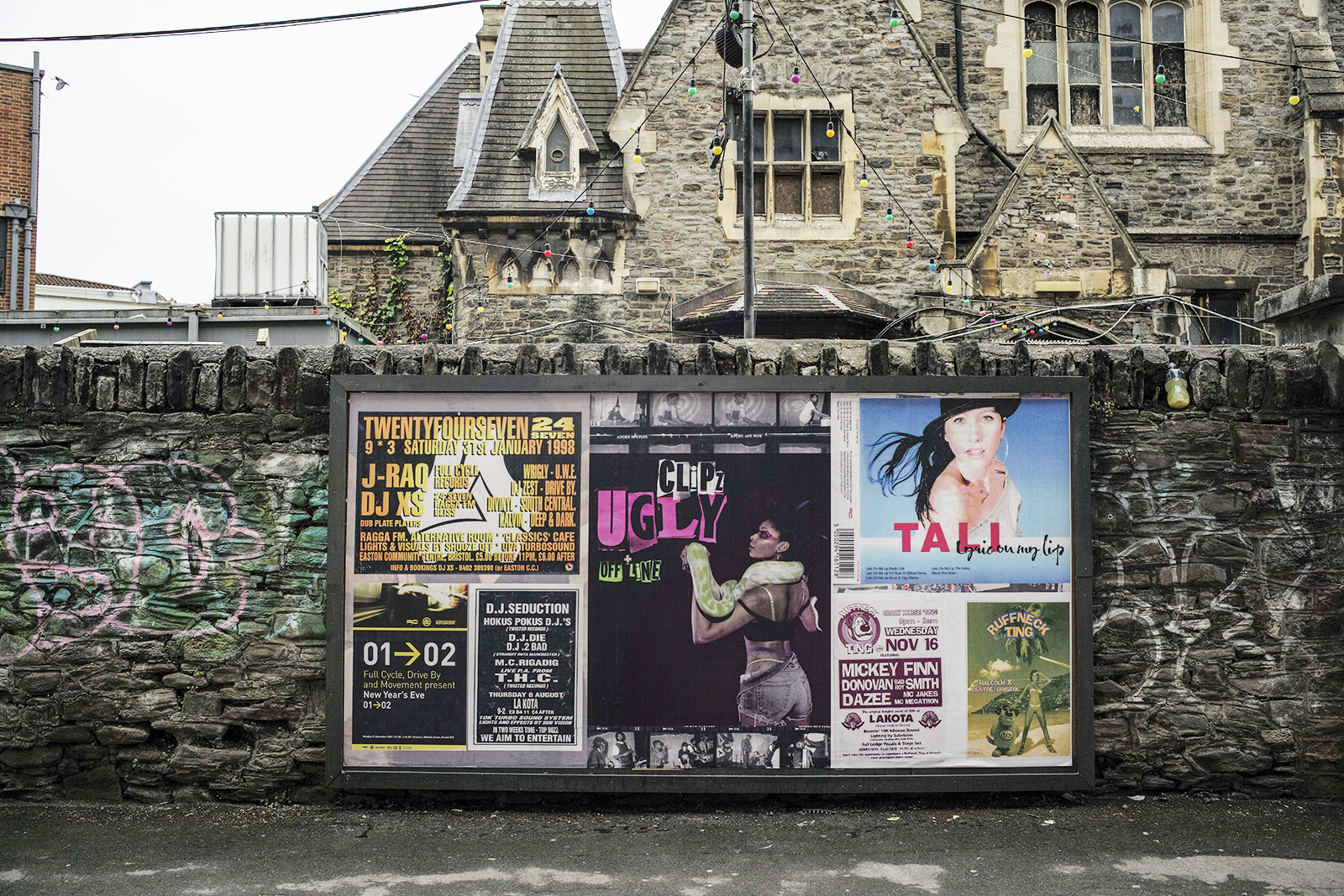
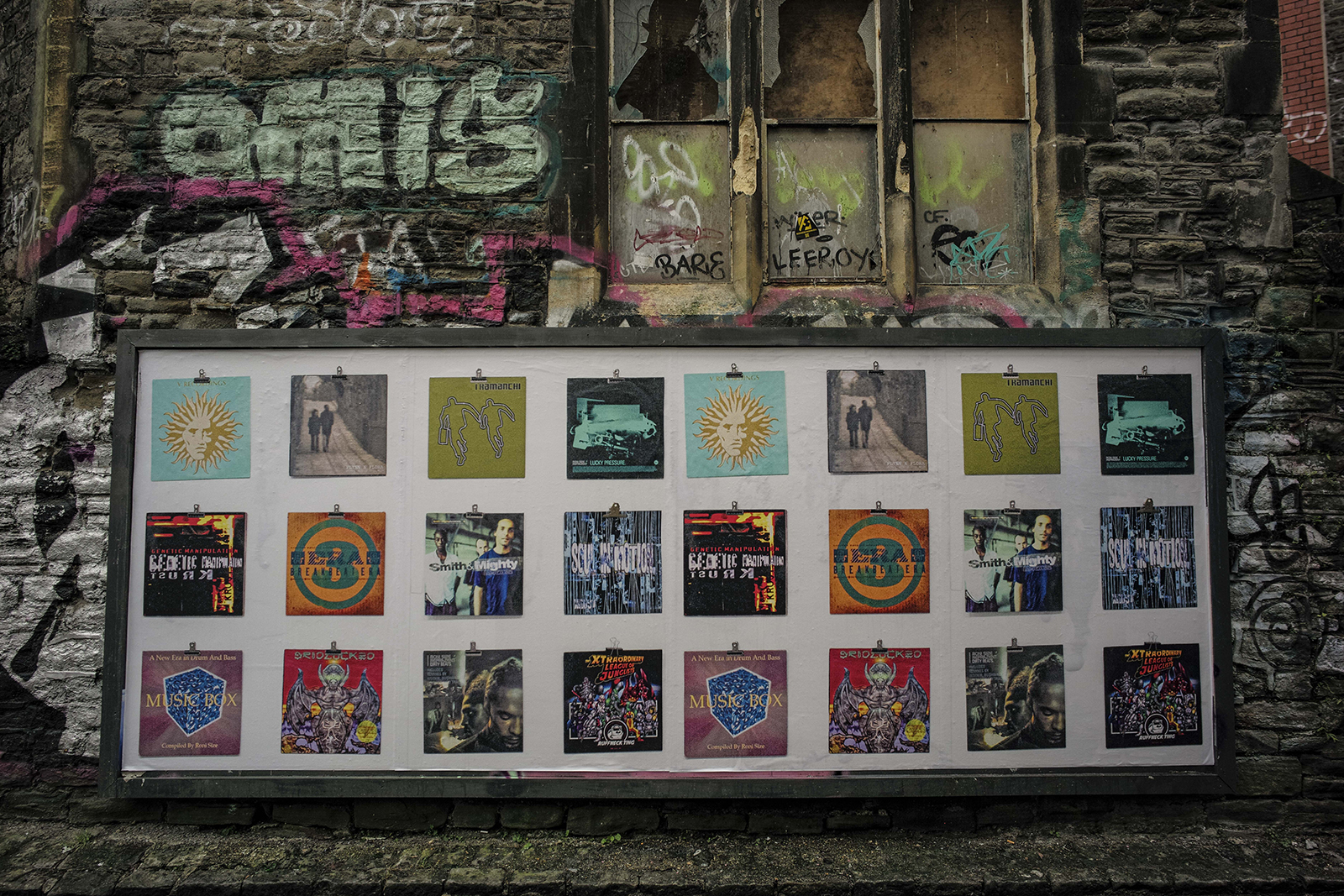
G: It’s a gallery isn’t it. Photography. Designs. Lakota has been foundational to Bristol music, for about 30 years, without a shadow of a doubt. They’ve got billboards all round the club. Hopefully that’ll translate into a nice gallery space. Some of the images will inspire people to go back and do some cut and paste design, try to have more conversations, organically start building more traction.

K: People might walk past and see themselves. That was what was really good about the first exhibition. We had a wall of photographs, people were huddled round, maybe hoping to see themselves. It was sharing that thing with the community, seeing it for real. Now we’re evolving it to the next space. People can see the billboards on the street and connect the dots. It’s a movement. It might inspire people to pick up a camera, start doing design, undo some knots in their mind about what they thought they couldn’t do. Take action.

A series of billboards will be outside the Lakota, which is a club with a long history in Bristol music. What is your relationship to that club in a back in the day sense.

K: That’s the Moon Club. [big smile]. We can’t talk about that. [still a big smile].

G: That clubs been there from Day One. The owners, their family runs deep. I’m surprised no-one did a documentary on them.

Anything else you want to say about the billboards or the exhibition? Maybe something you’re proud of?

G: The idea is to make our city proud. We want to talk about what we’ve got, with our creators here. I think there are a lot of people coming to Bristol and don’t know the history. I want to show them it.


This Is Jungle Takeover

19 May – 21 June at RWA, Queen’s Road, Bristol BS8 1PX

Previous article

Marathon Season: Hit The Ground Running

Next article

Partnerships

Dance Out: Movement, Nightlife and Art at the Royal West of England Academy