Partnerships
The Legacy of Handsworth Self Portraits
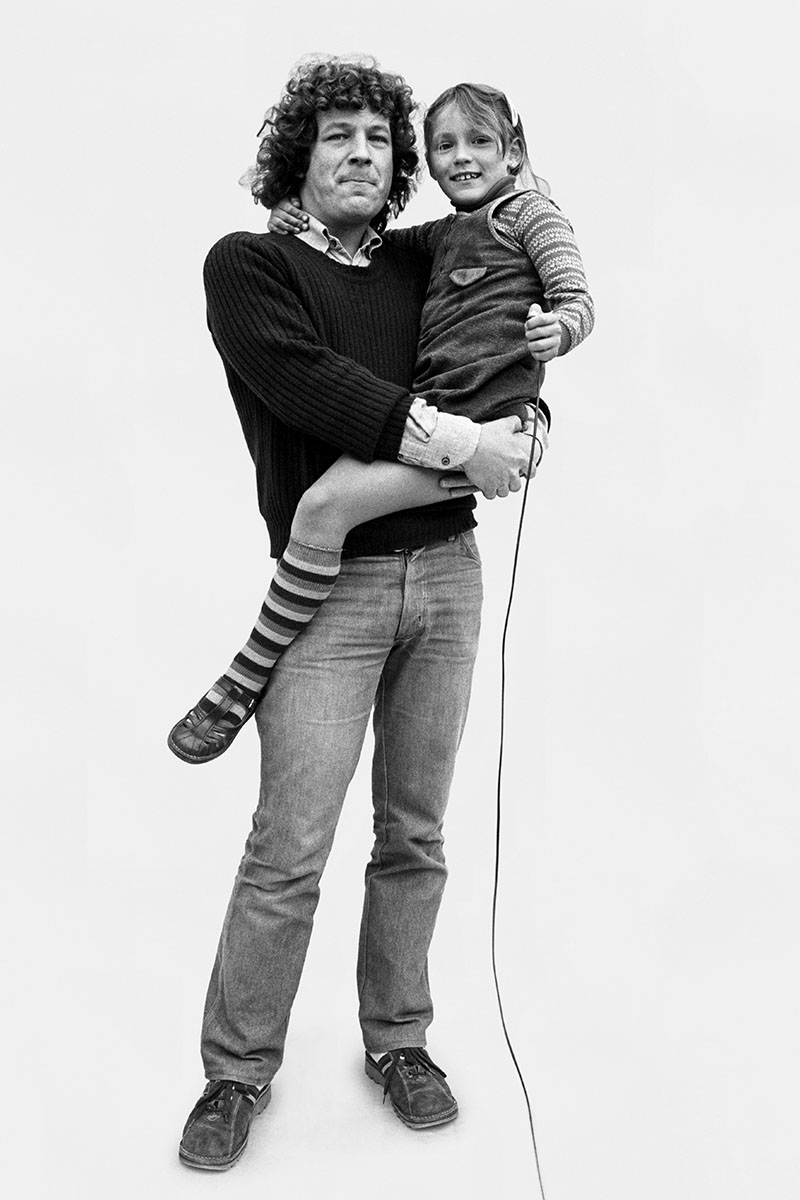
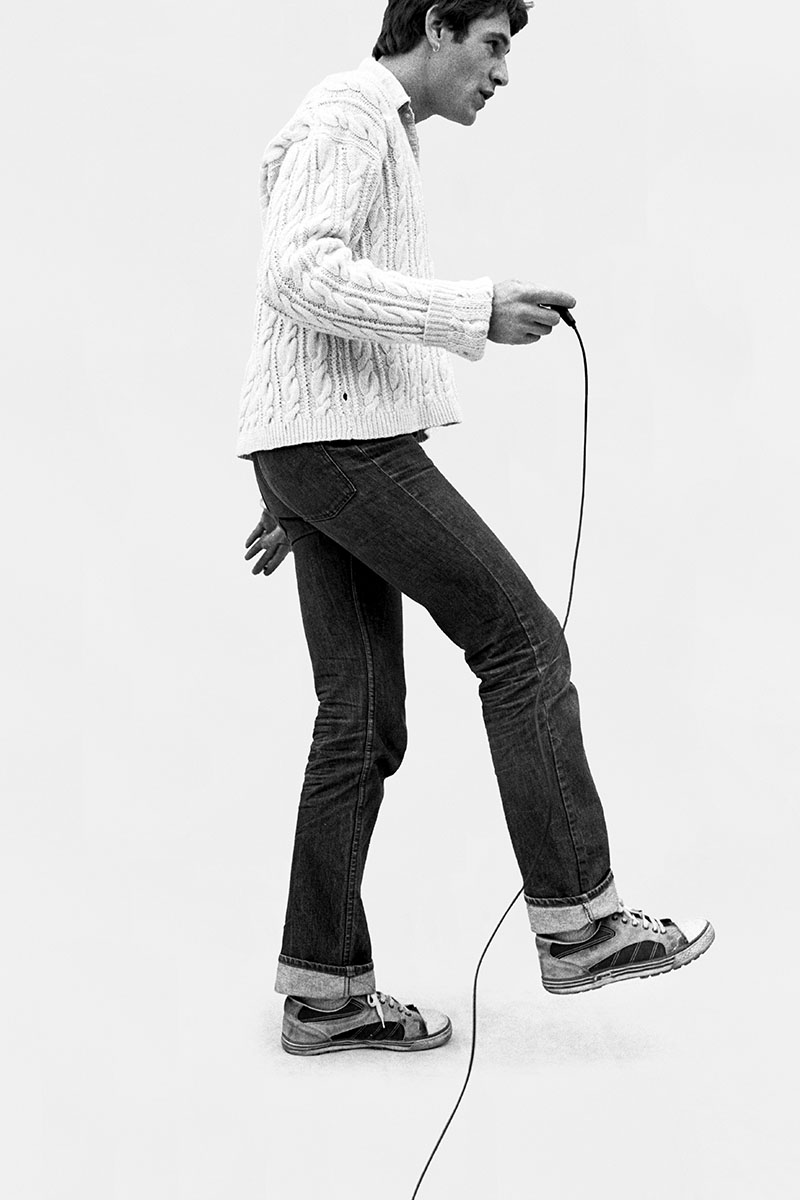
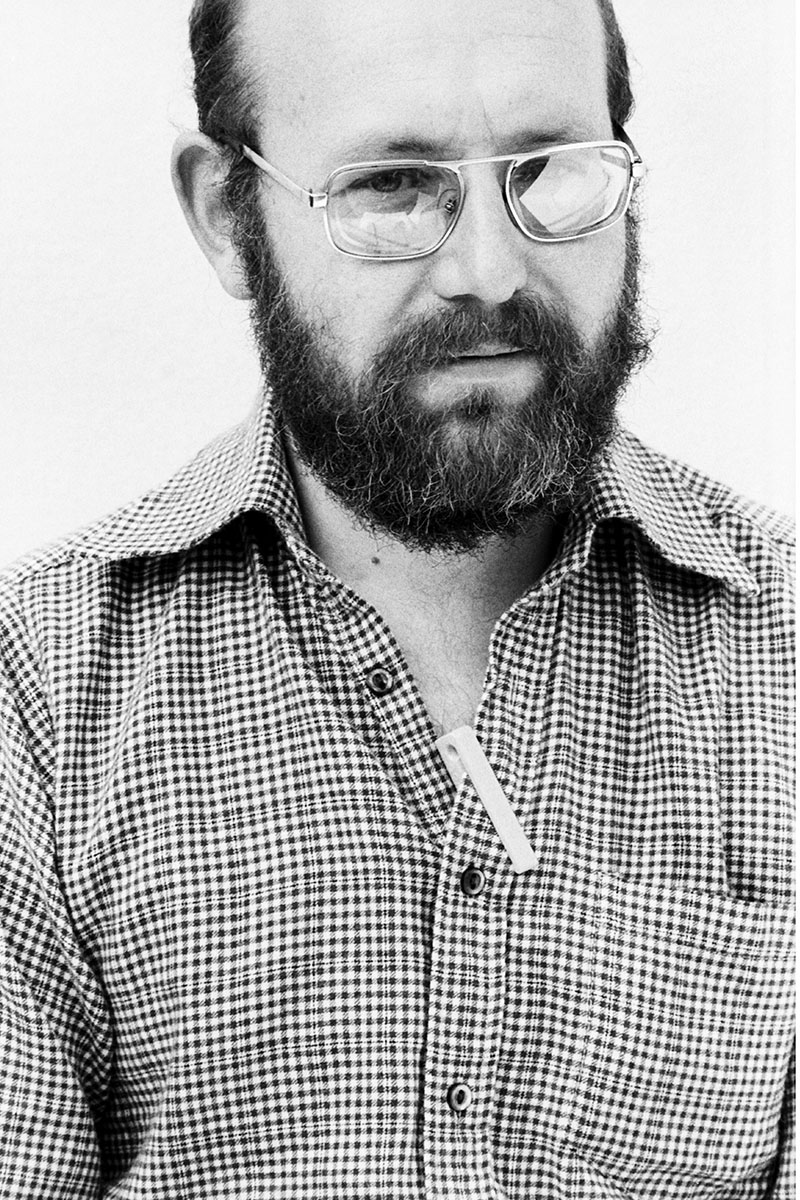
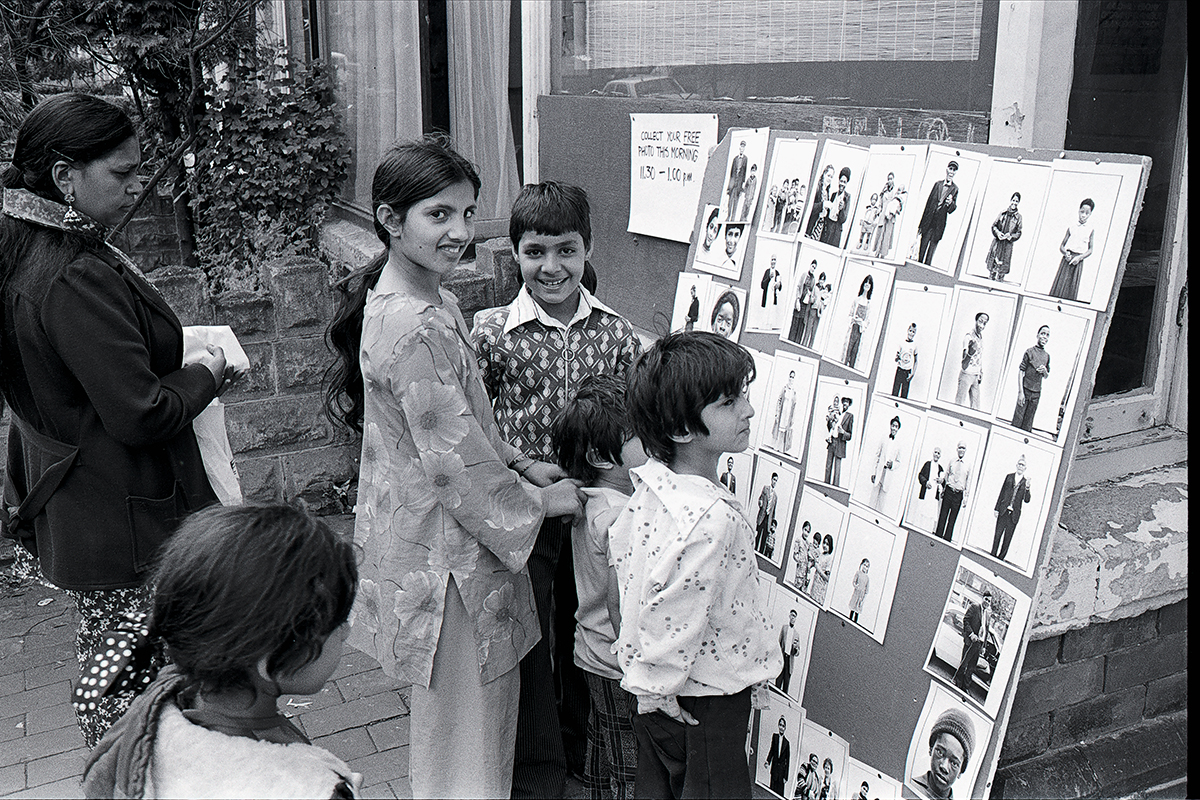
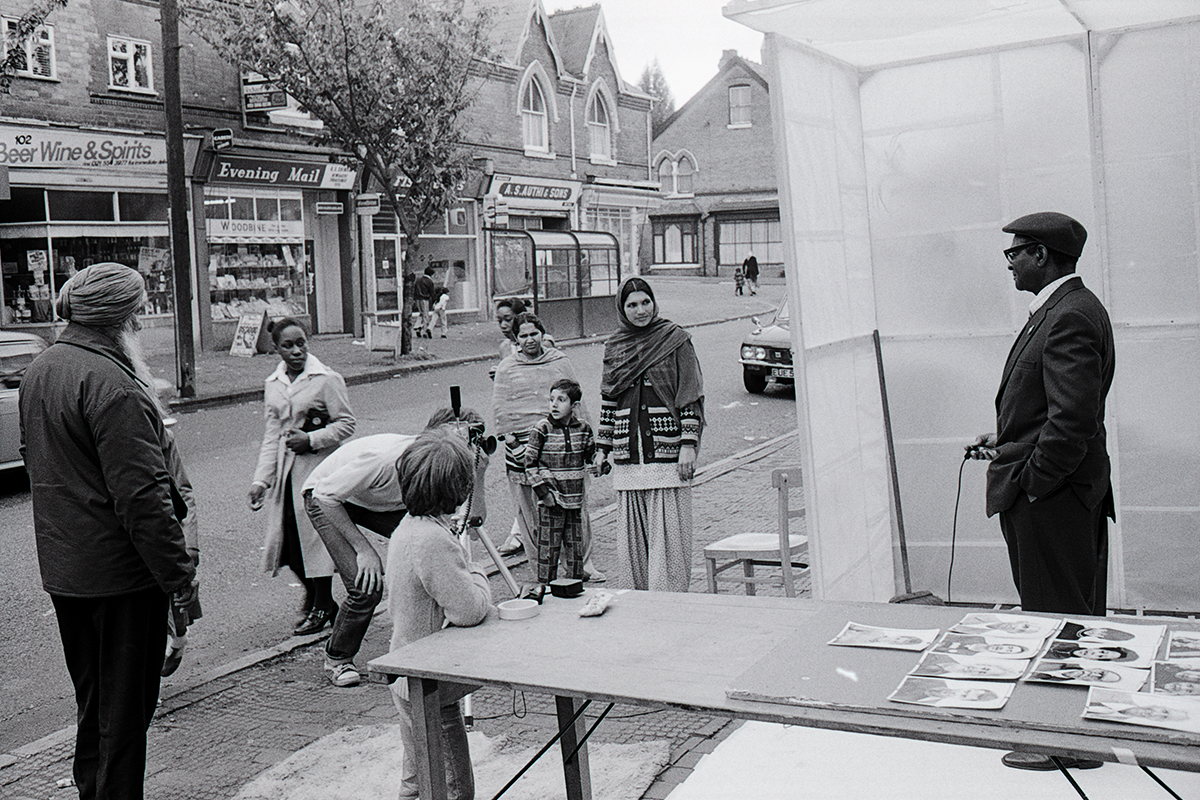
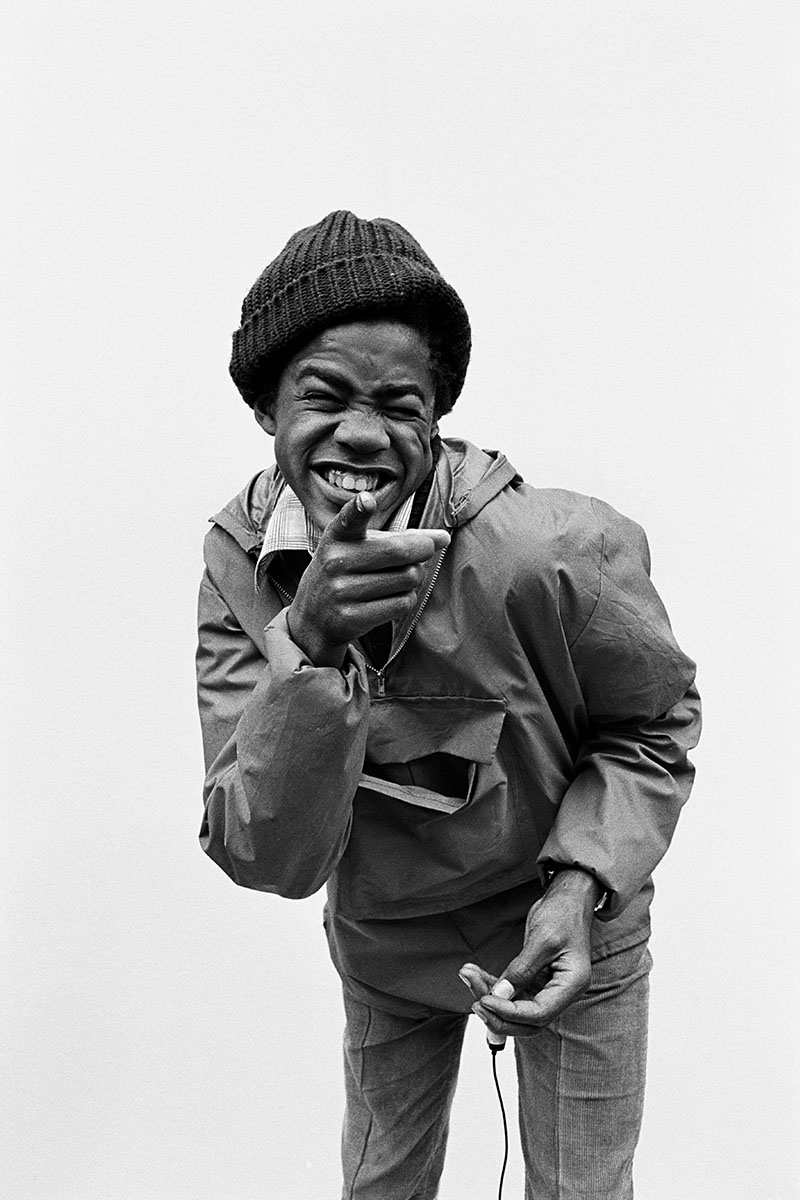
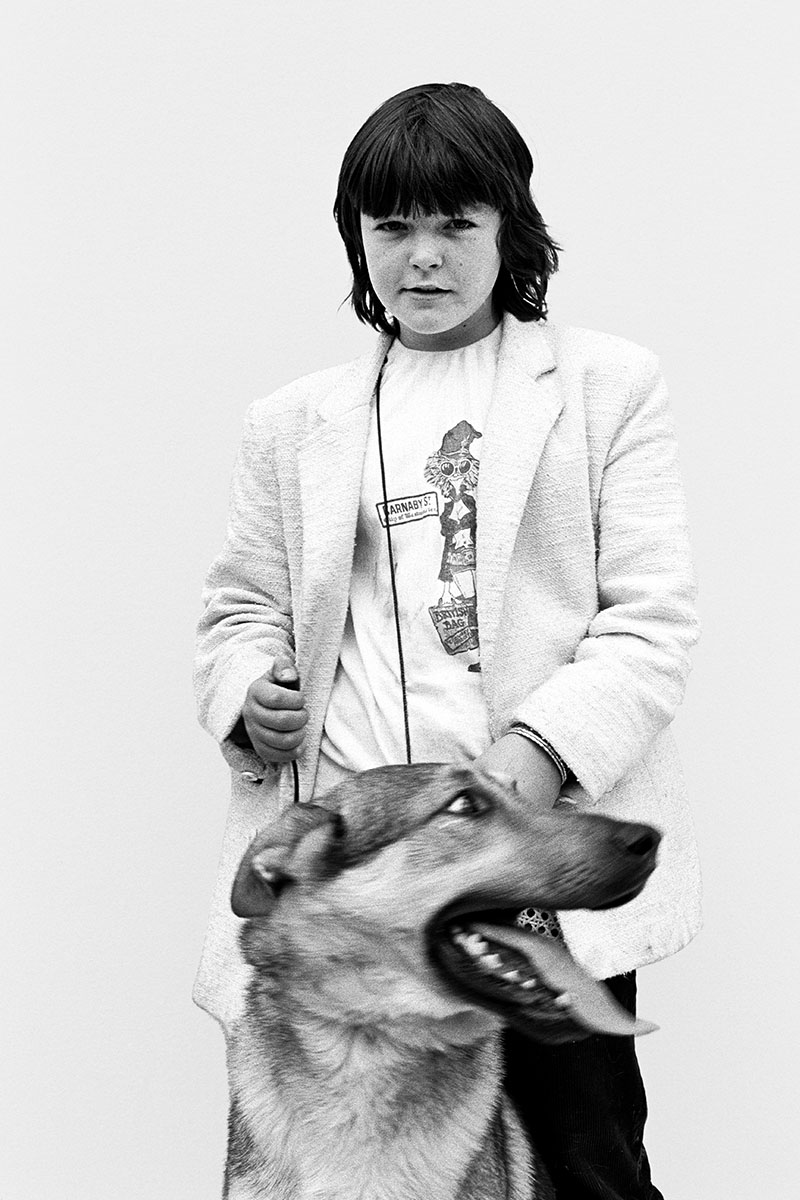
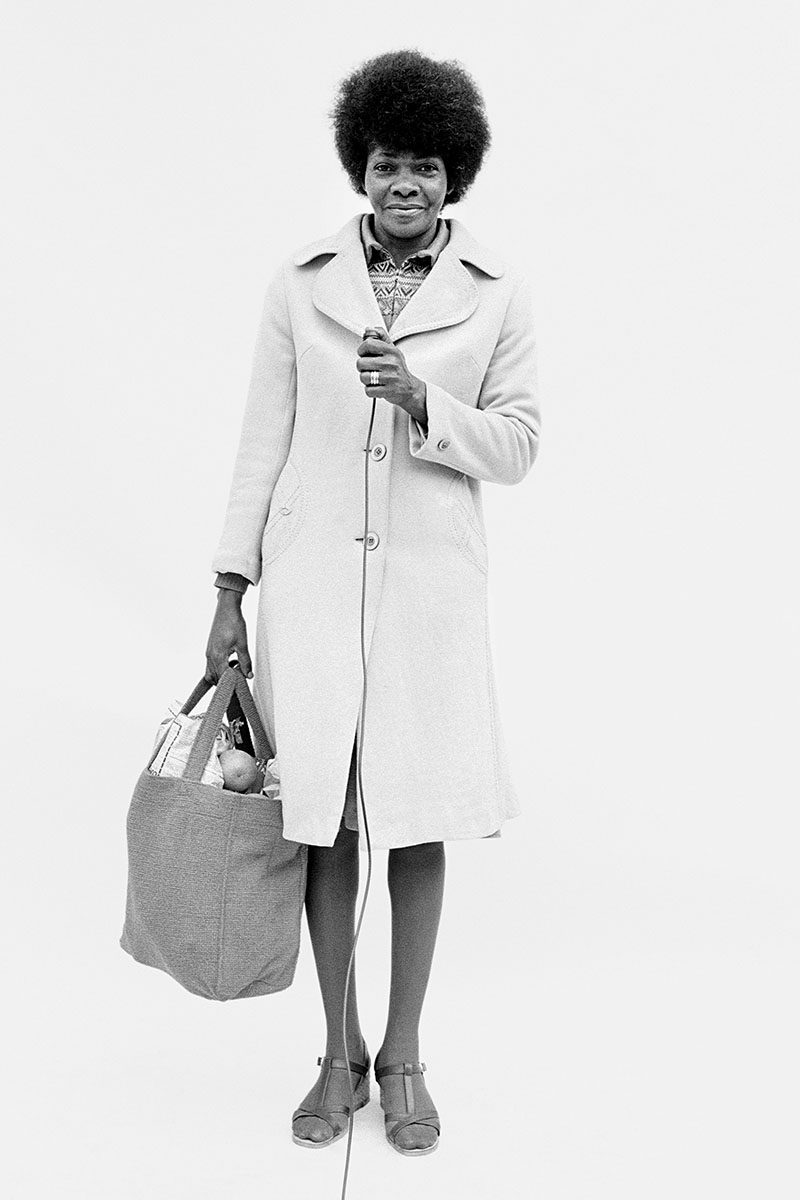
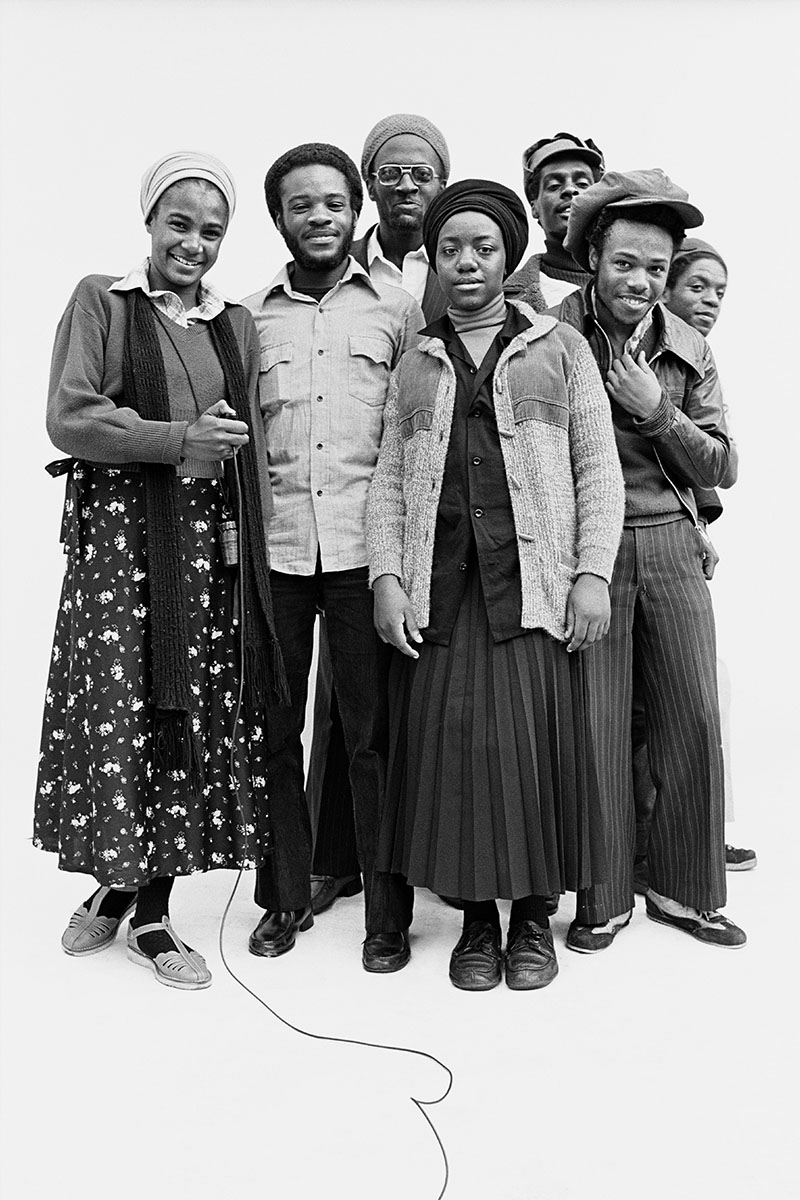
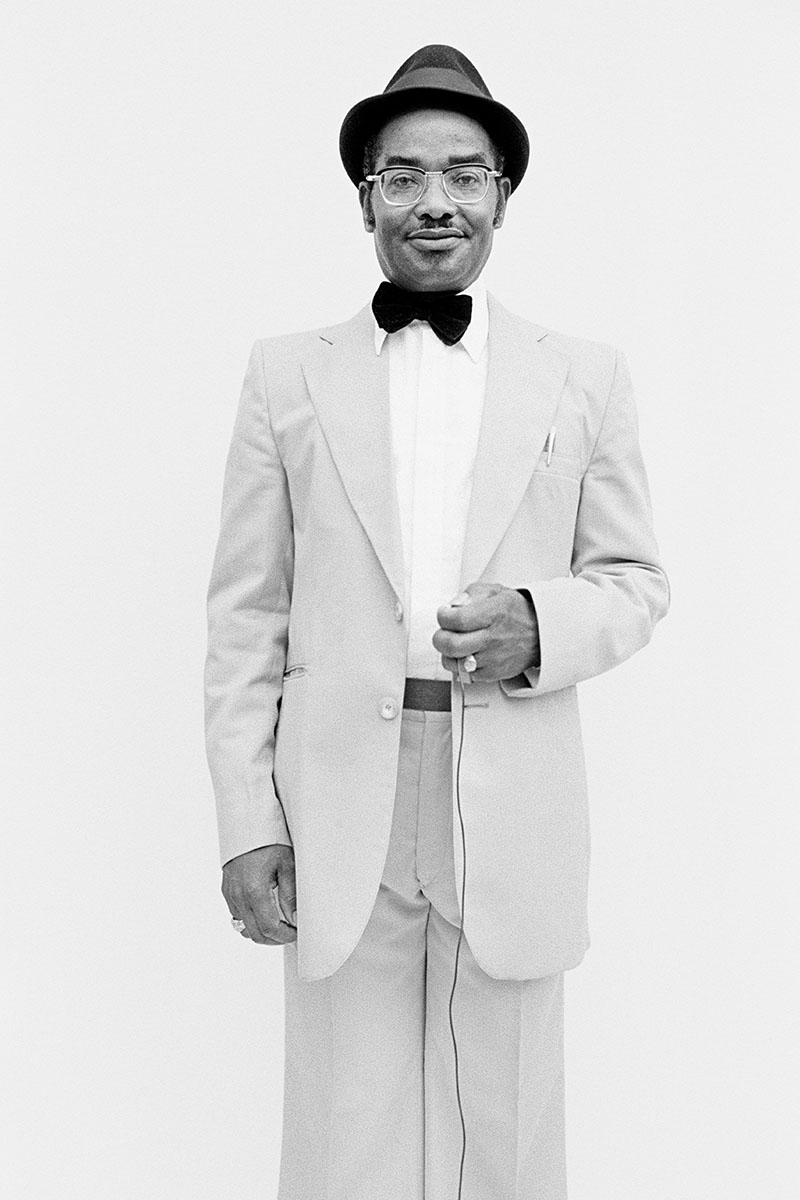
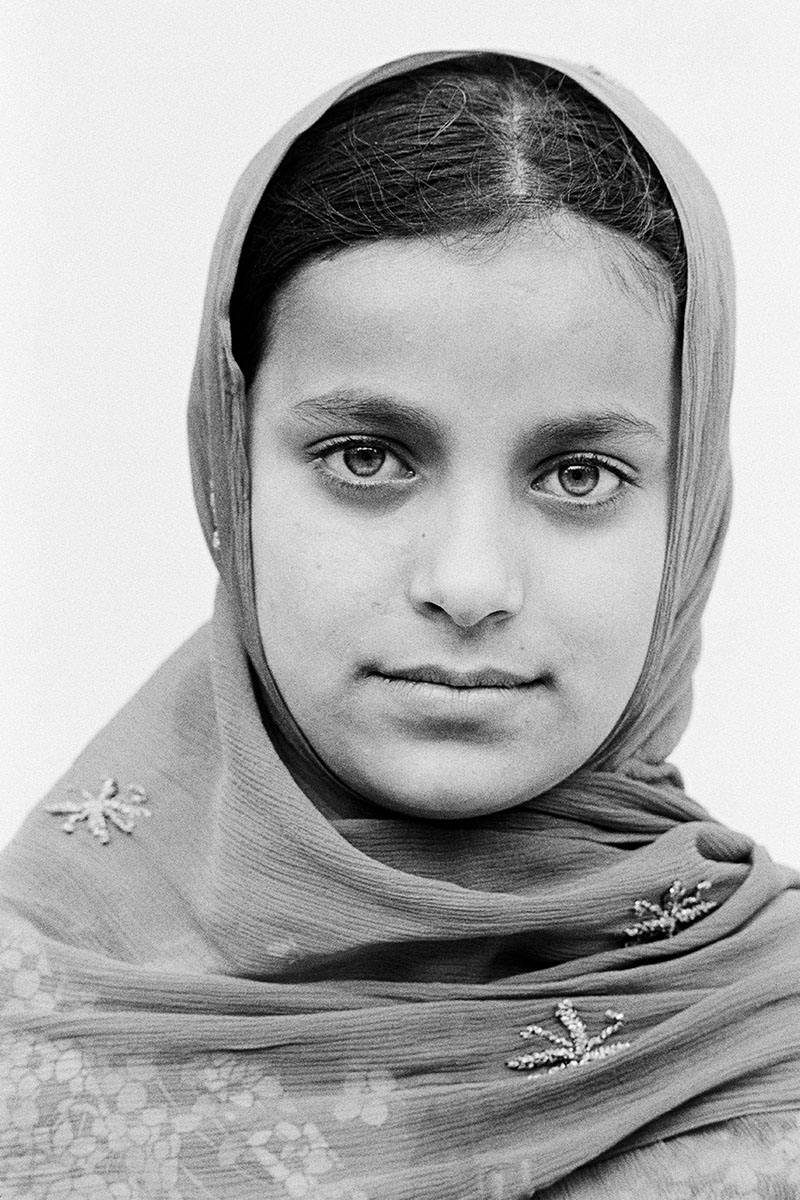
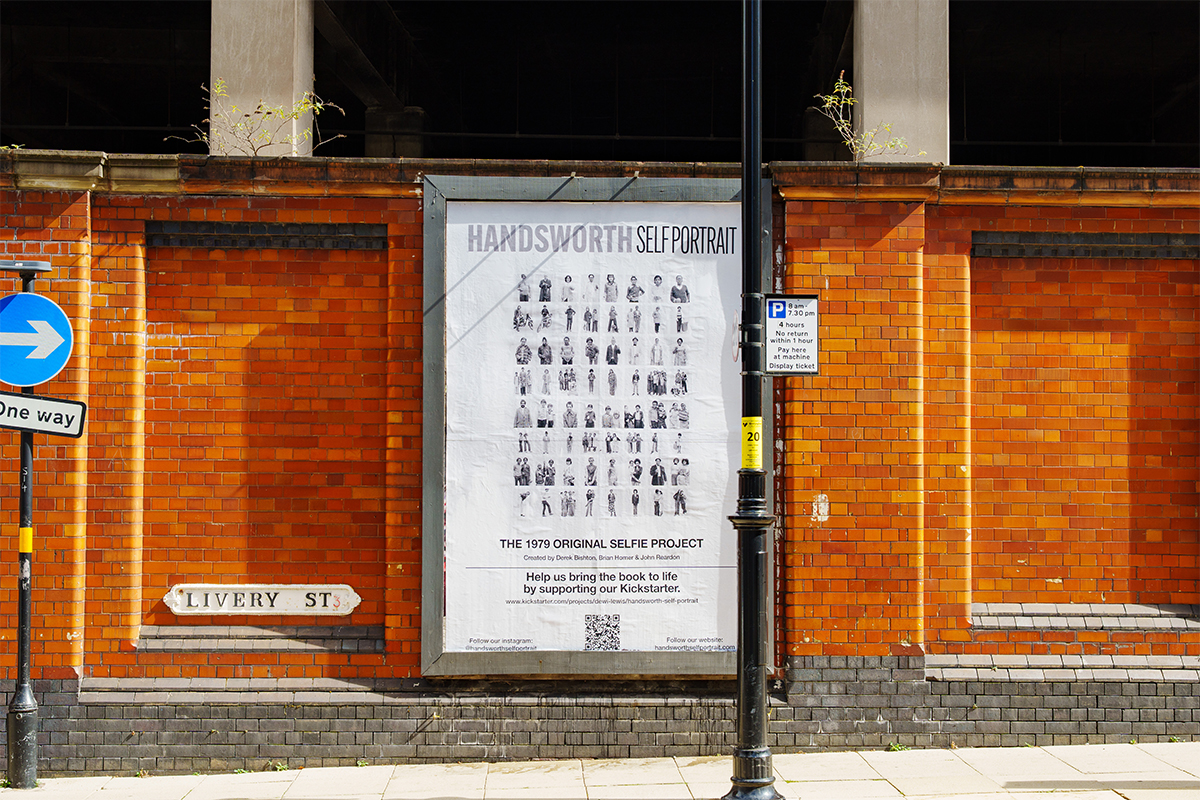
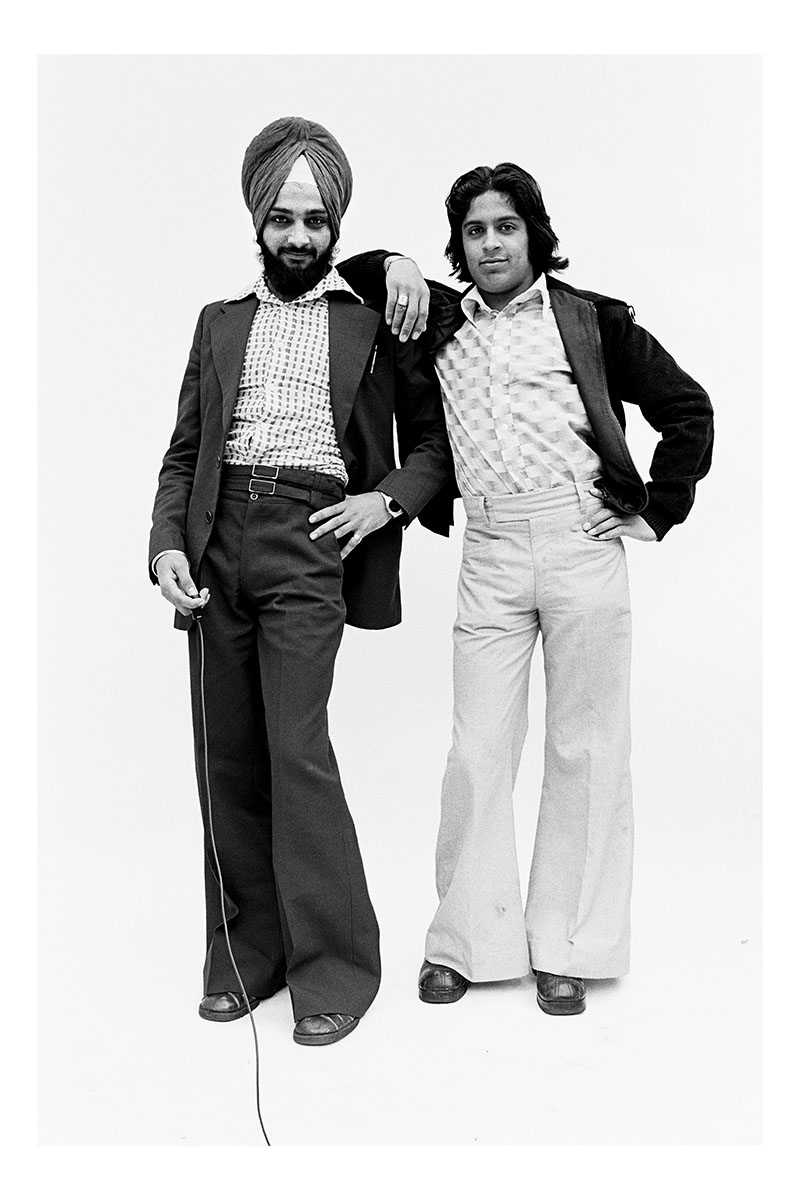
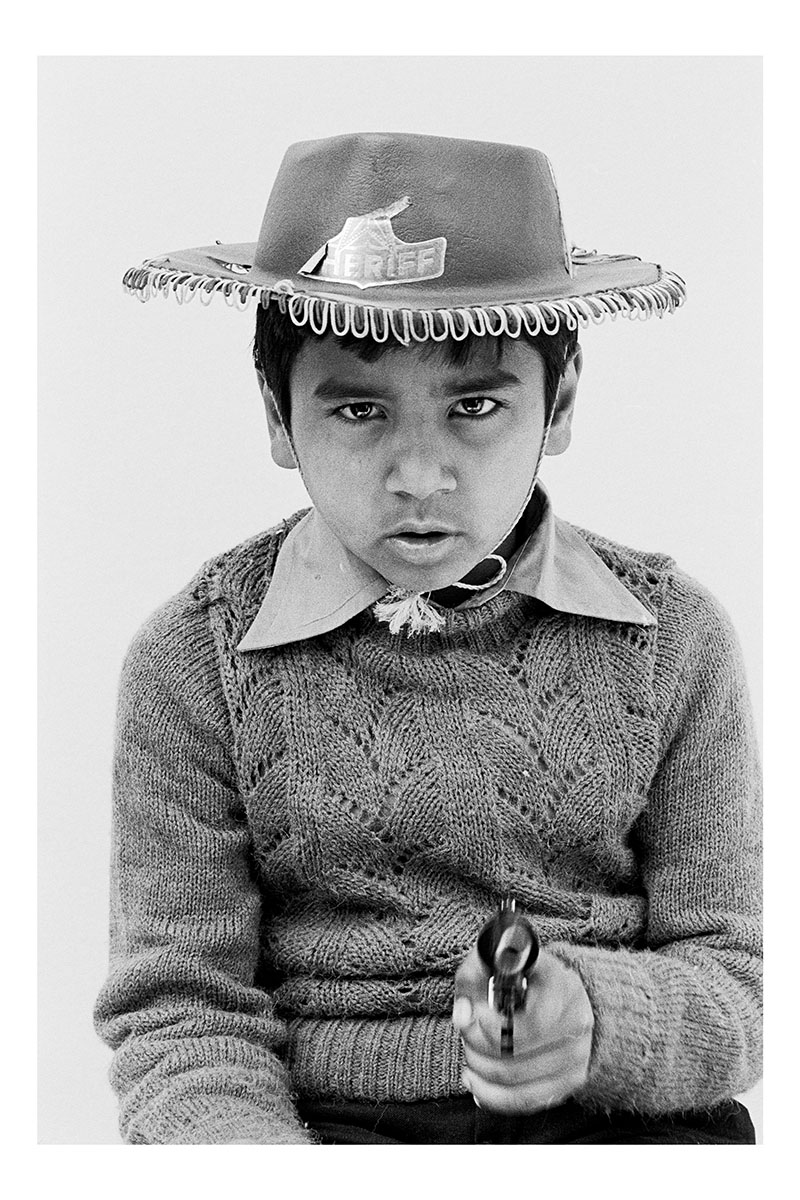
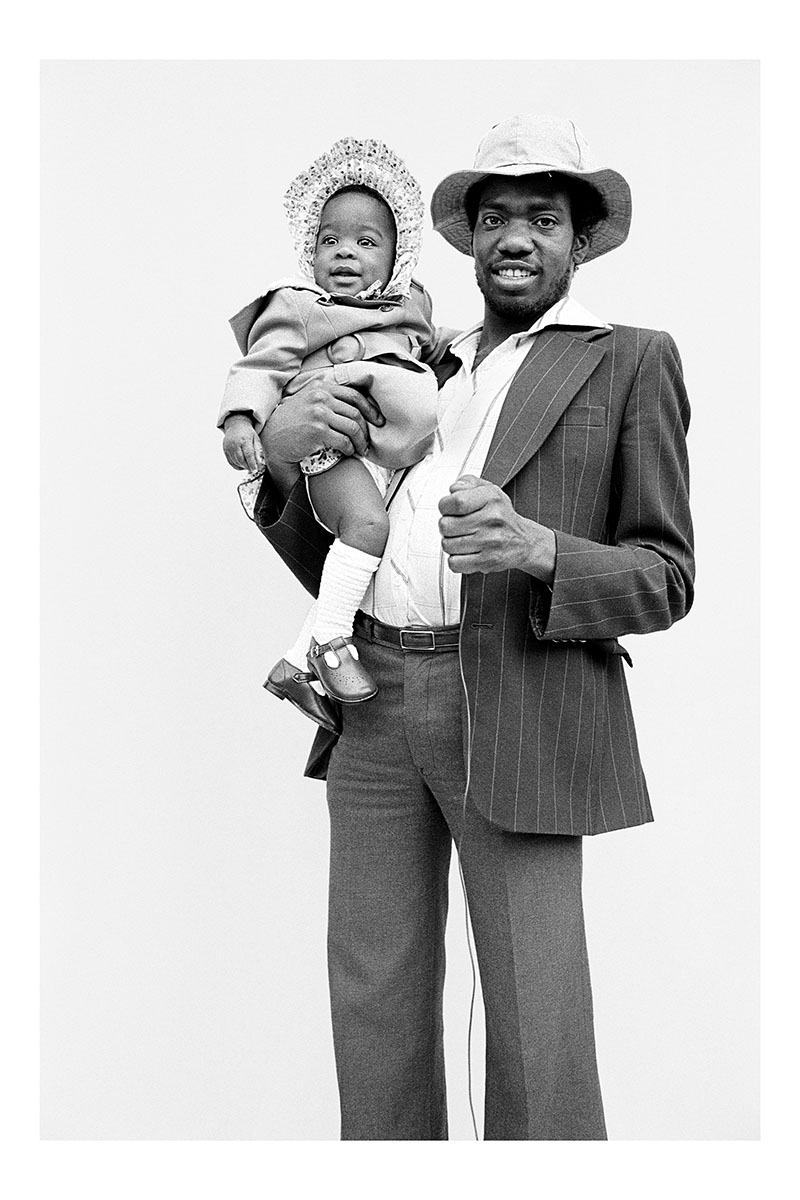
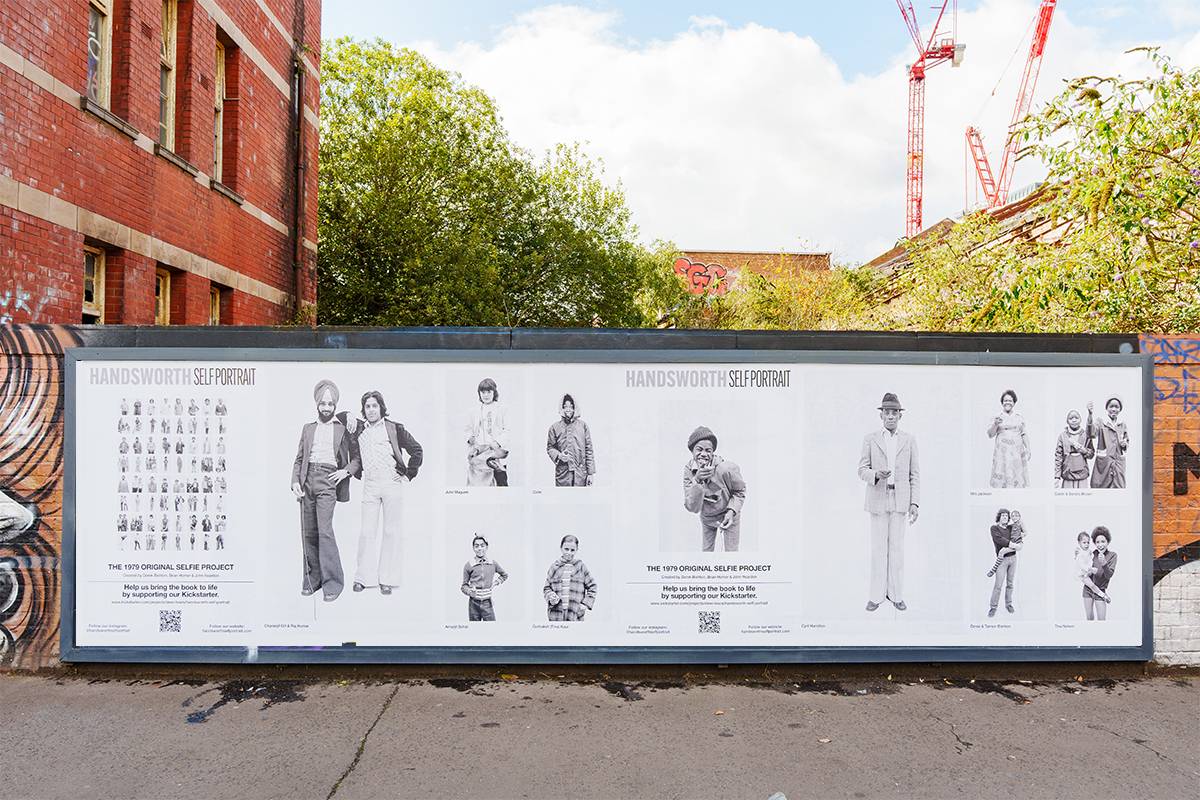
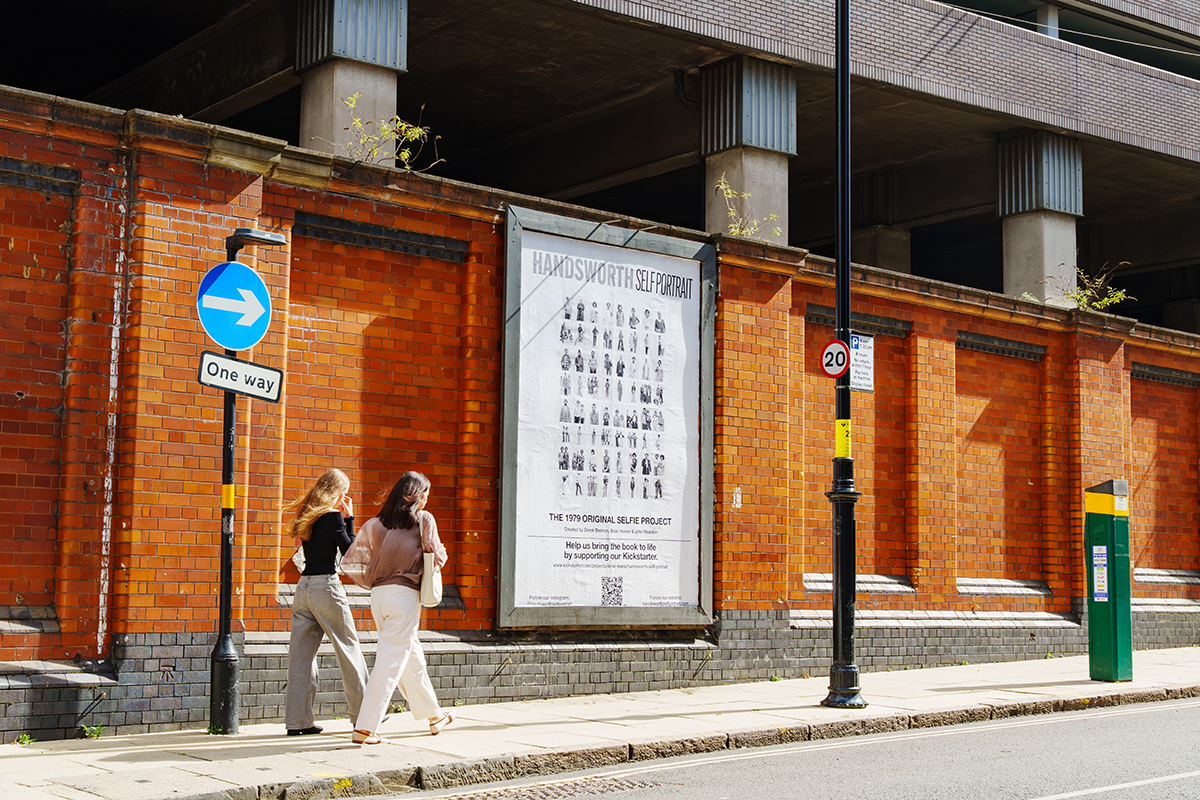
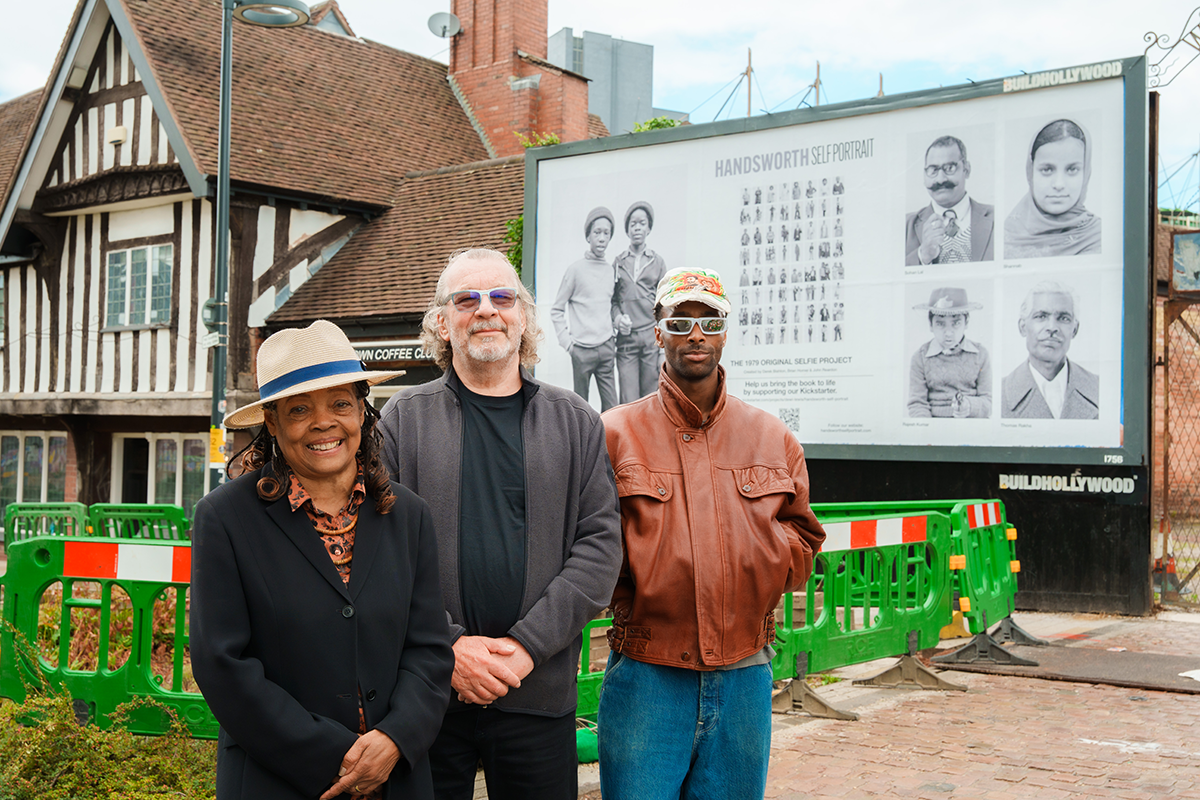
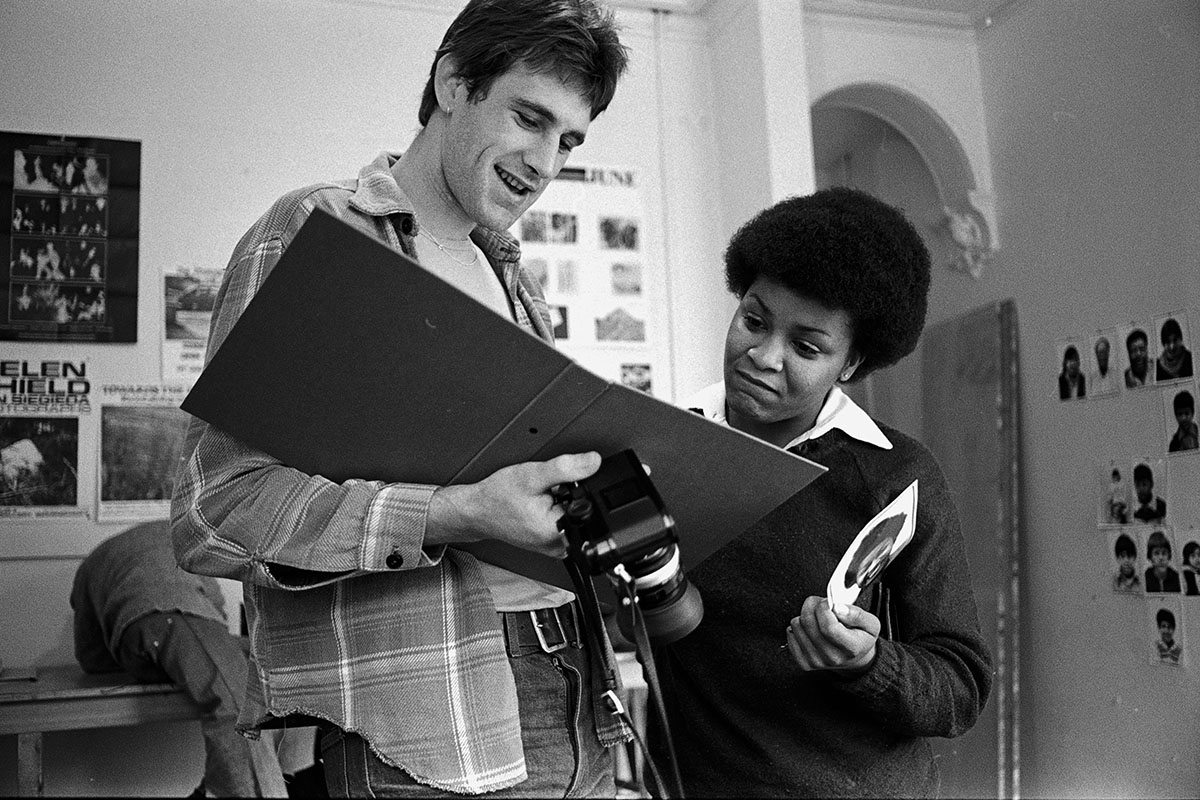
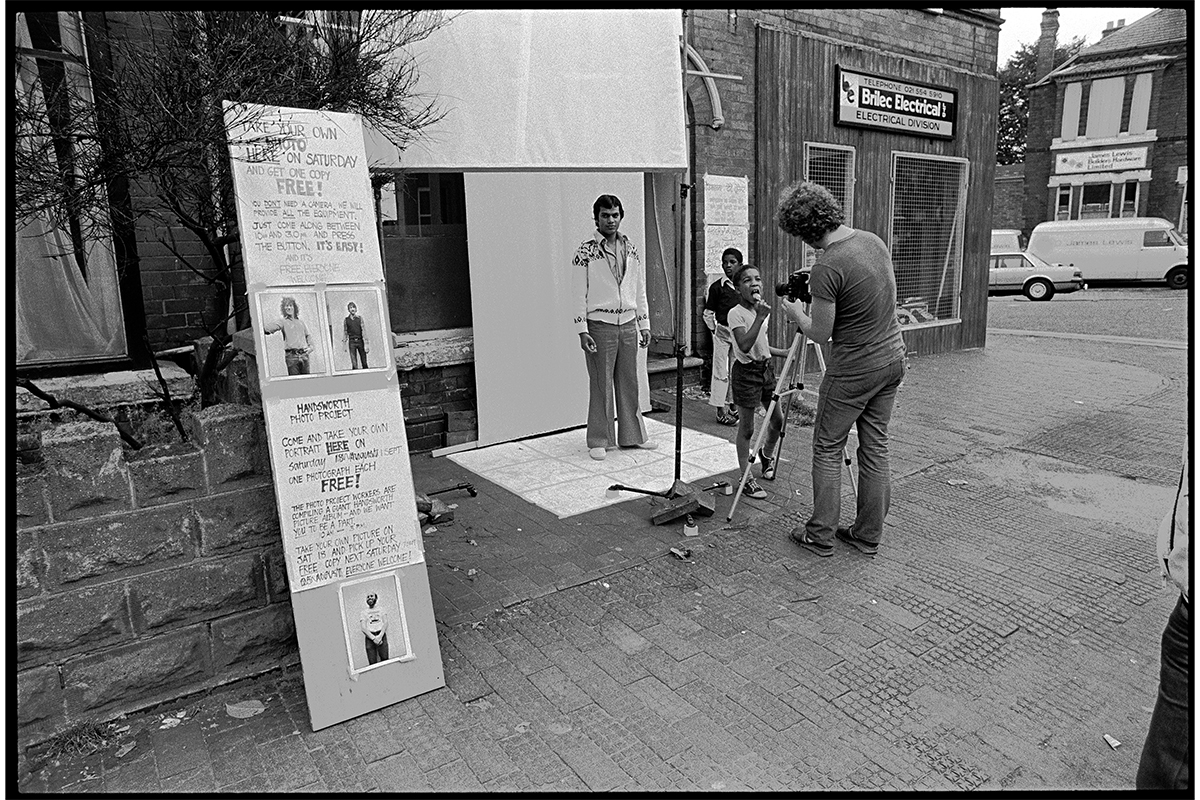
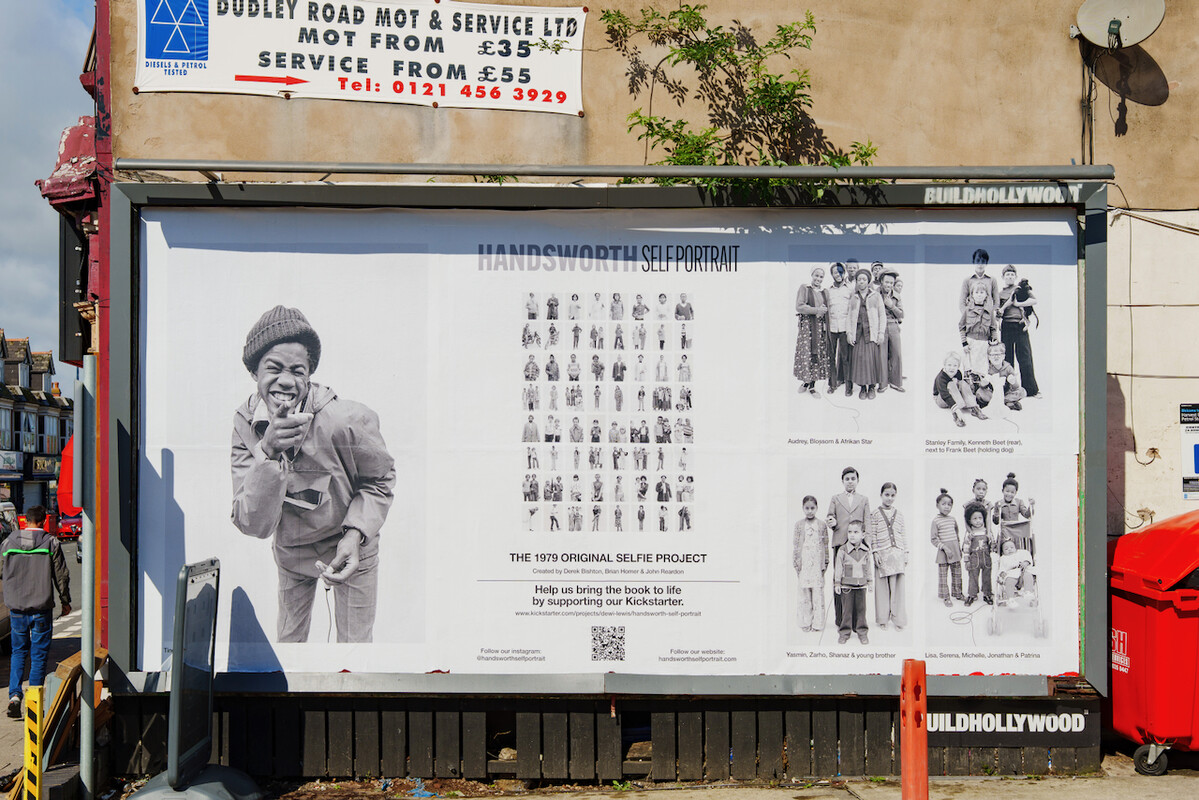
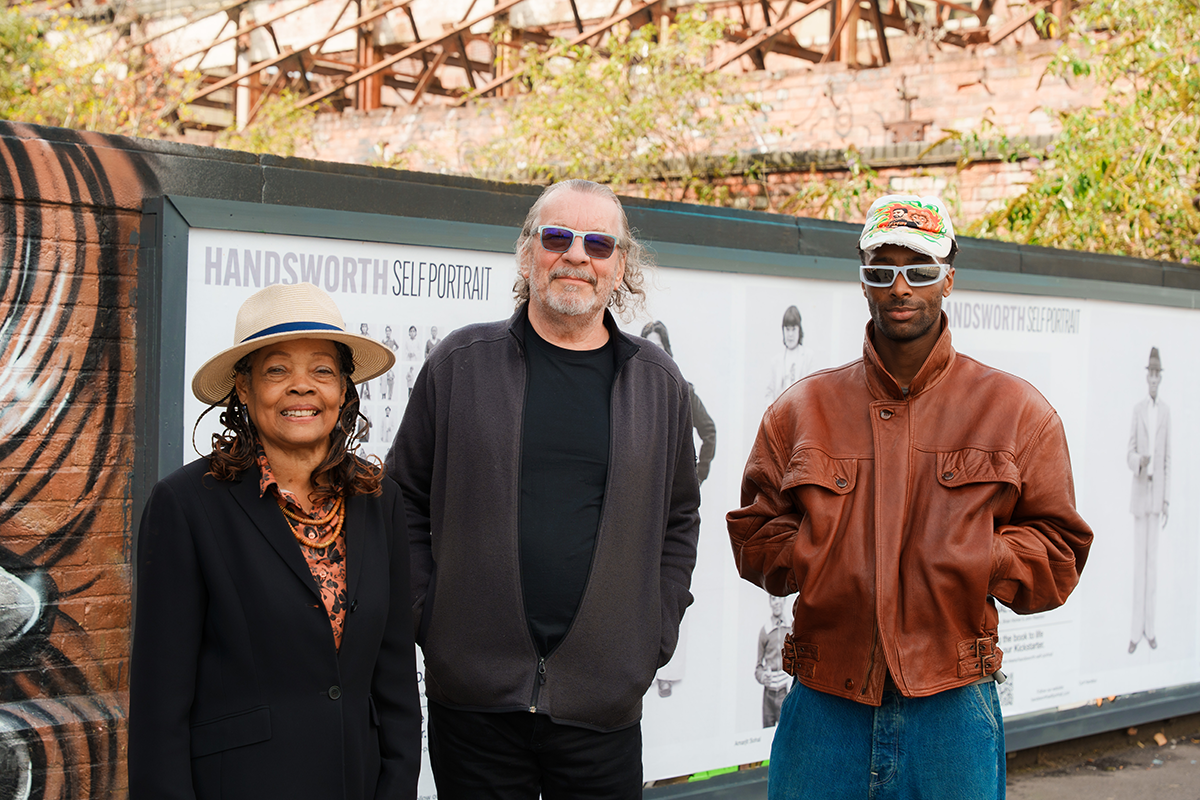
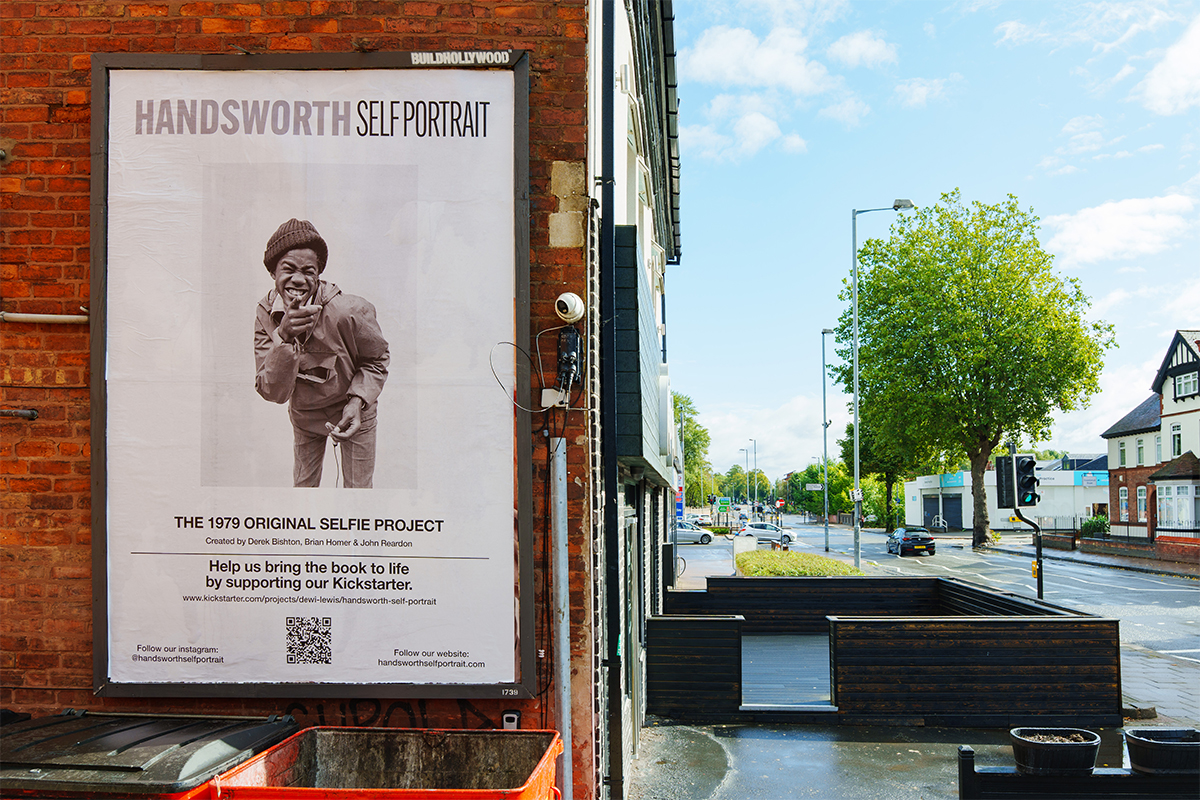
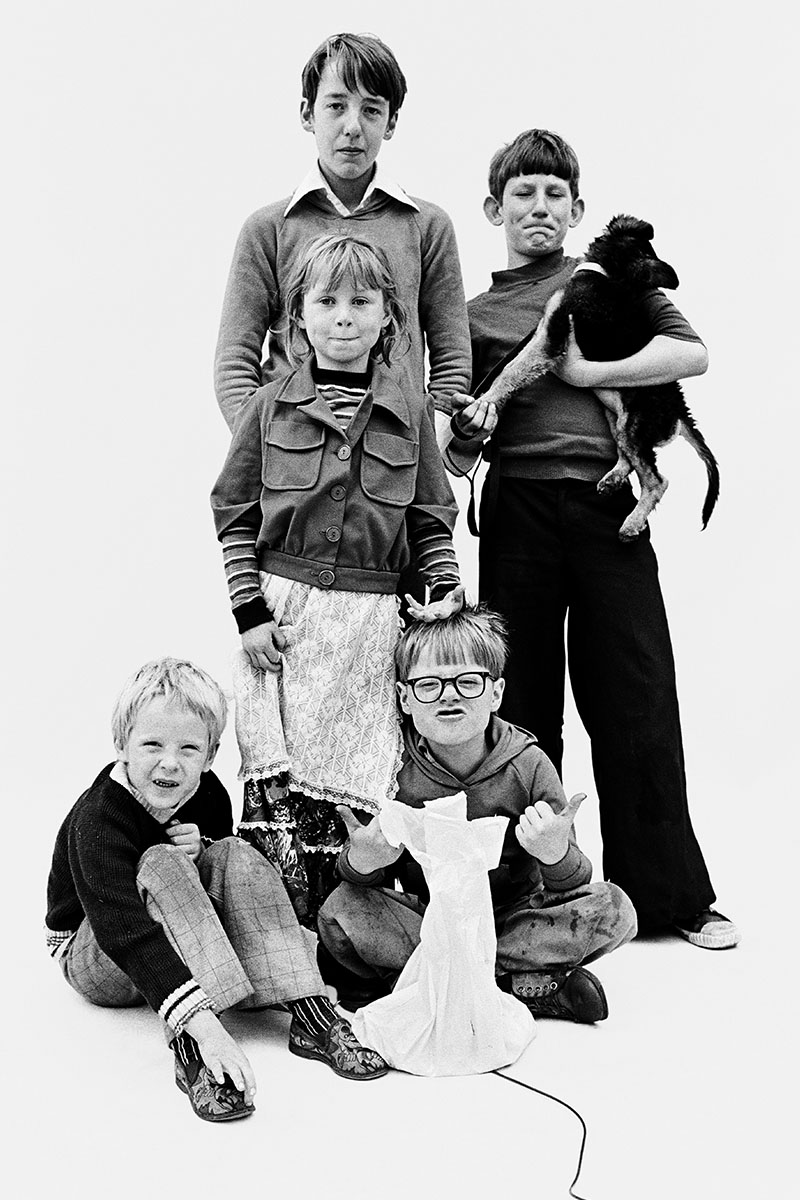
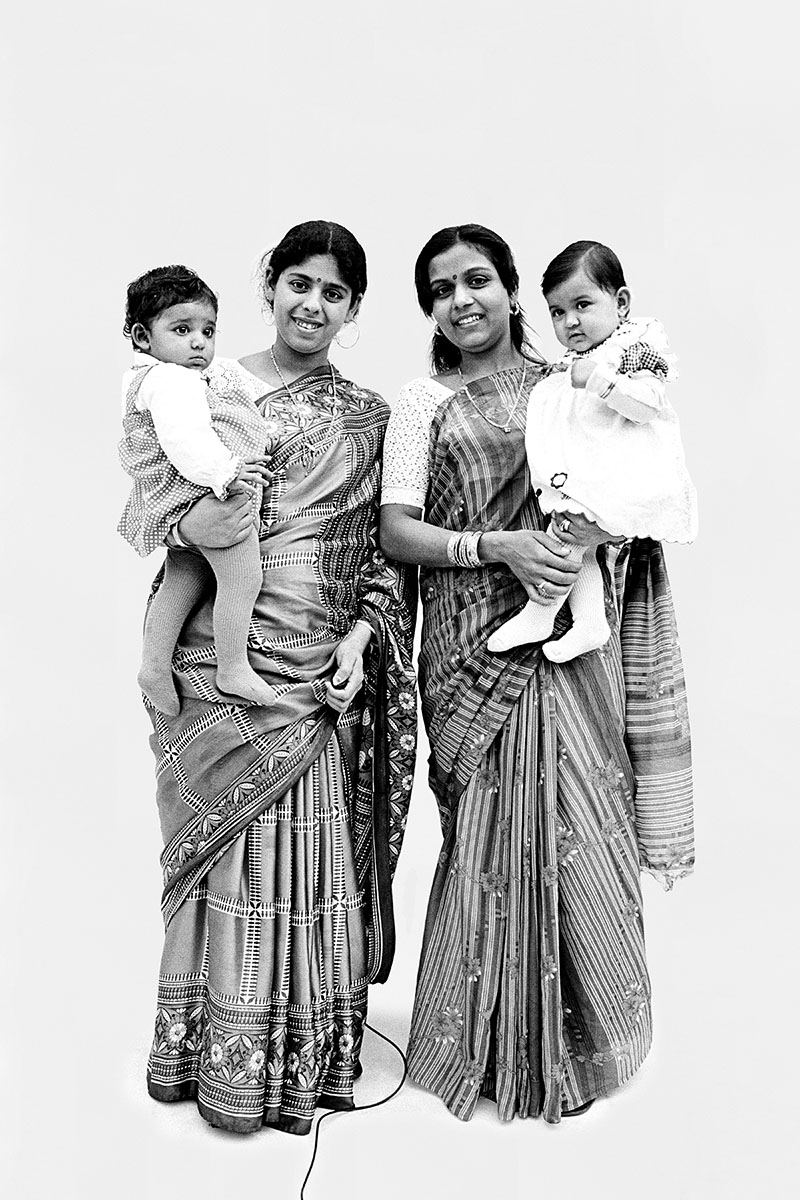
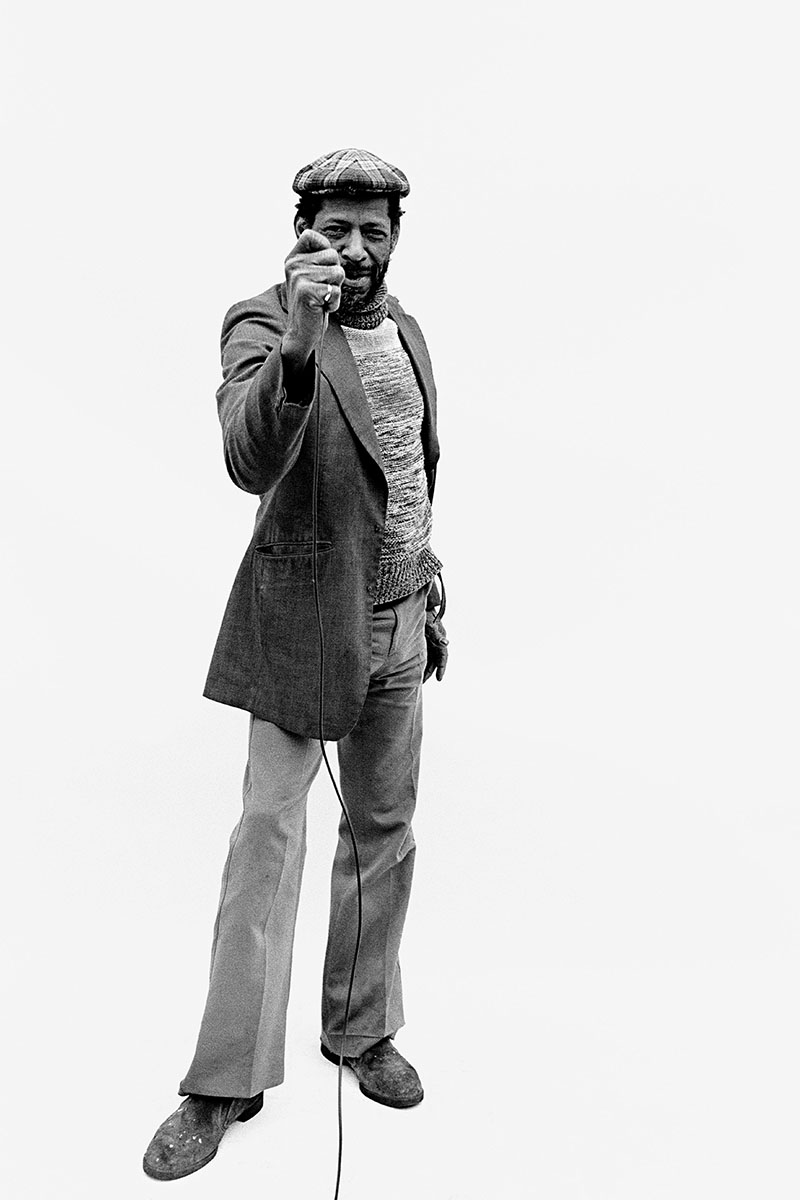
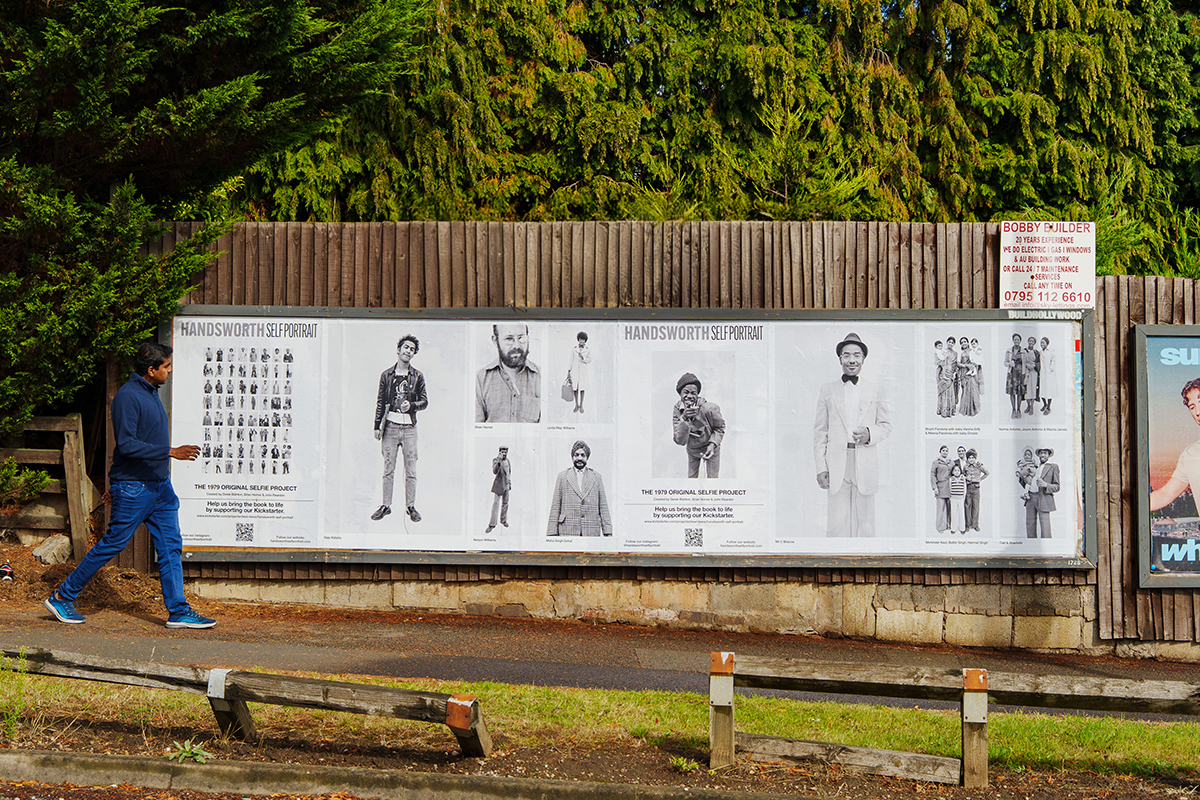
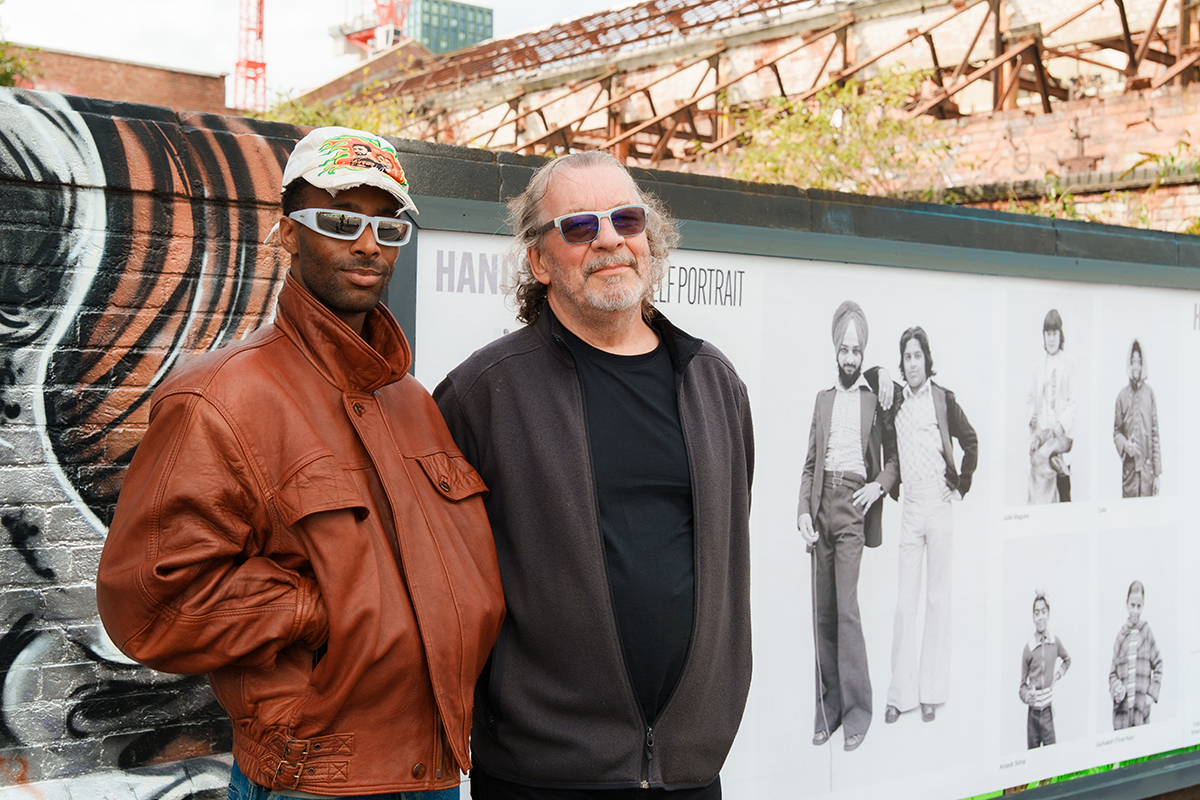
Created in 1979 by photographers Derek Bishton, Brian Homer and John Reardon, Handsworth Self Portraits brought together more than 200 people from Handsworth, Birmingham – one of Britain’s first truly multicultural communities. Rather than simply photographing the people of Handsworth, the project handed the camera back to the community, inviting participants to create their own portraits and tell their own stories.
The project emerged at a time of immense social and political pressure. Unemployment was spiralling, racist rhetoric was fuelling the rise of the extreme right, and tensions between young Black people and the police had reached a crisis point. At the same time, Handsworth was being portrayed by sections of the mainstream media as a violent, lawless and frightening place – a representation that bore little resemblance to the vibrant community Bishton, Homer and Reardon knew.
Working at the heart of Handsworth, the photographers saw something very different: a place alive with artists, poets, musicians, singers, social workers and community activists, alongside families and individuals building new lives and creating new roots. Handsworth Self Portraits became a way of making that reality visible.
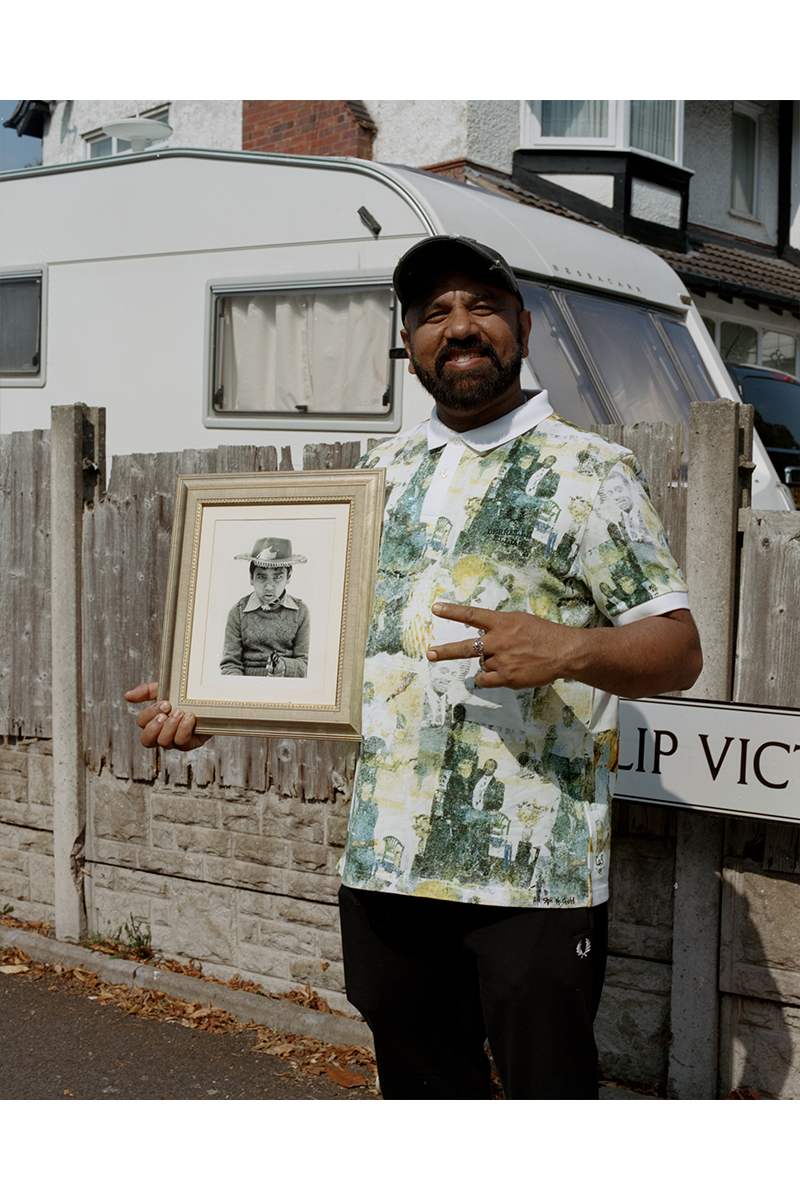
More than four decades on, the portraits remain a powerful record of identity, migration, community and belonging. They capture a pivotal moment when multicultural Britain was becoming increasingly visible, while preserving the everyday lives of the people, families and friendships that shaped Handsworth. For many of those photographed, the images have become part of their own personal histories. As Bishton reflects, they are “like a giant photo album where you can look back and see where you have come from.” Many of those pictured had been uprooted from the places where they were born; Handsworth became a place to put down new roots, and their stories continue to resonate with the generations who have since made Birmingham home.
Today, the project offers more than a snapshot of Handsworth in 1979. It provides a rare and deeply personal record of a community at a moment of profound change, preserving stories that might otherwise have been overlooked. Its continued relevance lies in the people at the centre of the photographs – their lives, experiences and connections – and in the opportunity to see how those stories have shaped Birmingham over generations.
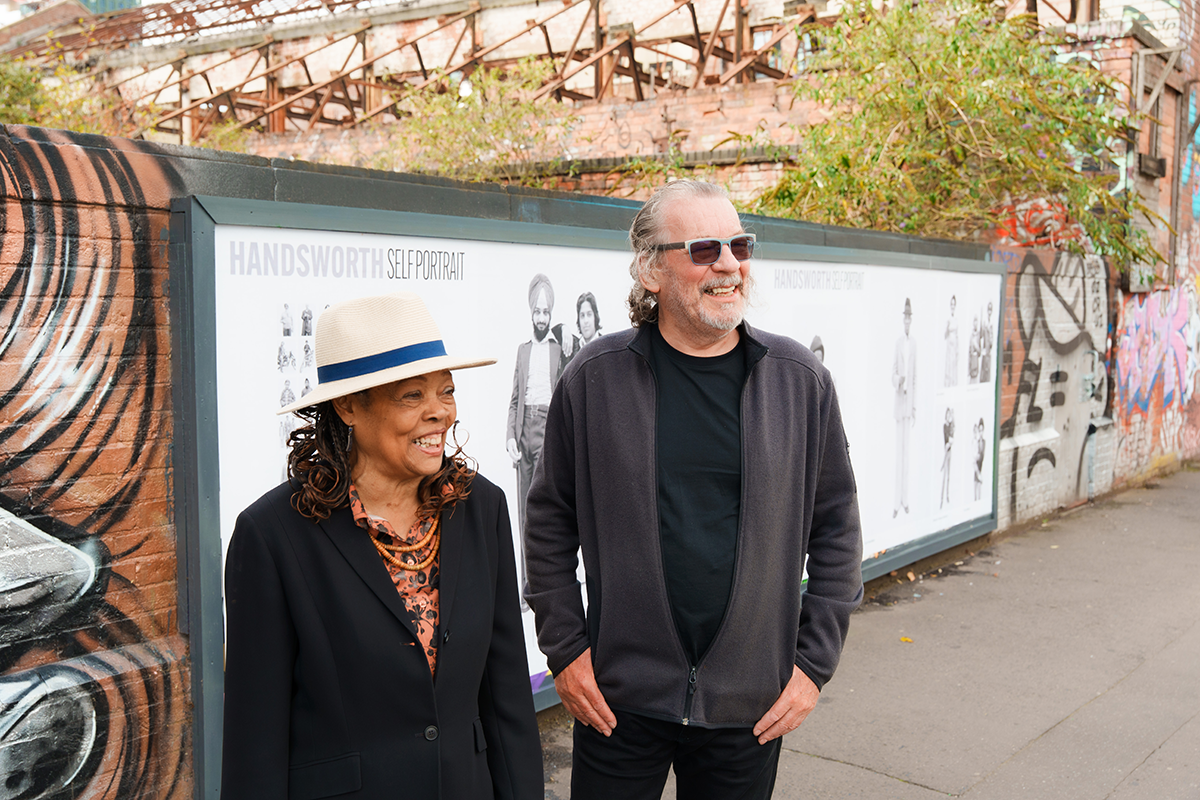
We spoke with Derek Bishton and Derrelle Elijah, Publishing & Cultural Activation Strategy Lead, about where the project started, the community behind it, and why these photographs still resonate more than 40 years on.
08.09.26
Words by