Newsletter

Join our mailing list for latest news and features

Build Hollywood

Build Hollywood

Build Hollywood

Build Hollywood

Partnerships

Public Art Finds Its Place on Digbeth High Street

Eastside Projects is an artist-run organisation based in Digbeth, Birmingham, dedicated to commissioning artists, producing public artworks and working with local communities to shape the cultural future of the city.

As Digbeth continues to evolve, Eastside Projects has installed a series of new public artworks for the area, commissioned by Birmingham City Council and the West Midlands Combined Authority. The artworks celebrate Digbeth’s rich heritage, diverse communities and unique character while contributing to the area’s ongoing cultural transformation.

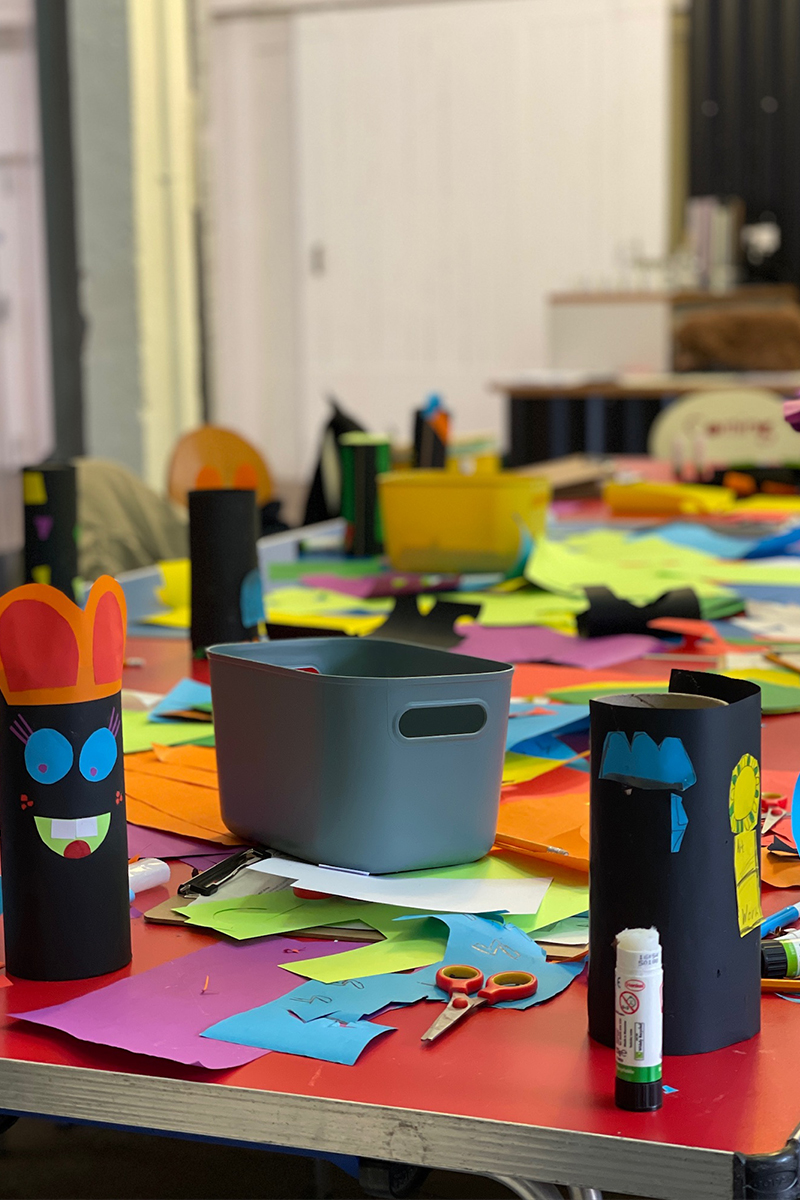
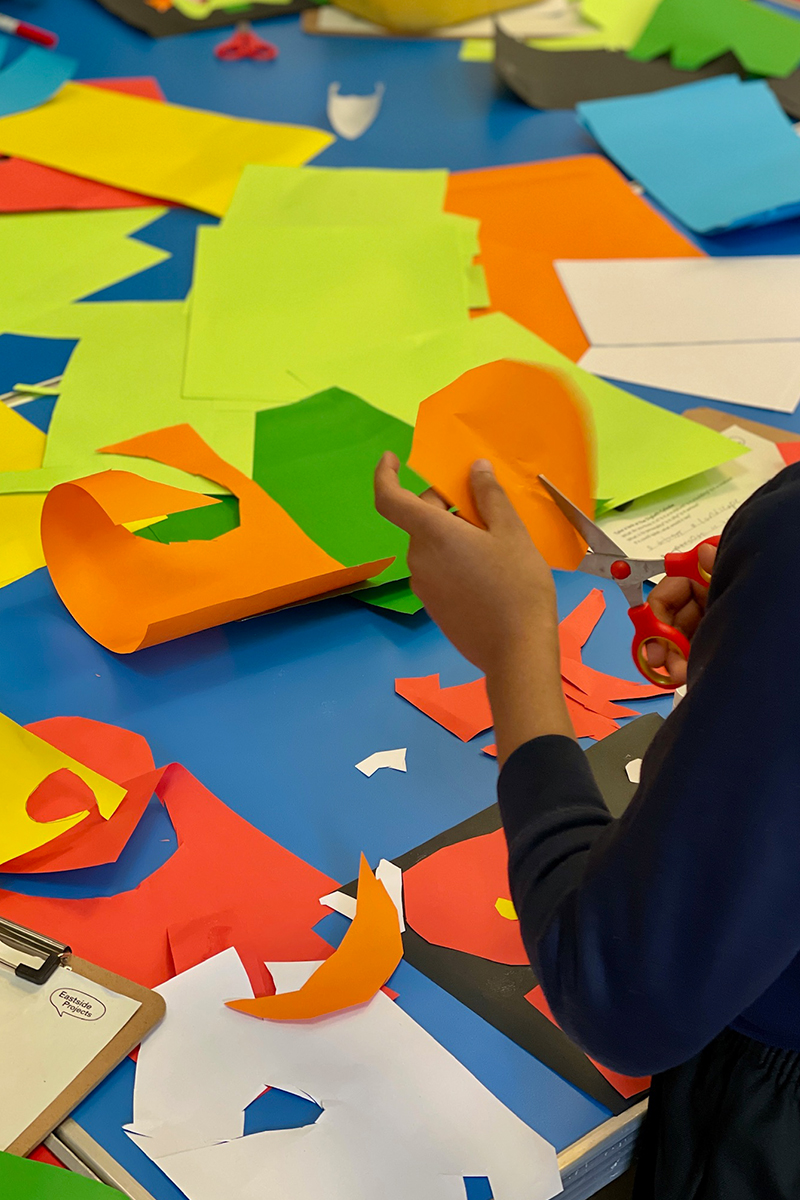
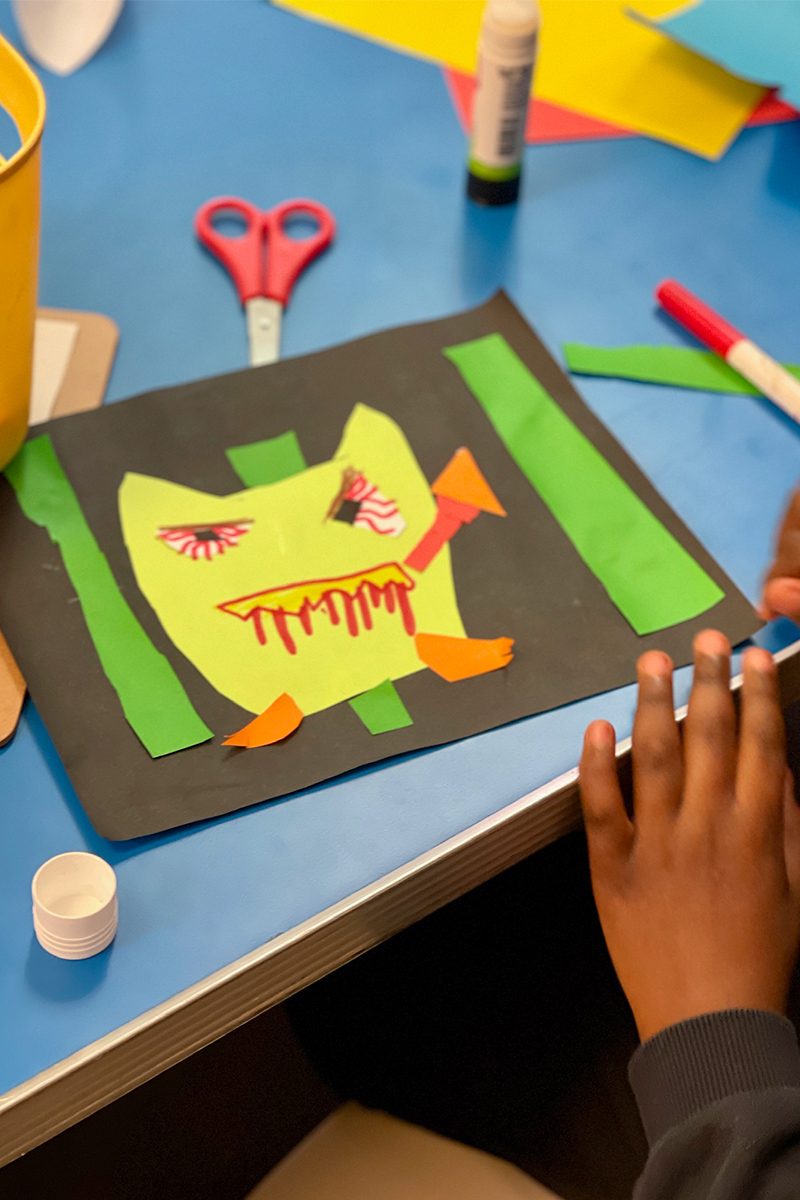
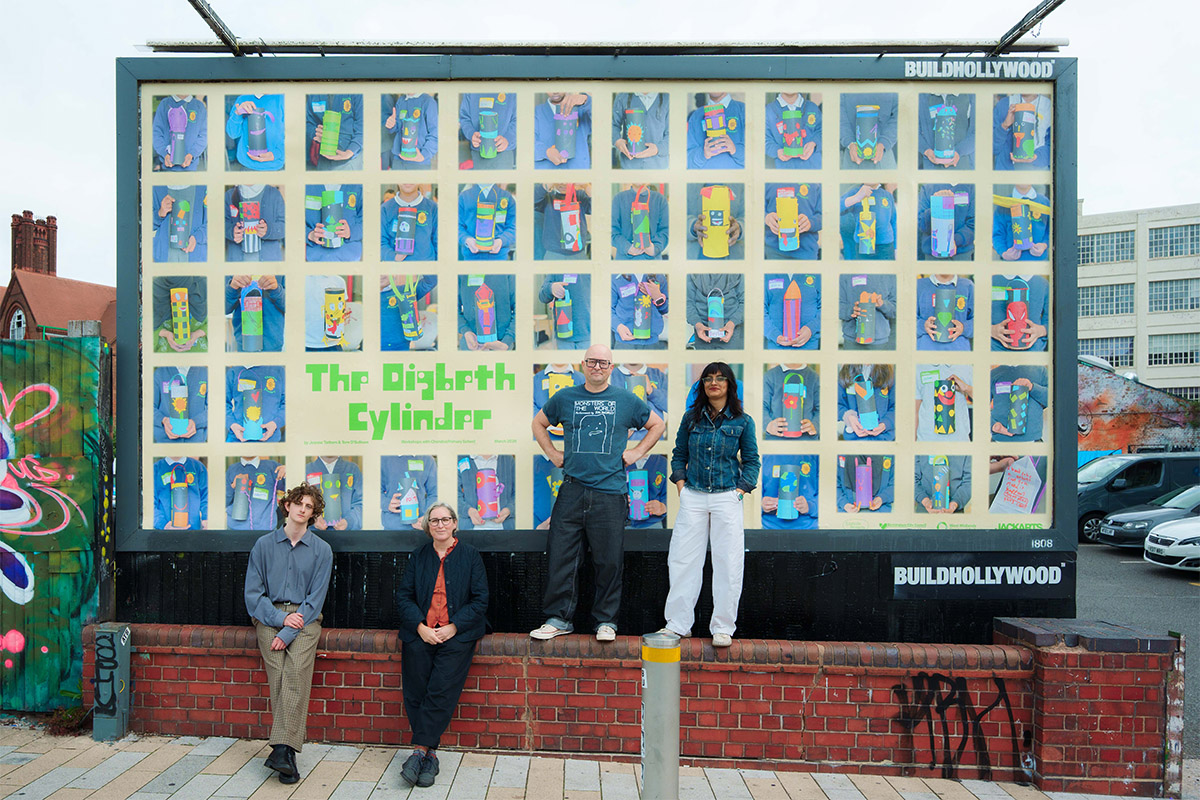
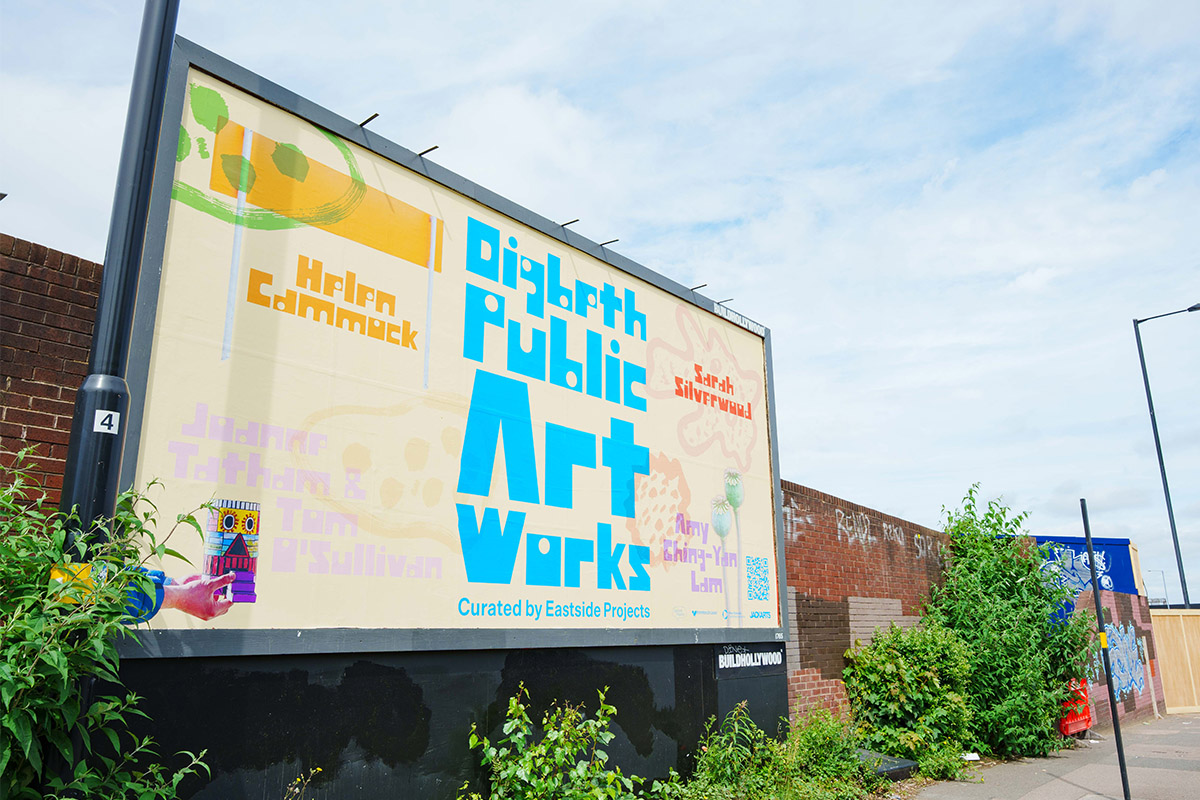
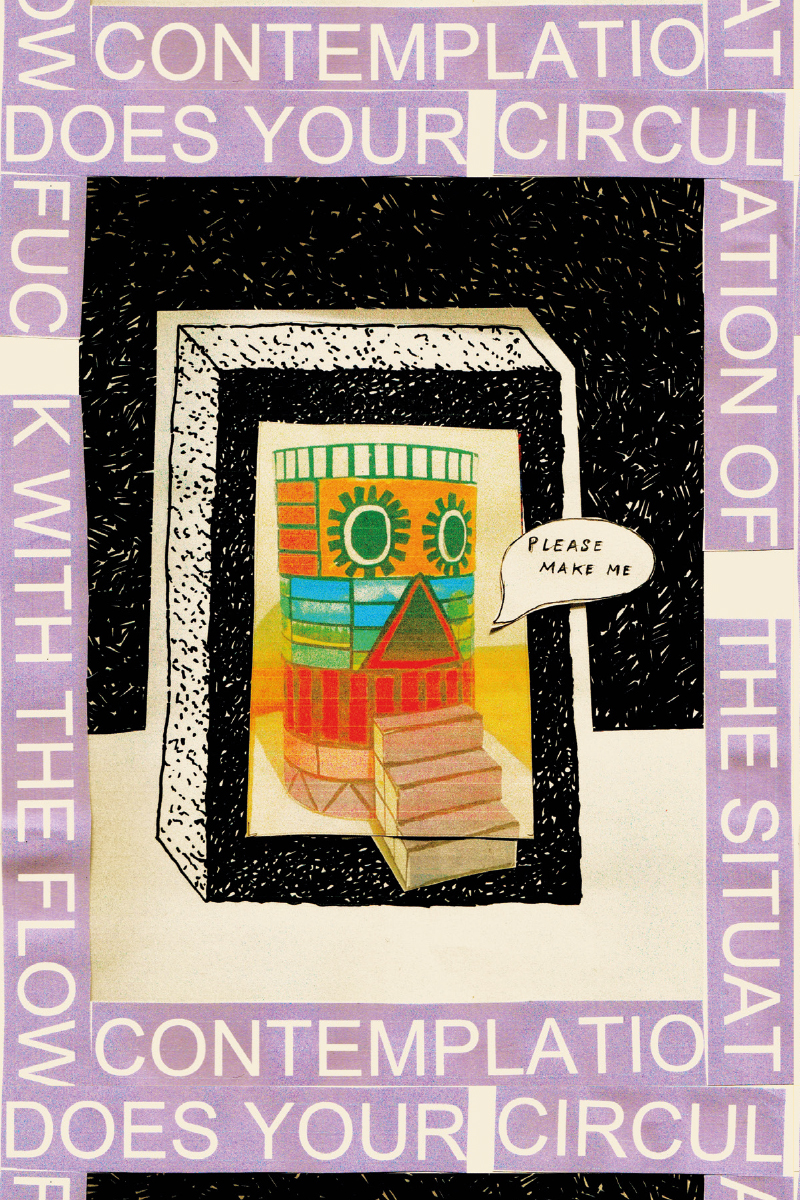
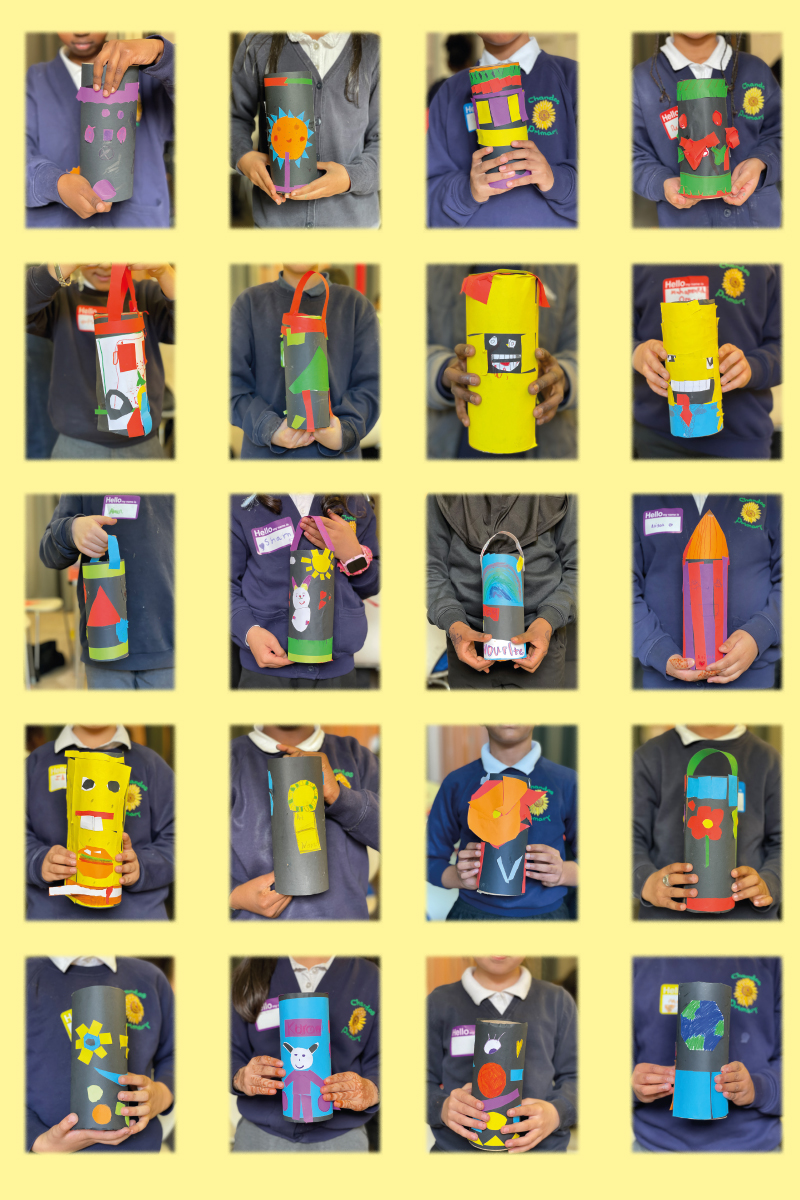
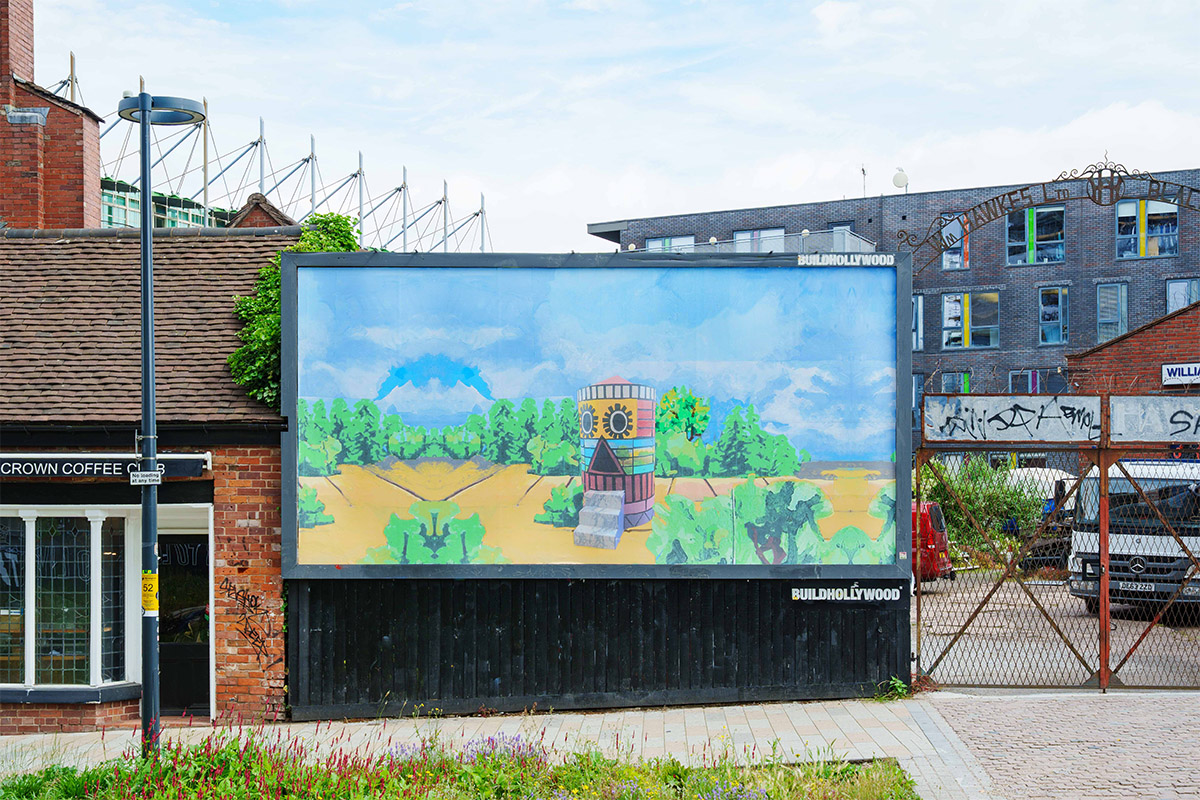
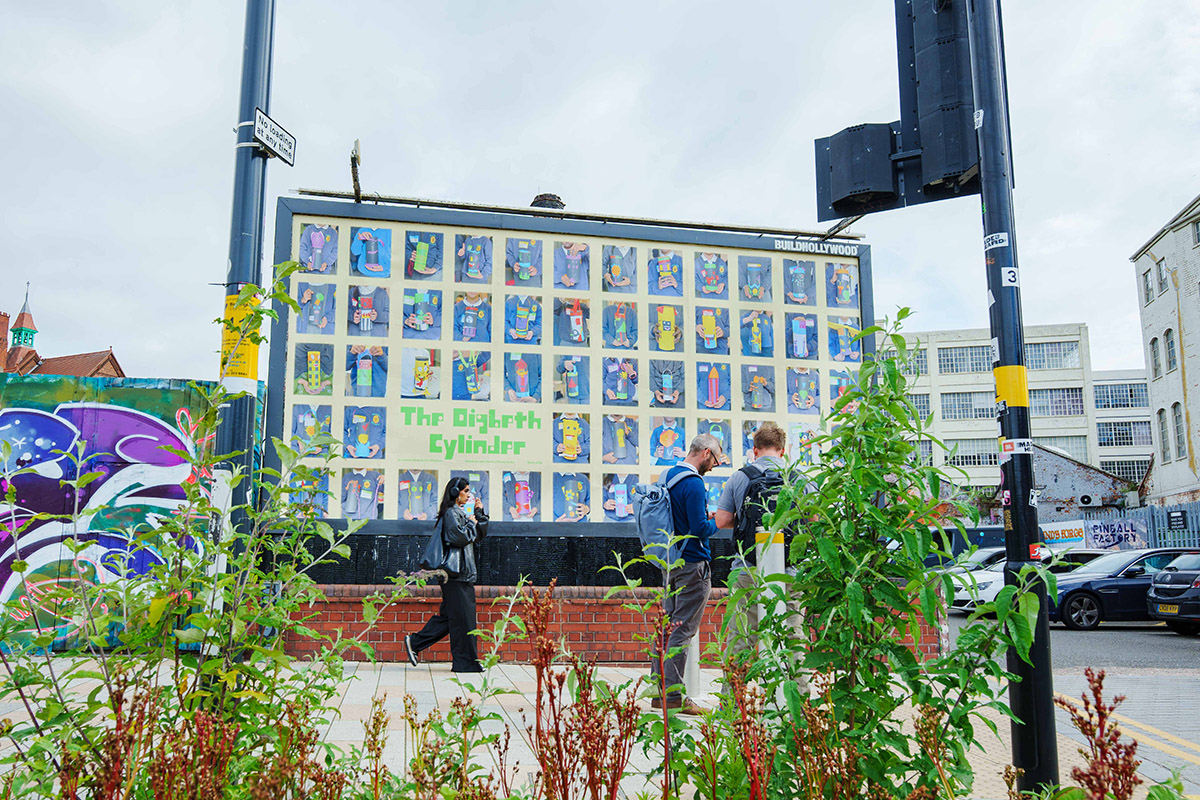
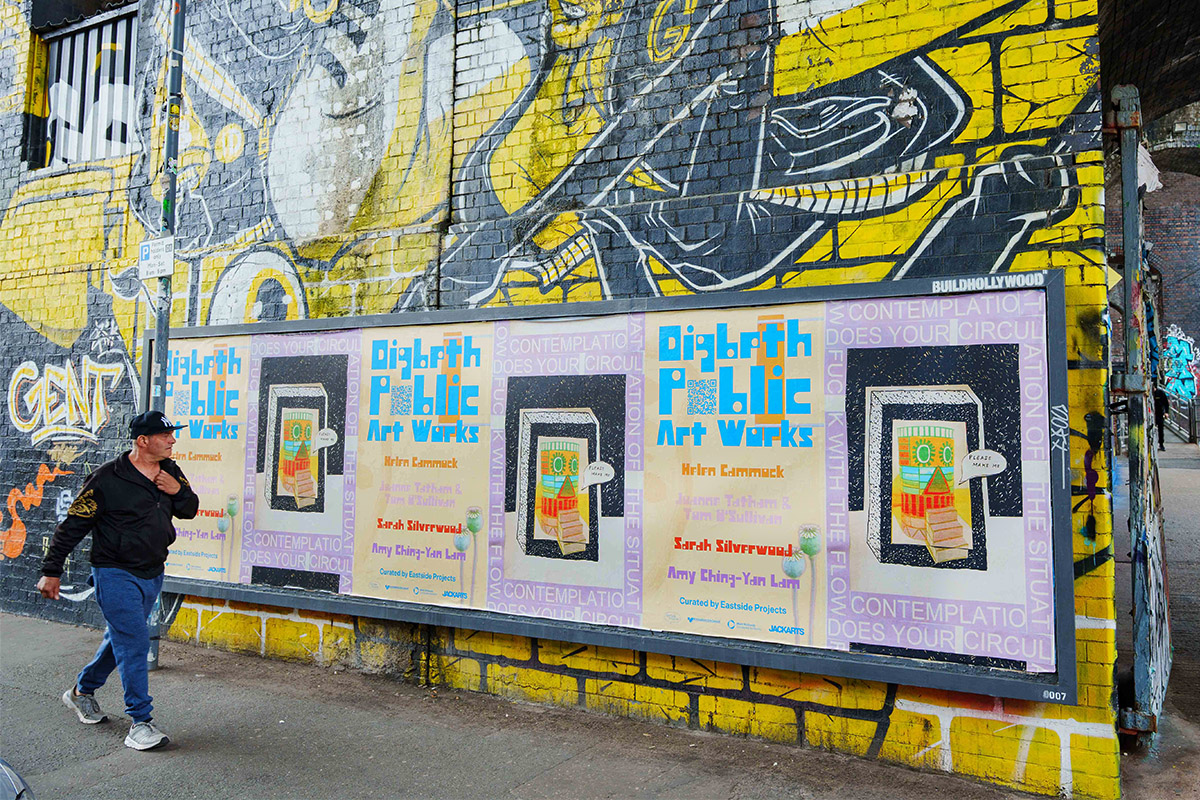
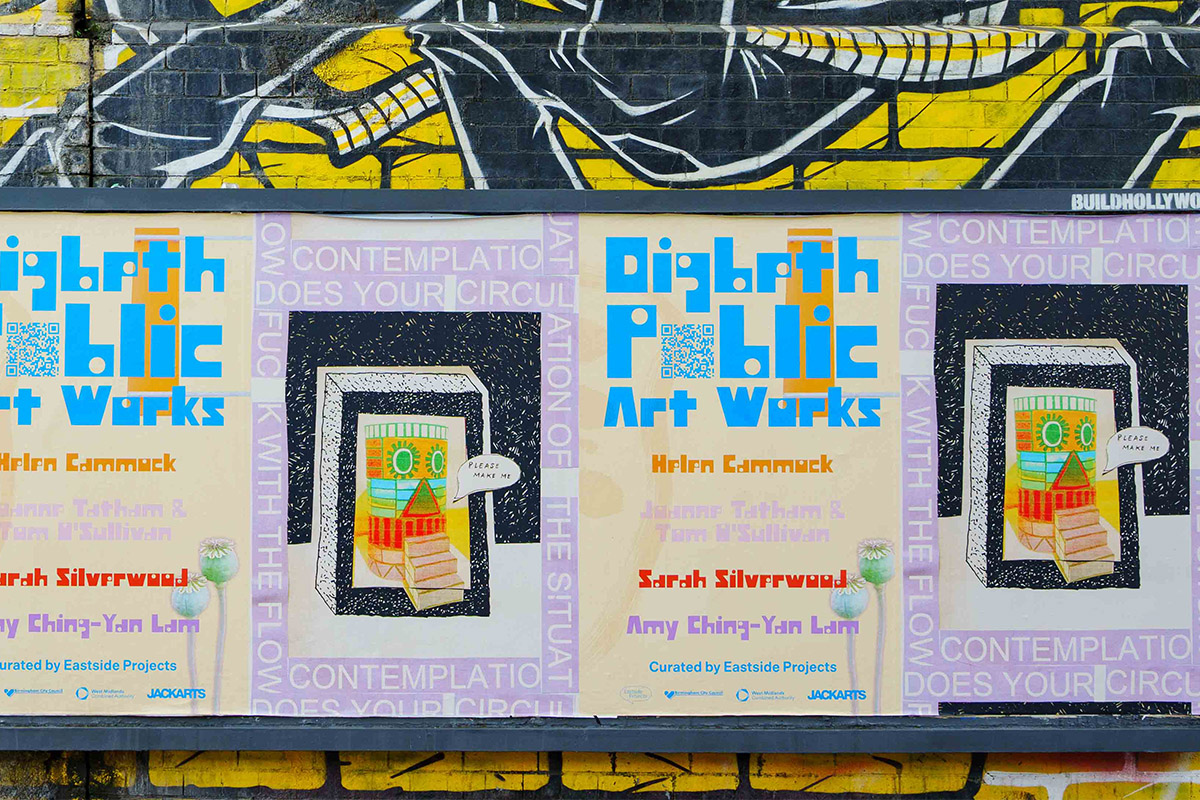
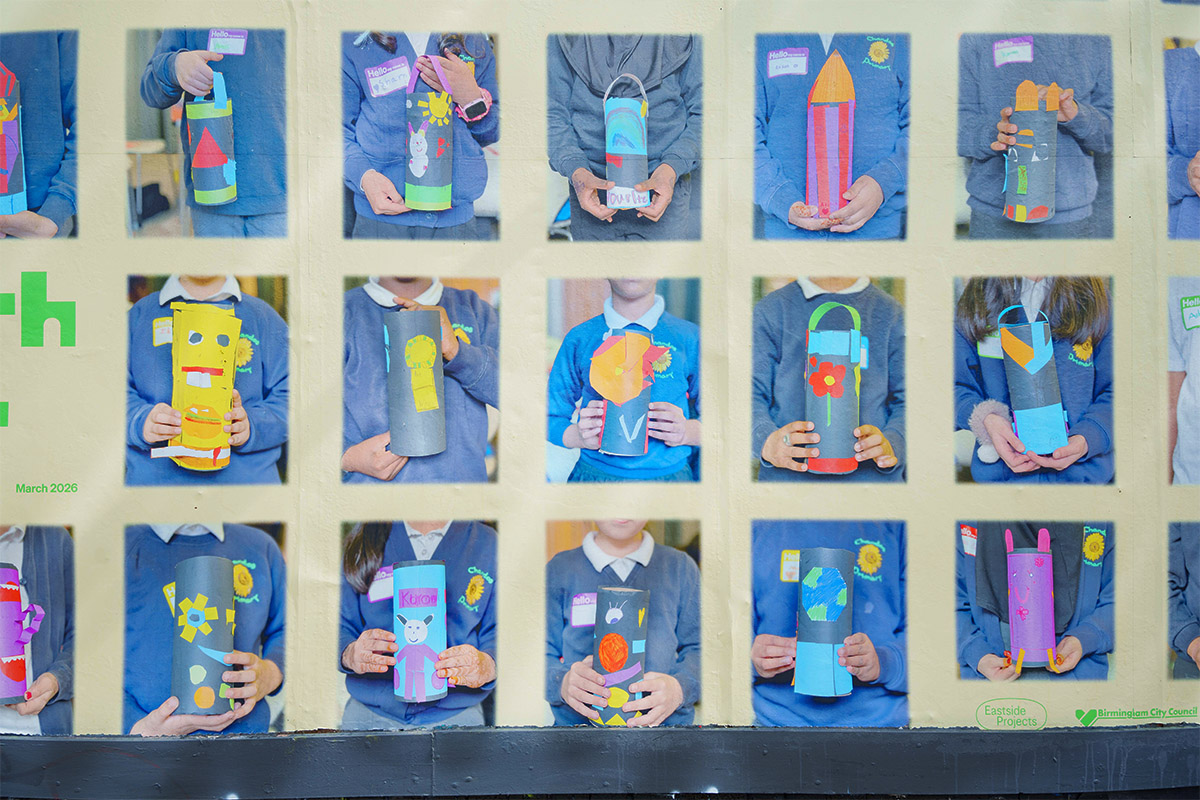
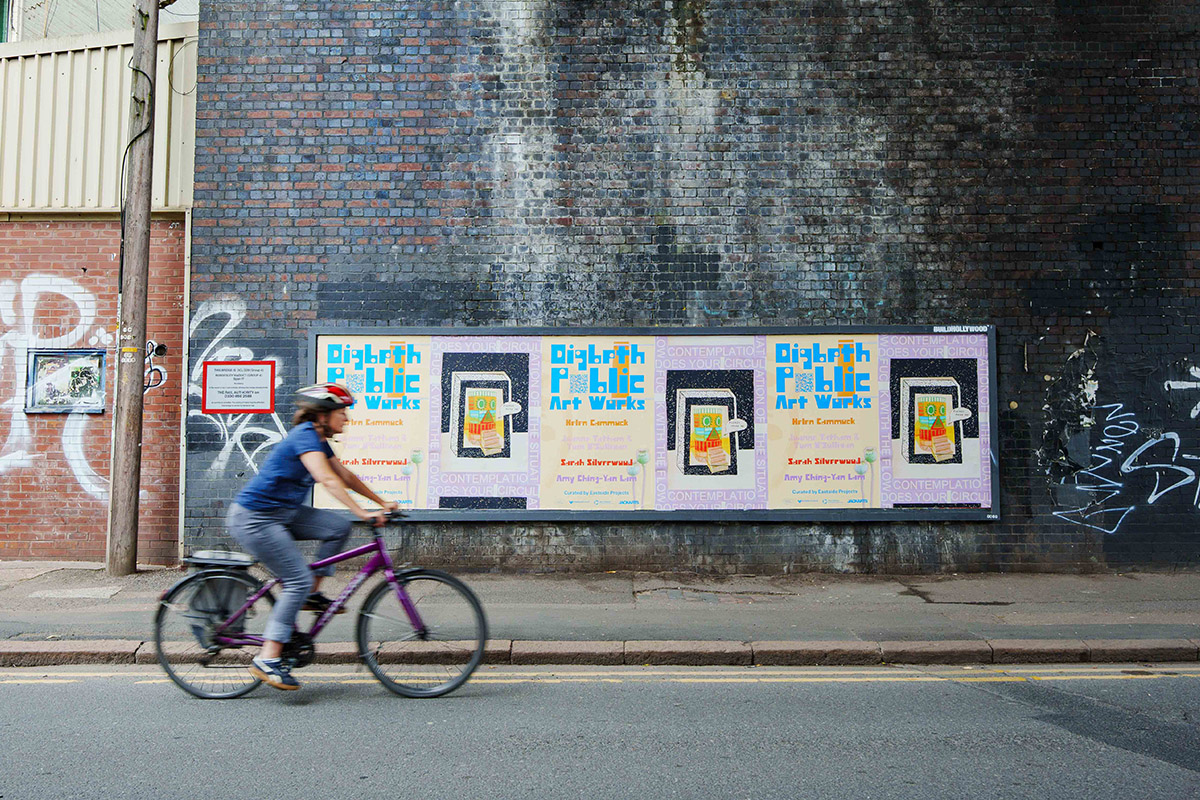
To help introduce these new artworks to the community, JACK ARTS partnered with Eastside Projects to deliver a public art campaign across Digbeth. Working with pupils from Chandos Primary School, the project invited young people to creatively respond to the themes and ideas behind the artworks. Their interpretations were then showcased across JACK ARTS poster sites, transforming the streets into an open-air gallery and providing a platform for local voices within Digbeth’s evolving story.

“In a way, these artworks are in their natural environments, in the wilds of Digbeth High Street!” -Gavin Wade, Artist-Curator, Eastside Projects

23.06.26

Words by BUILDHOLLYWOOD
Helen Cammock – There Is Always Something In Nothing is about the notion that there is always something live, something present, something happening, something going on, even in spaces that people may discount.

Joanne Tatham and Tom O’Sullivan – Birmingham has a strong pastoral imaginary of what it once was or once had hoped to be.

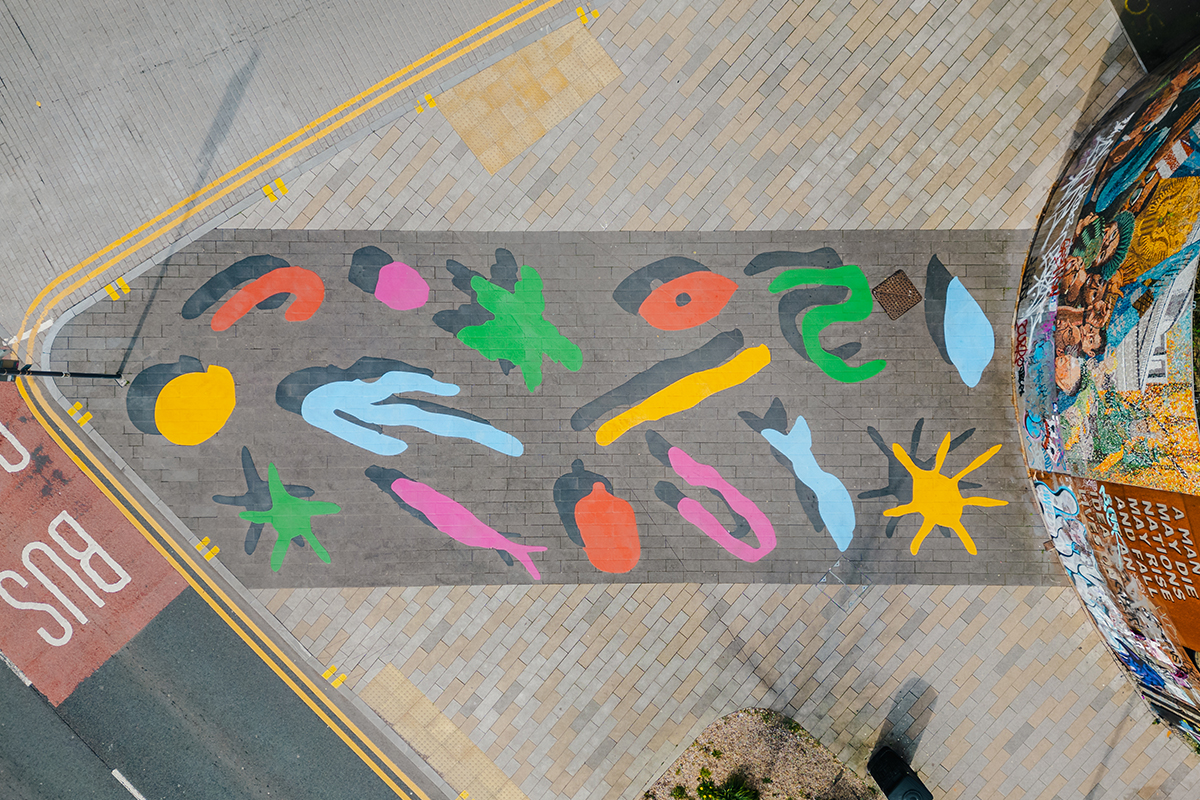
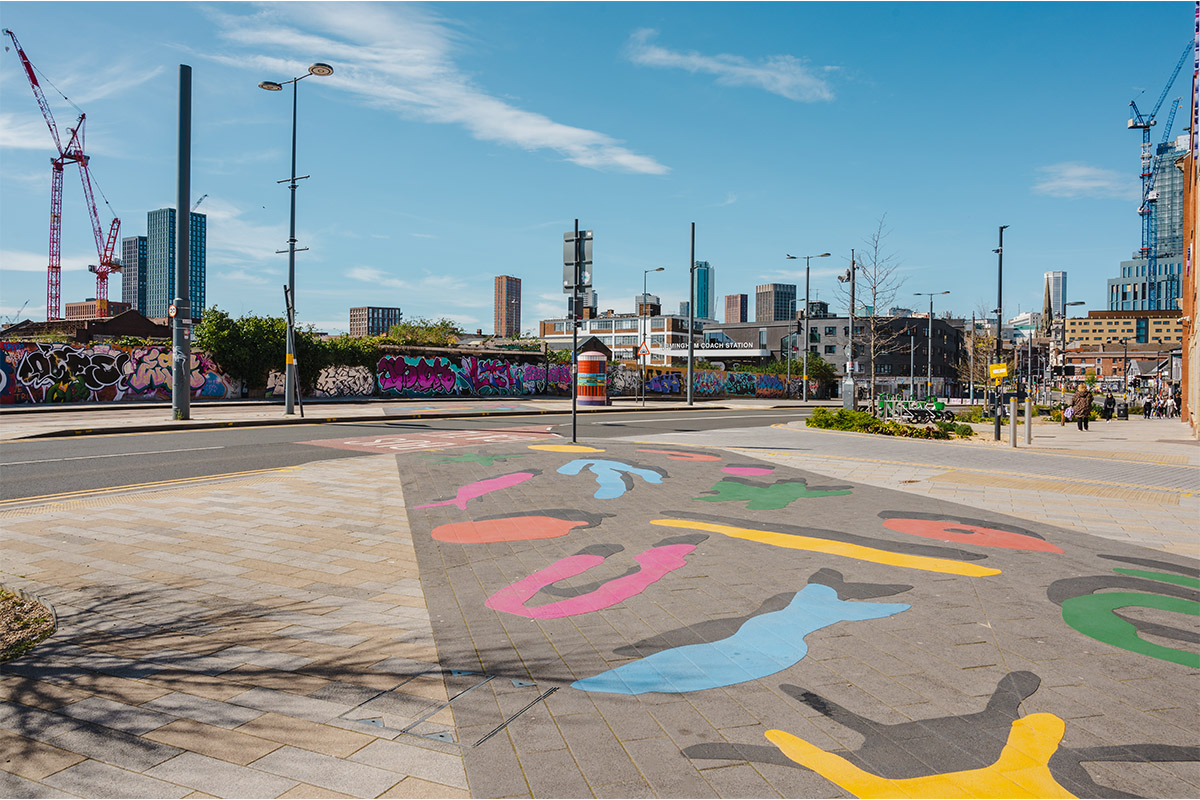
Sarah Taylor Silverwood – I like the idea of creating something that is integrated with the existing landscape works, but adds a layer reflection, like an X-ray of the street.

Amy Ching-Yan Lam – This meadow is a provisional memorial for Looty, the small, tired dog who was taken so far away from her home, as well as all of those in Asia impacted by the colonial trades of tea and opium.

Digbeth has long been shaped by independent creativity, DIY culture, and community-led experimentation, but it is now entering a new phase of rapid transformation after decades of slower regeneration. Recently named one of the UK’s coolest postcodes, the area is attracting increasing attention and investment. At such a pivotal moment of change, why did it feel important to introduce these new public artworks into Digbeth now, and what role do you hope they play in preserving, questioning, or redefining the identity of the area?

Gavin Wade: At these big moments of change, it’s really important to have artists and artworks as part of the process. Partly to offer something incidental, judgemental, critical or tangential to all the other requirements, needs and desires playing out from local authorities, developers, transport and infrastructure people. I believe in seeking a range of public goods in these situations which are going to impact people’s lives in many ways as the area continues to change. There is an element of the unknown about commissioning artworks like this. No one knows what the stories will be that will last into the future about Digbeth, and I believe all of these artists can contribute in positive and sometimes disruptive ways.

Digbeth Public Art Works brings together four newly commissioned artworks by different artists. What was the curatorial process behind selecting these artists, and what qualities or perspectives were you looking for in the people invited to respond to Digbeth?

GW: We made a long list of artists from across the UK who we thought had some insight into Digbeth in particular or who were speaking to issues and problematics of regeneration and shifting landscapes. It is important to us that when we longlist we are providing a depth of practice and representation also. It is important to have rules based on your values and we commission through ensuring at least half of the artists are women and at least half are artists of global majority heritage. This in itself is a criticism of common past commissioning processes and prejudices that need to be checked.

The long list then met a panel of curators, designers, council officers, WMCA and Metro representatives. It’s always interesting to see who become the favourites in these moments, which ideas win out and people can envisage as really happening. Each proposal has to have an urgency to it, a relevance to the place and bring something new to the table.

Amy Ching-Yan Lam’s work is a legacy idea from her commission for the Commonwealth Games and was something that evolved from her project in 2022. It found a home with the end of the tram line which was going to be a wild meadow to await one day the trams that will run wild here. In the meanwhile, the Ty-Phoo Tea Factory which her work relates to and tells the history of is becoming the new BBC Head office. Looty the dog, whom the meadow is a memorial for, reminds us of the journeys and trials that we as humans have been on to get to this place, and how Digbeth was formed.

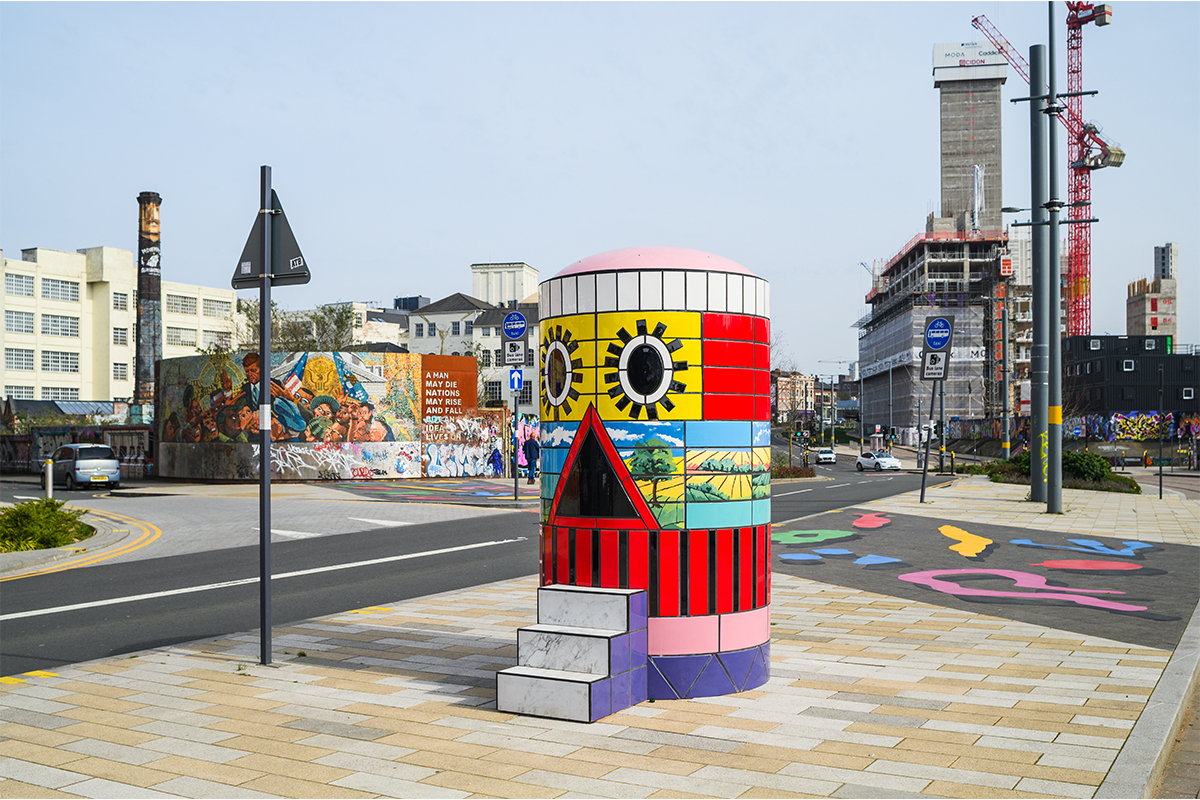
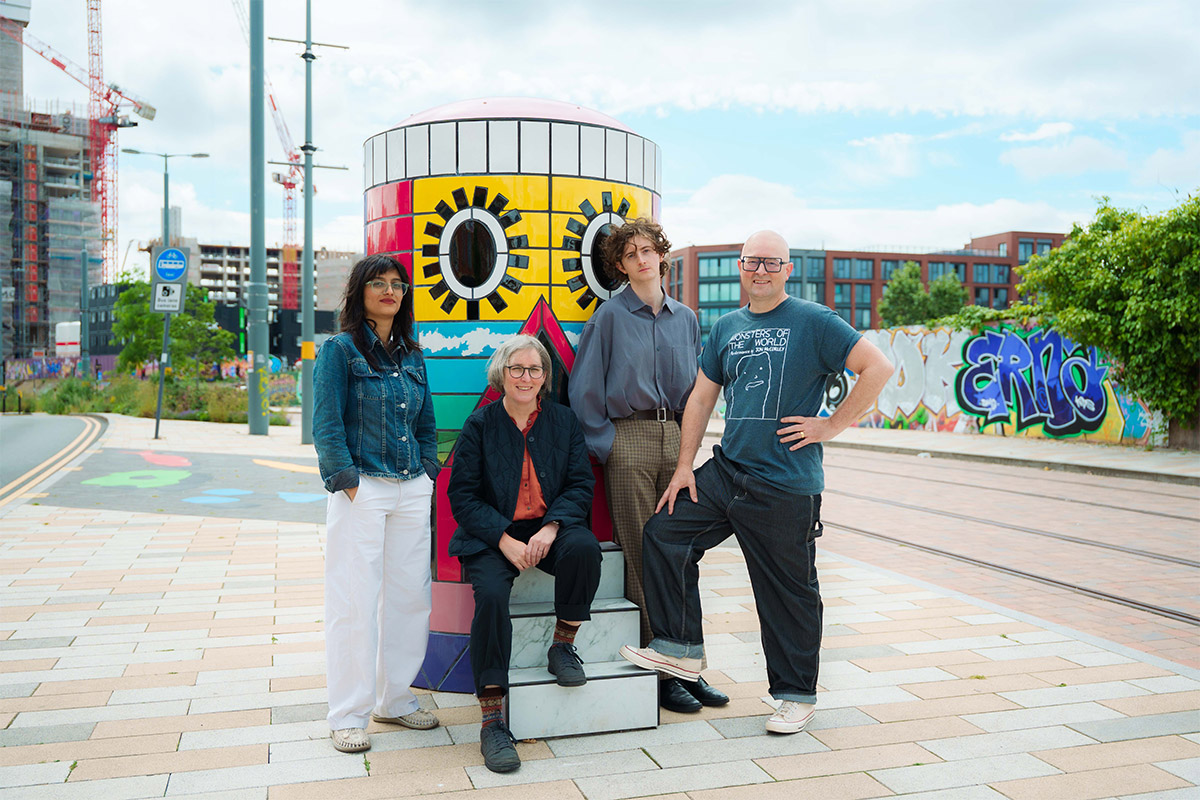
Joanne Tatham Tom OSullivan The Digbeth Cylinder 2026 photos by Ashley Carr
The commissions are described as site-specific and place-sensitive, with each work engaging with Digbeth’s layered histories, ecologies, architecture, and diverse communities. What makes these artworks truly site-specific, and was this deeply contextual approach something that shaped the project from the outset?

GW: Sometimes it’s very direct, for example, the drawings of Sarah Silverwood’s artwork were made by looking through a microscope at water from the River Rea beneath the street where her artwork sits. Young people from St Basils homeless support charity made the drawings with Sarah whilst thinking about what lives and moves in the hidden river below. It’s quite a magical work.

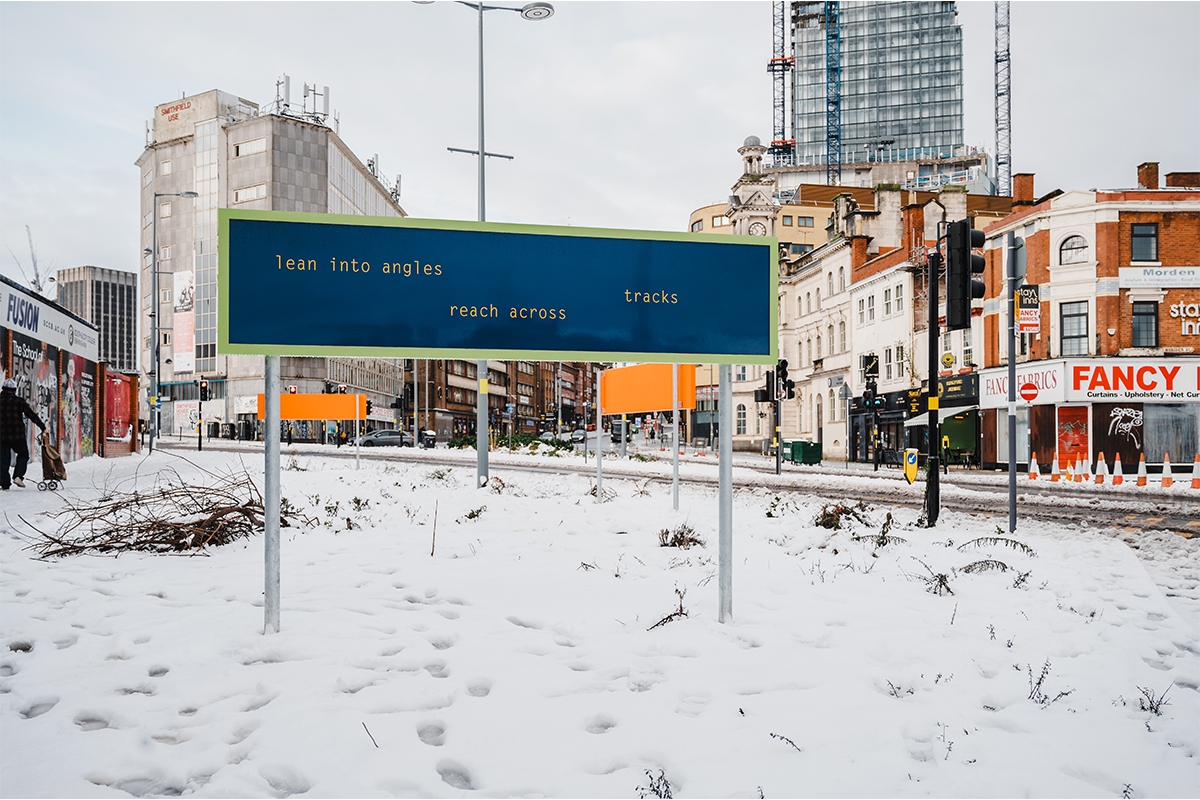
Helen Cammock’s words, poems, signs, messages, were formed in response to the words of people in Digbeth speaking to their experience of living and working here.

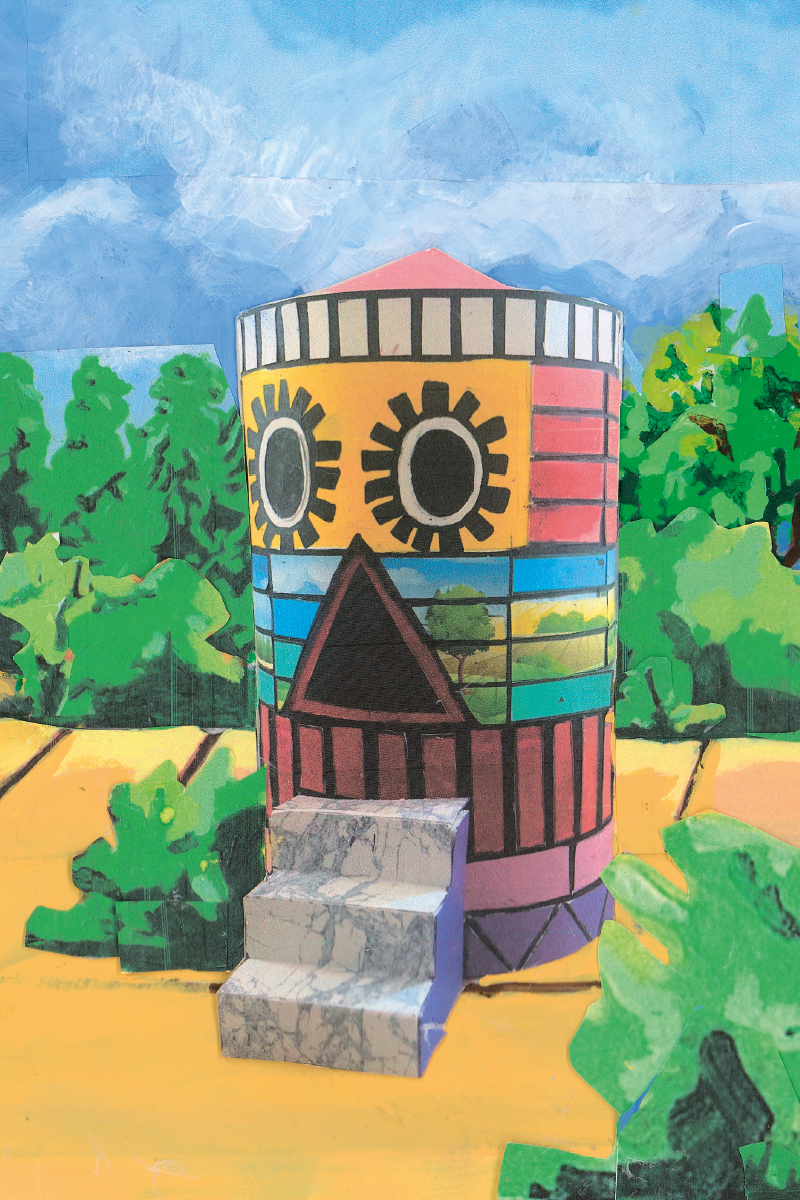
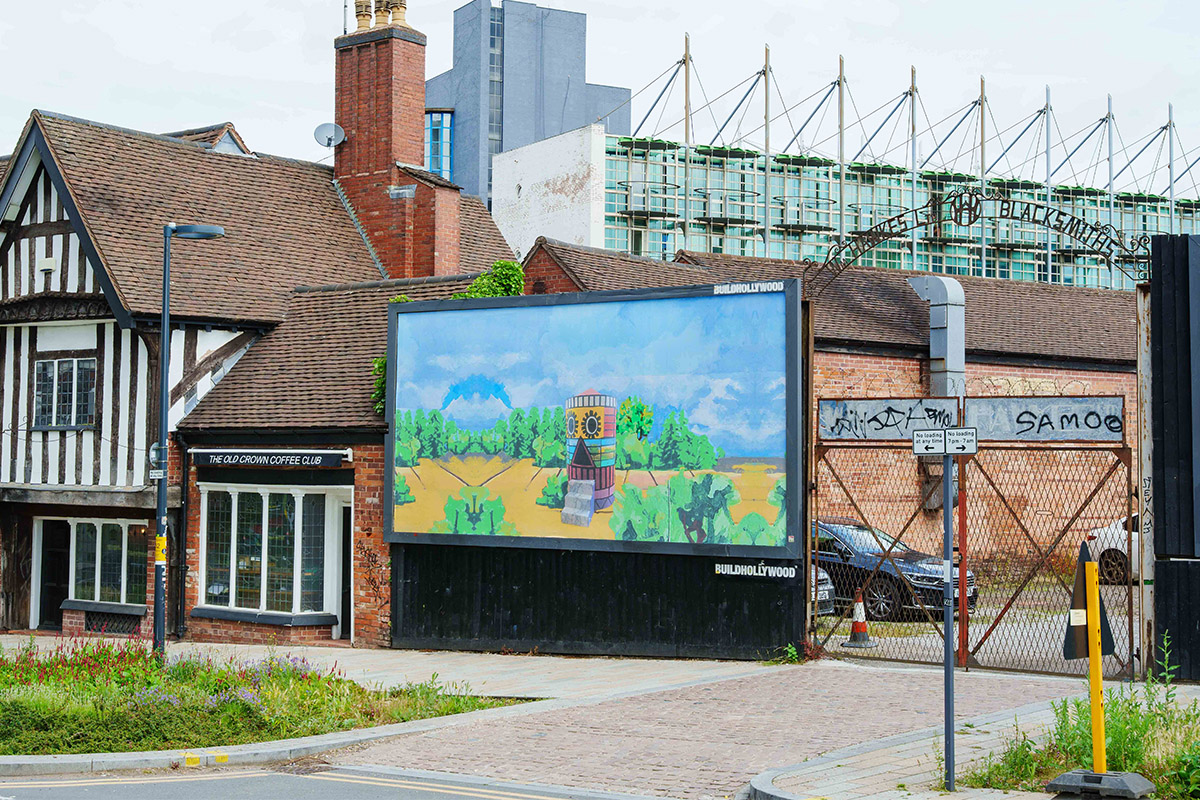
Tom and Joanne’s DIgbeth Cylinder has a special relationship with The Rotunda building, which it looks towards and I think also the new Octagon Tower that the Cylinder can now also see. The tiles it is made of and the band of landscape painting around it’s midriff also connect to Birmingham histories. Perhaps the Cylinder is day dreaming about when Digbeth used to be a deer park?!

The project also extends into billboard artworks situated across Digbeth. Did the same site-specific and place-sensitive approach influence the choice of billboard locations and the artworks displayed there? How did you decide which works belonged in particular public spaces?

GW: Yes, this was an important part of Tom and Joanne’s thinking, that The Digbeth Cylinder was not only made of tiles and concrete but is also made of billboards, one of which is by the kids at Chandos Primary School; one shows the Cylinder in a river landscape, and one has a speech bubble from the Cylinder. The Digbeth Cylinder feels to me like it speaks, dreams, has opinions about Digbeth and what goes on here. Billboards are a great way to speak in public.

Eastside Projects has also worked with local school students to create their own interpretations of The Cylinder. Why was it important for young people to be involved in the project, and what do you feel their participation adds to the wider conversation around public art, community, and Digbeth’s future?

GW: The third element, or material, of The Digbeth Cylinder is that it is made of workshops with Chandos Primary School in Highgate and South and City College directly across the road from the sculpture. What other people think about the Cylinder is what is important. It’s not the sculpture itself, it is the people around it that is important. And what they think it means, what Digbeth means to them. What came out of the kids’ workshops was a sense of being able to imagine that they could be an artist, and this is a key reason for these workshops. To hear from children here in Birmingham that they can become artists and have a voice also. On the billboard there is a secret message that one child added to their version of The Digbeth Cylinder. We loved it so much we made it the last image in the grid of all the children’s artworks. It says ‘I want to be an artist. Can you make it happen?’ And then answers itself by saying ‘Yes, I can.’

These artworks now exist within Digbeth’s everyday streetscape, encountered by people as they move through the area rather than within a traditional gallery setting. What does it mean to you to see the project interacting so directly with local audiences, and do you think the billboard format has expanded who public art can reach and engage?

GW: I always like to think that art acts exactly the same on the street as it does in a gallery, and by that I mean that art is always different and changes depending on what is happening around it. Art is always happening in the mind of the person experiencing it, and the weather or the heating, whether they are having a good or bad day, how their team is doing, what they had for lunch, and what their aspirations are in life. All of these things are always part of a successful artwork. So, in a way, these artworks are in their natural environments, in the wilds of Digbeth High Street!

Helen Cammock Signs DIgbeth Public Artworks
Previous article

Marathon Season: Hit The Ground Running

Next article

Partnerships

Courage From the Heart, Refugee Week 2026