Newsletter

Join our mailing list for latest news and features

Build Hollywood

Build Hollywood

Build Hollywood

Build Hollywood

Partnerships

A Star That Burns Forever: TAAHLIAH

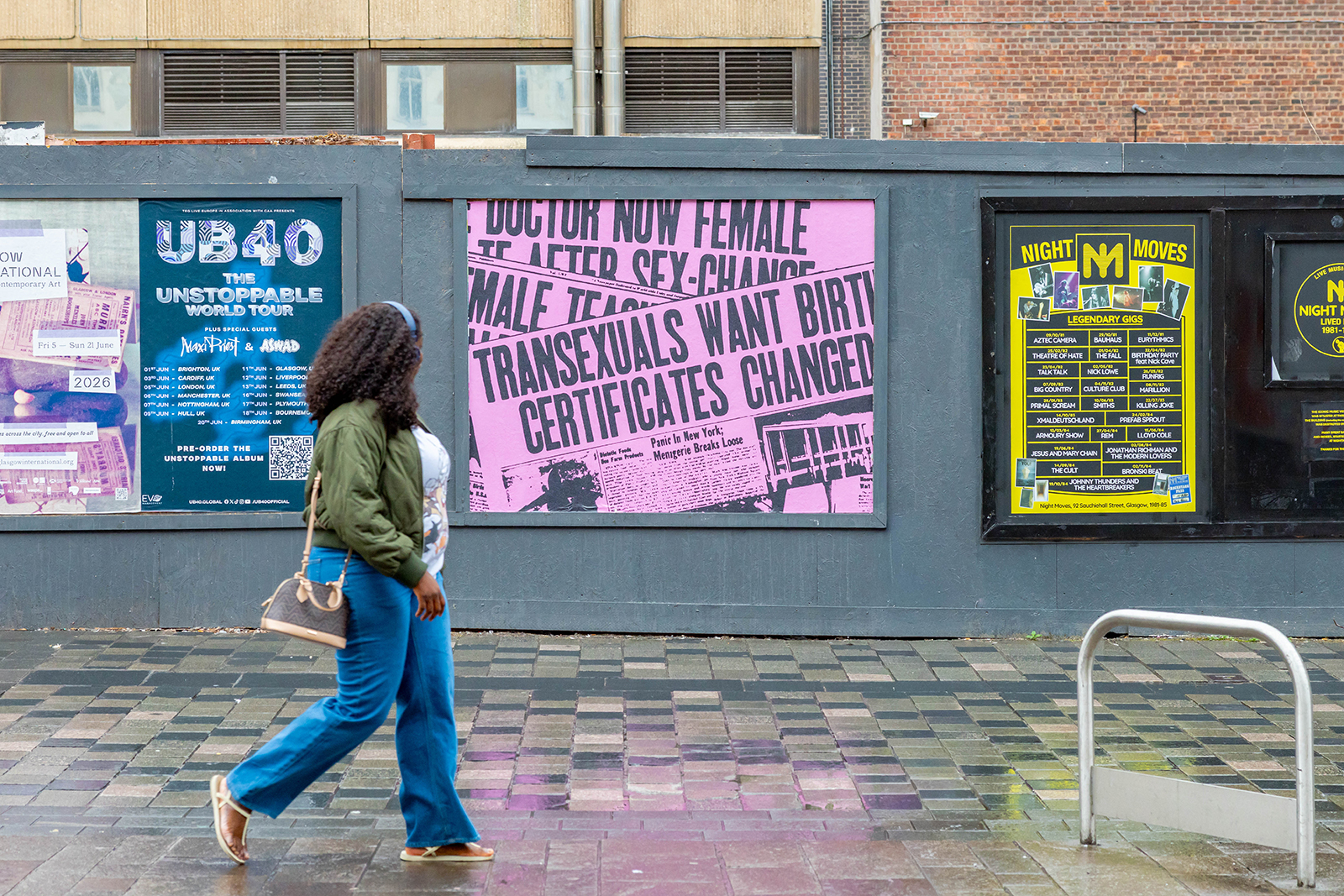
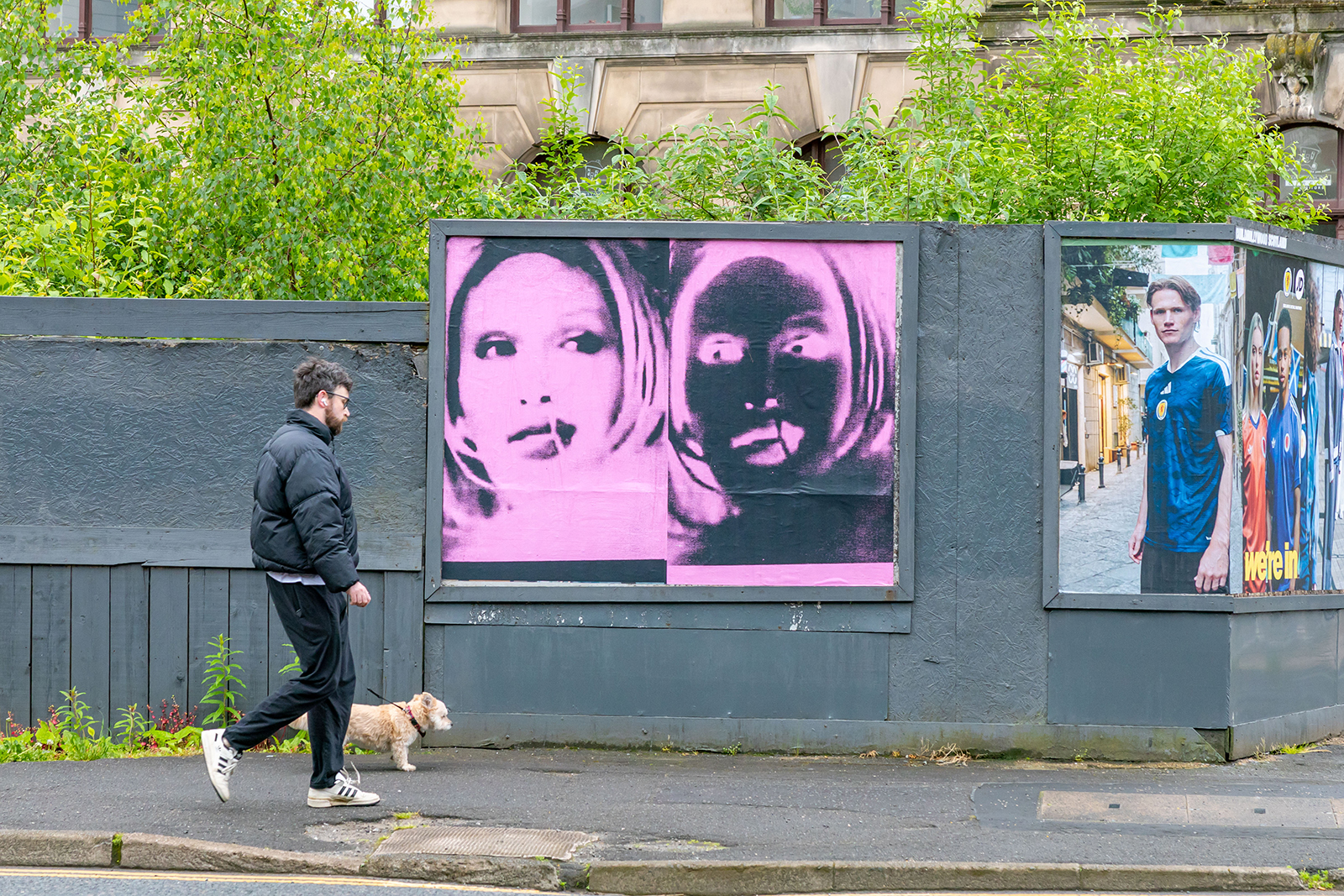
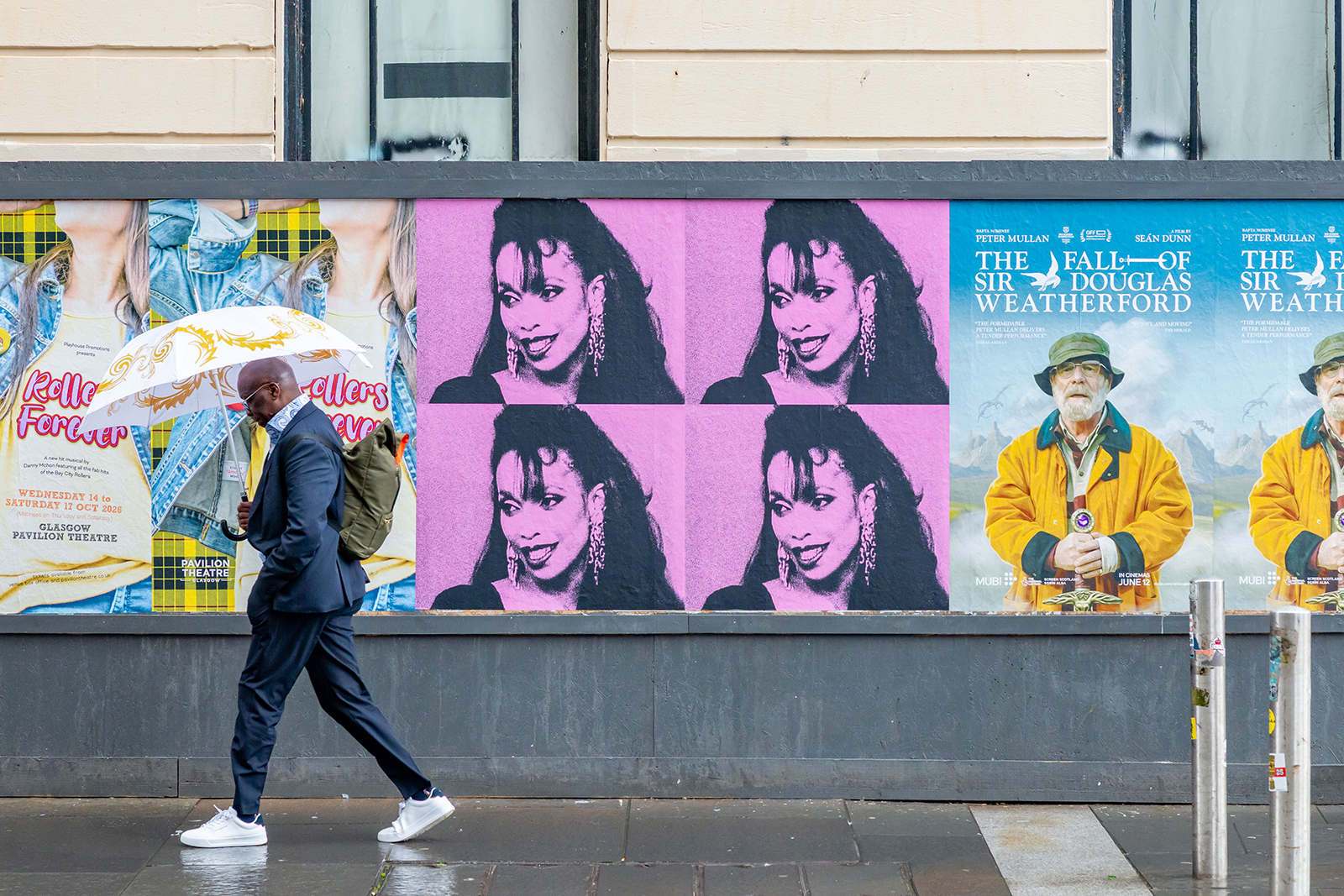
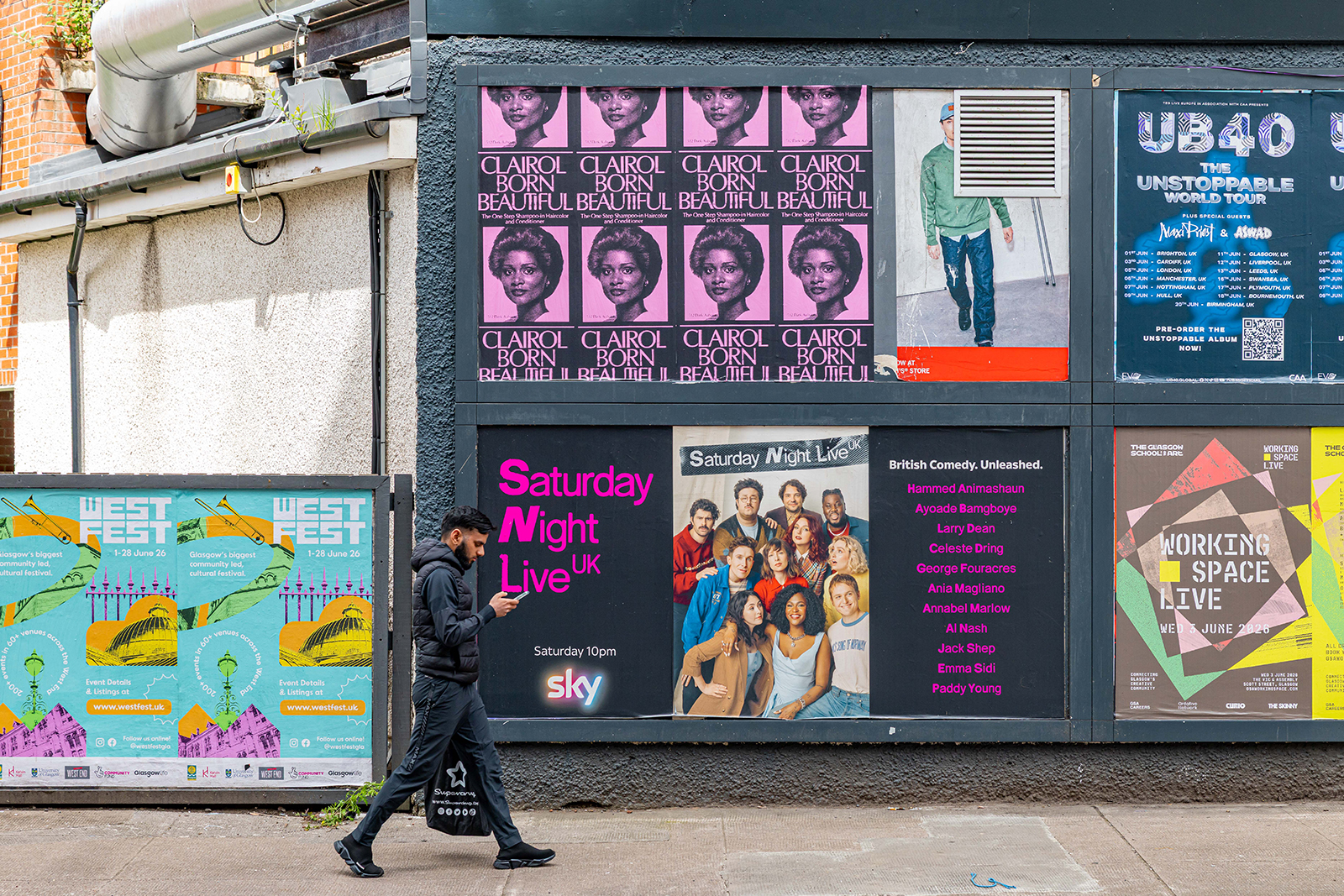
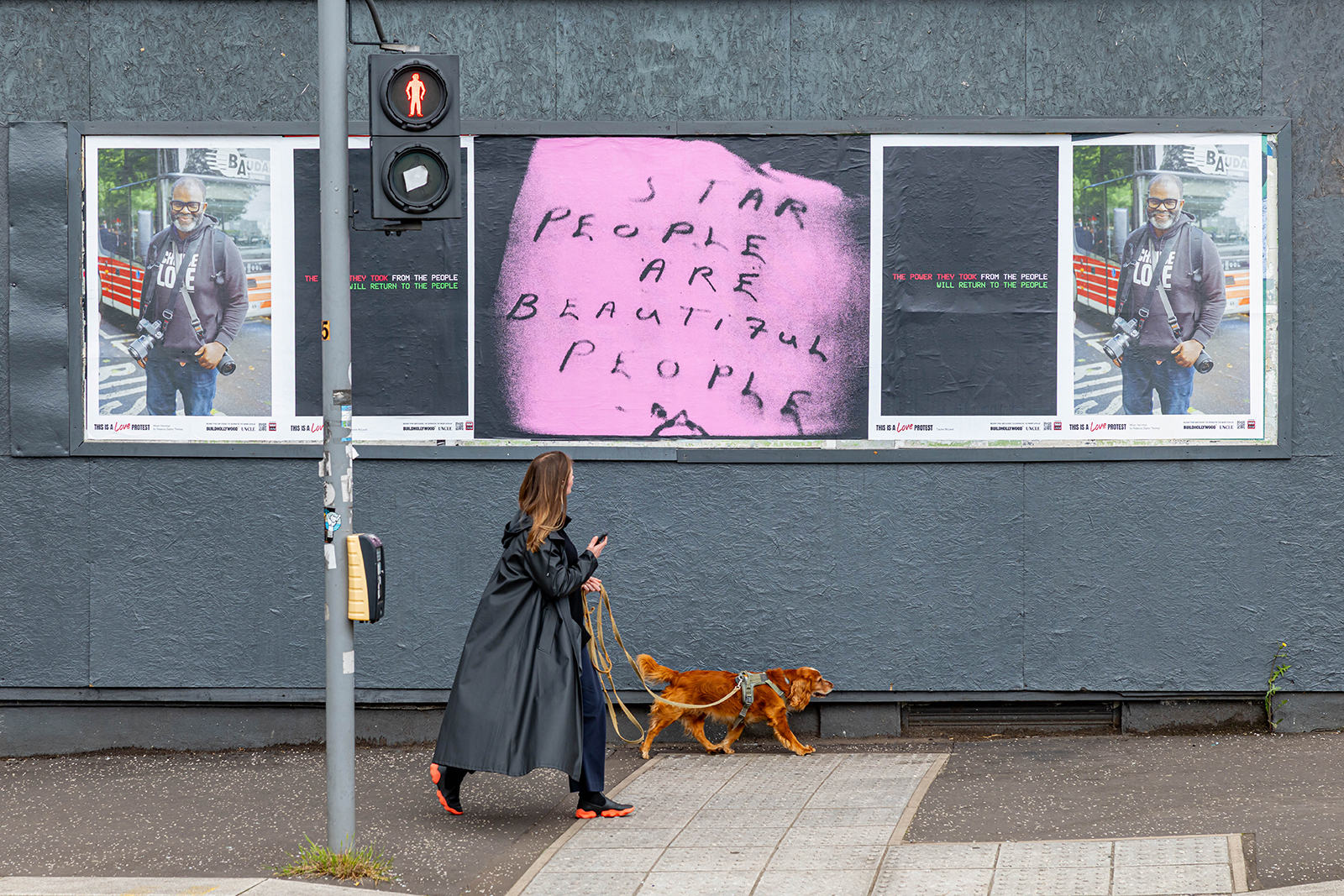
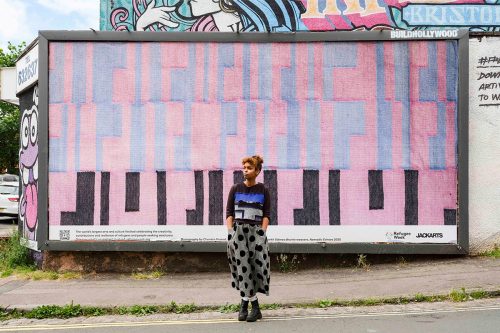
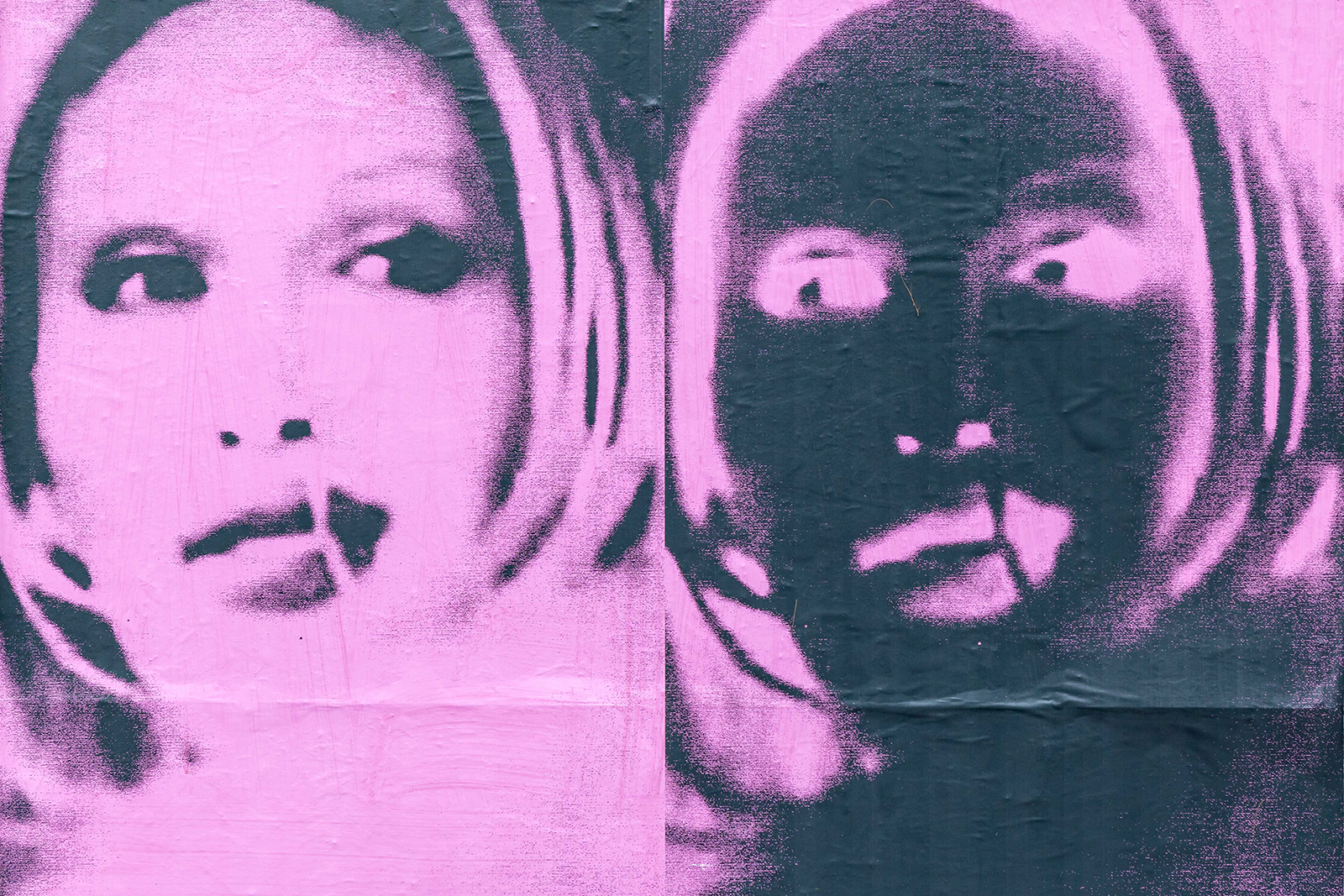
As a former child star of her hometown, Tahliah Simumba, also known by her moniker, TAAHLIAH, remains a celestial exception in and of herself, an artist with a remarkable repertoire of work spanning sound, painting, performance, and installation. Paired with a city-wide BUILDHOLLYWOOD Scotland billboard series across the streets of Glasgow, TAAHLIAH’s debut exhibition explores transfeminine image-making as something quite cosmic.

Hailing from her small Scottish hometown, then gaining entry to the prestigious Glasgow School of Art, TAAHLIAH now resides in London by way of a spell in Berlin, moving between artistic practice and advocacy across the intertwined worlds of her work. We briefly touch on Glasgow as an artistic geography in our conversation, with TAAHLIAH speaking to the strange incongruity of what it means to be a non-white artist in a largely white city. “I got there and it wasn’t necessarily what I had expected”, TAAHLIAH shares, “or perhaps…” she pauses for a moment and shifts her gaze behind her dark shades. “Perhaps more succinctly – I never necessarily expected to go there and to feel so alienated”.

Despite beginning her career and study as a painter, TAAHLIAH’s work extends far beyond the bounds of brush and board. Turning her hand to music in her second year of university as a flippant, yet defiant, response to intrusive artistic critique, TAAHLIAH’s music quickly took on a life of its own and earned a record deal before she had even concluded her degree. “It was only around two years after I released my last record that I wanted to take a step back and to really look at my visual art practice again”, she says. Perhaps indivisible from her artistic practice, TAAHLIAH’s musical discography has an international breadth and resonant depth, with her critically acclaimed debut album Gramarye gaining a nomination for Best Independent Album at the AIM Independent Music Awards, and additionally shortlisted for the Scottish Album of the Year Award in 2025. In 2022, TAAHLIAH was named BBC Radio 1 Dance Artist of the Year, and in 2024 was nominated for Best Breakthrough Producer at the DJ Mag Best of British Awards. Her name now arrives with a growing list of accolades; an artist with critical recognition and a performer with remarkable grace.

08.06.26

Words by Elsa Monteith
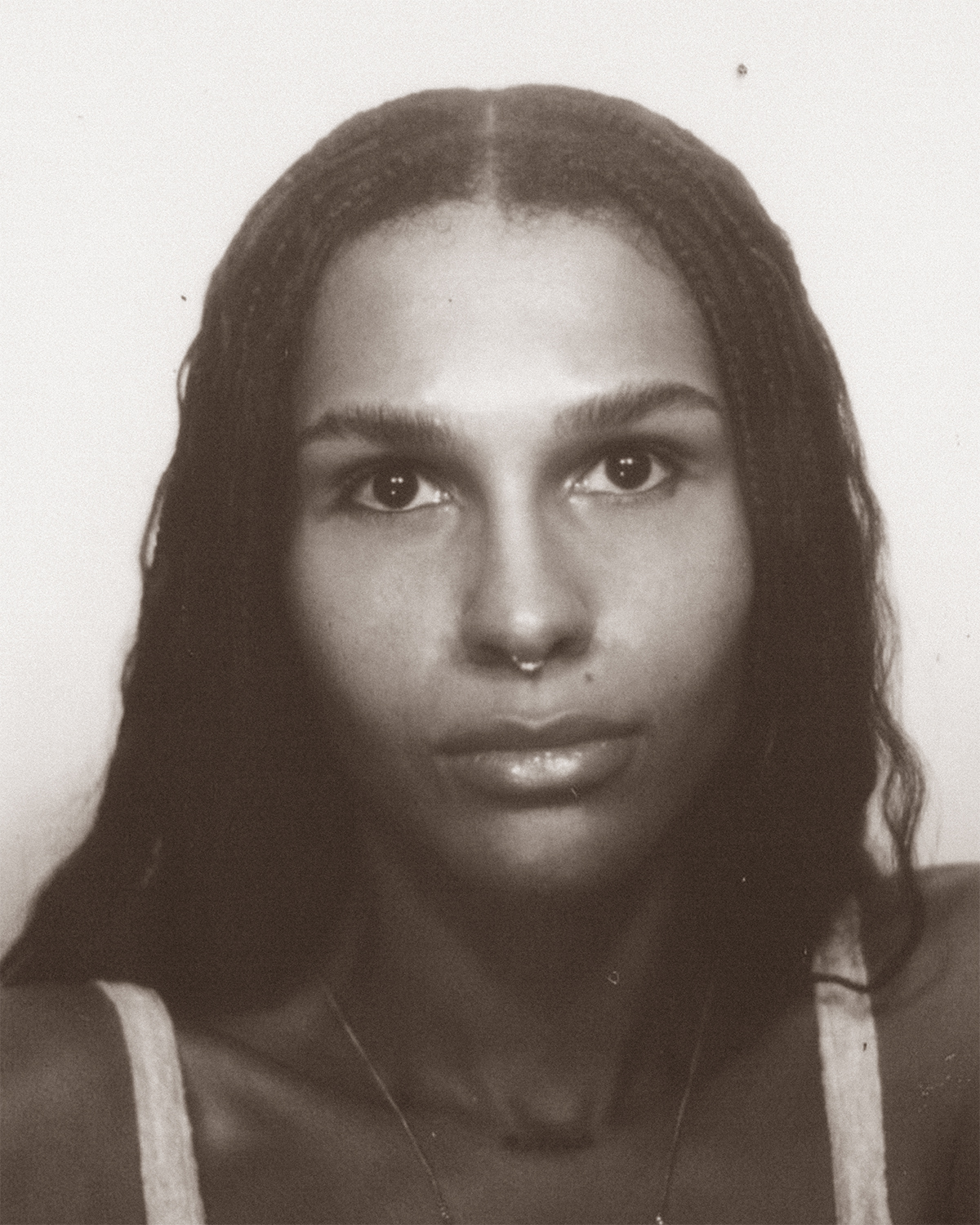
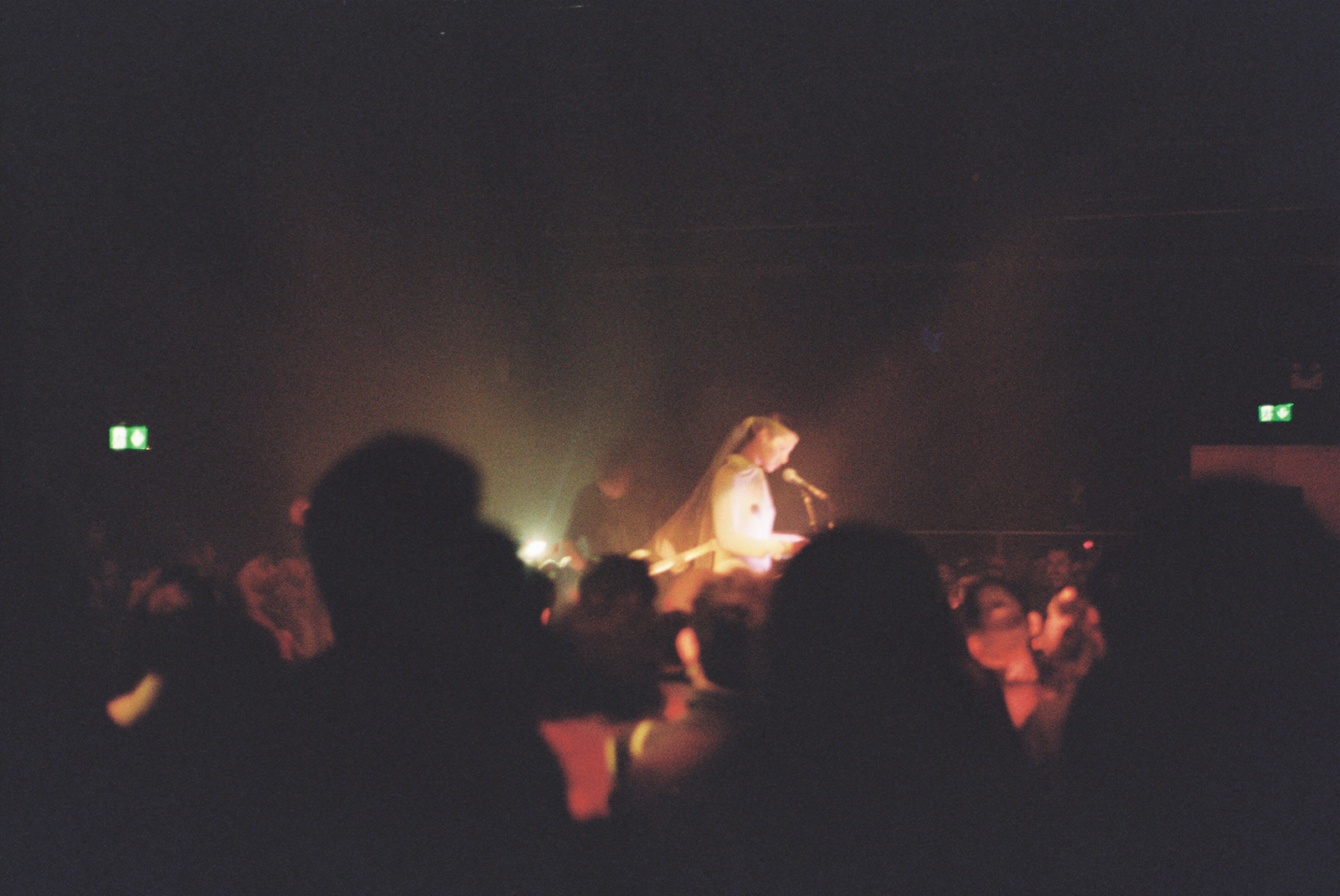
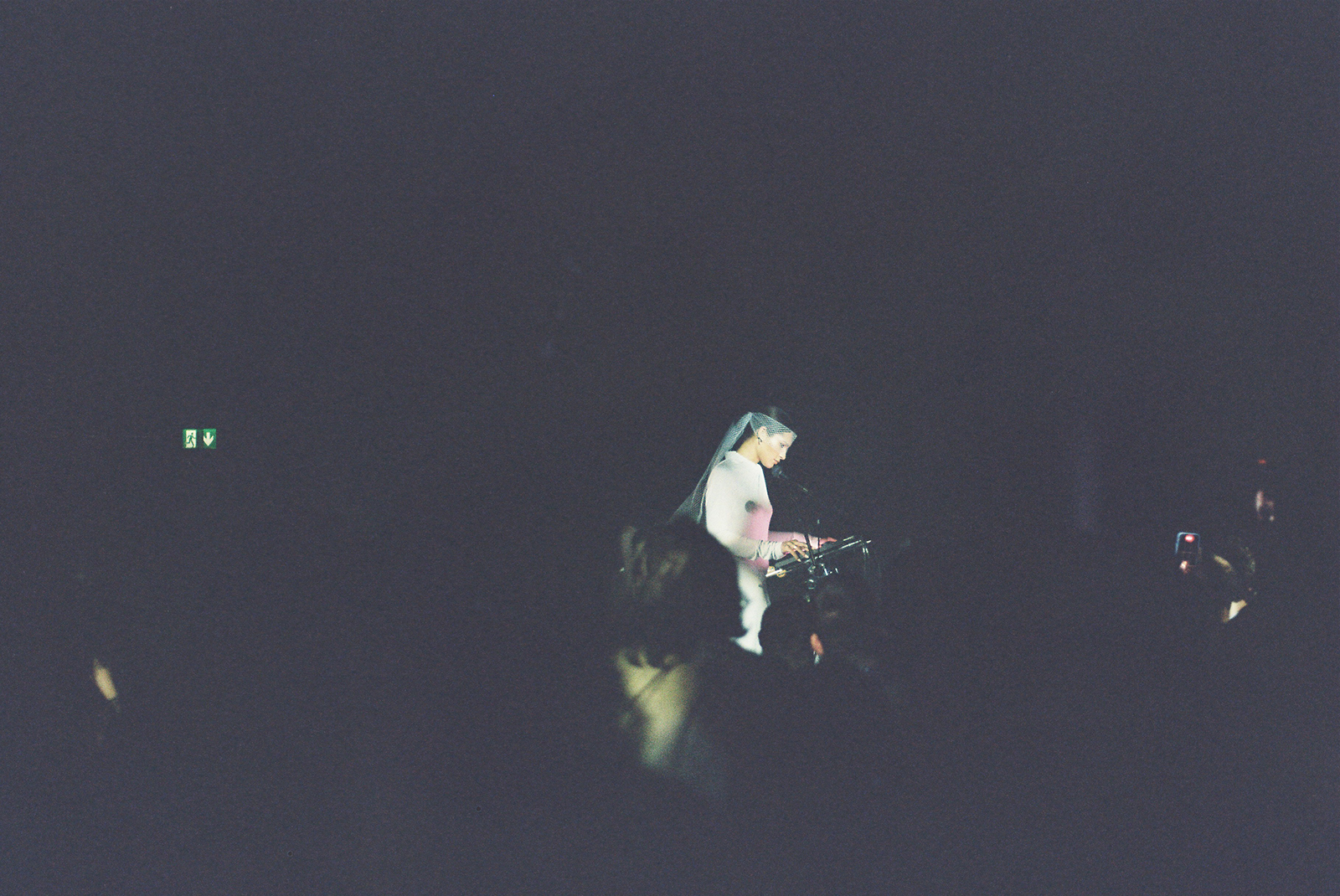
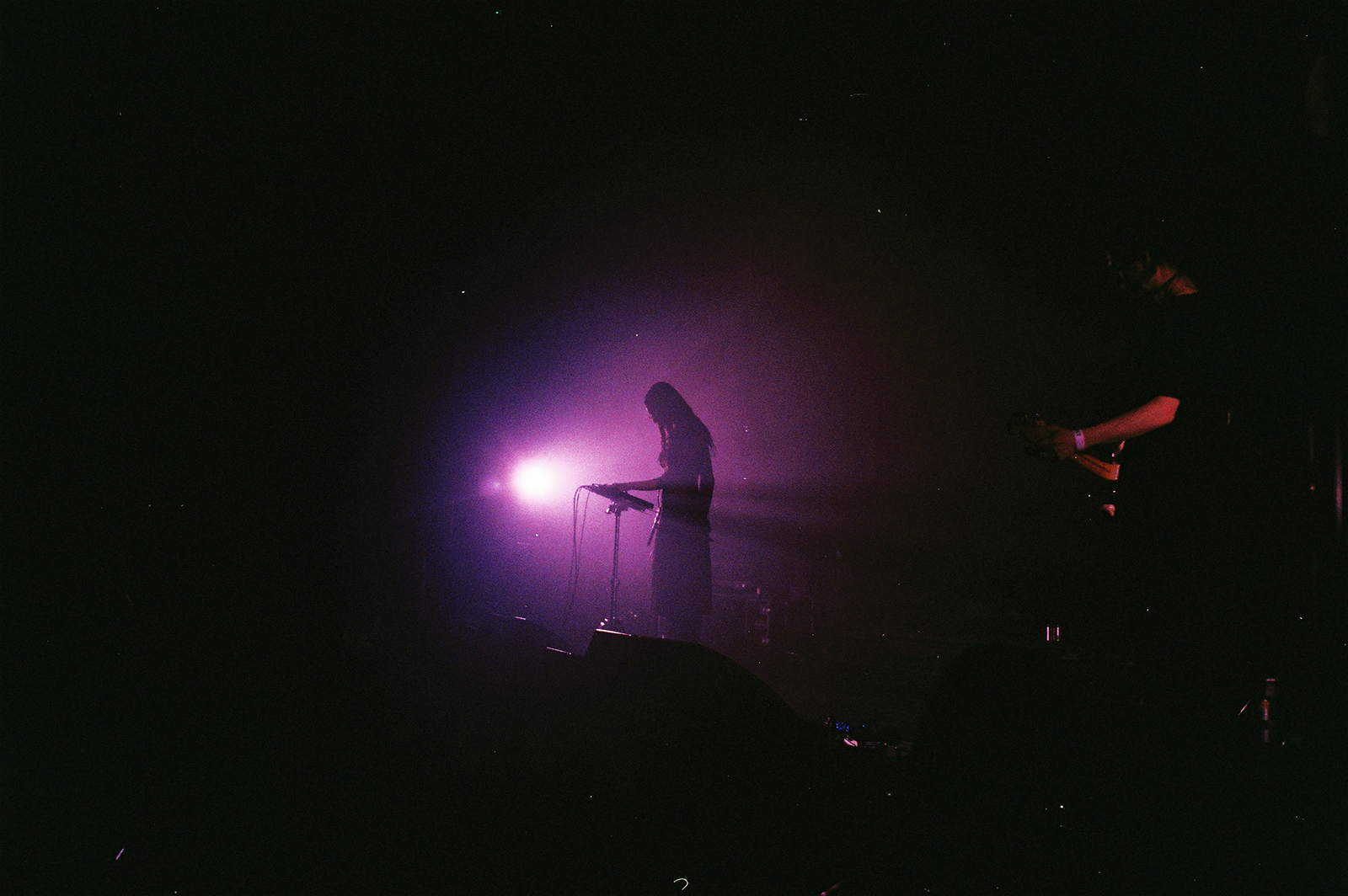
TAAHLIAH’s performances have taken shape in a number of cultural institutions, including her 2026 piece, States of Love and Collapse with the Serpentine Gallery, heavenrise (live) at the Institute of Contemporary Arts, and TAAHLIAH with the London Contemporary Orchestra at the Southbank Centre in 2022. We discuss her library of once-in-a-lifetime stages, including Glastonbury, the infamous Berghain and the V&A – “I still think Sónar was probably one of my best musical performance experiences”, she shares. As often is the case, resource, funding and time to “finesse” work is the difference between something rehearsed and something performed.

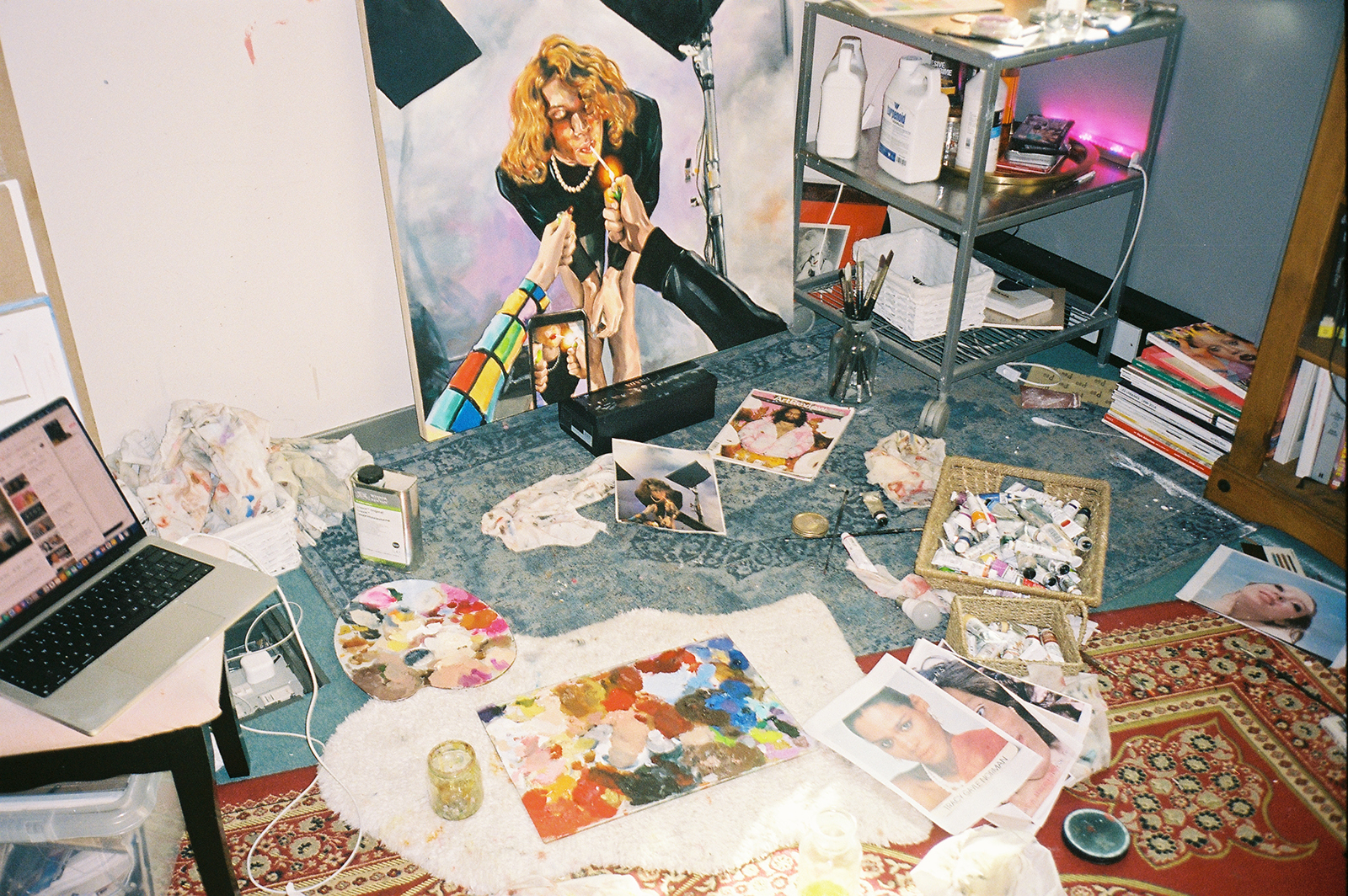
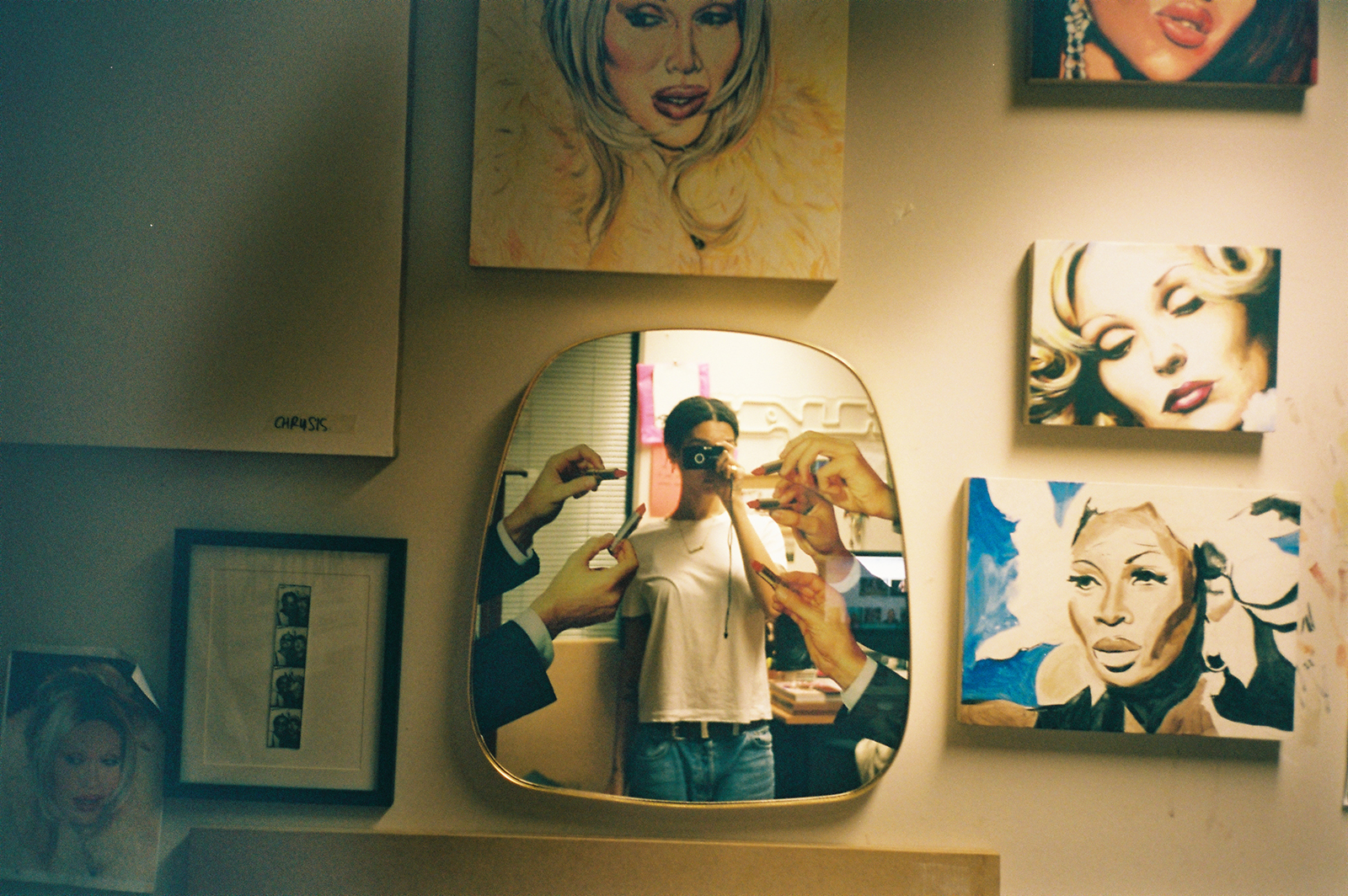
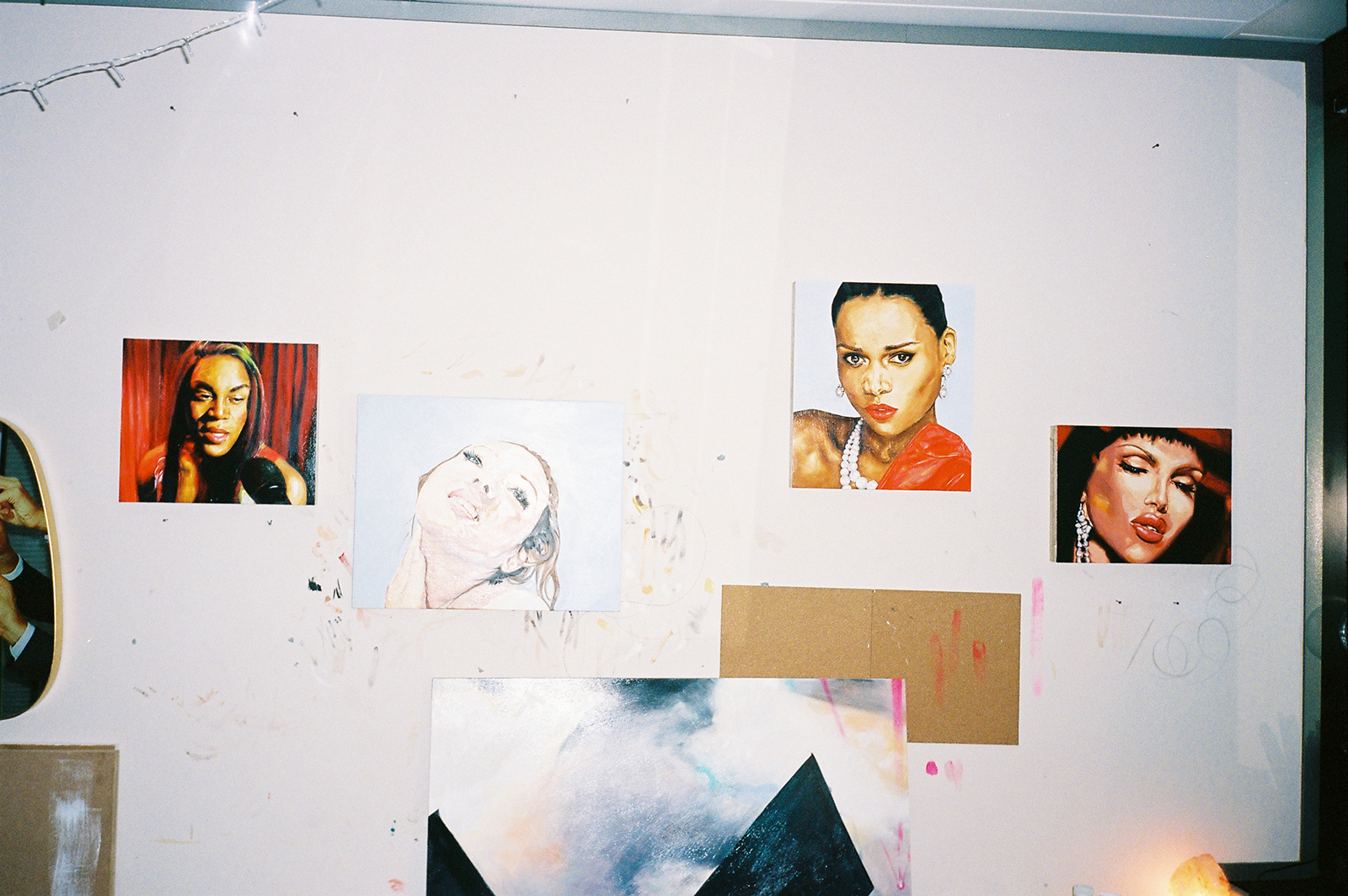
TAAHLIAH’s debut show, A star that burns forever is a star that burns in me, finds itself in Glasgow this month, taking place at Strange Field during Glasgow International 2026. We discuss the work, the oil paintings rendered on wooden panels accompanied by an “otherworldly” durational sound installation that will be paired with an impressive billboard series with BUILDHOLLYWOOD Scotland, taking up space across Glasgow’s streets. The work is a reflective tonic to the vitriol spat at transwomen country-wide; a glamorous, but deeply thoughtful and mournful rendering of “transsubjective” iconography, aesthetics, and the idea that the “before and after” being one of the only avenues in which trans womanhood is afforded any genuine respect or applause. “It’s always, ‘wow, look at what a good job she’s done’, but we’re still going to ban her from using the toilet that she wants to use”.

You’ve become known as one of the most exciting multidisciplinary artists to emerge from Glasgow’s club and creative scenes, moving between DJing, music production, performance, painting and installation. Looking back, how did those different creative interests first begin to overlap within your practice?

I always knew that I had different interests and different skills, but I never really looked at them in a cross-disciplinary way, but coming into this project, having not painted for around five years, my way of painting and my technique has changed and developed so much, even though I haven’t painted, and that really opened my eyes to the fact that even though I’m not necessarily utilising this specific mode of making, me just creating and existing as an artist and making work will always inform it. I have no doubt that if I do go back to music, if I want to, that having done this project will then inform that piece of work.

Your work often creates emotionally charged worlds that explore embodiment, perception and the social conditions through which identity is experienced and understood. What first drew you towards those themes, both personally and artistically?

When I was painting, and in my earlier years when I was still studying, it was very much informed by my way of dealing with or working through my identity. From a very young age, I was painting all these very feminine portraits, utilising femininity in a quite explicit and obvious way. After I transitioned I just stopped painting. It was almost as if I was using my painting as a way of dealing with all of those internal issues, and then once I dealt with that, I didn’t necessarily feel like I had to create in that same way.

In terms of the emotional charge of it, I think it’s more related to what I was trying to get out through my music. Sometimes it can be hard to try to pinpoint what is really allowing me to navigate the different modes of creating at that moment in time. I never really know where I’m going, but I always know I’ll end up where I’m supposed to be. (Laughs).

A star that burns forever is a star that burns in me marks your first solo exhibition. What felt important about this moment, and what ideas or questions were you most interested in exploring through the work?

The original idea for the show popped into my head immediately after I released Gramarye. Whenever I’m completely finished with something, the next idea will appear for the next thing. It just so happens that my idea was to go back to painting. At that moment in time I was going through an intense period of really not wanting to look at my transness in any way. I transitioned in 2019 and had been going through the motions and I just didn’t really want to talk about it anymore. I was realising a lot of that was wrapped up in shame, and I thought; wouldn’t it be great if I could showcase trans femininity in this really beautiful, glamorous way. I started thinking about ways I could conceptualise, and the idea for the project morphed in a lot of ways, but then I finally settled on going through this period of extensive research into pop cultural icons whose visual aesthetics of transness didn’t necessarily align with true binaries or traditional trans identity. So the figures that are in the painting – some of them are trans, yes, but there are some figures that align themselves beyond trans identity, but they were all informed by a visual code of trans femininity, and that was a driving force, and the formation of the aesthetic.

Marquis Bey’s writing appears as an important conceptual thread throughout the exhibition, particularly the idea of transness as something primordial, expansive and generative. What did that framework unlock for you creatively?

I love reading, and I always had such a huge interest in academia. I always thought that if I hadn’t studied painting, I would have studied some kind of form of sociology. I started working on the show and it still didn’t have a title, and I came across this essay and was just really taken aback by this idea of transness as something that can push someone into being, or almost guide someone into becoming themselves. And when I say it out loud, it seems quite simple. When I transitioned, it felt like something exploded inside of me, and I was able to really tap into a way of being that I hadn’t had access to up until that point. I think describing it as a star, as stardust – it’s almost like a big bang, this celestial, astrological experience, which I found was a really succinct way of communicating the show. Everyone in the show, they are stars in and of themselves, and they are stars within the contemporary cultural world. The more I talk about the title, the more that I find that there are layers upon layers of meaning within the different words.

The exhibition combines oil paintings with a durational sound installation, while projects like heavenrise also blur the boundaries between physical instrumentation, electronic sound and immersive performance. How does your background in sound shape the way you approach visual art and world-building?

I think it’s about providing depth within the show or the record or the painting or the performance. If it was just paintings within the room, people would leave with a different sense of what the work represents or what the work means or how they thought about the work. I want people to experience it as what it is, but also the sound really echoes this quite depressing atmosphere, specifically when you bring it into the context of what’s going on right now, and the fact that like 70% of the people that I’ve painted have died through really traumatic circumstances. I think it would be a disservice to not acknowledge that. The fact that so many people have died due to something related to their trans feminine identity in some way is really important to show and highlight. I think the sound really gets that across, it’s really moody and atmospheric, it’s not uplifting in any way. I think there’s a kind of cinematic quality to it, and an otherworldliness. If the sound wasn’t there, I think people would look at the work and maybe just look at the gorgeousness of it and go away being like “oh my god, what glamorous women”.

Your work often feels deeply connected to trans-led and community-led forms of cultural production, whether through club spaces, collaboration or curation. How did that relationship between creativity and care/community begin to take shape for you?

I just can’t help but find work that has been made by people like me more interesting that what has been made by people not like me (laughs). Some of my favourite novels and pieces of literature have been written by trans folks. Some of my favourite films have been made by trans folks, or include trans folks in it. Some of my favourite music has been made by trans people, so there’s a connection there to trans made “work” that I just feel so attracted to. I think that when I was coming up and going out a lot and clubbing and DJing, a way for me to create a space or to feel comfortable in some way was on the dance floor. That was kind of my entry point into platforming and providing space for others. That then led me into advocacy work. When I was studying at art school I was a diversity advisor for H&M, and I also did some consultancy work for the Glasgow City Council. That felt very important to me, and I think the way that I then tried to translate that when I was doing music was collaborating with trans artists, having trans artists play at my shows, all trans lineups, different things like that. I think that I just have quite a natural interest in advocacy, and thankfully I’ve been granted several different avenues in order to make that a more realistic part of my practice.

You’ve become closely associated with Glasgow’s club culture and wider creative scene while also working internationally. How has Glasgow, and Scotland more broadly, shaped your creative identity and understanding of place?

I have a really extreme love-hate relationship with Glasgow. I simply have to admit that if I hadn’t moved to that city when I did, I think my life would look very different. If I hadn’t had the opportunity to go to art school to meet all the amazing people that I came to be friends with, fall in love with… that city holds such a significant place in my heart. It also allowed me to experiment and play and build my career without having the pressure of a major metropolitan city. I think that if I had come to London before I did, I would not have coped very well, but having been in London for over a year and a half now, I’ve been made aware of how white that city is, and how alienating that experience was for me. It took me moving out of it to really understand it, and so I do hold a lot of resentment towards the city because of that fact, and also how now it feels like the city is just not as bright and beautiful as how it was when I got there.

The best thing about Glasgow is the people, and that’s such a cringy thing to say, but when I was living there, there always seemed to be this real energy and effort around helping people and looking out for people.

As part of the partnership with BUILDHOLLYWOOD Scotland, your work will appear on billboards across Glasgow during Glasgow International. What interested you about taking these works beyond the gallery and into public space?

I was really interested in the idea of just taking up space, as much space as possible. I knew that I wanted to do some kind of poster campaign surrounding the show, purely from a marketing perspective (laughs), but as I moved through the project, and the EHRC ruling and all of these political, tectonic shifts happening, specifically for trans folks within the country, I just became more and more obsessed with the idea of taking up space, so that’s really what fueled the poster campaign. Initially I was just going to do a couple of two by fours and just have it exist as that, but having these huge, huge images of trans women in nine or ten different places within Glasgow felt very important. They’re very bright, they’re very effervescent, they’re very vivid. It really was the notion of taking up space and making sure that people aren’t necessarily aware of the show happening, but are aware of these images existing, and how important that is.

Previous article

Marathon Season: Hit The Ground Running

Next article

Partnerships

Stripes, Colour, Space and the World Beyond: An historic London billboard artwork is recreated to coincide with Lisson Gallery’s intriguing new show…