Newsletter

Join our mailing list for latest news and features

Build Hollywood

Build Hollywood

Build Hollywood

Build Hollywood

Partnerships

Otrovert: Facing a Different Direction Entirely

With Otrovert, a new photographic series and exhibition in Barry, Wales, photographer Lloyd Pursall brings his journey from Barry to London and Los Angeles back to where it all began. Developed in collaboration with JACK ARTS, the project draws a line from the Sunset Strip to the Barry high street, reimagining public space as a site for celebrating people, identity and community.

There’s a familiar narrative around success: you leave, you outgrow the place you started, move to the city, and then further still – across oceans if you can – to build something new. For photographer Lloyd Pursall, that story once felt true. Raised in Barry, a coastal town in South Wales, his early ambitions were shaped as much by a desire to get out as they were by the creative foundations surrounding him. London offered momentum, and Los Angeles offered scale. But it’s only in returning home that the full picture has come into focus.

Pursall’s work has long centred on people and their ambitions, tracing struggle alongside the persistent pull of lost dreams, perseverance, and the Welsh notion of llwyddiant, a translation of “success” that sits quietly behind it all. After studying fashion photography at London College of Fashion, his career took him into international editorial, celebrity, and commercial spaces, leading to projects like To Live and Try in LA, a highly acclaimed photographic series capturing young creatives navigating the precarious optimism of chasing a dream next door to Hollywood. There, amongst musicians, athletes and filmmakers, he found a shared language: collaboration, persistence, and the belief that success is something built collectively as much as individually.

But beneath that global trajectory, Barry remained a constant, if complicated, point of origin. “My idea of success was getting as far away from home as possible,” he reflects. It’s a sentiment familiar to many who grow up in smaller towns, where opportunity can feel distant and identity constrained. Yet the further he travelled, the clearer it became that the foundations laid there were not limitations in the traditional sense, but acting as the very thing that made his work resonate.

17.04.26

Words by Elsa Monteith
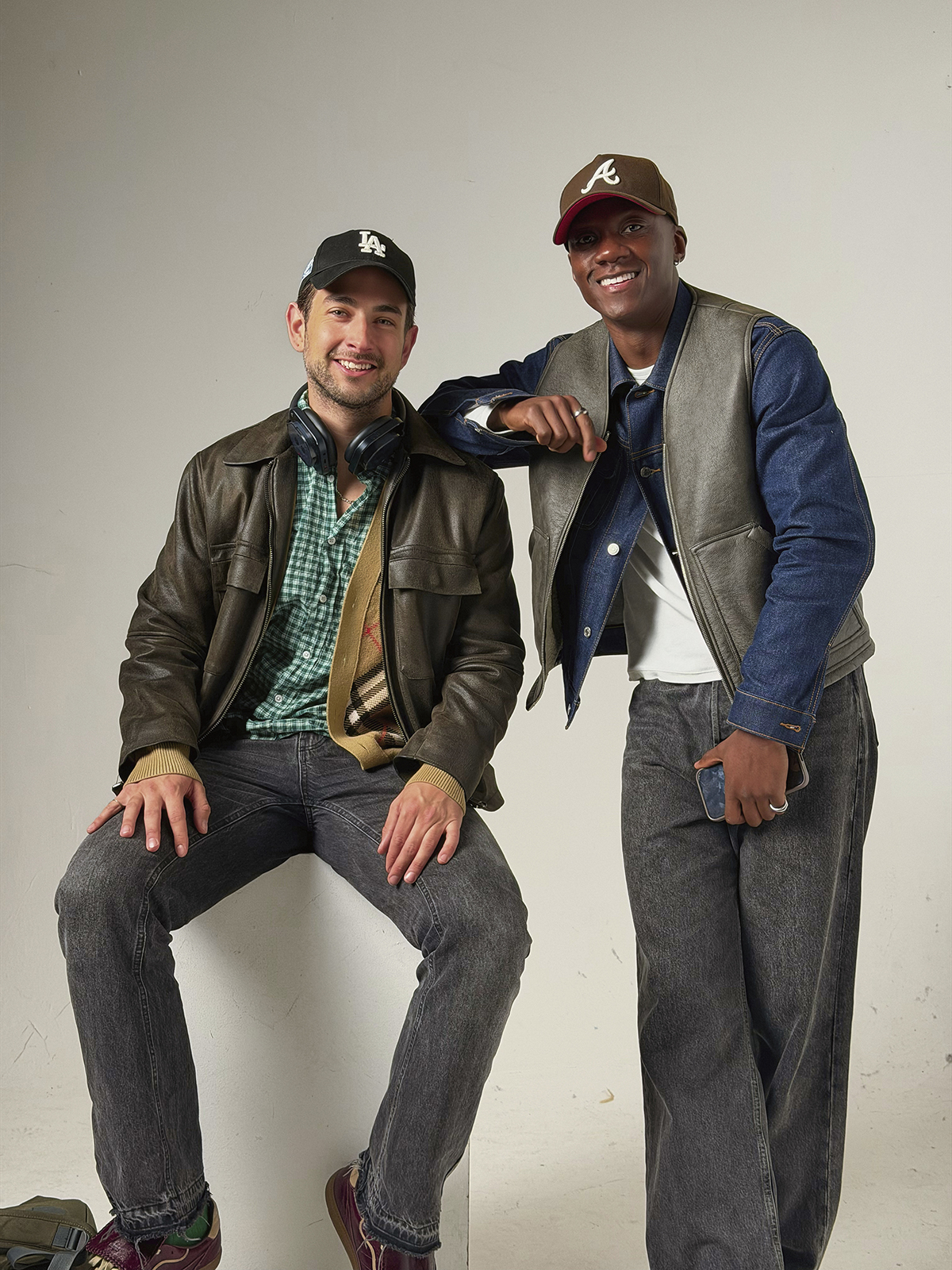
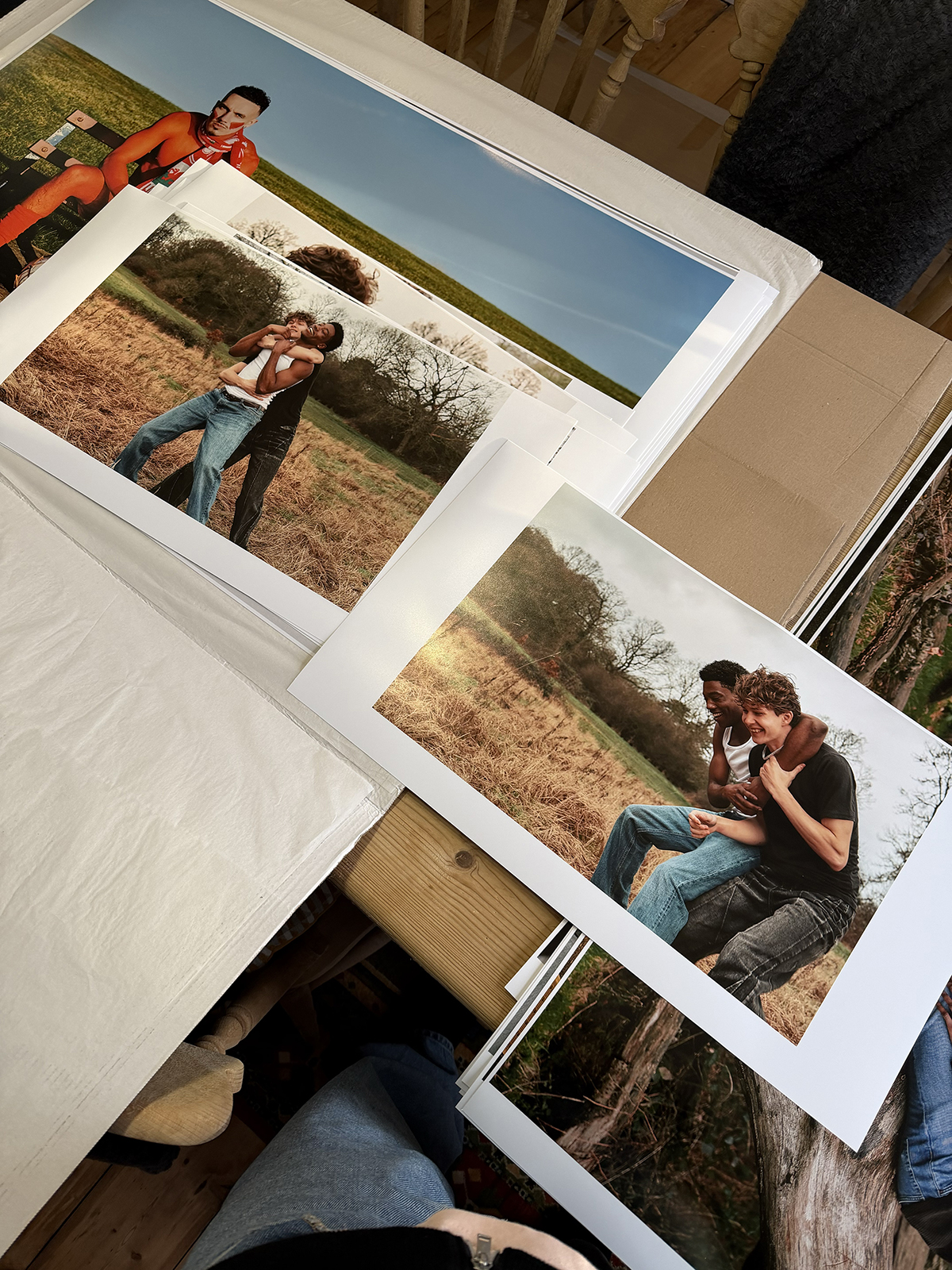
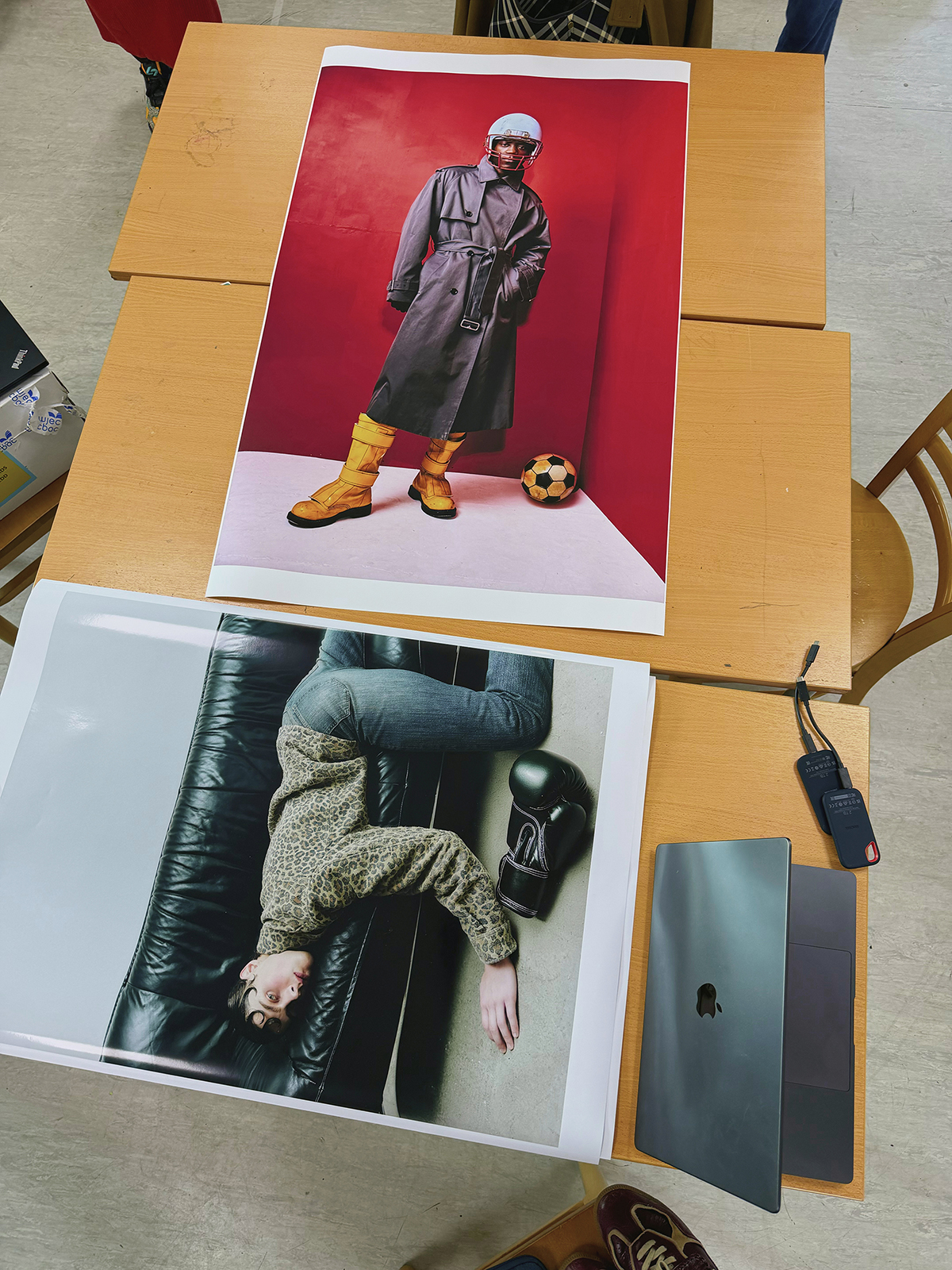
His latest project, developed in collaboration with JACK ARTS, brings that realisation into sharp focus. Exhibited at Art Central Gallery in Barry Library, a place he visited as a child, the work blends photography, print and film to create a portrait of the town and the people within it. It’s a full-circle moment, through geography and emotion, and it’s a return to the site where storytelling first took hold, now reimagined through his own lens.

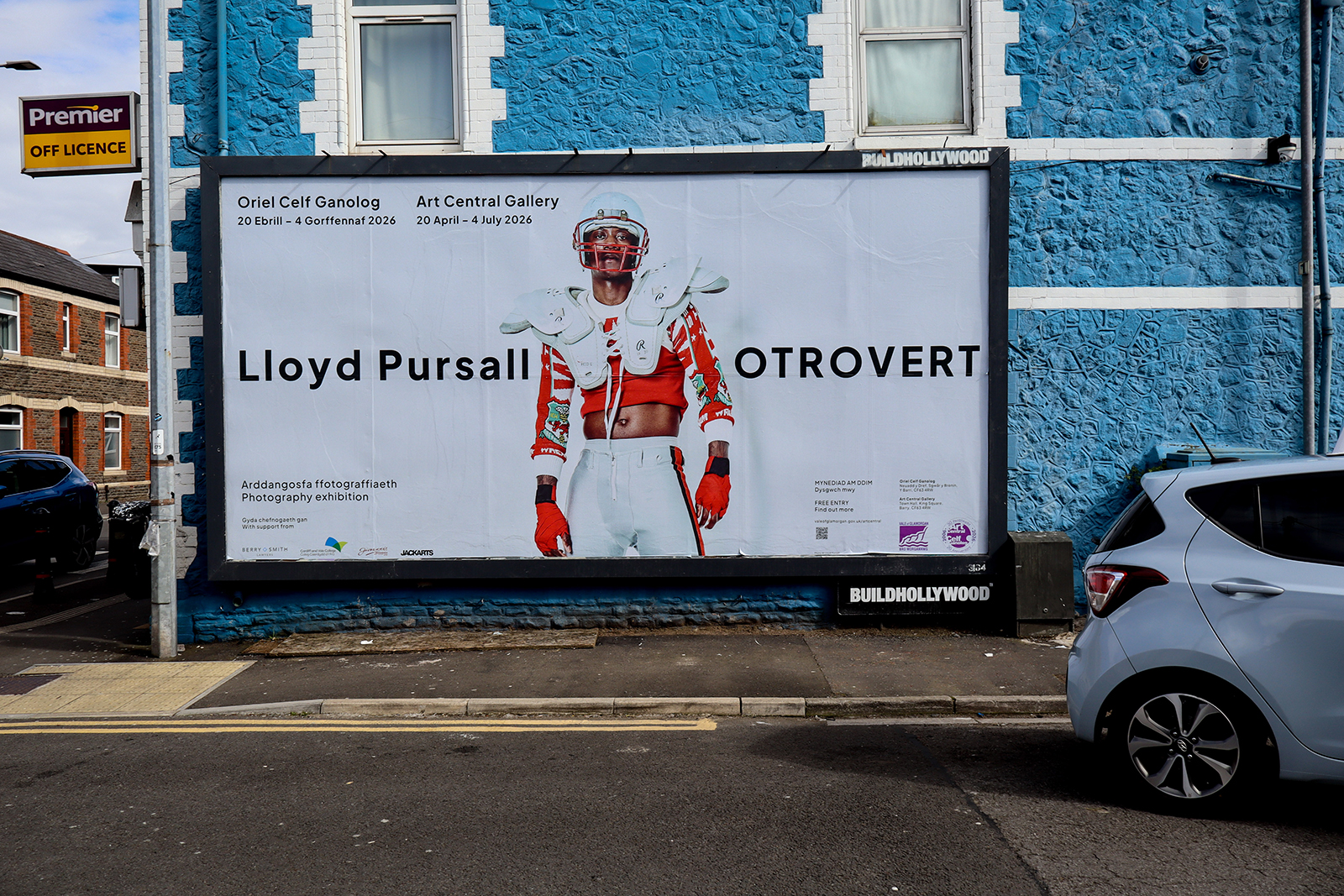
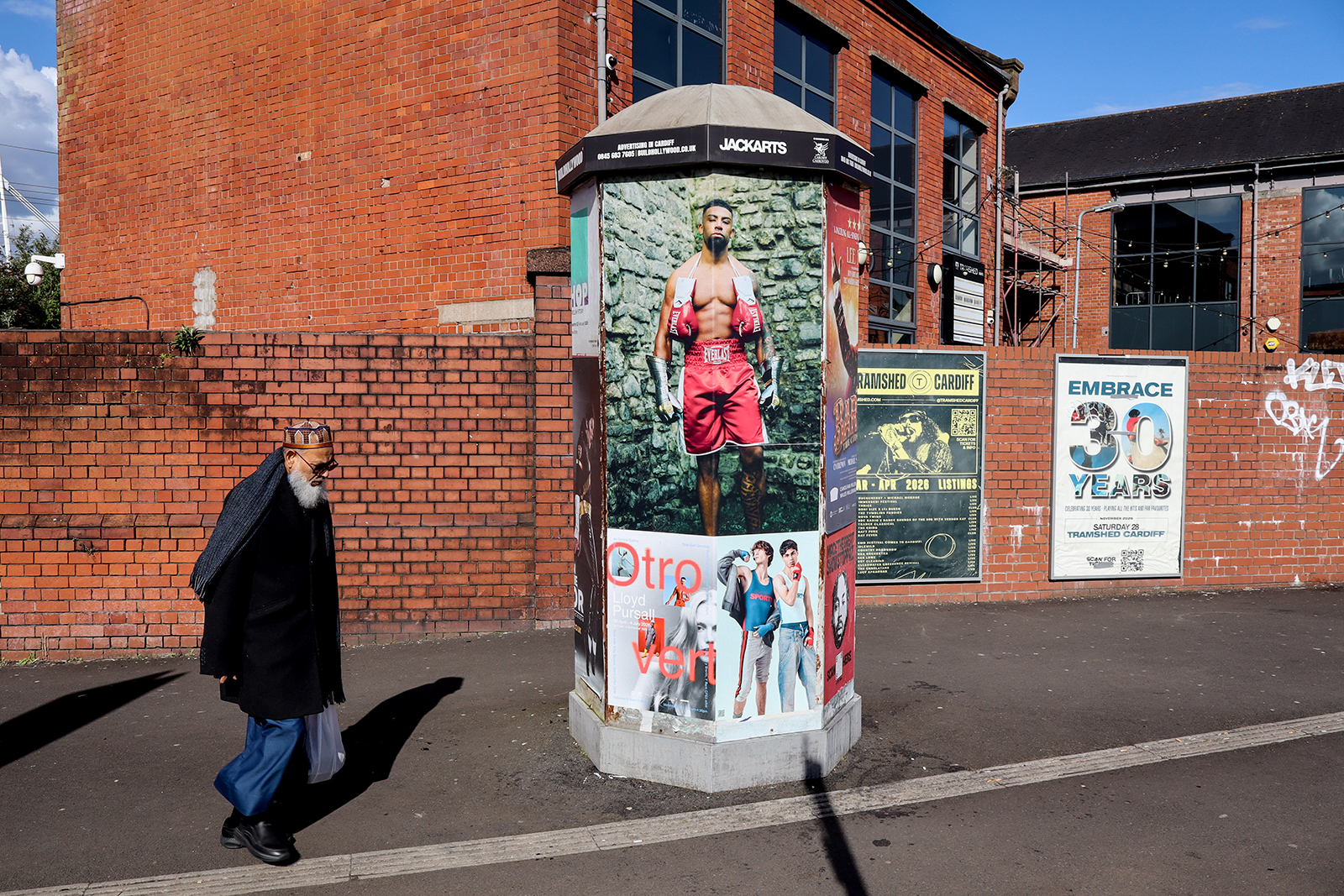
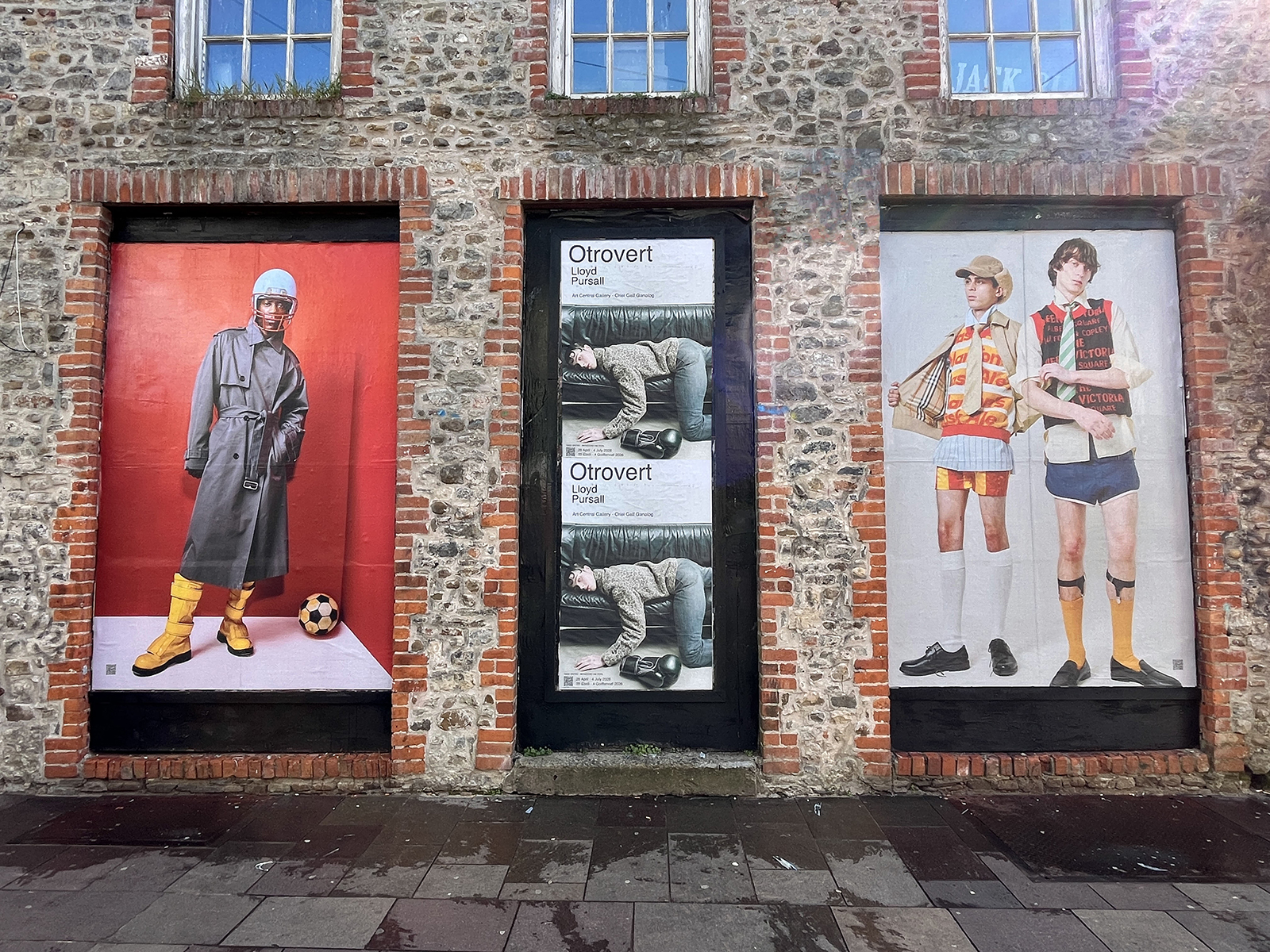
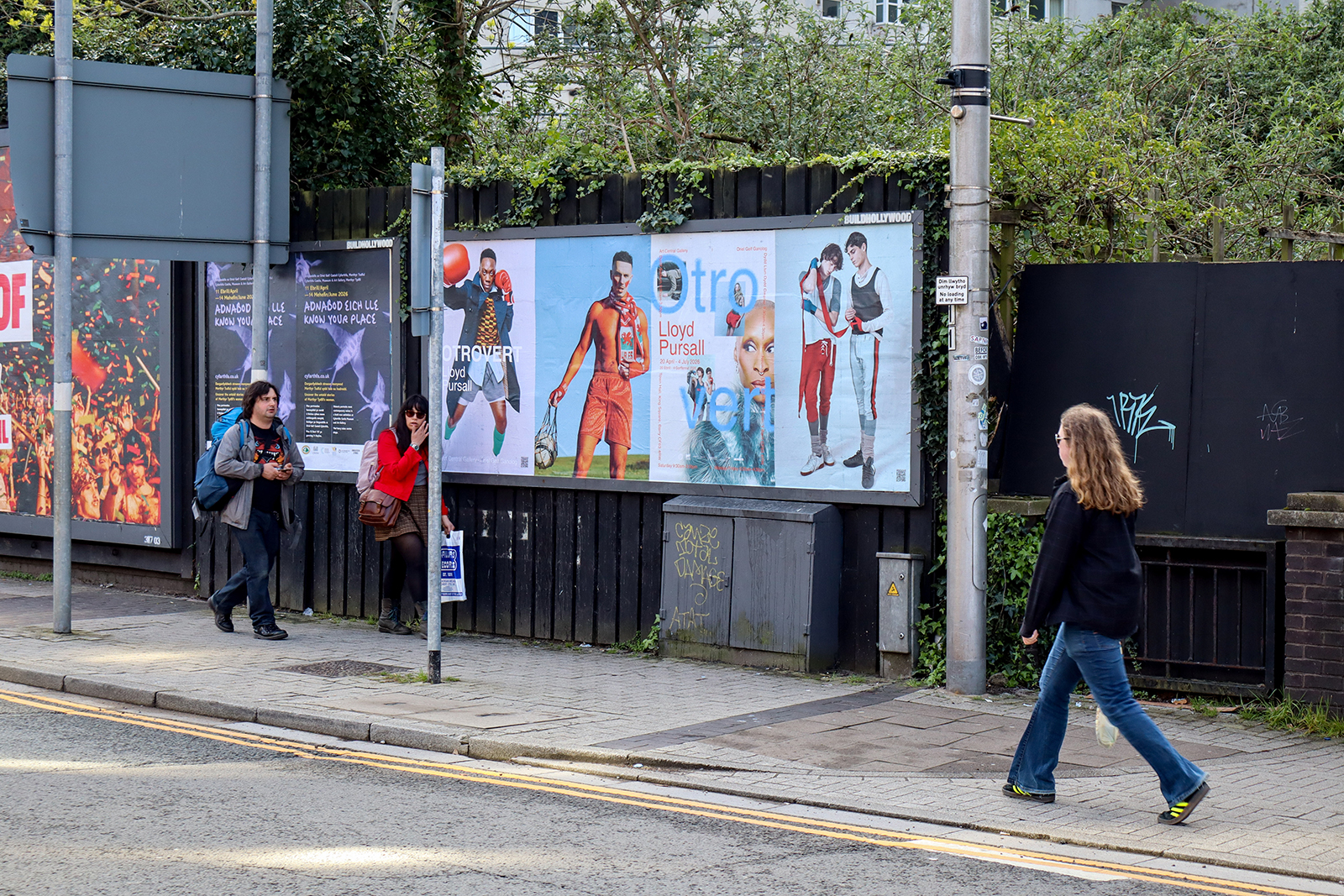
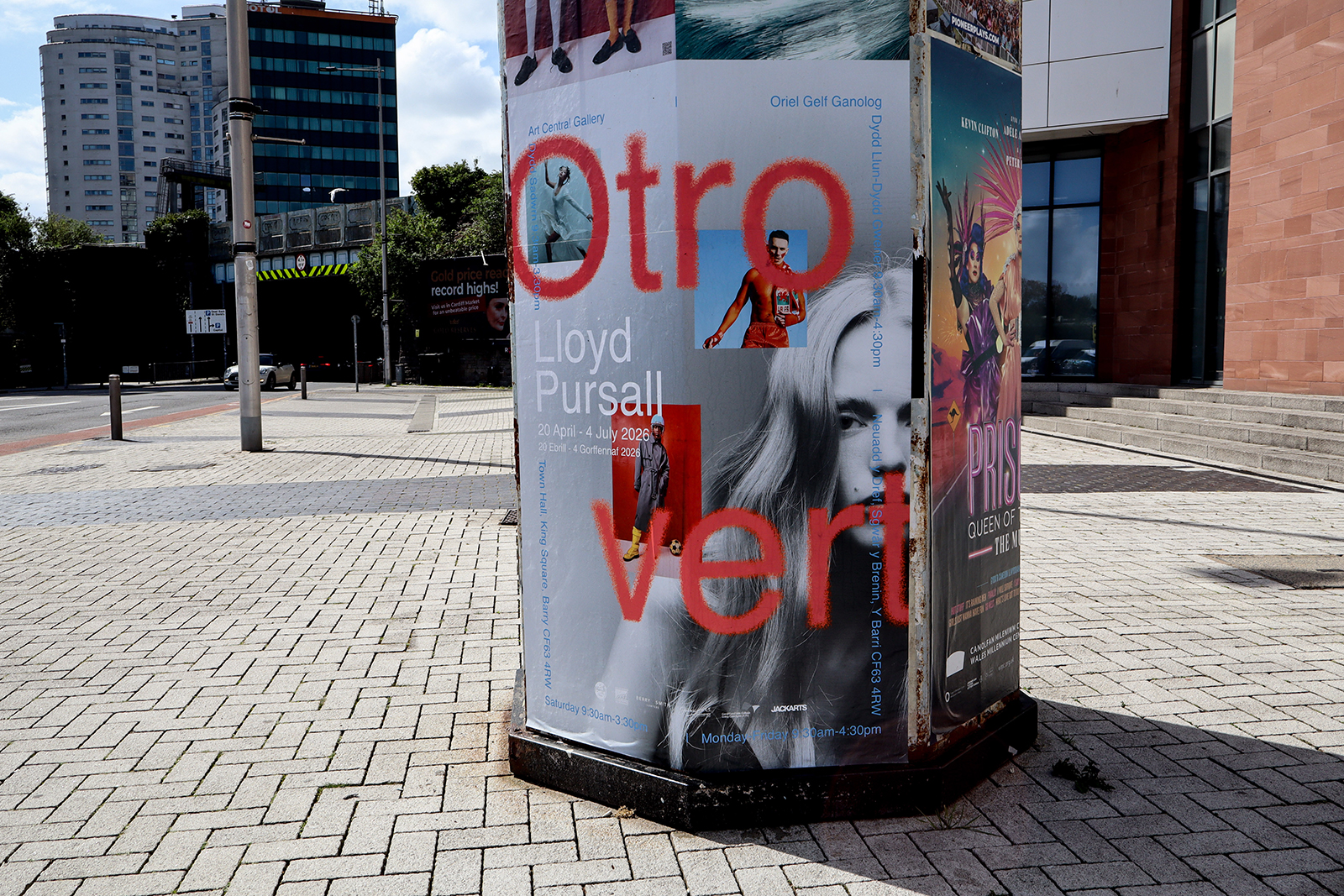
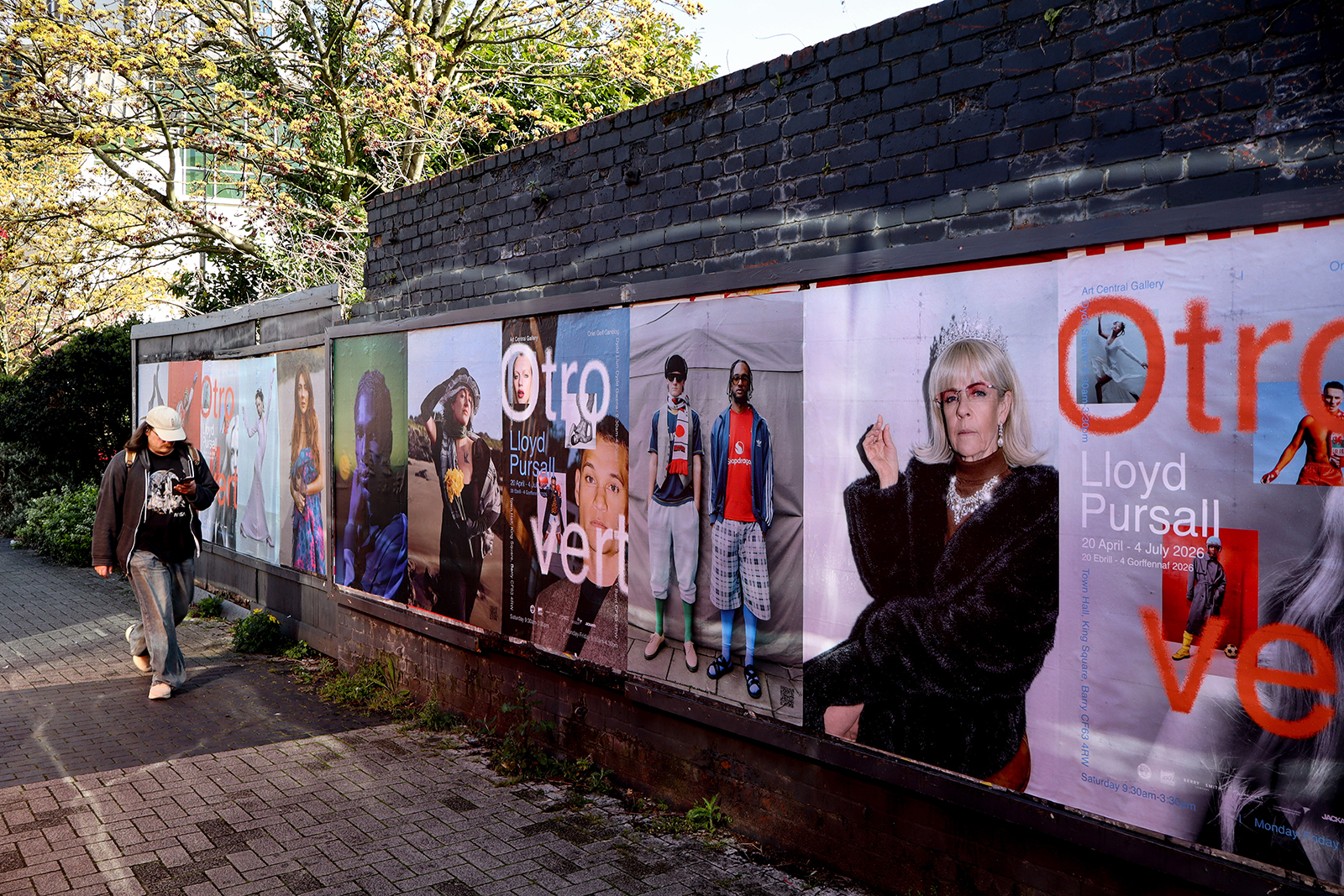
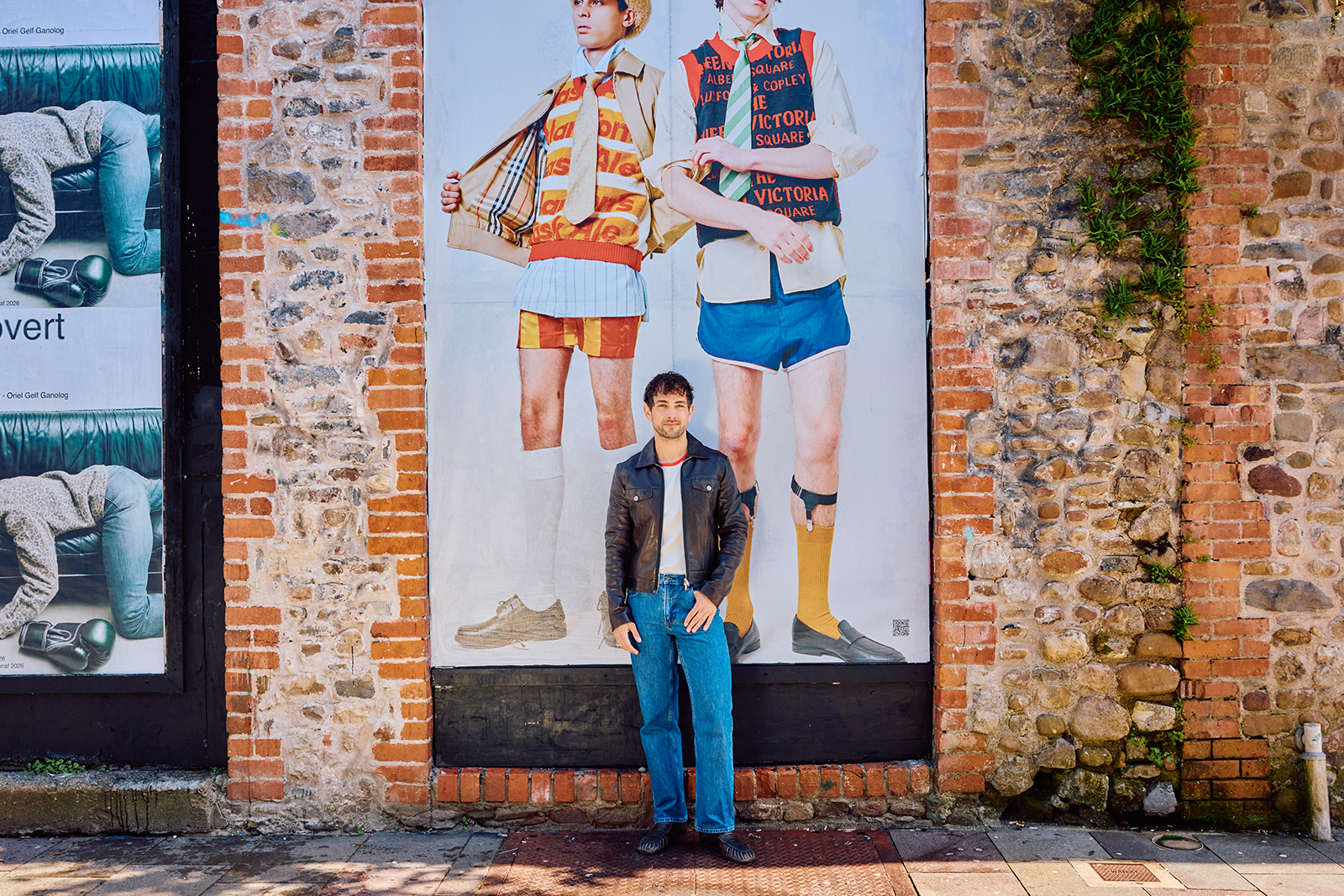
Beyond the gallery, the project extends into public space. Through a series of billboards across Cardiff, Pursall’s images move out of traditional exhibition settings and into the everyday landscape of the city. The gesture echoes the visual language of Los Angeles, where billboards dominate the Sunset Strip – but here, their function shifts. What was once a vehicle for advertising becomes a platform for celebration. Local faces replace global brands, and recognition replaces aspiration.

At the heart of the project is the idea of the “otrovert”, a term that resists the binary of introversion and extroversion, instead describing those who exist somewhere in between, or outside entirely. For Pursall, it’s both a personal identification and a wider framework for understanding the people he photographs: individuals who don’t neatly fit into prescribed categories, but instead face a different direction entirely.

You were born in London but grew up in Barry in south Wales, a town that now sits at the centre of this new project. What was Barry like when you were growing up there, and how do you think those early surroundings shaped the way you see people and places today?

It’s interesting, that’s a big part of this project. I’m not sure I did recognise the things that were inspiring me at that time and that age growing up. Part of this project was for me to be able to go back home and reconnect with where I came from – the sense of community feeling and living in a town where everyone knows everyone, that early recognition of building a network and being connected. The project has also made me reconnect with my teenage years. Outside of the home things were hard but my mum and dad, with everything they had to give, and it cannot always have been easy, have never once stopped supporting me in being exactly who I wanted to be. They supported my dreams and my career. They supported me in my sexuality and my personal identity. They gave me the greatest gift a parent can give a child – the freedom to dream without shame. I genuinely believe that without that foundation, none of what I have built would have been possible.

Blending photography, print, and film, the project will be exhibited at the Art Central Gallery in Barry Library, somewhere you visited as a child. How does it feel to return to that space now as an artist exhibiting your work?

I’ve got memories of going with my mum and my brother and sisters to borrow books from the library.  It’s where I first discovered the art of telling stories. It’s definitely some of my earlier memories as a child, so it’s exciting to go back there and exhibit a full show. It’s also in King’s Square, right at the heart of the community. I wanted the show to be really accessible to that community as well. I keep calling it a small town, but Barry’s actually the largest town in Wales now, but in my head it’s still a small town because it felt like such a small town growing up there and I think I did feel like an outsider in a lot of ways. Coming back to the library as an adult is a beautiful full circle moment, an opportunity to no longer feel like an outsider and bring something positive back to where it all started.

Everything I’ve done in my career, most of it’s been built on connections and network and building real life relationships with people, and so when I met with Tracey who runs the gallery, the energy was just perfect,I just hit it off with her. I was like “yeah, this is the right home for my work, I think this feels like the right place to bring it”. It’s been really amazing working with them, and exciting as well.

Your work often focuses on people and their ambitions, their struggles, and the paths they carve out for themselves. How did you first come to pick up the camera and when did you realise photography could be a way of telling those kinds of stories?

I’ve come from a creative family – my mum’s an artist, my grandfather did photography as a hobby and had a dark room in the house so it was in the family, but it wasn’t until I was 16 that I decided I wanted to be a photographer. I was at a crossroads in life, but I did the two year course at Cardiff & Vale College, and off the back of that I got into London College of Fashion to study fashion photography, and that set me up on my journey into where I am today.

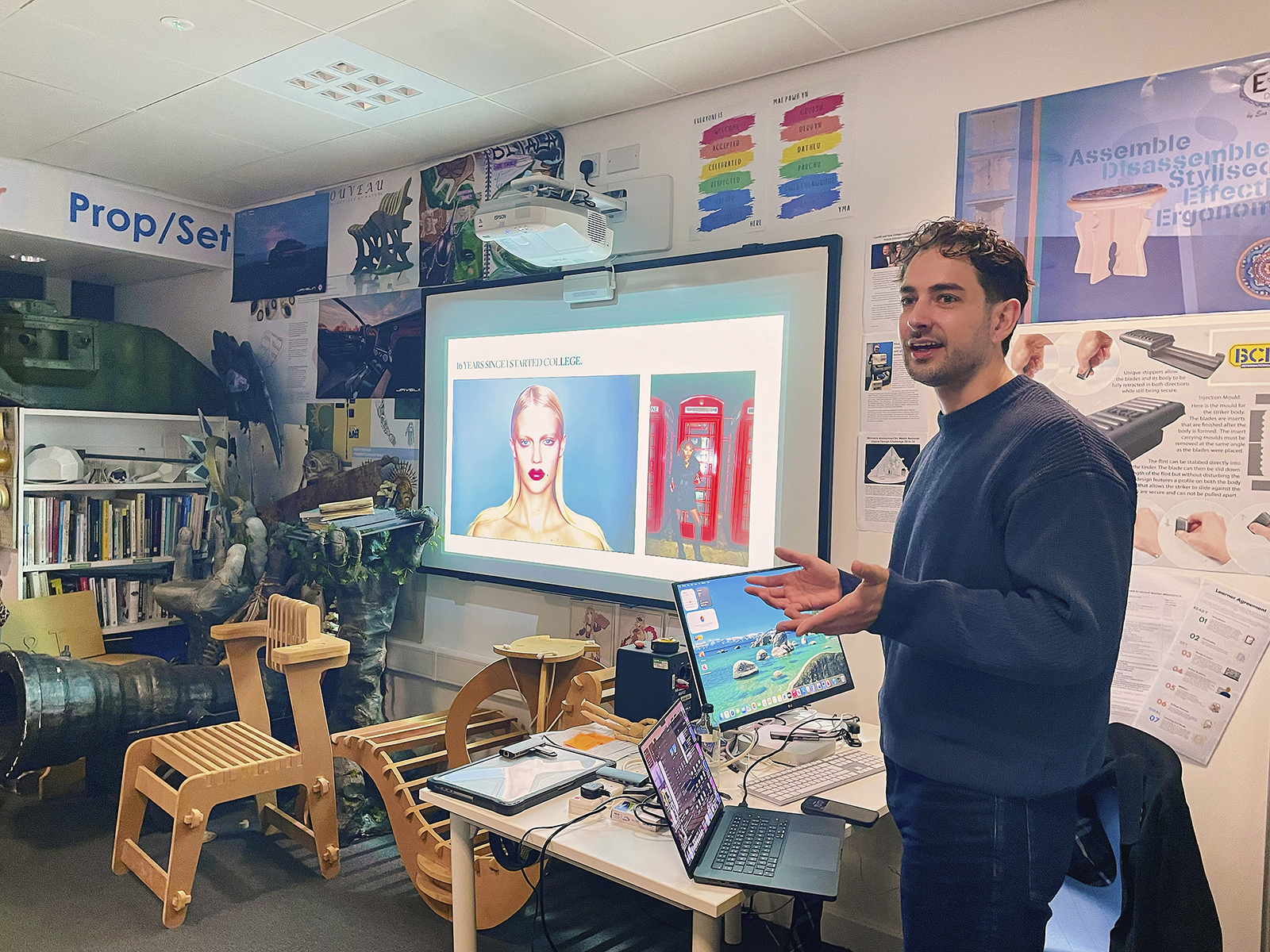
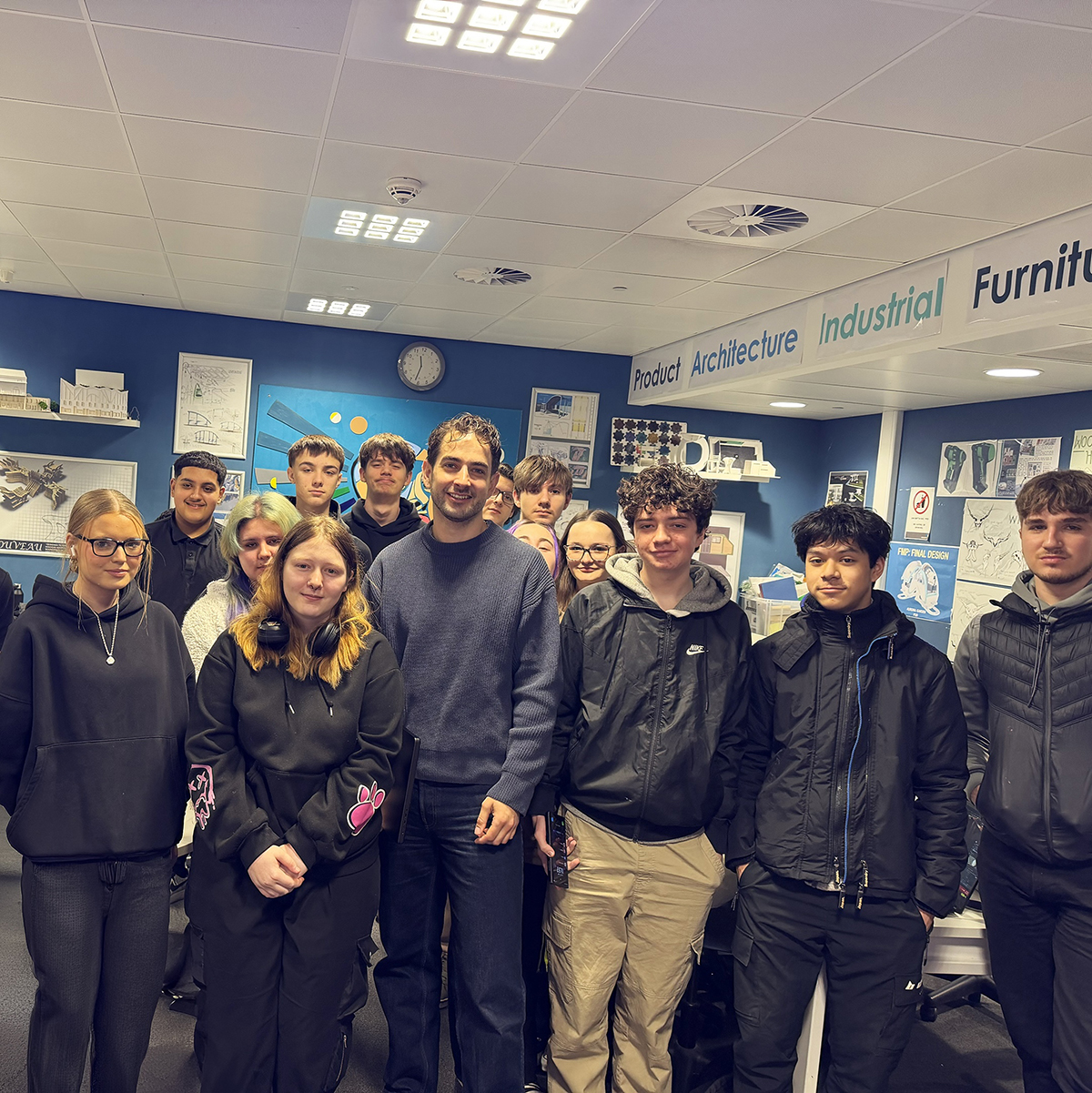
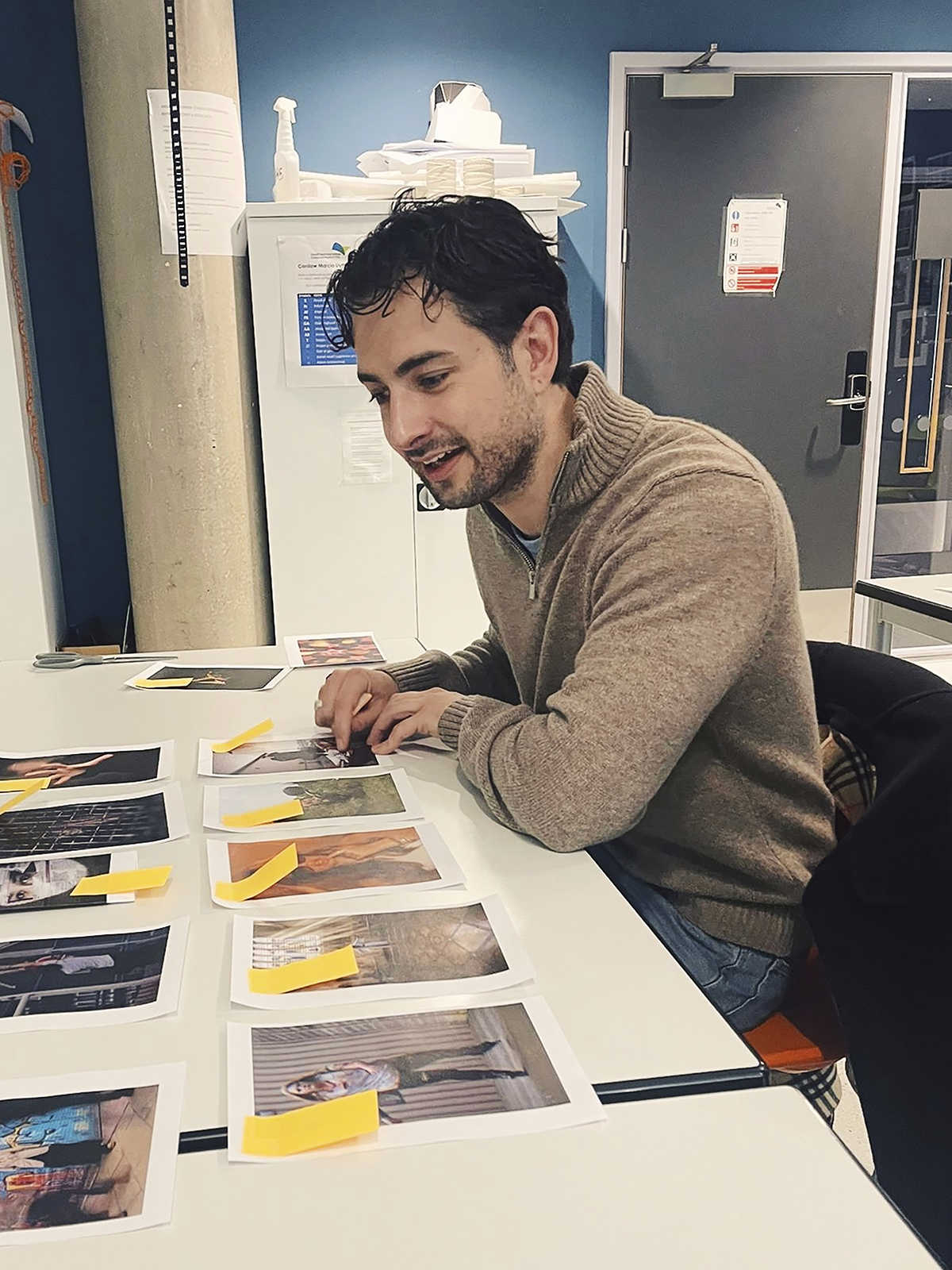
As part of the exhibition, I’ve gone back to Cardiff & Vale College and done a three month mentoring programme with the students. I’ve told them about my journey, me coming from the same place as them going off to live in LA and work as a photographer. I gave them their first professional brief, and they all went off and shot their different responses. I went back and looked at their different images and gave them some feedback, and then we picked the top 12 and I’m going to exhibit them in the exhibition on a wall alongside my work. It’s really important to me to give back to the next generation and inspire them.

Your project To Live and Try in LA captured young creatives in the midst of chasing their ambitions, from musicians to athletes and filmmakers. What drew you to documenting that particular moment of collective striving?

I’ve always been a believer in dreams and having dreams, but also supporting dreams, right? That’s why this project in Barry has been quite interesting, because that’s where I started dreaming. When I went out to LA I guess I found myself in this network of people and I started connecting with different people, but we were all in different spaces, everyone was doing different things, but I realised that the one thing everyone had in common was this collaborative nature to really work together, to support each other and to push each other’s dreams. That’s kind of how To Live and Try came about. I feel proud that I come from a small town and I’ve taken my work across the pond to LA, but then I feel even prouder that I can bring that back home, and I can put that lens back onto where I’m from. I think bringing it back the other way has actually been in a lot of ways more exciting.

Could you tell me a bit more about the project Otrovert?

It’s called Otrovert, a personality that’s been coined recently. It breaks away from your traditional introvert or extrovert personalities. The attribute describes individuals who don’t fit neatly into the traditional introvert and extrovert categories, but instead feel most at home in the “other” space. It’s rooted in the Spanish word “otro” and the Latin word “vert” meaning “to turn an object”, so an otrovert is someone quite literally facing a different direction. It’s a personality characterised by emotional independence, a preference for deep one-on-one connections over group belonging, and a quiet sense of being an outsider.

That makes sense. And is that something you identify with yourself?

I identify with it myself, yeah – I’m very confident but then I’m also very quiet in certain situations. I feel like people say “are you an introverted extrovert or an extroverted introvert?”, but actually when I read about this, I was like this more describes me and who I am, but it’s also certainly a way to describe all these people I’ve worked with. I’ve seen everything from a really small working class town, all the way to Hollywood, but within that space there’s so many things that still connect each human, and a personality type like this really does make you realise how a lot of us are all the same and we could connect more if we actually tried to look a little bit more into who we actually are.

Smaller Welsh towns are often overlooked in cultural narratives. What felt important to you about placing Barry, and the people within it, at the centre of this project? Can you share some examples of the communities and characters you’ve featured in the work?

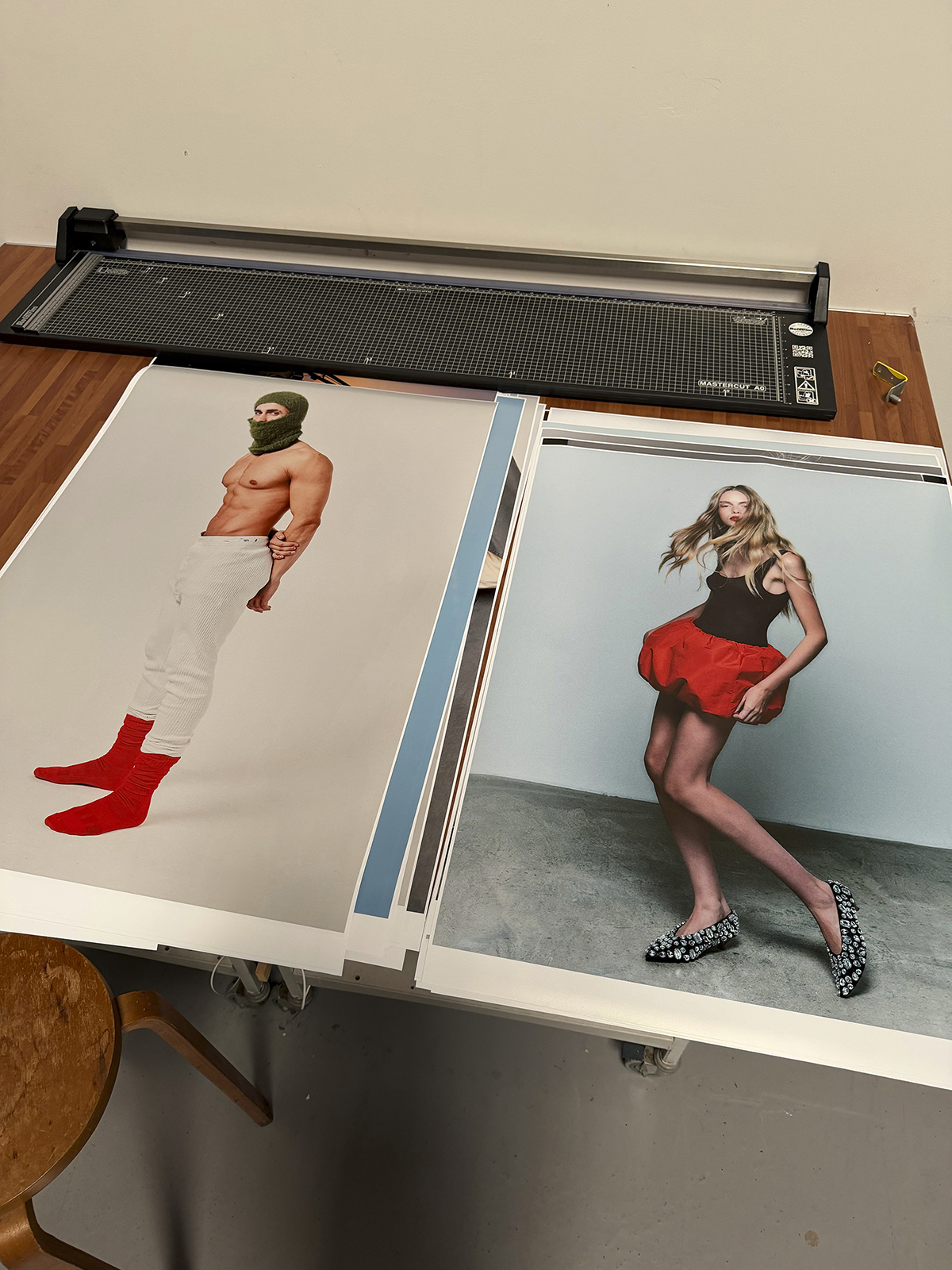
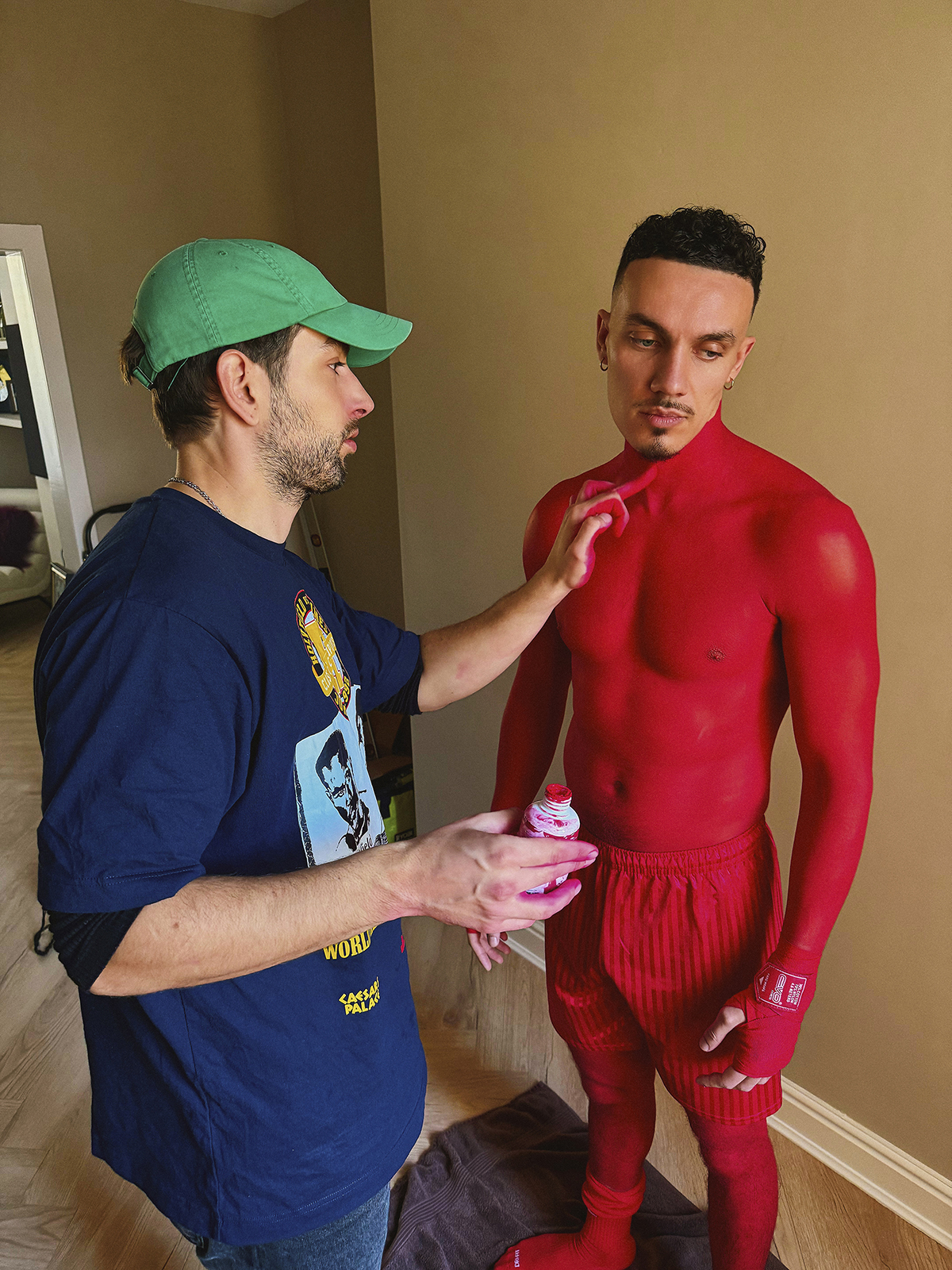
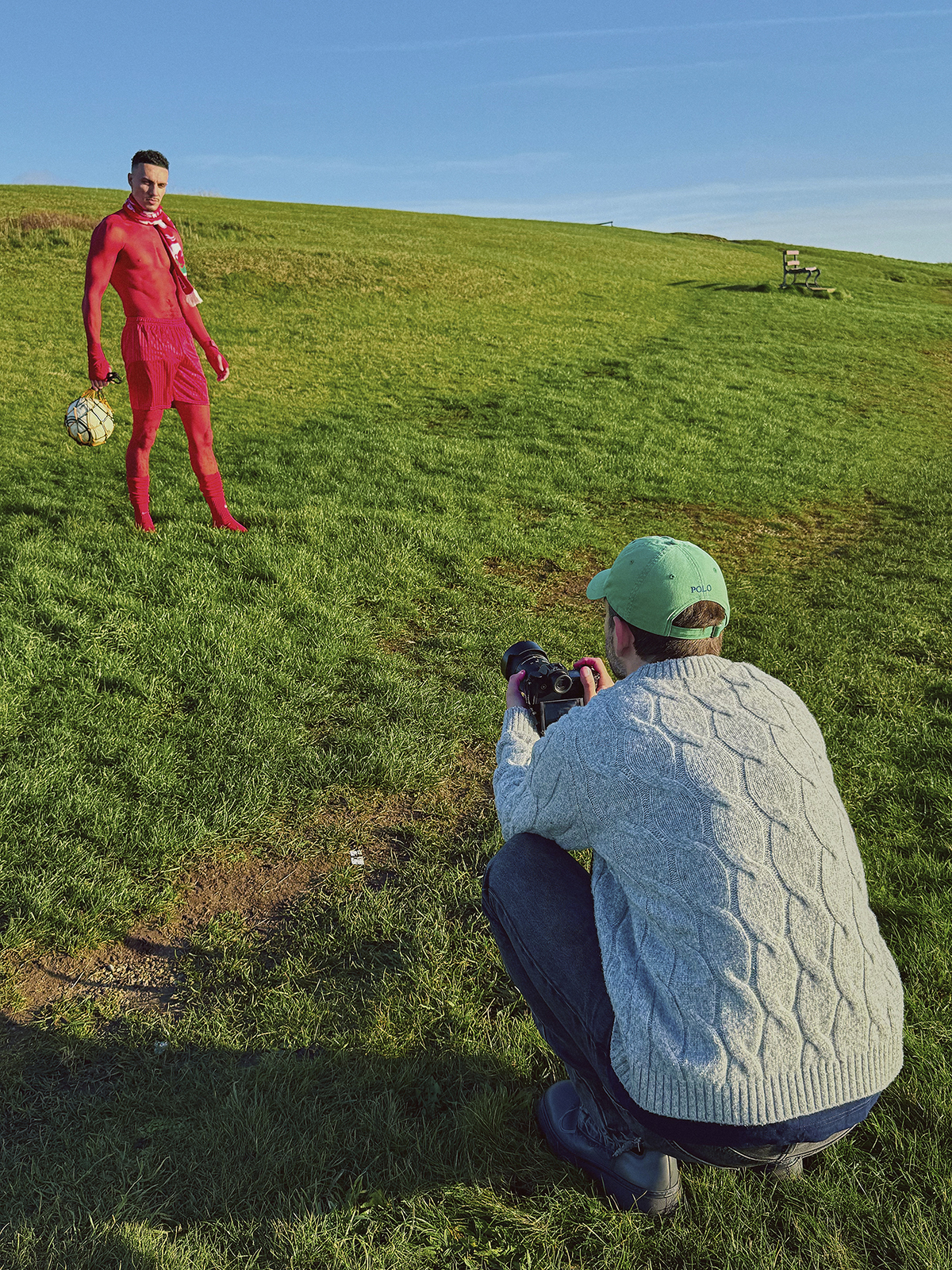
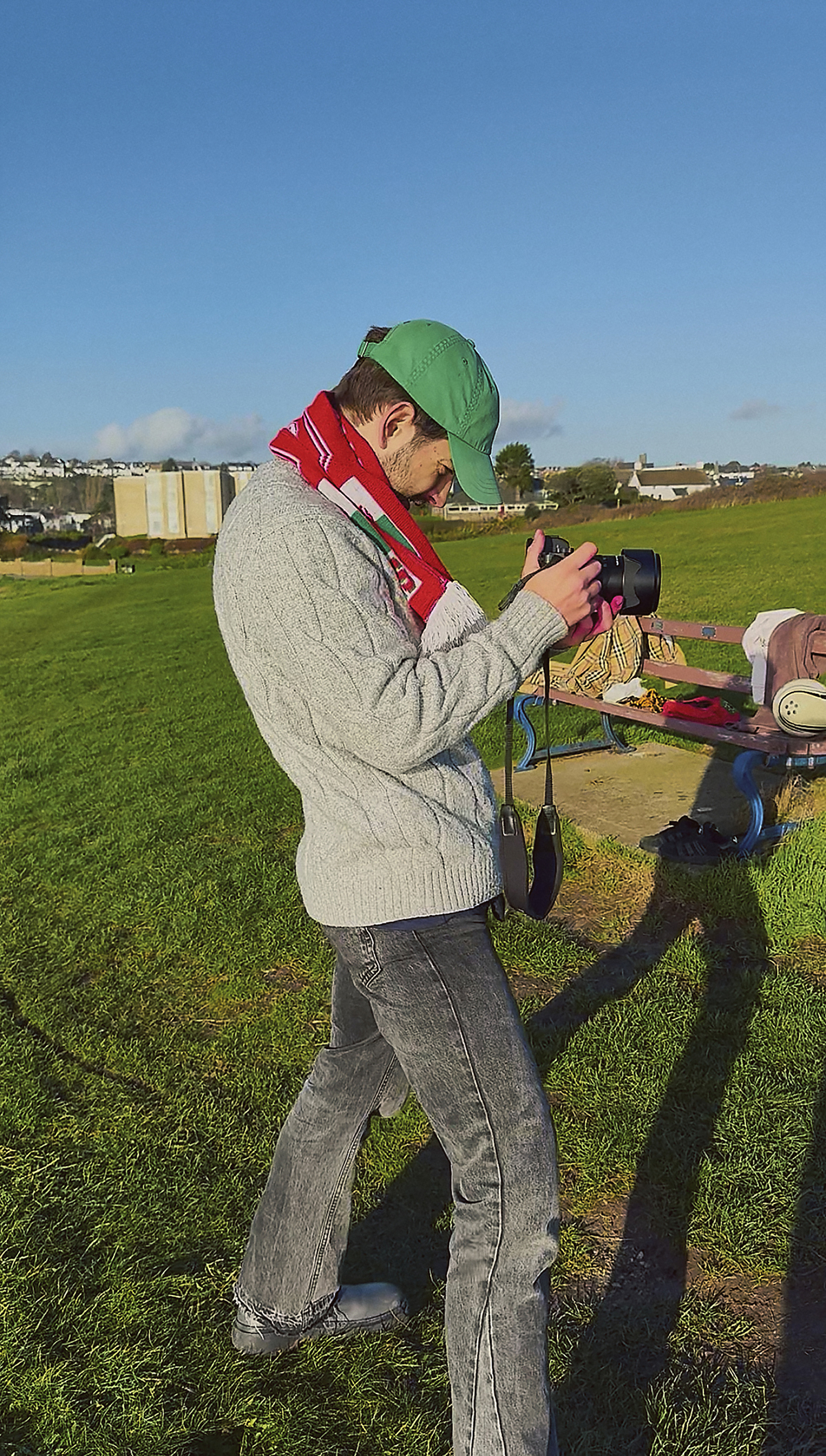
What’s been quite fun is going back to some of my original best friends from when I was a kid, and shooting them in this fashion editorial style, ways I would shoot for any magazine or celebrity. It’s been a really great reminder that no matter how far you go in the world, you can come back to home and those people you connected with as a kid. They’ve really come through in terms of supporting the whole show – it’s been daunting and there’s a lot of pressure doing something like this – they’re the ones that have actually really come through for me. So that’s been one of the most special parts of this. They’ve really helped from casting the shoots to just like the finer details of producing the show, like pulling in local vendors and local DJs and making it so it’s very much an extension of the Barry community.

I think when I was there, my idea of success was getting as far away from home as possible, literally the other side of the world. It wasn’t until I got to America and LA that I felt successful, so you almost reject home and you almost don’t want people to know where you’re from because that, to me, felt like it was holding me back. You feel that you’ve almost worked so hard to get away from there, because I felt like there was less opportunity for me as a photographer. However, coming back home I have realised how much Barry helped shape me and prepared me to chase my dreams. It’s a really special place and I feel connected to it in new ways.

The collaboration with JACK ARTS also places some of the images on billboards in Cardiff, turning the city into a kind of outdoor gallery. What interests you about showing work in public space rather than traditional art venues?

Billboards are iconic in LA. The Sunset Strip is one of the most iconic roads in Los Angeles, and it’s built on billboards and advertising space, the whole road you go down. I’ve had work on the Sunset Strip before, but there they were experiencing my work as an advert, so to bring it back home in the same set up, they’re experiencing my work as art. That for me is super, super rewarding.

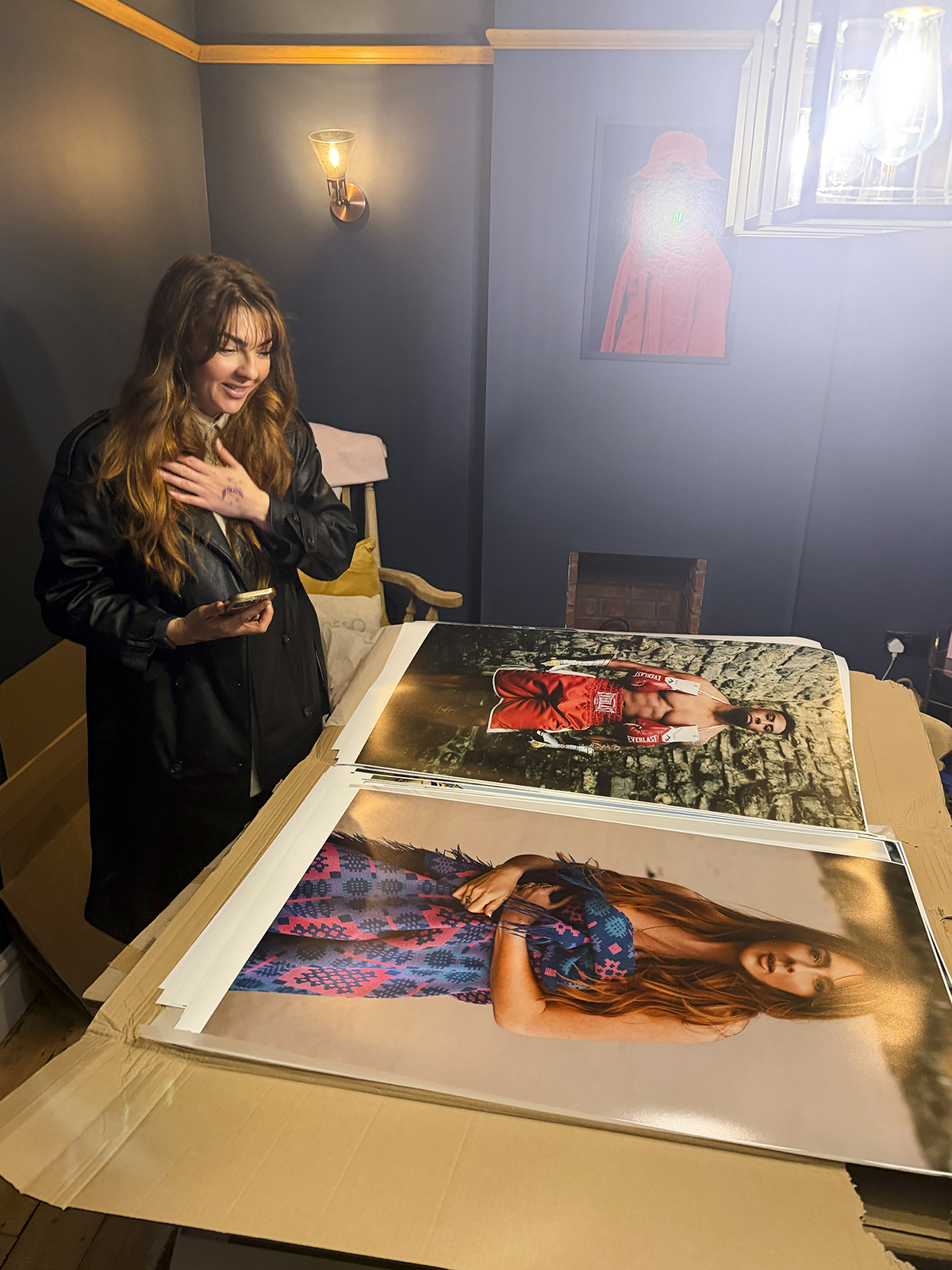
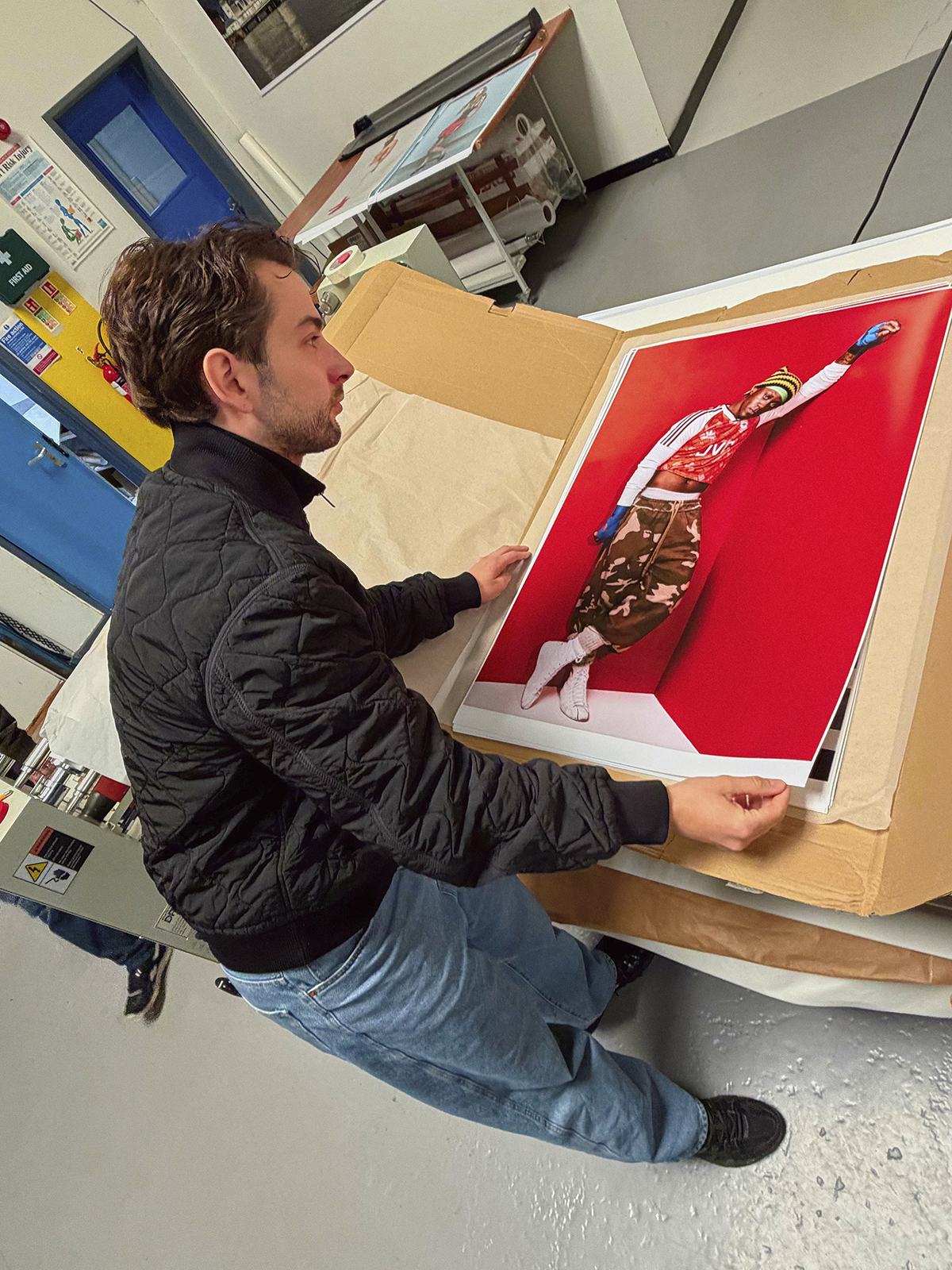
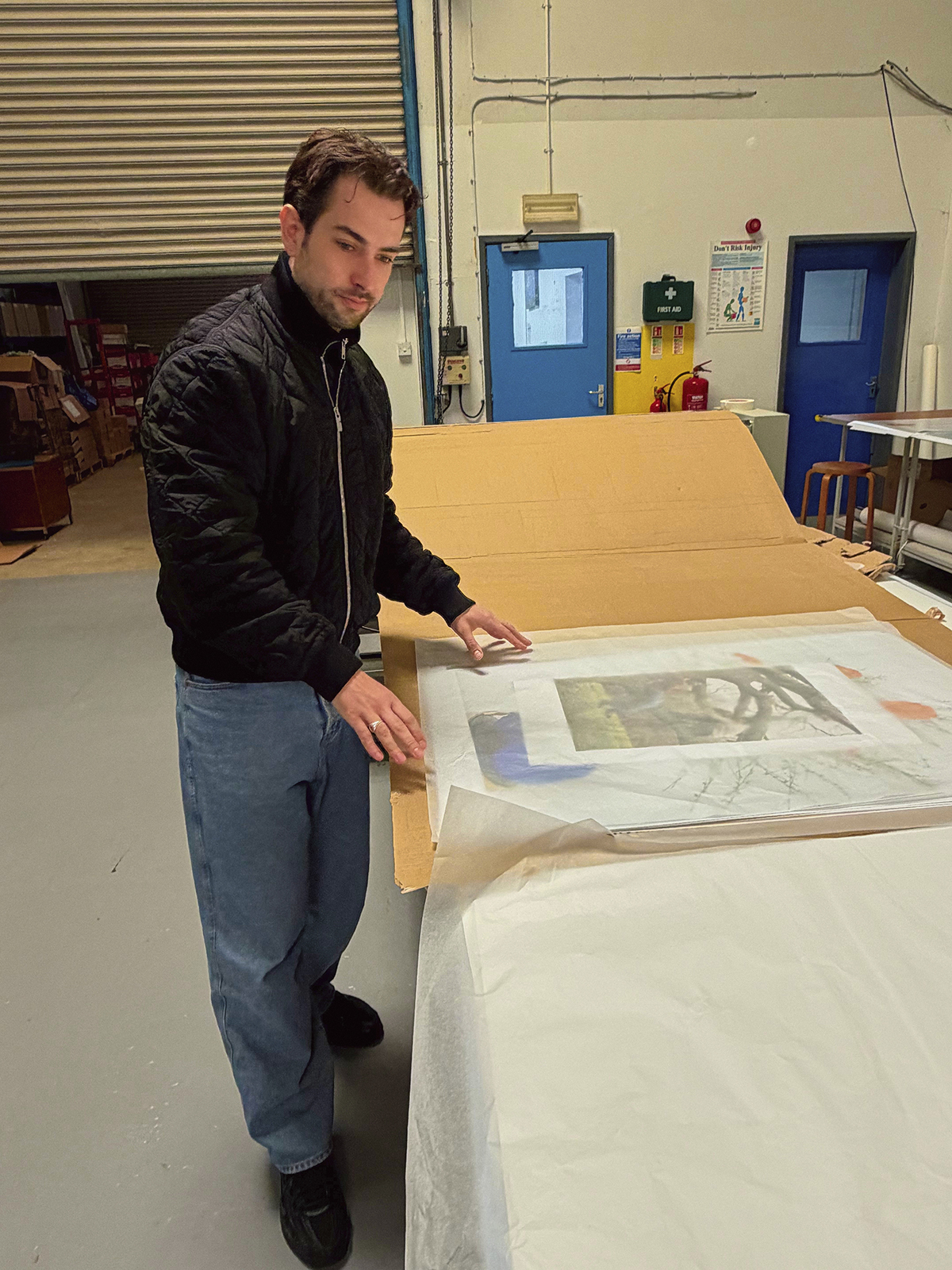
I also don’t want everyone to only ever experience my work on the size of a phone, I want them to experience it on a large scale and in print. That’s the impact of a portrait. You can’t really connect fully with it when it’s small on a phone. I want to put local people up on billboards, to celebrate them in their town and their city. How amazing that I get to put up people on billboards that I grew up with?

Looking at the journey from Barry to London, Los Angeles and now back again, what are your reflections on the project, and what conversations do you hope this exhibition sparks for people in the community who come to see it?

There were lots of other things growing up that made it very hard for me to connect with Barry. Being diagnosed with a chronic illness at 17 and also going through a physical assault was pivotal for me and pushed me away to Cardiff to get away from Barry. A lot of these things made me struggle with the place. It’s been good to go back and connect with it positively. It brings it back to this story of how it’s okay to be different. I think it should be a really positive moment for the community, and I’m excited to see the response to the work.

At its heart, Otrovert is a celebration of individuality, of difference, of all the strange and wonderful ways human beings choose to show up in the world. Famous or not! The portraits in this show are full of people who are unapologetically themselves. People who face a different direction and have learned, or are learning, to be proud of it. If someone walks into Art Central Gallery feeling a little low and walks out feeling a little lighter, a little more seen, a little more permission to be exactly who they are then this exhibition will have done everything I ever wanted it to do.

This show is for every kid who was ever told to be more realistic. I see you. I was you. And look where we are now.

Exhibition supported by Jack Arts, Vale Of Glamorgan Council, Berry Smith Solicitors, Giovannis Cardiff, Cardiff & Vale College.

Previous article

Marathon Season: Hit The Ground Running

Next article

Partnerships

Championing Festival City Stories with the Edinburgh Sketcher