Newsletter

Join our mailing list for latest news and features

Build Hollywood

Build Hollywood

Build Hollywood

Build Hollywood

Partnerships

New Photography & Film hub POST champions nature in a new weekender

The recently established arts space is staging an Earth Day event along with a BUILDHOLLYWOOD collaboration that brings a sliver of nature into the urban environment

The latest addition to Brighton and Hove’s creative landscape comes in the form of POST, a photography and film studio launched by two people who have been immersed in the photography world for decades.

One of POST’s co-founders is Nina Emett, a documentary photographer and social entrepreneur whose work is intertwined with the charity sector – from taking on commissions for NGOs to co-founding refugee and mental health charities and launching her own photography social enterprise, FotoDocument. Designed as an “antidote” to the negative news cycle, FotoDocument champions and commissions visual media focusing on uplifting, impact-driven narratives and solutions to pressing global issues and includes an international women’s award. Fellow POST co-founder Simon Roberts is a practising photographer who focuses on “the social construction of landscape”, and how it relates to politics, economic conditions, and the “thorny issue of British identity”. He has also been an advisor to Emett’s photography organisations and a trustee of one of the UK’s leading photography charities, Photoworks.

Having both noticed a lack of support and spaces available to lens-based artists in the Brighton and Hove area, they decided to channel their joint industry experience into creating a new space that caters to artists’ needs and, crucially, can survive in the long-term. Its services include practical offerings like photographic facilities, equipment and studios, but they’re also passionate about fostering a sense of connection and delivering creative nourishment in the form of exhibitions, workshops and talks.

22.04.26

Words by Megan Williams
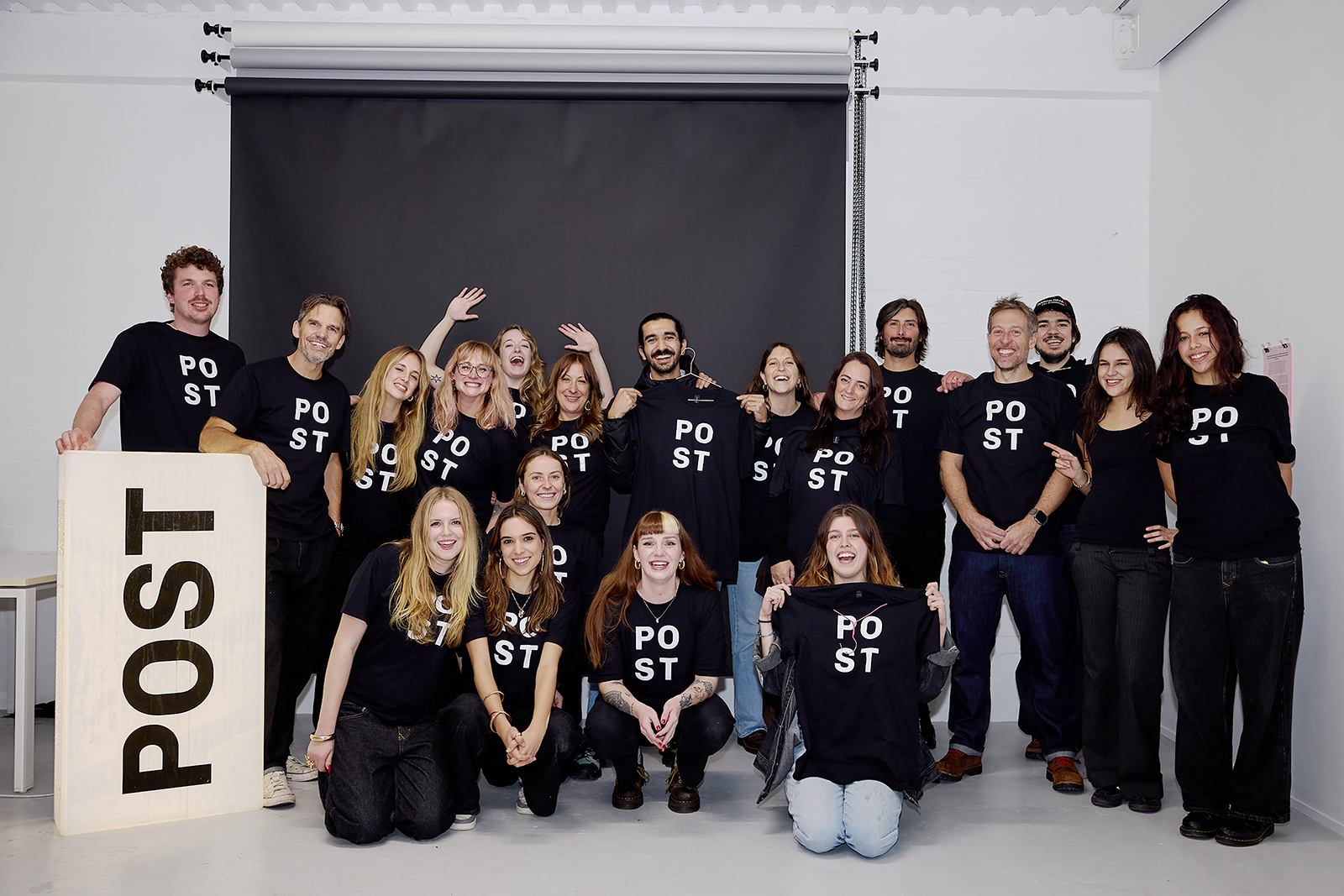
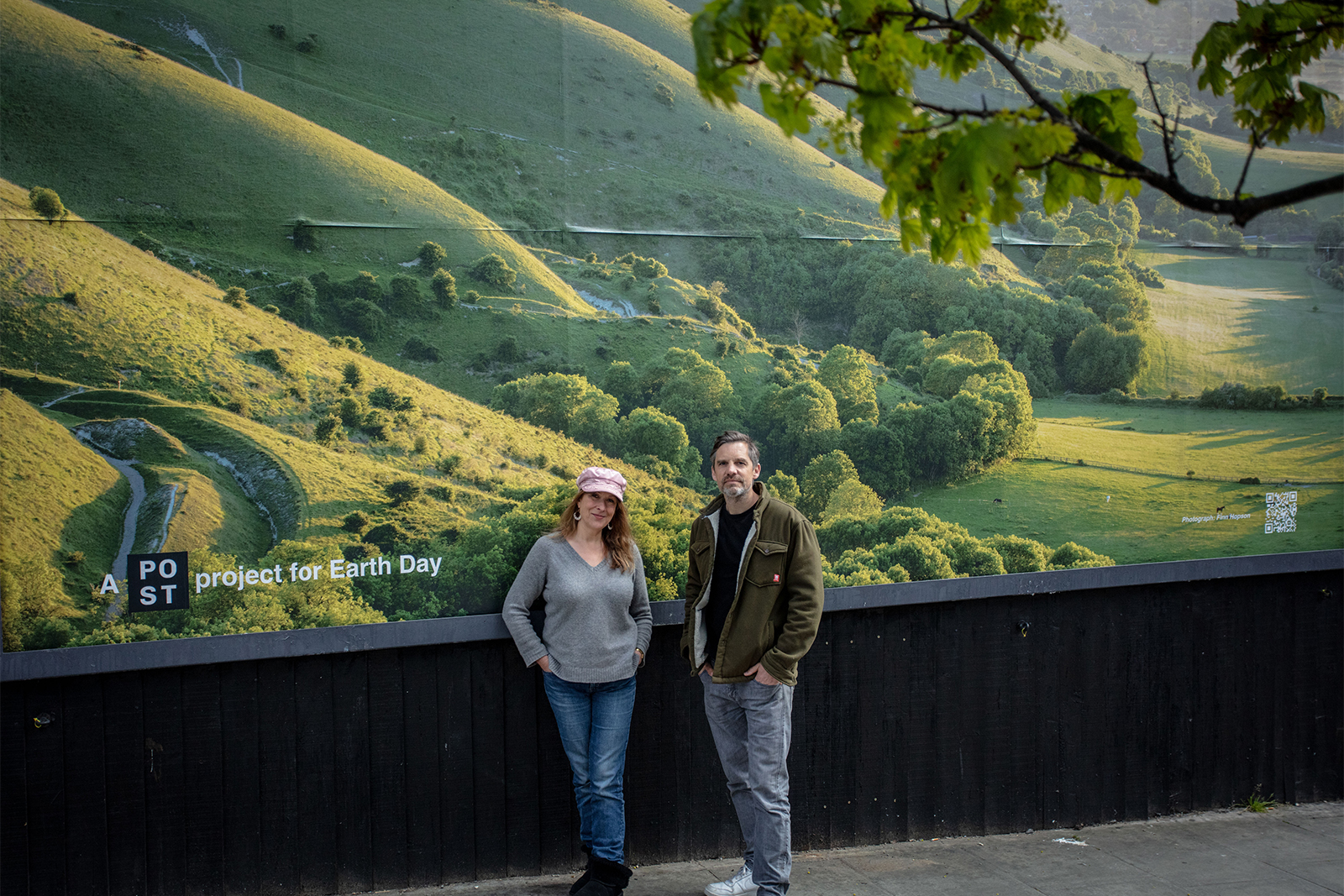
Nina Emett & Simon Roberts
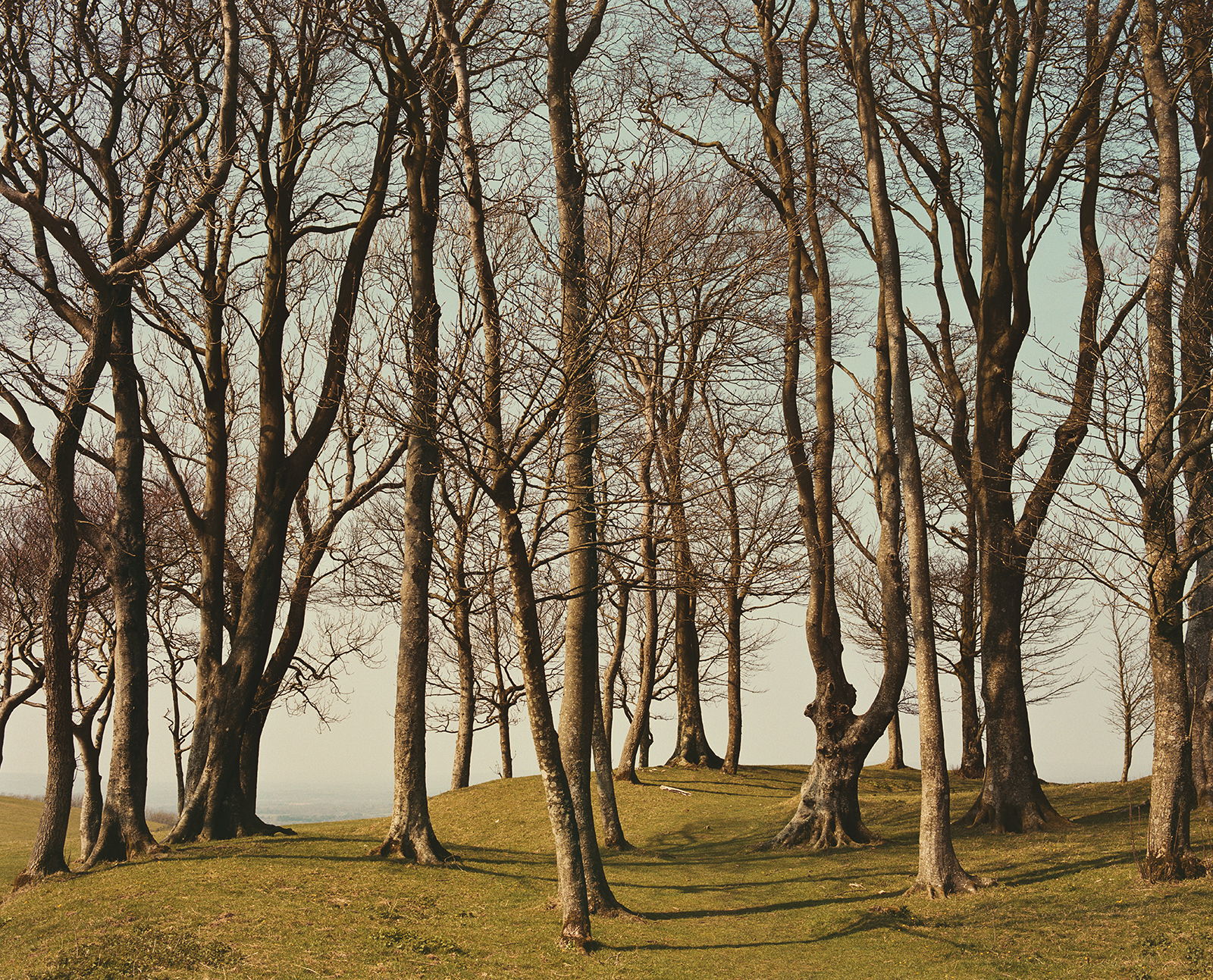
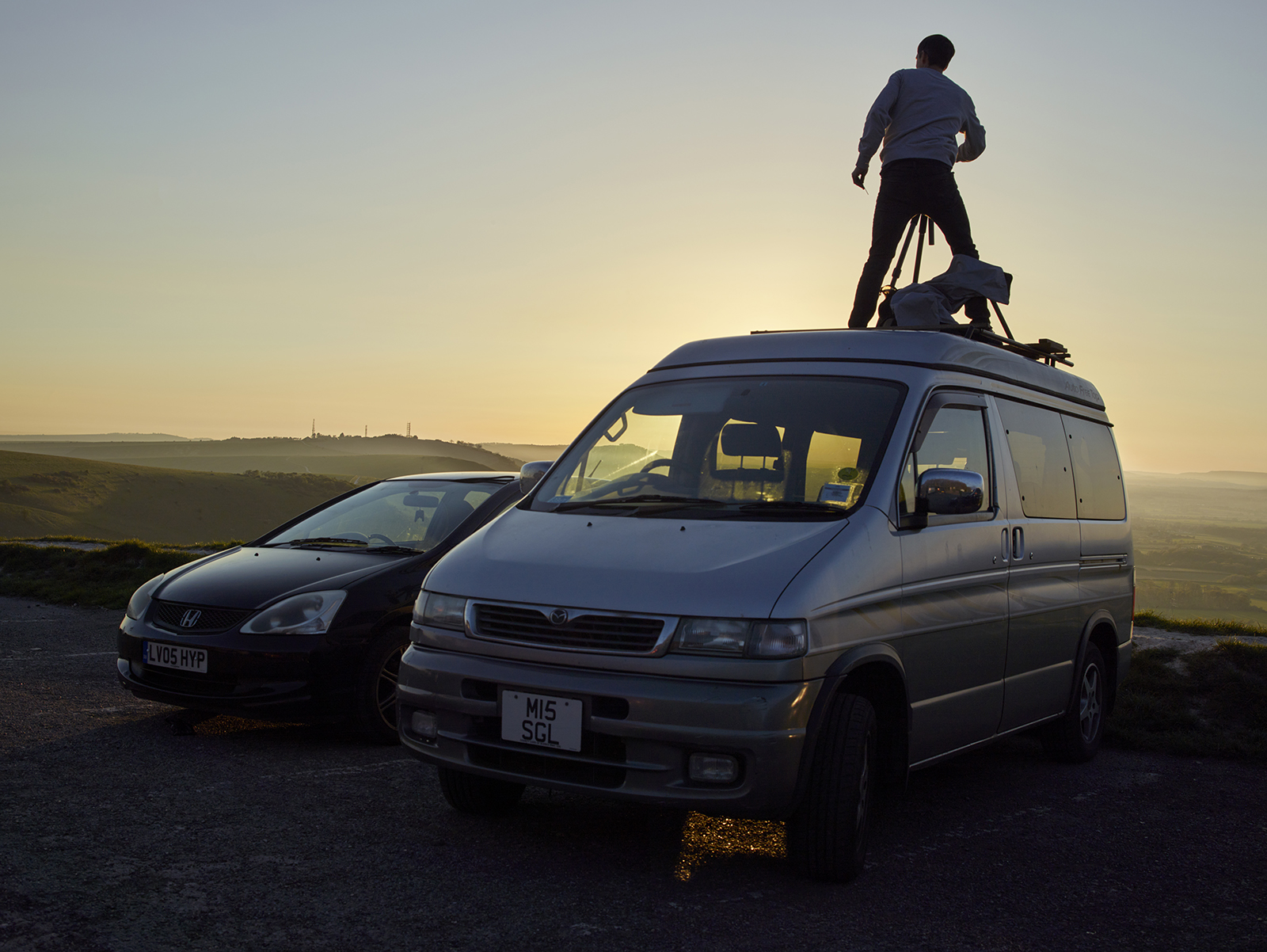
Artist Proof, Devil's Dyke, Sussex Mounted print of 'South Downs Way, West Sussex, 8 October 2007' in location at Devil's Dyke where original photograph was taken. Photographer: Simon Roberts assisted by George Collins.

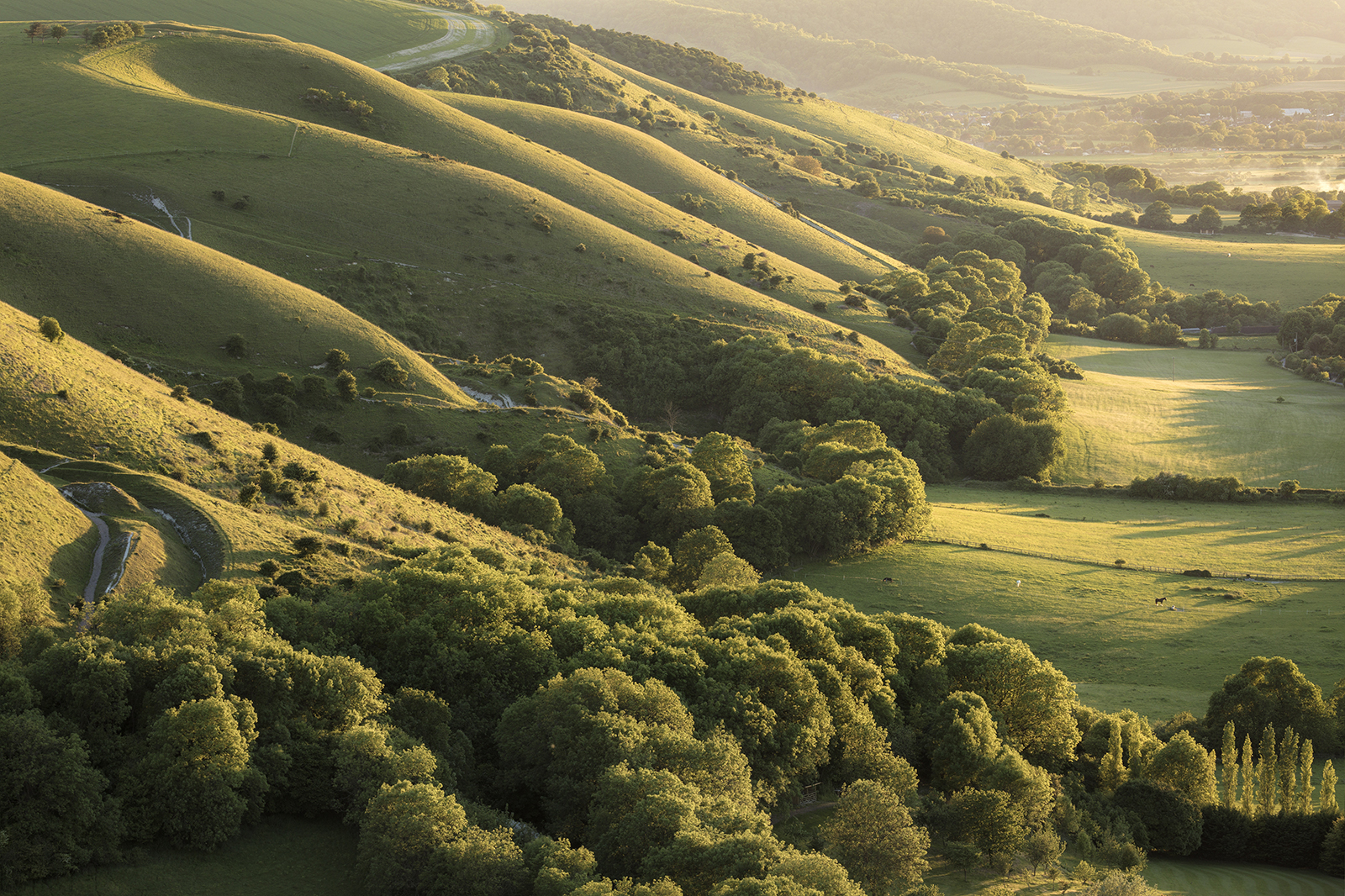
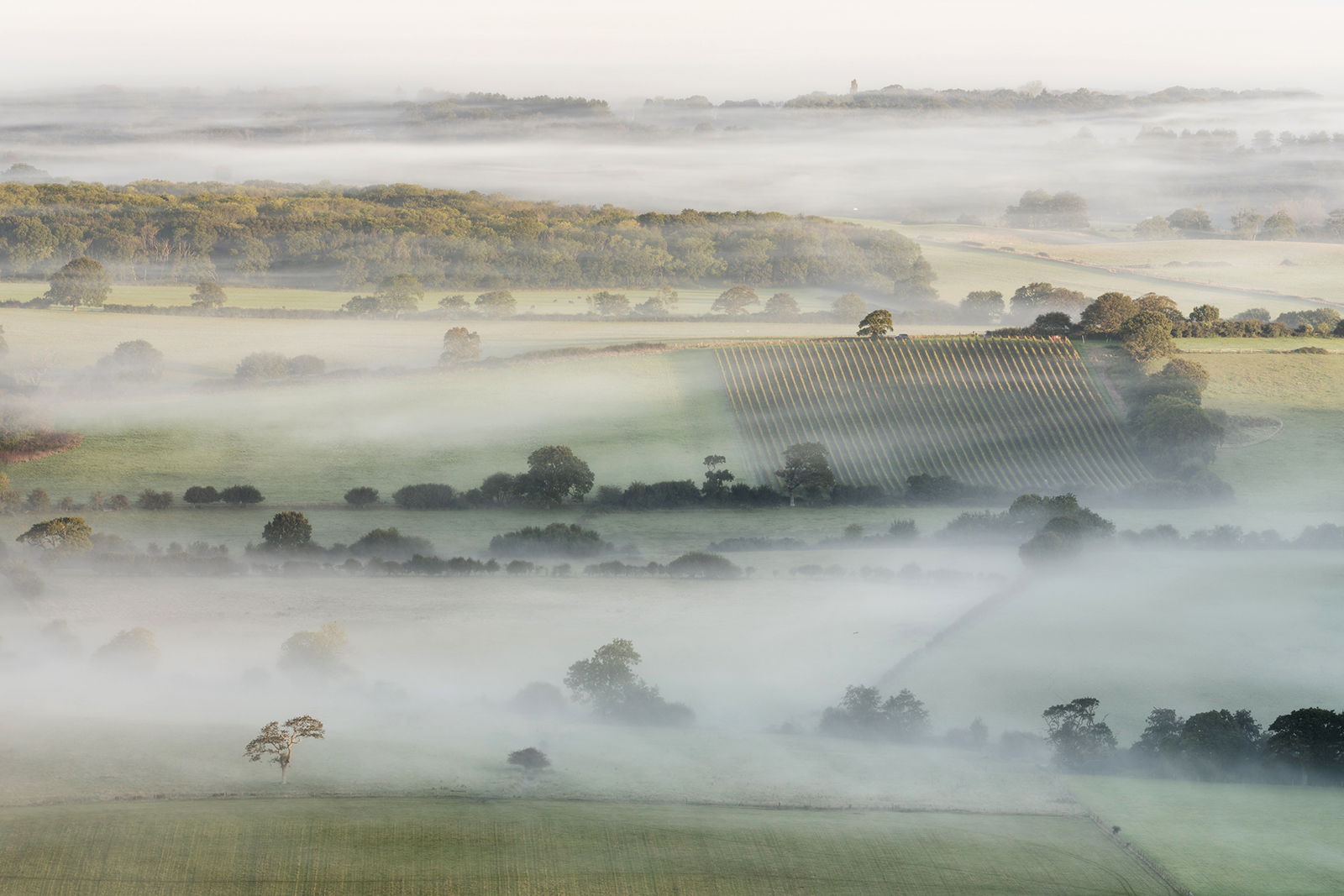
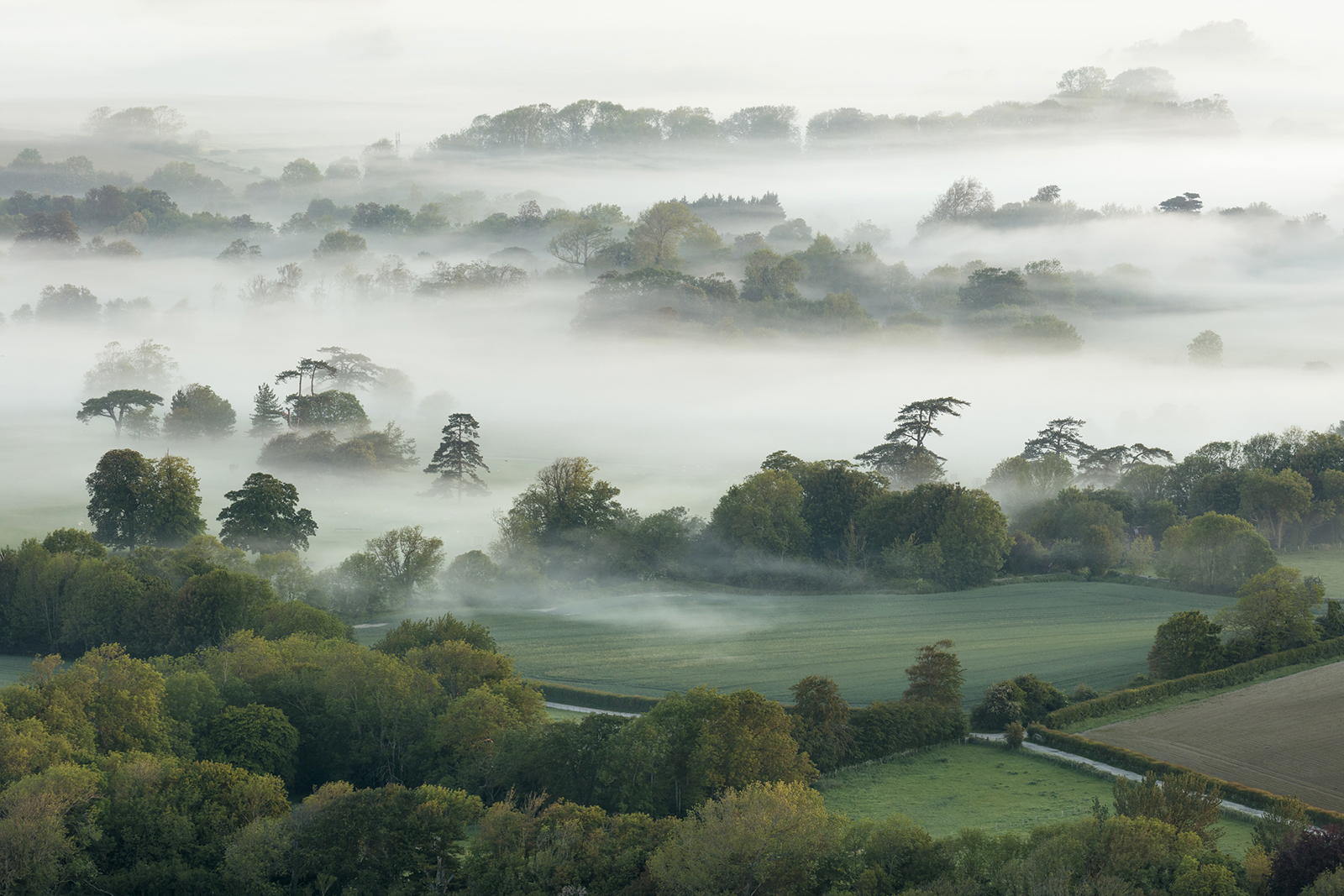
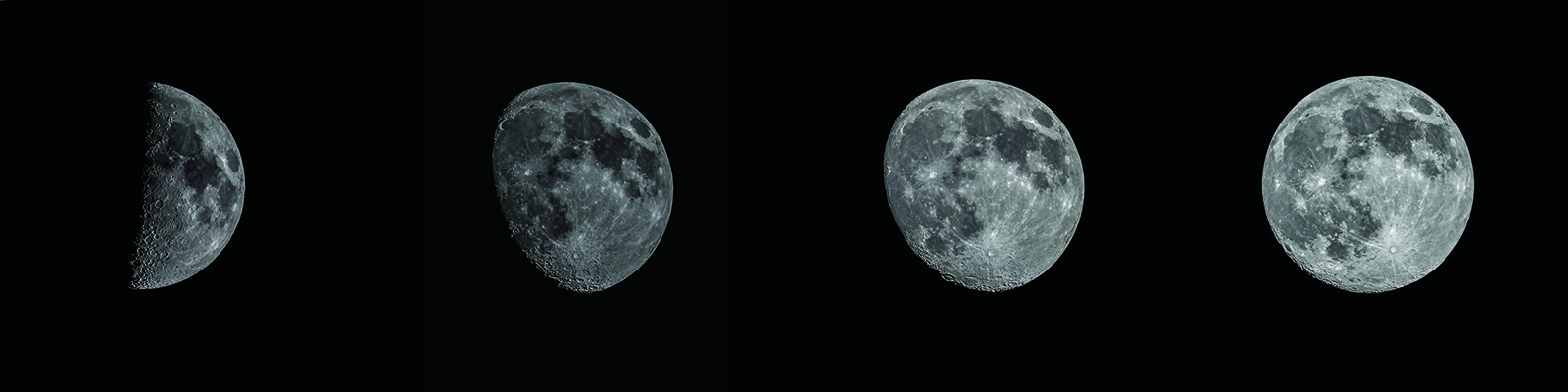
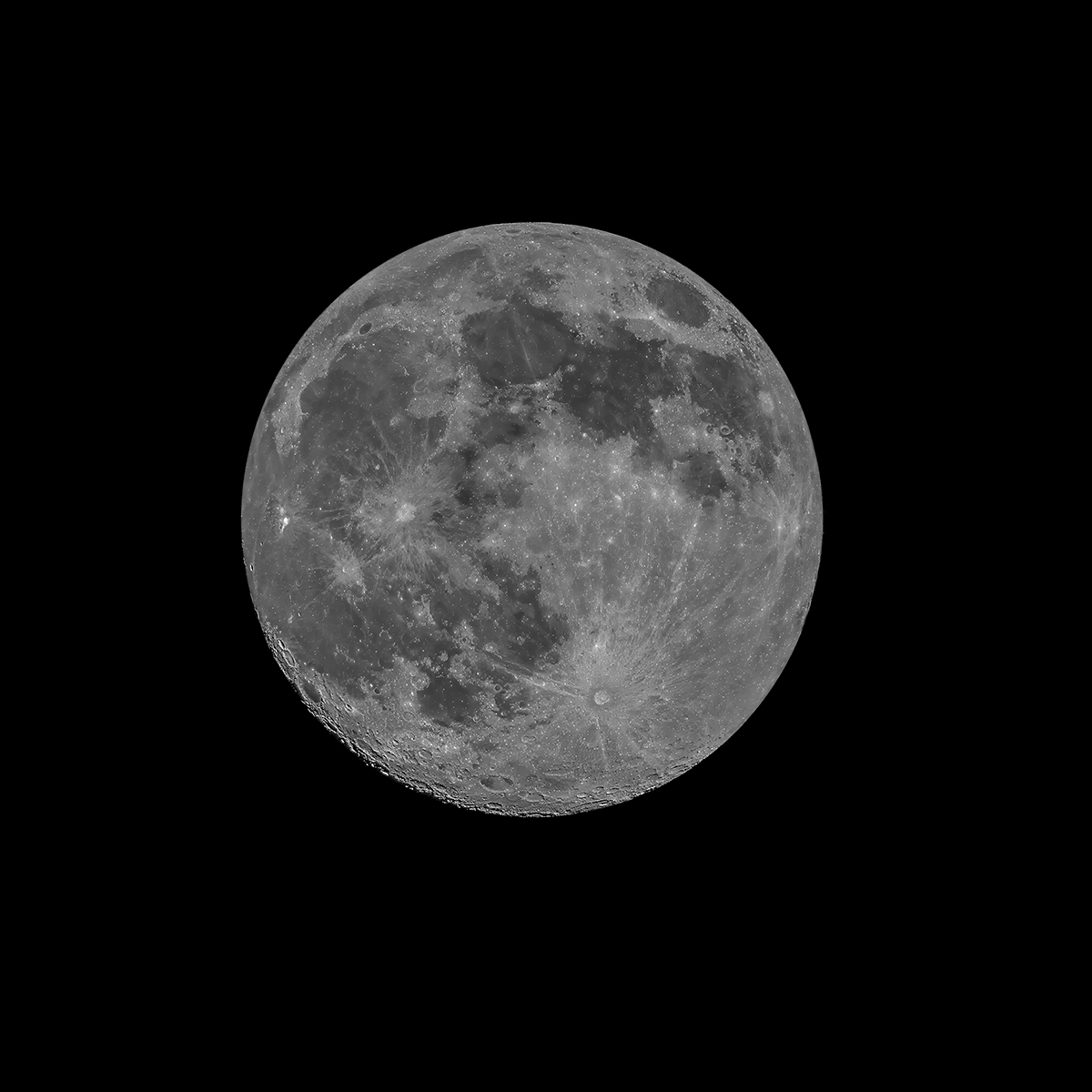
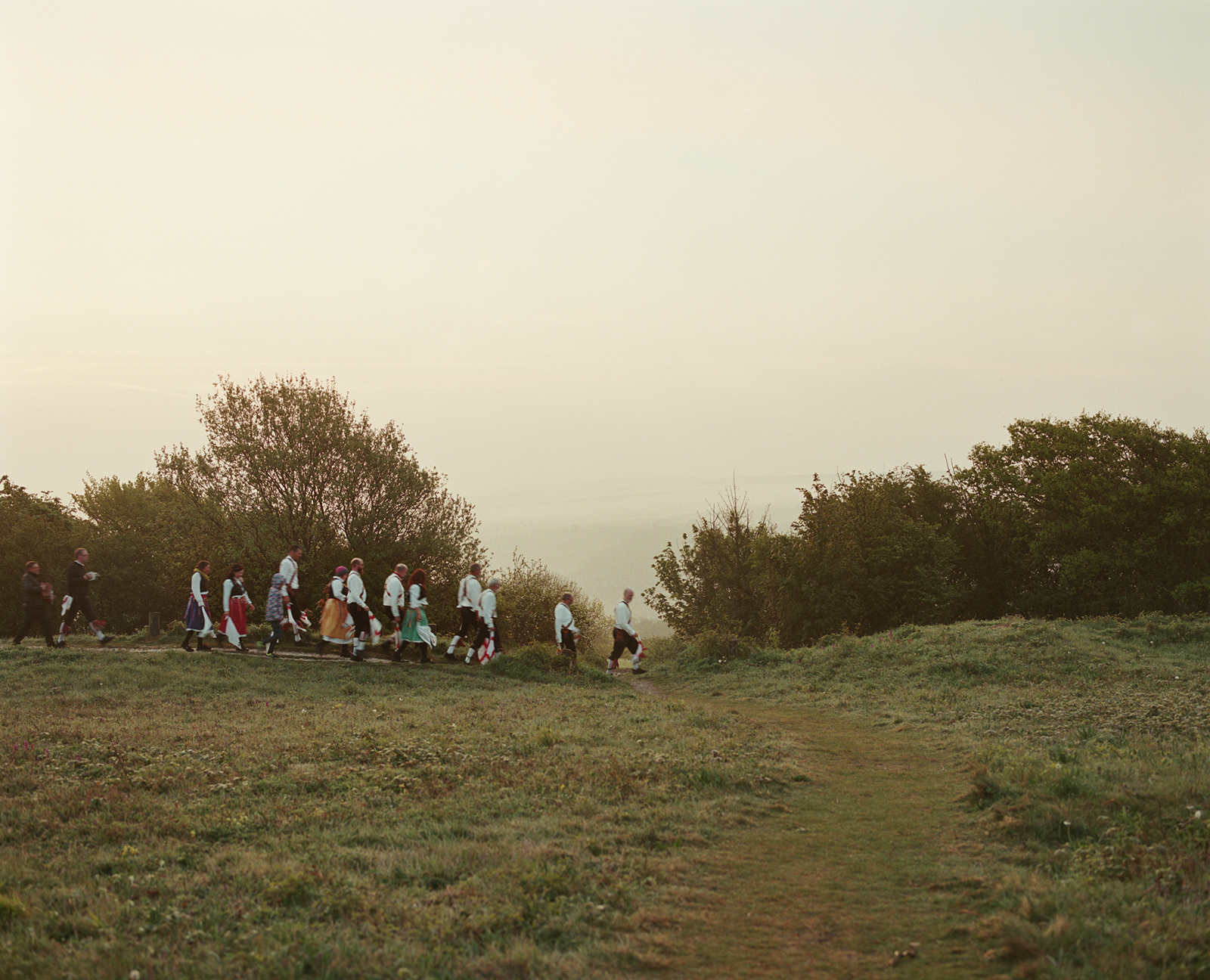
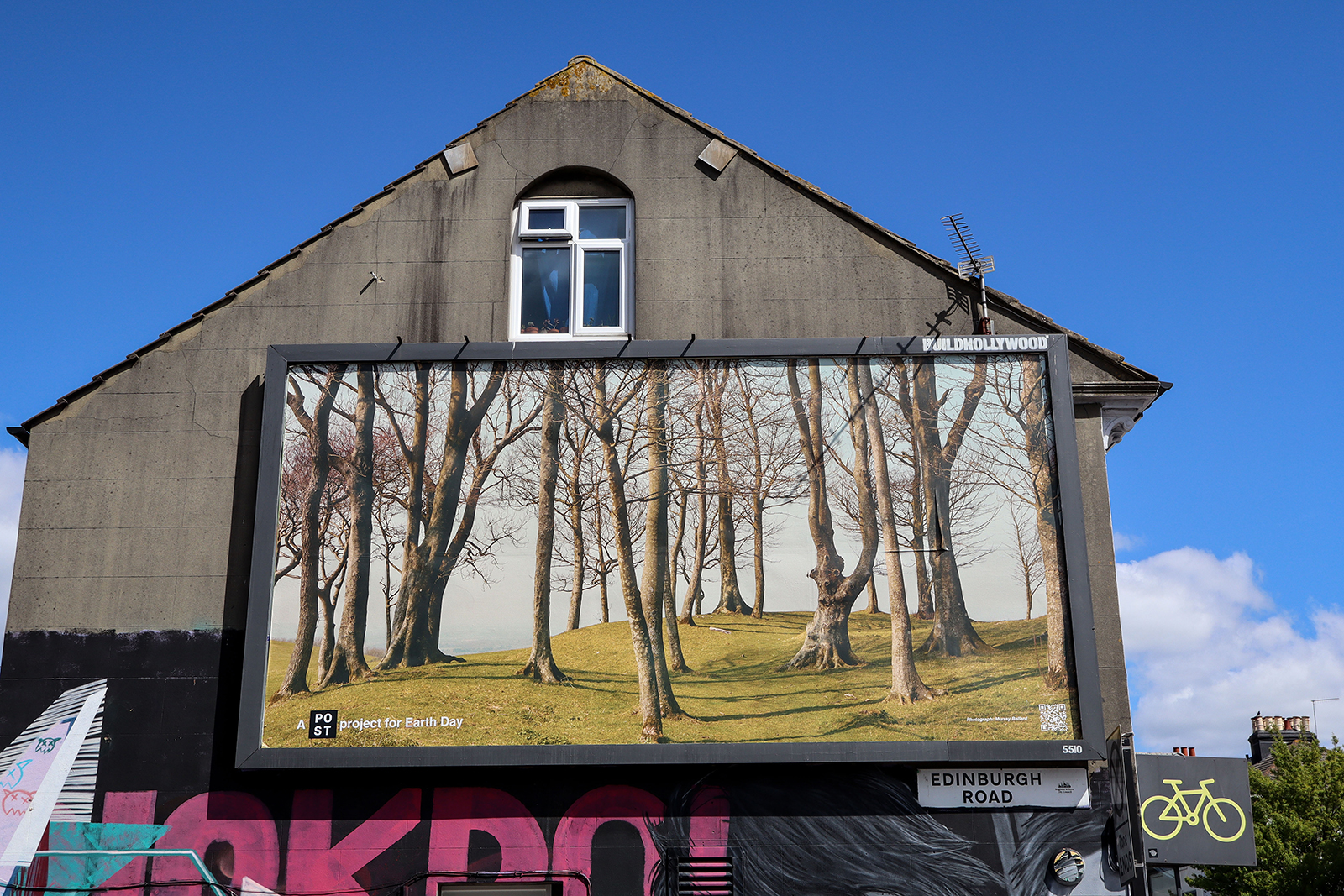
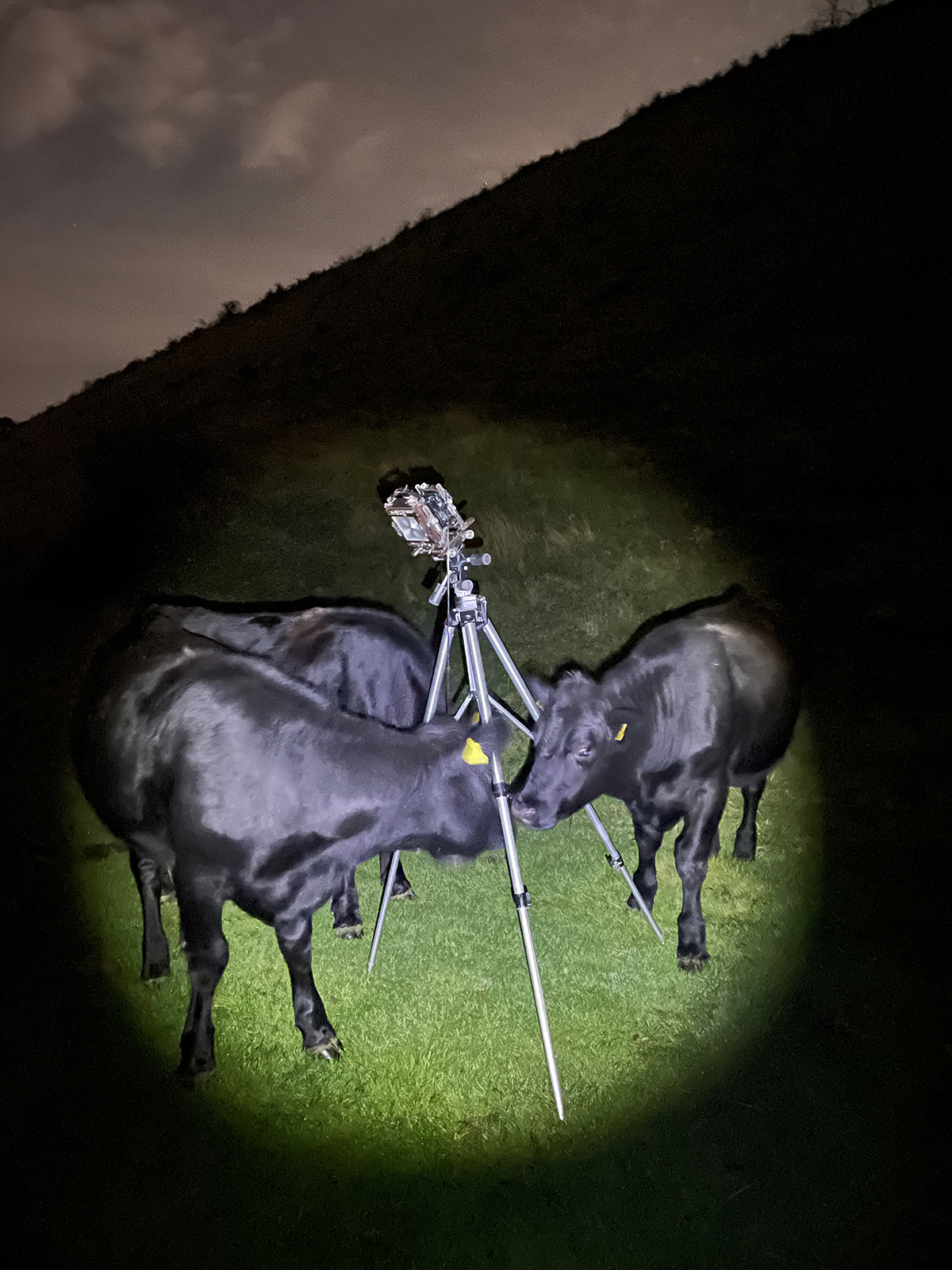
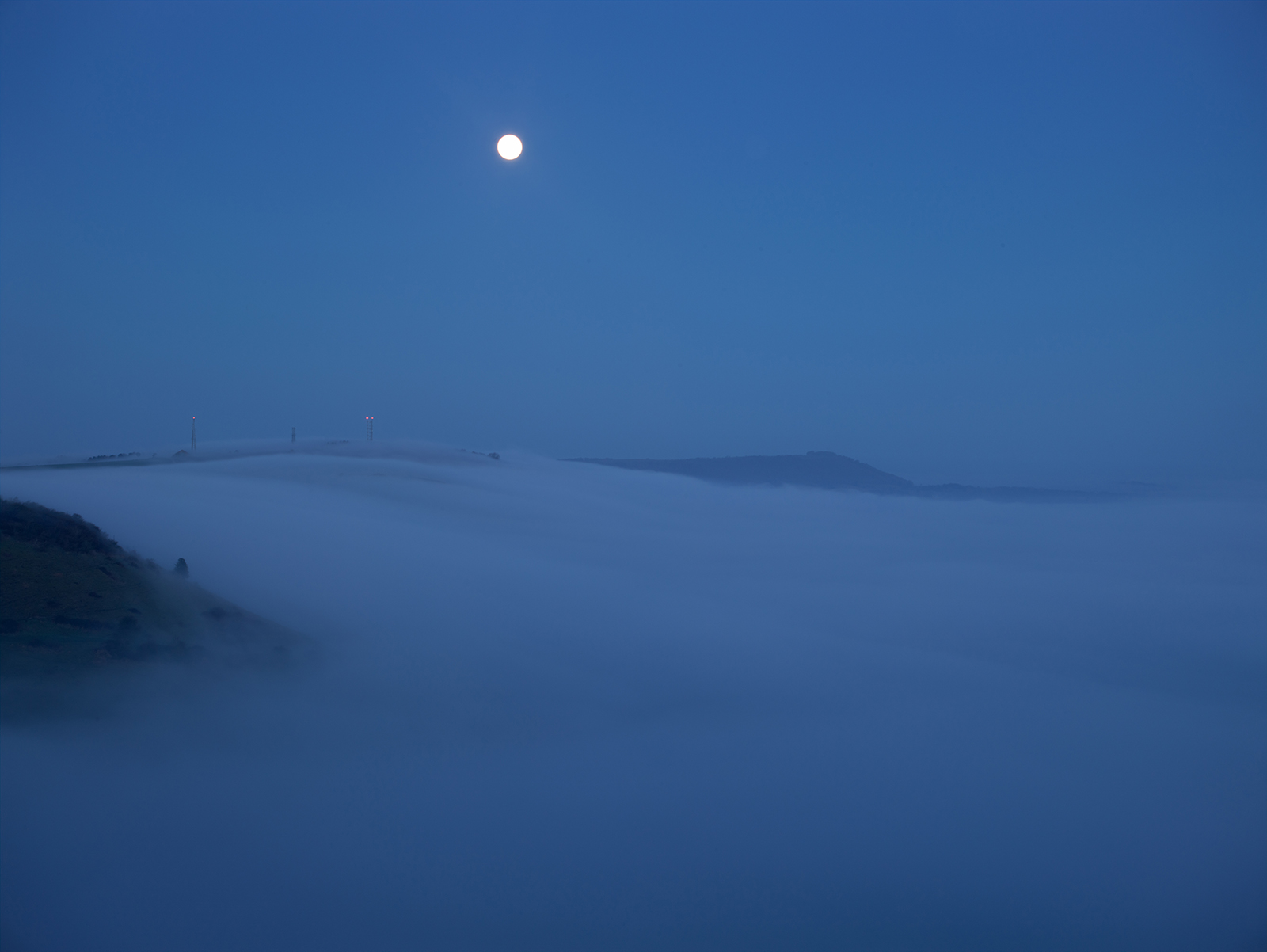
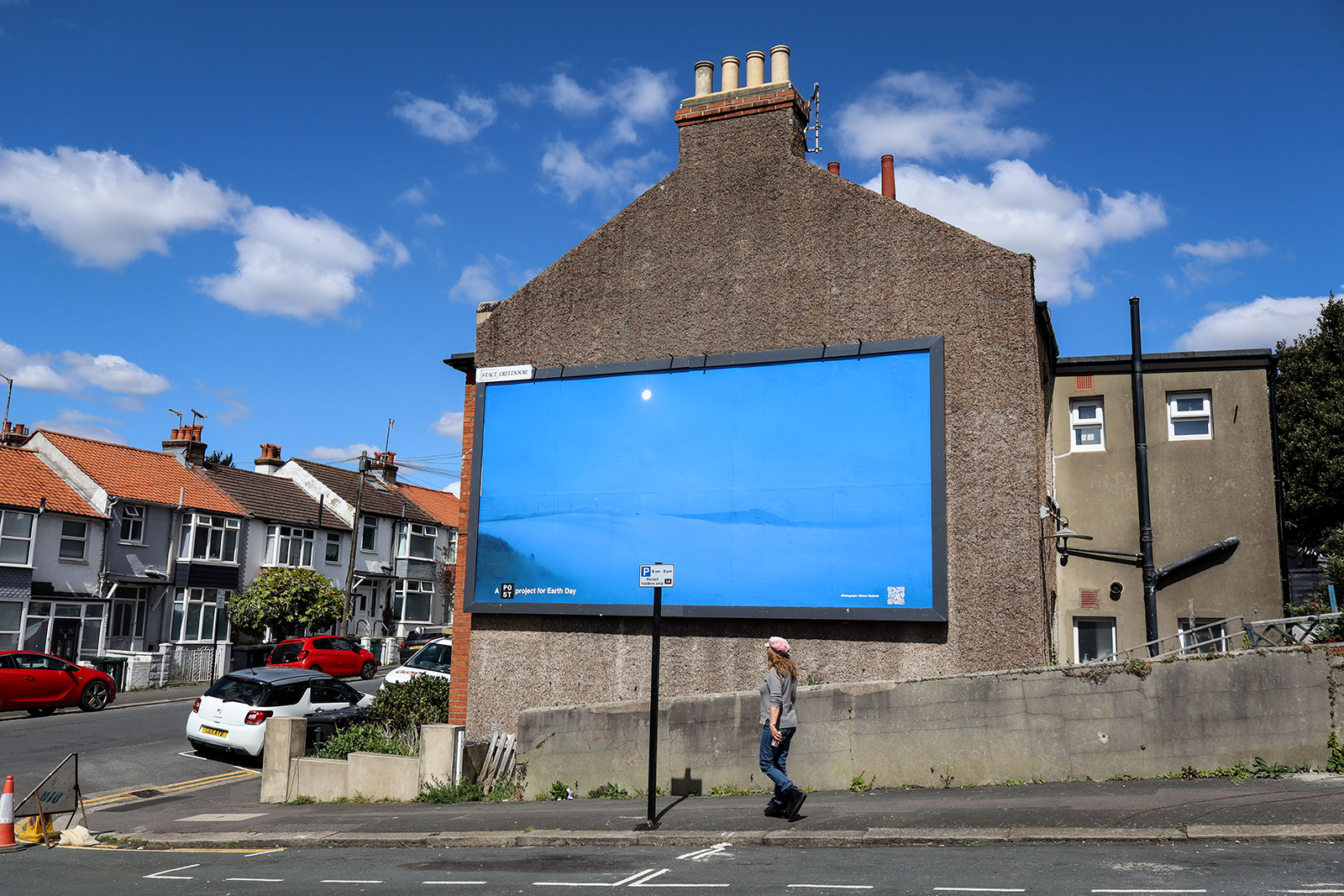
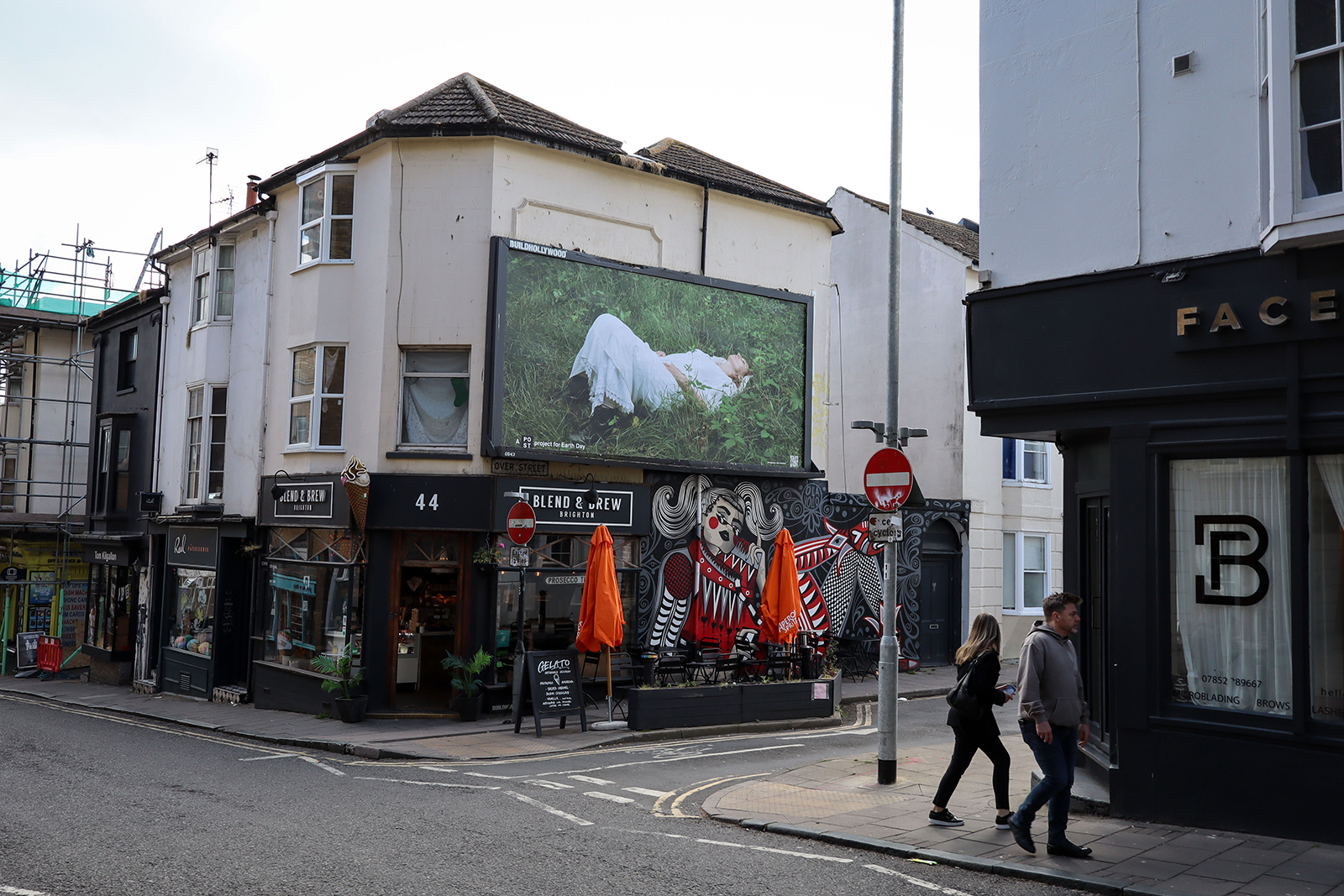
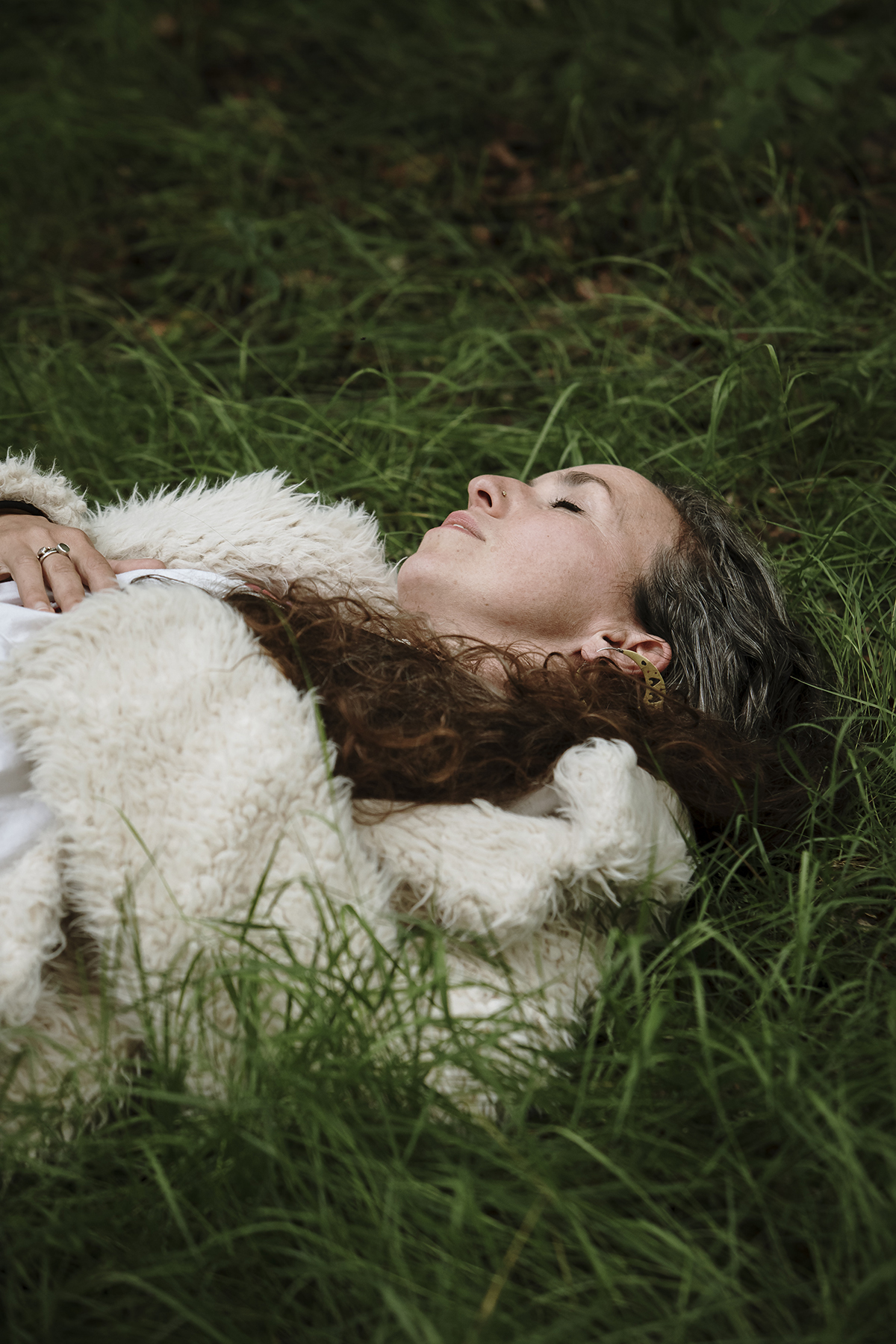
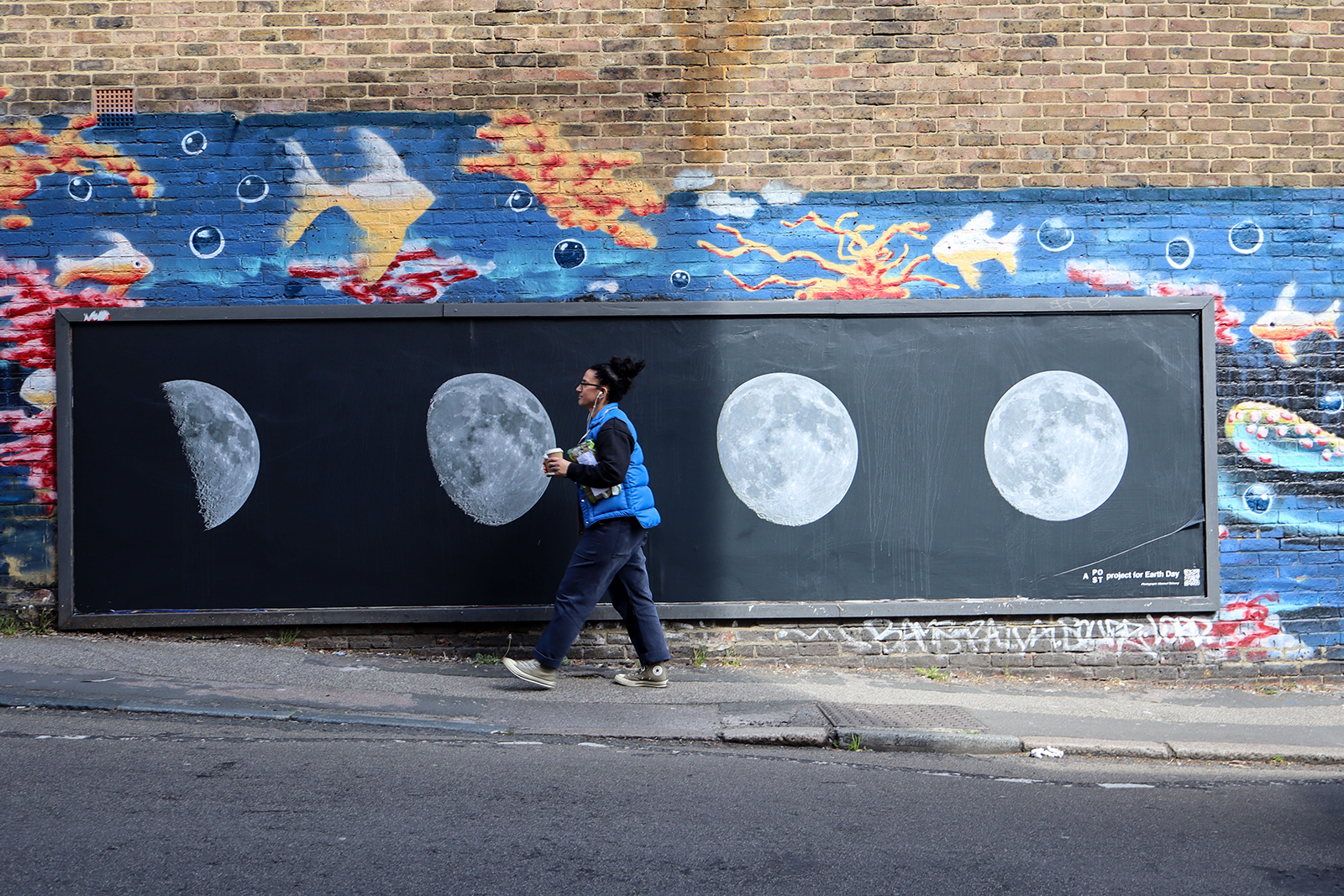
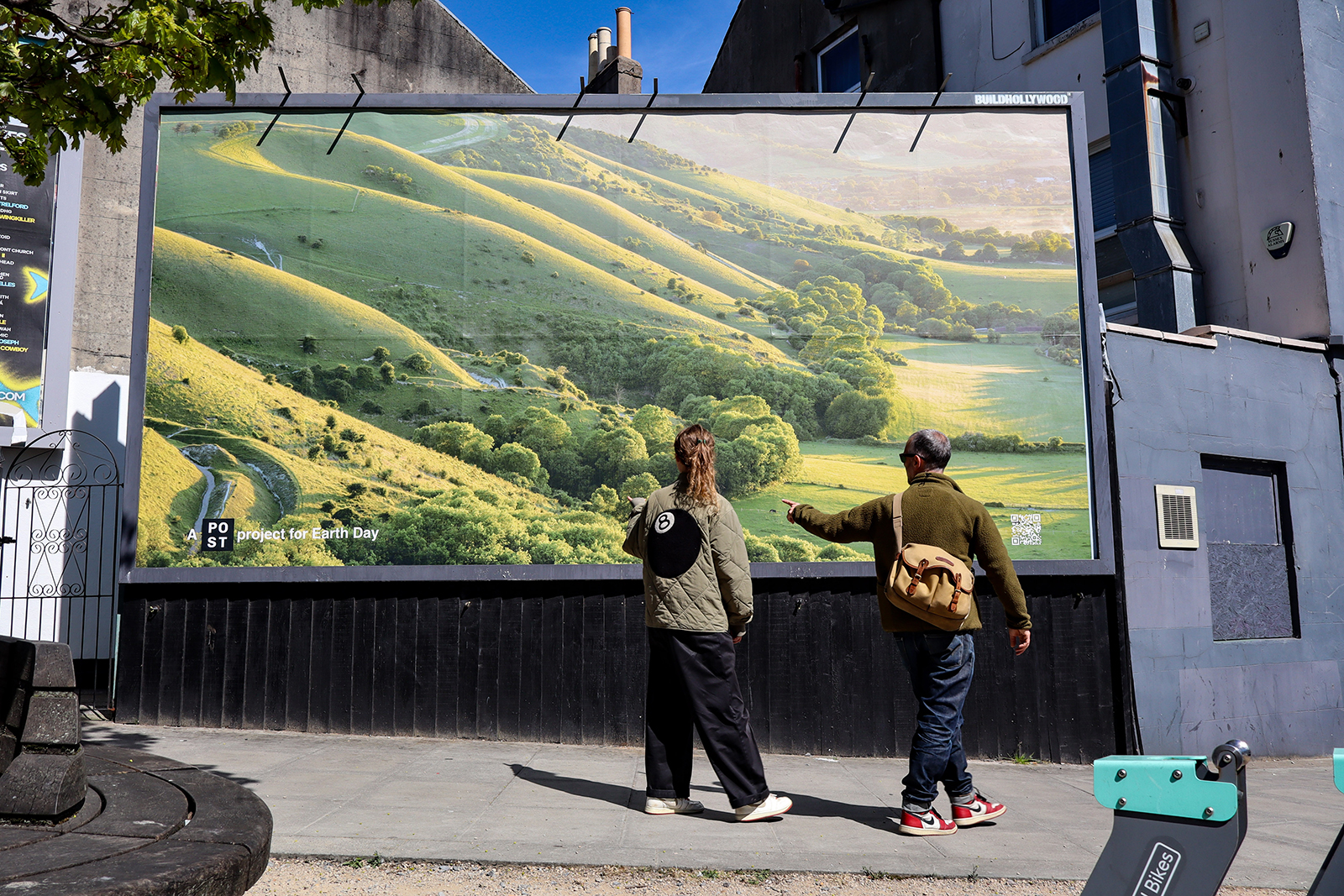
Building on its burgeoning live programme, POST is staging its very first weekender at its studios and around Hove. Taking place during the same week as Earth Day, the two-day event is based around the theme of nature, which they will tackle through panel discussions, screenings, and participatory activities. The occasion will ripple out across Brighton and Hove thanks to a billboard display in collaboration with BUILDHOLLYWOOD, featuring photographs celebrating the environment by image-makers Murray Ballard, Finn Hopson, Beth Steddon, Masoud Teimory, and Roberts himself.

“Images of nature are really interesting because one of the things that we noticed was, during Covid, whenever we were released for our daily walk or when lockdowns were released, the places we went to were those where we felt closest to nature. It would have been the lake or the local park or the beach,” Roberts says of the power of experiencing nature and why they both connected with Earth Day. “These are places that have a very powerful hold over our sense of wellbeing, but also our sense of who we are.”

The pair hope that the nature-themed images going on display will deliver a jolt to the system for the communities of Brighton and Hove. “It’s creating that moment of pause in our lives and disrupting the urban everyday,” says Emett. Here, we spoke to them about the core purpose behind POST, their plans for the Earth Day weekender and accompanying billboard collaboration, and how they envision the space evolving in the future.

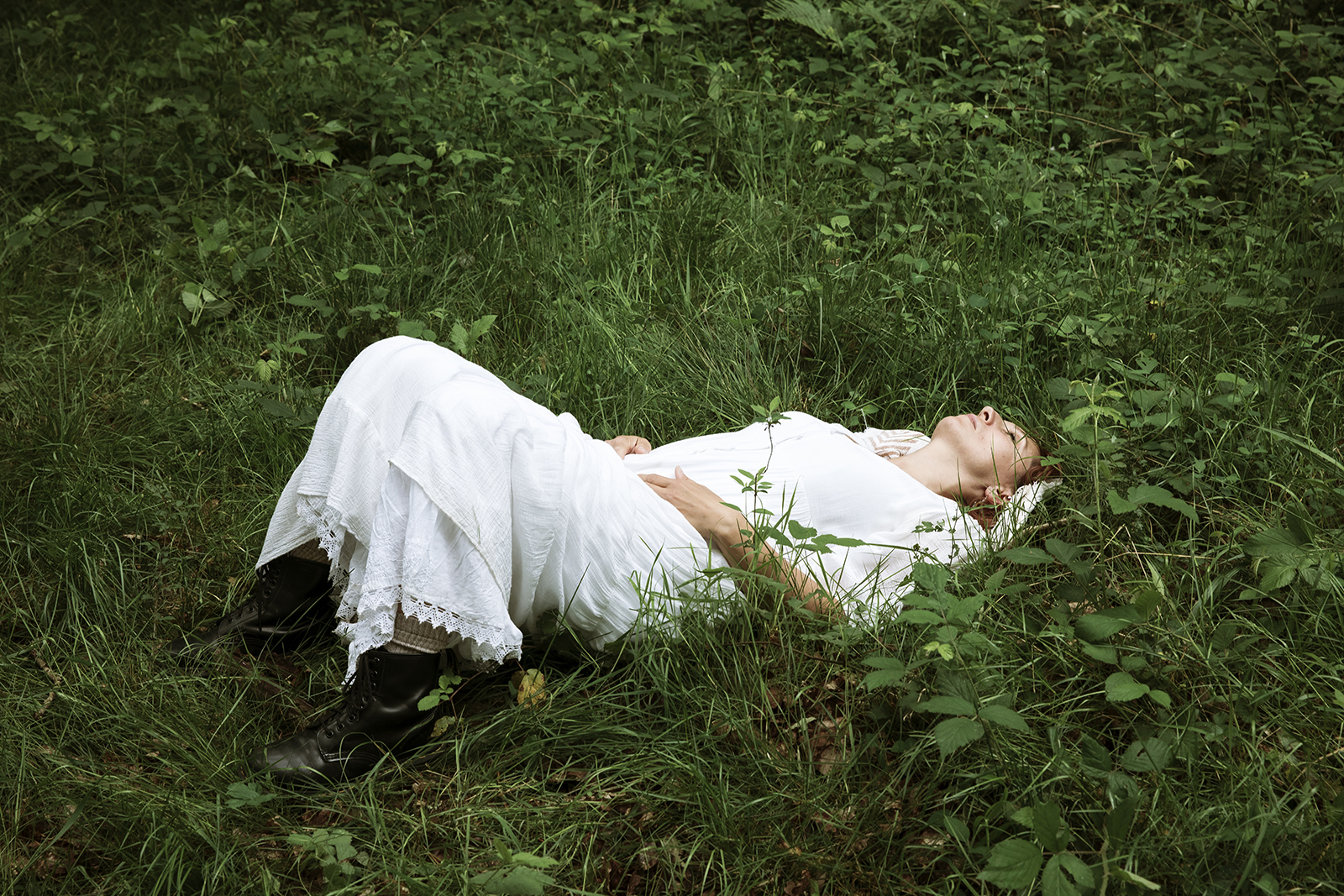
Photographer: Masoud Teimory
Could you tell us about the POST space? Why did you want to set it up and how does it respond to the needs of the creative community in Brighton and Hove?

Simon: Nina and I for a long time have been thinking about creating a physical space. Nina did quite a big project during Covid to try and figure out whether it was something that was possible, and what the challenges were. There’s also been so many studies done by the Arts Council about the state of the creative industries in Brighton, all of which acknowledges its critical importance to the economic survival of the city and the contribution that artists and creators make to the economy. And yet, there’s very little support for those individuals. There’s a younger generation in particular that can’t afford to stay in Brighton, so they’re leaving, and then basically since Covid, we’ve seen a whole range of galleries and creative and arts organisations close. I think we just felt that it was something that we needed to try and challenge, and for our stupidity, decided to take this on and try and create something which could be self-sustainable.

The idea is that POST is a place where people can come and be supported through their careers, and we can also create an economic model where we’re not reliant on one income stream and certainly not reliant on any public funding, because I just don’t think that’s possible.  POST is all based around membership schemes and depending on how much access you want to facilities, you can pay different amounts, from very little – where you just become a community member and have access to our cultural programme and our library – through to the black and white darkroom, which is proving very popular. And then we have physical studio spaces. I think one of the things that we were very keen to do is have it open-plan. We wanted to open it up and have much more of a communal feeling.

Nina: I think we’re pack animals when it comes down to it, and I believe that the society that we’ve created for ourselves is very segmented and siloed and walled. At POST people can still have their own creativity and their own space – obviously that’s really important – but also have a place where they can come and be based and collaborate. I suppose the Americans would call it the ‘watercooler moment’, when people just start to have a happenstance conversation, or show a piece of work, or show an interest in what someone else’s process is. Creating a space where people come together, and where humans can flourish and feel good, feels really important. Simon and I went the extra mile to create a place that looks nice, design-wise, and that the individual spaces within it look and feel good.

Simon: And we don’t all need to own everything. Part of what we want to do is actually share resources, so we have a lot of equipment and things that other people can rent. Just pooling what each of us has together I think is really important. We want to be an organisation that is also collaborating a lot with other arts organisations. Going back to that silo thing – we’re all basically chasing the same pots of money, so maybe we could chase them together rather than being so competitive, hence why we have Photoworks as one of our tenants. They’re in the building and we want to be working on projects with them and various other Brighton-based organisations, and also those outside Brighton.

Photographer: Simon Roberts

What are your plans for Earth Day?

Nina: Earth Day is actually on the 22nd April, but we wanted to do ours over a weekend. We typically do artist talks, film screenings, and things like that in the evenings, but we wanted to start doing some weekend events, so our model at the moment is to do one weekend per month, and this is the first one.

The idea is on the Saturday, we’ve got an all-day event which we’ve based around Earth Day. In simple terms, it’s about connection to nature. We’ve invited photographers and filmmakers to screen some work during that day, and we’re kicking off with a panel discussion, because we wanted to start by setting some context. The panel discussion is hosted by a brilliant biophilic designer, who’s based locally in Brighton, called Oliver Heath. Biophilia means using design that is based around the principles of nature, and that takes many, many forms – not only the substances, but also the forms and the shapes and the inspiration. We have four brilliant people on that panel, ranging from artists like Finn Hopson, a landscape photographer – he is one of our resident studio artists who spends a lot of time photographing from the sea to the land or of the sea – to Pooran Desai, who runs a oneplanet.com, which is a tech platform about ways of collaborating together, and he’s also got a neuroscience background, so he’s also exploring it from a neuroscientific perspective. We have Nicoleta Carpineanu, who is from Forests Without Frontiers, which is a Sussex-based organisation that plants trees, essentially, but she’s also filmmaker, director, producer, musician, and DJ. So, she creates music based on nature sounds. She’ll also be showing two films, one called Enchanting Forest, filmed in Sussex in the woods, and one that was filmed in Bulgaria. And within that, there’s quite a lot of nature sounds as well, that she has recorded herself, which is very beautiful. And then, finally, we’ve got Vanessa Rowlands, who’s the chair of the South Downs National Park Authority.

We’ve also got a local artist called David Blandy. He’s a very well-known artist who is going to be also screening one of his films called The Commons, and finally, there’s a company called Locate Productions, and they are going to be showing short films or rather very short ads, actually. Imagine a commercial ad that is advertising trainers or whatever but in this case they were given permission to create ads that promote nature.

Then on the Sunday, we’re doing a nature lab, which is very much for local residents in Hove, and that is a walkabout: taking people out into the local area to take photographs and then reviewing them together. We all walk around our own areas all the time but we don’t really look because you start to filter out everything that’s around you, so it’s getting people to notice the nature that is there in the street.

Photographer: Simon Roberts

Can you tell me about the billboard collaboration with BUILDHOLLYWOOD? What kinds of works will be on display?

Simon: All the photographs are taken from people who are involved in the weekender. For us, it goes back to that idea of collaboration. We want to also be able to give opportunities to some of the artists that we’re working with that they wouldn’t necessarily have on their own. This display is a great platform to be able to show work at that scale in a very different way that you would normally present your work. I think that’s quite an exciting element.

Murray Ballard’s really interesting because he did a big project with the Royal Sussex County Hospital. He was commissioned to make work in and around Sussex, which would go into the newly built Brighton hospital. So it’s interesting to take some of the work that he’s made for an environment where people are often very ill, to then put it into a public space. I guess that leans into that sense of how nature nurtures well-being, which is partly what the festival that we want to do and what Earth Day is about: highlighting the importance of the environment and thinking about A) protecting it, but also B) using it.

Nina: I believe that when we look at nature, something fundamental happens in our brains. Why do people always want the sea view or the forest view or the nice picture in their room? Seeing a photograph of nature actually creates the same physiological processes in the body as when you see nature directly. The brain doesn’t know the difference. Whether you’re looking at a tree for real, or you’re looking at a photograph of a tree, you set off the same physiological responses in the body of feeling connection and calm.

Photographer: Beth Steddon
POST is relatively new and I’m sure you’ve got lots of plans for it. How do you hope or imagine it will continue to grow over the years?

Simon: I think ultimately what we want to be able to do is reach a wider audience, whether that be physically in the space or digitally, online, where we can somehow actually provide a platform where we can share some of the resources that we’re creating within the building. Personal interaction is very important, but of course, there’s only so many people who can physically get to where we are, so if we can also have another element where we’re sharing resources, like the discussions that we have within the building, I think that would be really quite exciting in terms of education. I definitely think education is an area that we really want to push moving forward, in terms of workshops or long-term educational platforms, to help the next generation. I think education is something that we’re reading a lot about in terms of what it costs and the benefits that it may or may not have to the next generation, and I think there is an area where we can fit in that space and provide a very interesting offering. But these things all take time and money!

Nina: I totally agree. Obviously, we are place-based insofar as we’re based in Hove, so the community of Brighton and Hove and a little bit further afield benefit [from us], or people can come down from London. We are starting to get known, which is great. But obviously if you’re not based around here, I think creating ways for it to ricochet out as online has always been part of our purpose. We’re starting a podcast, so people that, for example, can’t make the talks can still discover them. That’s another way that people can hear about certain artists that we’re giving the physical space to.

Previous article

Marathon Season: Hit The Ground Running

Next article

Partnerships

The Rio in Hackney celebrates 50 years as a community-run cinema