Newsletter

Join our mailing list for latest news and features

Build Hollywood

Build Hollywood

Build Hollywood

Build Hollywood

Your Space Or Mine

Authors of the Estate are Rewriting the City, From the Ground Up

Stories shape the city. And with Authors of the Estate, new and accurate stories are being shared by those who shape the city from the ground up.

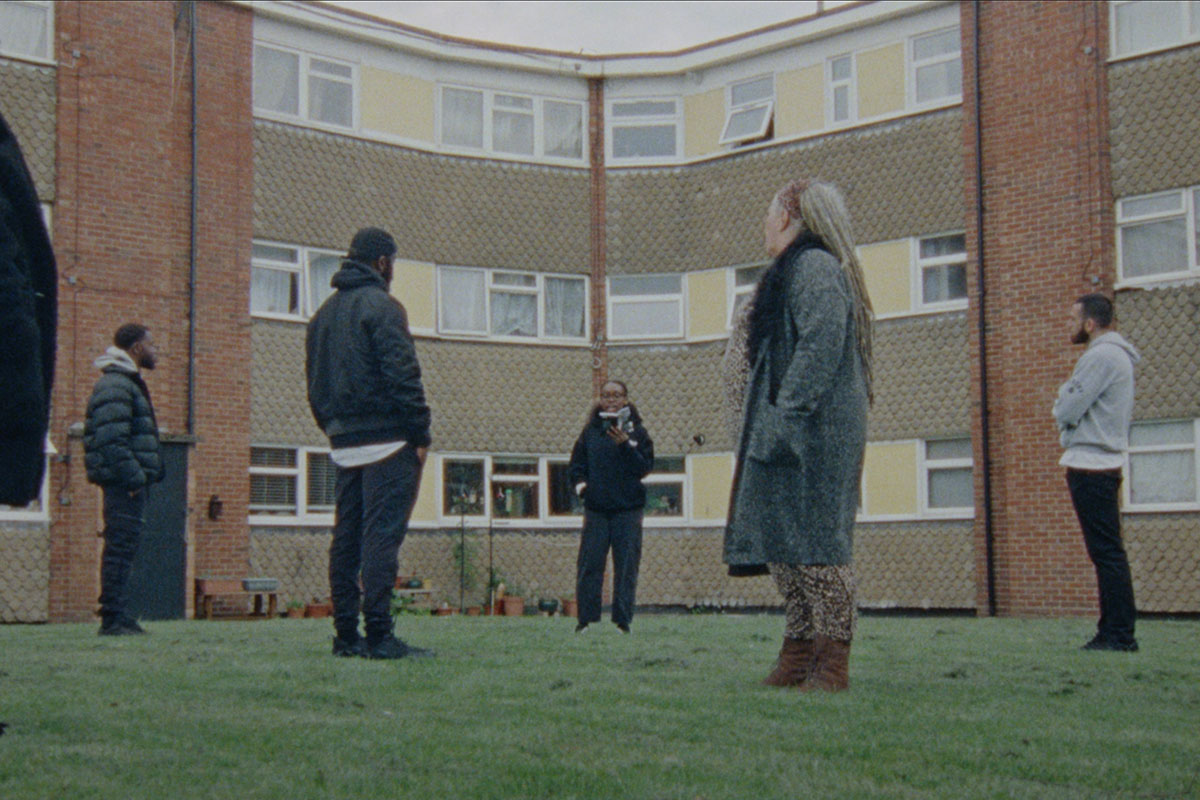
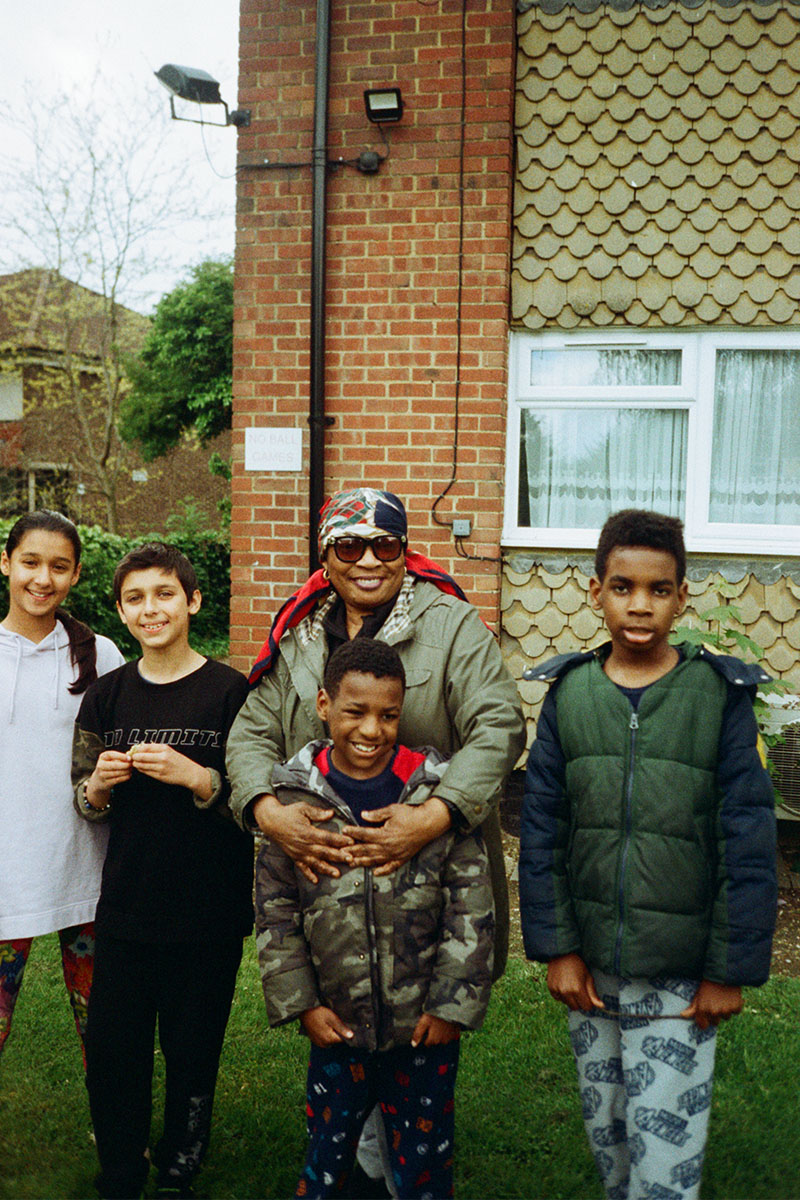
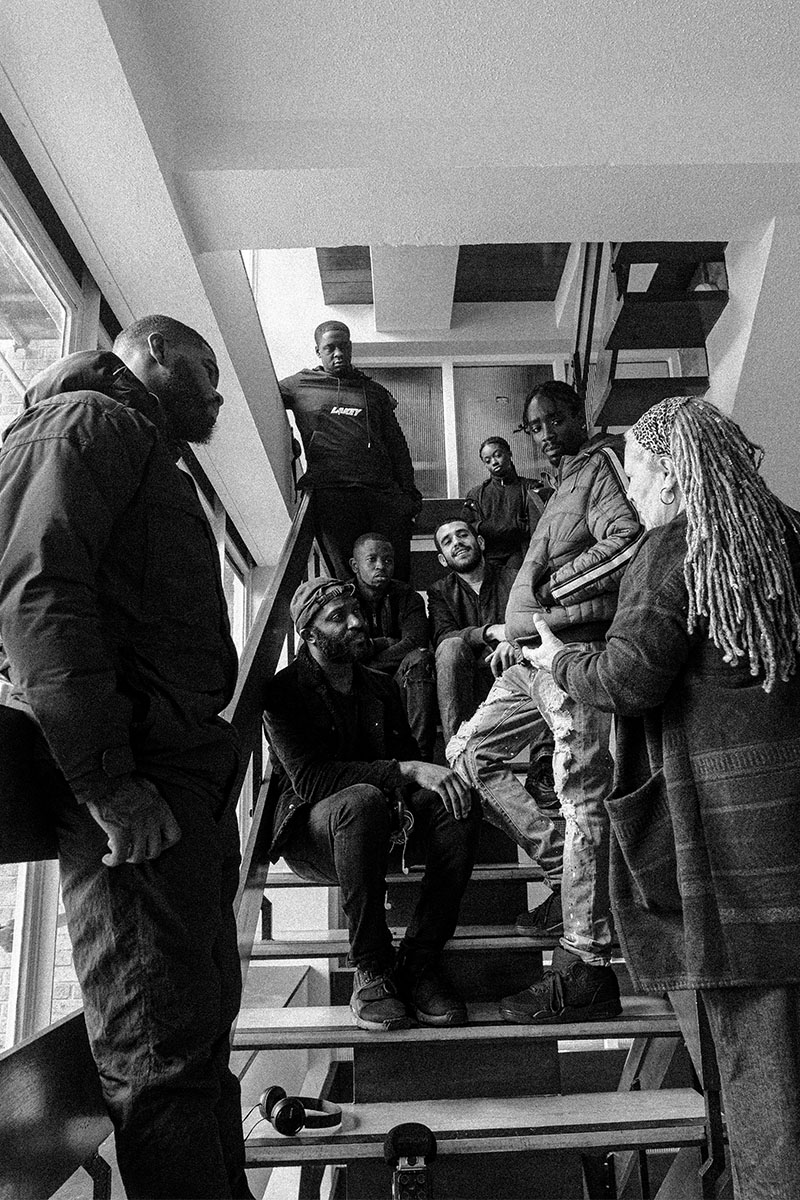
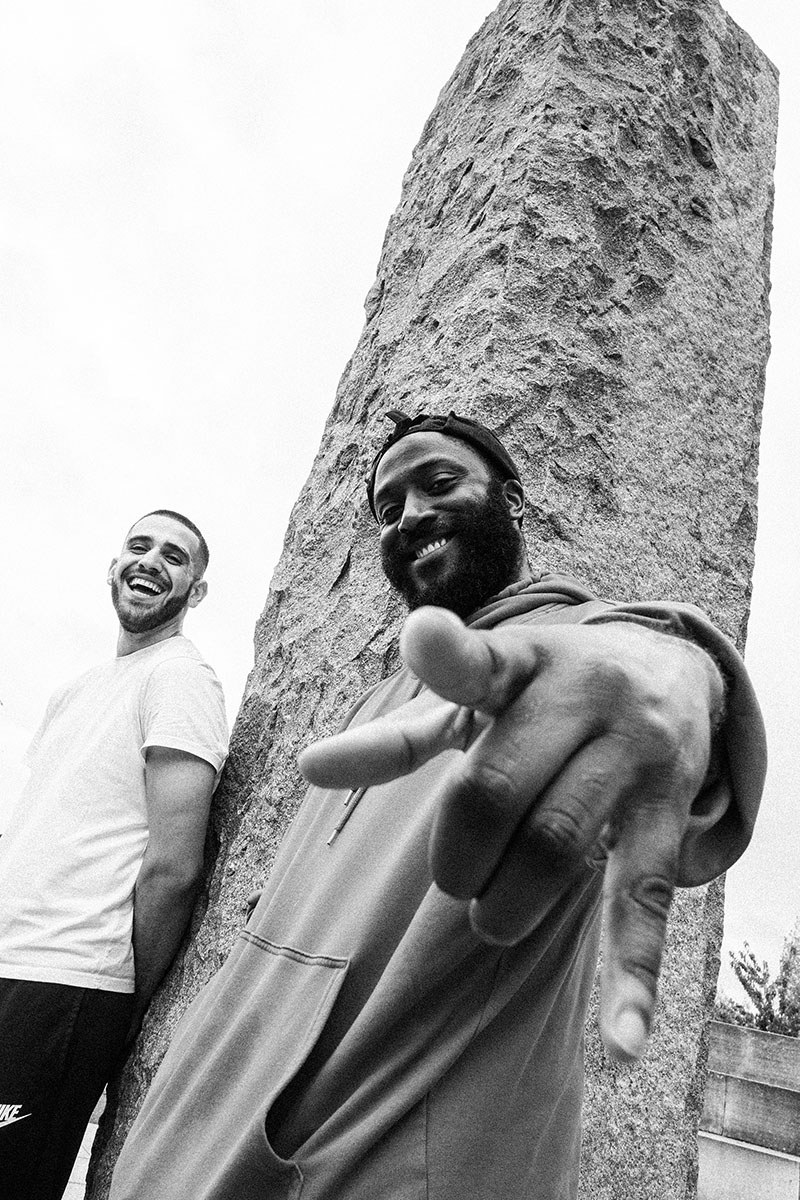
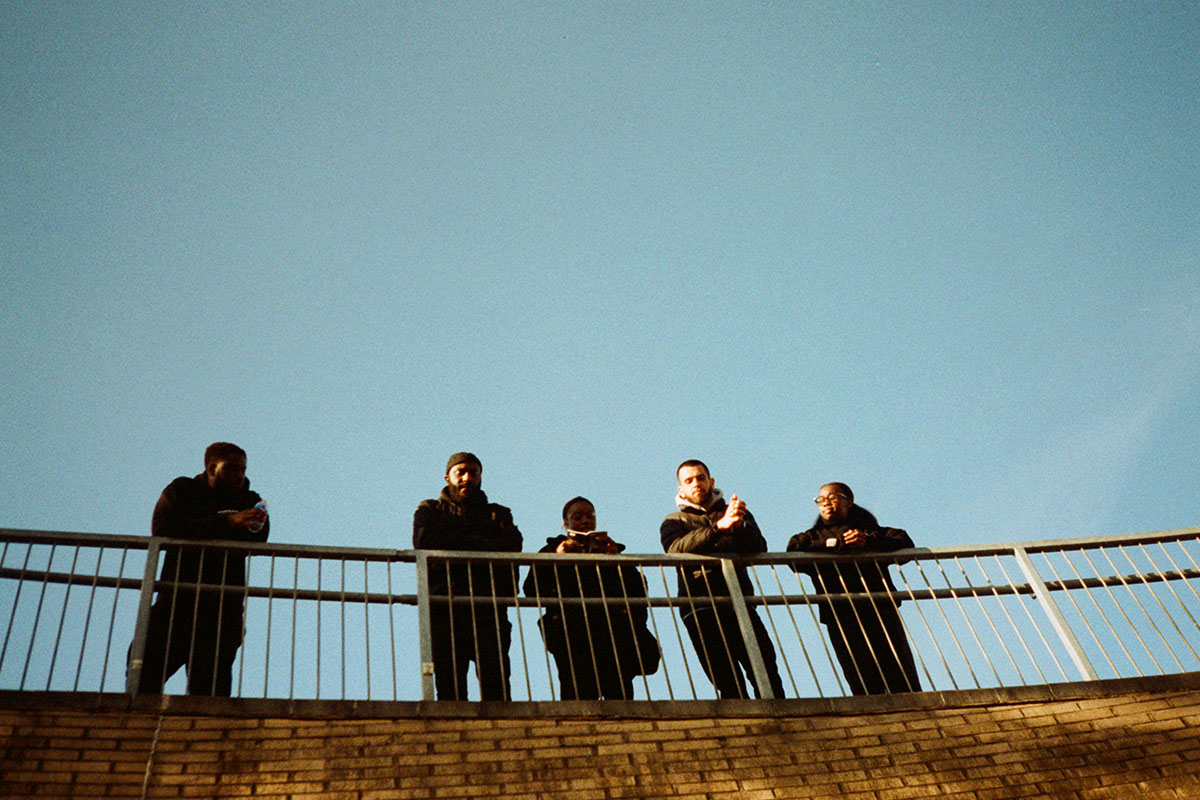
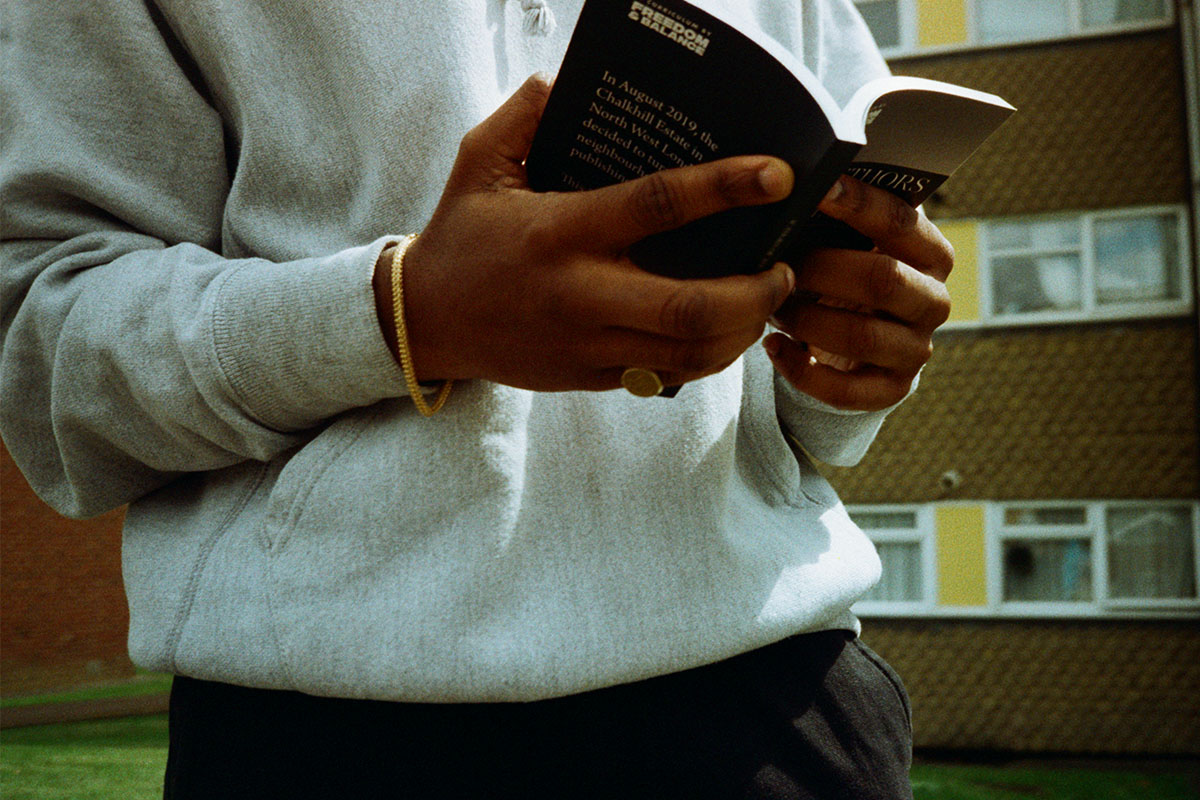
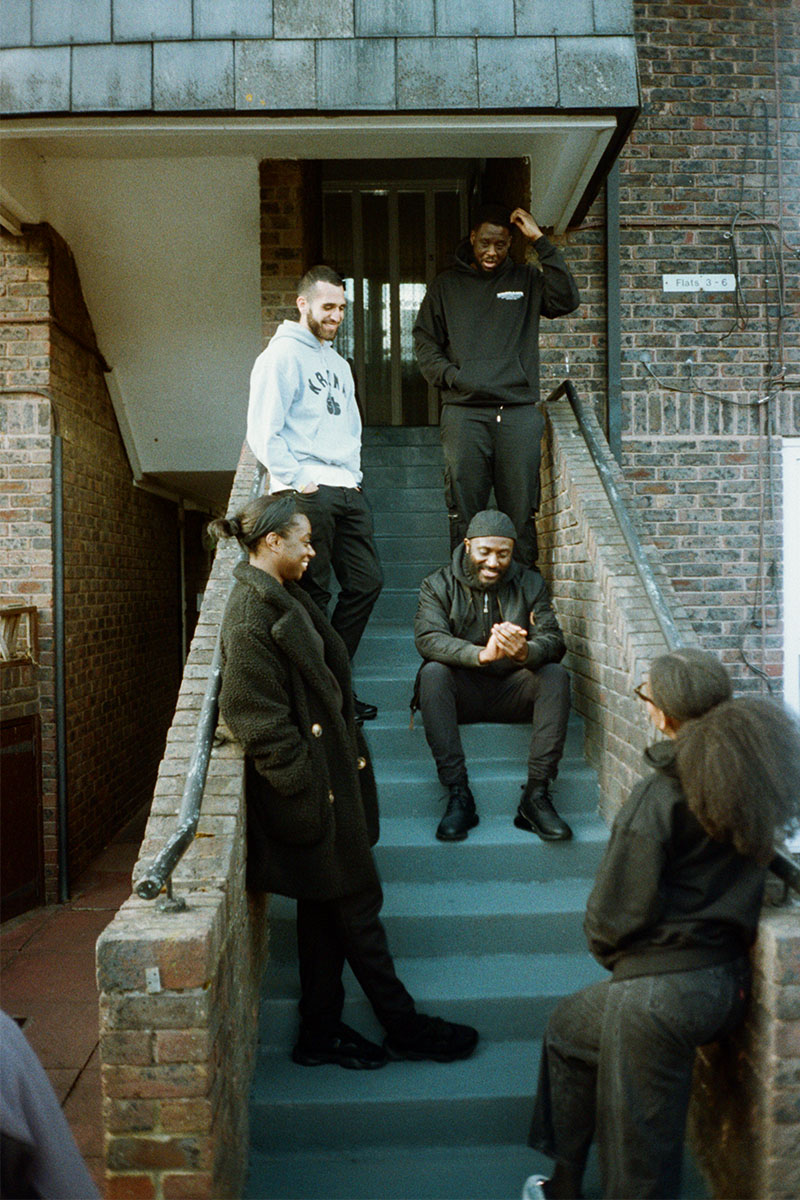
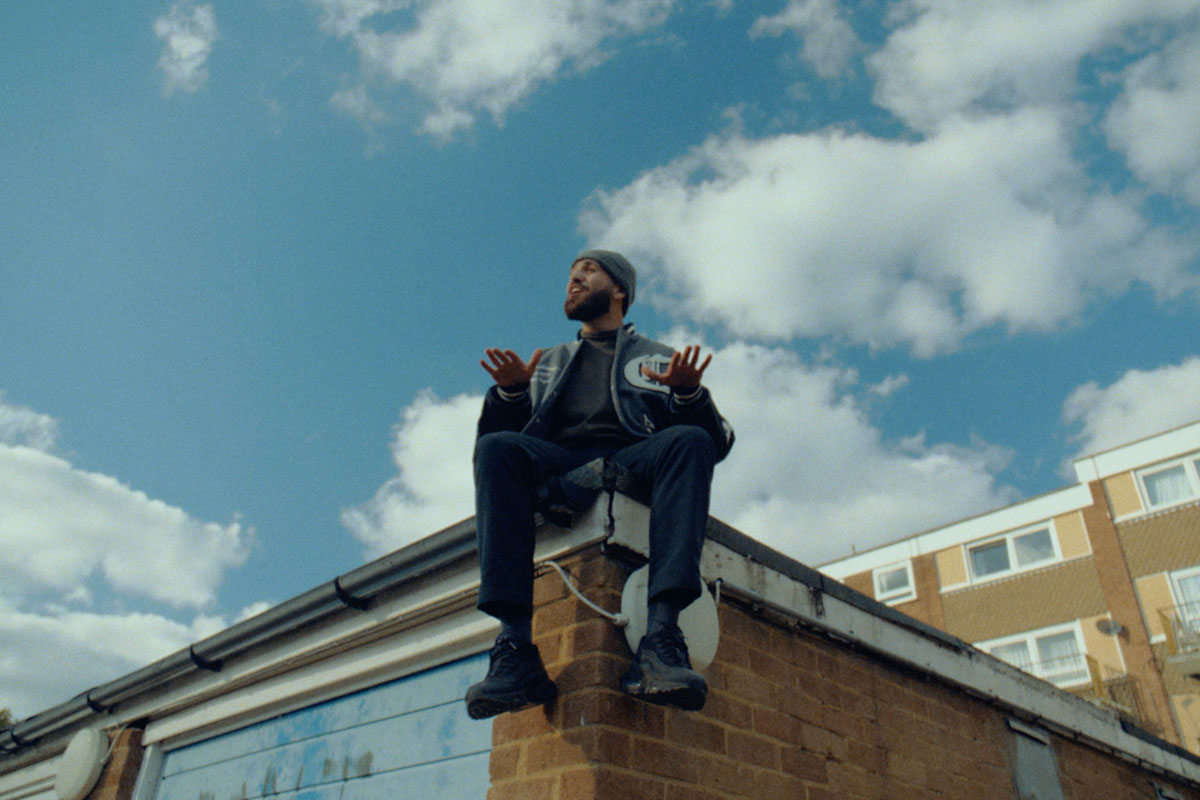
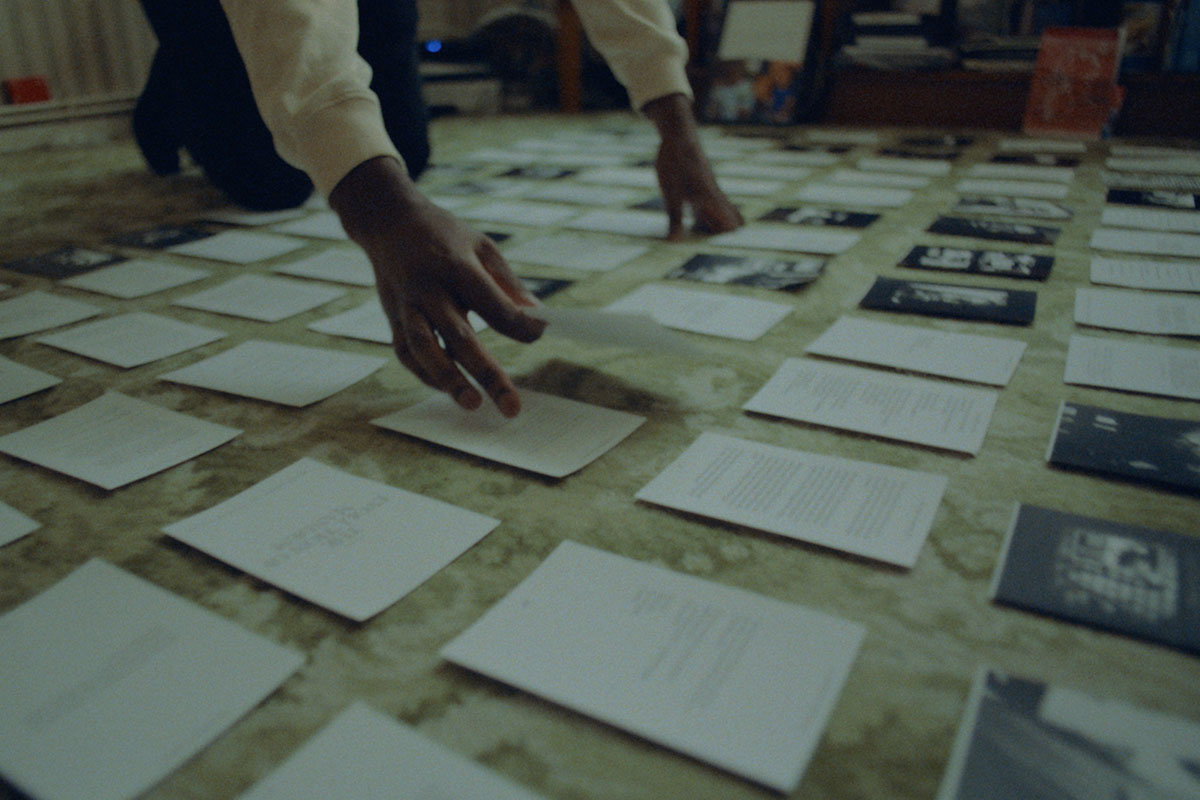
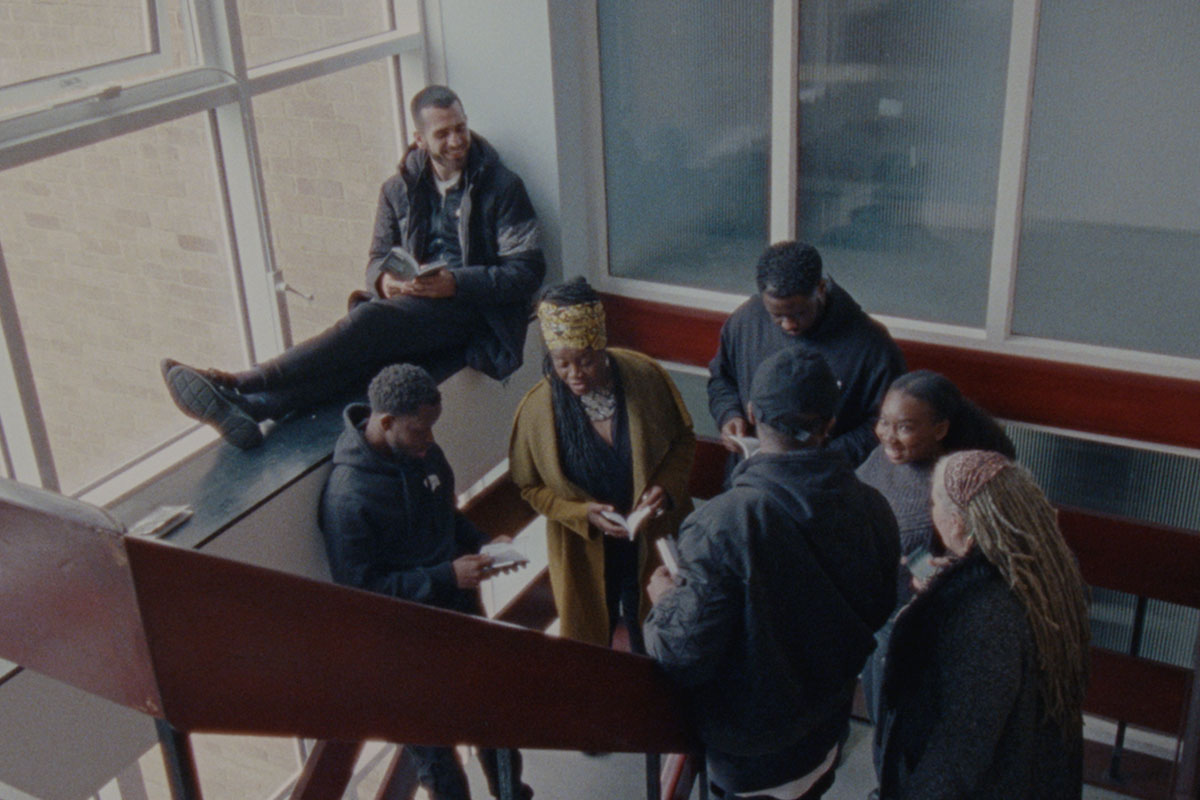
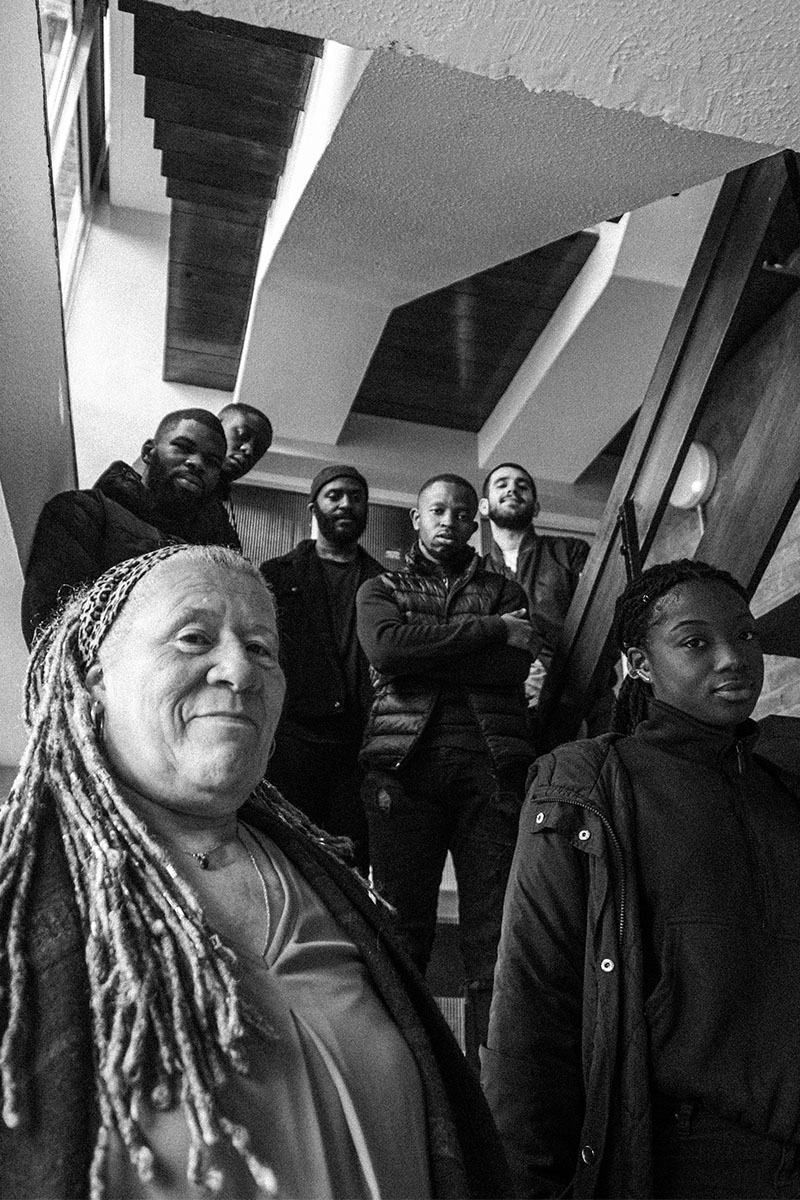
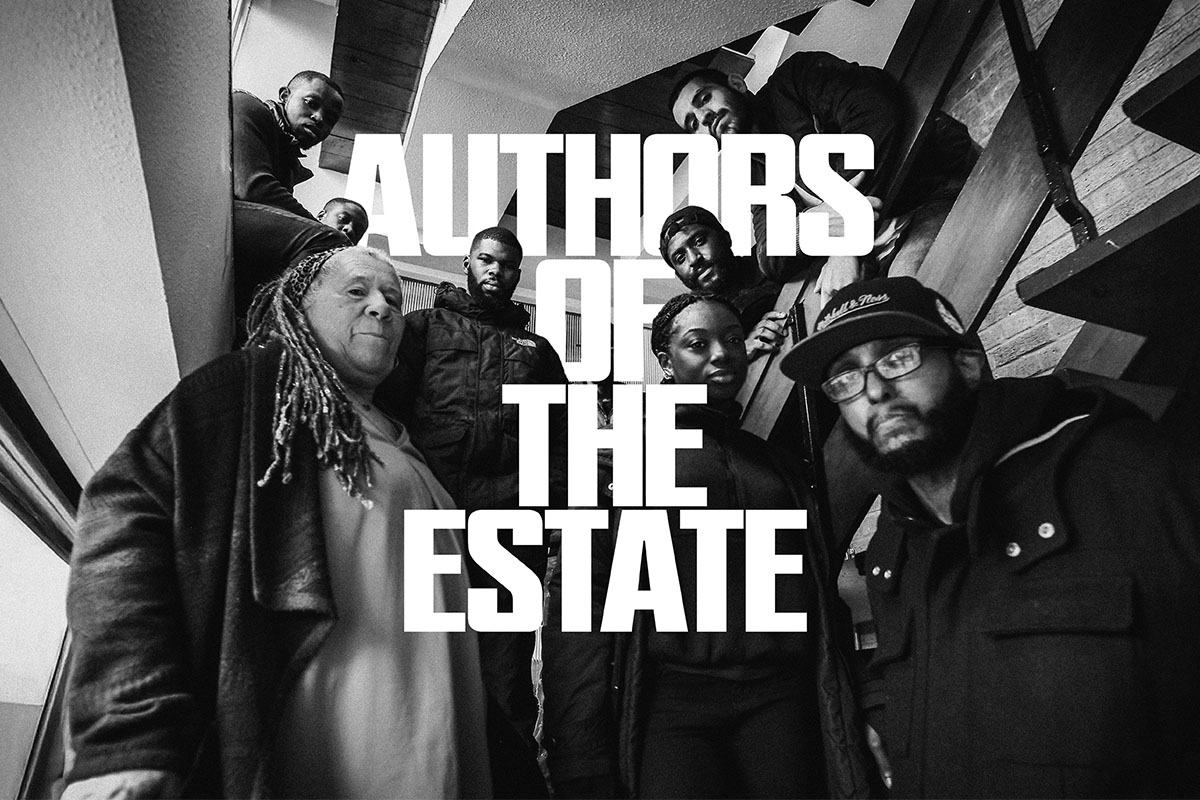
A decade ago, André Anderson made a book with five of his neighbours on St. Raphaels estate in North West London. Titled Authors of the Estate it contained writing and photography about the estate along with a step-by-step guide to being an author. He printed 1,000 copies and put one through every door. He was, to use his own phrase, turning council houses into publishing houses.

“I knew that if you frame things correctly, people who don’t even consider themselves artists can come together, and learn together, and actually make something together,” he says.

“I also wanted to create a type of environment whereby artwork comes out of it, but where the people involved are just everyday people. Where the moment feels like an event itself, with all the flair so it felt like a party – a cultural memory.”

19.02.26

Words by Emma Warren
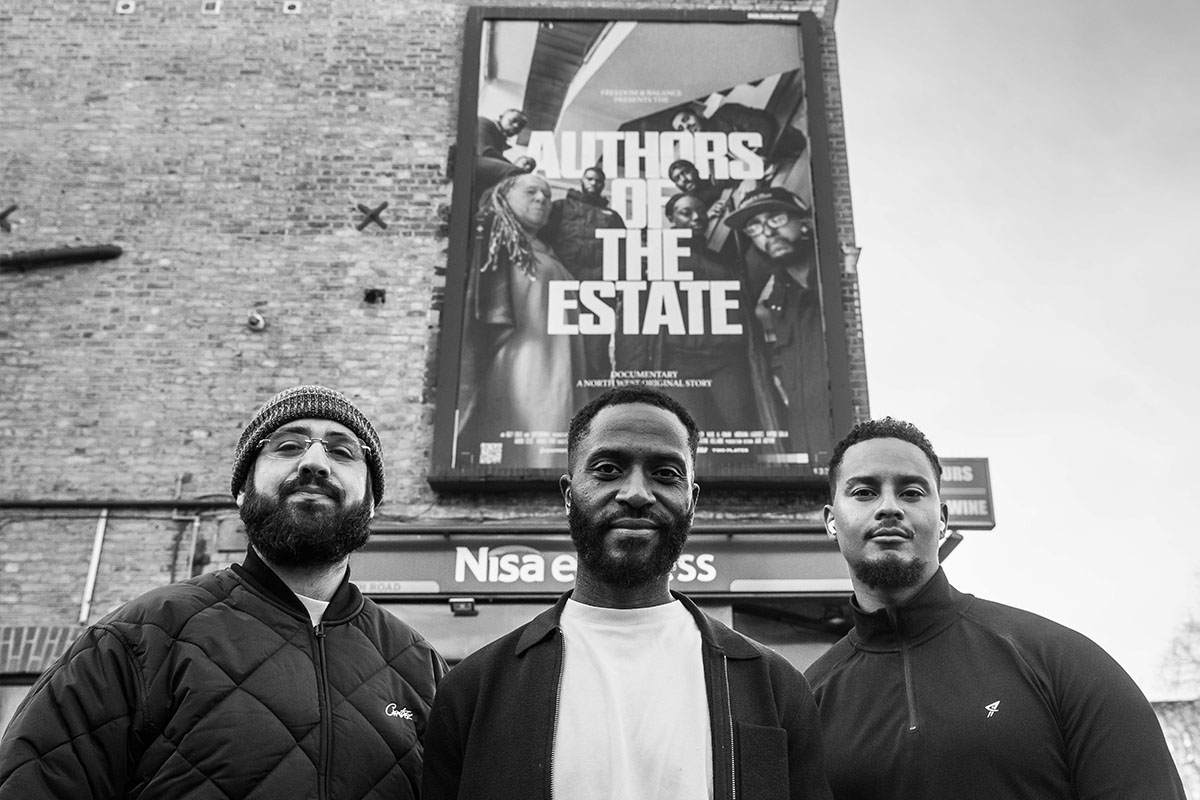
Back in 2015, Anderson was already a veteran creative. By his early twenties he’d published his first book, Ultra, written on his Blackberry in just eight days, and repeated the process with another four publications before Authors.

The act of conceiving and making Authors – alongside Freedom & Balance, his ‘art college for the artist in everyone’ – sent out a powerful signal. Picked up by Nabil Al-Kinani, a resident of the neighbouring Chalkhill estate, this led to a second edition in 2019, featuring over twenty authors and a manifesto expressed as a gameplan which set out the steps for others to follow.
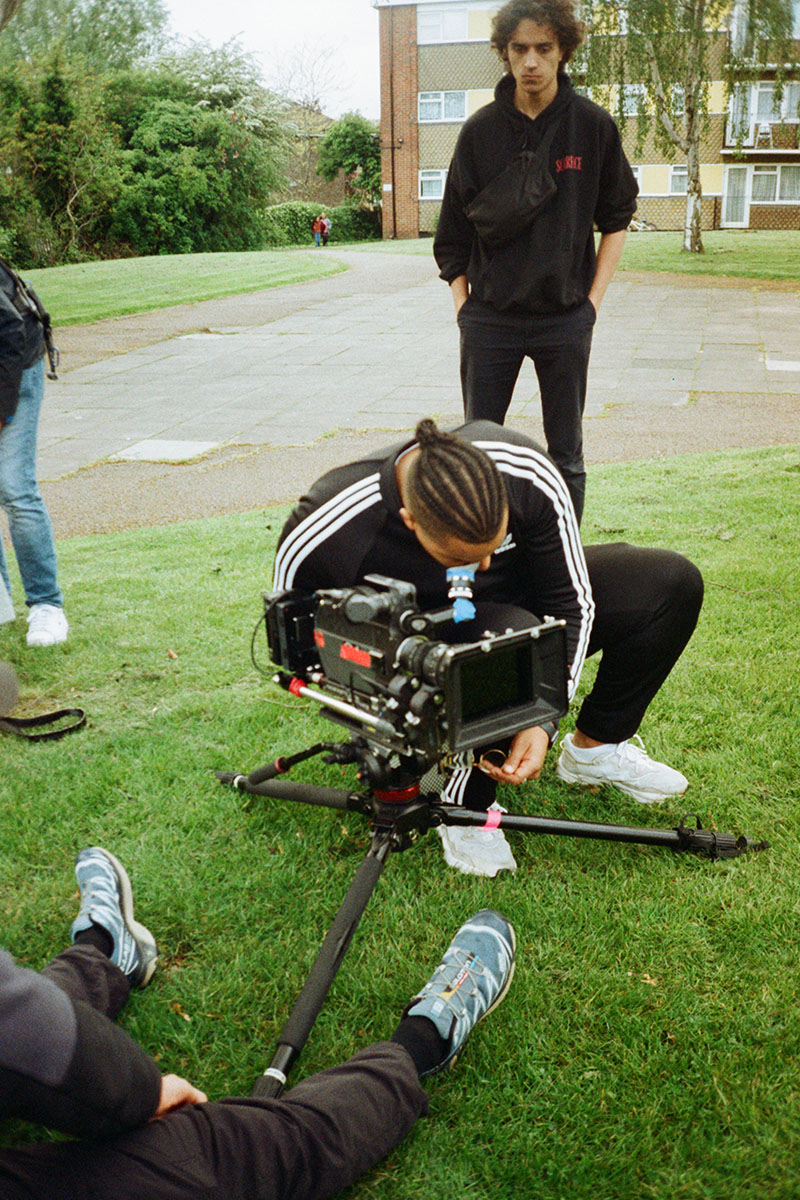
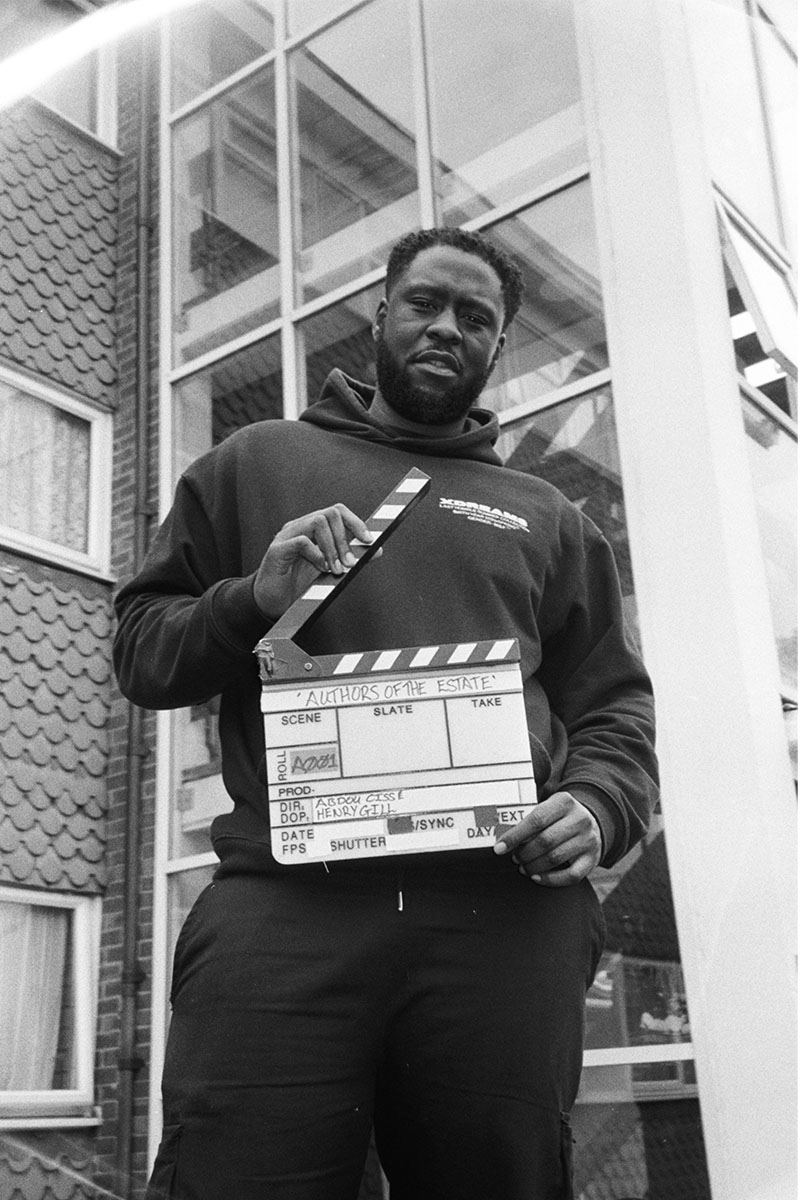
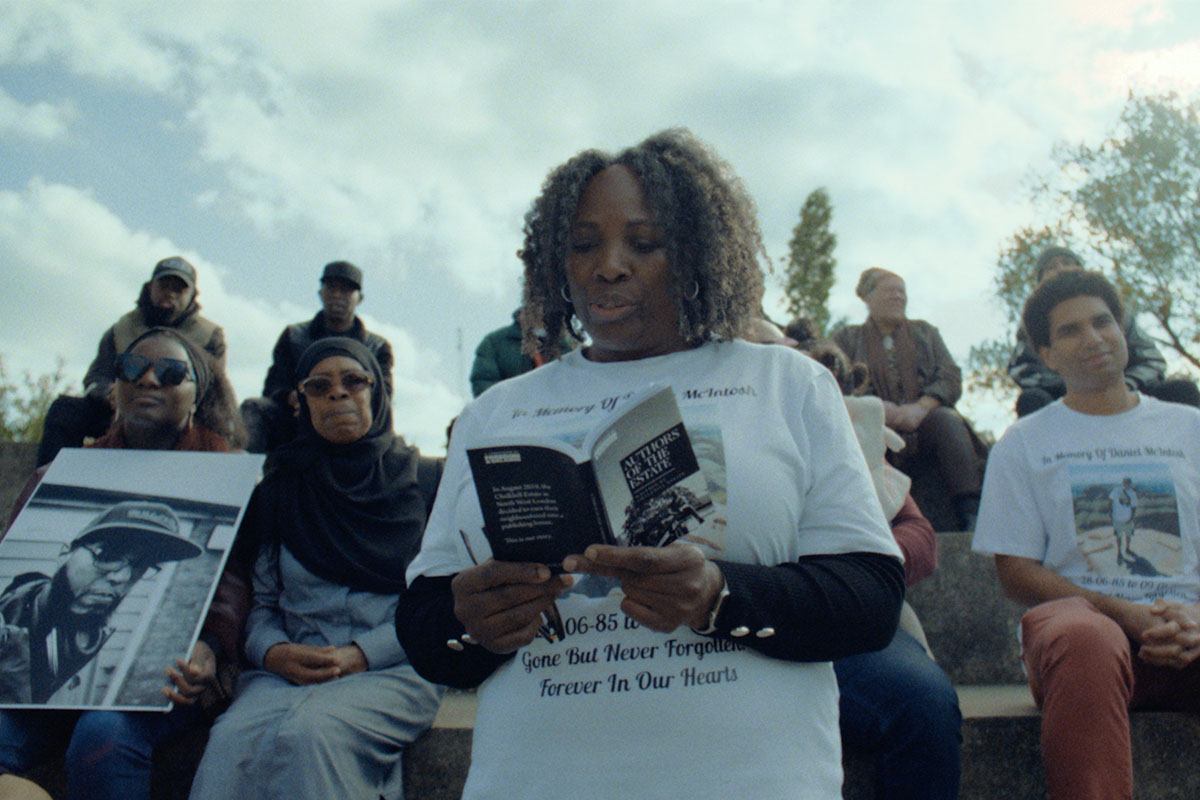
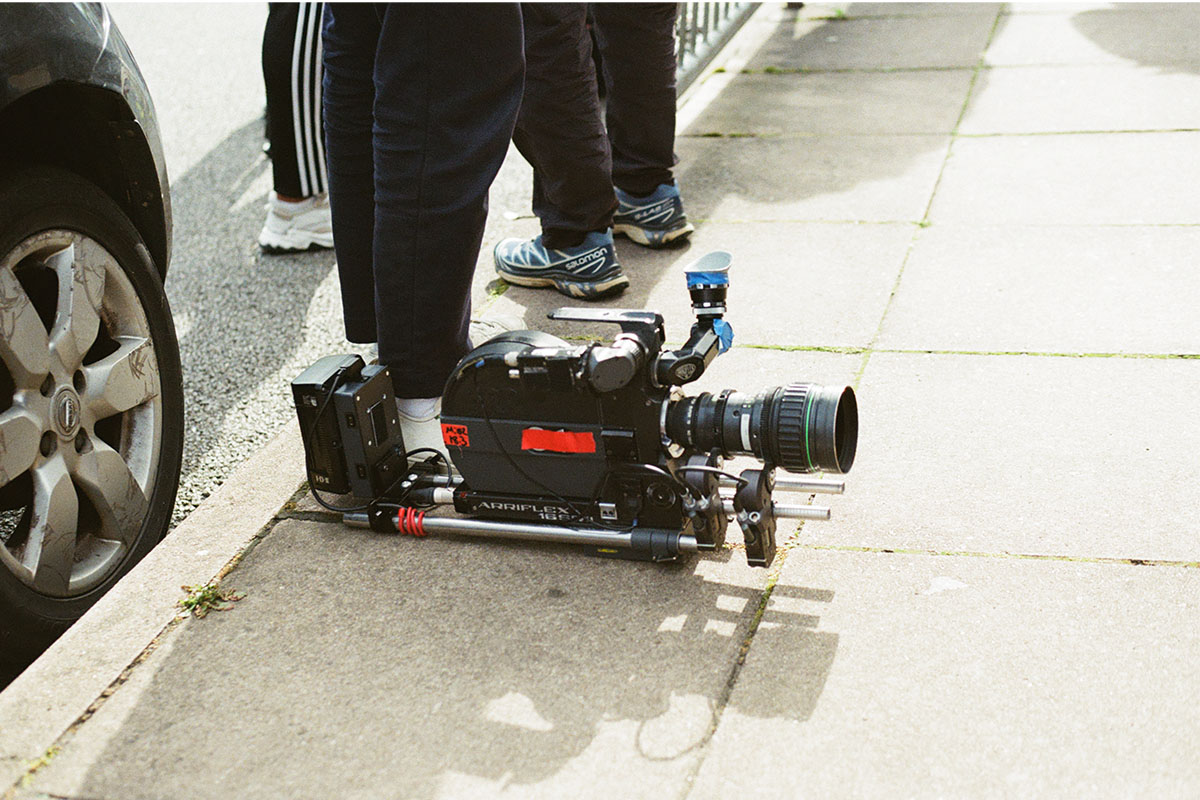
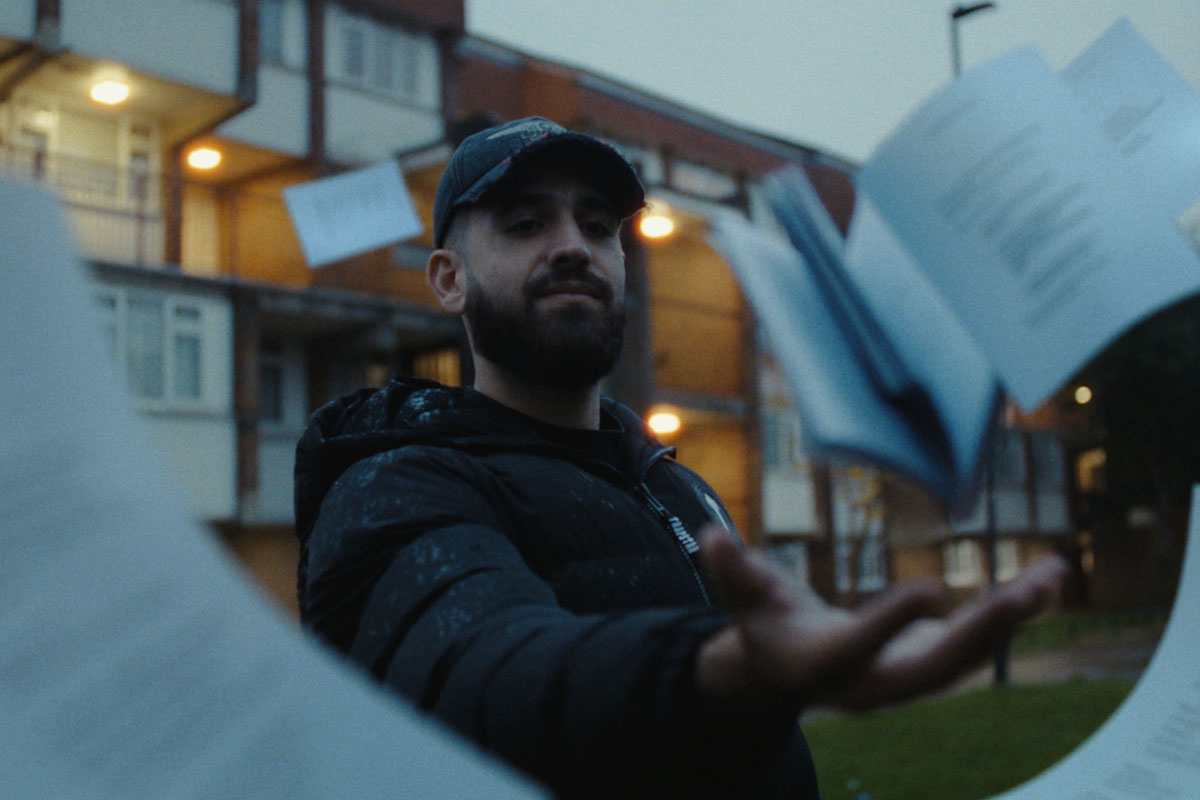
Also on the crew for the Chalkhill edition was photographer Abdou Cissé, who went on to produce and direct the new Authors of the Estate film. Premiered in central London at the Vue, one of Europe’s largest cinemas, it’s now freely available on YouTube and is being picked up for screenings across the UK. Last week, Authors was featured by Edith Bowman on her BBC Radio 3 Cinematic Soundtracks programme.

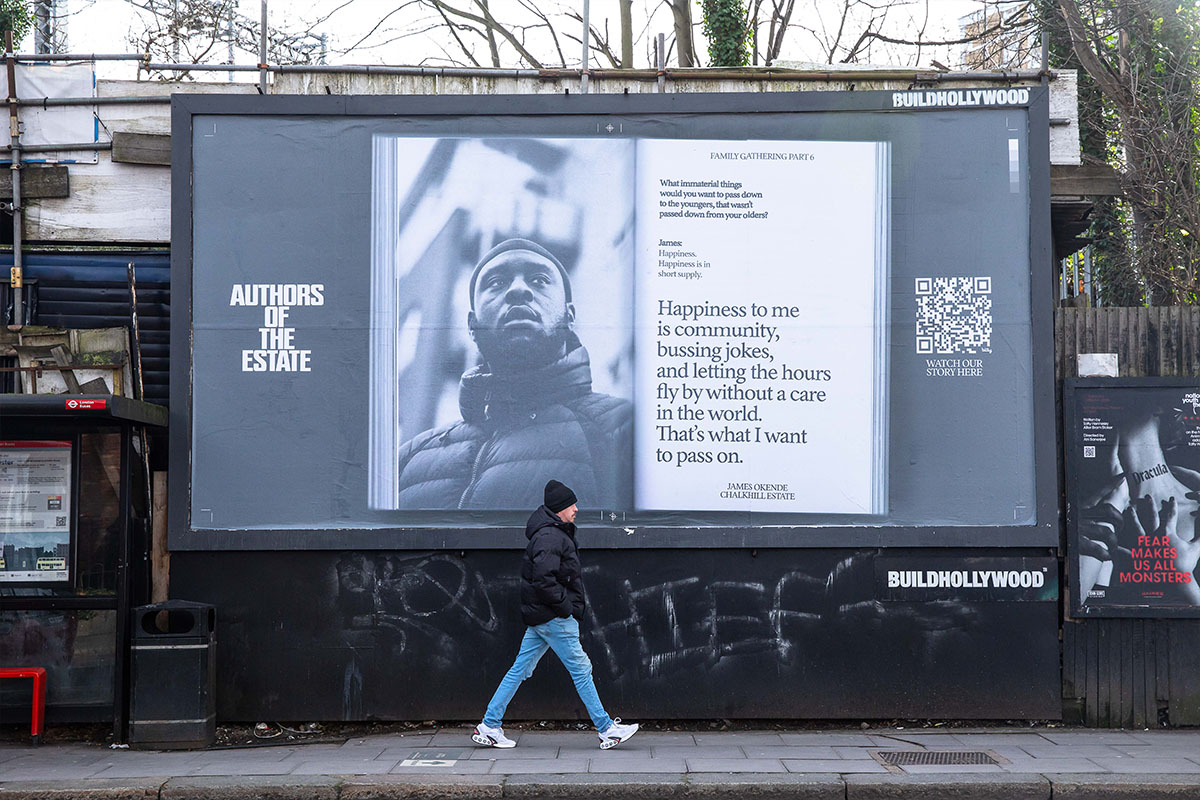
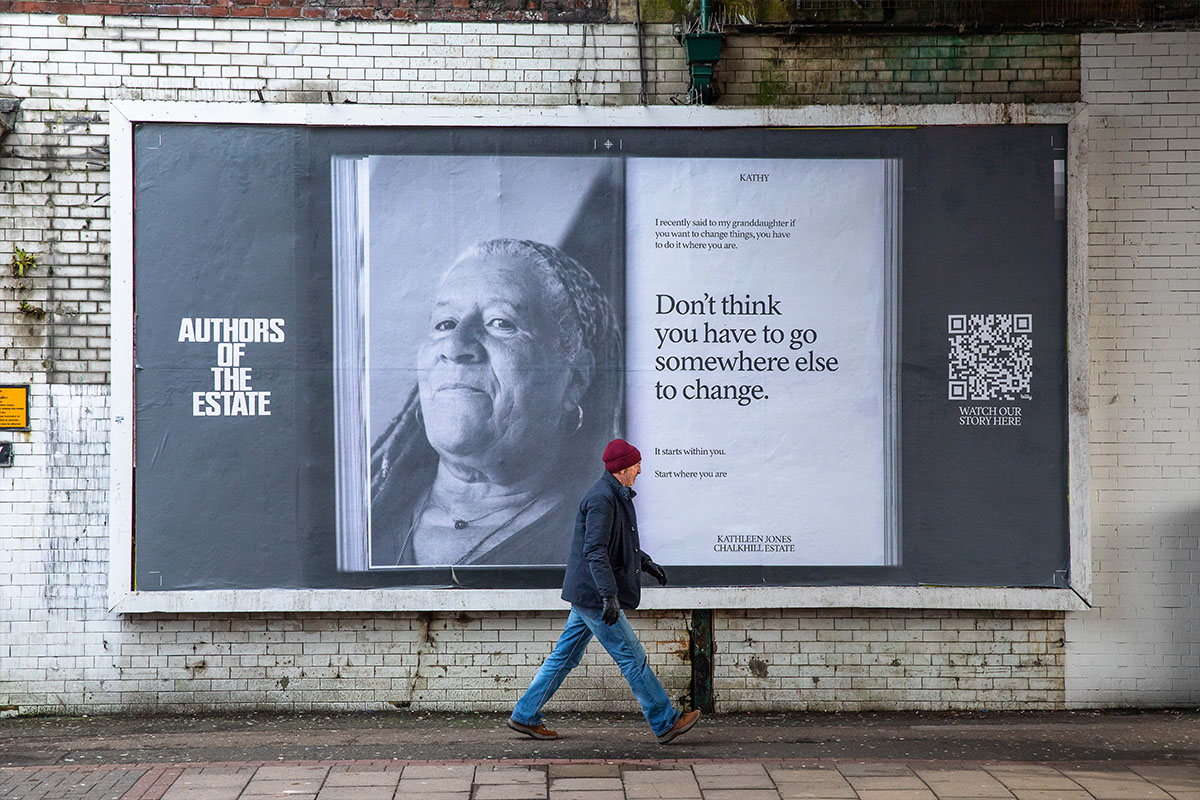
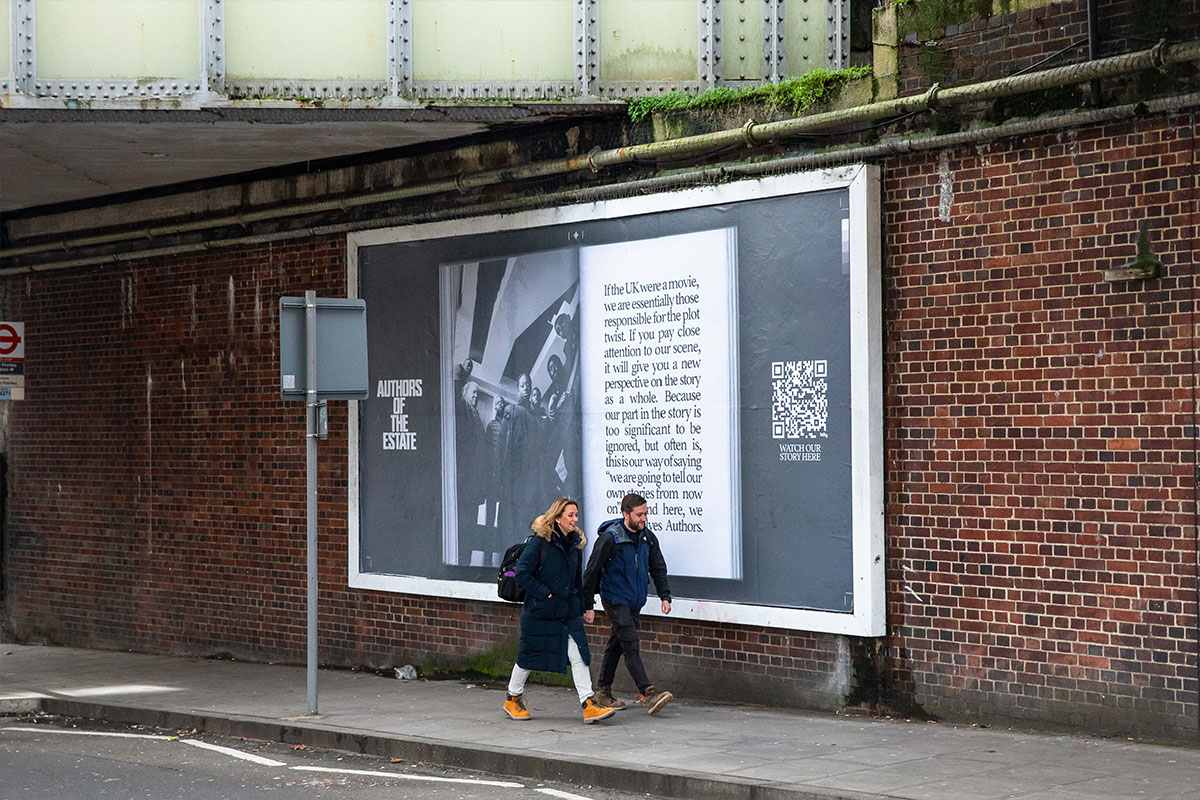
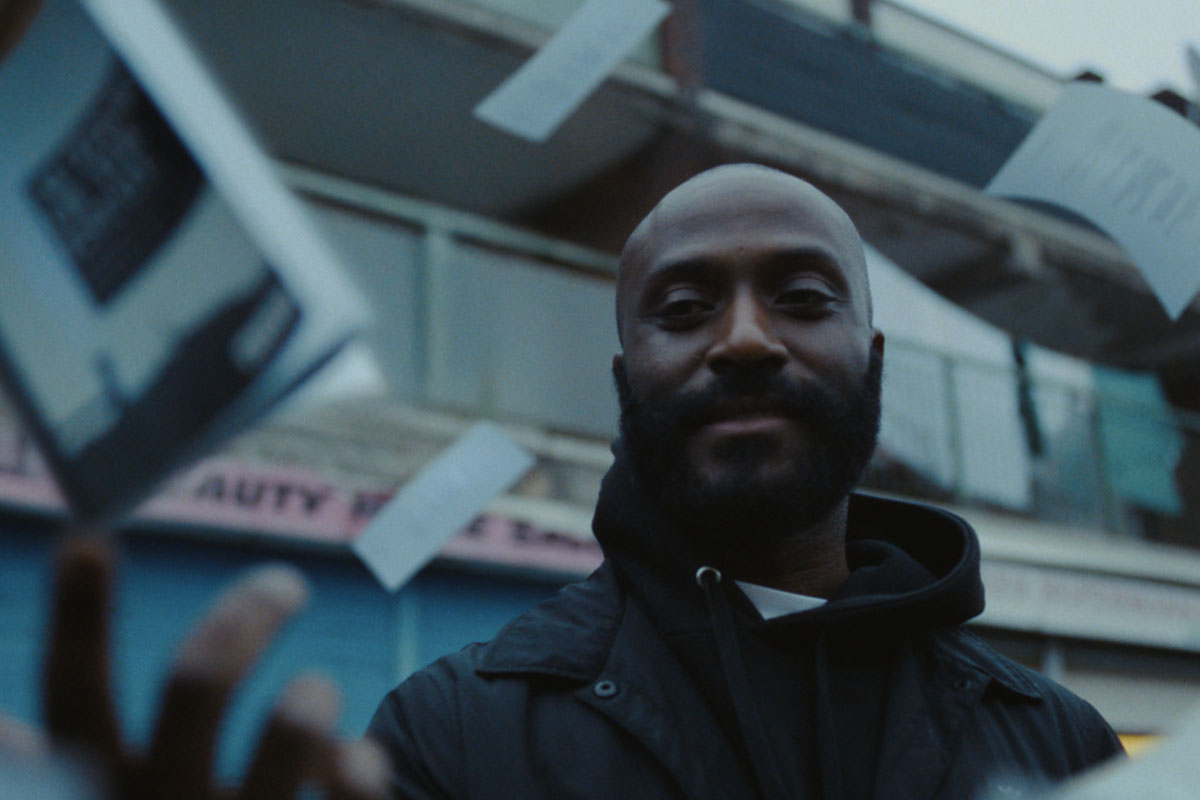
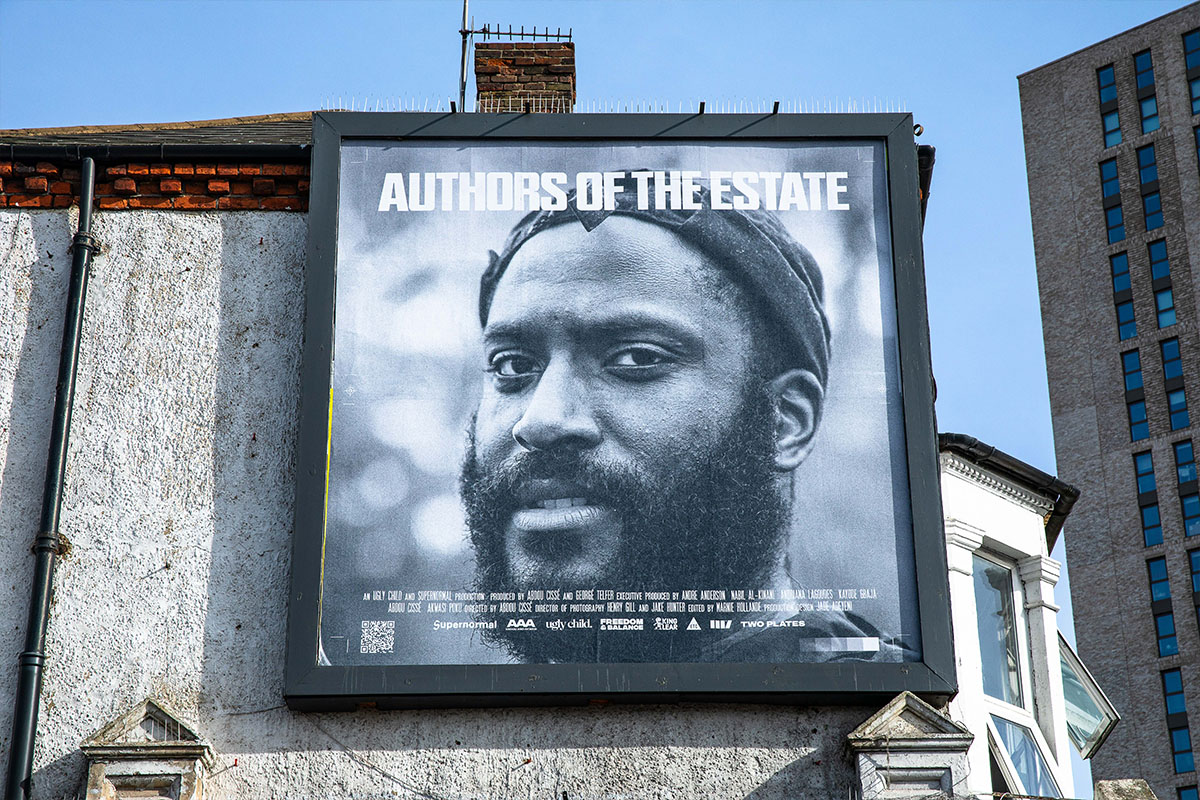
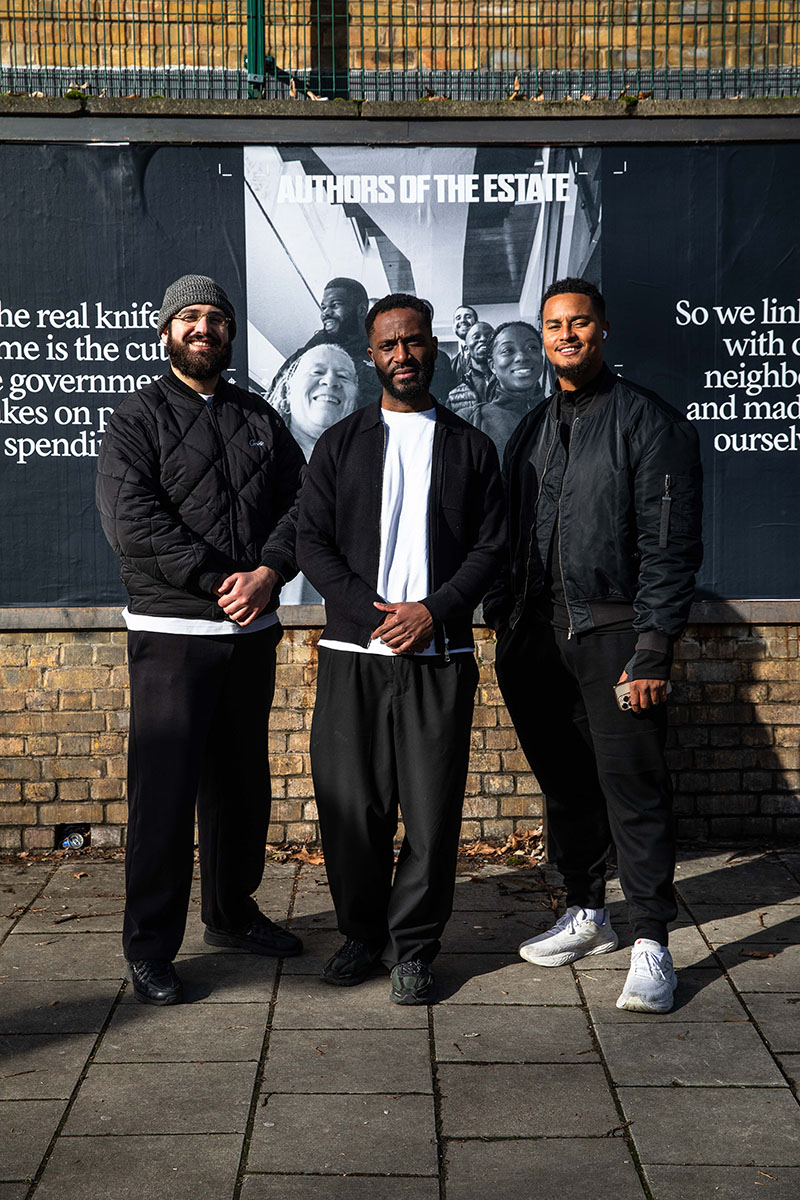
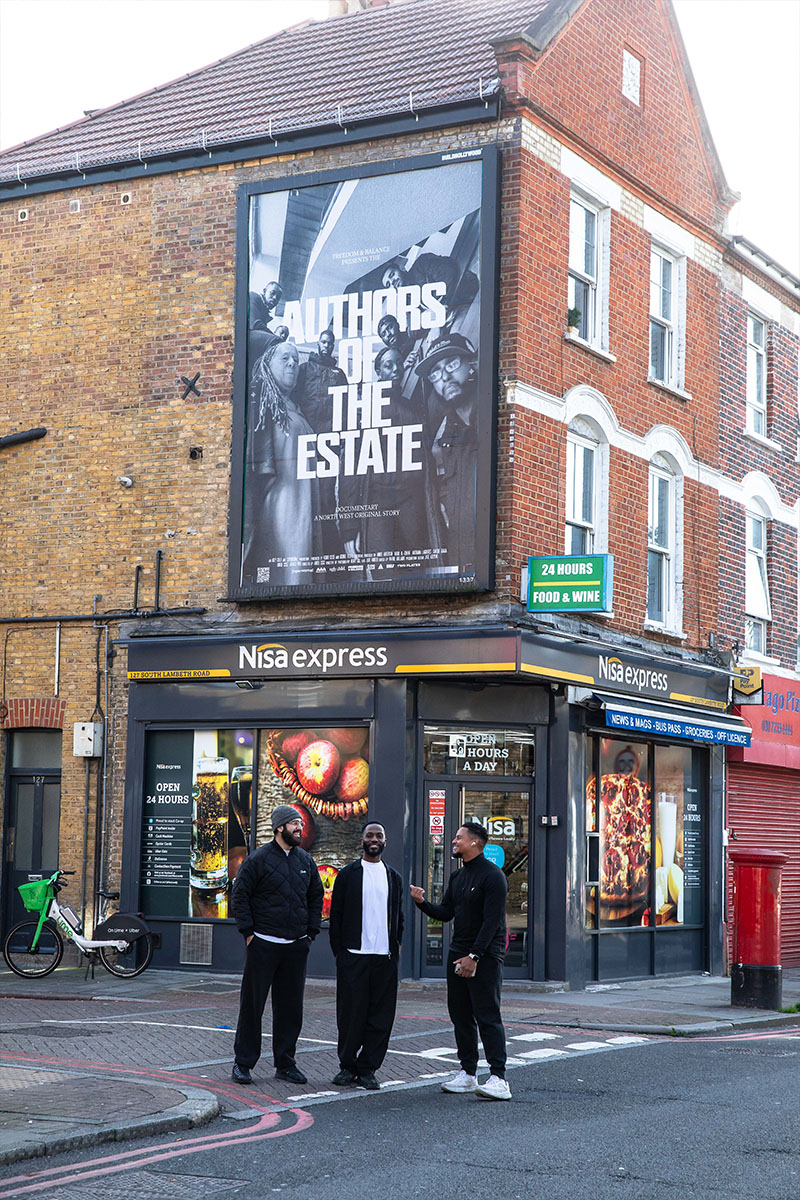
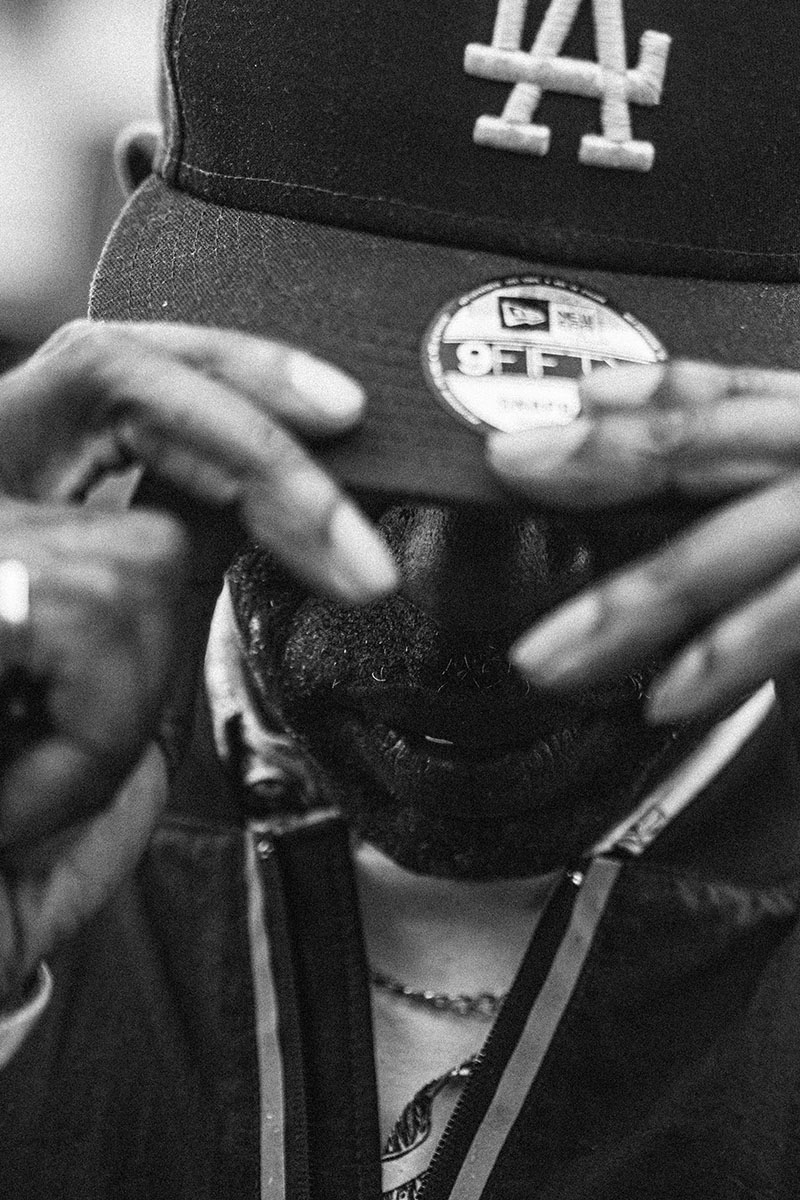
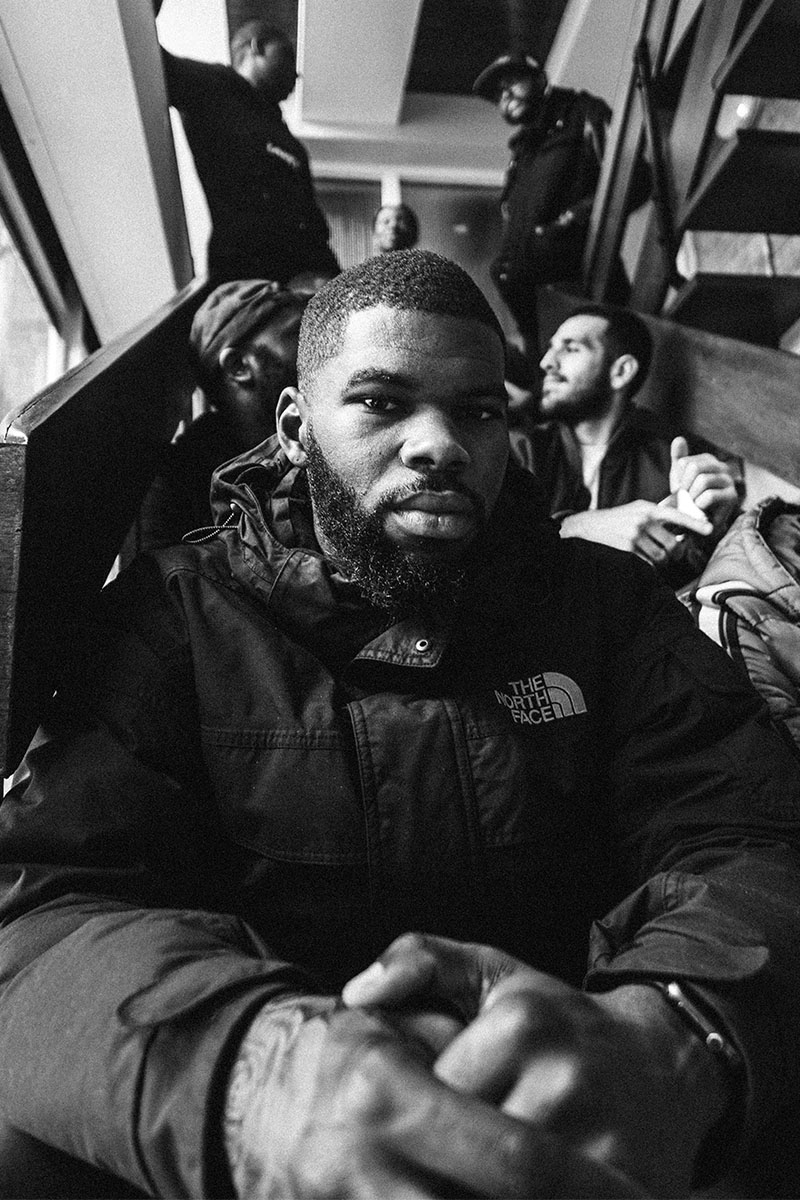
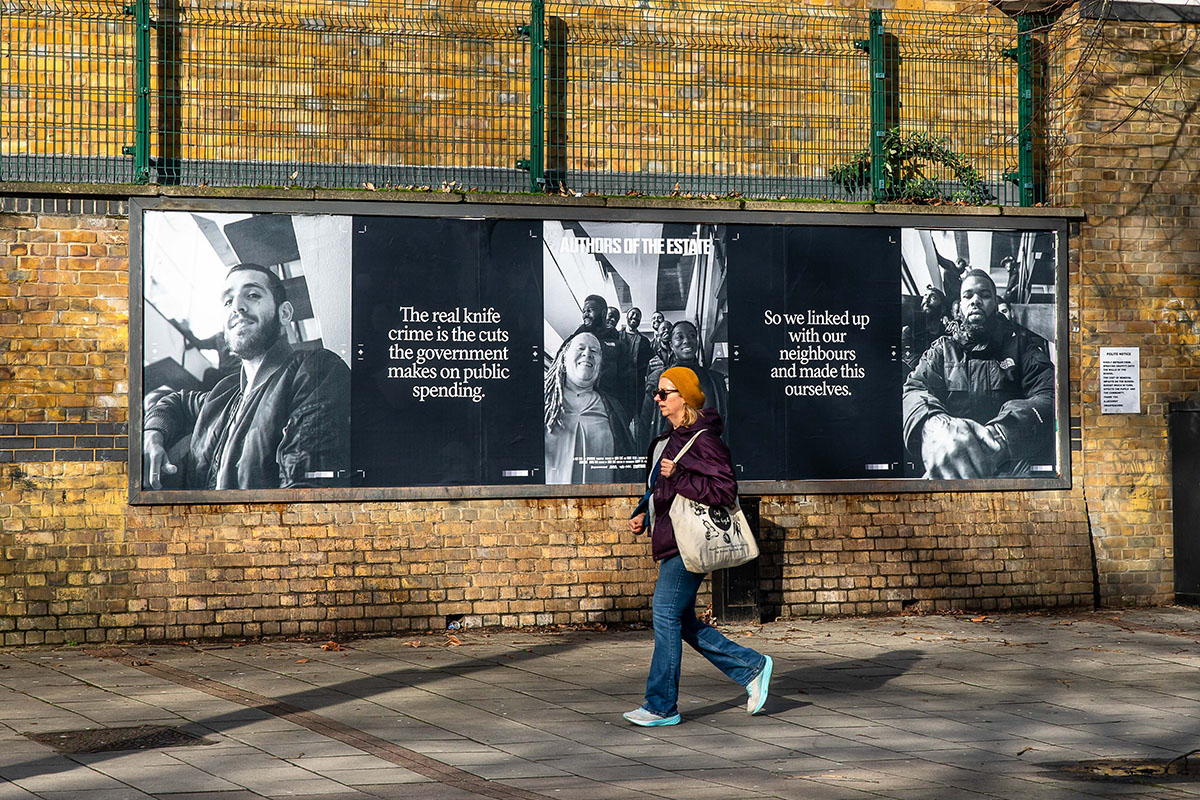
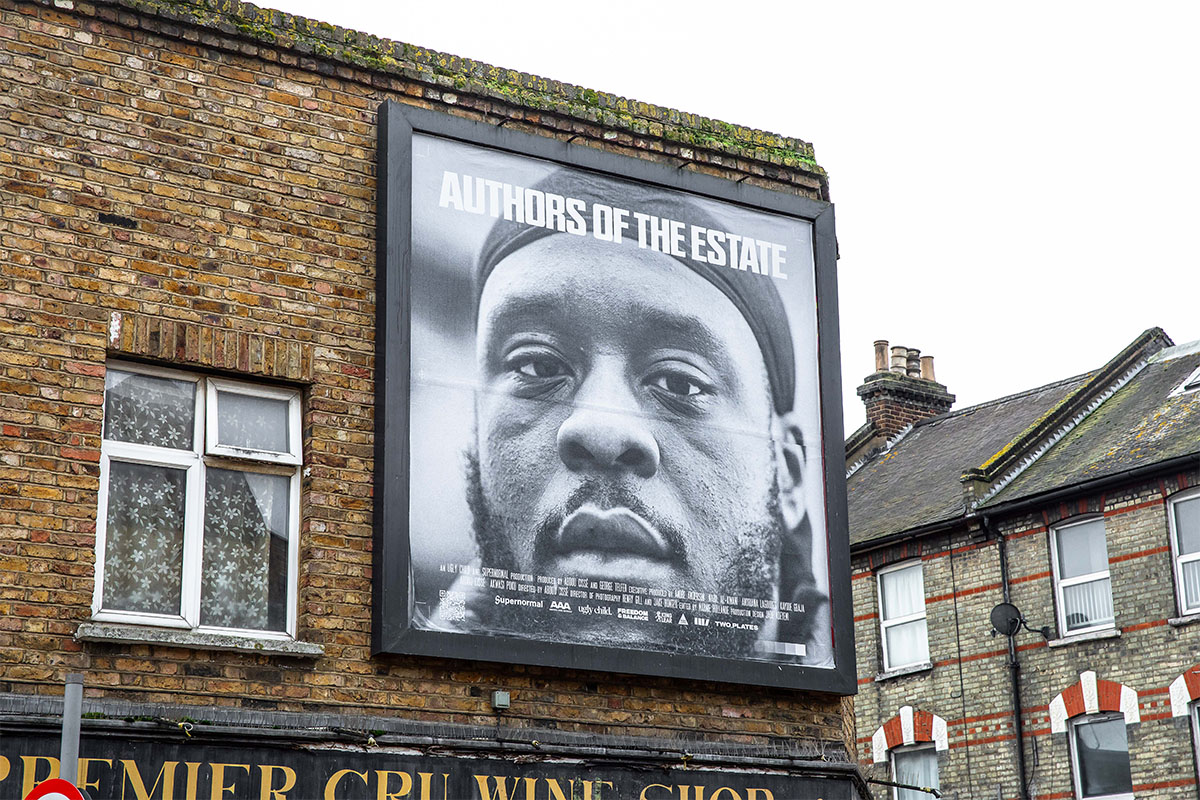
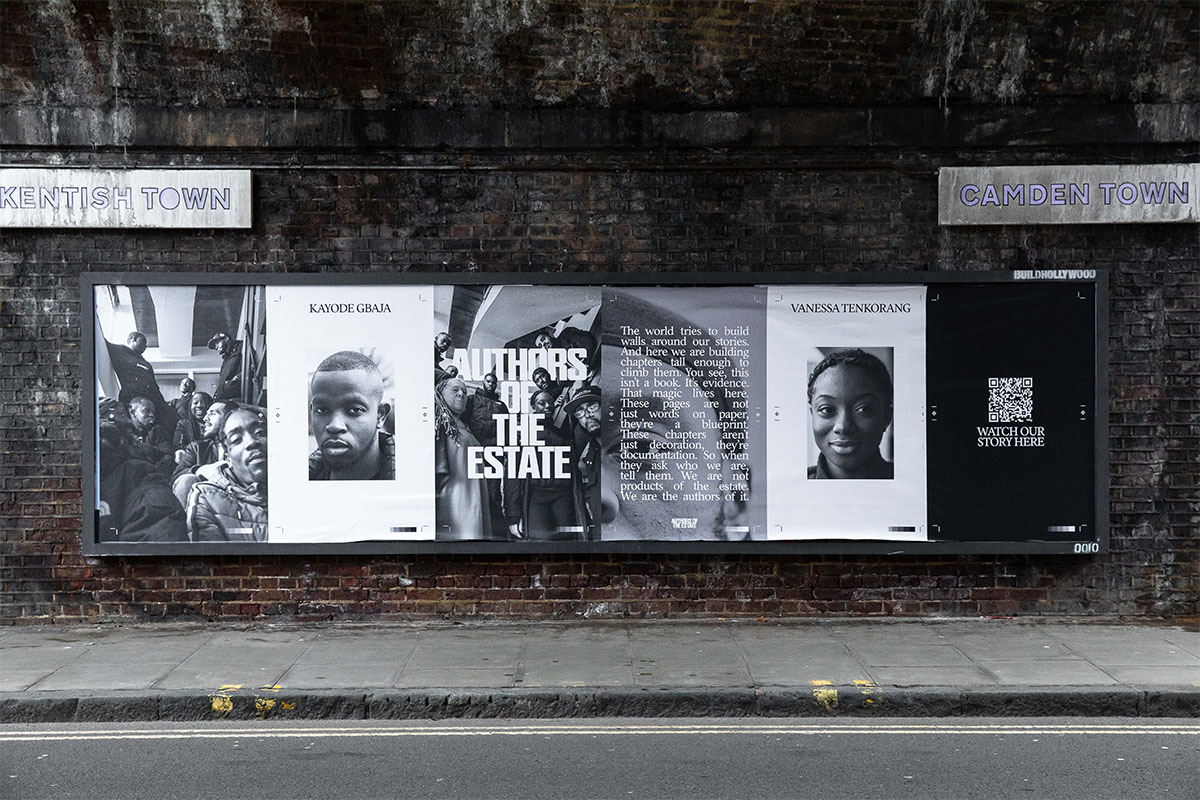
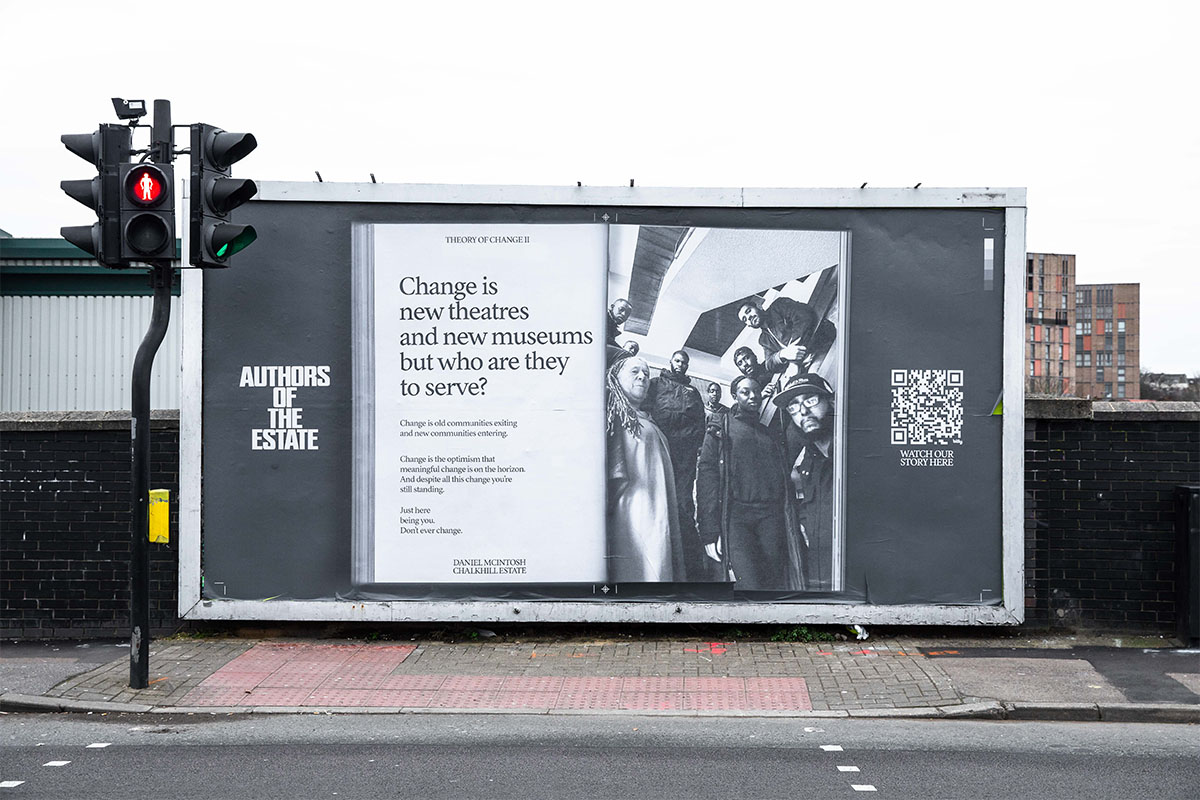
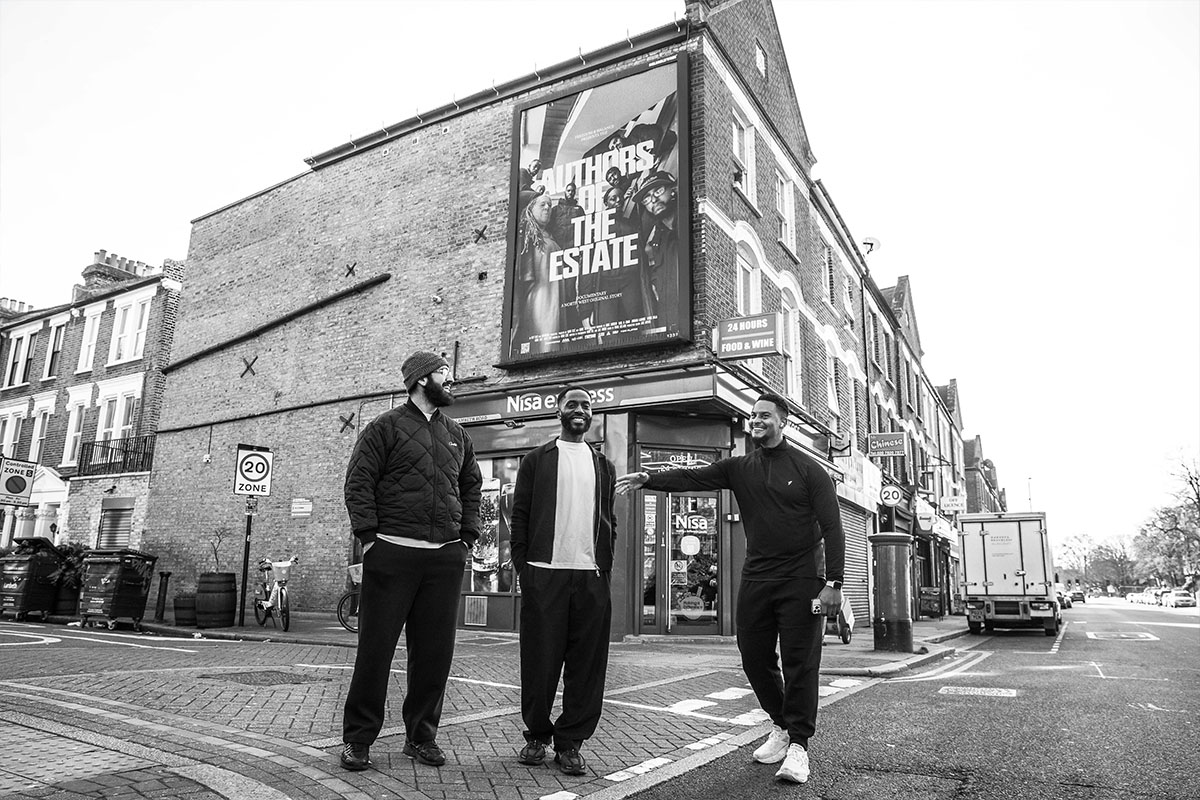
The Authors of the Estate billboard collaboration with BUILDHOLLYWOOD recasts pages from the book as individual artworks, showcasing the striking imagery. “I’ve got a background in advertising but one of our biggest inspirations is French photographer JR,” says Abdou Cissé. “When I first start getting into design, I realised that artists could flip the perceptions of what billboards could be: a medium to express art. They took over those spaces, they owned those spaces.”

The billboards also feature incisive text lines from Nabil Al-Kinani, now a writer, producer and built environment professional. “I see billboards as massive canvases across the city that are usually used to sell stuff to people,” says Al-Kinani, “whereas on this occasion we’re using them to paint a narrative and push a message.” His own work pushing messages began with his influential publication Privatise the Mandem (2021) and now extends to Free the Ends (2024) and a busy schedule hosting talks, workshops and lectures.

There’s a clear throughline between the origins of the Authors film and André Anderson’s current work on play, for example his recent TED talk ‘How play shapes the future’.

“What we were doing as kids – exercising, experimenting, playing – how can that be for the whole of life and not just for childhood?” he says “How do you bring the essence of a creative industry in your neighbourhood, and what then comes from that? I wanted to bring that to the forefront.”

What did you think you were making with the first edition of Authors?

André: I wanted to create proof. In St Raphs there had been nothing but a wealth of negative stories surrounding the area, and at that time I was self-publishing lot of books. I knew the power of having your words physically, in a book. I wanted to create physical evidence that we have other stories to tell.

And what do you now think you made?

André: The project is closer to a toy. The more you play with it, the more it gives you. The conversations we had in St Raphs led to the first book. The first book was given to all 1,000 homes. That attracted SB:TV which Nabil saw. That led to a second book, and various billboards. The film invites itself to a whole new set of play. We don’t really have a word for it, but the billboards are closer to story-hosting than story-telling. You put something on a wall to say: ‘how are you going to respond to this?’ or ‘what stories could be told if we position ourselves in this way?’ We want to see what comes from this new phase when it goes out on the billboards.

Nabil, in the film we see you discovering Authors on YouTube channel SB:TV. Is there any difference between what we see on the film and how it was in reality?

Nabil: It’s actually scary how accurate it is. It really was on the same desk, in the evening, my face being lit up by that screen. I was listening to music videos and I saw this group of artists, from my sides, with this crazy provocative title saying ‘Authors of the Estate’. Their challenge was not just to grab our attention, or my attention, but also to convince me that what they did was within reach. At the time, I hadn’t seen myself as anything above average, so whatever they had achieved, I thought was out of reach – until I watched the SB:TV documentary. Then I was like, ‘oh these lot are actually like me’.


The word ‘accessibility’ is often used in a different context but there’s an element of SB:TV’s storytelling and context making authors accessible…

André: If you were to trace back the UK music scene, you could thank SB:TV founder Jamal Edwards for a lot of it. If you look at our cadence, it has the output of a publishing house but it’s the equivalent of a F64. It’s in our own slang, in our own language. It’s in the vein of what Jamal Edwards did, even what Virgil Abloh did. We take pride in that.

What did you want to get from the film?

André: I wanted to create a film that answers all the questions we’ve heard quite a lot over the last ten years, and for richer questions to be asked. I wanted to see what happens when we create another SB:TV moment. Making a film that portrays us in the way we’ve always wanted to see ourselves portrayed on screen. And seeing if there’s another Nabil moment, that starts another creative process in different areas of the UK, if not the world.

Nabil: We wanted to take the words of the book out of the pages and on screen. The book incentivises you to pick up a pen and tell your stories. The film does exactly that. Also, some people don’t enjoy reading literature and are cinephiles instead.

Abdou: Like Andre said, we wanted a captivating way to understand the process and translate what Authors is. I wanted to do this for my friends, to make sure this story is told properly and stewarding that. And then over time, realising it’s a call to action or a space where the next person could understand what Authors is, and see proof of the artform and that way of thinking. It’s an opening chapter of the next story, yet to be told.

André: Going back to this idea of it being a toy: it was less of it being a story that we’re trying to tell and more pushing you towards something. That’s why the end is ‘don’t wait for permission’ Just try something. It’s more of an invitation than anything else.


The back cover of Authors states ‘our ideas carry weight, and we will be heard.’ How long did it take before the voices were heard?

Nabil: I hadn’t quite understood the gravity of what we were doing until after we released the book. When you get into storytelling you get into a whole world of politics. I hadn’t realised in 2019 that our very cities are shaped by storytelling. We come from places where our stories are told on our behalf and those stories lead to over-policing, which then leads to development plans, which then leads to displacement and gentrification. When we introduce our stories into that realm, it becomes a bit awkward because our stories conflict with the popular narrative. I don’t see our work as being an ethnographic display ‘this is what they get up to in the hood’ but rather – ‘the way you lot have been shaping the city, according to the stories that circulate, has rotten foundations’.

André: It has not stopped being heard. There’s something very special about Authors because the response has been to the capacity that we’re able to hold it. When it was neighbourhood, neighbourhood-adjacent people were hearing it. It’s grown through time. Also, it’s very easy to assume that when I said ‘we will be heard’ that I mean ‘we’re telling our story and the government is going to hear us and something will change.’ The idea of Authors was never about an external force hearing us. It’s about us giving us space to hear ourselves, and for us to know what we sound like … Sometimes it’s louder, sometimes it’s quieter, but I think we’ve been heard from the moment we put it out.

Nabil: We grew up in environments you call dangerous but we’re probably your son or daughter’s teacher. A lot of us go to Friday prayer. A lot of us go to church. We’re probably the ones who take care of you in A&E. So on and so forth. To be heard, in this context, is to interrupt false truths that are pumped out.

What are the most striking responses you’ve had recently?

André: We went to Mulberry Girls Sixth Form and shared it with 400 young people. One of them came to me and said ‘thank you for not making another boring documentary.’ It speaks the language of the time. It’s not two hours long. All the information is in there, but you can watch it in a lunch break or a normal break.

Abdou: We feature music from Ashley Thomas aka Bashy in it. It sounds so silly but he said he sent the film to his mum. For me that was such a big thing. ‘Oh wow, you felt that this was precious enough and good enough to share with a family member’. That’s the highest form of praise, to share it with a loved one or someone you think needs it.

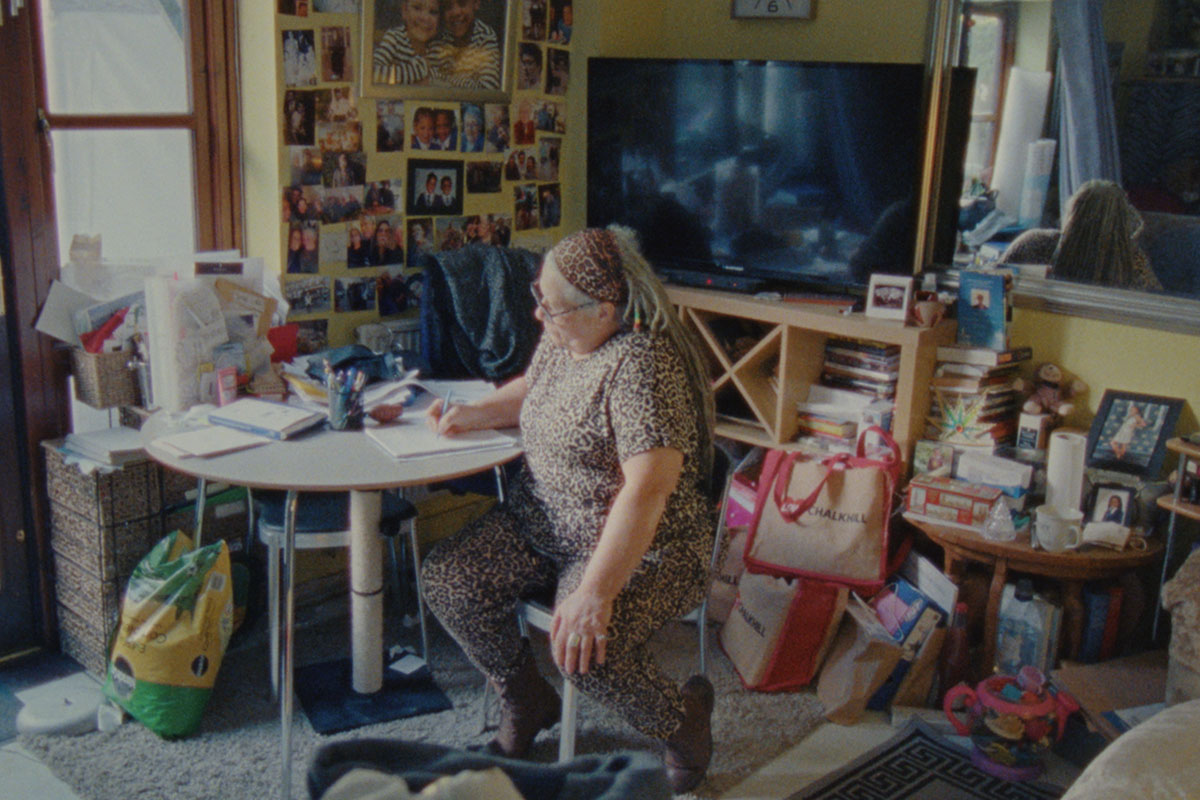
André: One of the authors, Kathy, brought her family and friends to her house. There’s a thing where people are going to houses to watch the documentary. It hits me more when I know it’s a family moment.

How does André’s phrase ‘the process is the prize’ relate to the whole Authors project?

Abdou: It’s a process of discovering, seeing where it goes. The process of making the book was an art in itself. Every time the project takes up new space – the book, the film, the artwork I’ve been doing for the billboards – there are new keys you unlock. Not just cool ways of doing things, but new language the project can take on. We’ve learned how powerful the written word is, and how far it can stretch, and what forms it can take. Writing goes beyond letters on a page.  When André coined that phrase, ‘the process is the prize’, I don’t know if he knew how much it would be giving. And how fulfilling it would be.

Previous article

The London Marathon: Hit The Ground Running

Next article

Partnerships

Help Comes Round Again