Newsletter

Join our mailing list for latest news and features

Build Hollywood

Build Hollywood

Build Hollywood

Build Hollywood

Partnerships

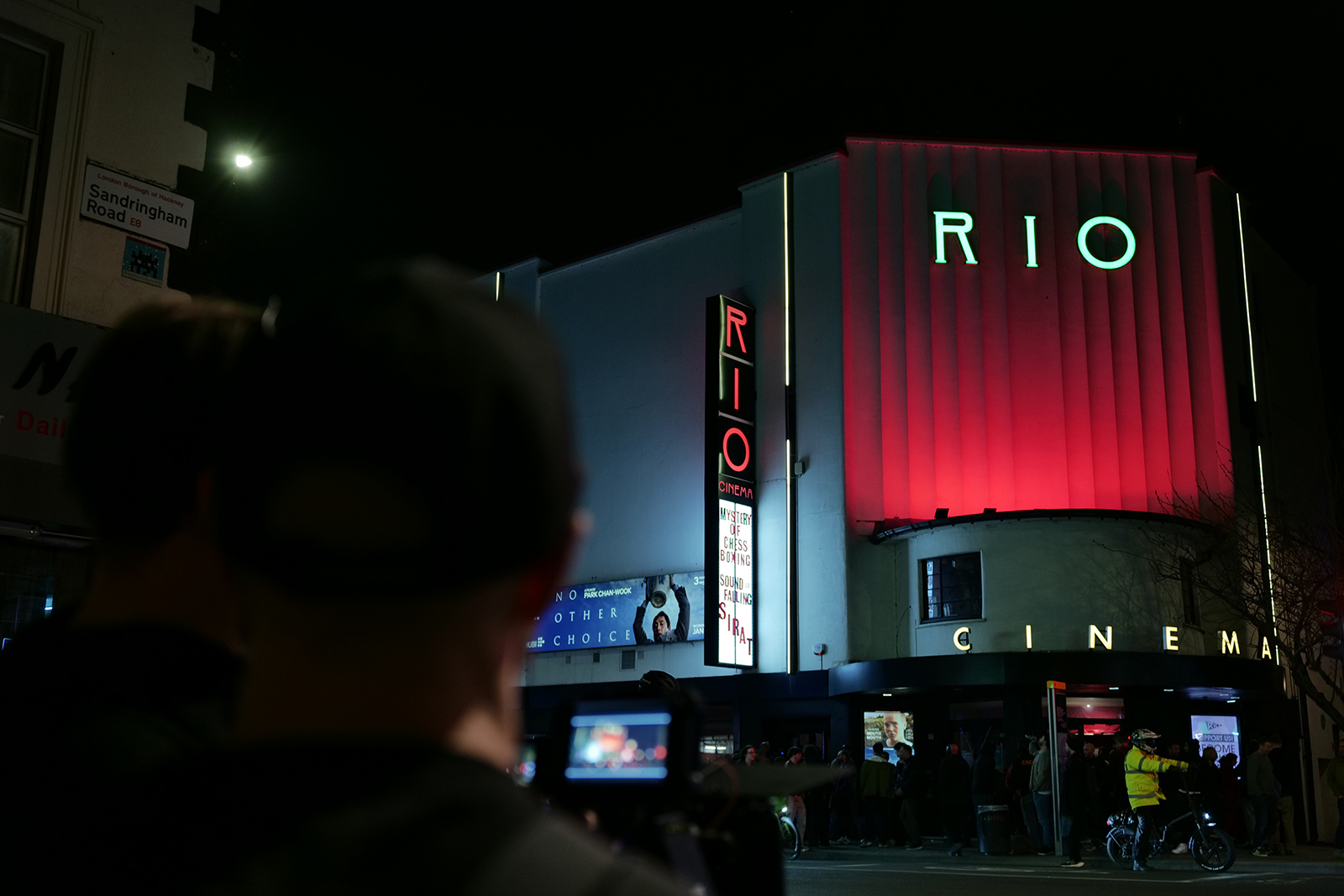
The Rio in Hackney celebrates 50 years as a community-run cinema

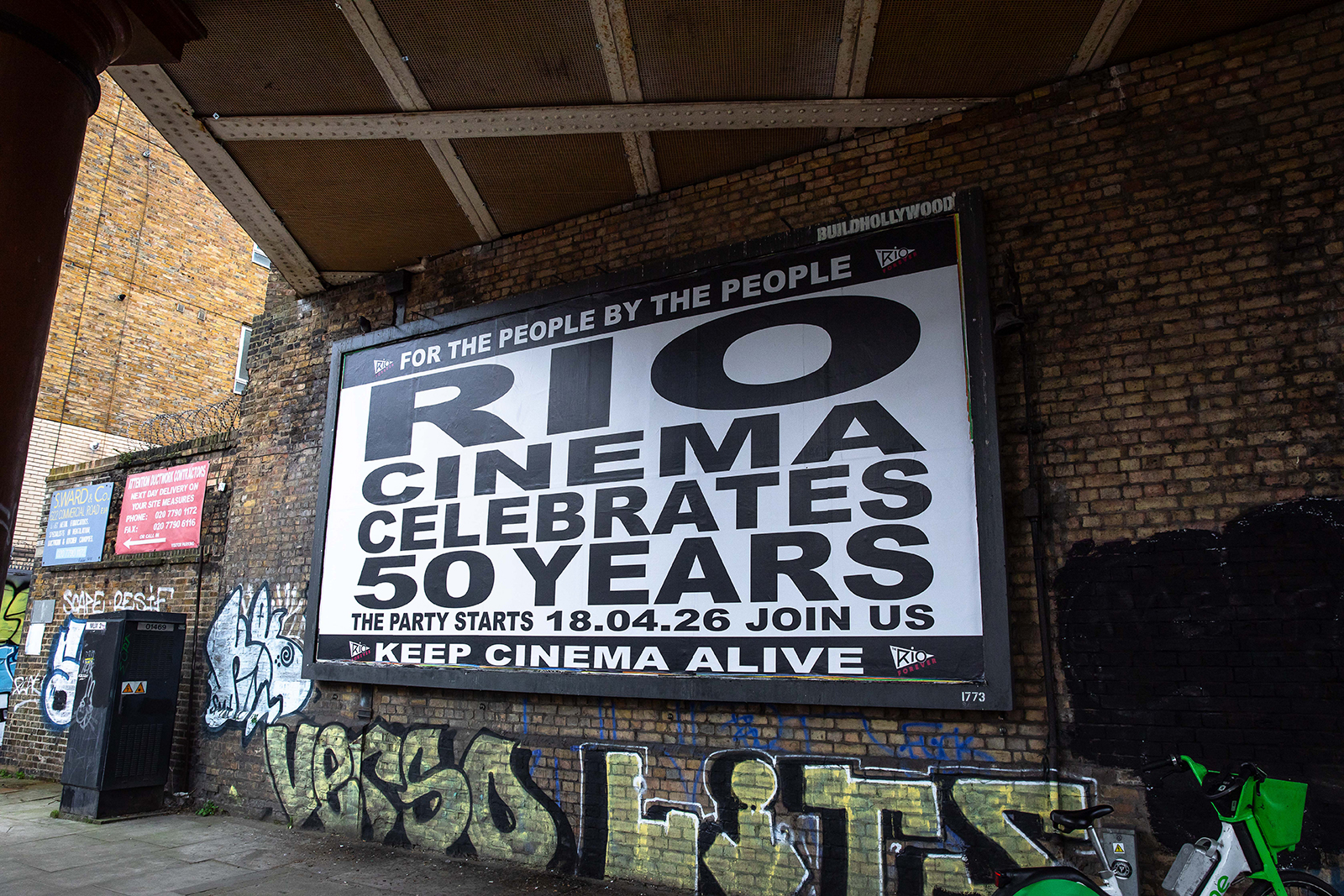
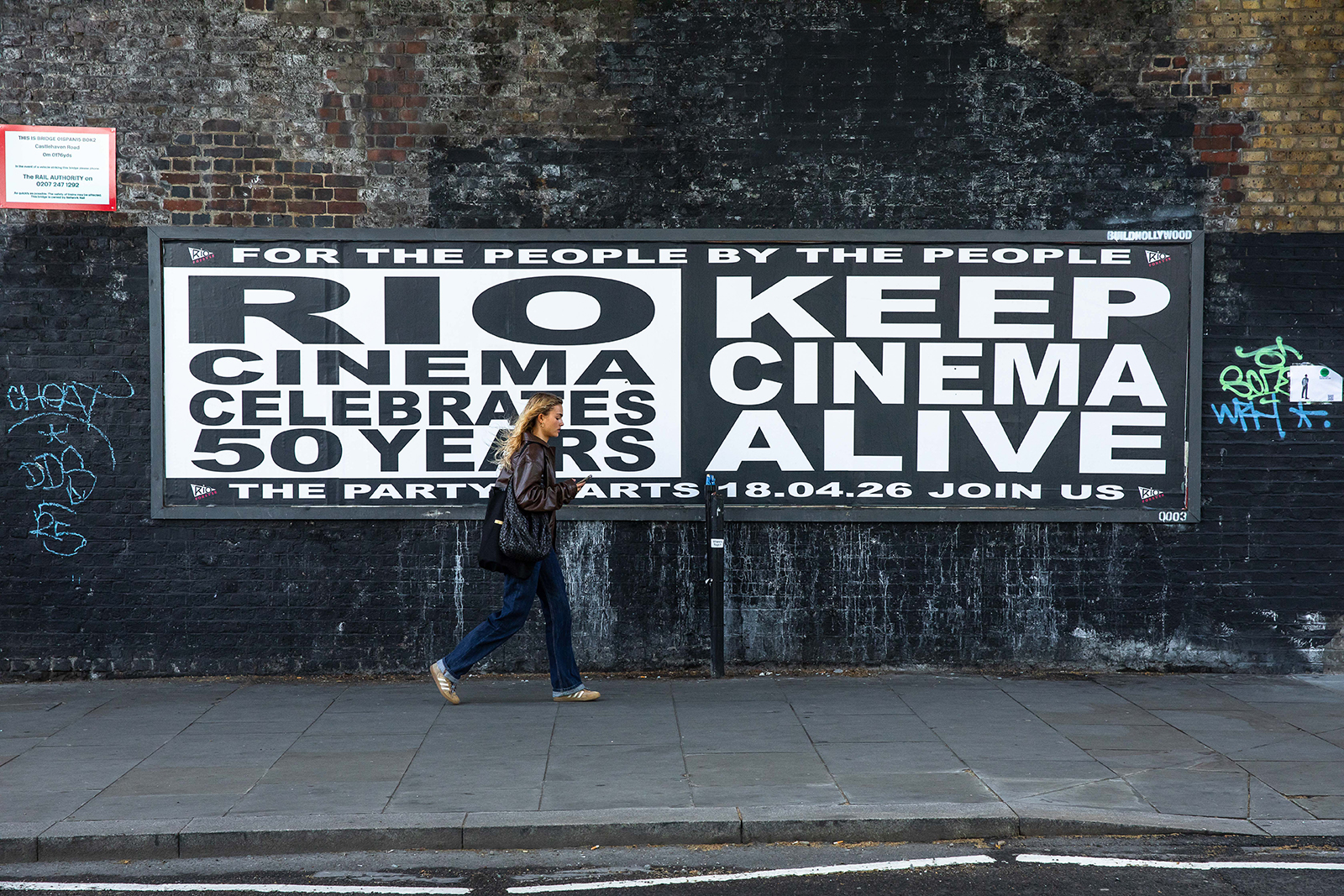
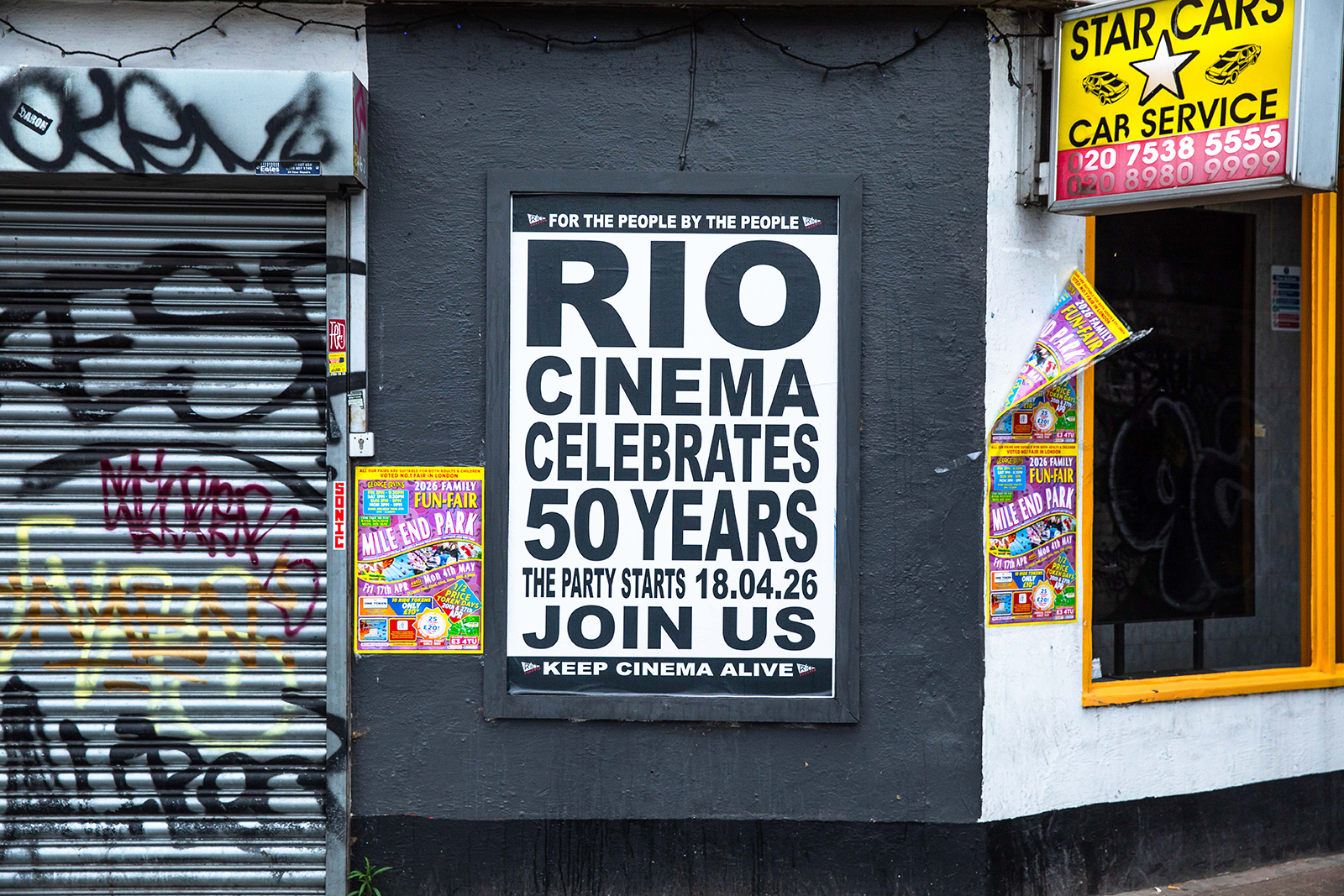
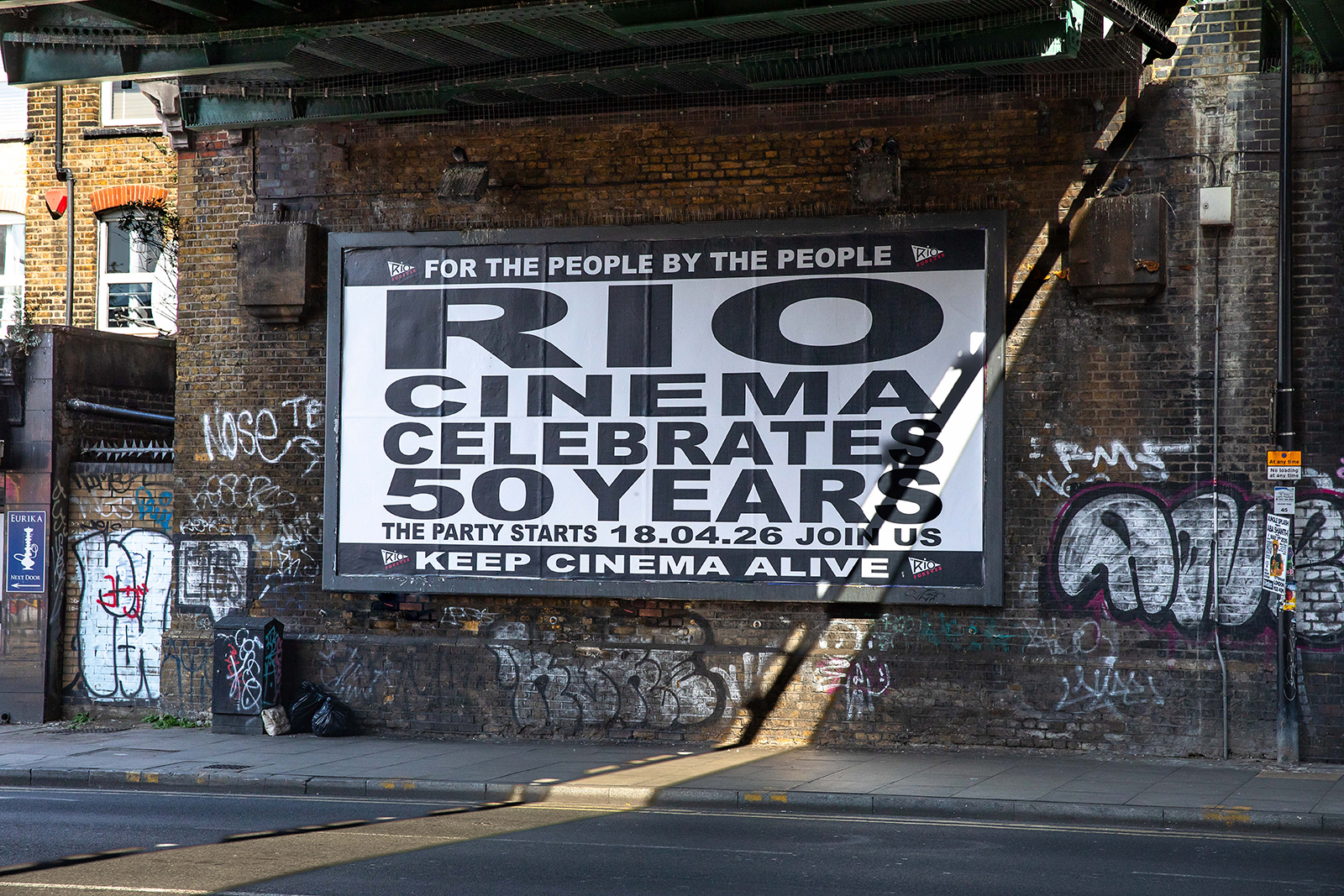
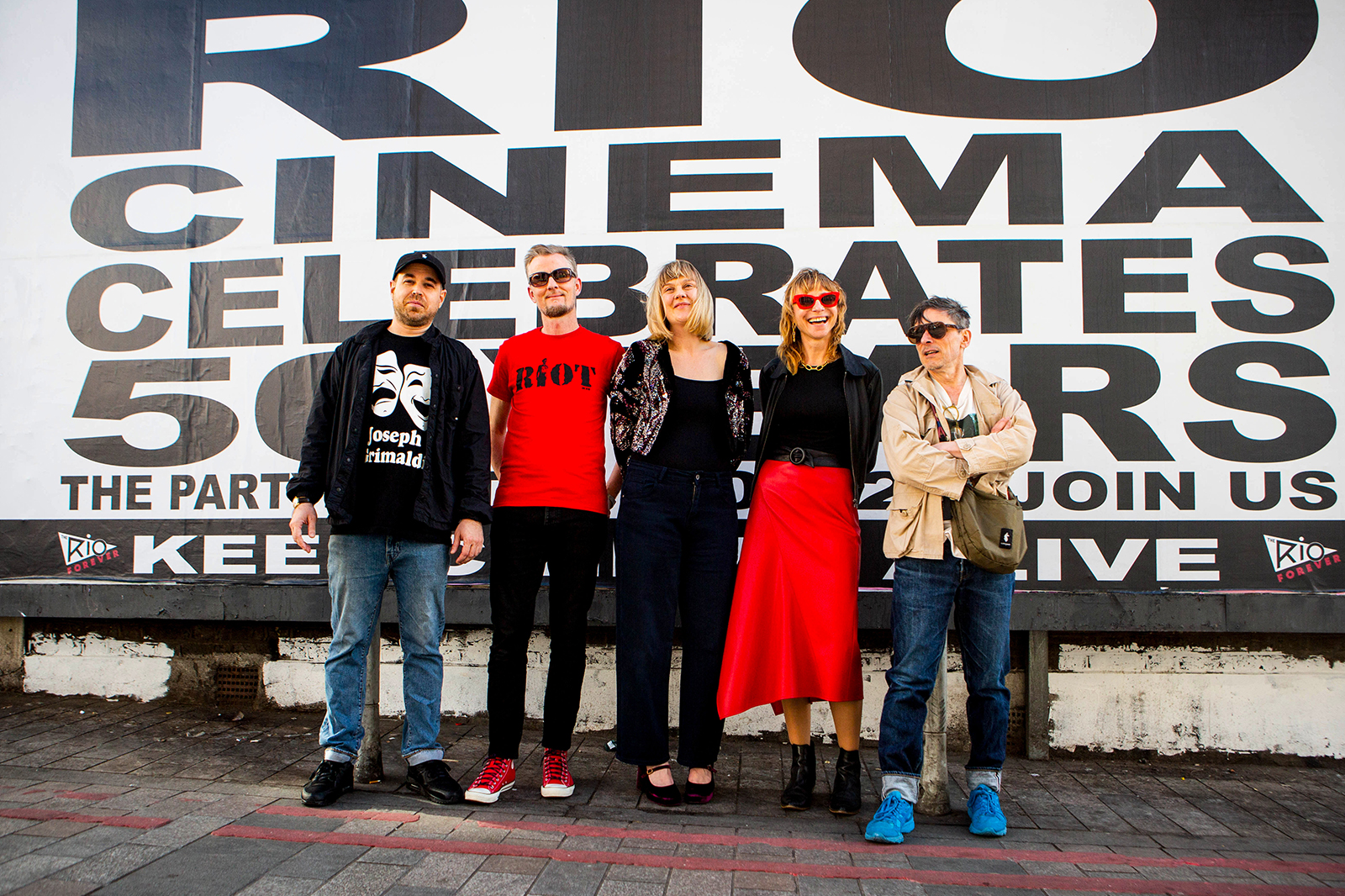
The beloved East London institution is marking the significant milestone with a vibrant programme developed in collaboration with influential creatives, along with a billboard display designed by local anti-establishment artist Sports Banger

Cinemas are sacred places – most of all the independent ones, which have if not the freedom then the gumption to embrace eclecticism. Taking this spirit to the nth degree is the Rio in Dalston, which happily indulges diverse audience tastes. On its programme you might find Oscar contenders, arthouse cult classics, independent films on London life, unique music documentaries, gems lifted from queer cinema history, and rarely screened horrors. It also offers a crucial outlet for film collectives, clubs, and festivals dedicated to specific regional and national film scenes; currently on the schedule are initiatives spotlighting everywhere from the Balkans to Iran to Japan. The melting pot that courses outside the cinema’s doors is well and truly reflected on the screen, too.

The variety of its programming stems from the cinema’s operational structure. The Rio has been running for nearly 120 years – making it the UK’s longest running independent cinema – and has been a community-led charity for the last 50. To celebrate the half-centenary, the cinema is celebrating its heritage in various ways, from a new plaque honouring its pioneering founder to the launch of RIO FOREVER, a special six-month programme bringing some of that history into the present. At the heart of the programme is a series of collaborations with influential creatives from the worlds of film, music, and art – among them Jarvis Cocker, Molly Manning Walker, and Asif Kapadia – who have been invited to choose a title previously screened at the Rio in the past 50 years for a new screening. The programme will offer a glimpse into both the Rio’s archives and the filmmaking tastes of leading artists and directors, all while raising funds for the cinema to ensure that legacy continues well into the future.

21.04.26

Words by Megan Williams
“The Rio has this really DIY ethos baked right into its very beginnings, and I feel that history in the building. You can sense all of the different stories of the people who’ve been involved in running the place, and all of the different audiences that have come through,” explains the Rio’s executive director and programmer, Rosie Greatorex.

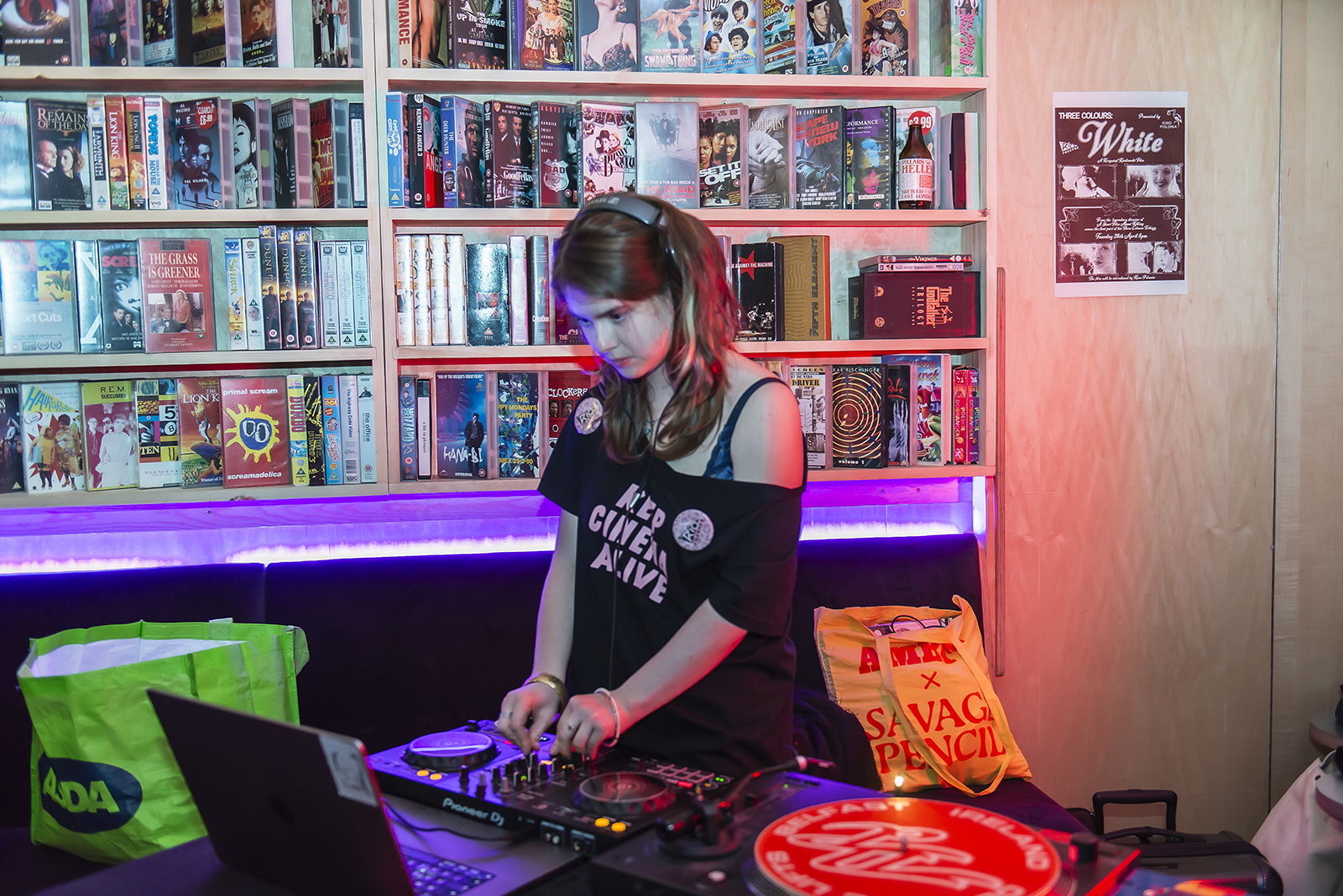
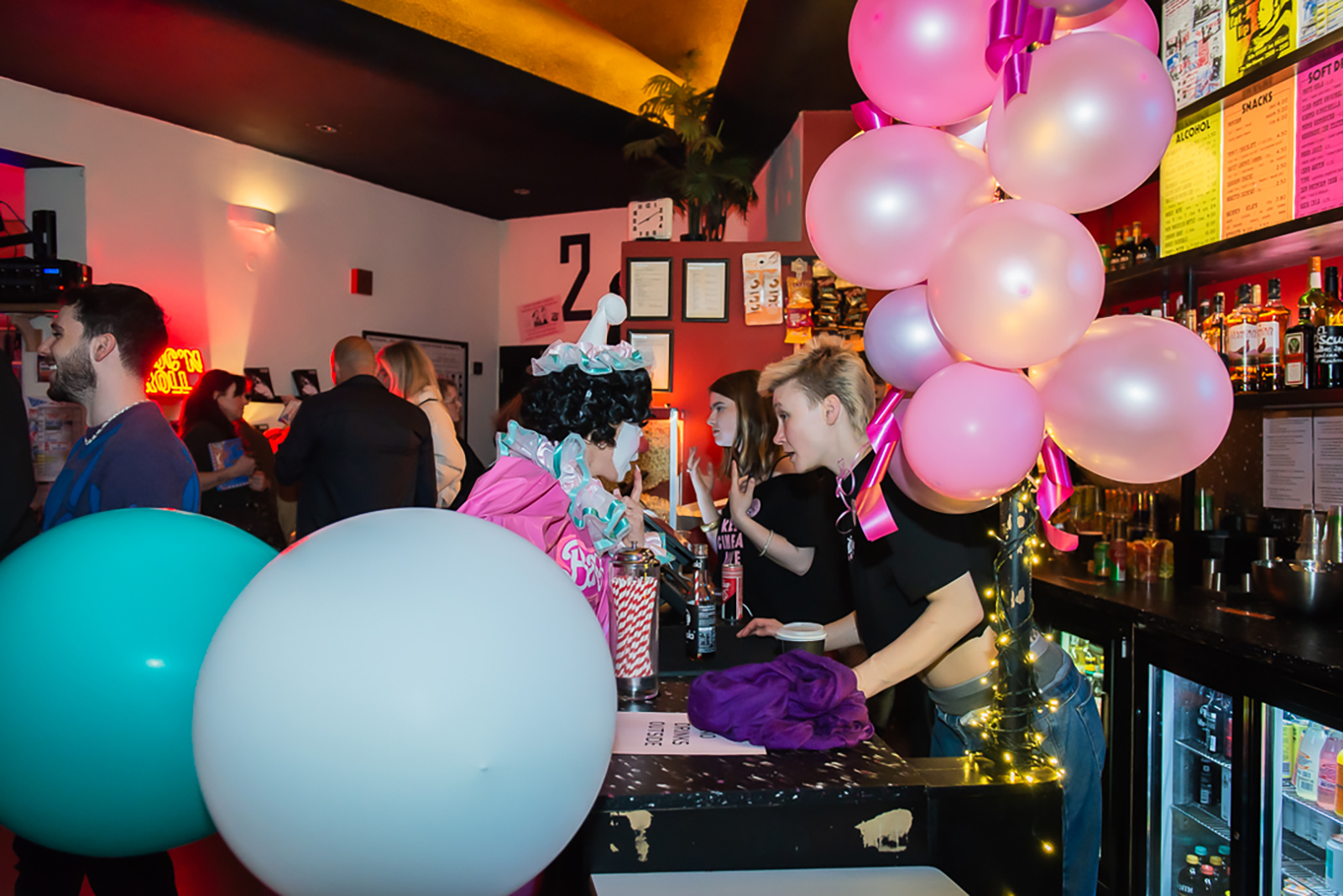
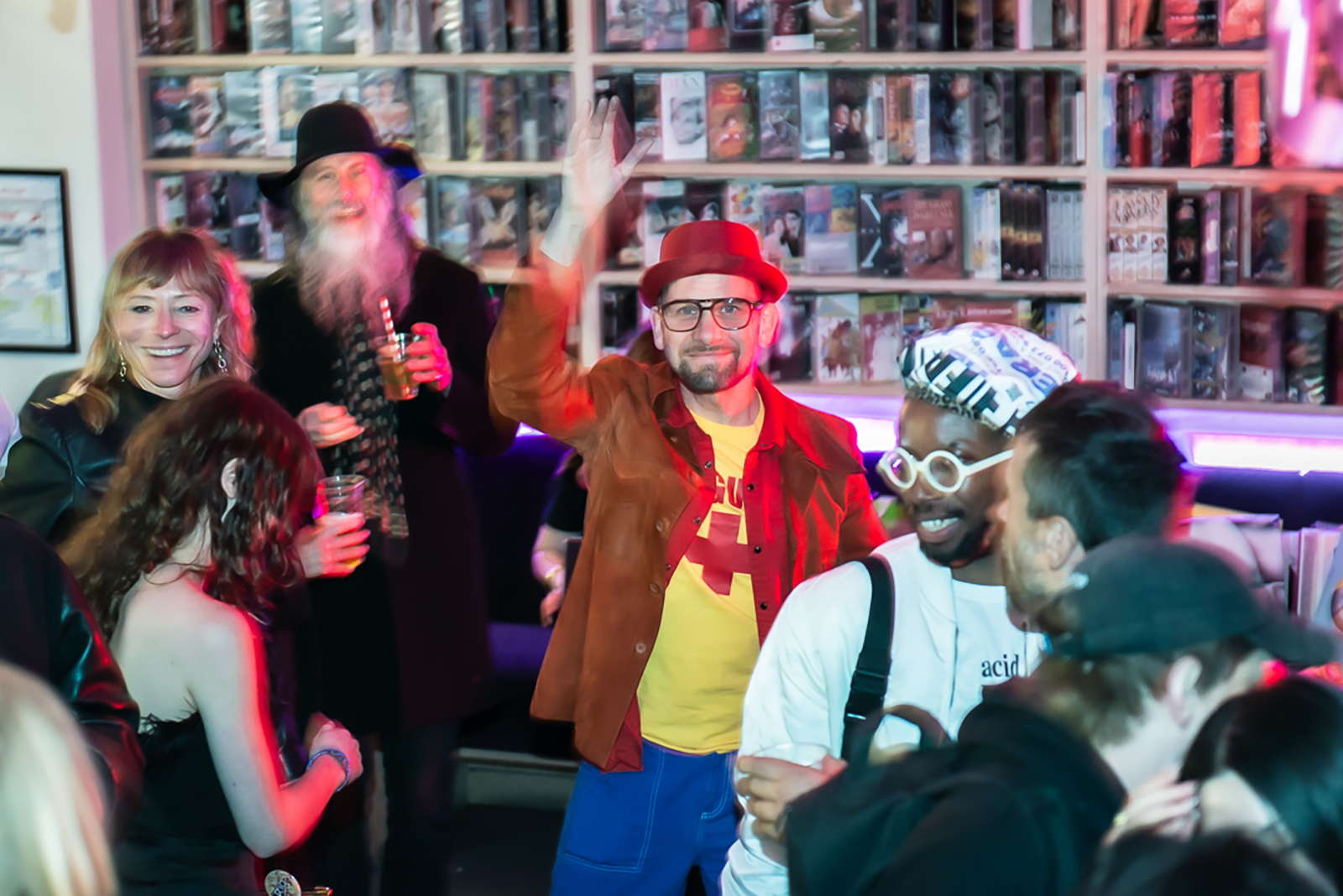
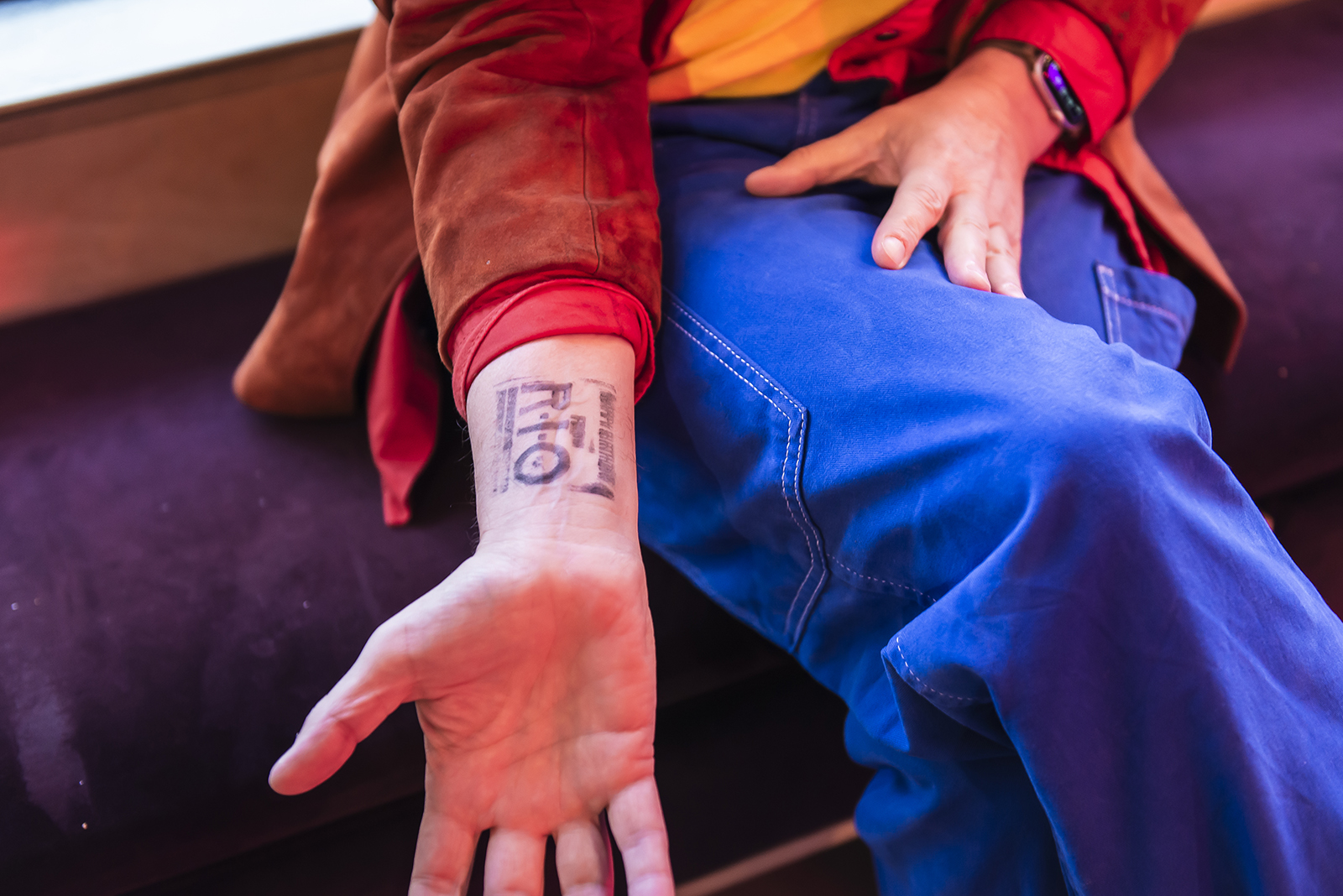
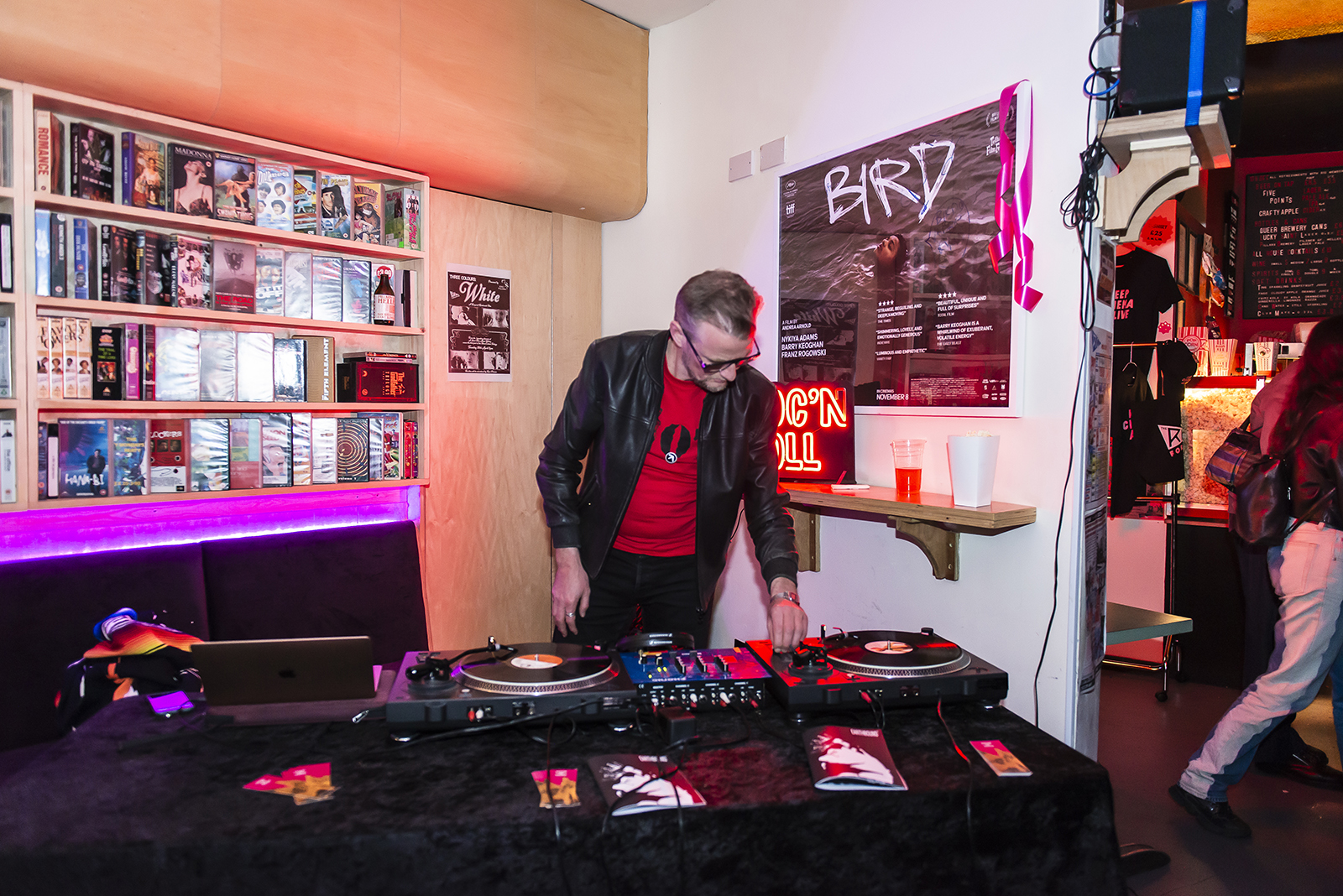
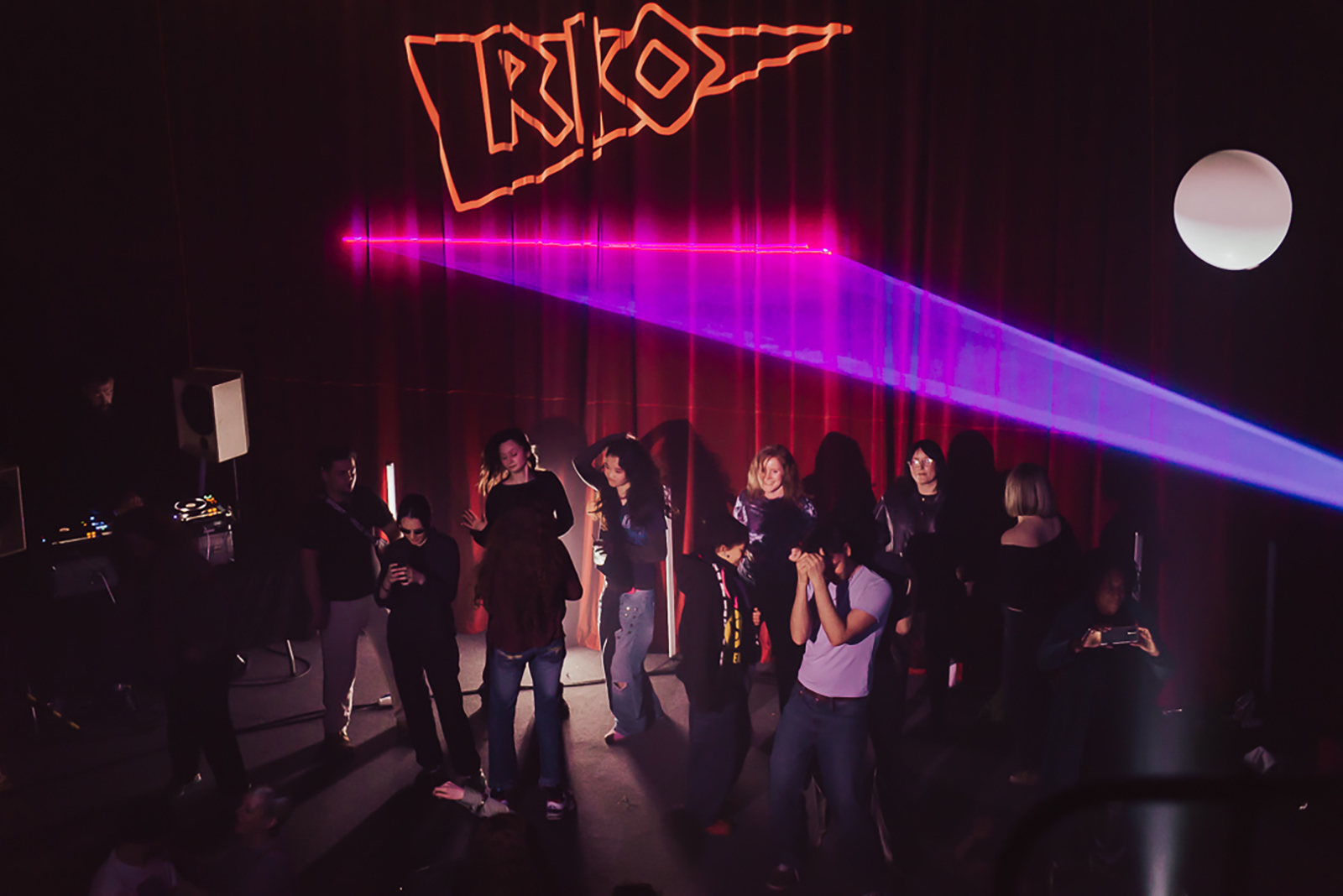
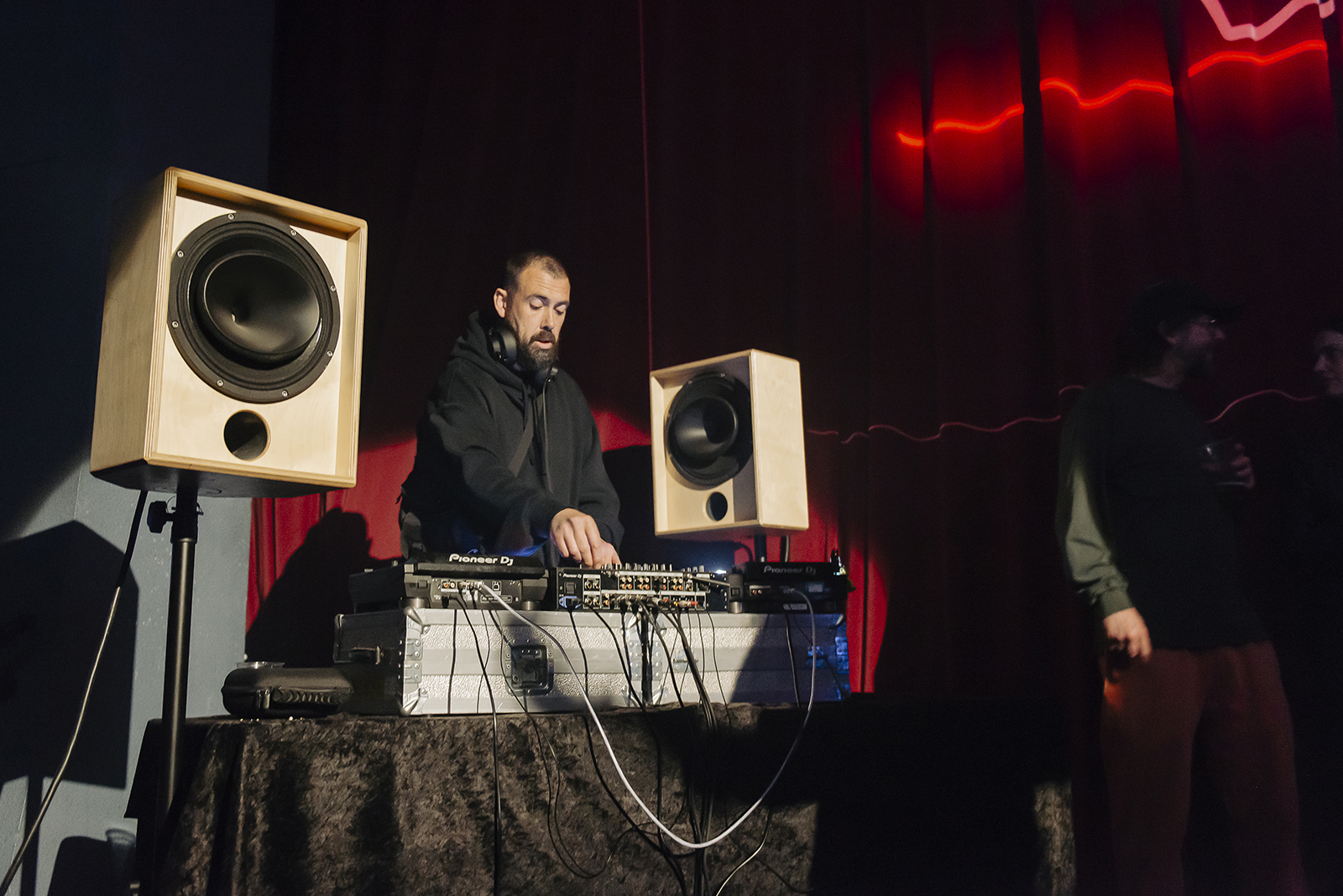
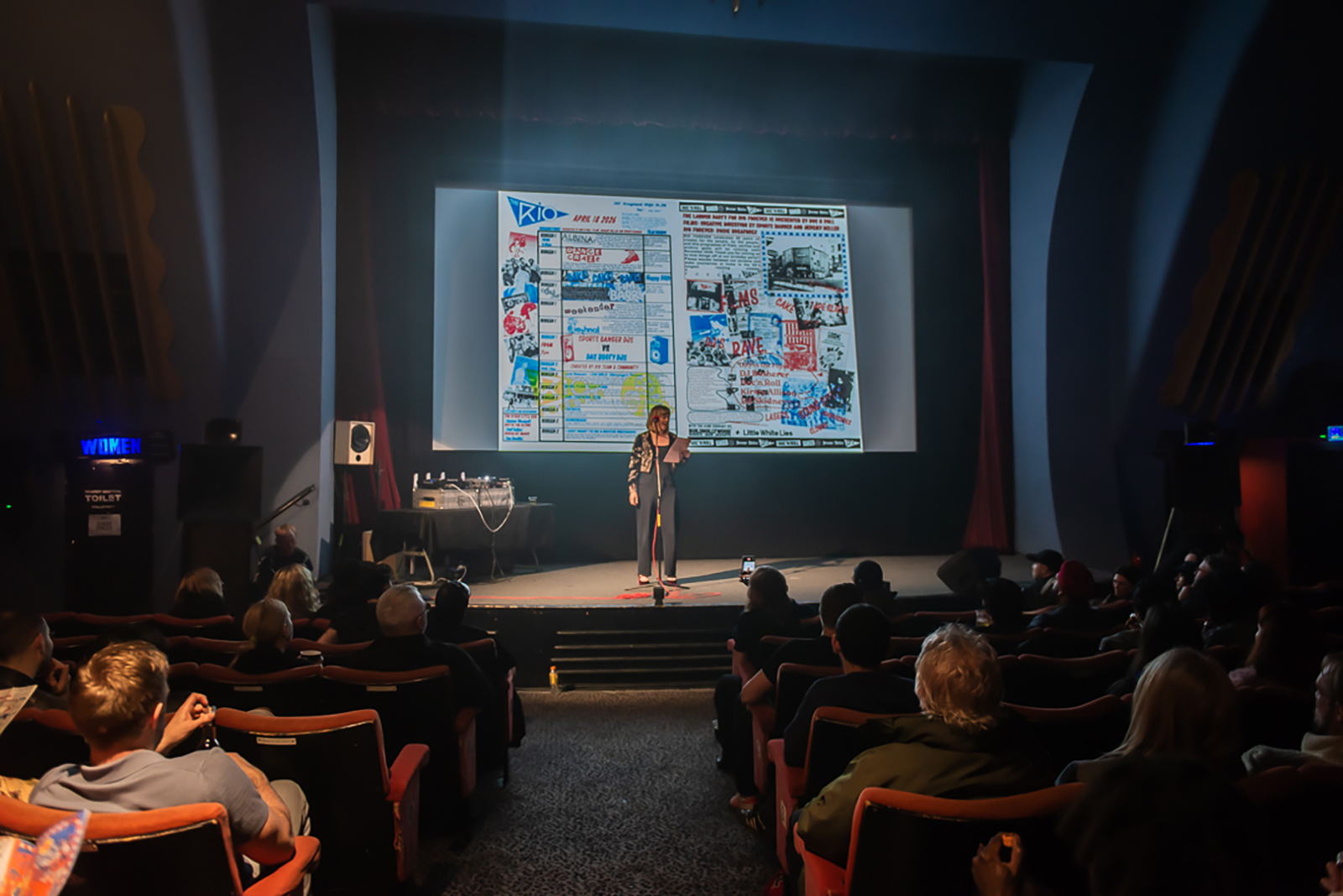
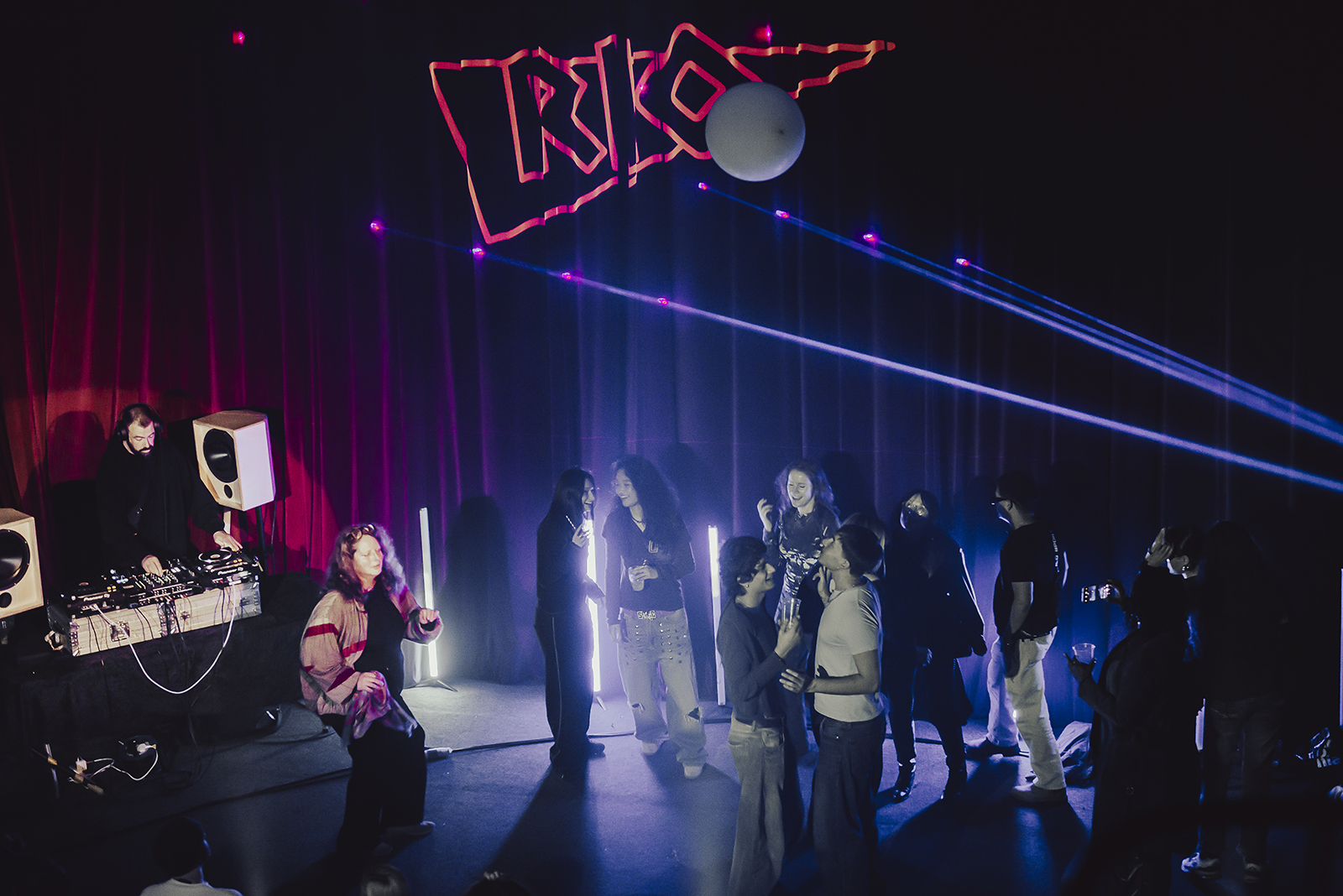
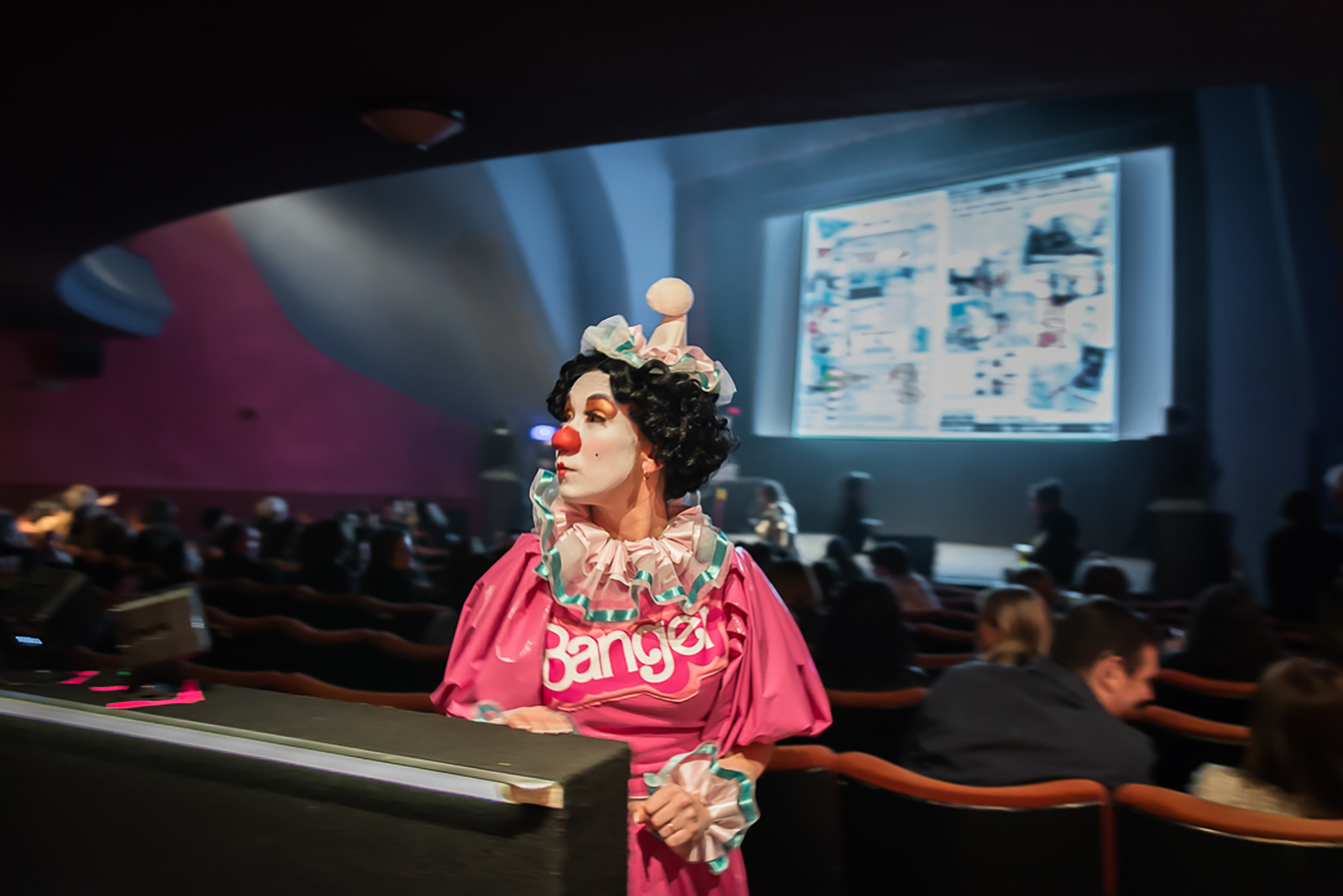
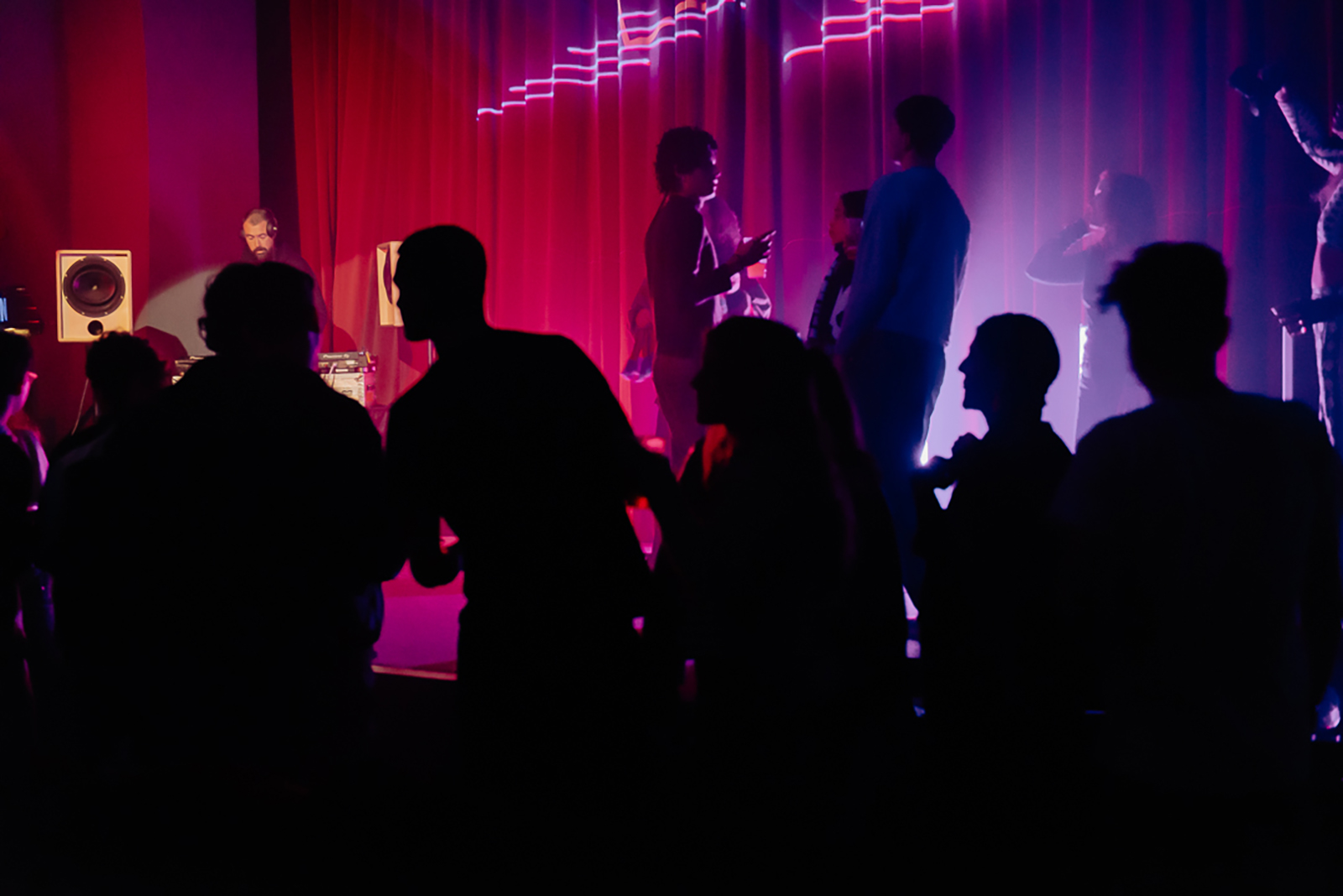
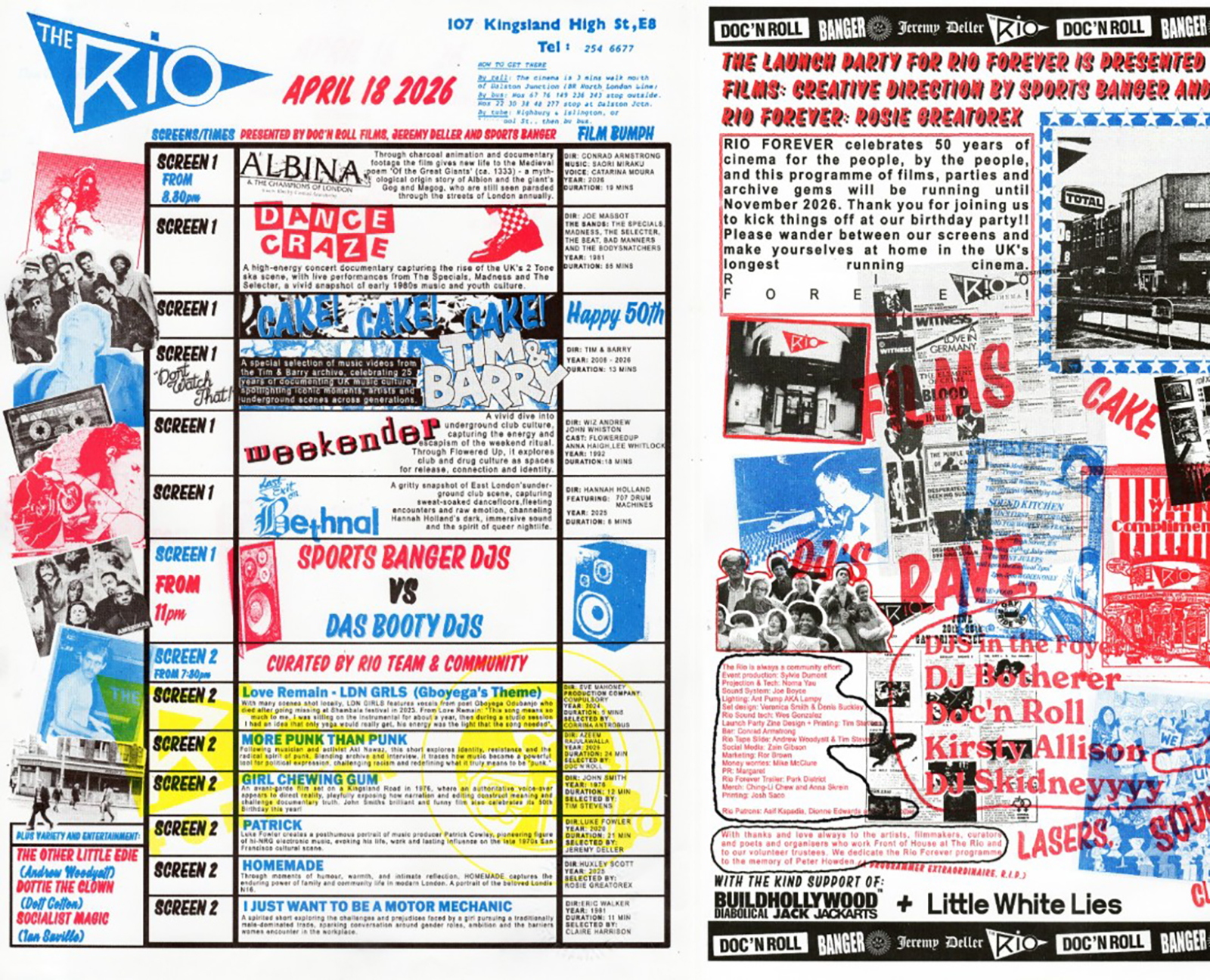
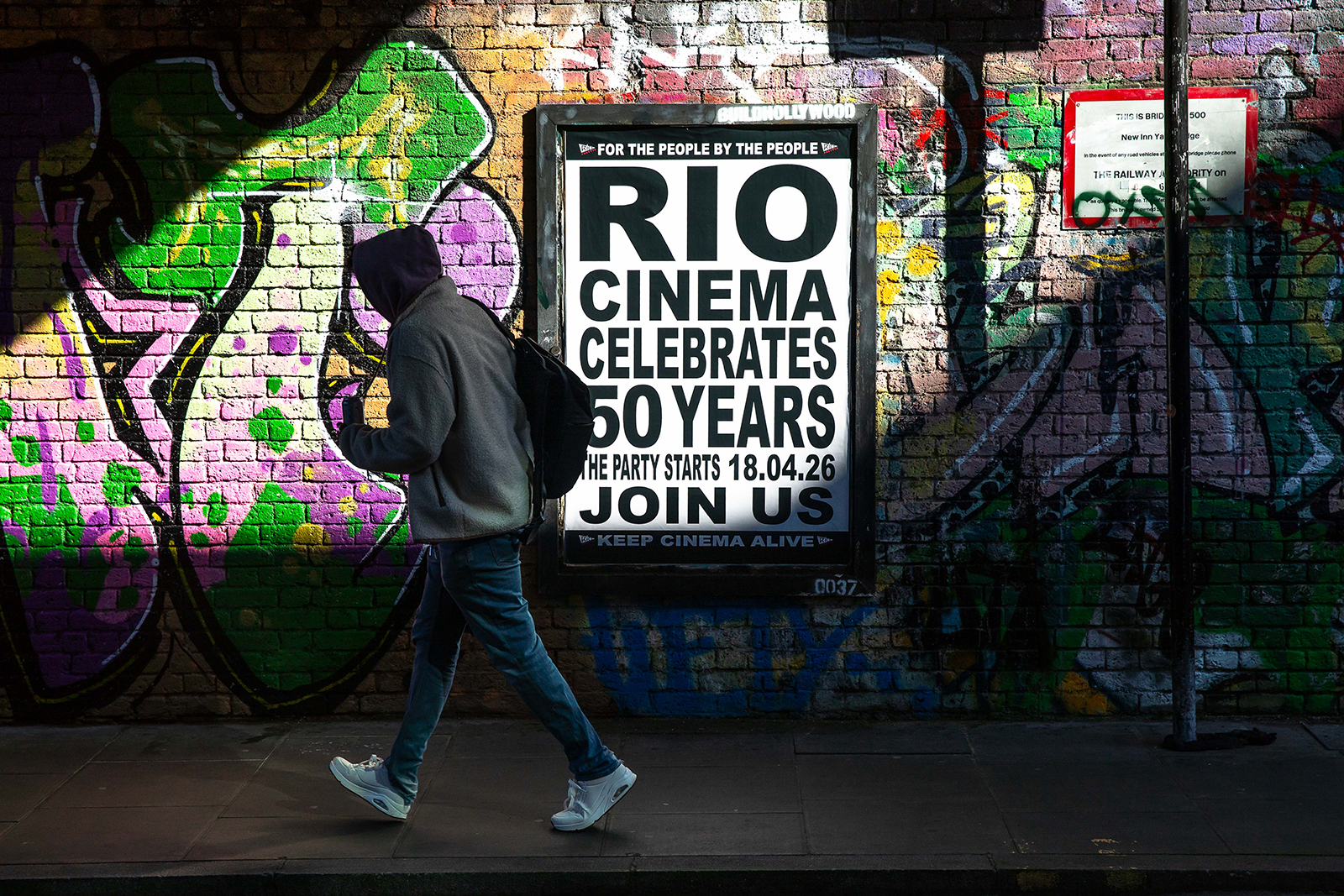
To kick off RIO FOREVER, the cinema has teamed up with one of its long-standing programming partners, Doc’n Roll, and two other well-known friends of the cinema – Turner Prize-winning artist Jeremy Deller and bootleg extraordinaire Jonny Banger, aka Sports Banger – for a one-off launch party combining film, music, and counterculture. Jonny Banger has also been invited by the Rio and BUILDHOLLYWOOD to create an original artwork for the occasion. The artwork is being displayed on billboards around its physical and spiritual home of Hackney, true to the cinema’s spirit of blending into the world around it.

“The first day Jonny came to the Rio to meet us, I described the RIO FOREVER programme and the community roots of the Rio and he just smiled and said ‘oh yeah, don’t worry, this will be a party’,” Greatorex explains. “The poster reflects all of this, it’s DIY and it’s for everyone and it doesn’t look like a cinema poster. It says ‘for the people, by the people’ and ‘keep cinema alive’. It vibrates with how we all feel about the place. We love it.”

As RIO FOREVER launches, Greatorex discusses the Rio’s unique approach to programming, her belief in cinemas in the age of streaming, and how this significant milestone is being celebrated.

Can you tell us about the Rio’s origins and history?

The Rio is the UK’s longest continually running cinema. We’ve been here since 1909 screening films at this address. It’s had various names, but it was started by this incredible woman called Clara Ludski. She came from a Jewish family, she was an immigrant. This was before women even had the vote. She was running an auctioneer shop, and she started off screening films using the seats that she was auctioning and her auction house as her auditorium. It was super popular. This is when everybody thought cinema was just going to be a fad, basically. They had a big ice rink fad a couple of years earlier, and so it took them a while to build cinemas because all these ice rinks had been built and then were no longer needed. But the cinema was just a huge success. She ended up buying two shops next door, and we’ve been here ever since.

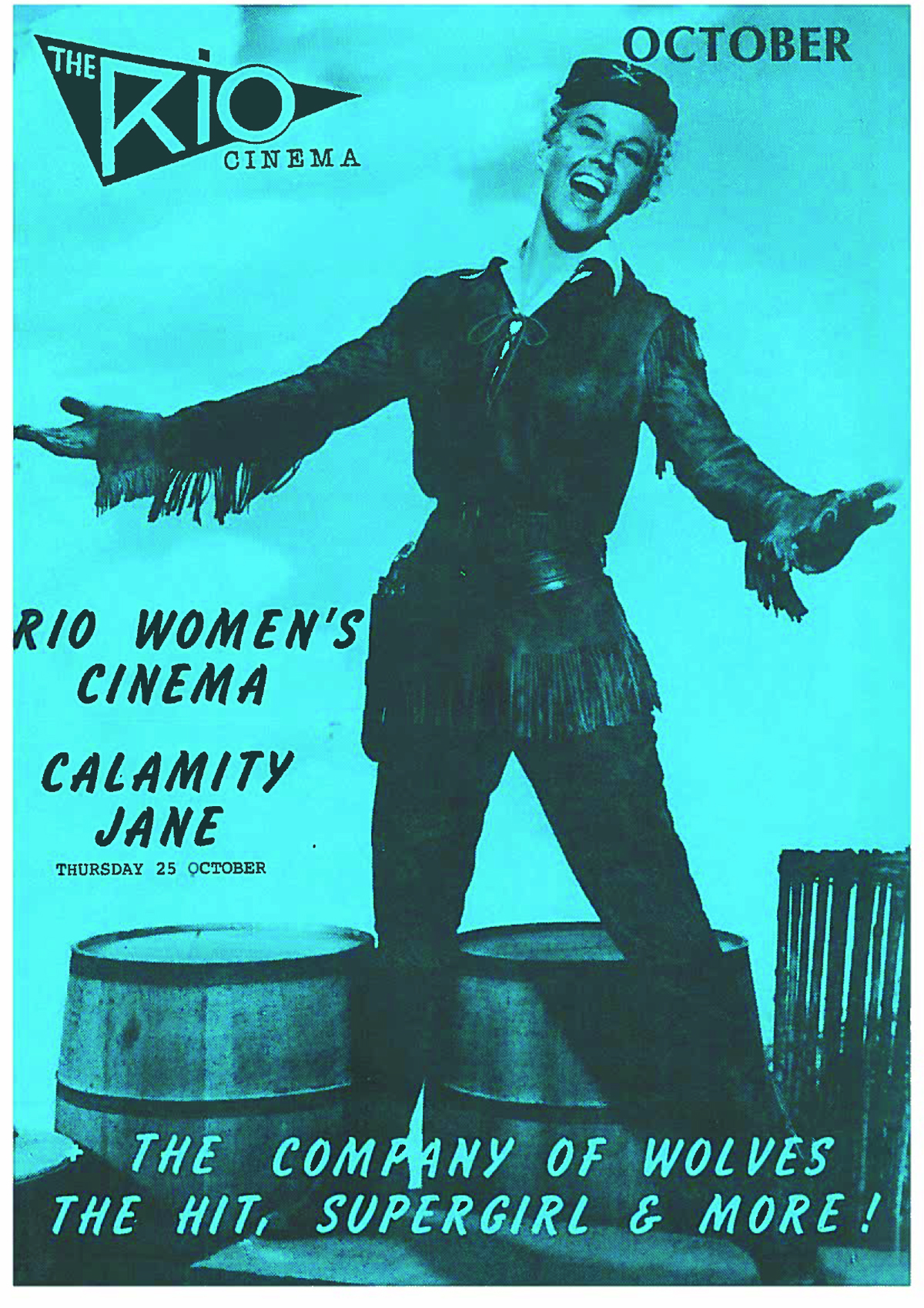
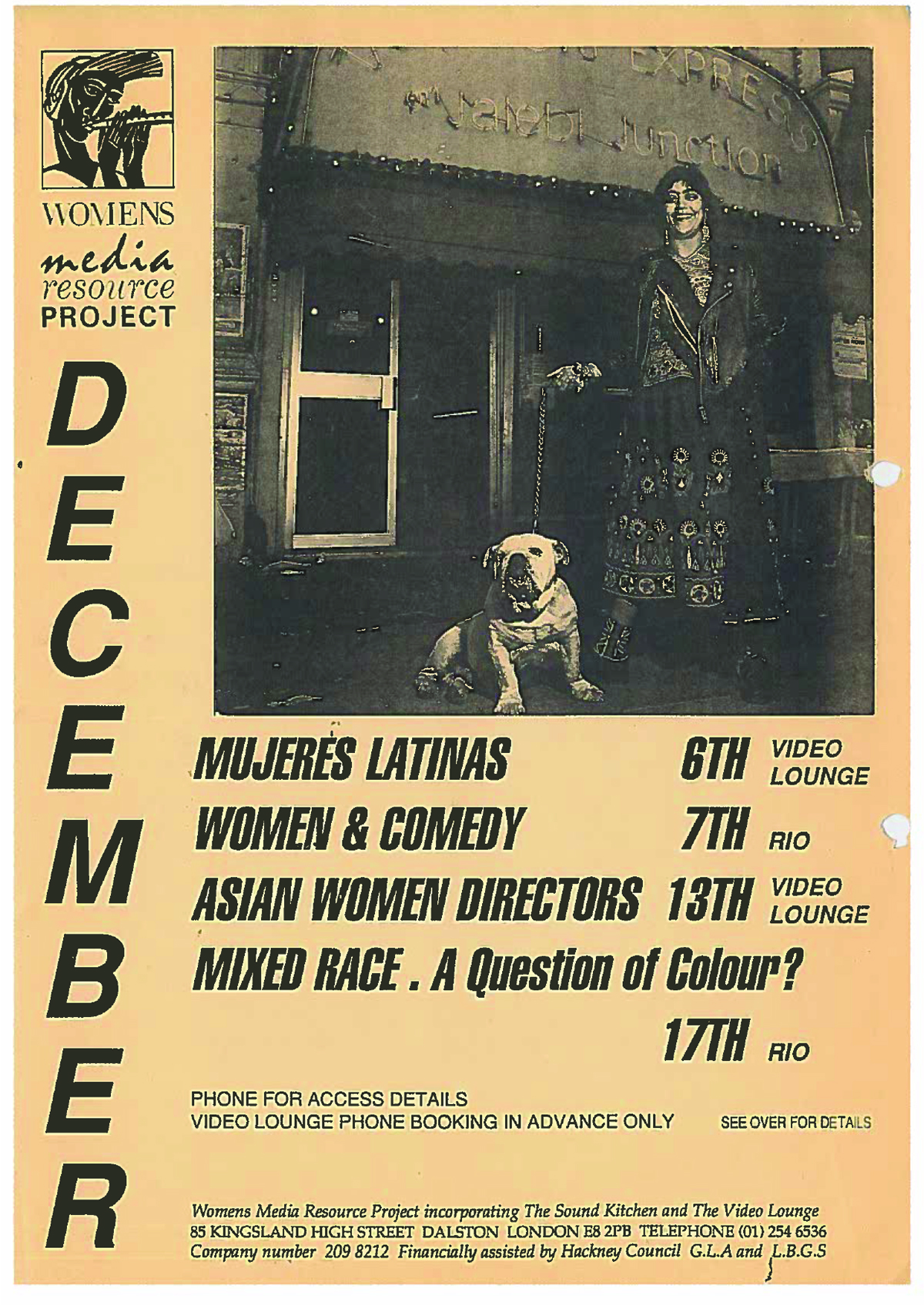
It’s been run by and for the local community for 50 years in April, so it’s 50 years since we’ve been called the Rio and since we’ve been under community management. It’s been quite a radical and political history as well. There’s been a lot of different projects run by various groups at the Rio, especially in the 80s – it was part of this whole scene that made Hackney what it is today. There was the Rio, there was Centerprise over the road, and they were doing a lot of things like organising protests and activism. There were a lot of feminist organisers working and also programming at the Rio, and we also have the Tape/Slide project, where they were giving cameras to local unemployed young people and sending them out to document the local area. We still have all of those transparencies from that project here – it got made into a book.

It’s always been a place for the people of Hackney. I think working class inclusion has always been really important. It’s always been a very affordable cinema. I’m always bumping into people on the bus who remember bringing their kids here back in the day, or they remember coming here themselves. We’ve got the longest-running mother and baby screening in the UK. We’ve got the longest-running senior screening in the UK. That’s happening today – we’ve got 200 senior citizens coming to watch Sunset Boulevard!

So it’s always had this very lively community feeling. That’s why I think it’s just a really nice fit with Jeremy Deller and Jonny – Sports Banger – coming to do the launch event, because both of them are working from that same collective ethos. Especially Jeremy Deller, all of his work has been about that collective feeling.

Do Jeremy Deller and Sports Banger have any links to the cinema?

Jeremy had a book launch here a few years ago, and Jonny Banger is based up the road in Tottenham, so he’s local to us. They were brought together by Vanessa Lobon-Garcia and Colm Forde from Doc’n Roll, one of our regular collaborators, and this is their launch party for our season.

Can you tell me a bit more about the wider Rio Forever programme?

We’ve got the Doc’n Roll launch party with Jeremy Deller and Sports Banger. We’ve also got these billboards with BUILDHOLLYWOOD, which are going to be really cool. And then we’ve got this longer running film programme, which is going to go all the way from April to November. I really love doing this slow programming where, rather than a film festival where you’ve got all these super exciting events happening over a weekend or over ten days, you take a bit longer. I think it makes it much more accessible to a whole different audience. Most people don’t have a weekend to go and spend at a film festival, but if they live locally and their neighbourhood cinema is showing a lot of different, interesting events over a period of a few months, chances are they can catch most of it. It’s just much more cohesive with the way cinema sits in people’s lives.

We’ve got our patrons and some other local filmmakers choosing films that have screened at the Rio that are from our archive and re-presenting them. So we’ve got Asif Kapadia, Sally Potter, and Dionne Edwards – those are our patrons. We’ve got Molly Manning Walker, Desiree Akhavan, and then further down the line, we’re going to have Jarvis Cocker and others. And then we’ve got all of our regular curators, like Queer East Pink Palace, Varda Film Club. Everybody’s putting on their own little party as part of this long season, basically.

Director Asif Kapadia, editor Chris King producer Paul Martin pose for photographers upon arrival at the screening for 'Diego Maradona' in London, Monday, June 10, 2019. (Photo by Joel C Ryan/Invision/AP)

That’s made me think of how much talent in London must have passed through the doors of Rio at some point in their lives.

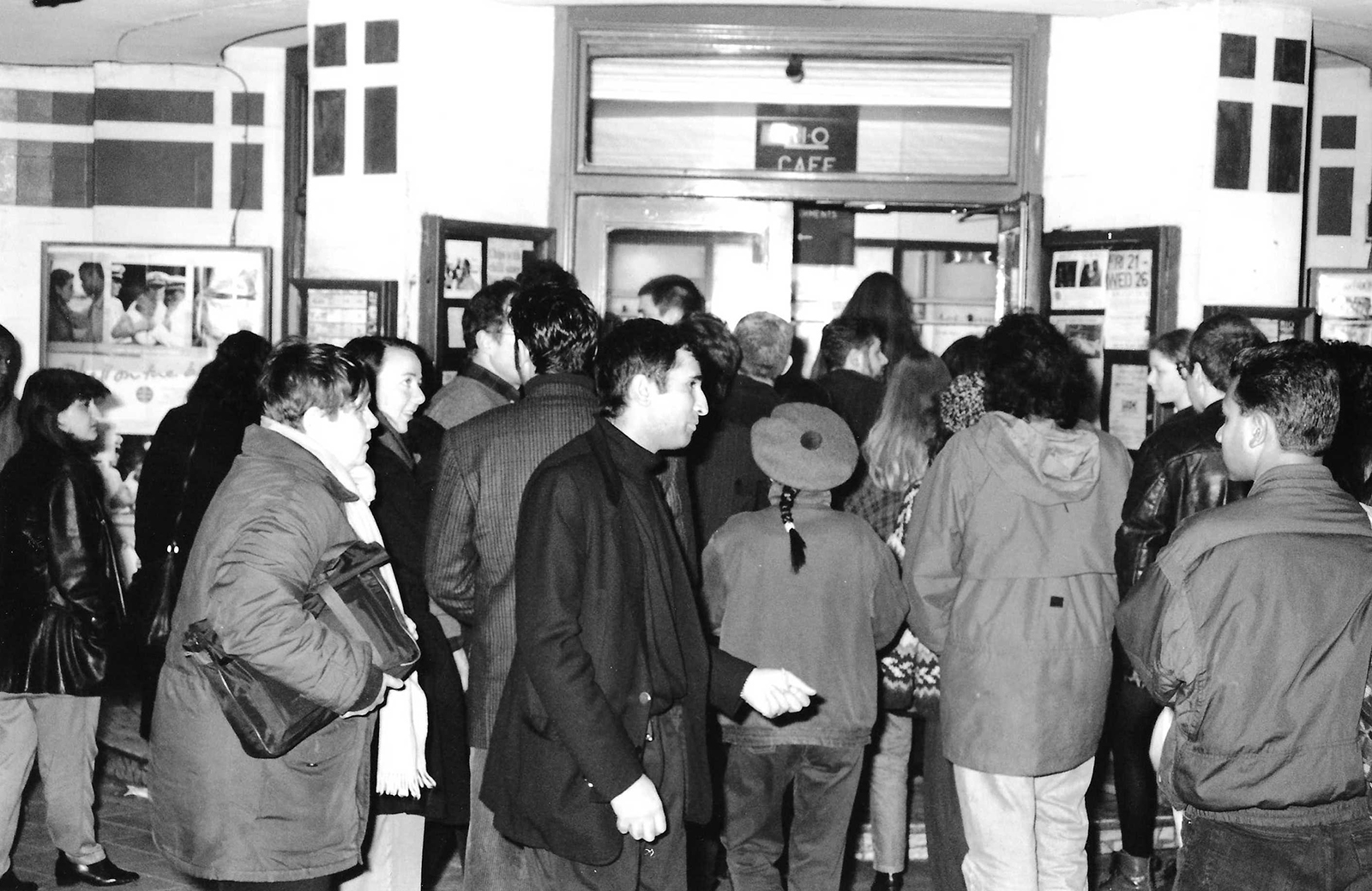
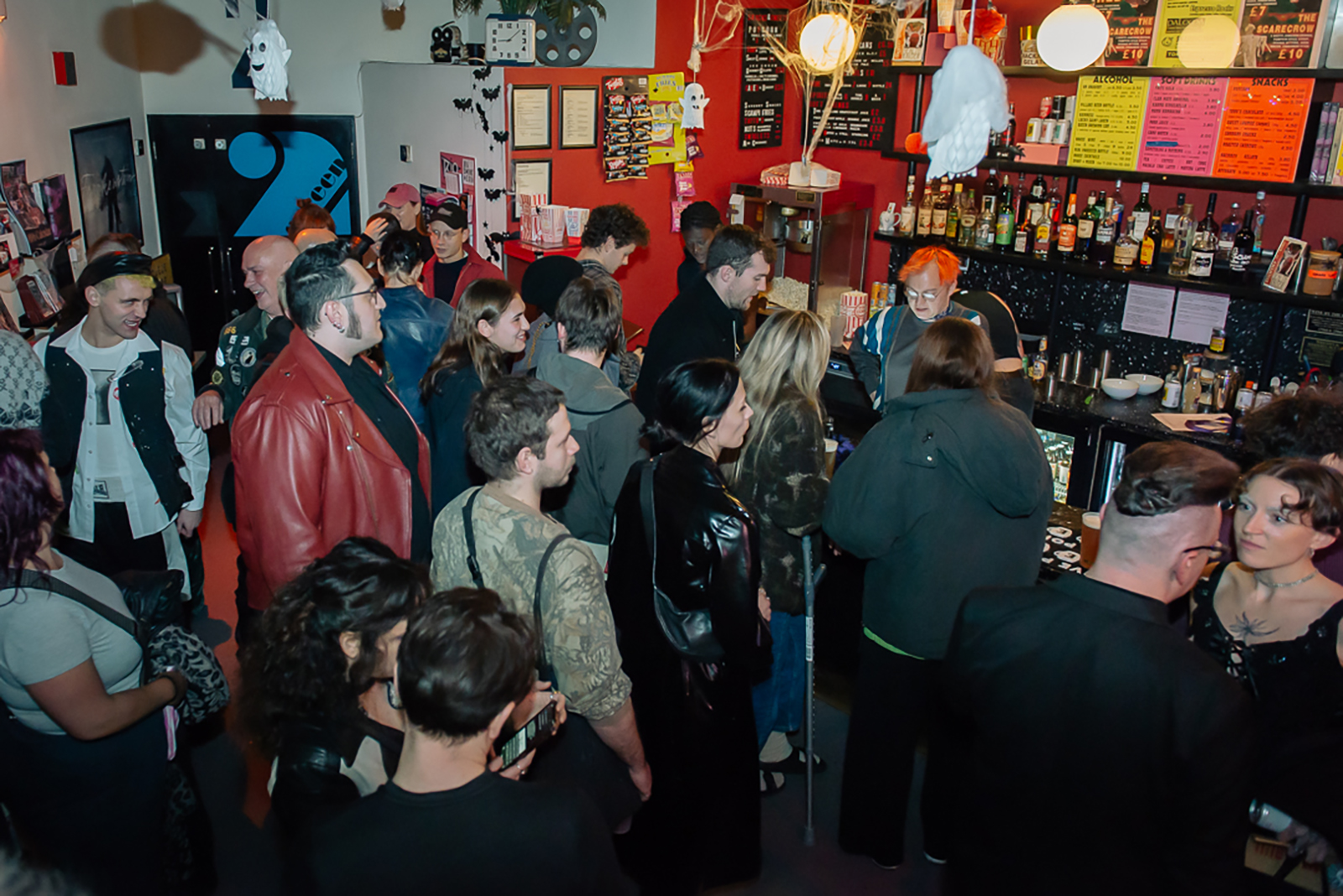
We know this about cinema audiences: they skew East, so Hackney is very much London’s cinema heartland. This is where all of the cinemas are. It’s always had this incredible cinema-going culture, and it’s where a lot of filmmakers are based and find inspiration as well. It’s also a great place to make films. So I think that makes the Rio a really exciting cinema because it’s right in the heart of this culture. And because of our big capacity, when we have an event, it’s a big event and it spills out onto the street. It’s very much part of Dalston rather than you shut the door and you put a thing on and it’s just happening for those people; it feels much more rooted in the area.

On that note, can you talk a bit more about the programming? Obviously you can find all the blockbusters but there’s very much a culture of screening films and projects that seem directly connected to the area as well.

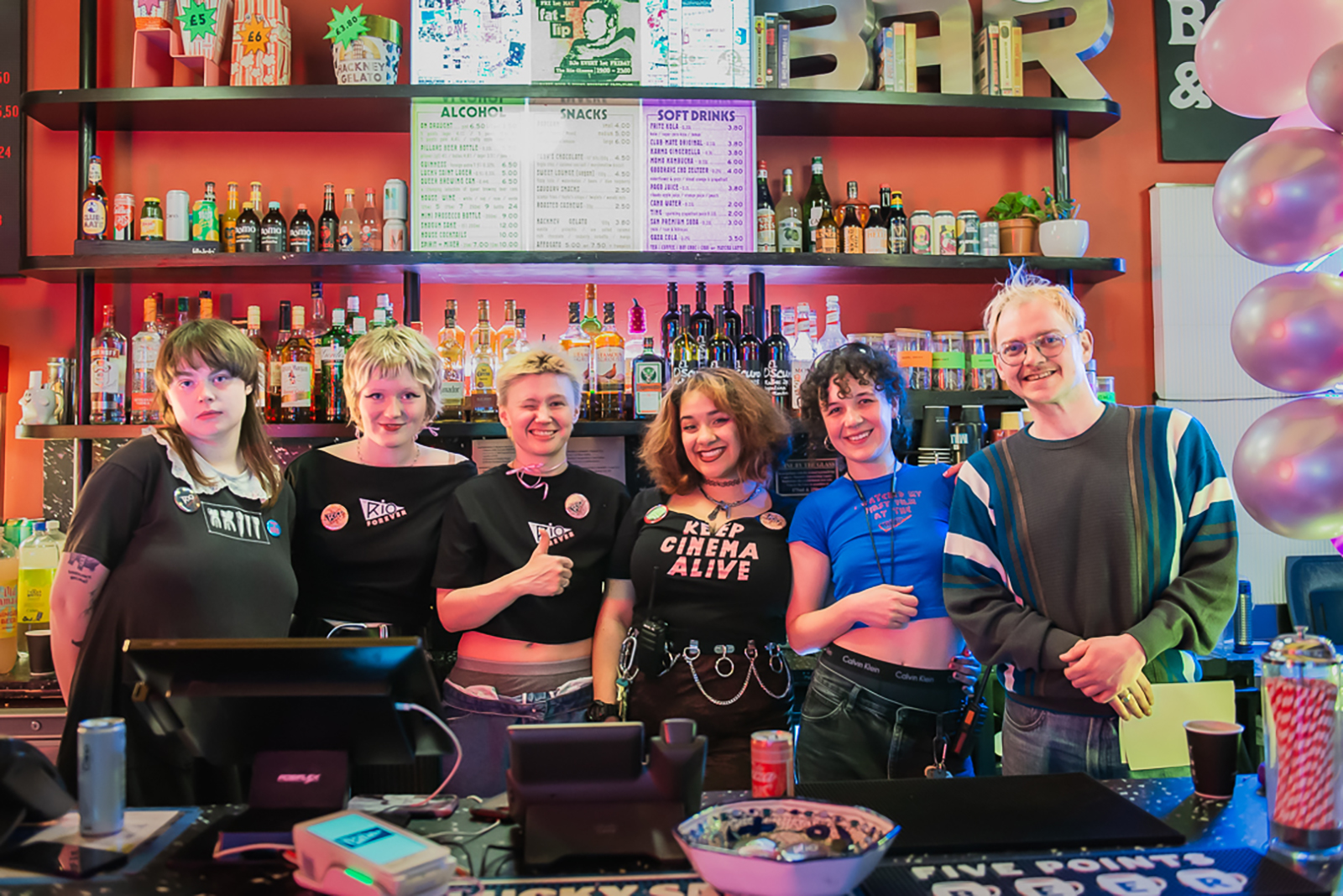
It’s quite a porous way of working. I book the main features and I have overall oversight of the programme but we really encourage everyone at the Rio to take part. If they have something they want to put on, we support them to do that. They’ll introduce it and make an event around it, and it gives us this incredible diversity of programming.

There are a lot of local film festivals that have screened here for years, like the London Kurdish Film Festival. They’ve always had a home at the Rio, and it’s really nice to be part of people’s stories like that. The London Short Film Festival has always come here. Doc’n Roll. But a lot of these film clubs, they come from within our own staff team. Category H is a late-night double bill horror film club. The Varda Film Club is run by Bells who is one of our front of house members of staff. So I guess we have a no-gatekeeper culture at the Rio.

It’s quite a quietly radical thing to be doing, I think, because usually you have a programme and it’s one person’s vision of what a cinema should be or what direction the venue will take. Here it’s much more of a collective thing. For me as the cinema director, it’s a challenge to include all of these ideas, but I’m also learning a lot from the whole staff team, because we hold this hive mind of creativity rather than it being one person’s direction.

When you think about streaming and working from home and the pandemic, does it feel extra special to reach this milestone? To exist with all of those things happening in the background and still keep moving forwards?

I’ve never necessarily seen a competition between streaming and cinema. I think that cinema is just part of people’s life in film. We all watch films and moving image in all different kinds of ways. Cinema is always going to be about escape and about transcending because you’re taking part in whatever the reality of that film is, but it’s connection at the same time. It’s going out, going to a place to do a thing at a certain time. So it’s escape and connection, and people are still coming out for it. It’s wonderful. Particularly with our repertory programming, it’s a very young audience at the Rio, and that’s not something that I’ve seen even ten years ago. If you put on a repertory programme, you’d have a few young people coming out, but now there is this enthusiasm. It’s new, I think – this Gen Z interest in the archive and also, I think the political use of the archive. It’s not just screening stuff for nostalgia or for ironic purposes; it’s political as well. What are we viewing that isn’t being made at the moment, but that we feel like we need to see? It’s actually really heartening. Funding is an issue always, the cost of running a venue is terrifying. But when you see the audiences that are coming out for specialist programming and archive programming, it’s great.

I don’t ever want the Rio to feel like a museum, but I do feel our archive is almost a kind of battery that will keep us going, because we programme in response to what we know has happened here in the past. Also it encourages us to keep going. I’m sat here and I’ve got typewritten letters that other cinema directors have been writing, dealing with the same challenges that I have now. So we feel like we’re carrying on a legacy here.

Thinking about the future, what role do you hope the Rio will keep playing in people’s lives?

I know we will continue to be a place for the community and for our neighbourhood, where we’re screening really good films and where everybody is welcome and where there are many different audiences coming together. I also hope we’ll continue to be a place where young curators can have a go at putting on pieces of film programming, where anyone can have a go with that. It seems really important to me that this stuff isn’t gatekept; the creative work of curation should be available for everyone to do. And I hope that we continue to provide a home for all of the amazing film festivals and collectives that are out there doing work.

I’m also really interested to hear over the next few months what other people imagine the future of the cinema to be – not just the Rio, but cinema in general. What place does it still play for them? If they haven’t been coming as much, why not? I think it’s a bit of a listening exercise and we’re definitely going to be trying to capture some of that to guide us as we move forward, 100%.

Previous article

Marathon Season: Hit The Ground Running

Next article

Partnerships

Otrovert: Facing a Different Direction Entirely